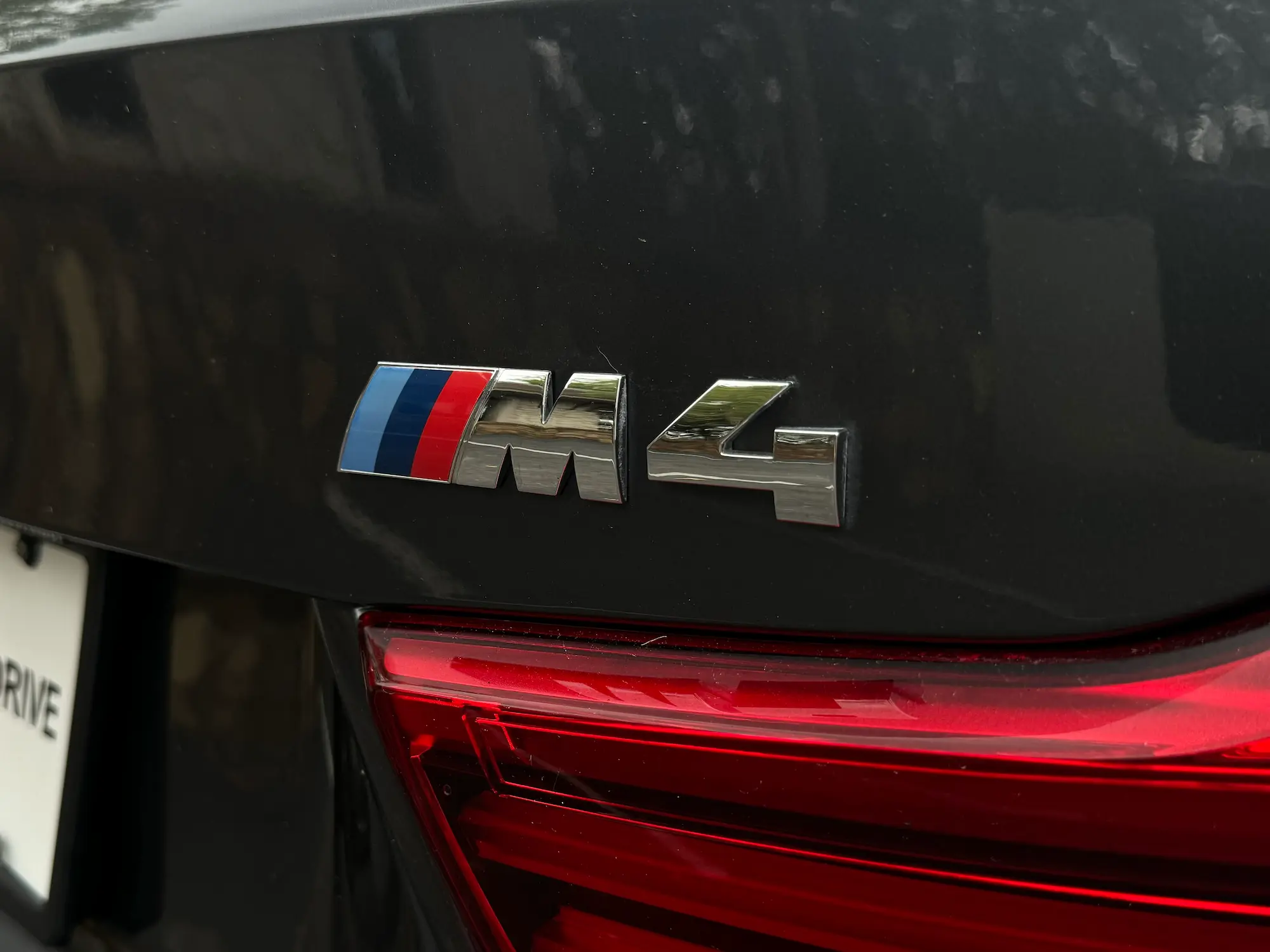
BMW M4: What to Know Before You Buy
The BMW M4 lineup combines a 3.0-liter twin-turbocharged inline-six engine, sharp handling, and enough comfort for everyday driving. Depending on the version, buyers can choose the standard rear-wheel-drive M4 Coupe, the more powerful rear-wheel-drive M4 Competition Coupe, or the all-wheel-drive M4 Competition xDrive Coupe. To ask about current BMW M models or compare available performance vehicles, call AutoPro Nashville at 615-377-6101.
Before buying, look beyond the horsepower figures. The model year, trim, transmission, drivetrain, factory options, service history, tire and brake condition, modifications, and remaining warranty can all affect the ownership experience. A well-maintained M4 can be exciting and surprisingly versatile, while a neglected performance car can become expensive quickly.
The Story of the BMW M4: Why It Matters to Buyers
Understanding how the M4 developed helps explain why different generations, trims, and drivetrains can feel so different. That history gives used buyers useful context when comparing older M4s with newer versions.
From the M3 Coupe to the M4
The BMW M4 emerged when BMW created the 4 Series as a separate model line from the 3 Series Coupe and Convertible. The M3 name remained with the four-door performance sedan, while the M4 became the coupe and convertible member of BMW’s performance lineup. BMW announced the new M3 Sedan and M4 Coupe in December 2013, with the M4 effectively taking the place of the previous M3 Coupe.
For used BMW buyers, that history helps explain the M4’s character. It carries much of the same performance philosophy as the M3, but its two-door design gives it a sleeker profile and a more coupe-focused personality.
Why the First BMW M4 Was Important
The first-generation M4 marked an important change for BMW M. Instead of the naturally aspirated V8 used in the previous M3 Coupe, the M4 introduced a 3.0-liter turbocharged inline-six engine. The new engine delivered strong torque, quick acceleration, and a different driving feel from earlier M3 and M4 models.
That is one reason buyers should compare M4 generations carefully. Older models may feel more mechanical and traditional, while newer versions generally offer more power, technology, traction, and comfort.
How the BMW M4 Has Evolved
Over time, the M4 lineup has added more power, more technology, and more drivetrain choices. Competition models brought stronger performance and sharper tuning, while M4 Competition xDrive versions gave buyers all-wheel-drive traction without losing the rear-biased character associated with BMW M cars.
That evolution matters when shopping for a used M4. A rear-wheel-drive model may appeal more to drivers who want a traditional enthusiast experience, while an M4 Competition xDrive can be a better fit for buyers who prioritize stronger acceleration, added grip, and greater confidence in changing conditions.
Why the M4 Still Has Strong Buyer Appeal
The BMW M4 sits between a true sports car and a luxury grand touring coupe. It offers serious performance and aggressive styling, but it can still work for everyday driving when the right options, tires, and suspension setup are chosen.
For buyers comparing used luxury performance coupes, the M4 is worth considering if you want BMW M performance with more visual presence than a sedan. It may not be the best choice if you prioritize maximum ride comfort, low ownership costs, or genuinely spacious rear-seat room.
To learn more about BMW’s performance background, read our guide on the history of BMW.
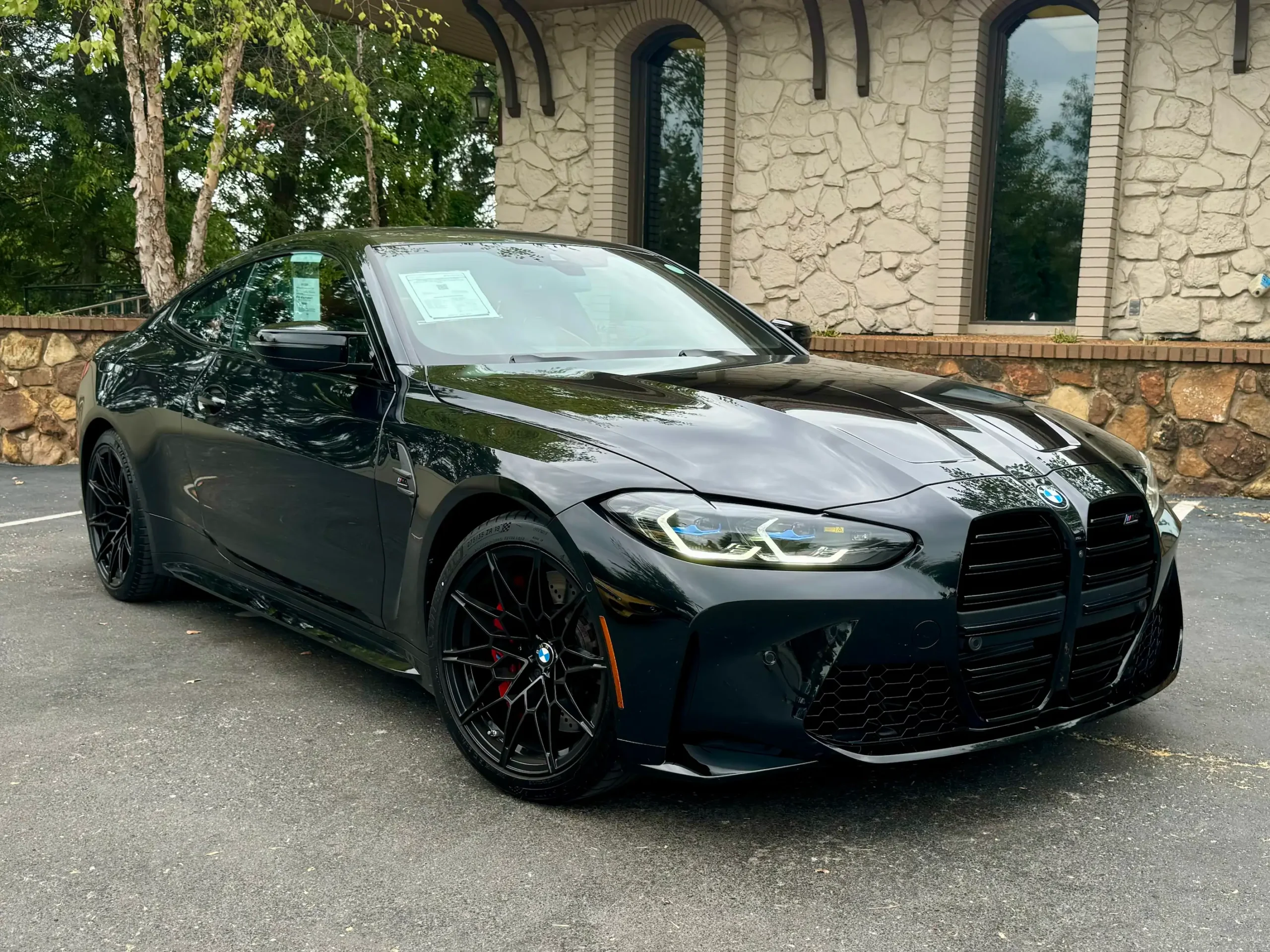
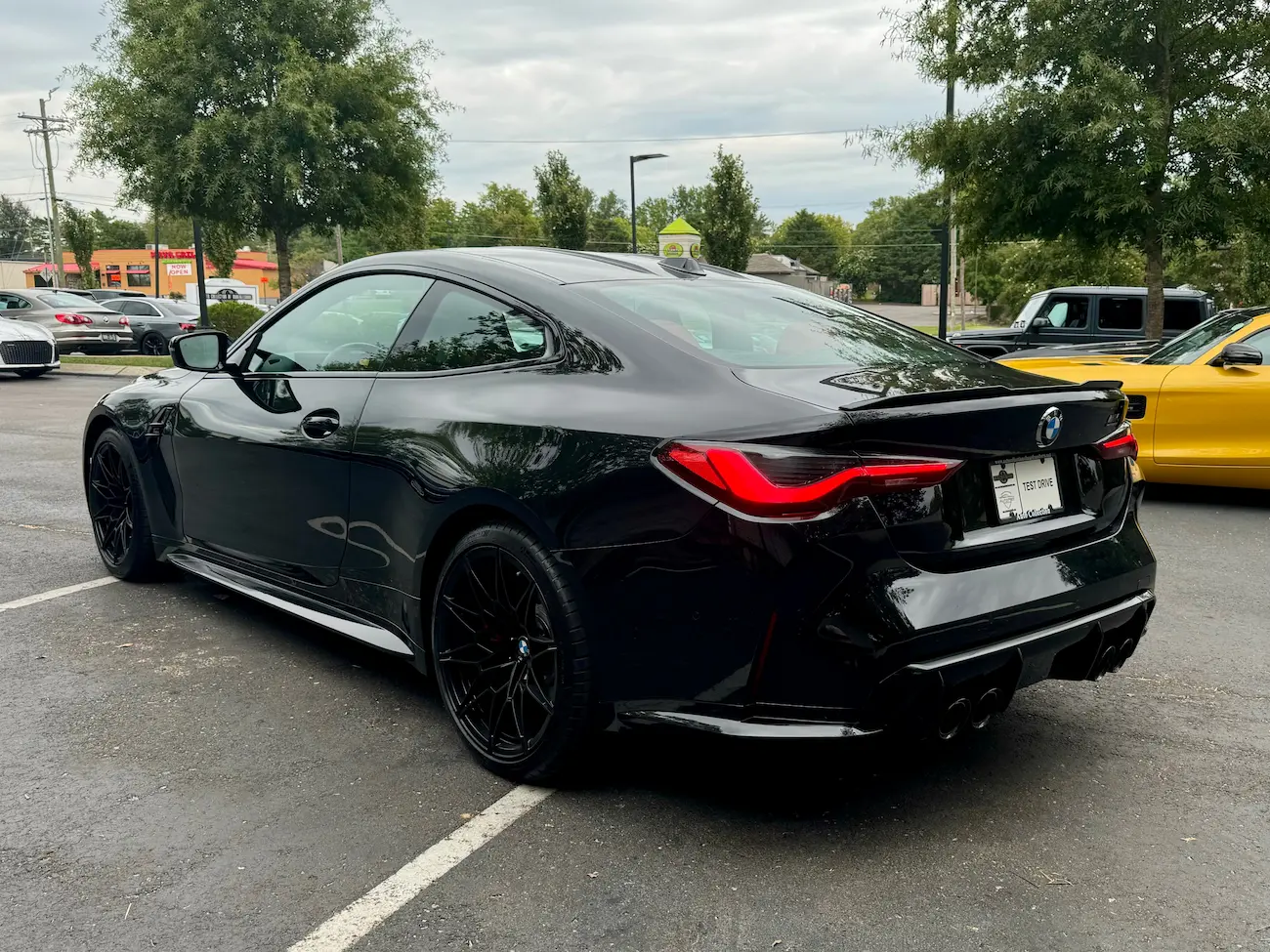

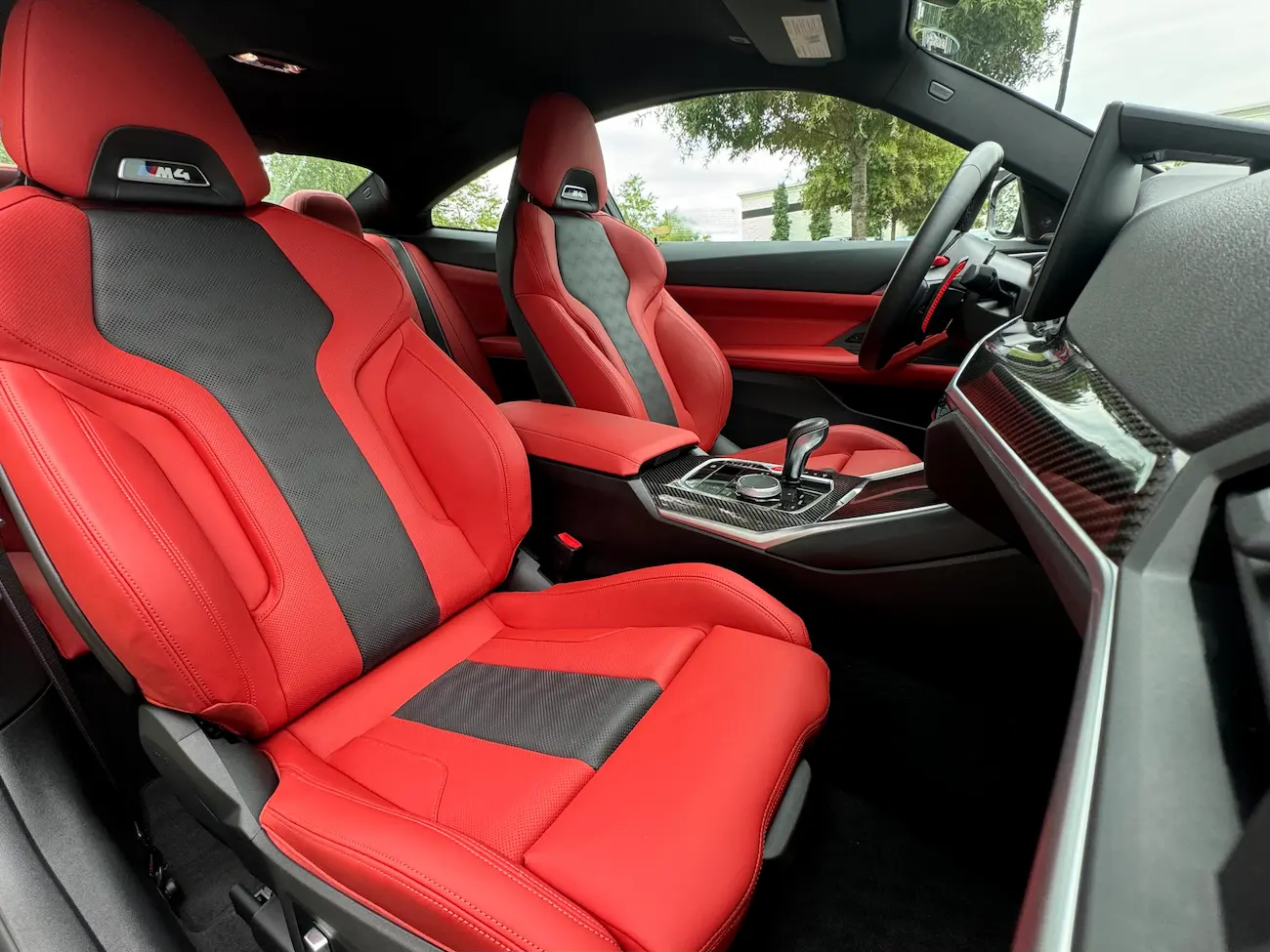
Detailed 2027 BMW M4 Specs: Performance, Engine, and Buyer Notes
The 2027 BMW M4 lineup gives buyers three coupe choices, with differences in transmission, horsepower, drivetrain, and acceleration. Those details matter when comparing a newer M4 with used examples from earlier model years.
2027 BMW M4 Overview
The lineup includes the rear-wheel-drive M4 Coupe, the rear-wheel-drive M4 Competition Coupe, and the all-wheel-drive M4 Competition xDrive Coupe. The M4 Competition xDrive is also available as a convertible, but this section focuses on the coupe models.
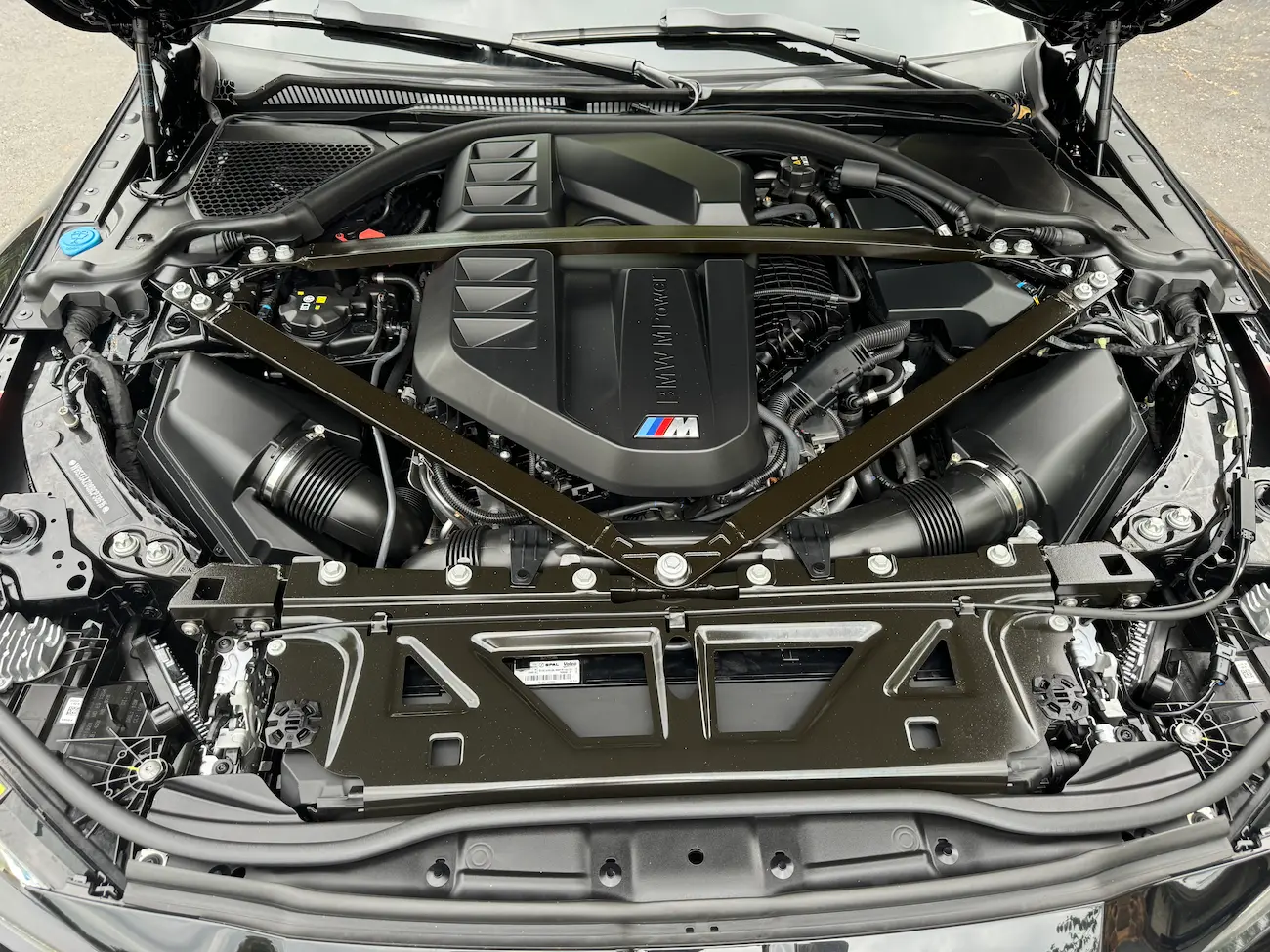
The standard M4 Coupe produces 473 horsepower and 406 lb-ft of torque, and pairs rear-wheel drive with a six-speed manual transmission. The M4 Competition Coupe produces 503 horsepower and 479 lb-ft of torque, using an eight-speed M Steptronic automatic transmission. The M4 Competition xDrive Coupe produces 523 horsepower and 479 lb-ft of torque, adding BMW’s performance-focused all-wheel-drive system.
BMW lists 0-to-60-mph times of 4.1 seconds for the M4 Coupe, 3.8 seconds for the M4 Competition Coupe, and 3.4 seconds for the M4 Competition xDrive Coupe.
Engine and Performance
Every 2027 BMW M4 uses a 3.0-liter BMW M TwinPower Turbo inline-six engine, but each version offers a different driving experience.
The standard M4 Coupe is best for drivers who want a manual transmission and a traditional rear-wheel-drive M car. The M4 Competition Coupe offers stronger acceleration with rear-wheel-drive character, while the M4 Competition xDrive Coupe is the quickest choice and provides additional traction.
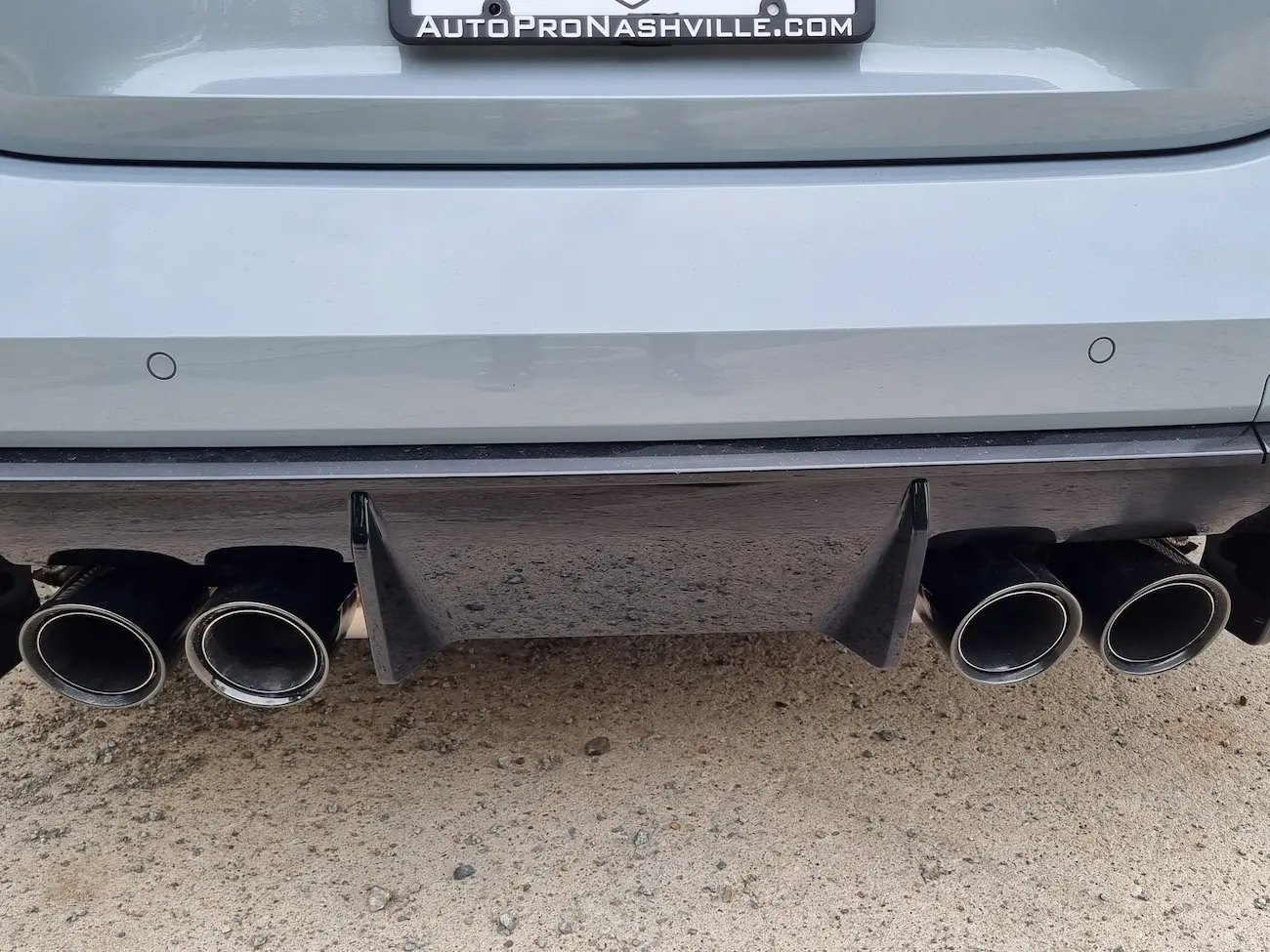
When shopping for a used M4, condition matters as much as horsepower. Check the tires, brakes, wheels, service records, accident history, and any aftermarket modifications.

Acceleration, Handling, and Drivetrain Choice
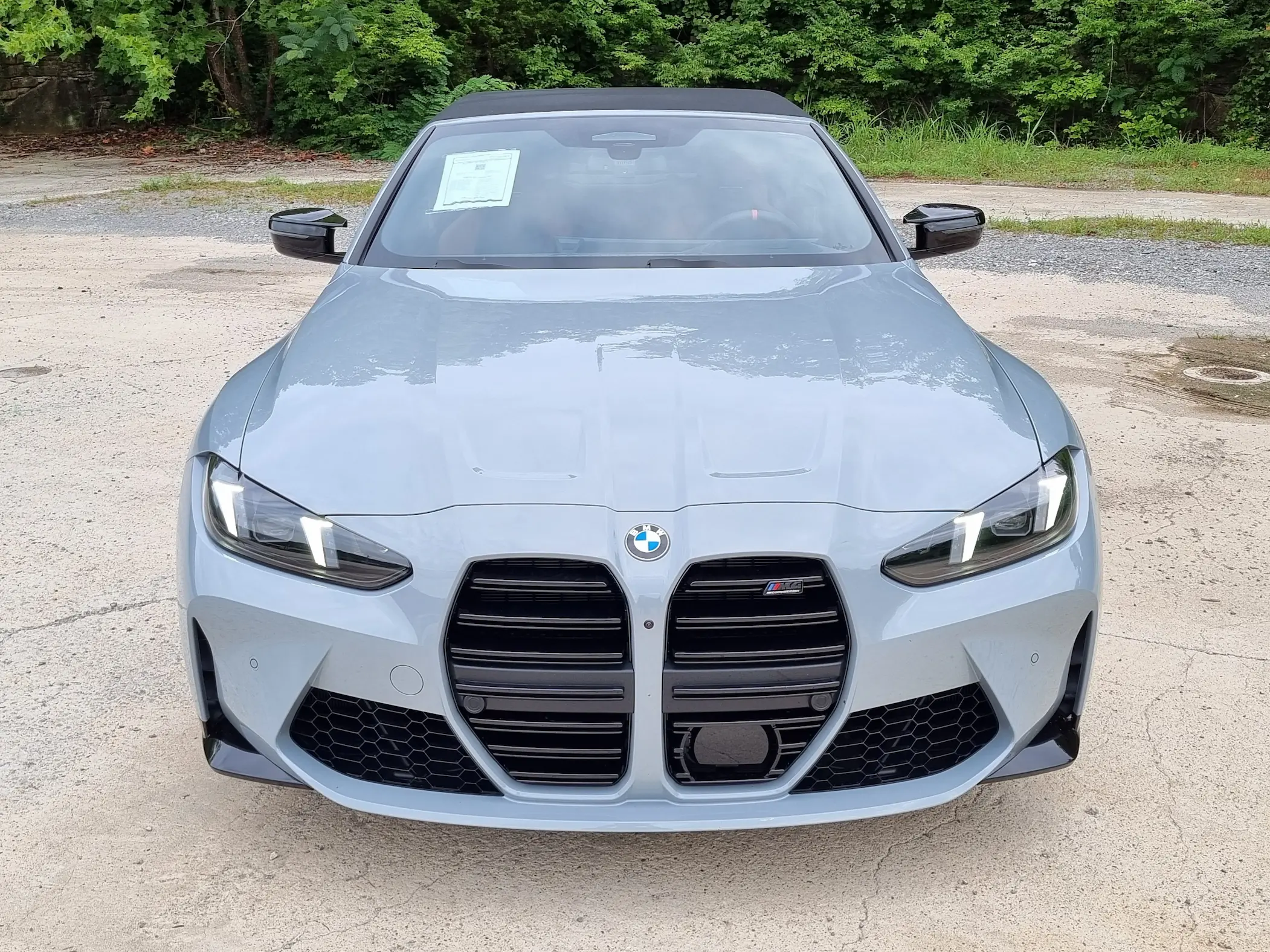
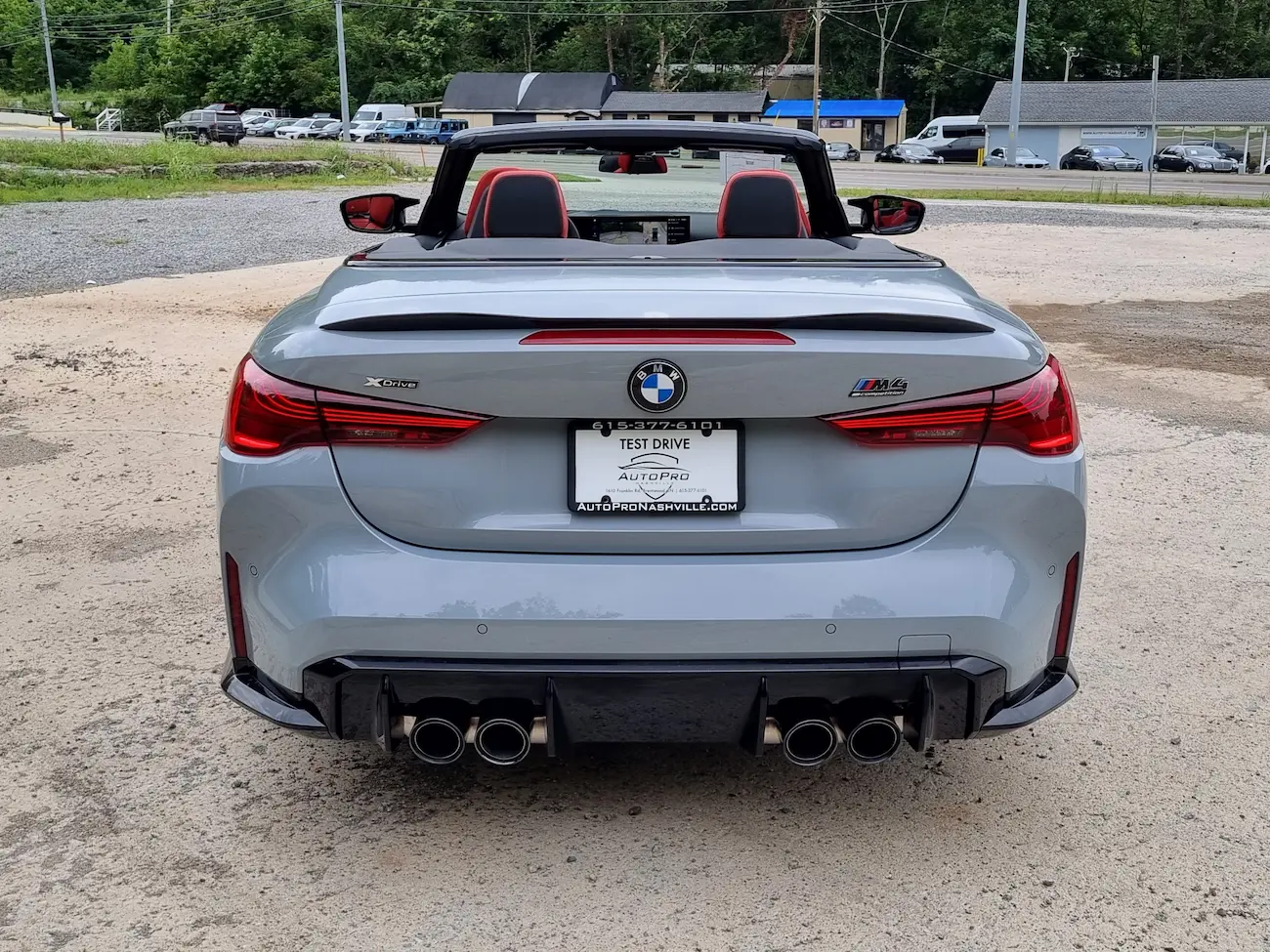
Rear-wheel-drive M4 models generally feel more traditional and playful, while the xDrive version feels more planted during hard acceleration and changing road conditions. BMW’s M xDrive system is rear-biased, helping preserve the driving character associated with BMW M cars.
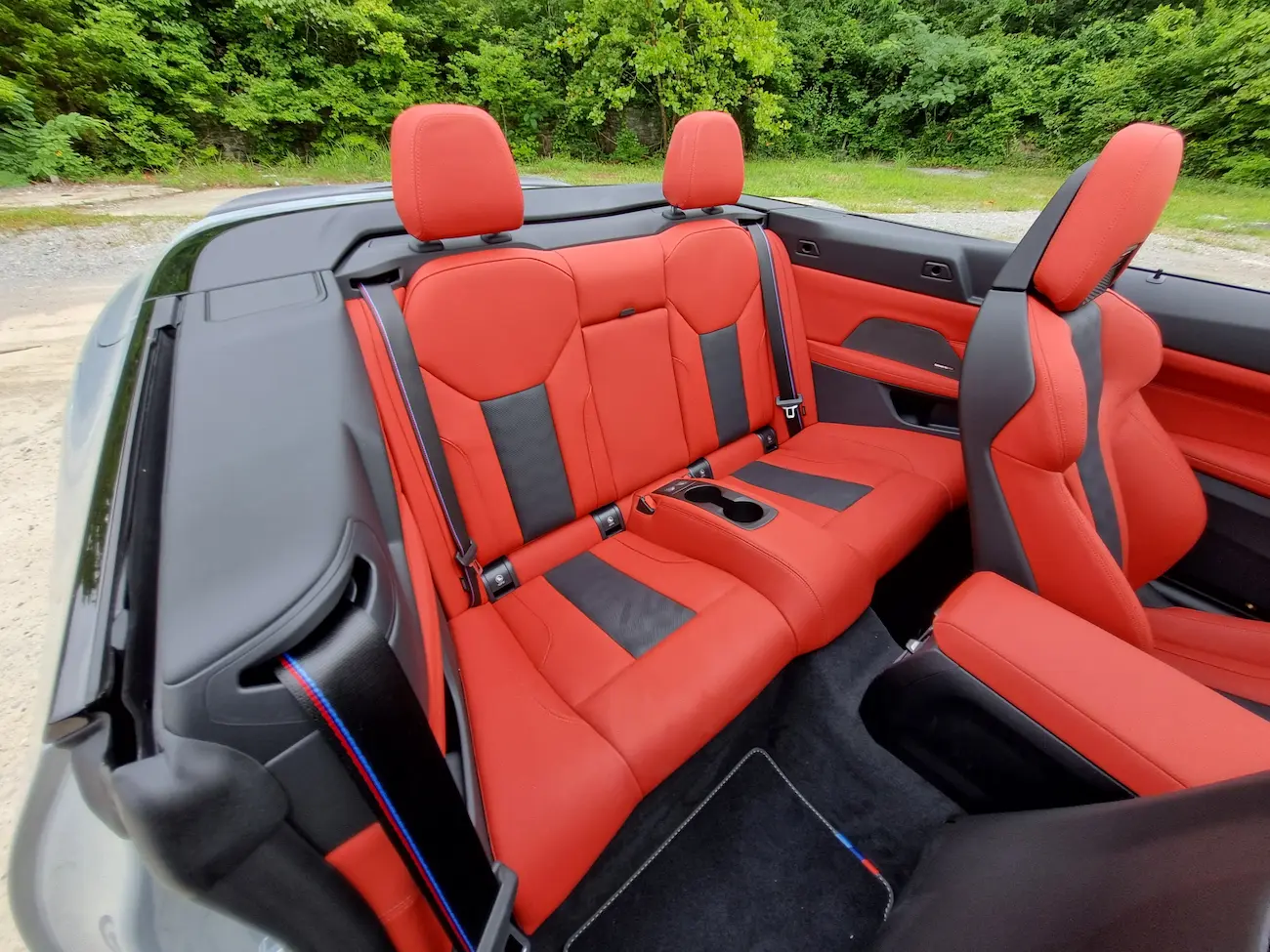
Adaptive M Suspension, the Active M Differential, and M Servotronic steering help the M4 feel precise and controlled. The tradeoff is a firm ride, especially with larger wheels, performance tires, or available M Carbon bucket seats.
Choose rear-wheel drive if you want the most connected enthusiast experience. Choose xDrive if you prioritize acceleration, traction, and everyday confidence.
Interior and Technology
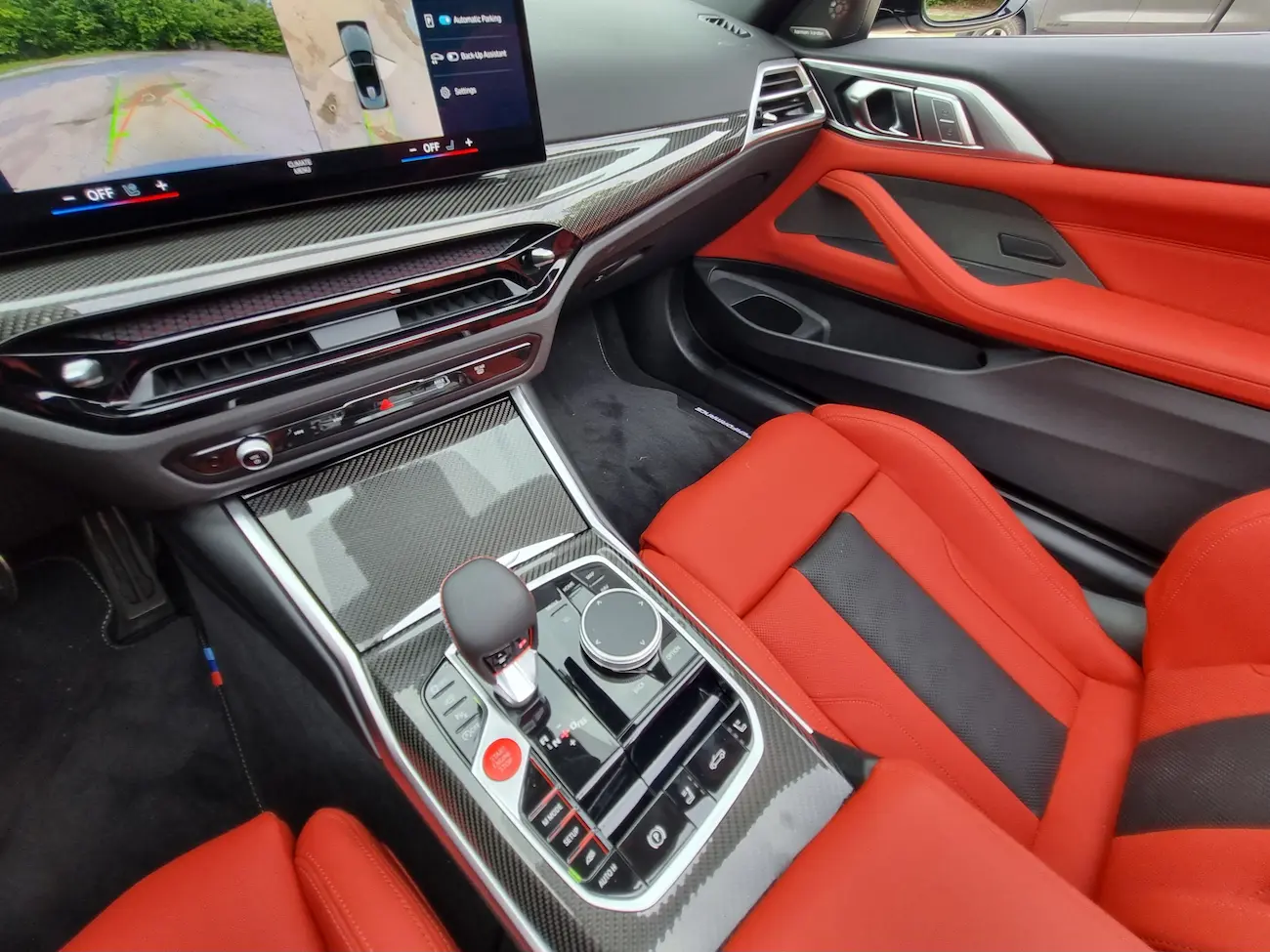
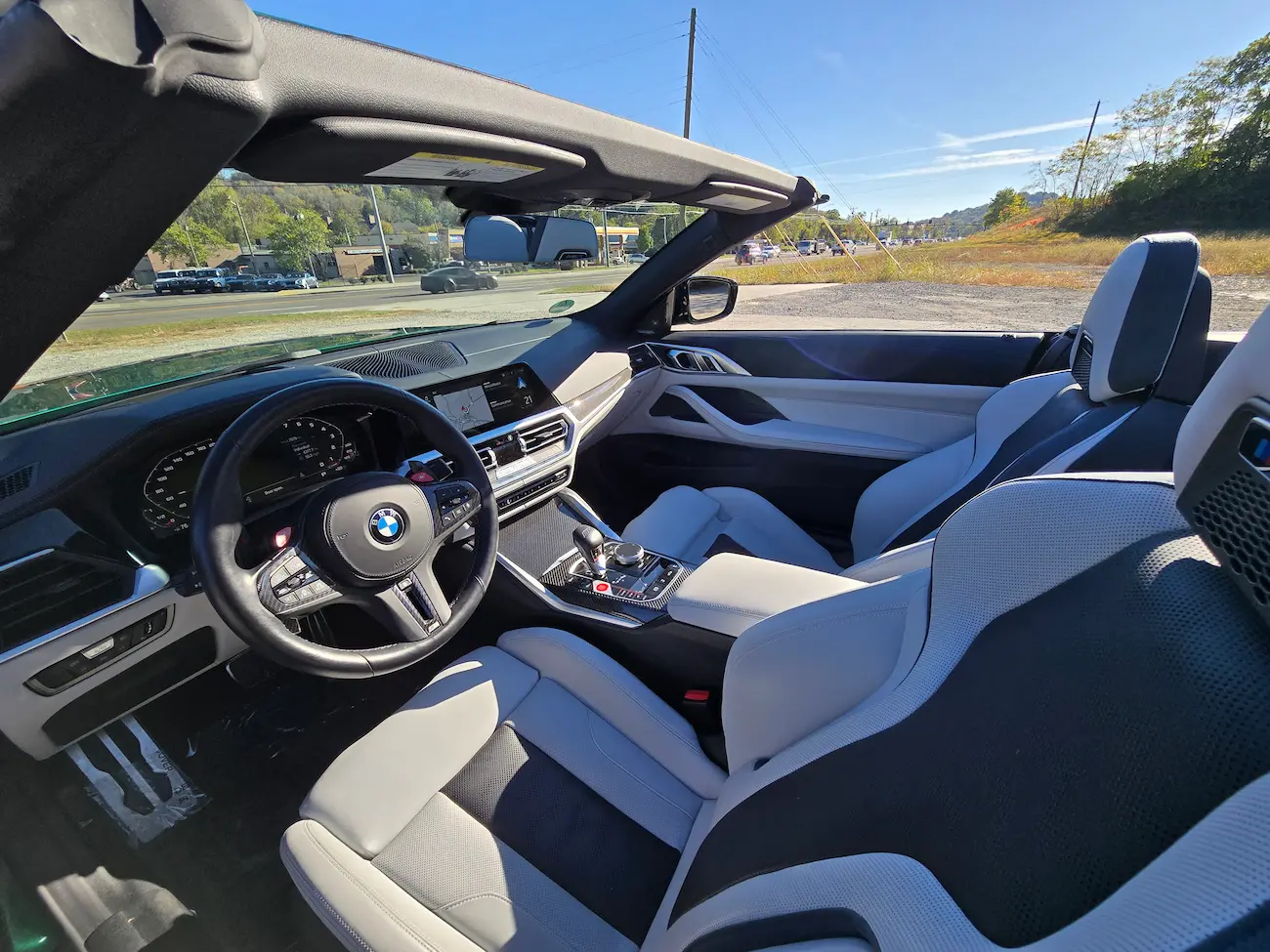
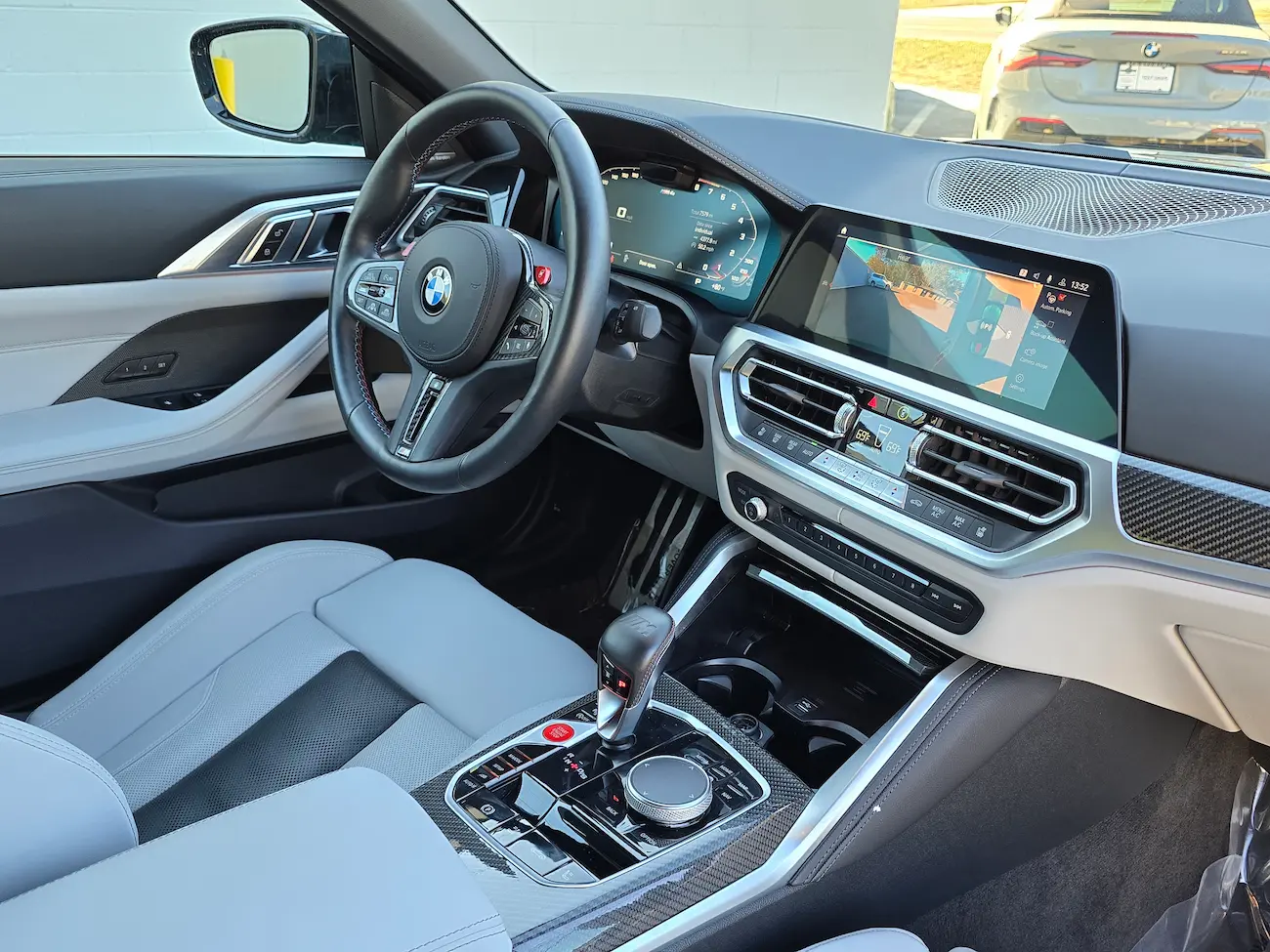
The 2027 BMW M4 combines a driver-focused cabin with modern technology, including the BMW Curved Display with BMW Operating System 8.5, smartphone connectivity, navigation, and performance-focused displays.
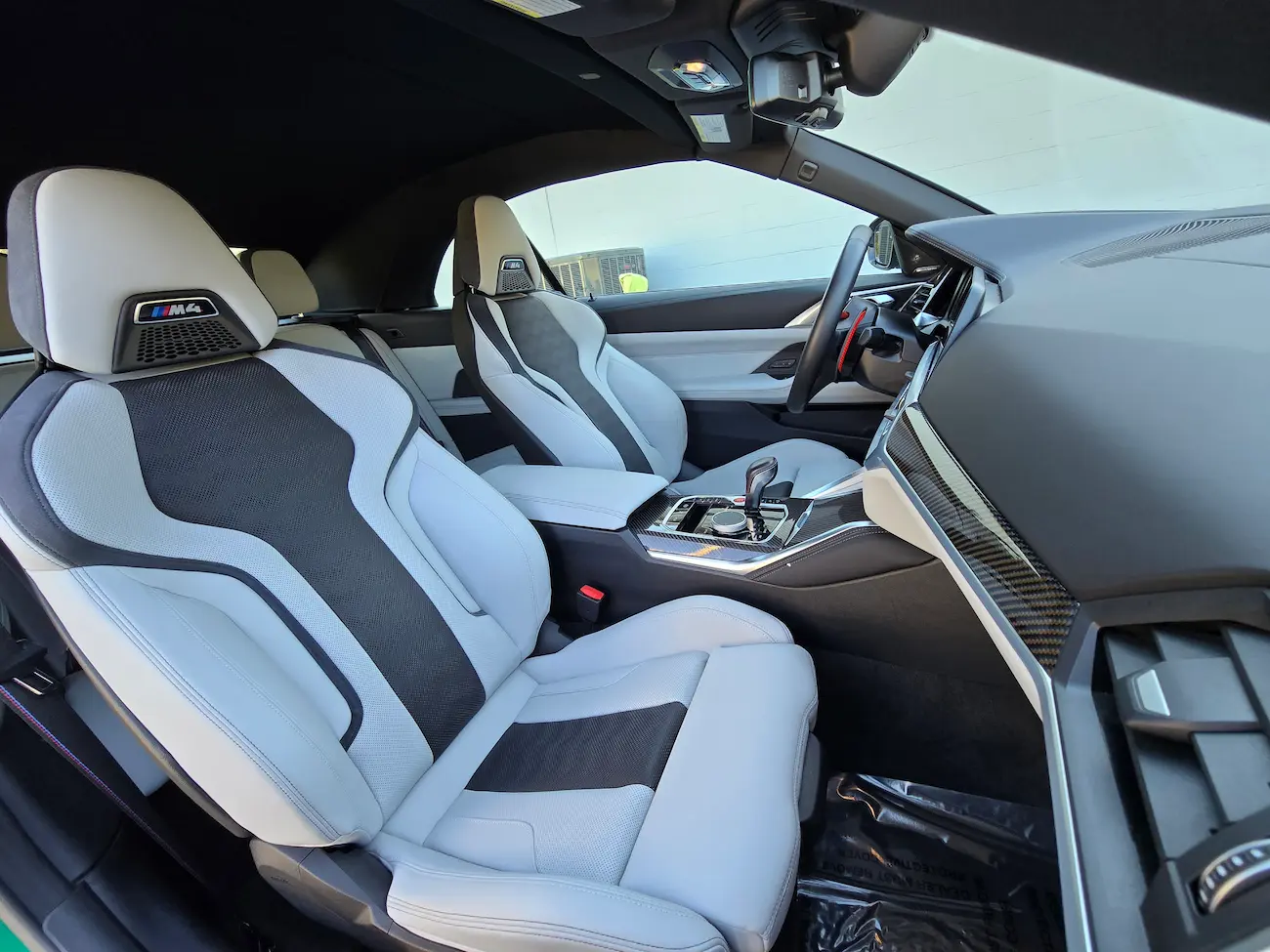
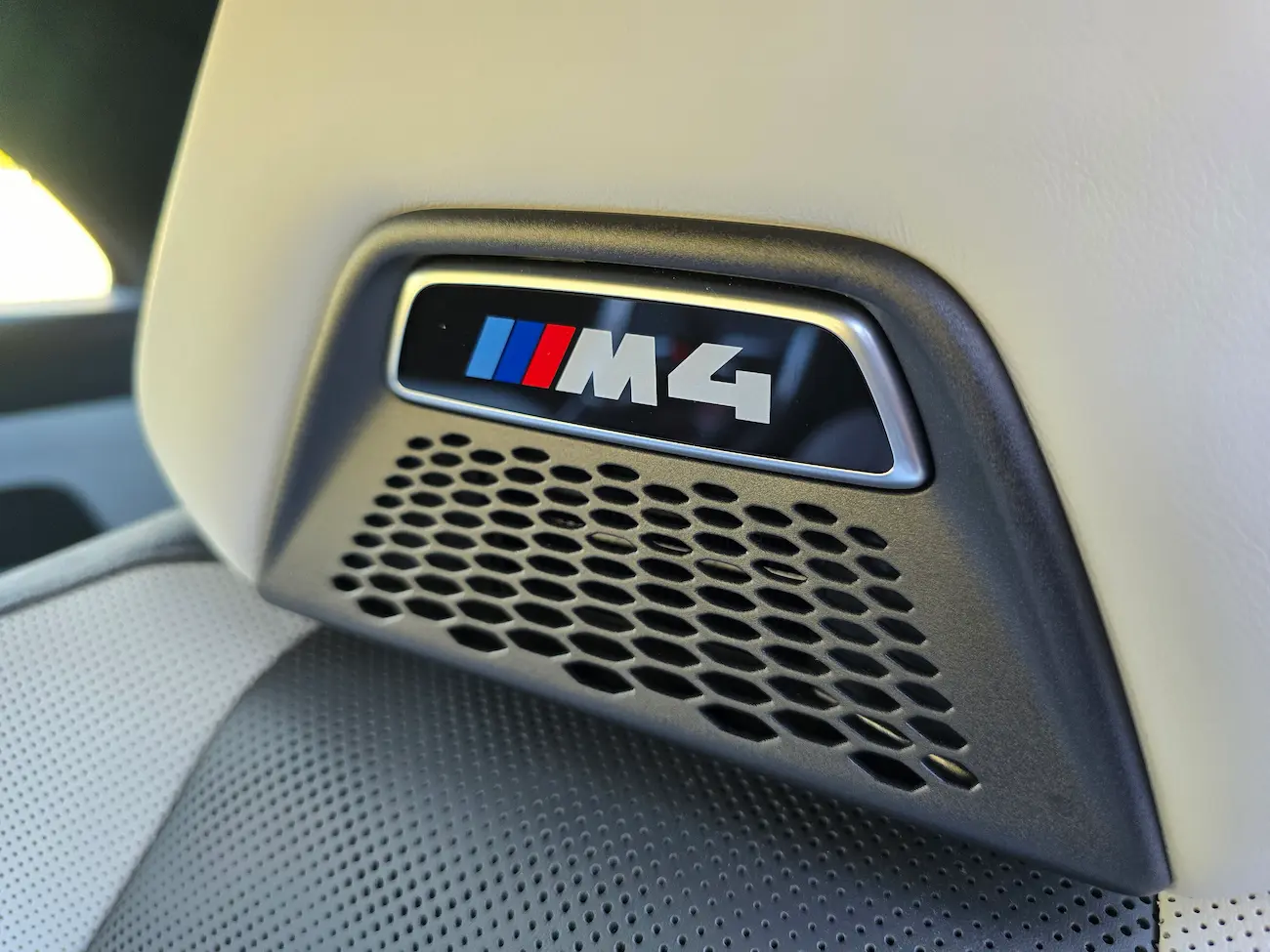
The available M Carbon bucket seats provide strong support and a distinctive appearance, but their raised bolsters can feel restrictive during daily driving. The standard seats are usually more comfortable for longer trips.
| 2027 BMW M4 variant | Horsepower | Torque | Transmission | Drivetrain | 0–60 mph |
|---|---|---|---|---|---|
| M4 Coupe | 473 hp | 406 lb-ft | 6-speed manual | Rear-wheel drive | 4.1 seconds |
| M4 Competition Coupe | 503 hp | 479 lb-ft | 8-speed M Steptronic automatic | Rear-wheel drive | 3.8 seconds |
| M4 Competition xDrive Coupe | 523 hp | 479 lb-ft | 8-speed M Steptronic automatic | All-wheel drive | 3.4 seconds |
Is the BMW M4 a Good Daily Driver?
Yes, the BMW M4 can work as a daily driver if you are comfortable with a firm ride, premium fuel, performance tires, and higher maintenance costs. The standard M4 may appeal more to manual-transmission enthusiasts, while the Competition versions offer stronger acceleration and automatic convenience.
If you want a softer ride or lower ownership costs, a less aggressive luxury performance coupe may be easier to live with.
Buyer Verdict
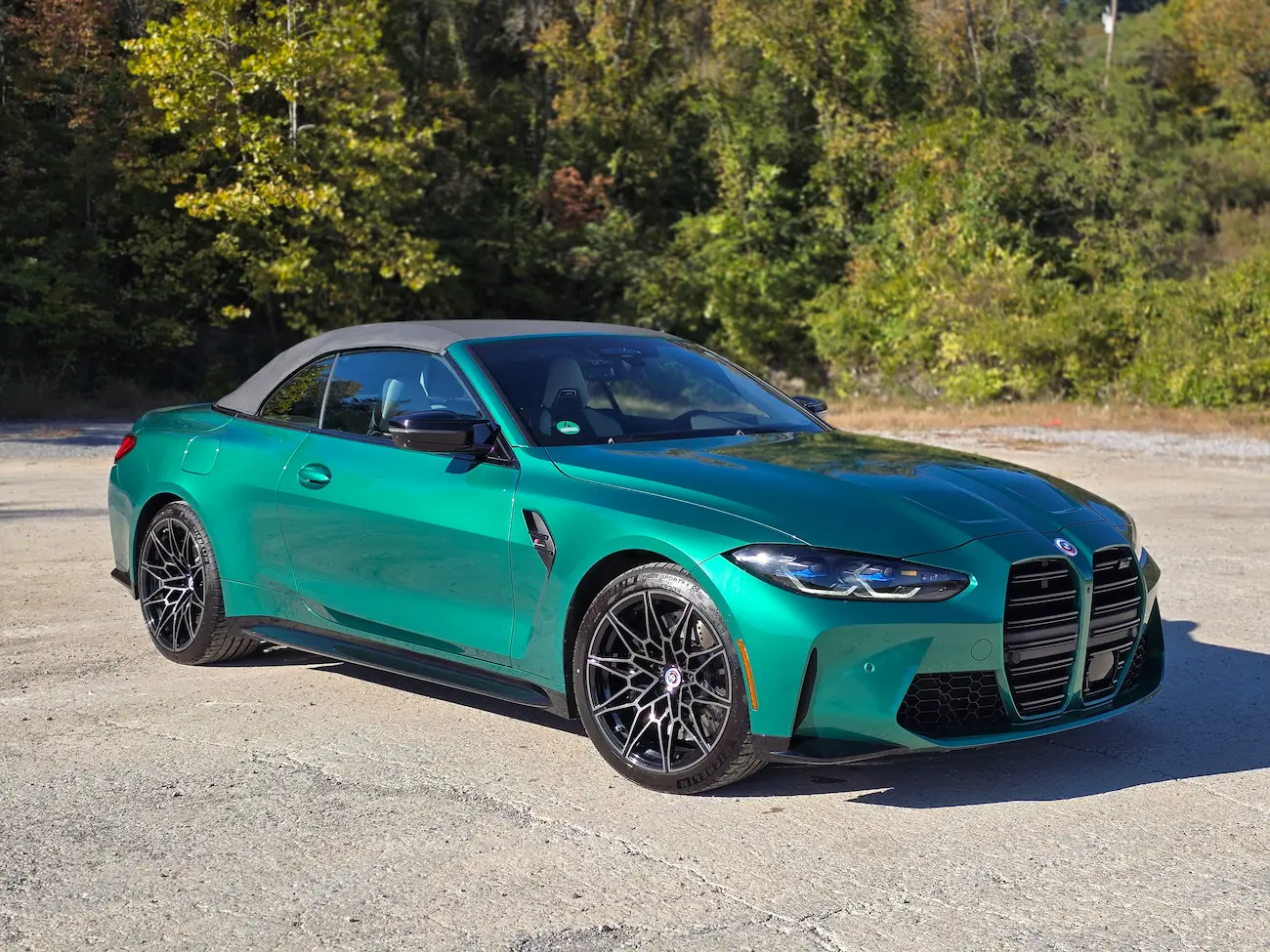
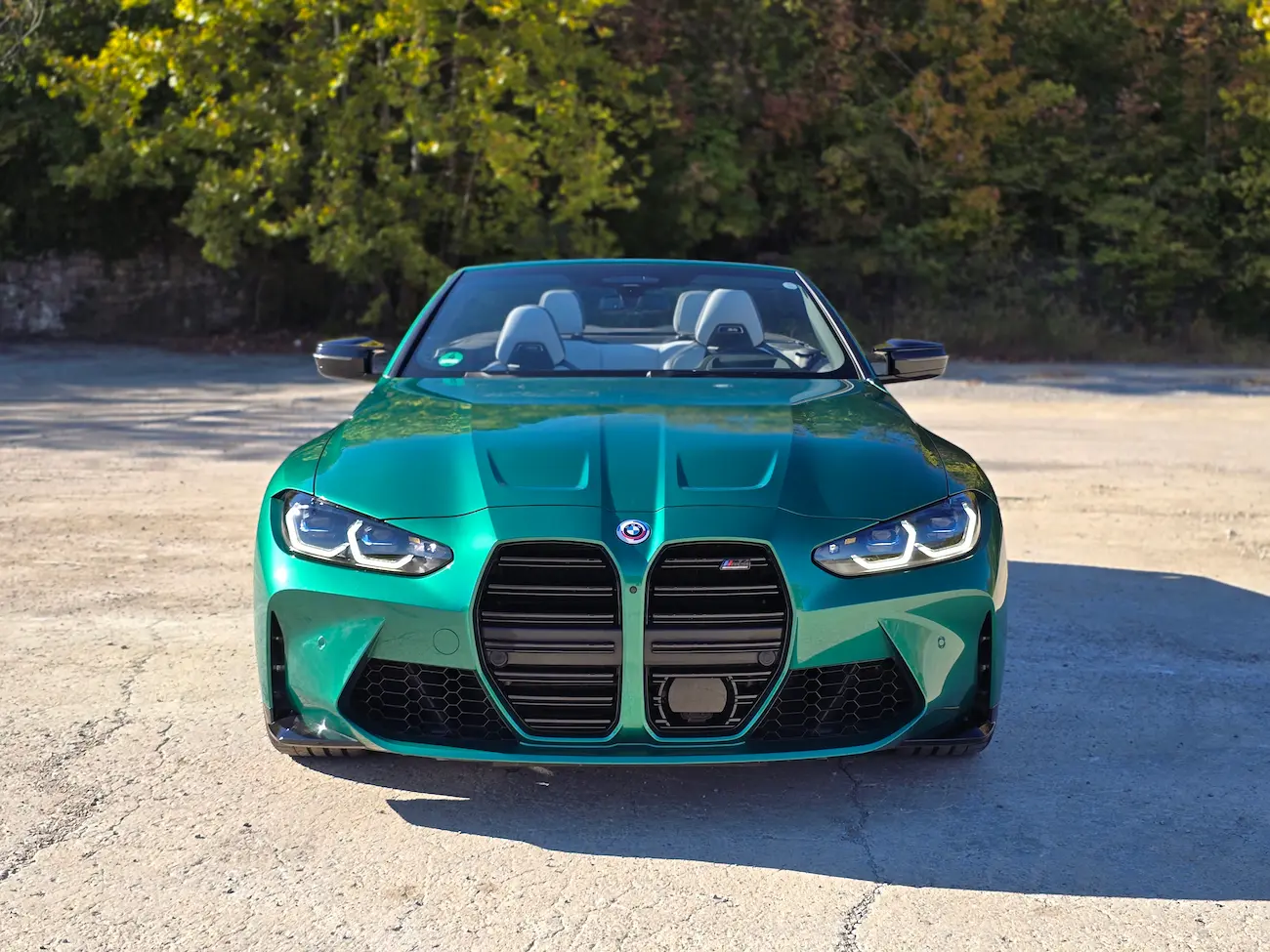
The 2027 BMW M4 is worth considering if you want serious acceleration, sharp handling, and modern BMW technology. The standard M4 Coupe is best for manual-transmission enthusiasts. The M4 Competition Coupe offers a strong balance of power and rear-wheel-drive performance. The M4 Competition xDrive Coupe is the best choice for maximum acceleration and added traction.
Before buying a used M4, focus on drivetrain choice, service history, tire and brake condition, factory options, seat configuration, accident history, and overall condition. The best M4 is not always the one with the most horsepower. It is the one that fits how you plan to drive.
For current manufacturer specifications, review BMW’s official M4 Coupe page.
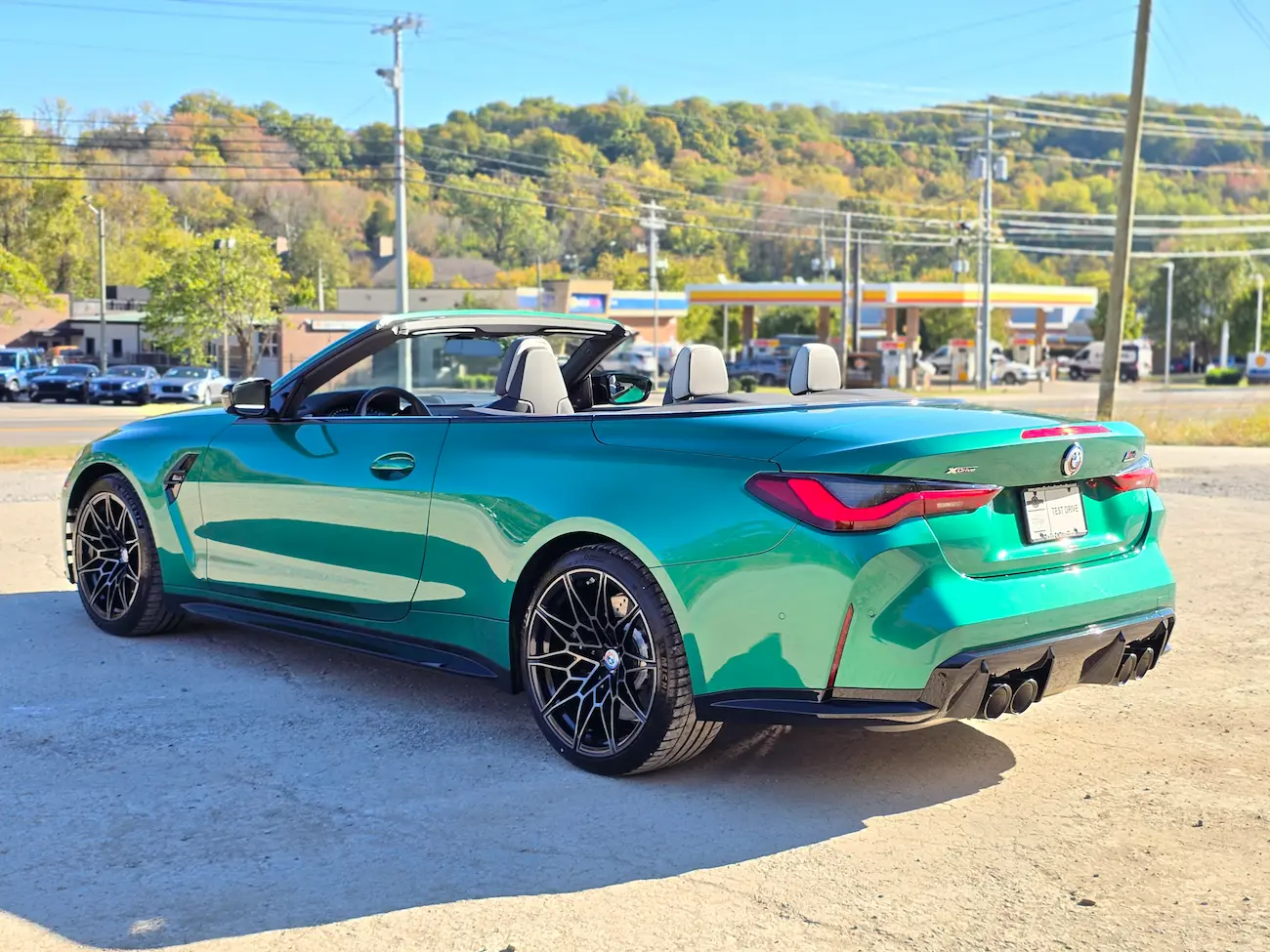
Comparing the 2027 BMW M4 to Previous Model Years: Which Year Should You Buy?
The 2027 BMW M4 is the newest version of the current G82-generation lineup, but it is not automatically the best choice for every buyer. Earlier M4s may offer better value, more availability, or similar performance at a lower price.
When comparing used BMW M4 years, focus first on condition, mileage, drivetrain, options, service history, accident history, modifications, and remaining warranty. A well-maintained older M4 can be a better buy than a newer example with hard use or incomplete records.
2015–2020 BMW M4: Previous Generation
The first-generation M4 used a 3.0-liter twin-turbocharged inline-six engine, rear-wheel drive, and a choice of manual or automatic transmissions. It can appeal to buyers who want a more traditional and potentially lower-priced M4, but age, maintenance history, modifications, and overall condition are especially important.
Best for: Buyers who want classic M4 character and a lower entry price.
Watch for: Maintenance records, accident history, modifications, tire and brake wear, and signs of hard use.
2021 BMW M4: The Start of the G82 Generation
The 2021 BMW M4 introduced the current G82 generation with bold styling, the S58 inline-six engine, and a clear split between the manual rear-wheel-drive M4 Coupe and automatic rear-wheel-drive M4 Competition Coupe.
Best for: Buyers who want current-generation performance at a lower price, especially with a manual transmission.
Watch for: Early ownership history, aftermarket modifications, worn tires, brake condition, and accident history.
2022 BMW M4: More Drivetrain Choices
The 2022 M4 continued the core formula from 2021 and added the M4 Competition xDrive Coupe, giving buyers an all-wheel-drive option alongside the standard rear-wheel-drive models.
Best for: Buyers who want G82 performance and the option of xDrive without paying for newer design and technology updates.
Watch for: Production timing, exact drivetrain, wheel and tire condition, service records, and modifications.
2023 BMW M4: Important Interior Technology Update
Starting with March 2023 production, BMW began adding the Curved Display and BMW Operating System 8 to M4 models. This gave the cabin a more modern digital layout than earlier G82 examples.
Best for: Buyers who want newer interior technology while shopping below the newest model years.
Watch for: The vehicle’s production date and whether it has the updated display setup.
2024 BMW M4: Newer Technology Without the Full Refresh Premium
The 2024 BMW M4 largely carried forward the 2023 technology update and the pre-refresh performance lineup. It can be a practical middle ground for buyers who want a modern cabin but do not need the design and equipment updates introduced for 2025.
Best for: Buyers seeking newer technology and potentially stronger value than a 2025 or newer M4.
Watch for: Factory options, seat configuration, remaining warranty, tire condition, and brake wear.
2025 BMW M4: Major Design and Technology Updates
The 2025 BMW M4 received updated headlights, laser-enhanced taillights, new wheel designs, revised steering wheels, updated interior trim, and BMW Operating System 8.5 with the Curved Display. The M4 Competition xDrive Coupe and Convertible also increased to 523 horsepower.
Best for: Buyers who want the refreshed design, newer technology, and 523-horsepower Competition xDrive setup.
Watch for: Pricing compared with 2026 and 2027 models, remaining warranty, options, and signs of hard use.
2026 BMW M4: Newer Model-Year Appeal
The 2026 BMW M4 continued the current lineup of the standard M4 Coupe, M4 Competition Coupe, and M4 Competition xDrive Coupe. Its main advantages are newer age, current equipment, and potentially more remaining factory coverage rather than a major change in performance.
Best for: Buyers who want a newer M4 without necessarily paying for the latest model year.
Watch for: Price differences compared with a lightly used 2025 or newer 2027 model, equipment, warranty status, and availability.
2027 BMW M4: Newest Model, Highest Price
The 2027 BMW M4 is the newest version of the current lineup, with the standard M4 Coupe producing 473 horsepower, the M4 Competition Coupe producing 503 horsepower, and the M4 Competition xDrive Coupe producing 523 horsepower.
Best for: Buyers who want the newest equipment and current ownership experience and are less concerned about depreciation.
Watch for: Purchase price, availability, warranty terms, and whether a lightly used 2025 or 2026 offers similar performance for less.
Which BMW M4 Year Is the Best Used Buy?
There is no single best BMW M4 year for every buyer. For many shoppers, the strongest years to compare are 2023 through 2025: the 2023 model introduced the newer digital interior, the 2024 model can offer strong value, and the 2025 model brought updated styling, newer technology, and 523 horsepower for the Competition xDrive version.
The 2021 and 2022 models can still be smart buys, especially for manual-transmission shoppers or buyers who want current-generation performance at a lower price. The earlier 2015–2020 M4 can offer a lower entry point, but age, maintenance history, modifications, and overall condition become even more important.
Newer 2026 and 2027 models may offer the latest equipment and more remaining warranty coverage, but they also usually provide less depreciation savings. In every case, compare condition, mileage, drivetrain, options, service history, accident history, modifications, and price before choosing a model year.
BMW M4 vs. M2 vs. M3: Which BMW M Car Fits You?
The BMW M2, M3, and M4 offer different versions of the BMW M driving experience. The M2 is smaller and more agile, the M3 provides four-door practicality, and the M4 combines strong performance with a sleeker coupe design.
Choose the BMW M2 if you want a smaller, more playful performance coupe.
Choose the BMW M3 if you need four doors, easier rear-seat access, and more everyday practicality.
Choose the BMW M4 if you want a powerful two-door coupe with strong road presence, available xDrive traction, and a more refined grand-touring feel.
If you are still comparing the M2 with the M4, read our BMW M2 vs. M4 comparison to see which model better fits your driving style, budget, and daily-use needs.
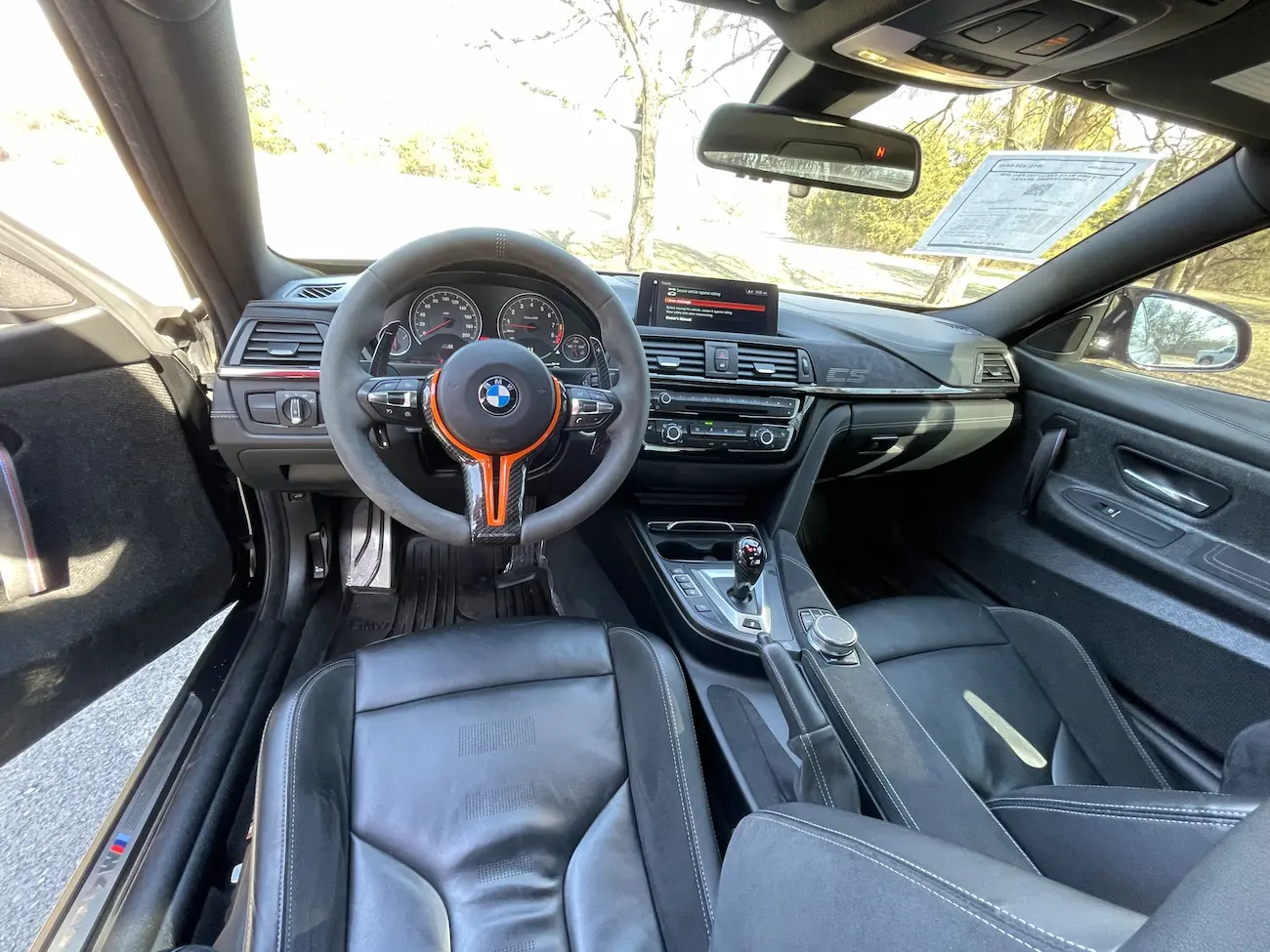
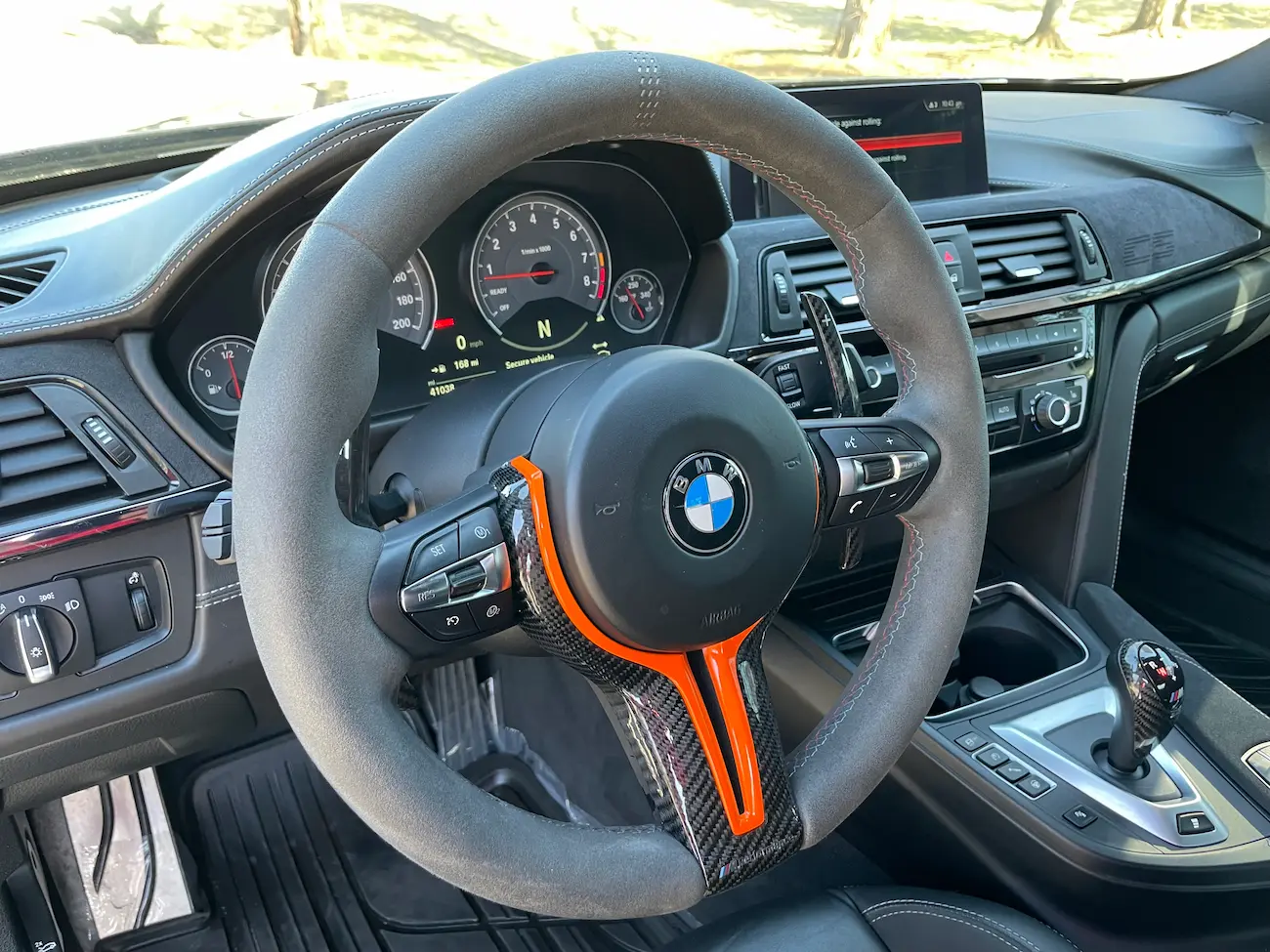
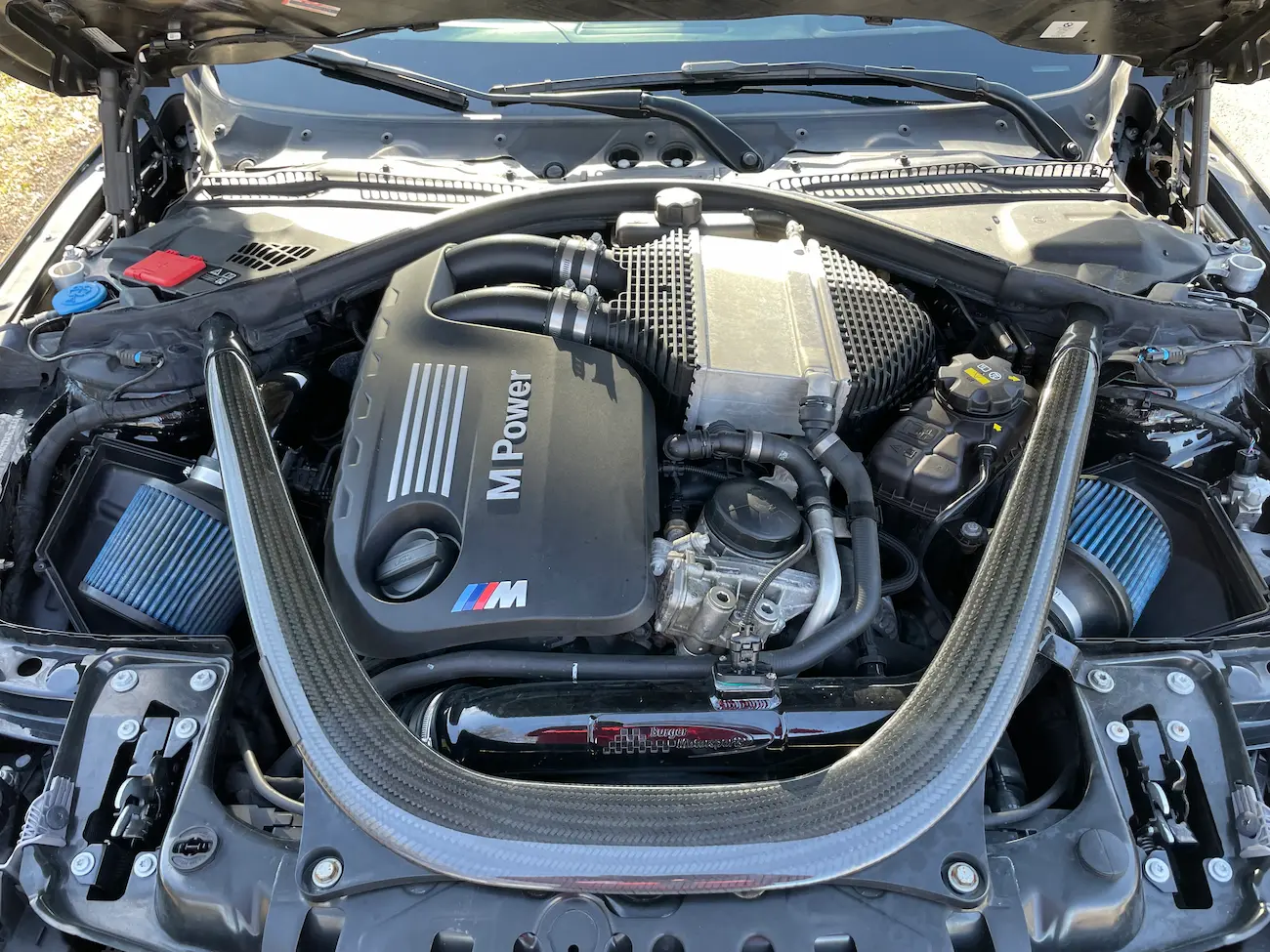
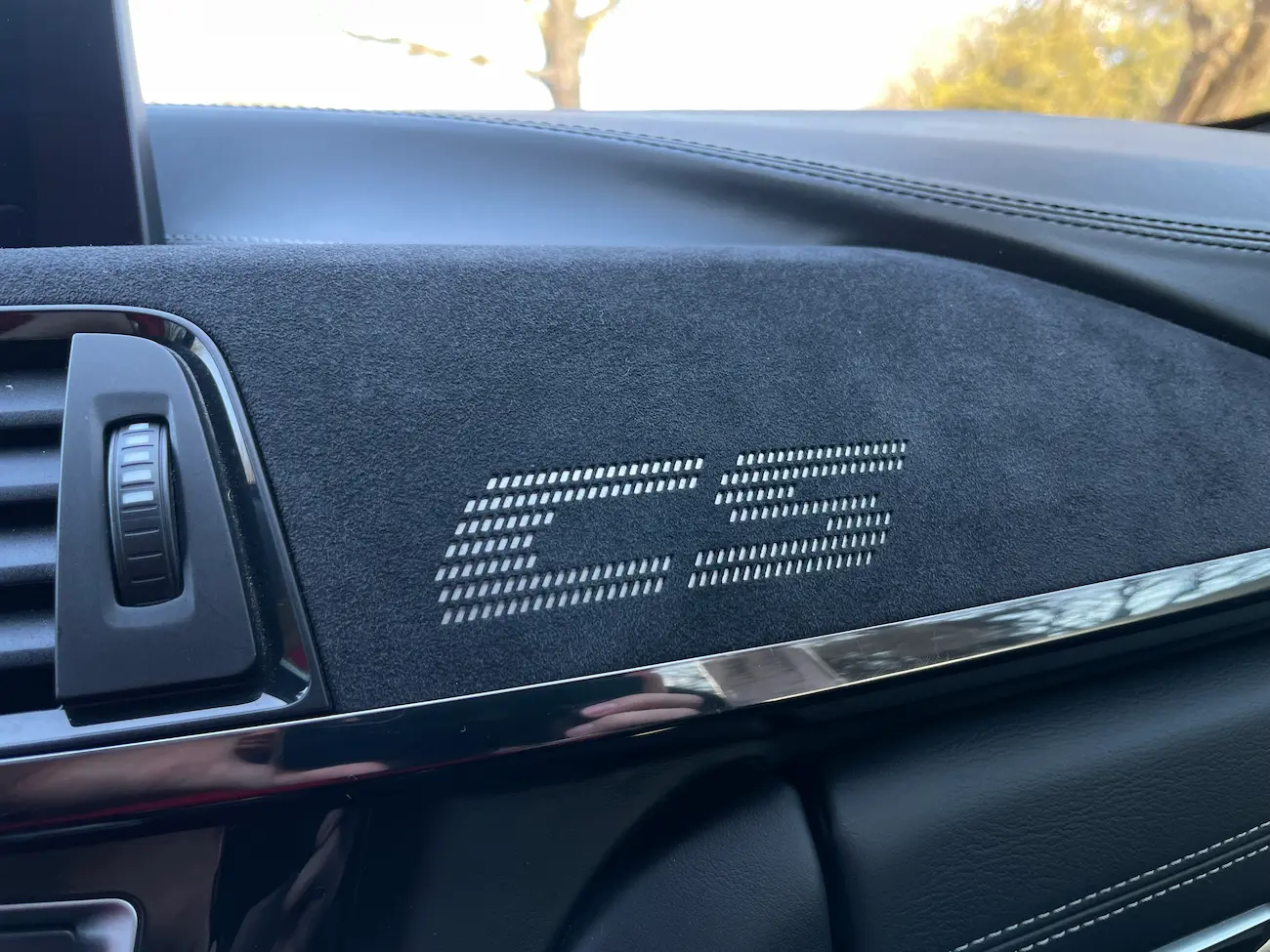
Used BMW M4 Inspection Checklist
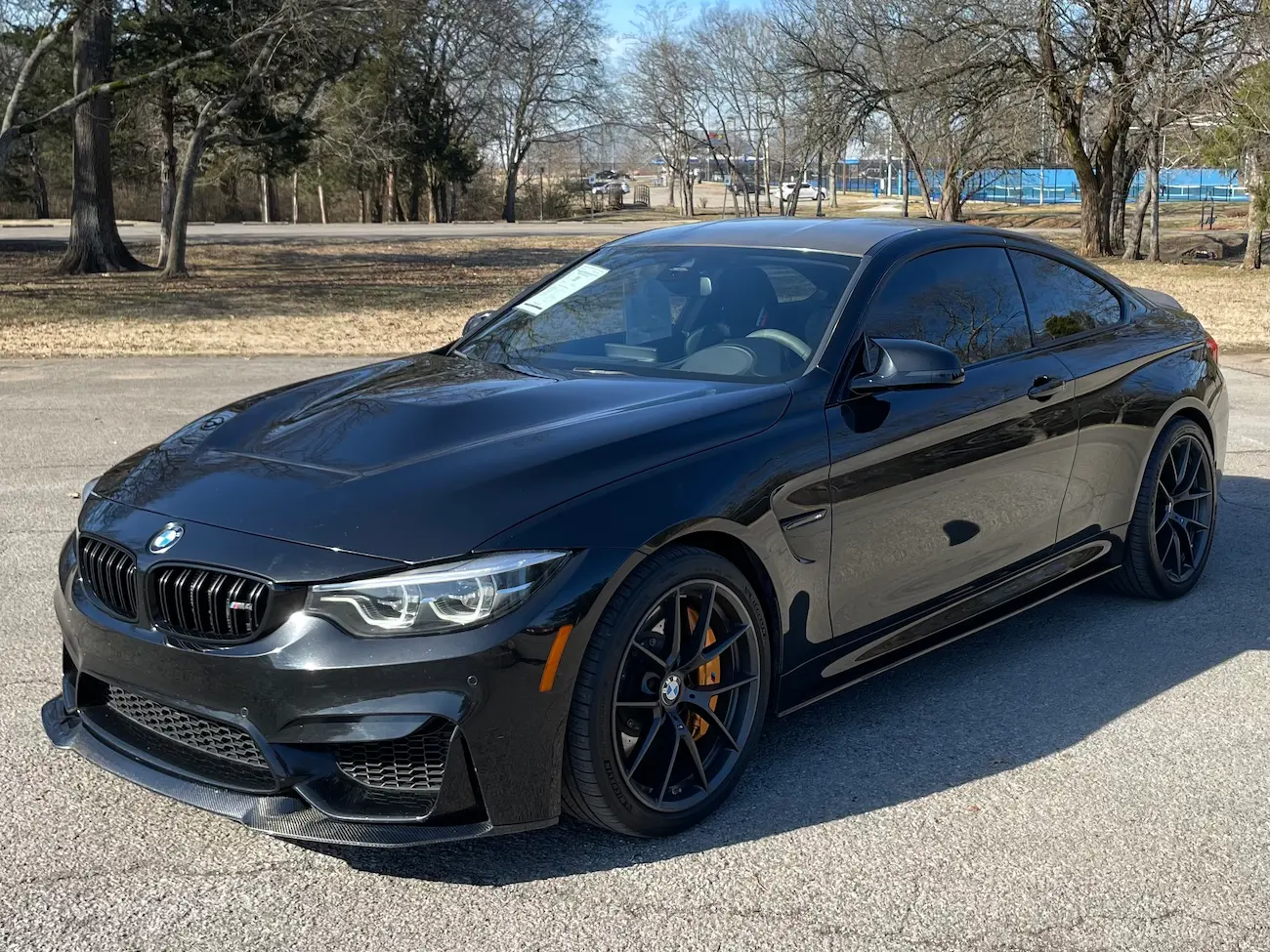
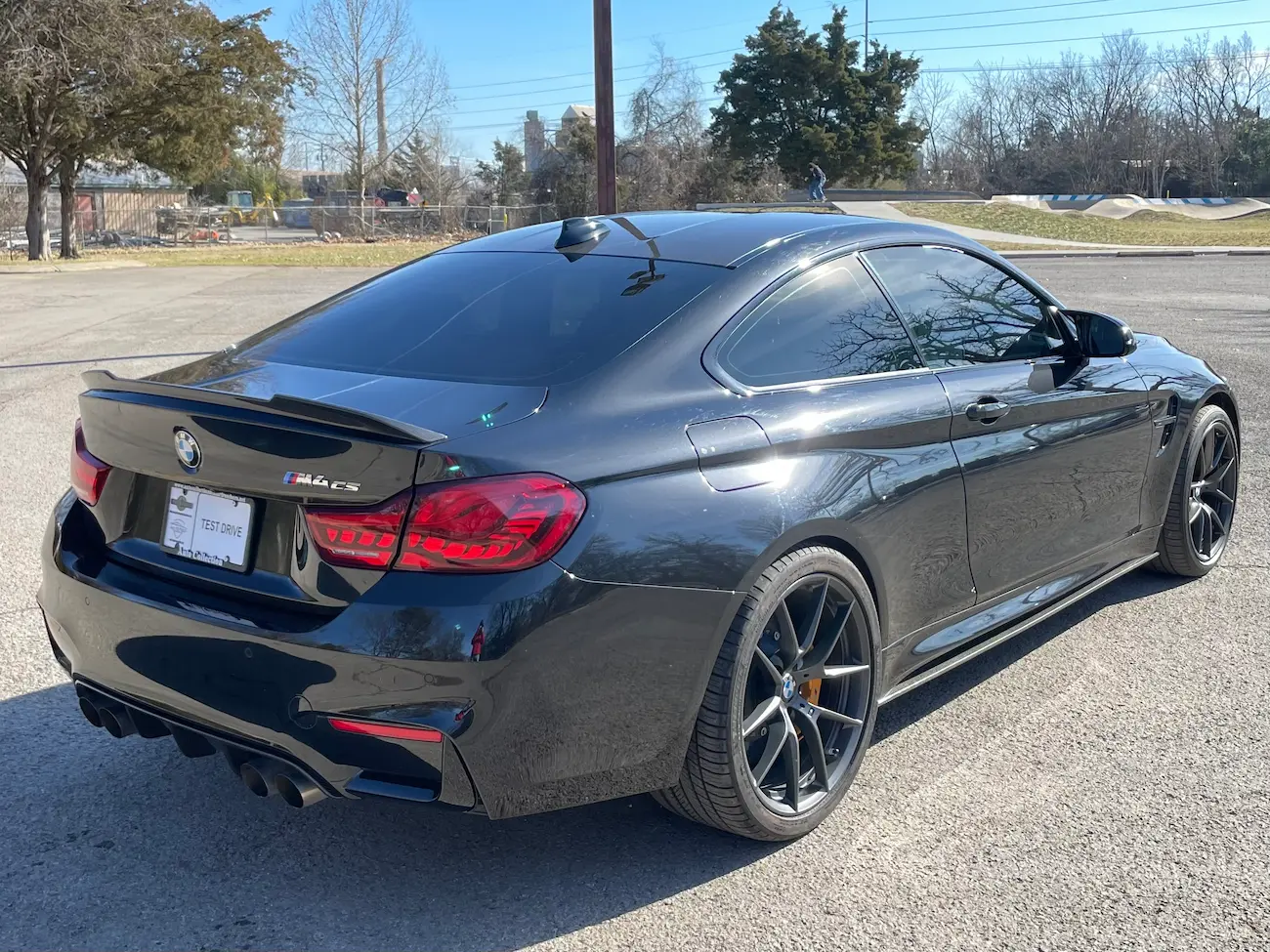
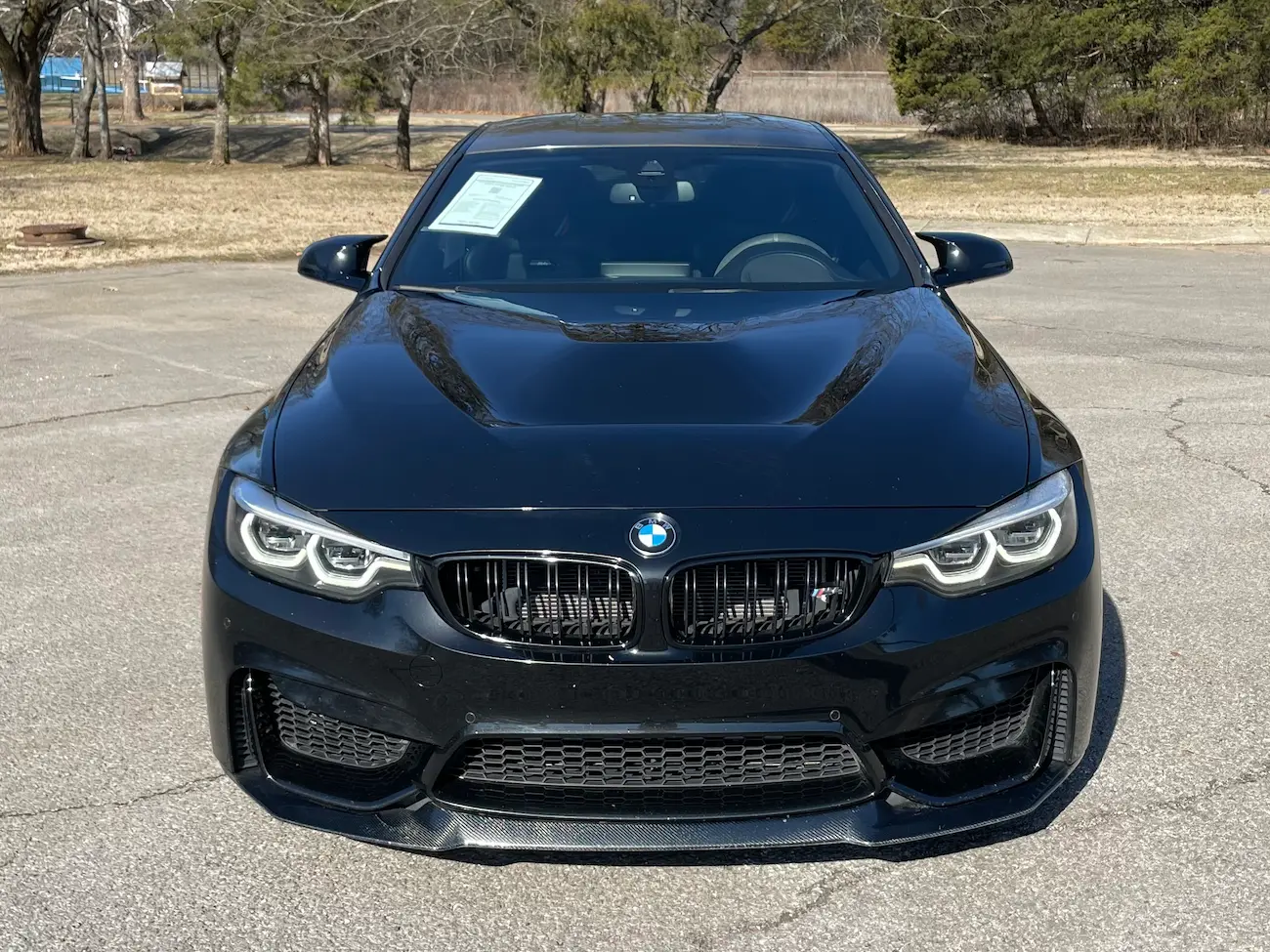
With a used M4, the condition of the individual vehicle matters more than the model year alone. Before buying, pay attention to:
- Tires: Check tread depth, uneven wear, tire age, and signs of alignment problems.
- Brakes: Inspect pad thickness, rotor condition, and signs of excessive wear.
- Wheels and suspension: Look for bent or damaged wheels, unusual noises, uneven ride height, or suspension wear.
- Service history: Review maintenance records and confirm that routine services were completed.
- Accident or track-use history: Check the vehicle history report and look for signs of repeated hard driving or track use.
- Modifications: Tunes, exhaust systems, suspension changes, and non-factory wheels are not automatically deal breakers, but the work should be documented and professionally installed.
- Warning lights and electronics: Confirm that the dashboard shows no warning lights and that the vehicle’s main systems operate properly.
Before buying, inspect the car in person or request a detailed walkaround. A pre-purchase inspection from a shop familiar with BMW M vehicles can also help identify problems that are easy to miss.
How to Choose the Right Dealership for a Used BMW M4
Choosing the right M4 is not only about horsepower or model year. A knowledgeable dealership should help you understand the vehicle’s history, condition, factory equipment, modifications, financing options, and available warranty coverage.
Look for clear answers about maintenance records, tire and brake condition, accident history, and the differences between rear-wheel drive, Competition, and xDrive models. The dealership should also understand why options such as carbon bucket seats, manual transmission, wheel packages, and performance equipment matter to different buyers.
If you are comparing a used BMW M4 or another BMW M model, view current BMW inventory or contact AutoPro Nashville to ask about current availability and compare available options.
What engine does the 2027 BMW M4 come with?
The 2027 BMW M4 uses a 3.0-liter BMW M TwinPower Turbo inline-six engine. The standard M4 Coupe produces 473 horsepower, the M4 Competition Coupe produces 503 horsepower, and the M4 Competition xDrive Coupe produces 523 horsepower.
What is the difference between the BMW M4 and M4 Competition?
The standard M4 Coupe has rear-wheel drive, 473 horsepower, and a six-speed manual transmission. The M4 Competition Coupe produces 503 horsepower, uses an eight-speed automatic transmission, and remains rear-wheel drive. The M4 Competition xDrive Coupe adds all-wheel drive and produces 523 horsepower.
Does the 2027 BMW M4 offer all-wheel drive?
Yes. All-wheel drive is available on the M4 Competition xDrive Coupe and Convertible. The standard M4 Coupe and M4 Competition Coupe use rear-wheel drive.
Is the BMW M4 a good daily driver?
The BMW M4 can work well as a daily driver if you are comfortable with a firm ride, premium fuel, performance tires, and higher maintenance costs. If comfort and lower running costs matter more, a BMW M440i or another less aggressive luxury performance coupe may be easier to live with.
What should I check before buying a used BMW M4?
Check the service records, vehicle history report, tire and brake condition, wheels, suspension, warning lights, accident history, track use, and aftermarket modifications. A pre-purchase inspection from a shop familiar with BMW M vehicles is also recommended.
Is the BMW M4 better than the BMW M3?
The BMW M4 and M3 offer similar performance, but the M4 is a two-door coupe while the M3 is a four-door sedan. Choose the M4 if you prefer a sleeker coupe design, or choose the M3 if rear-seat access and everyday practicality are more important.