Toyota 4Runner Review: Problems, Best Trims, and Smart Buying Tips
If you’ve ever thought, “I want an SUV that can survive a zombie apocalypse… but still get me to dinner comfortably,” the Toyota 4Runner has probably crossed your mind. Few vehicles have built a reputation as durable, capable, and unapologetically old-school as this body-on-frame SUV.
The Toyota 4Runner appeals to buyers who value long-term reliability, real off-road capability, and a proven platform over trendy redesigns. That’s exactly why shopping for a used Toyota 4Runner makes so much sense. Depreciation hits softer, reliability stays strong, and you still get an SUV that’s ready for adventure or just everyday life.
Before committing, though, it’s smart to understand Toyota 4Runner problems, best 4Runner trims, maintenance realities, and which years deliver the most value.
Table of Contents
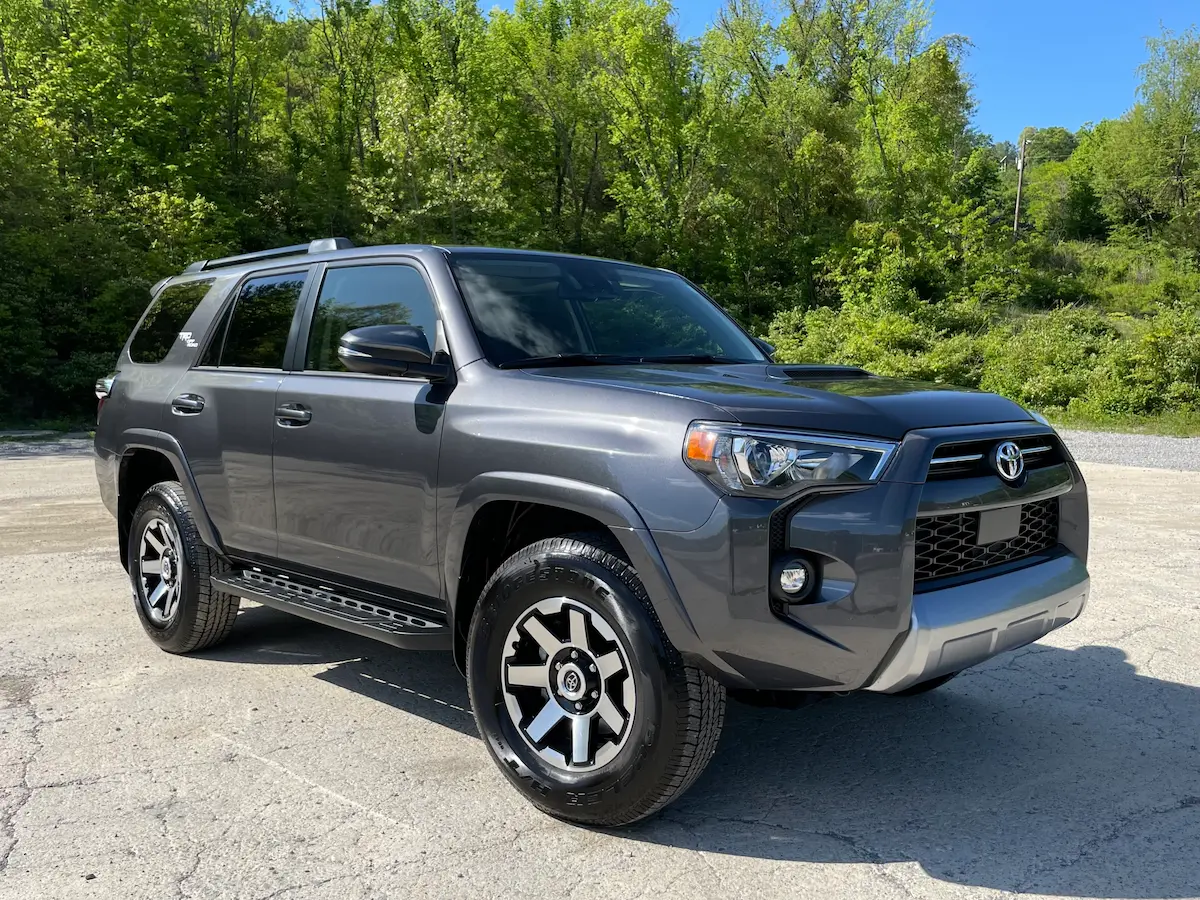
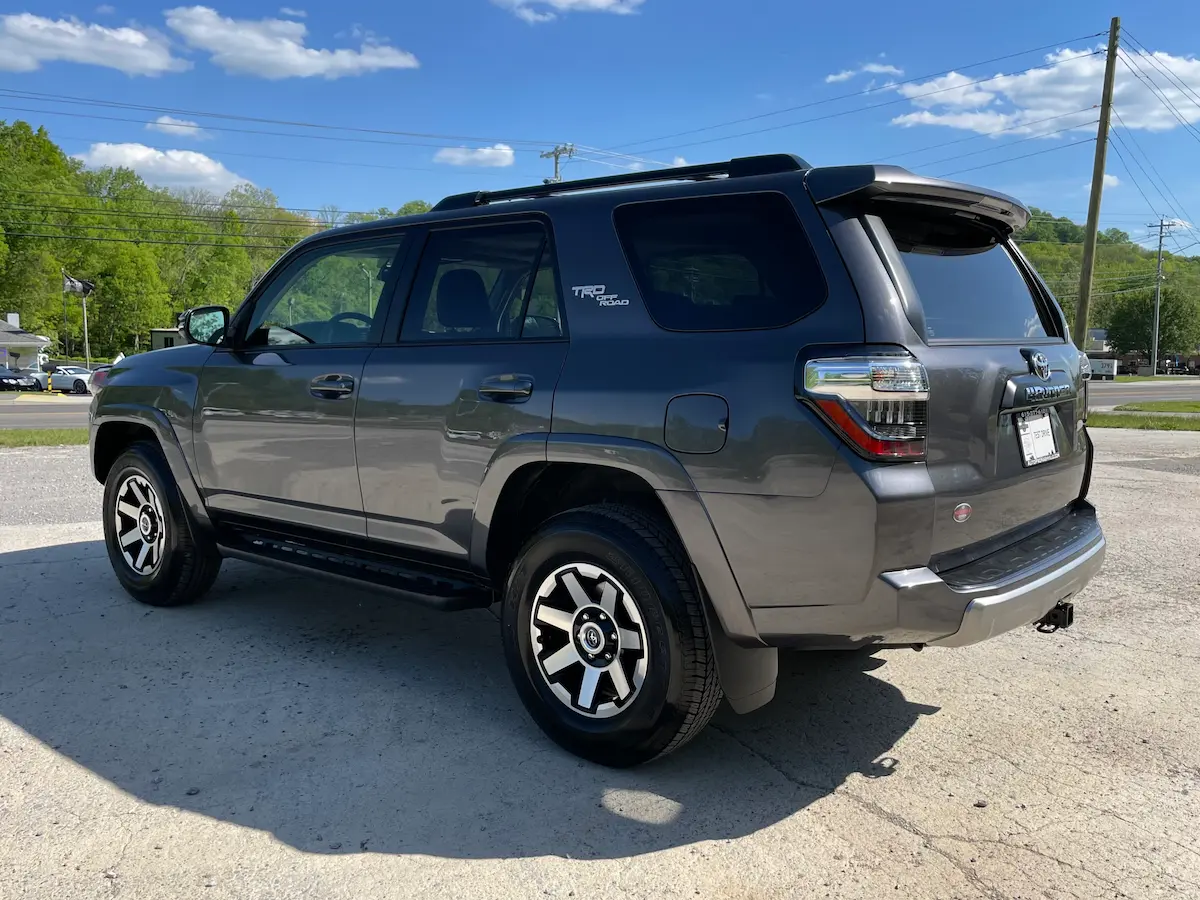
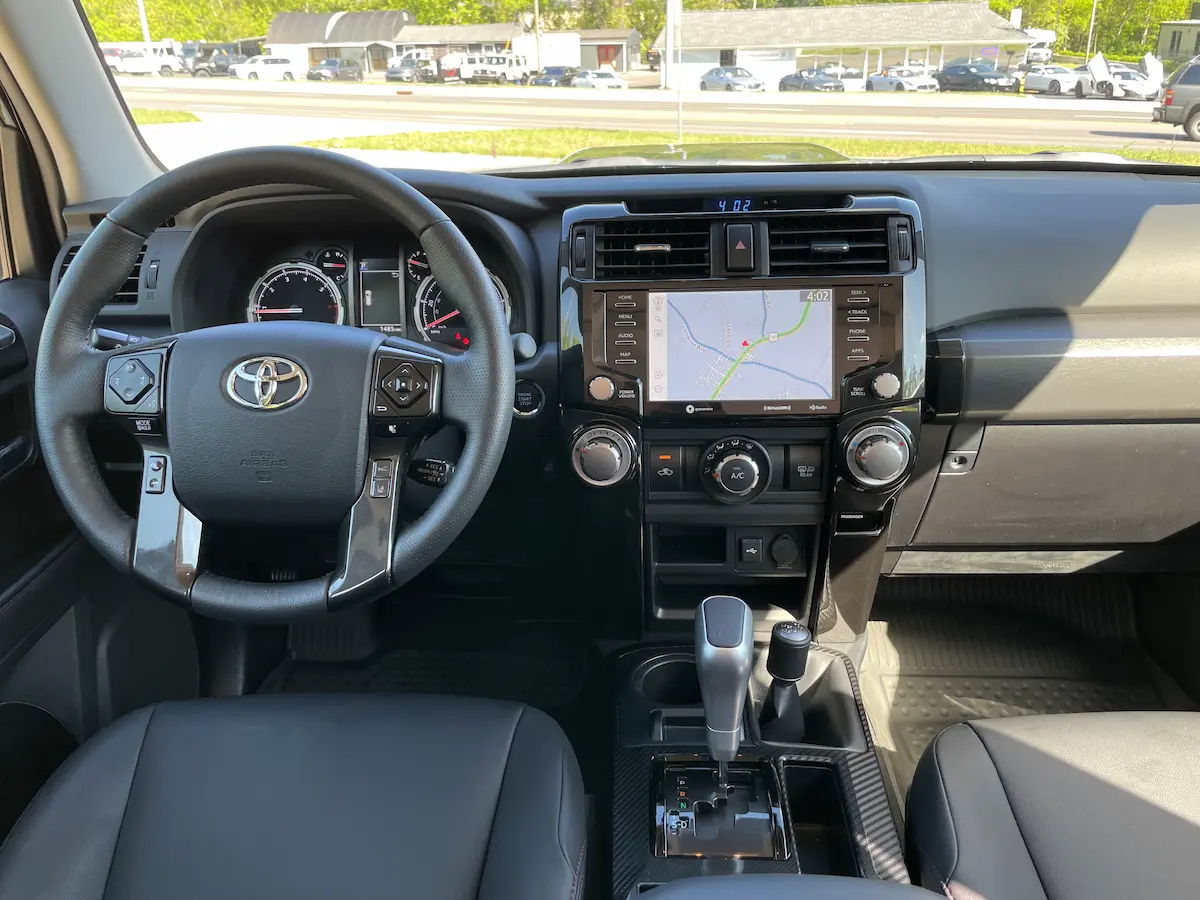
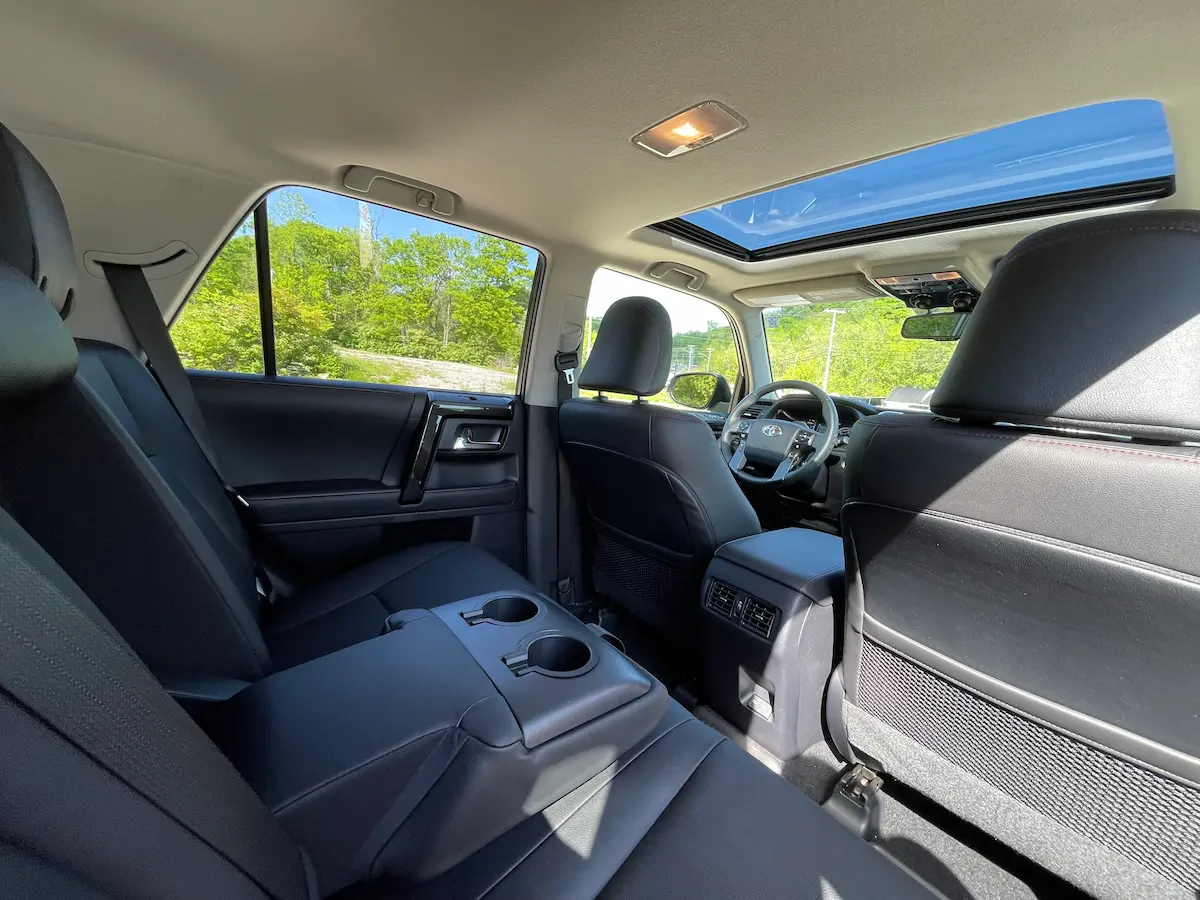
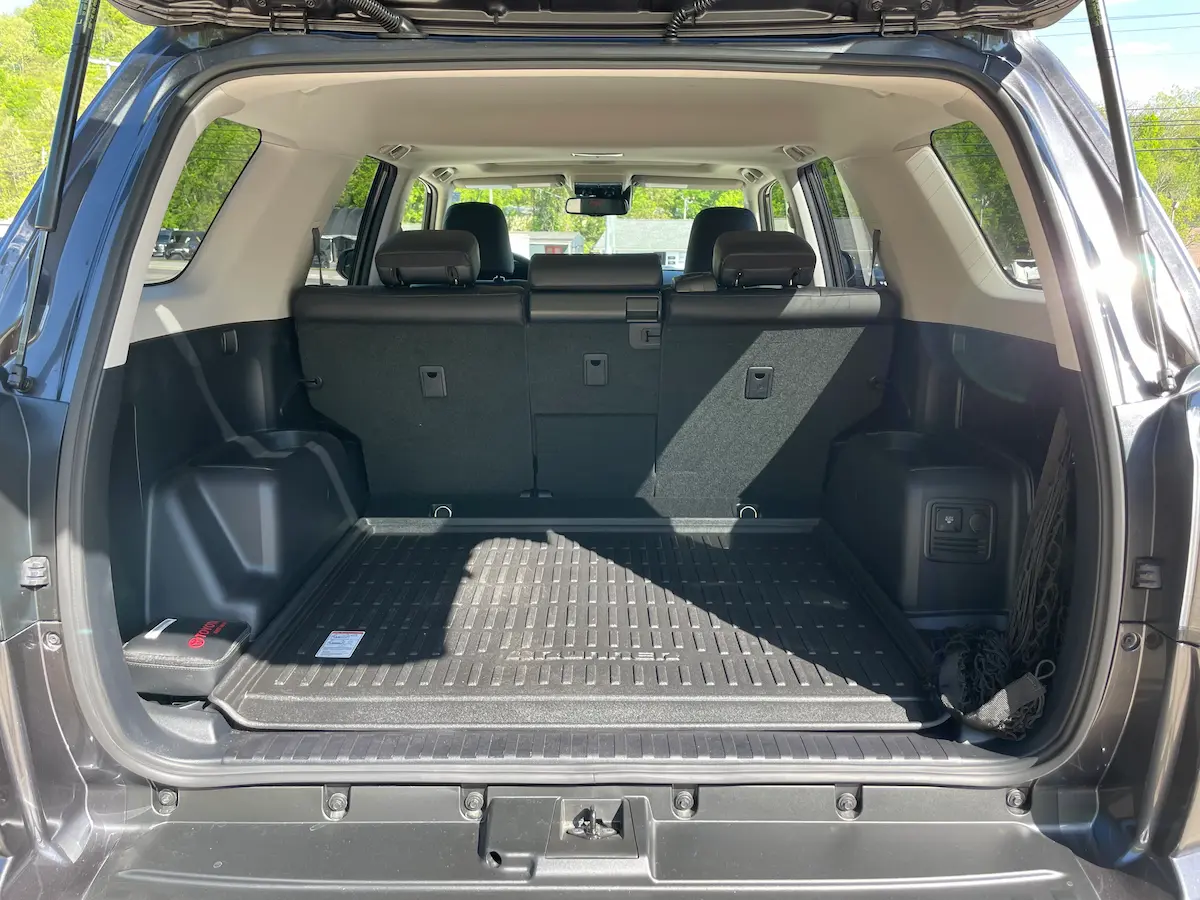
Toyota 4Runner History & Evolution
The story of the Toyota 4Runner has never been about chasing trends. Instead, it’s been about refining what works, which is a big reason the model has kept such a loyal following for decades.
The 4Runner first appeared in the mid-1980s as a compact SUV built from pickup truck roots. Early versions were simple, tough, and ready for rough roads. That truck-based foundation became the core of the 4Runner’s personality and it stayed there as the model evolved.
Through the 1990s and early 2000s, the 4Runner grew into a true midsize SUV. It gained more space, stronger road manners, better safety, and more comfort, but Toyota kept the body-on-frame approach instead of turning it into a softer crossover.
From Simple Workhorse to Modern SUV
The fifth generation launched for the 2010 model year and ran through 2024. Toyota didn’t reinvent it every few years. Instead, it received steady updates, which is why many used examples feel familiar across the entire run.
That long-standing formula changed with the all-new sixth generation for the 2025 model year. This was the big redesign moment, bringing new powertrain options, modernized technology, and a broader trim strategy, while still aiming to keep the rugged identity the 4Runner is known for.
The 2026 model year is simply year two of that sixth generation, continuing the redesigned platform with refinements rather than another major reset.
Specs, Performance, and What Changed (2020–2026)
Before getting into trim names and packages, it helps to understand what changed mechanically. Toyota made its biggest updates to the 4Runner in decades with the 2025 redesign, and those changes continue into 2026.
2025 and 2026 Toyota 4Runner Specs (Sixth Generation)
The 2025 Toyota 4Runner introduced the all-new sixth generation, replacing the long-running V6 with a more modern powertrain strategy. The 2026 model year carries this setup forward as the second year of the new generation.
Key sixth-generation powertrain highlights include:
- Turbocharged 2.4L four-cylinder as the standard engine
- i-FORCE MAX hybrid system available on select trims and standard on higher trims
- Strong low-end torque compared to the outgoing V6
- Improved fuel efficiency
- Increased maximum towing capacity of up to 6,000 pounds, depending on configuration
Rather than focusing on peak horsepower alone, Toyota prioritized usable torque, efficiency, and capability. Early feedback suggests the new setup maintains the durability buyers expect while improving everyday performance.
Explore our complete Toyota model guide to compare popular Toyota vehicles and trims.
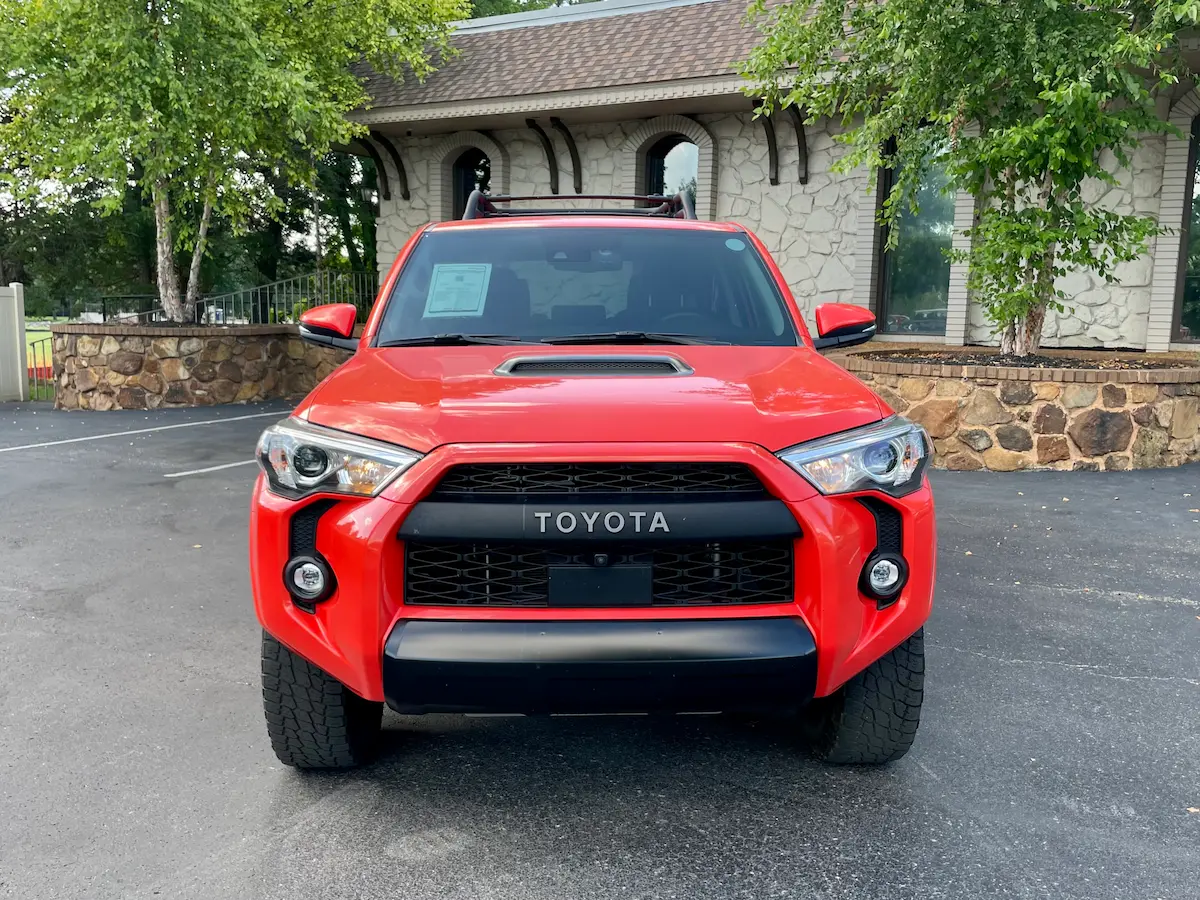
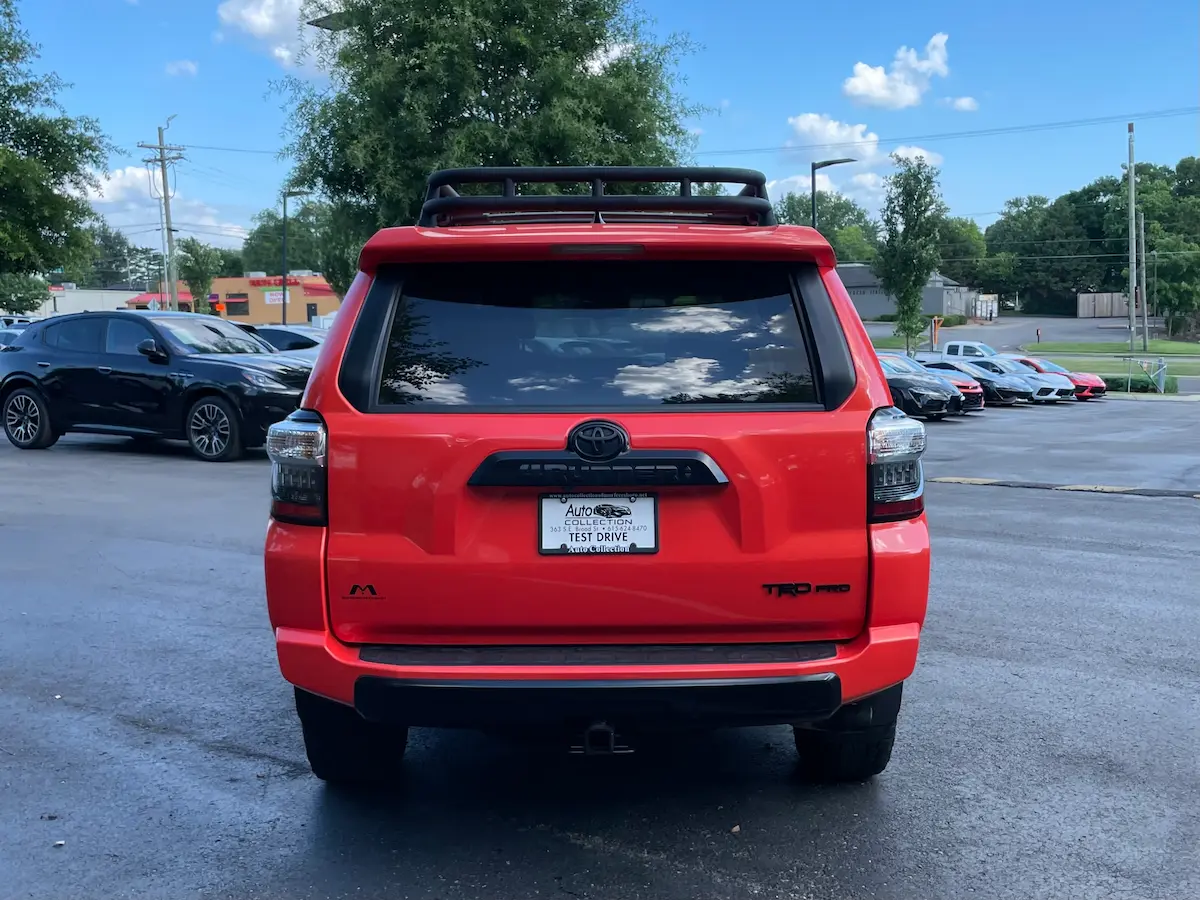
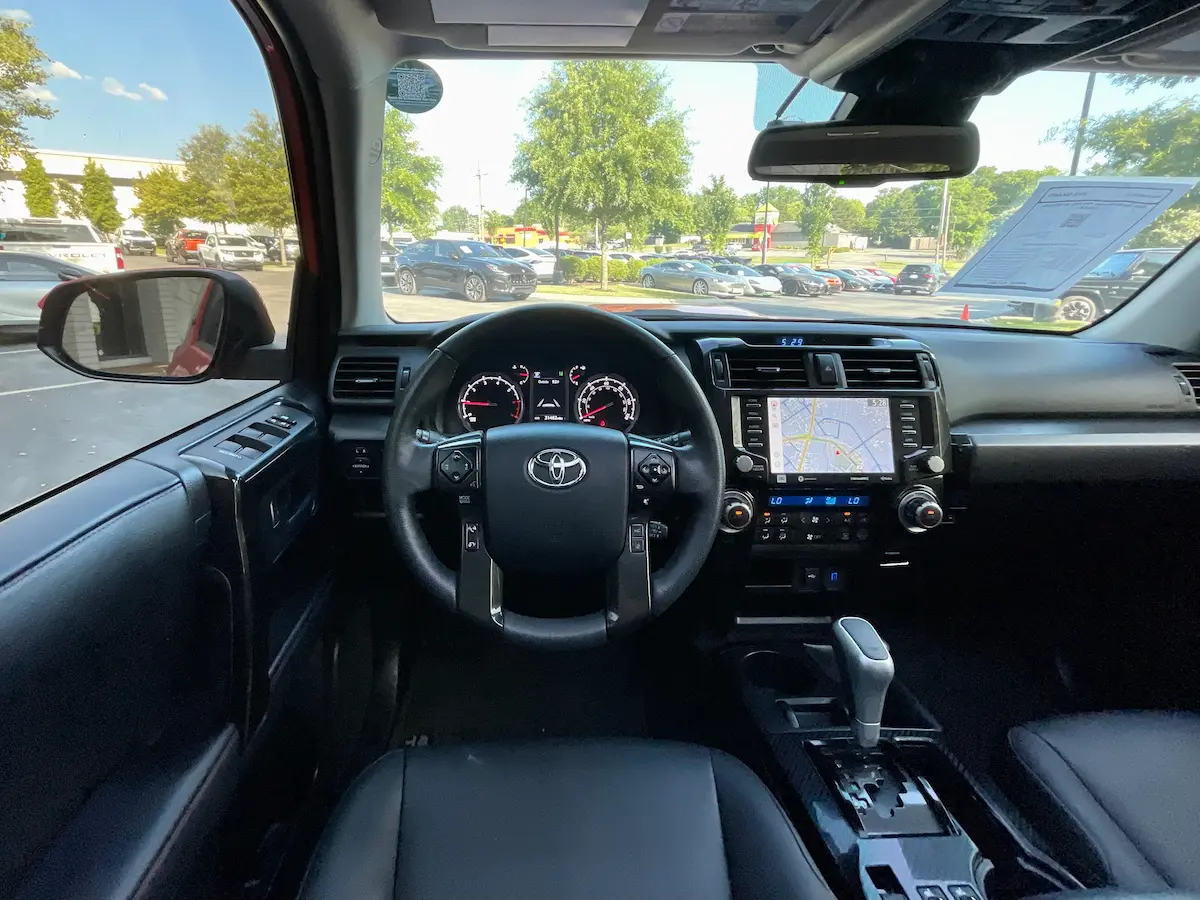
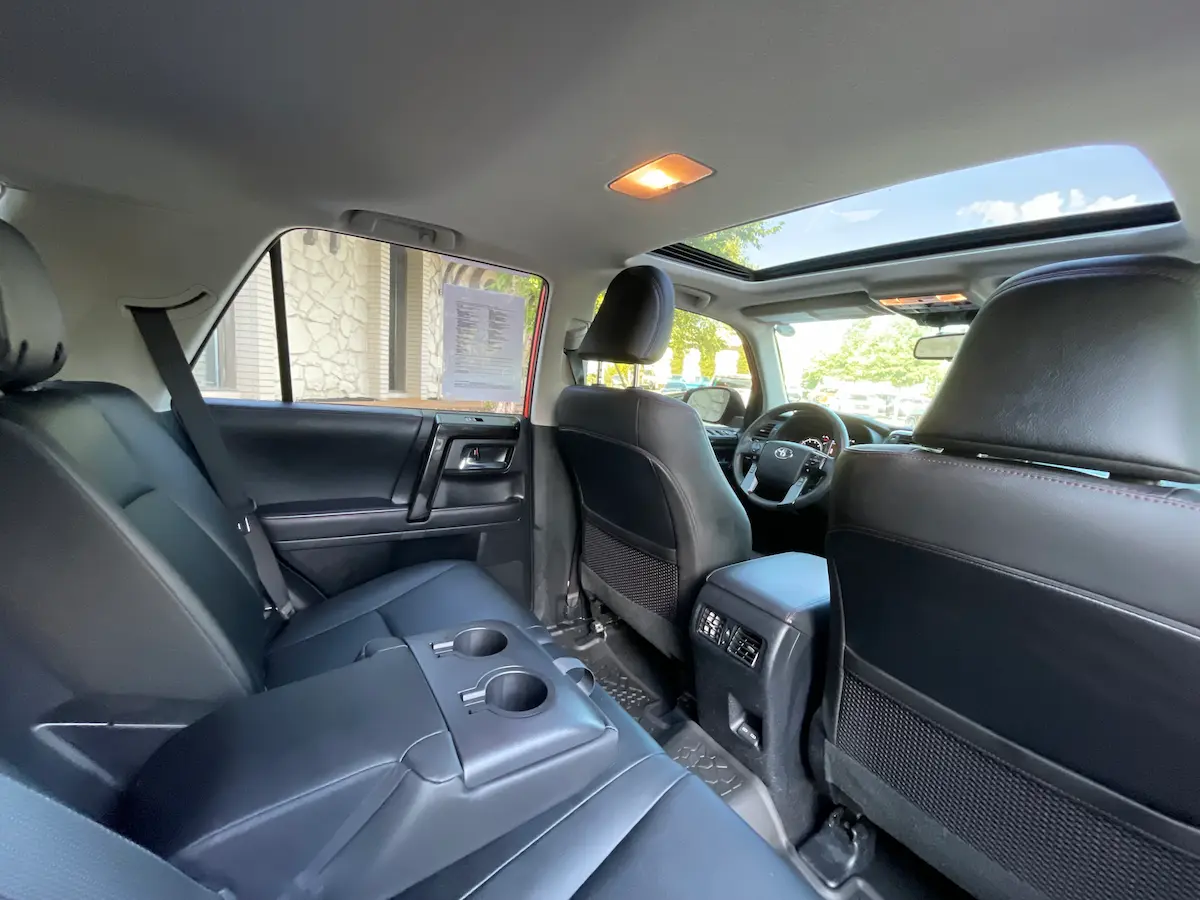
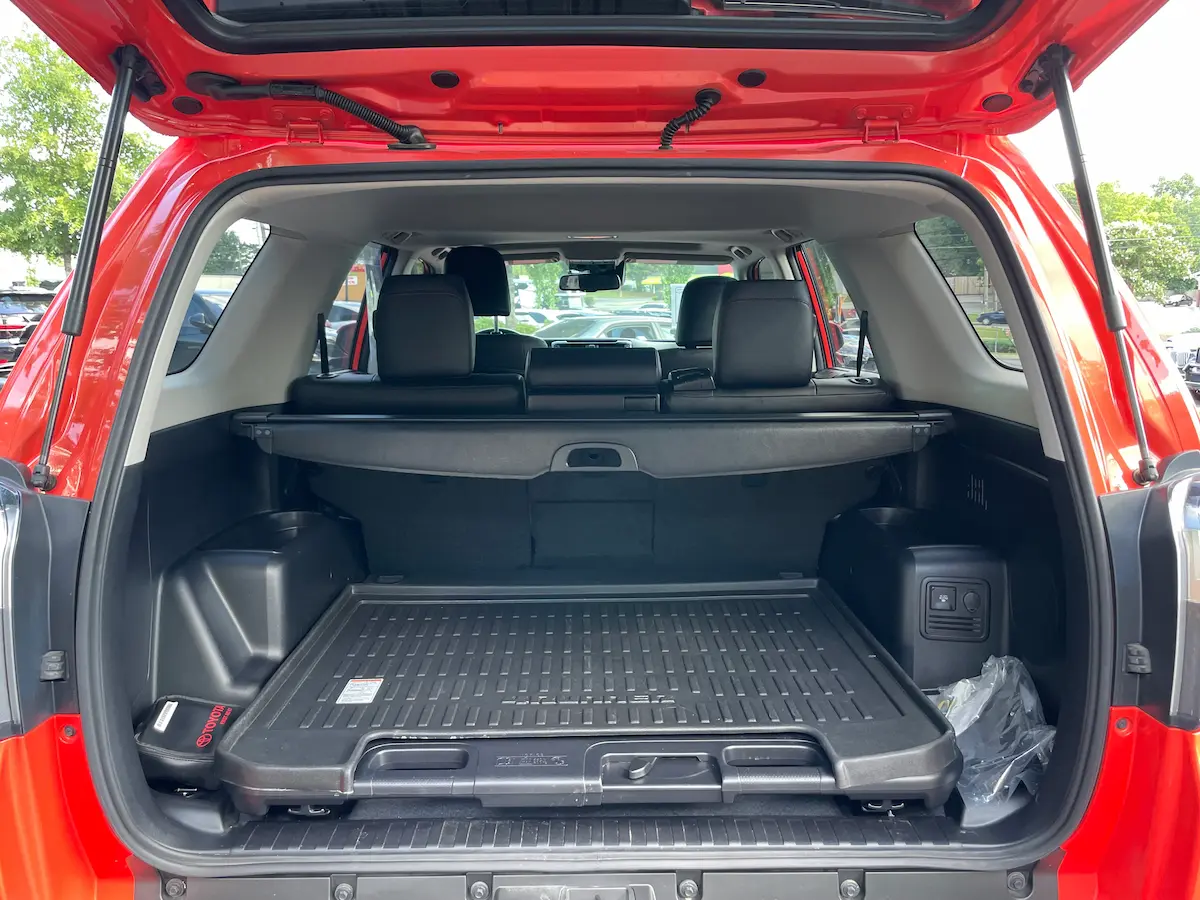
How 2020–2024 Models Compare
From 2020 through 2024, the Toyota 4Runner remained part of the fifth generation and was mechanically consistent throughout that run.
All 2020–2024 models shared:
- A 4.0L naturally aspirated V6
- A traditional automatic transmission
- Body-on-frame construction
- A maximum towing capacity of 5,000 pounds
These years are often praised for:
- Mechanical simplicity
- A long and well-documented reliability record
- Consistent driving feel across trims
The 2024 model year closed the fifth-generation chapter. Starting in 2025, Toyota shifted toward a more modern approach with turbocharging, hybrid options, and expanded trim specialization. Buyers today are essentially choosing between proven simplicity and newer technology with added performance and efficiency.
Toyota 4Runner Trims Explained (2020 and Newer)
With the mechanical changes clarified, the trim structure becomes much easier to understand. On the 4Runner, trims are designed around intended use, not just price.
Sixth Generation Toyota 4Runner Trims (2025–2026)
The sixth generation introduced a nine-trim lineup, grouped by driving focus. This structure debuted in 2025 and continues into 2026.
Everyday and On-Road Focus
- SR5
Entry-level trim with solid everyday capability. - TRD Sport
Sportier appearance and on-road tuning. - TRD Sport Premium
Adds comfort upgrades and additional technology.
Off-Road Focused
- TRD Off-Road
Features like a locking rear differential and Crawl Control. - TRD Off-Road Premium
Off-road hardware combined with interior upgrades. - TRD Pro
Factory flagship off-roader with upgraded suspension and standard hybrid power. - Trailhunter
Overlanding-focused trim with rugged equipment and standard hybrid power.
Luxury and Comfort
- Limited
More road-focused ride with upscale interior features. - Platinum
Top-tier luxury trim with premium materials, advanced displays, and standard hybrid power.
Hybrid power is optional on some mid-level trims and standard on Platinum, TRD Pro, and Trailhunter, delivering extra torque and improved efficiency.
2020–2024 Toyota 4Runner Trims (Fifth Generation)
The 2020–2024 models used a simpler trim structure and a single engine option.
Common trims included:
- SR5 and SR5 Premium
- TRD Off-Road and TRD Off-Road Premium
- Limited
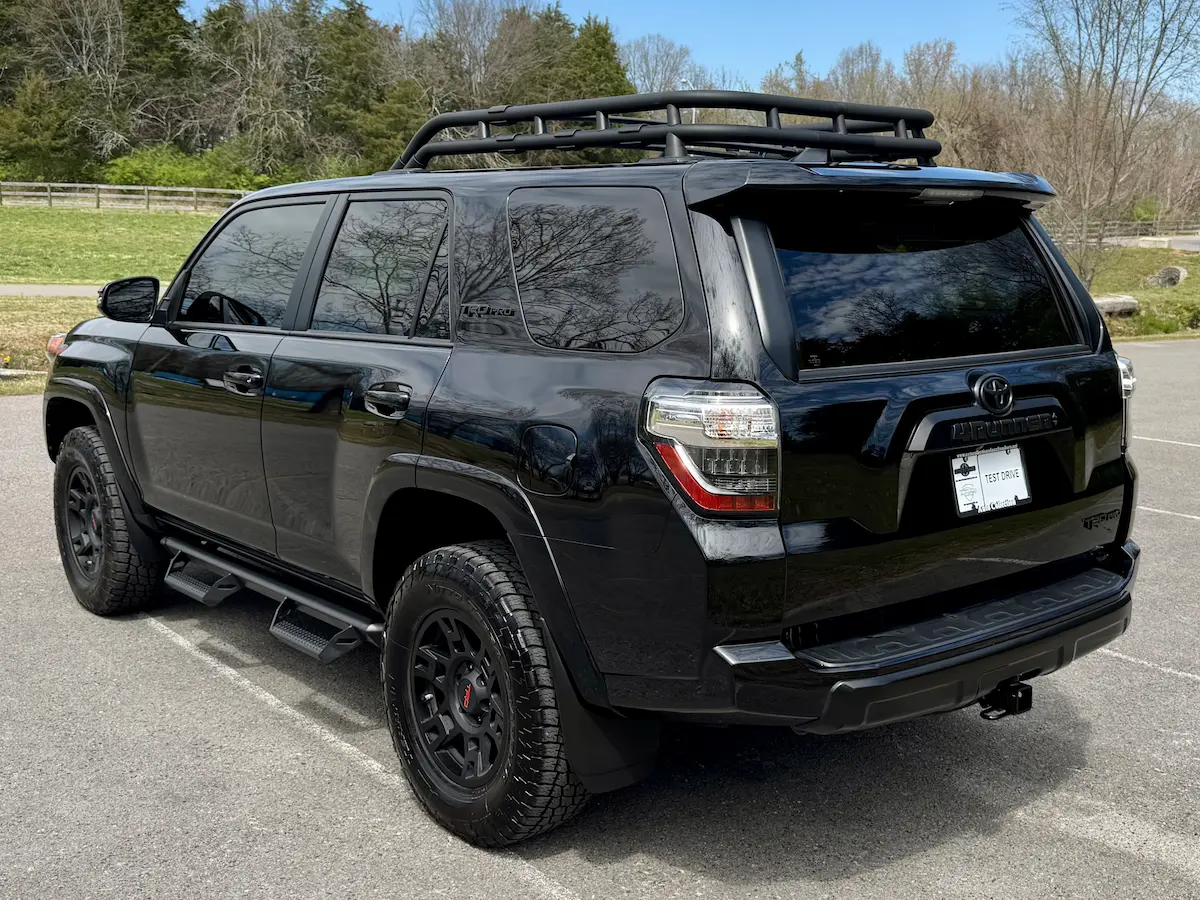
- TRD Pro
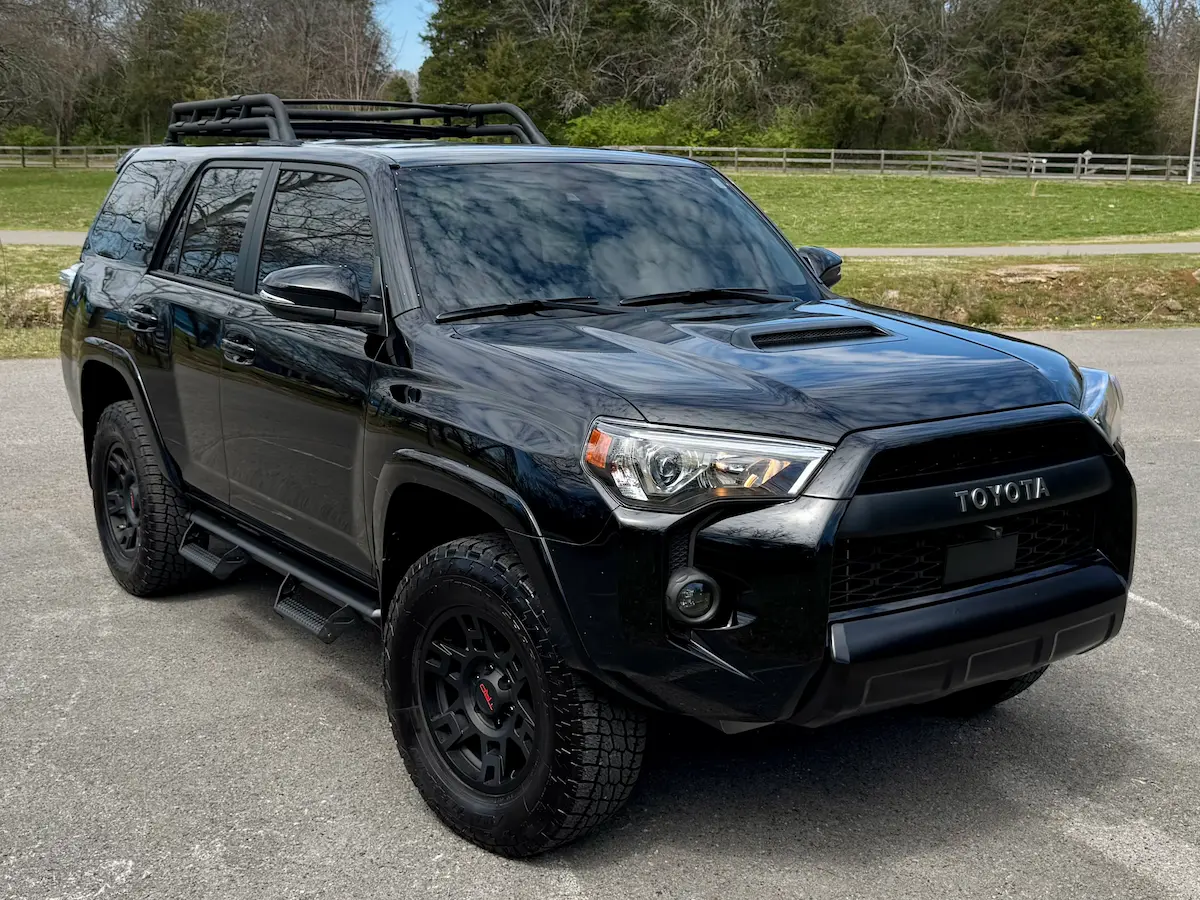
Some years added special editions such as Venture or Nightshade, but the core lineup stayed consistent. Compared to the sixth generation, these models offered fewer trim variations, less technology, and no turbo or hybrid options. In return, they delivered familiarity and a proven ownership experience.
For buyers cross-shopping a fifth-generation 4Runner with its Lexus counterpart, see our used Lexus GX 460 vs. Toyota 4Runner comparison.
For an another perspective, Car and Driver’s Toyota 4Runner review offers a balanced take on strengths and compromises.
Buying Guide & Competitive Analysis
Shopping for a used Toyota 4Runner is usually more about choosing the right year and trim than worrying about major reliability concerns. The model’s reputation is well earned, but understanding a few ownership patterns and how it compares to similar SUVs helps buyers make a confident decision.
Toyota 4Runner Common Issues and Maintenance Tips (2020 and Newer)
The Toyota 4Runner is known for long term durability, especially in 2020 and newer models. Serious mechanical failures are uncommon, but there are several model specific points worth checking when buying used.
Brake noise on heavier trims
Some 2020 to 2022 4Runners, especially TRD Off Road and TRD Pro trims, can develop front brake squeal during light braking. This is typically related to pad and rotor design rather than a safety issue. A test drive at low speeds and a review of brake service history usually tells the full story.
Suspension systems vary by trim
- KDSS equipped 4Runners available on select TRD Off Road and TRD Pro trims use a hydraulic system designed to improve on road stability while allowing more wheel movement off road. A firmer ride is normal. When inspecting one, check for visible leaks and confirm the suspension has not been improperly modified.
- Limited trims use Toyota’s X REAS suspension system to improve on road handling. Over time, some owners choose to replace it with a conventional suspension due to repair costs. This is a known ownership choice rather than a defect.
Technology expectations from 2020 onward
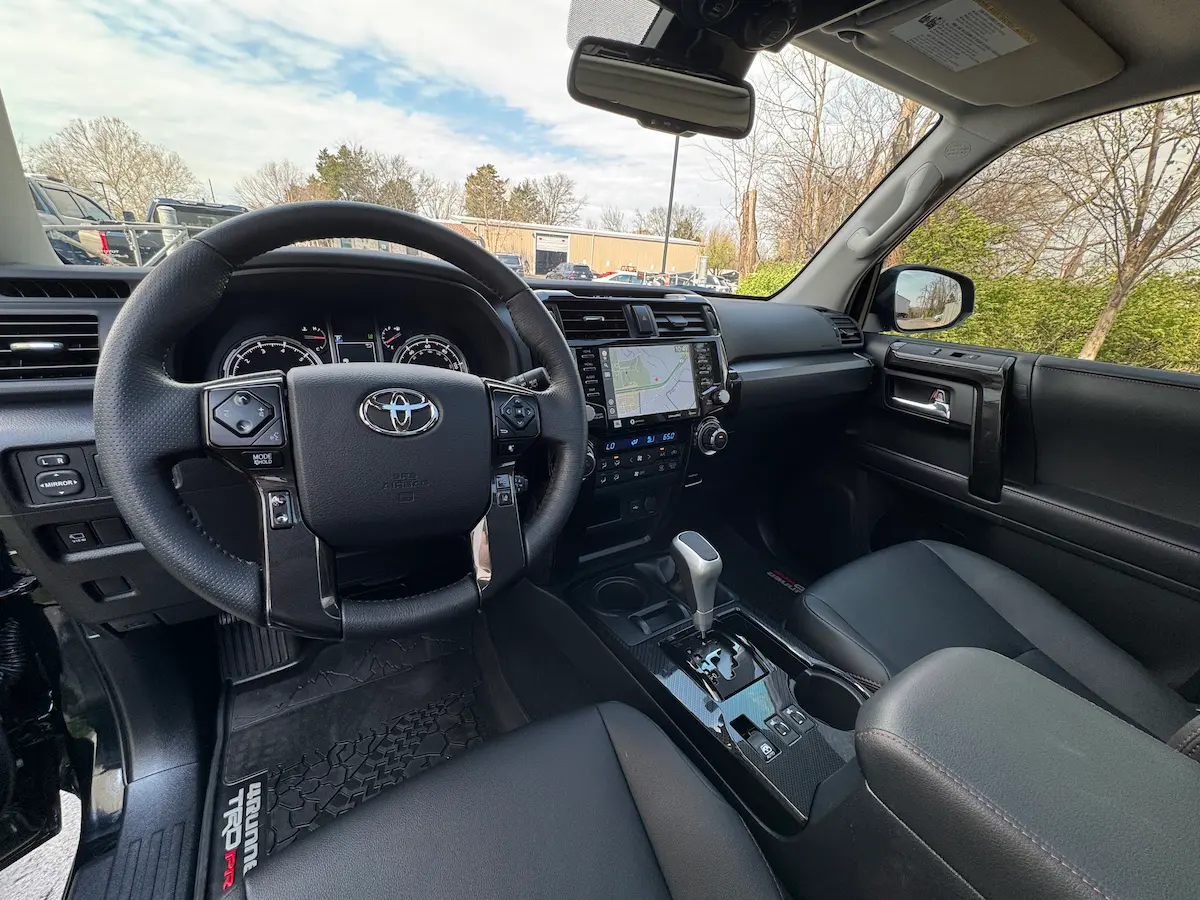
Toyota made Apple CarPlay, Android Auto, and Toyota Safety Sense standard starting in 2020. These features are now expected by most buyers and add real daily usability.
Maintenance that matters most on a 4Runner
Because the 4Runner is body on frame and designed for towing and off road use, servicing the transfer case and differentials is especially important. Suspension inspections also matter more on off road focused trims. When maintained properly, the drivetrain is one of the 4Runner’s strongest advantages.
Quick note on pre 2020 models
They are known for durability but lack the safety and infotainment features most modern buyers expect.
Best Used Toyota 4Runner Years to Buy
If you are focused on the modern used market, these year ranges offer the best balance of features, reliability, and value.
- 2020 to 2024
Late fifth generation models with proven V6 reliability, updated safety tech, and modern infotainment. These years appeal to buyers who value simplicity and a long track record. - 2025
The first year of the sixth generation redesign. This year introduces a new powertrain strategy and a broader trim lineup. - 2026
The second year of the new generation, offering the benefits of the redesign with refinements after the initial launch.
Competitive Analysis
Rather than broad brand comparisons, this section looks at how the Toyota 4Runner stacks up when matched against closely aligned trims buyers typically cross shop.
| Buyer Priority | Toyota 4Runner Trim | Comparable Alternatives | How the 4Runner Stands Out | Where Rivals Compete |
|---|---|---|---|---|
| Daily driving with real capability | SR5, TRD Sport, TRD Sport Premium | Jeep Grand Cherokee Laredo, Altitude | Strong resale value and rugged construction | Smoother ride and more modern interiors |
| Serious off road use | TRD Off Road, TRD Off Road Premium | Ford Bronco Badlands | Proven durability and strong aftermarket support | More aggressive trail geometry |
| Factory flagship off roader | TRD Pro | Bronco Sasquatch trims | Balanced daily comfort with trail readiness | Greater customization options |
| Overlanding focused builds | Trailhunter | Lexus GX Overtrail | Purpose built overland equipment | More luxury focused interiors |
| Comfort and premium features | Limited, Platinum | Jeep Grand Cherokee Limited, Summit | Rugged foundation with upscale touches | Quieter ride and advanced comfort tech |
Across these comparisons, the 4Runner consistently favors durability and long term ownership confidence, while many competitors prioritize ride comfort and interior technology.
Why Buying a Used Toyota 4Runner Is a Smart Choice
A used Toyota 4Runner offers something increasingly rare in modern SUVs. Predictability. Strong resale value, proven reliability, and trim specific capability make it a favorite for buyers who plan to keep their vehicle long term. When properly maintained, a used 4Runner tends to feel seasoned rather than worn out.
Choosing the Right Dealership Matters
Even the most reliable SUV depends on where you buy it. A strong dealership should offer transparent vehicle histories, fair pricing, flexible test drives, warranty options, and financing support that fits real-world needs.
AutoPro Nashville stands out by focusing on quality inventory, clear documentation, and a customer-first experience—exactly what buyers want when shopping for a used performance or luxury vehicle.
Explore our used Toyota 4Runner inventory to see which trims and years are currently available.
Is the Toyota 4Runner reliable for long-term ownership?
Yes. The Toyota 4Runner is known for long-term durability, especially when maintained properly. Many owners keep them well past 150,000 miles with routine service.
What are the most common Toyota 4Runner problems?
Common issues tend to be minor rather than mechanical failures. These include brake noise on certain trims, suspension system considerations depending on trim, and aging technology in older models.
Does the Toyota 4Runner hold its value well?
Yes. The 4Runner consistently ranks among SUVs with strong resale value due to its reputation for reliability and long-term demand.
What are the best Toyota 4Runner years to buy used?
For modern features and proven reliability, 2020 to 2024 models are popular choices. Buyers interested in newer technology often look at 2025 and 2026 models.
Which Toyota 4Runner trim is best for daily driving?
The SR5 and TRD Sport trims are often the best balance for daily use, offering comfort, practicality, and capability without the extra hardware intended for heavy off-road driving.