Used Chevrolet Corvette Z06 Buying Guide: What Actually Matters
Buying a Chevrolet Corvette Z06 used is one of those decisions that looks simple on paper and gets complicated fast in the real world. On the surface, it’s easy to justify: massive performance, unmistakable presence, and numbers that embarrass cars wearing far more expensive badges.
Where buyers get tripped up is assuming that a Z06 behaves like a normal used sports car. It doesn’t. Ownership patterns, depreciation curves, and long-term satisfaction all follow their own rules here. I’ve seen immaculate low-mile examples trade hands because the owner misjudged what living with the car would actually be like. I’ve also seen higher-mile cars become long-term keepers because the buyer understood the tradeoffs from day one.
This guide isn’t about specs, lap times, or hype. It’s written for someone standing at the edge of a real financial decision — trying to figure out whether a used Z06 will be a source of long-term enjoyment or a very expensive lesson.
Add Your Heading Text Here
In the U.S. market, the used behavior of the Chevrolet Corvette Z06 tells a very different story than its marketing or launch hype.
Most Z06s don’t return to the market because something failed mechanically. They come back because buyer expectations collide with reality. In the U.S., these cars are often purchased during peak excitement:
- New-generation launches and media cycles
- Comparisons against European exotics
- The belief that the Z06 is a “do-everything” supercar
Once the novelty wears off, ownership realities become clearer. The ride quality, noise levels, visibility, and ongoing consumable costs don’t fit every owner’s lifestyle long-term — especially for buyers coming from more insulated performance cars.
From years of observing U.S. ownership and trade-in patterns, a few trends repeat:
- Low mileage does not guarantee light use — many U.S. examples saw short, aggressive driving cycles
- Well-maintained driver cars often age better than ultra-low-mile garage cars
- Early resale usually reflects lifestyle mismatch, not dissatisfaction with performance
Depreciation in the U.S. follows a predictable curve. Values drop hardest once initial demand fades and nationwide inventory levels stabilize. After that point, pricing flattens, and purchase decisions hinge far more on:
- Condition and documentation
- Configuration and options
- Ownership and service history
At that stage in the U.S. used market, how the car was owned matters far more than what model year appears on paper.
Model Year Evolution That Actually Matters
Z06 model years don’t blur together the way they do on lesser performance cars. Small changes made by Chevrolet often show up clearly once the cars rack up miles.
Early C7 Z06 Years (2015–2016)
These cars delivered outrageous performance but asked owners to tolerate compromises. Heat management issues surfaced quickly, especially during spirited driving. Many cars were modified later to address these shortcomings, which adds complexity when evaluating them today.
They’re affordable for a reason, and buyers need to understand that trade.
Refined C7 Z06 Years (2017–2019)
This is where the platform matured. Cooling improvements and tuning revisions made the car easier to live with and more consistent over time. Owners of these cars report fewer frustrations and longer ownership cycles.
For many experienced buyers, this generation represents the most rational Z06 purchase.
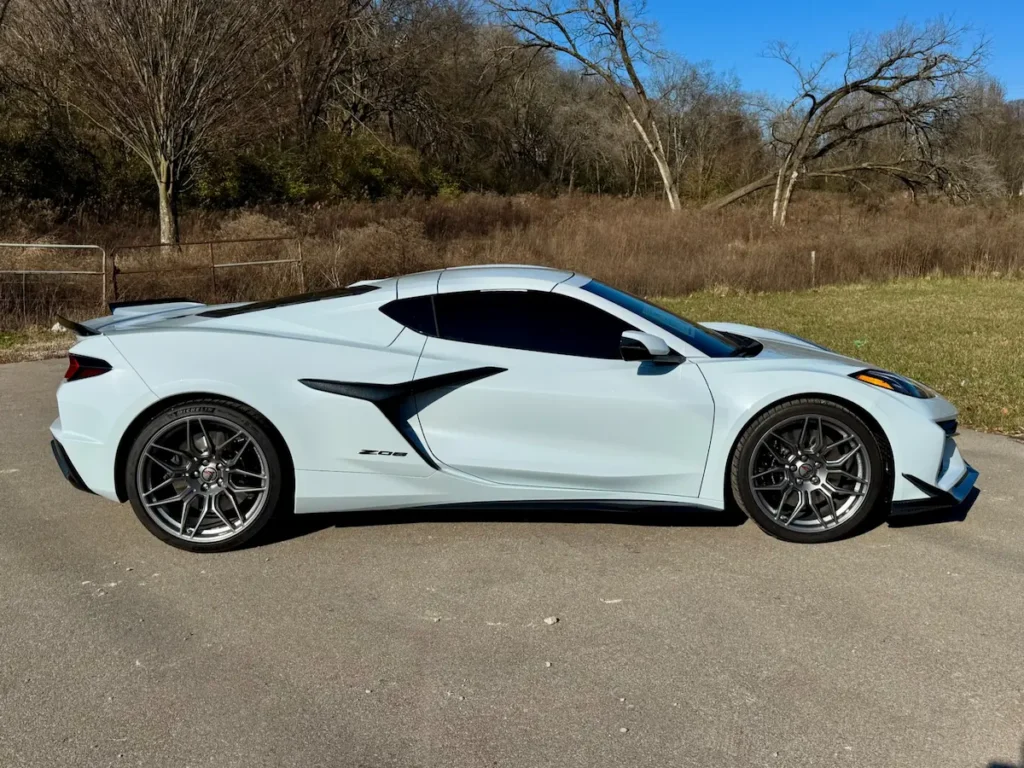
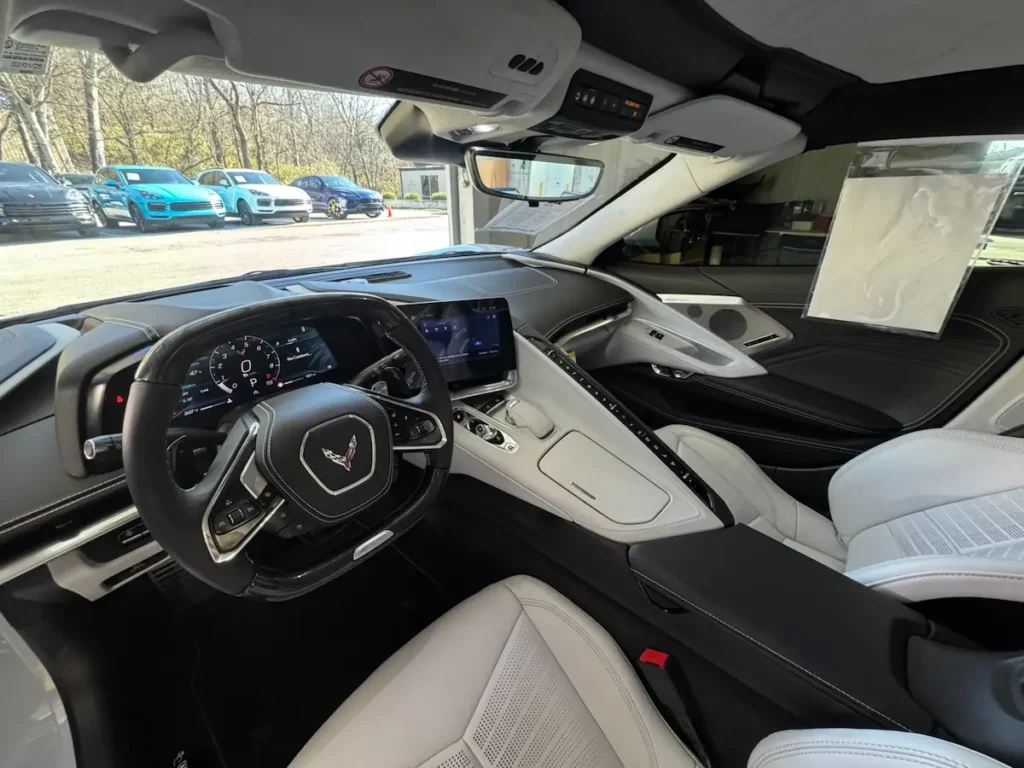
Early C8 Z06 Years (2023–2024)
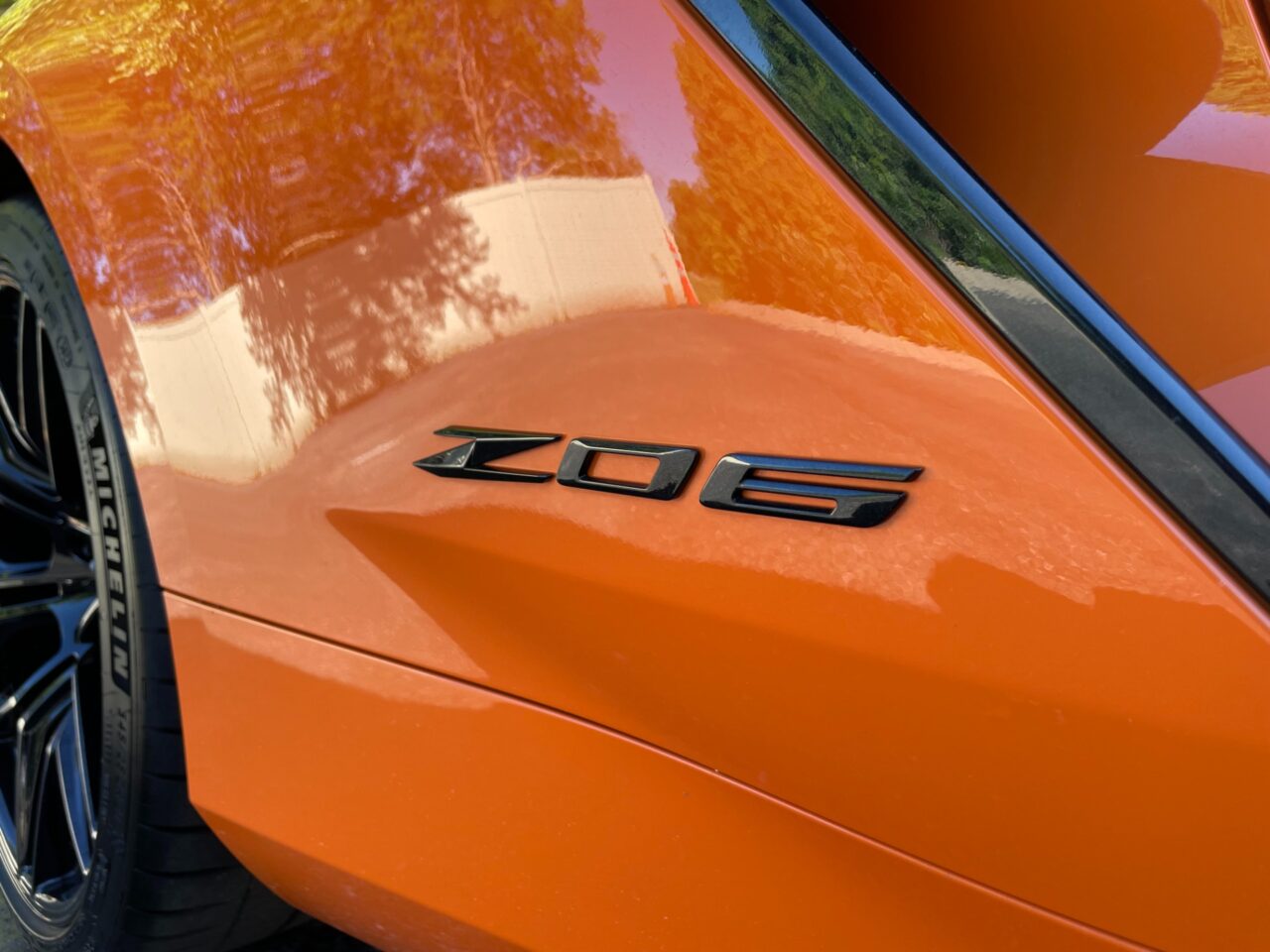
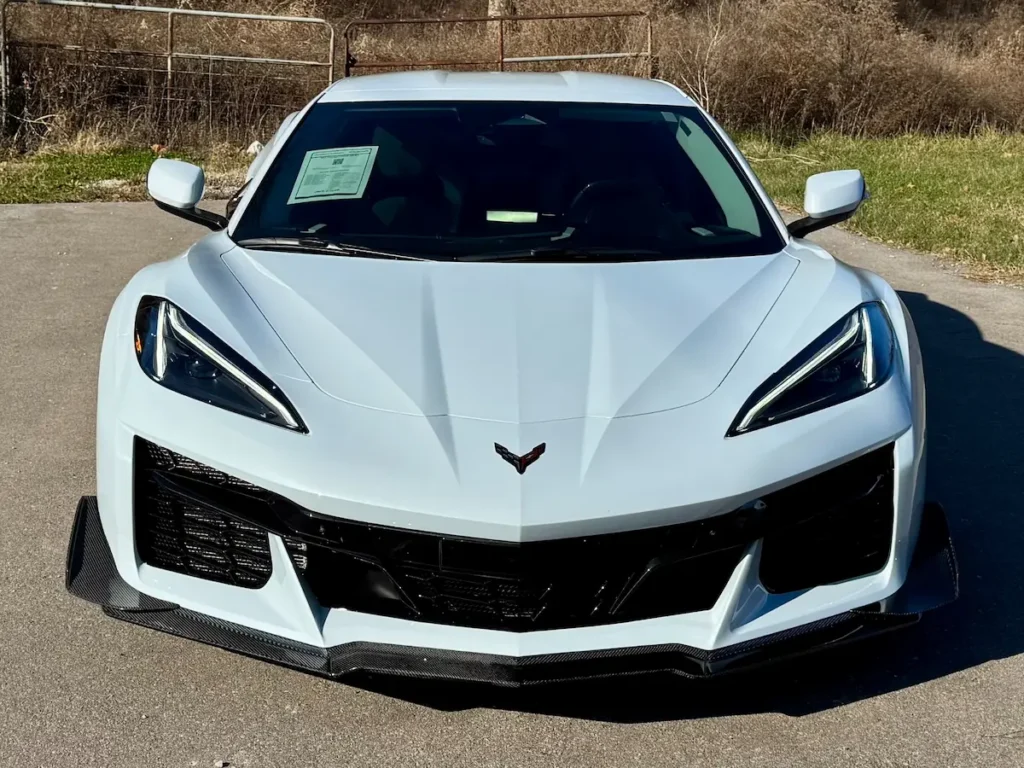
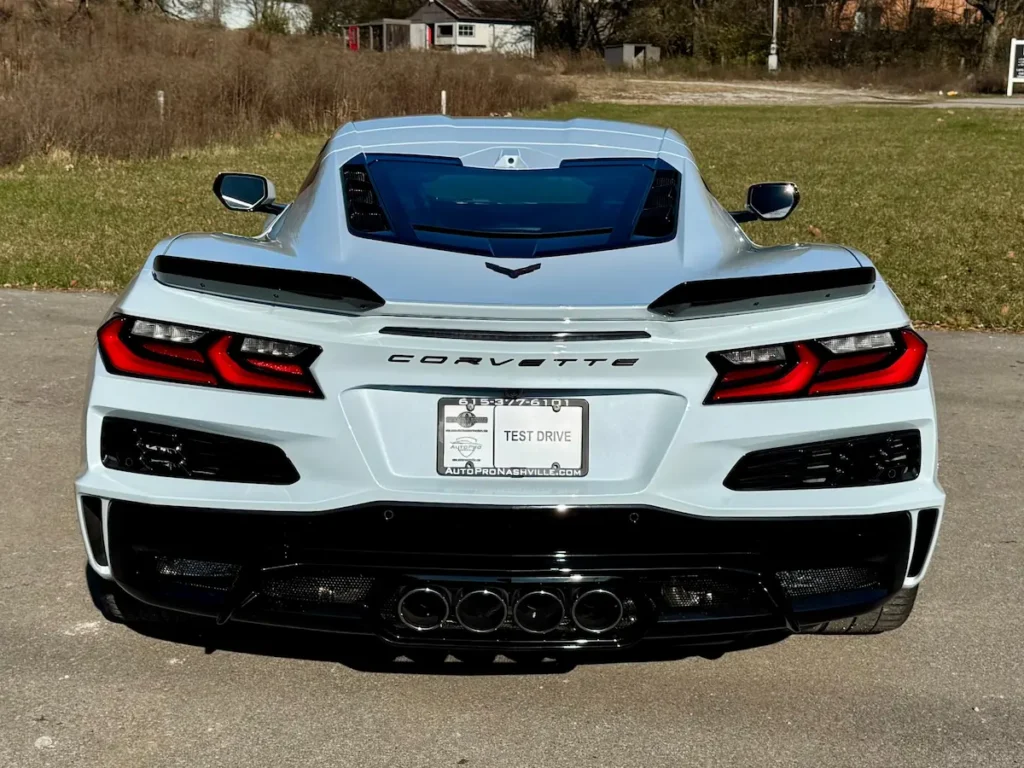
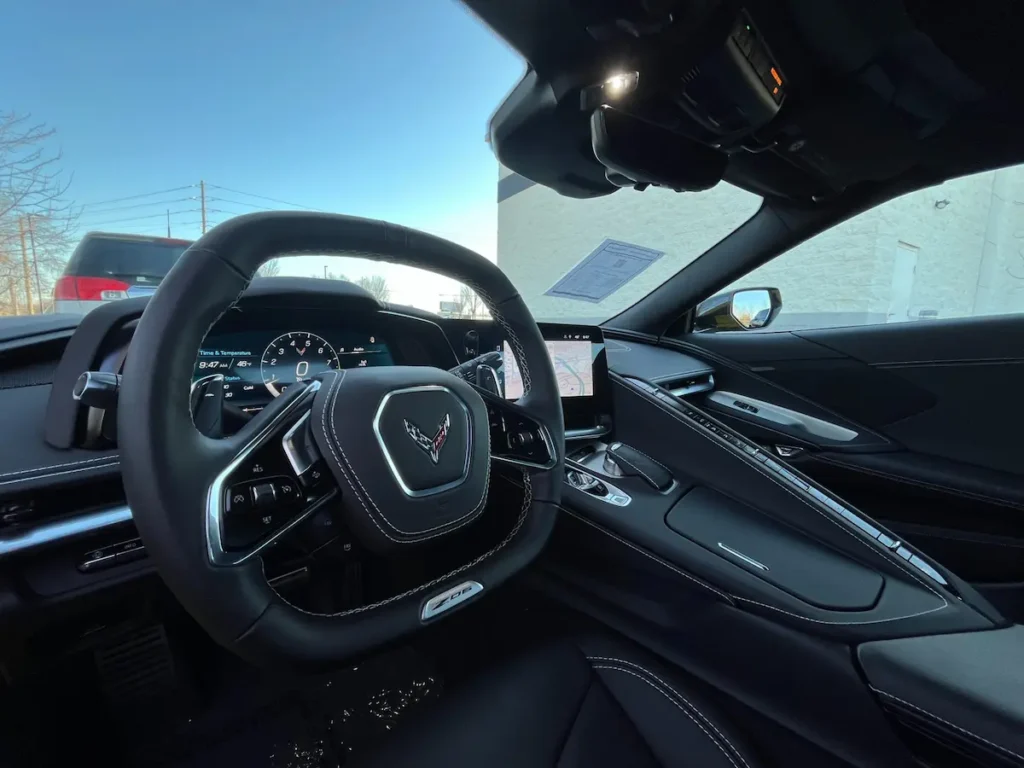
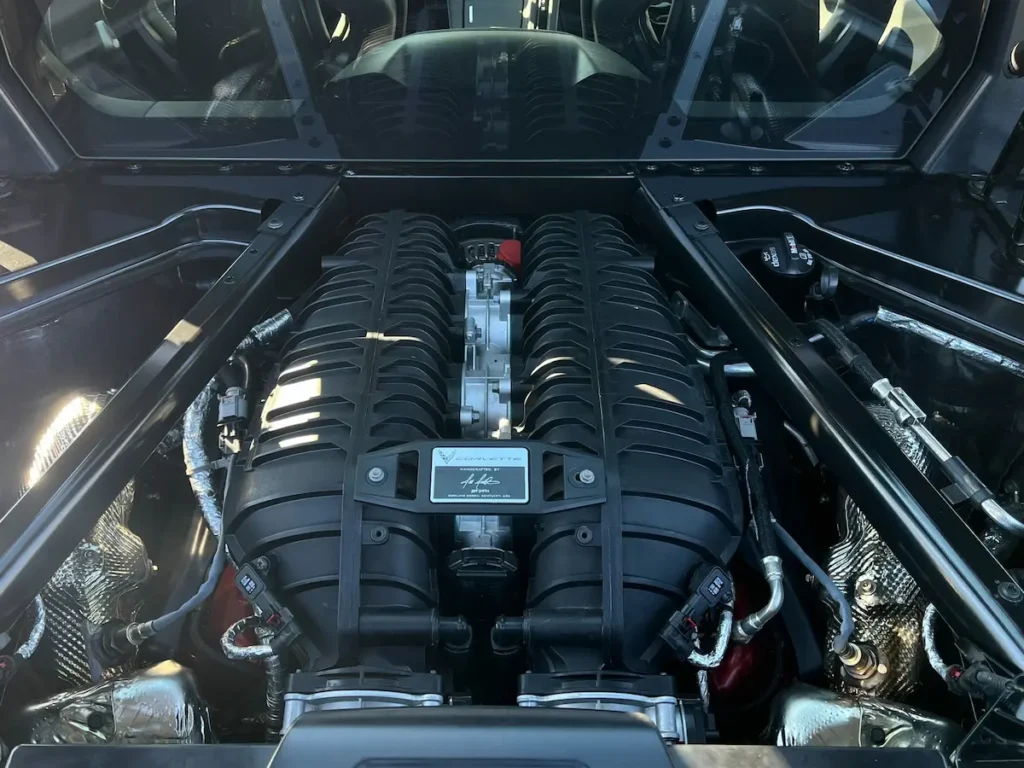
The C8 Z06 changed the character of the car entirely. Mid-engine balance, a high-revving naturally aspirated engine, and exotic-level performance brought new buyers into the fold.
Most used examples are still early in their lifecycle, meaning pricing reflects emotion as much as reality.
Recent C8 Z06 Production Years (2025–Present)
By this point, the C8 Z06 has entered a more stable phase of its lifecycle.
Production is more consistent, buyer expectations are better aligned with reality, and early ownership lessons have filtered into the market. These cars don’t represent a redesign — they represent maturity.
For used buyers, this matters because:
- Pricing begins to normalize
- Ownership profiles are more predictable
- Condition and configuration start to outweigh build year
This range tends to age more gracefully in the used market unless a major platform change occurs.
Model Year Comparison
| Model Year | Key Highlights | Meaningful Changes | Best-Fit Buyer Profile |
|---|---|---|---|
| 2015–2016 | First modern Z06 | Raw performance, early compromises | Budget-focused buyers with high tolerance |
| 2017–2019 | Platform refinement | Improved reliability and usability | Best balance of value and confidence |
| 2023–2024 | New architecture | Mid-engine layout, exotic character | Experience-driven buyers |
| 2025–Present | Platform maturity | Market stabilization, predictable ownership | Buyers seeking refinement without hype pricing |
Takeaway:
Later C7 Z06 models still offer the strongest blend of value and proven ownership. Recent C8 Z06 examples deliver the most complete version of the new platform, without the uncertainty or emotional pricing of the earliest cars.
Used Pricing & Value Positioning
Z06 pricing rewards patience more than enthusiasm.
Certain trims and configurations hold value because they align with how the car is actually used. Others depreciate faster because buyers paid for options they rarely touched.
Depreciation tends to flatten once the car moves past its hype window. At that point, paying extra for extremely low mileage often doesn’t translate to a better ownership experience.
The smartest used buyers focus less on the cheapest price and more on avoiding the cars that were owned with unrealistic expectations.
Ownership Expectations & Real-World Reliability
The Z06 isn’t unreliable, but it’s unforgiving of neglect or misunderstanding.
What shows up over time isn’t catastrophic failure — it’s cumulative wear from heat, aggressive alignment, and consumables that cost more than many buyers expect.
Common Ownership Watch-Outs
- Uneven tire wear from factory-aggressive alignment
- Brake wear that surprises first-time performance owners
- Aftermarket tuning that masks long-term stress
Inspection Checklist
- Cooling system condition and updates
- Consistent maintenance documentation
- Suspension and alignment wear
- Evidence of repeated high-heat use
Balanced expectations are what separate happy owners from short-term flippers.
Competitive Analysis & Decision Tradeoffs
The Chevrolet Corvette Z06 is rarely cross-shopped casually. Buyers who consider it seriously are usually weighing very different ownership philosophies — not just performance numbers.
| Vehicle | Overall Character | Ownership Pros | Ownership Cons |
|---|---|---|---|
| Porsche 911 Turbo | Precision performance | Build quality, daily usability, resale | High service and repair costs |
| Porsche 911 GT3 | Driver-first focus | Steering feel, track credibility | Stiff ride, limited daily comfort |
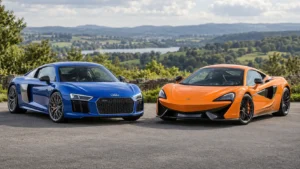
| McLaren 570S | Exotic performance | Light weight, dramatic experience | Long-term reliability, support network |
| Audi R8 V10 | Usable supercar | Sound, AWD confidence | Aging tech, ownership complexity |
Where the Z06 wins is performance per dollar. It delivers supercar-level speed without fully inheriting supercar pricing — but it also doesn’t escape supercar responsibility.
What many buyers underestimate:
- The Z06 still carries high consumable costs
- Maintenance discipline matters more than brand reputation
- It’s less forgiving than a 911 when used casually
In practice, the Z06 makes the most sense for buyers who want extreme capability and are willing to manage it. Those prioritizing refinement, daily comfort, or long-term simplicity often end up happier elsewhere.
You can also read Car and Driver’s full review for an independent evaluation of the Corvette Z06.
Final Used-Buyer Verdict
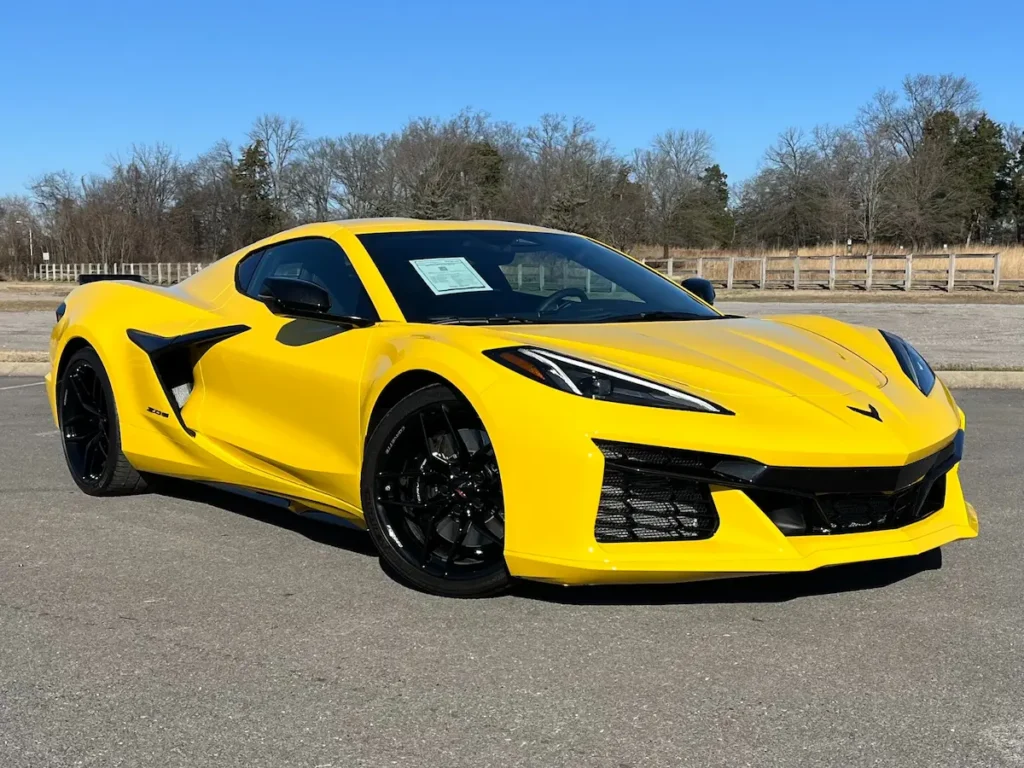
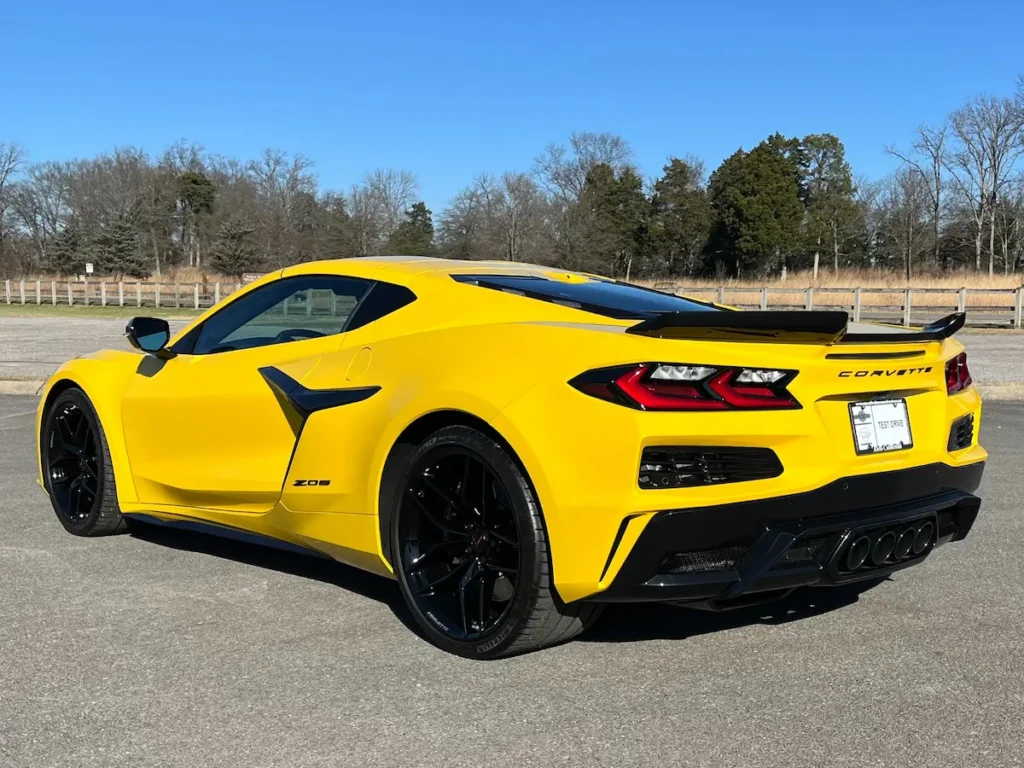
The Corvette Z06 is ideal for buyers who want an emotionally intense performance car and understand what comes with that choice. It rewards drivers who use it regularly and maintain it properly.
It’s a poor fit for buyers looking for a passive ownership experience or a car to admire more than drive.
We have a selection of used Chevrolet Corvette Z06 models available if you’d like to explore what’s currently on hand.
Is buying a used Corvette Z06 risky compared to other performance cars?
A used Chevrolet Corvette Z06 isn’t inherently risky, but it is less forgiving than many sports cars. Proper inspection, documented maintenance, and understanding how the car was used matter far more here than simply chasing low mileage.
Should I prioritize low mileage or service history when buying used?
Service history should take priority. Many low-mile Z06s were driven hard in short bursts, while higher-mile examples with consistent maintenance often prove to be better long-term owners’ cars.
How expensive is Z06 ownership compared to what buyers expect?
Most buyers underestimate consumable costs. Tires, brakes, and alignment-related wear add up quickly, even without track use. The car isn’t unreliable, but it demands a maintenance budget that matches its performance.
Does the C8 Z06 justify its price over a well-kept C7 Z06?
The C8 Z06 delivers a fundamentally different driving experience. Whether it’s worth the premium depends on how much you value the mid-engine layout and high-revving character over outright value and familiarity.