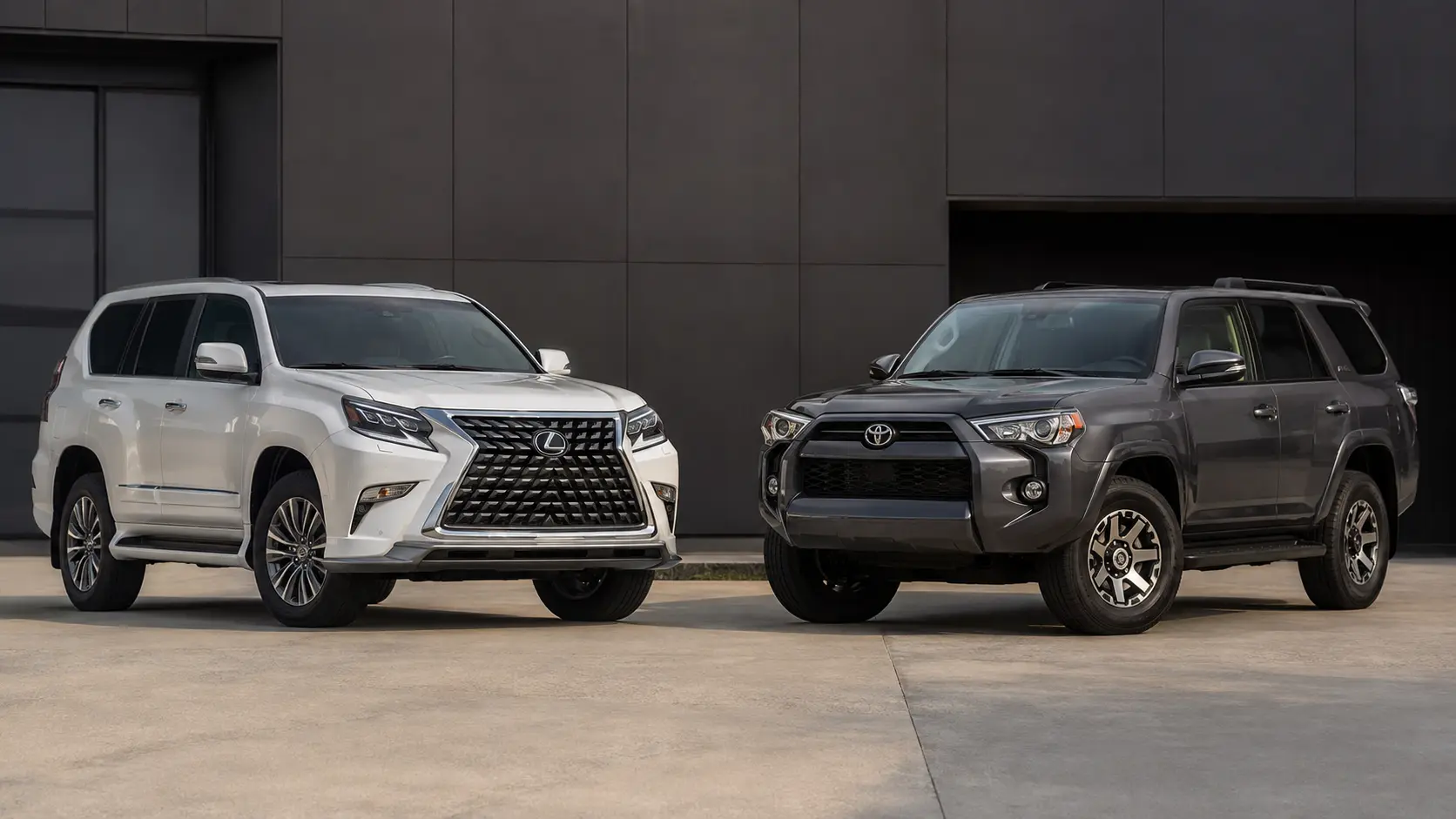
Lexus GX 460 vs Toyota 4Runner: Which Used SUV Is Better?
The Lexus GX 460 is the better long-term buy for drivers who want real four-wheel-drive capability without giving up a V8, a quieter cabin, and a more comfortable daily driving experience. The Toyota 4Runner is the better choice for buyers who want a simpler ownership proposition, stronger off-road trim choices, lower fuel costs, and a huge aftermarket.
Both are unusually durable body-on-frame SUVs. They also share Toyota roots and were sold through much of the same period, which makes this a real comparison rather than a luxury SUV versus a crossover.
But they are not the same vehicle with different badges. The GX 460 feels more upscale and has more towing capability. The 4Runner is more basic by design, easier to personalize for trail use, and usually makes more sense for buyers who do not need Lexus-level comfort.
Lexus GX 460 vs Toyota 4Runner: The Quick Answer
This comparison focuses on the Lexus GX 460 from 2010–2023 and the fifth-generation Toyota 4Runner from 2010–2024.
It does not apply to the redesigned Lexus GX 550 or the all-new 2025 and newer Toyota 4Runner. Those SUVs use newer platforms and powertrains, so they should be compared separately.
Buy the Lexus GX 460 if you want:
- A smoother 4.6-liter V8
- Standard full-time four-wheel drive
- A more comfortable, quieter cabin
- Stronger towing capability
- A luxury SUV that can still handle real off-road use
Buy the Toyota 4Runner if you want:
- A lower-cost, simpler-feeling used SUV
- More off-road-focused trims and aftermarket support
- Regular gasoline rather than premium fuel
- More cargo space behind the second row
- Strong resale demand, especially for clean 4WD and TRD models
The Biggest Difference: Luxury V8 SUV vs Rugged Utility SUV
The GX 460 and 4Runner are both old-school SUVs in the best sense: body-on-frame construction, a low-range transfer case, proven naturally aspirated engines, and real off-road capability.
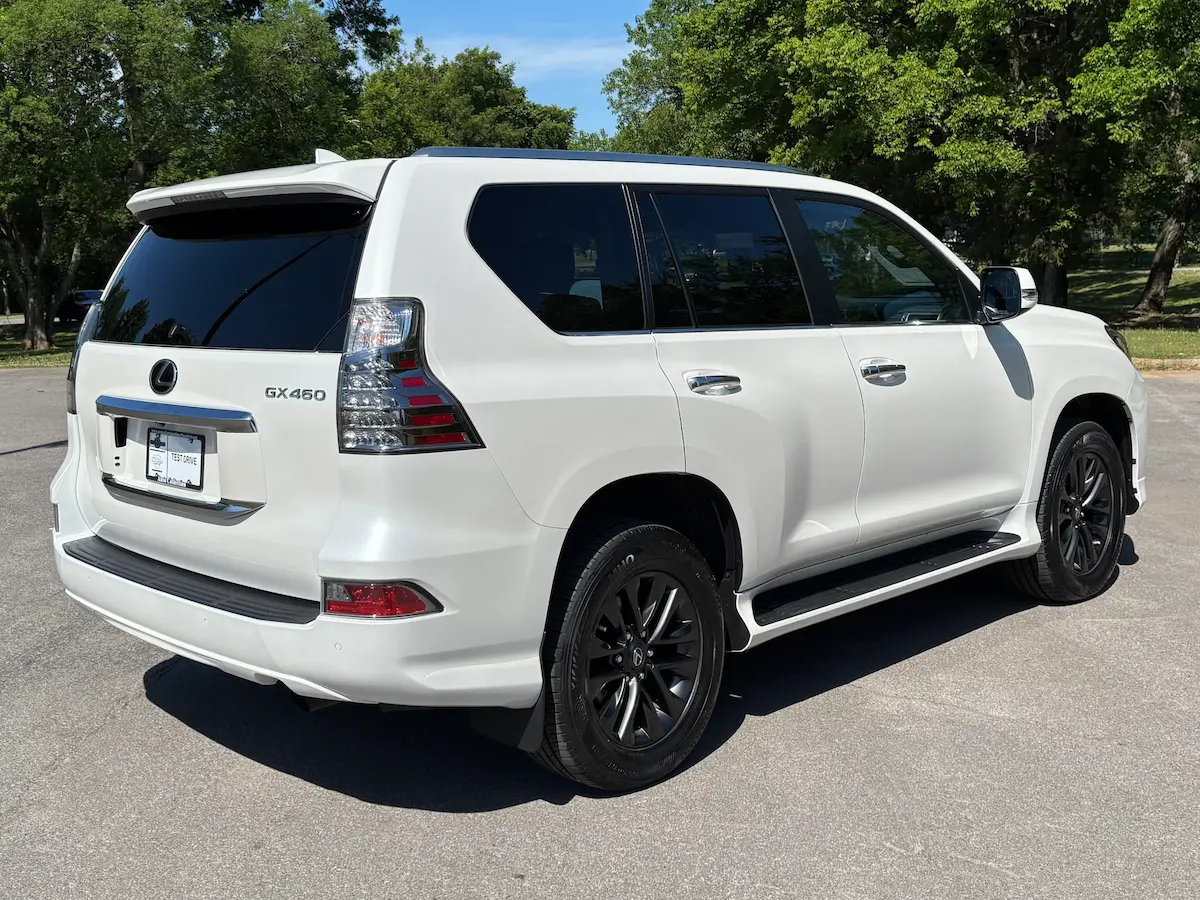
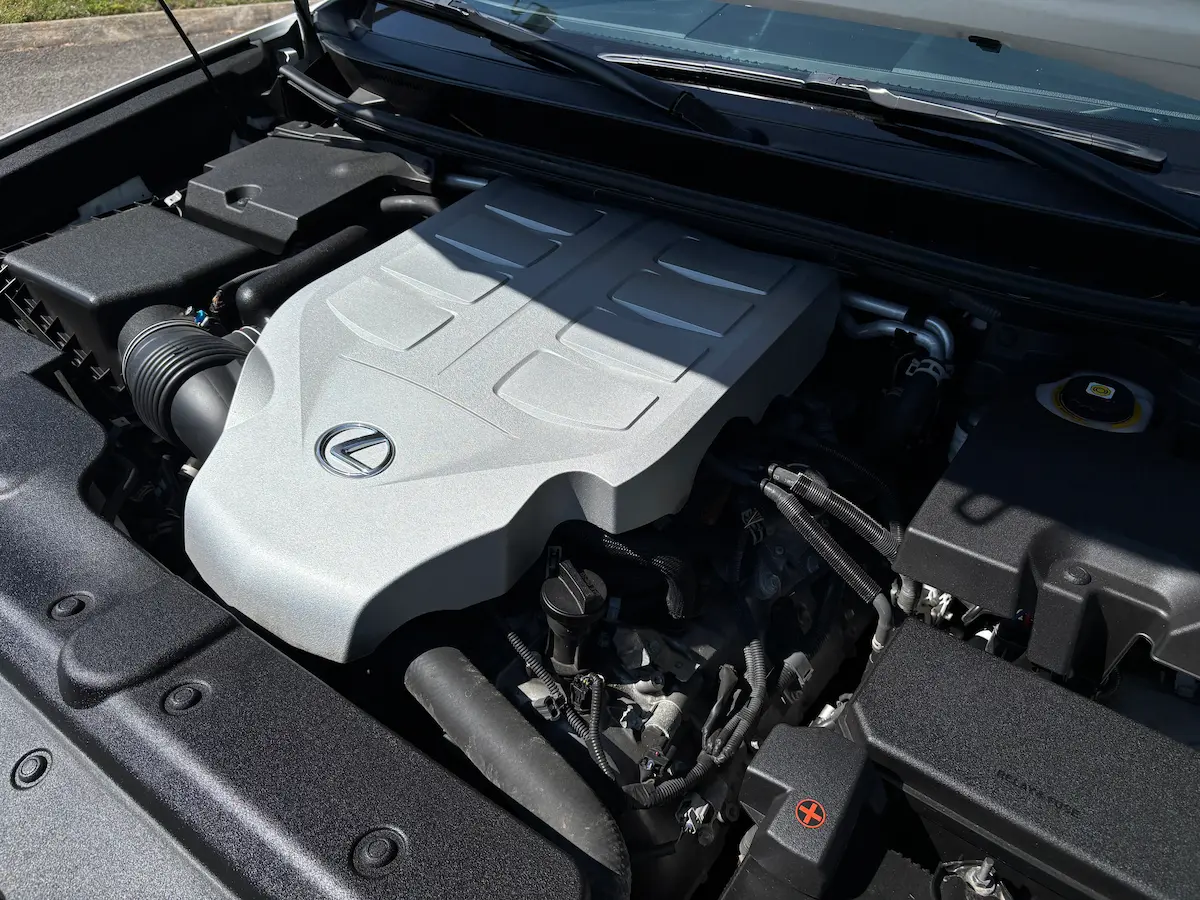
The GX 460 is the more refined version of that formula. Its 4.6-liter V8 produces 301 horsepower and 329 lb-ft of torque, while its standard full-time four-wheel-drive system gives it secure road manners in poor weather and useful capability away from pavement.
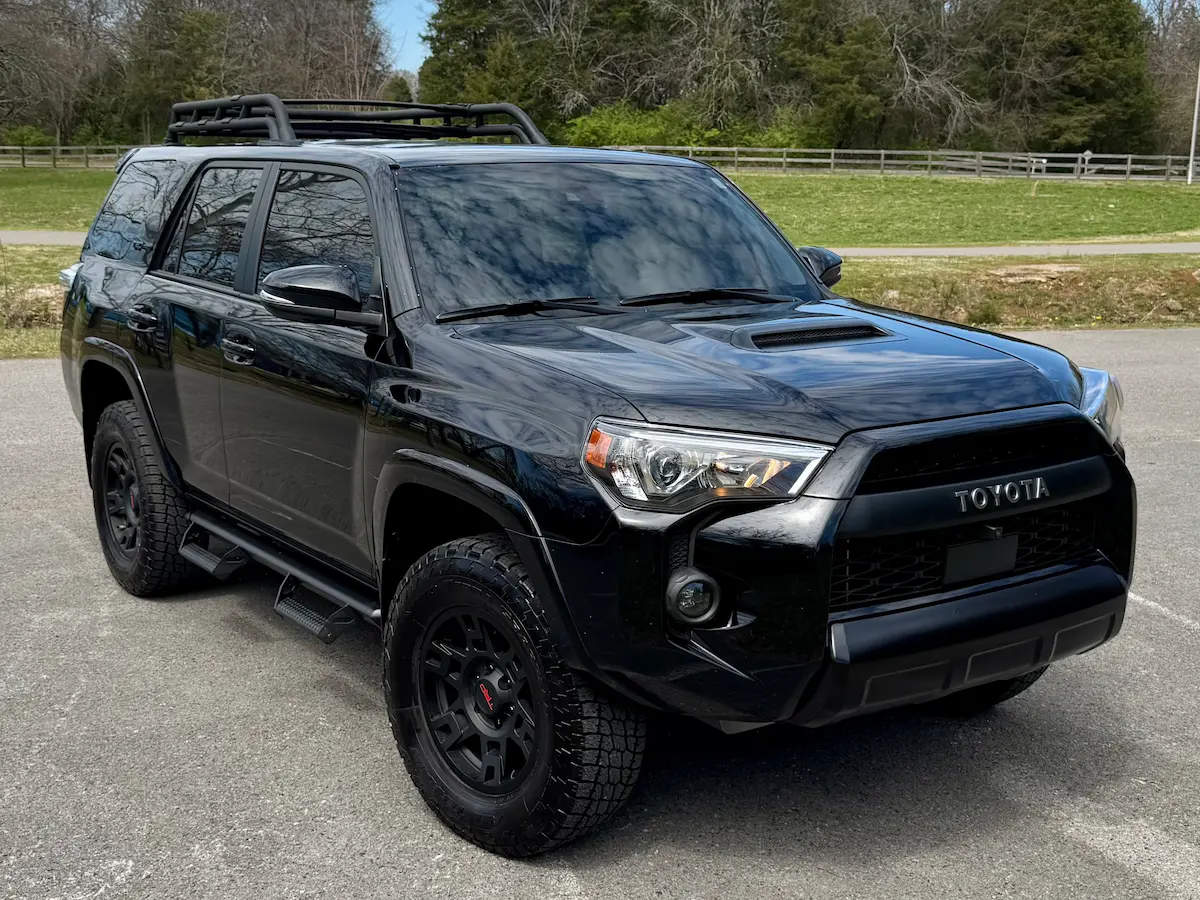
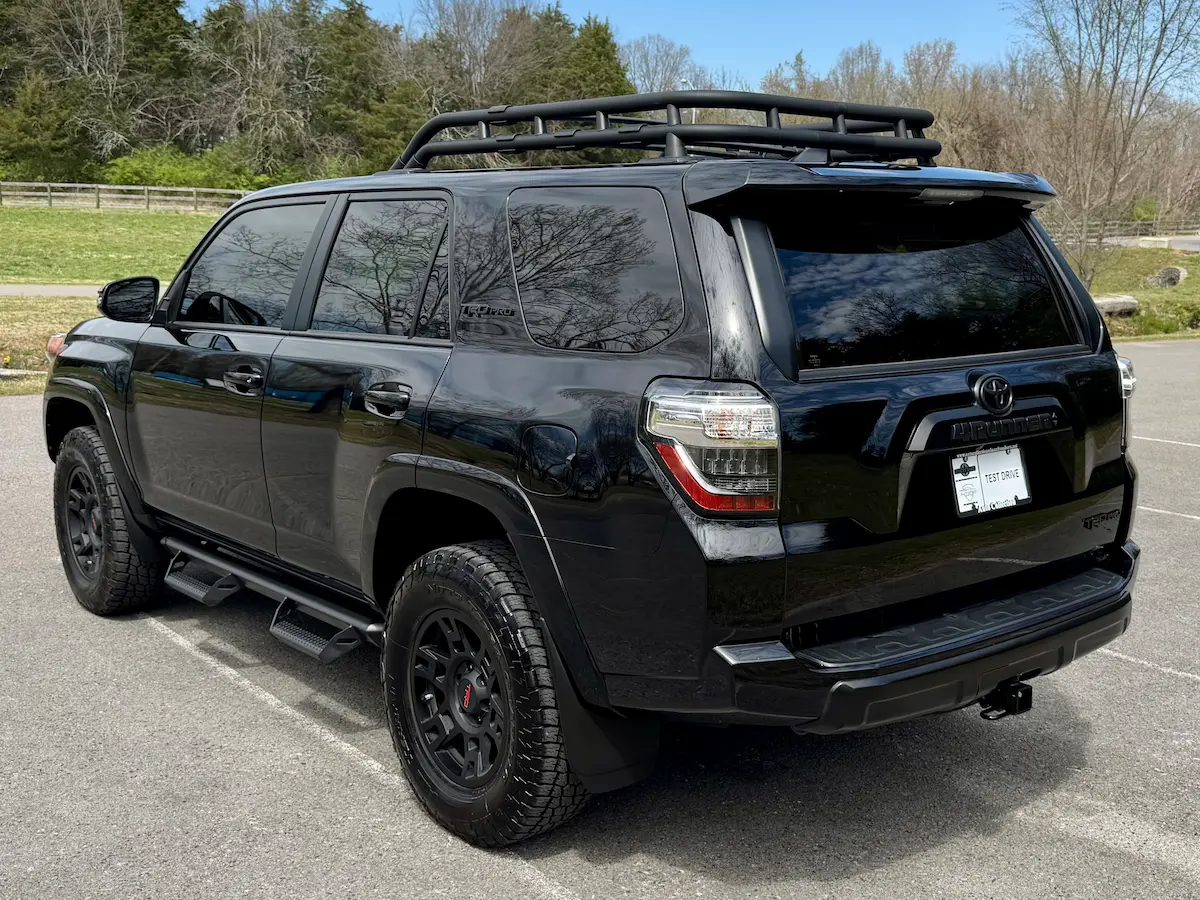
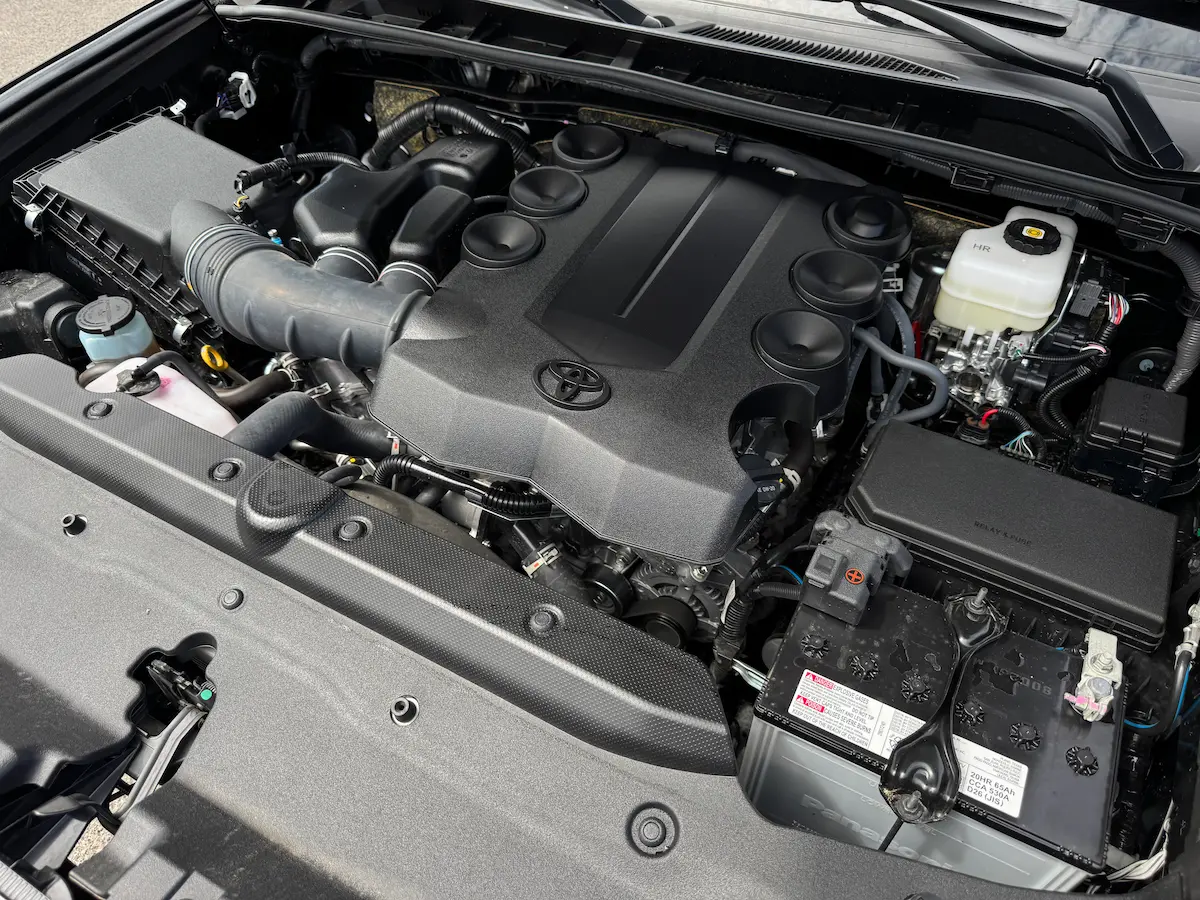
The 4Runner uses a 4.0-liter V6 with 270 horsepower and 278 lb-ft of torque. It is not as smooth or strong as the Lexus V8, but it has a reputation for durability and is easier to find in trims aimed directly at off-road buyers, including TRD Off-Road and TRD Pro models.
The 4Runner is more utilitarian. The GX is more complete as an everyday luxury SUV.
| Category | Lexus GX 460 | Toyota 4Runner |
|---|---|---|
| Engine | 4.6-liter V8 | 4.0-liter V6 |
| Power | 301 hp / 329 lb-ft | 270 hp / 278 lb-ft |
| Four-wheel drive | Standard full-time 4WD | Depends on trim and configuration |
| Fuel requirement | Premium recommended | Regular gasoline |
| Maximum towing | Up to 6,500 lbs | Up to 5,000 lbs |
| Daily comfort | Quieter and more luxurious | More rugged and basic |
| Off-road trim selection | Capable, but fewer choices | Broader TRD-focused selection |
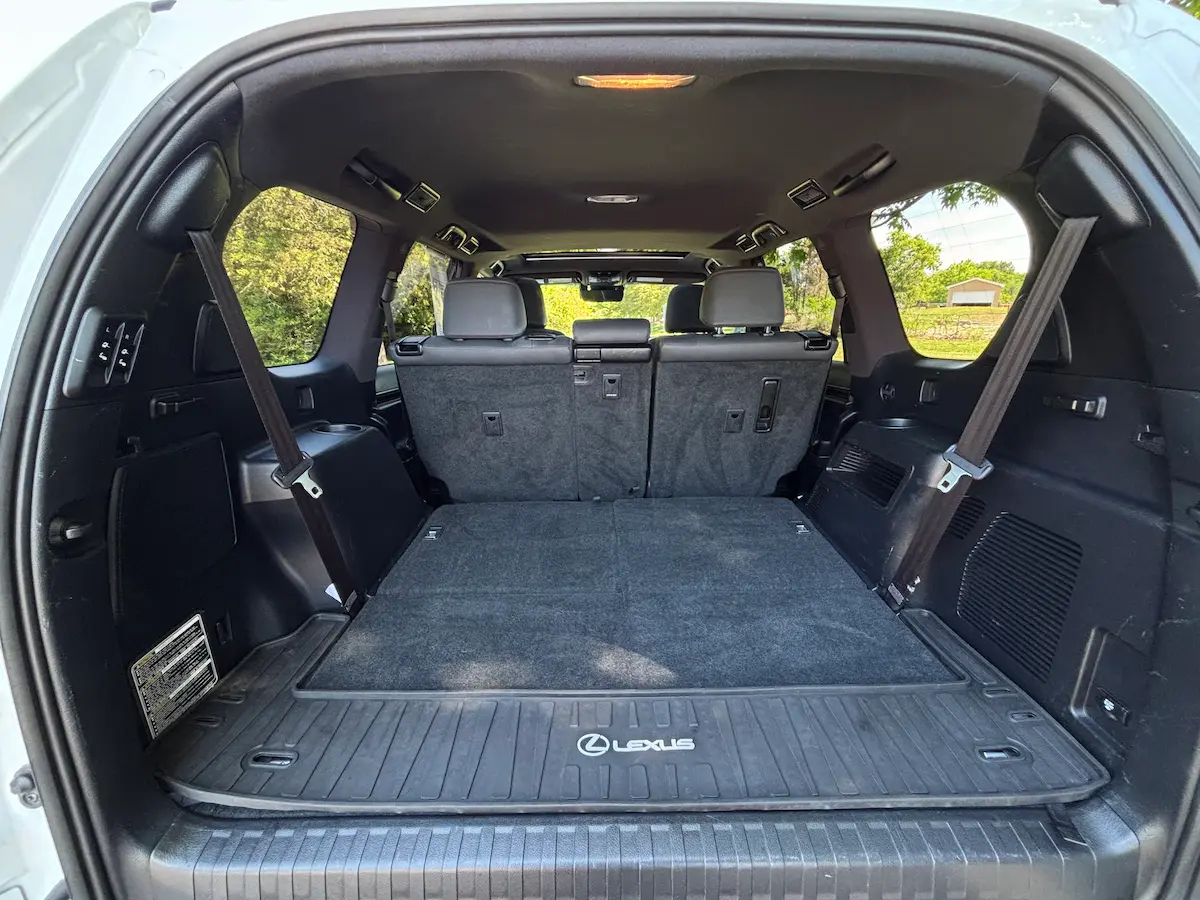
| Cargo space | Nearly identical behind the second row; less maximum space | Nearly identical behind the second row; substantially more maximum space |
Price: Do Not Assume the 4Runner Is Always the Cheaper Buy
A used 4Runner often looks like the obvious value because it is a Toyota, but clean examples hold their value remarkably well. A desirable four-wheel-drive TRD Off-Road, TRD Pro, or Limited can be priced close to a comparable GX 460, especially when both have similar mileage and a clean history.
The GX 460 can be the better value if you want a V8, full-time four-wheel drive, leather seating, and more standard luxury equipment. In many cases, the Lexus gives you more vehicle for a similar purchase price.
The important difference is ownership cost. The GX 460 uses premium fuel and can cost more to repair when luxury features, air suspension, or advanced chassis equipment need attention. The 4Runner is usually cheaper to fuel and simpler to live with, especially in a more basic SR5 or TRD Off-Road configuration.
A lower-priced GX with missing service records is not automatically a bargain. A clean 4Runner with a documented history can be the smarter purchase, even when it costs more upfront.
Which Used Years Make the Most Sense?
Neither model changed dramatically every year, but several updates matter when shopping used.
Best Lexus GX 460 Years: 2014–2023
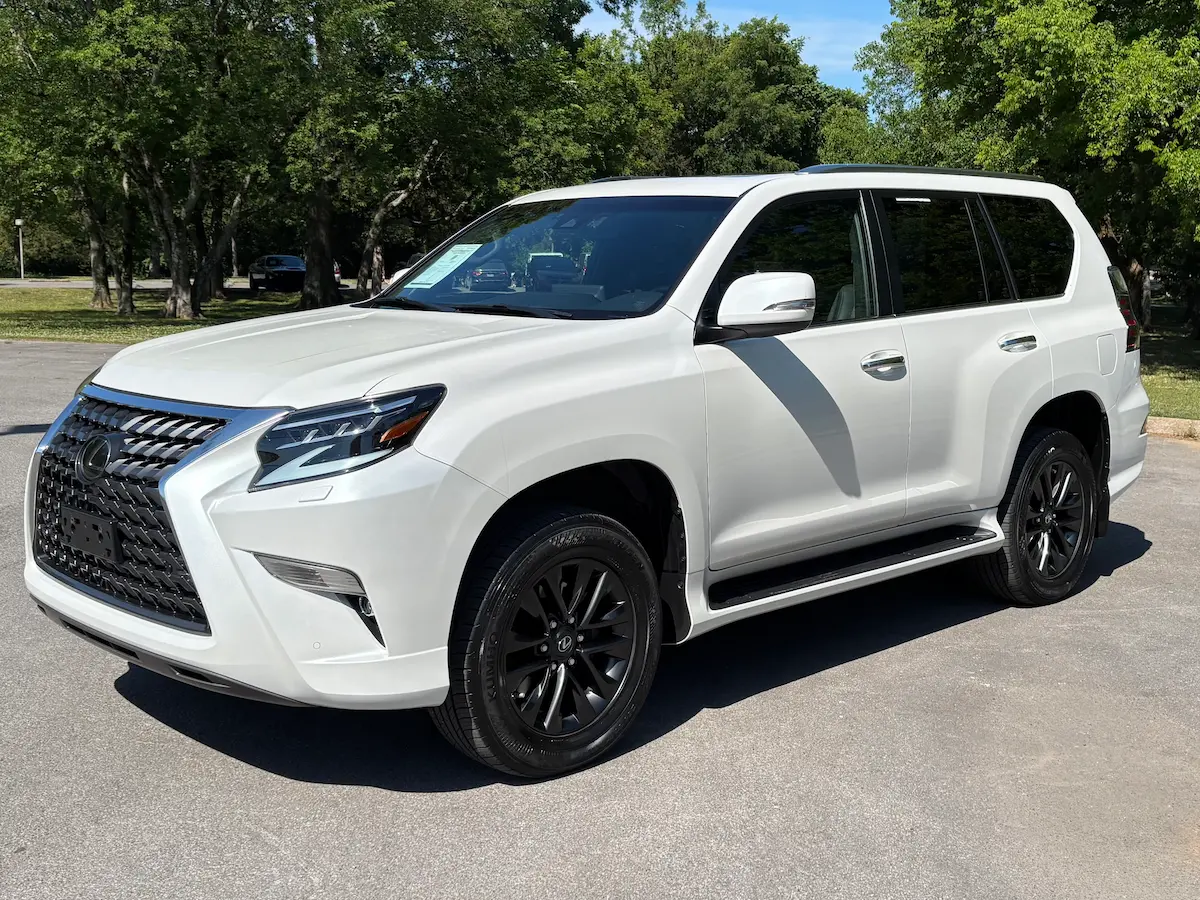
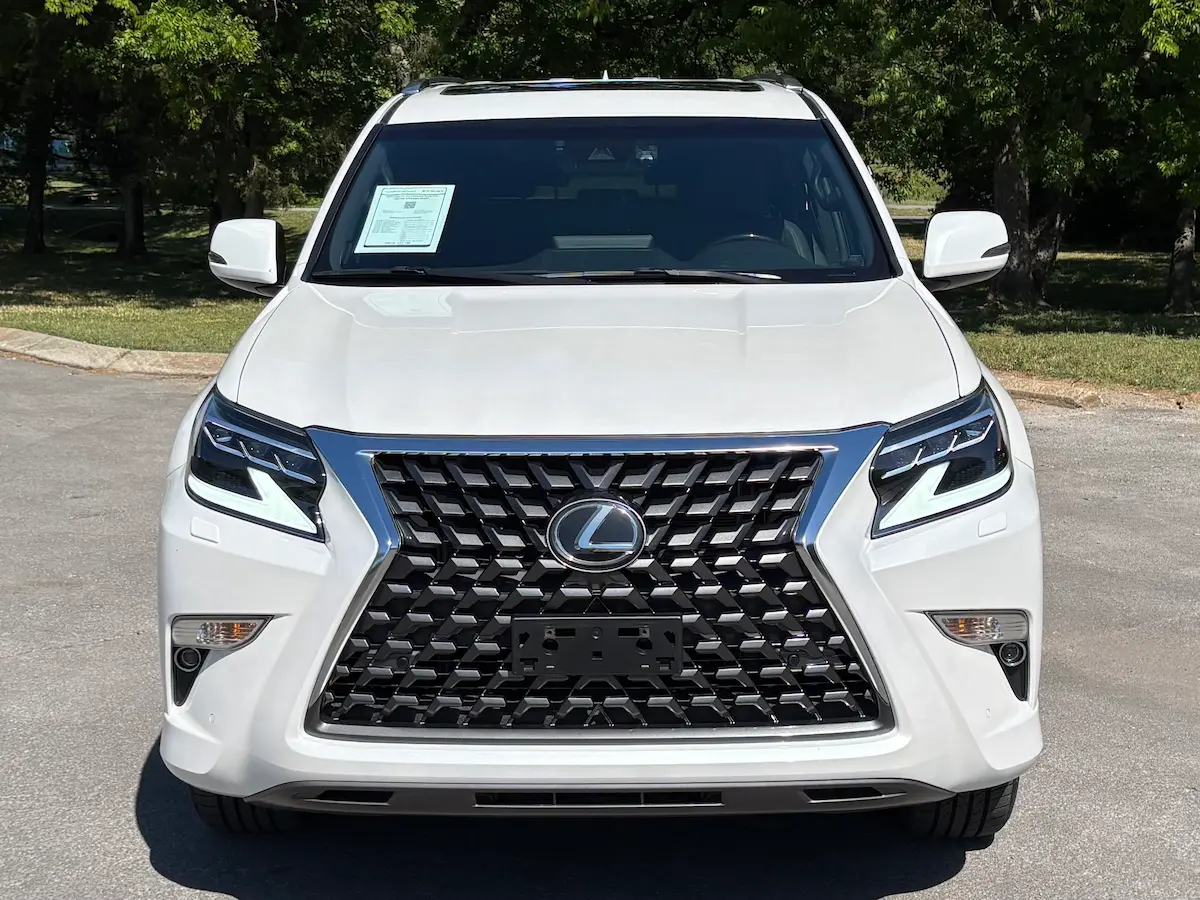
The GX 460 received a major styling update for 2014, including the Lexus spindle grille and updated interior technology. These later examples usually look more current than 2010–2013 models and are the better starting point for most buyers.
For buyers who want newer safety and convenience features, 2020 and newer GX 460 models are worth a closer look. Lexus added its Lexus Safety System+ suite, bringing features such as adaptive cruise control, lane-departure alert, and automatic emergency braking.
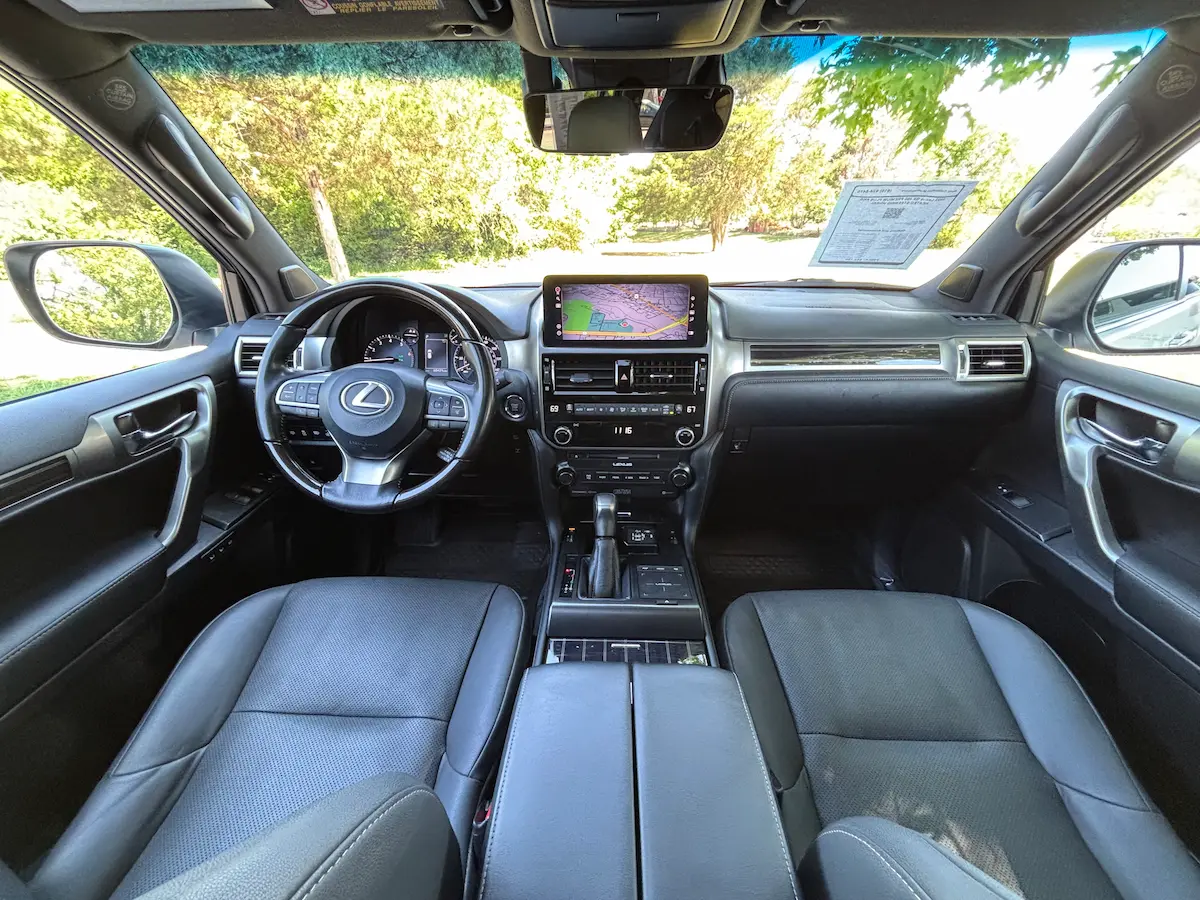
The biggest interior update arrived for 2022. The GX received a new touchscreen infotainment system with Apple CarPlay and Android Auto, making 2022 and 2023 models the best choice for buyers who want the traditional GX formula with less outdated technology. Lexus details the 2023 GX 460’s features and specifications here
Best Toyota 4Runner Years: 2014–2024
The 2014 refresh gave the 4Runner a more modern exterior design and updated interior details. Earlier 2010–2013 examples can still be solid buys, but later models generally make more sense unless the price difference is meaningful.
Toyota’s official 4Runner generation history also confirms that 2010–2024 models belong to the same fifth-generation platform, despite the updates made along the way.
For many buyers, 2020 and newer 4Runners are the sweet spot. Toyota added standard safety technology, along with Apple CarPlay and Android Auto. That update makes a noticeable difference in everyday usability without changing the durable V6-and-five-speed-automatic formula.
The 2022–2024 4Runner is a good choice if you want the newest version of the fifth generation. Just remember that a clean 2016–2019 4WD model with consistent maintenance can still be a better long-term buy than a neglected newer example.
Reliability and Maintenance: Both Can Last, but Inspect Different Things
The GX 460 and 4Runner have earned strong reputations because their engines and core drivetrains are generally durable when maintained properly. Still, neither SUV is maintenance-free, and age now matters as much as mileage.
On a Lexus GX 460, inspect for:
- Water-pump seepage or cooling-system leaks
- Oil leaks around the engine
- Proper operation of the full-time 4WD system and low range
- KDSS suspension concerns on equipped models
- Rear air-suspension problems on GX Luxury models
- Working screens, cameras, seat controls, and power accessories
On a Toyota 4Runner, inspect for:
- Frame rust, especially on vehicles from rust-prone states
- Sticking brake calipers or uneven brake wear
- Suspension wear, particularly on lifted or modified examples
- Proper operation of the transfer case and four-wheel-drive system
- Signs of hard off-road use or poor-quality modifications
- Maintenance records for fluids, brakes, tires, and suspension work
For either SUV, a pre-purchase inspection matters more than a badge or model year. Ask for complete service records, review the vehicle-history report, inspect underneath the vehicle, and make sure four-wheel drive and low range engage correctly.
You can also check for open recalls through the NHTSA recall lookup using the vehicle’s VIN.
For a deeper look at each model, read our Lexus GX buying guide and Toyota 4Runner buying guide.
Comfort and Interior: The GX 460 Feels More Special
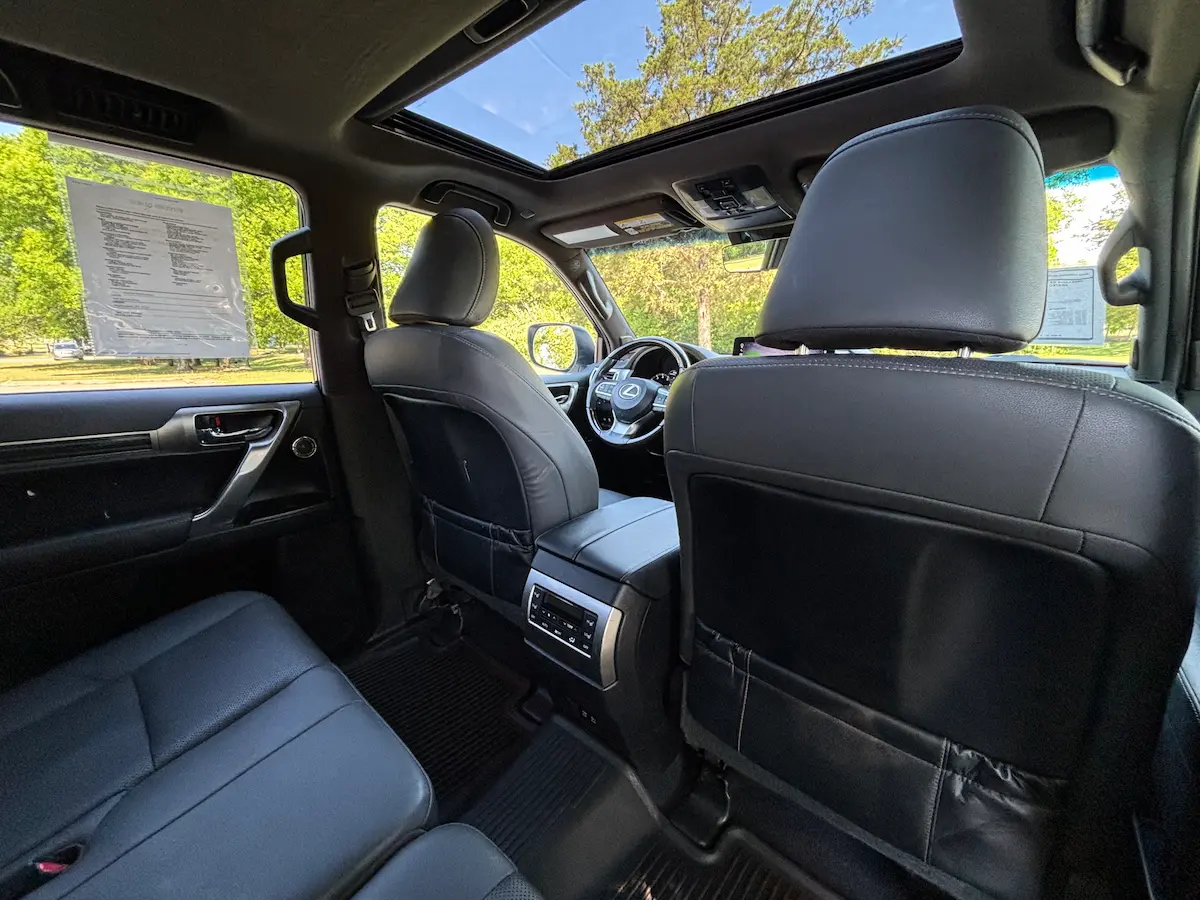
The GX 460 is the clear winner for daily comfort. Its V8 is quieter and smoother, the cabin uses better materials, and the ride feels more polished than the 4Runner’s.
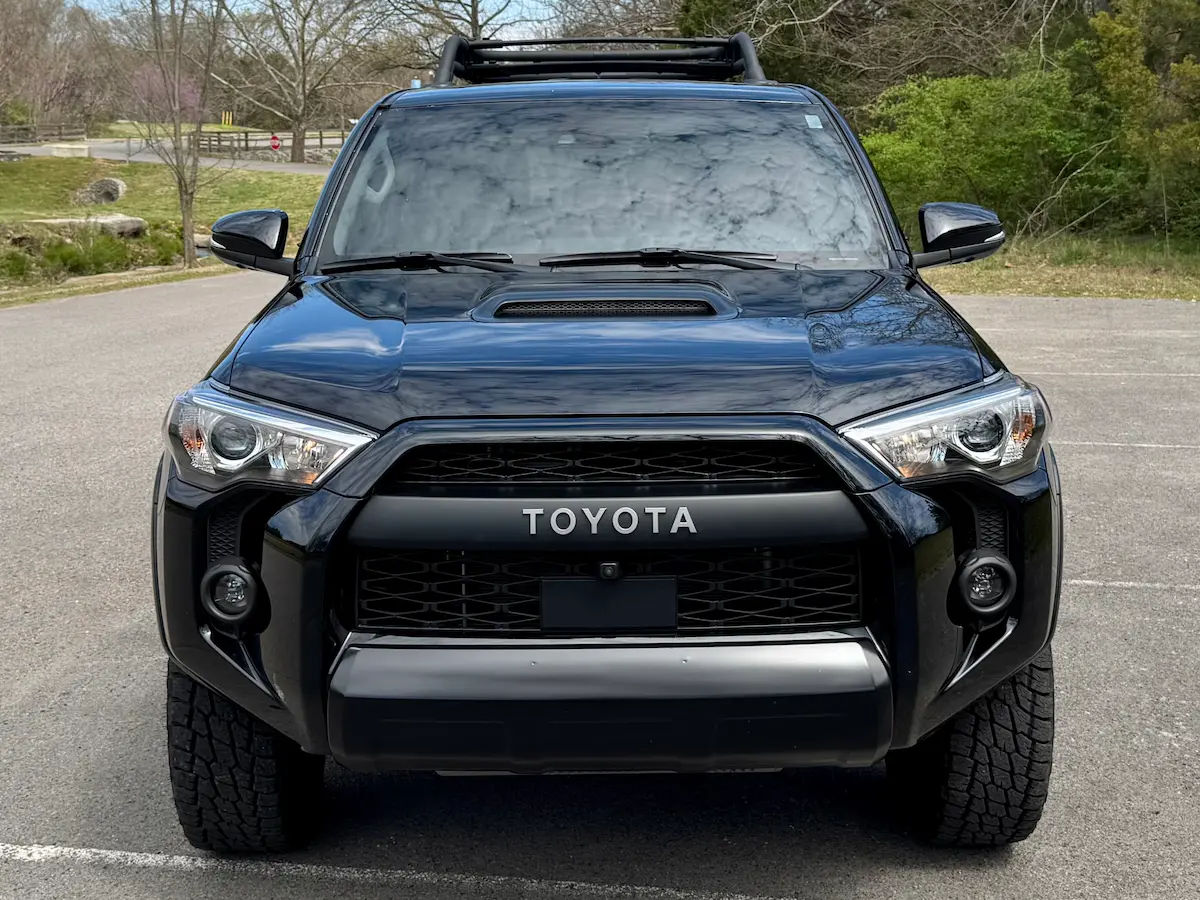
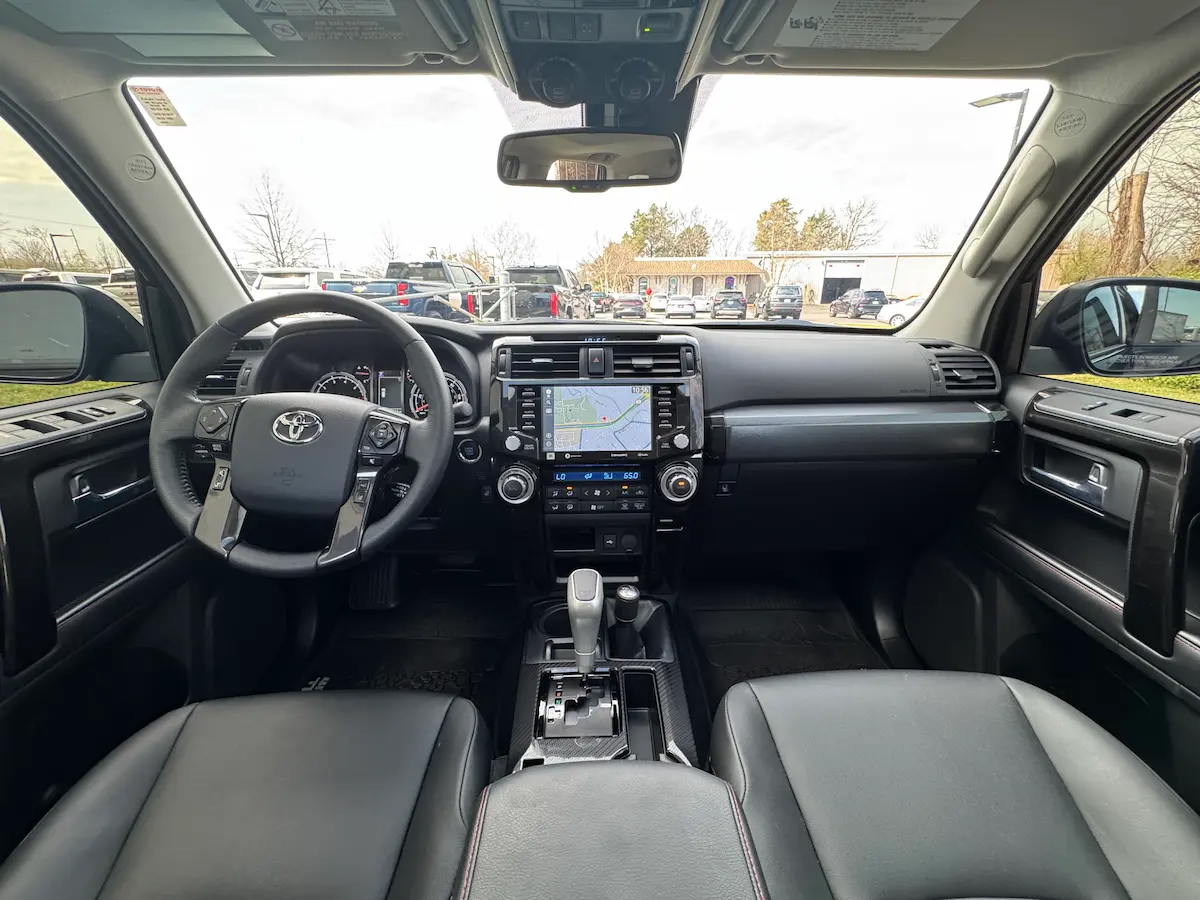
The 4Runner is not uncomfortable, but it feels more basic. Its upright dashboard, truck-like driving position, and older interior layout are part of its appeal for some buyers. For others, they can make the 4Runner feel dated compared with the Lexus.
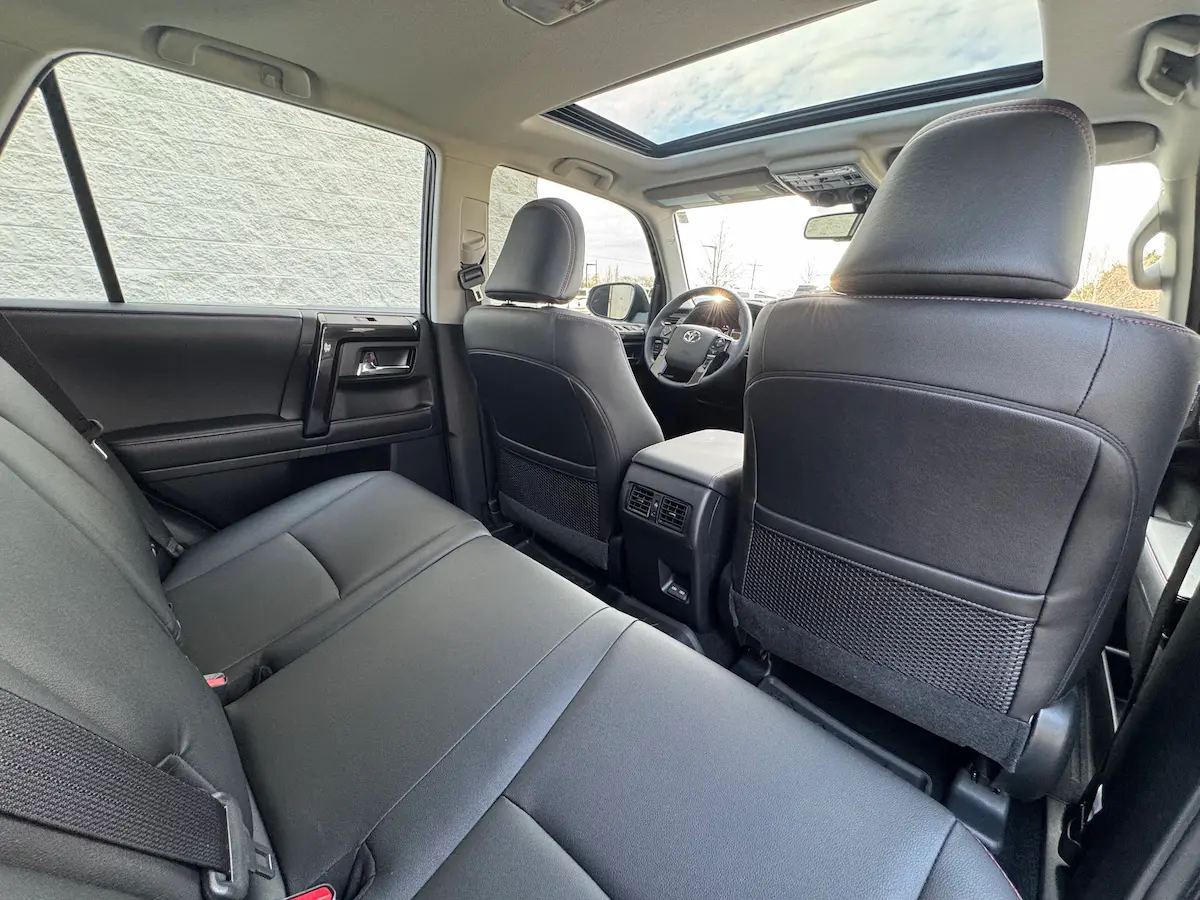
The GX also offers available third-row seating, but it is best used occasionally. The same is true of third-row 4Runner models. Neither should be the first choice for adults who regularly need three usable rows.
If you drive long distances, commute daily, or want a more upscale cabin without moving into a newer and more complex luxury SUV, the GX 460 makes more sense.
Cargo, Towing, and Everyday Use
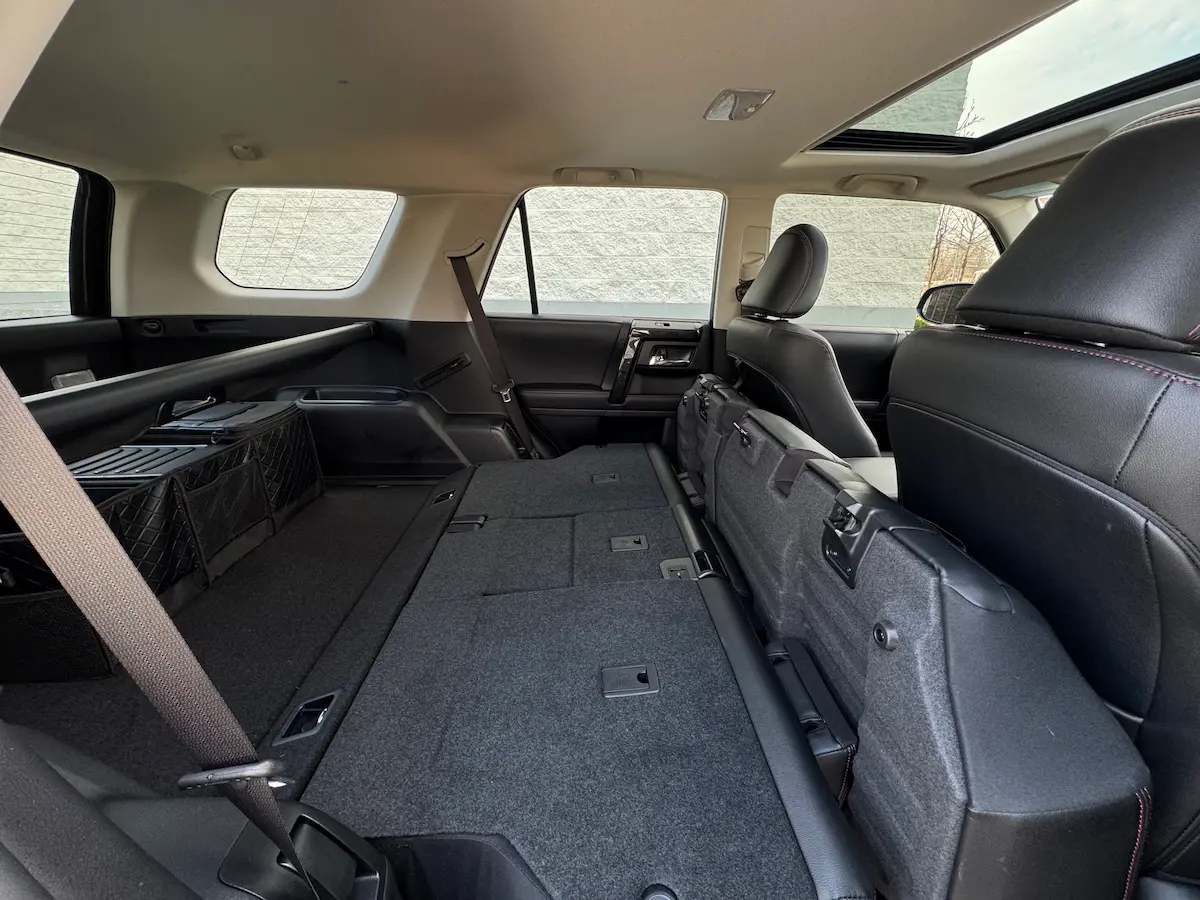
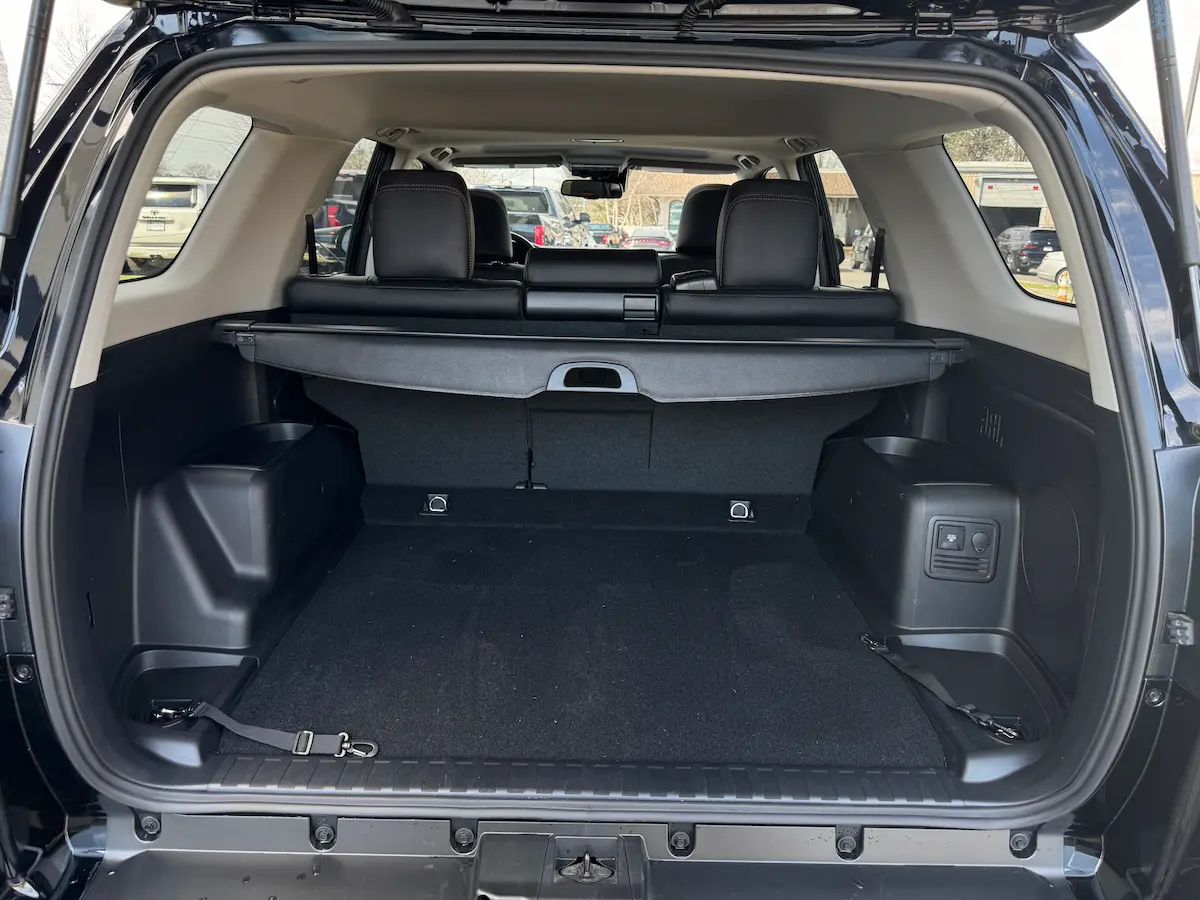
Published cargo measurements make this closer than it first appears. The GX 460 and fifth-generation 4Runner offer nearly the same cargo volume behind the second row, although the 4Runner’s taller, boxier shape may suit certain items better in real use.
The 4Runner has the clear advantage when the second row is folded. Its maximum cargo capacity is substantially larger than the GX 460’s, making it the better choice for buyers who regularly carry bulky gear, camping equipment, large dogs, or home-improvement supplies.
But the Lexus has the towing advantage. With up to 6,500 pounds of towing capacity, it is better suited to towing a boat, enclosed trailer, or smaller camper. The 4Runner can tow up to 5,000 pounds, which is enough for many buyers but does not match the GX’s V8 torque and higher rating.
Choose the 4Runner if cargo space is your priority. Choose the GX if towing strength and highway comfort matter more.
Off-Road Capability: 4Runner for Choice, GX for Comfortable Capability
The 4Runner is the better choice for buyers who plan to build an off-road SUV. There is a huge aftermarket for suspension systems, armor, wheels, tires, roof racks, and recovery gear. TRD Off-Road and TRD Pro models also give buyers more factory-oriented trail options.
The GX 460 is more capable than many buyers expect. Standard full-time four-wheel drive, a locking center differential, low range, and available KDSS make it a genuinely capable trail vehicle. It also has the advantage of a smoother V8 and a more comfortable cabin after the trail ends.
The GX is the better option for someone who wants a comfortable luxury SUV that can handle weekend trips, snow, unpaved roads, and moderate off-road use.
The 4Runner is the better option for someone who wants to prioritize trail use, modifications, and outdoor gear from the beginning.
Fuel Costs: The 4Runner Is Easier on Your Budget
Neither SUV is especially fuel-efficient. They are body-on-frame, naturally aspirated SUVs from an earlier era, and both trade fuel economy for durability and capability.
The GX 460’s V8 uses premium gasoline, which adds to its ownership cost. The 4Runner runs on regular gasoline and has a modest fuel-economy advantage. The larger ownership-cost difference is that the GX 460 requires premium fuel.
If you drive a lot of highway miles, fuel cost should be part of the decision. If you drive fewer miles and value the GX’s V8 refinement, the added fuel expense may be worth it.
Resale: Both Hold Value Well, but 4Runner Demand Can Keep Prices High
Both SUVs hold value well when they are clean, unmodified or thoughtfully modified, and backed by service records.
The 4Runner has exceptionally broad demand, particularly in four-wheel-drive and TRD configurations. Its resale strength is one reason used examples can seem expensive for their age and equipment.
The GX 460 also has a loyal following, especially among buyers who want a V8 luxury SUV with real off-road capability. A clean GX with documented maintenance can be a strong long-term purchase, but expensive deferred repairs can quickly erase any initial price advantage.
For either vehicle, resale is helped by:
- A clean vehicle-history report
- Consistent maintenance records
- Reasonable mileage
- No frame rust or serious off-road damage
- Good tires and suspension condition
- Factory-quality or well-documented modifications
Final Verdict: Lexus GX 460 or Toyota 4Runner?
The Lexus GX 460 is the better all-around used SUV for buyers who want a more refined ownership experience. Its V8, standard full-time four-wheel drive, quiet cabin, and 6,500-pound towing capacity make it an excellent long-term choice for someone who wants comfort and capability in one vehicle.
The Toyota 4Runner is the better choice for buyers who value lower running costs, cargo space, off-road trim choices, and long-term resale strength. It is more basic, but that simplicity is exactly why many buyers prefer it.
The final decision should come down to how you will actually use the SUV.
Buy the GX 460 if you want luxury, a V8, towing strength, and daily comfort. Buy the 4Runner if you want a rugged SUV for outdoor use, modifications, and straightforward ownership.
Ready to compare your options? Browse our current Lexus inventory, Toyota inventory, or all pre-owned inventory. Inventory changes quickly, so call to confirm availability and discuss the GX or 4Runner that best fits your needs.
Is the Lexus GX 460 more reliable than the Toyota 4Runner?
Both are generally durable used SUVs when maintained properly. The 4Runner is usually simpler and less expensive to fuel, while the GX 460 adds a V8, luxury features, and full-time four-wheel drive. Condition and service history matter more than a small perceived reliability difference.
Is the GX 460 better off-road than the 4Runner?
The GX 460 is very capable off-road, especially with KDSS and proper tires. The 4Runner has more off-road trim choices and a much larger aftermarket, making it the better platform for buyers who plan serious modifications.
Does the Lexus GX 460 require premium gas?
Yes. Lexus recommends premium unleaded gasoline for the GX 460. The Toyota 4Runner runs on regular unleaded fuel.
Which has more cargo space, the GX 460 or 4Runner?
The Toyota 4Runner has more cargo room behind the second row. The GX 460 is more focused on passenger comfort and towing capability than maximum cargo volume.
Is a GX 460 worth more than a 4Runner?
Not always. A GX 460 can be a strong value because it offers more luxury equipment and a V8, but its premium-fuel requirement and potential luxury-feature repairs should be included in the total ownership cost.