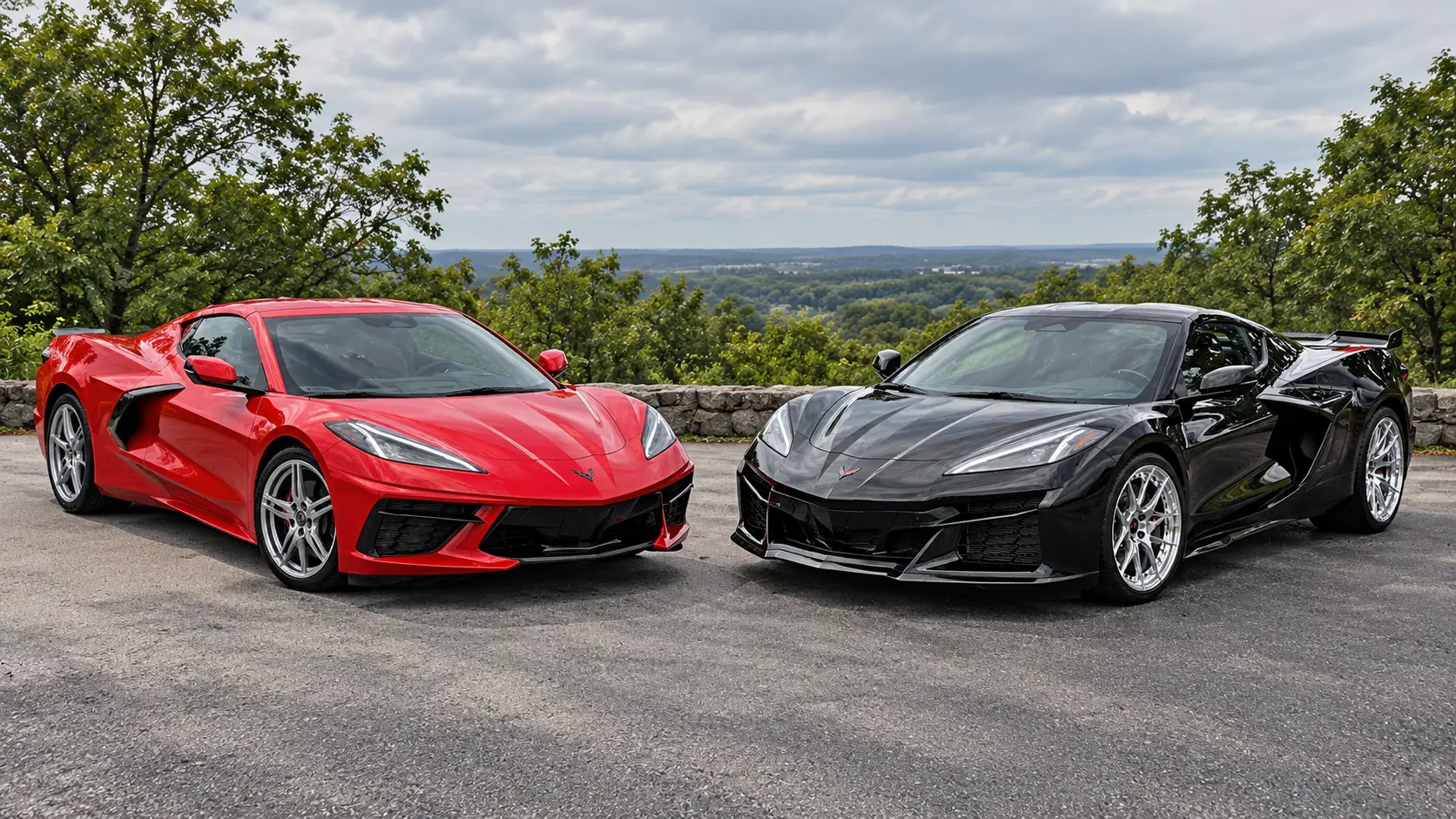
Used Corvette Z06 vs Stingray: Which One Should You Buy?
Buy the Stingray if you want a fast mid-engine Corvette at a lower price, with lower running costs. Buy the Z06 if you want the LT6 V8, a sharper chassis, and a more intense driving experience.
In the C8 Corvette Stingray vs Z06 decision, the Z06 is worth the extra money only if those differences matter to you every time you drive it. Otherwise, the Stingray delivers a lot of the same experience for much less money.
This guide covers Stingrays from 2020 through 2026 and Z06 models from 2023 through 2026. The fairest comparison is between cars from the same model year. Still, early 2020-2022 Stingrays matter because they are the most affordable way into this generation.
C8 Corvette Stingray vs Z06: Quick Comparison
| Factor | Stingray | Z06 |
|---|---|---|
| Years covered | 2020-2026 | 2023-2026 |
| Typical used price | Around $50,000-$75,000, depending on year and spec | Around $100,000-$125,000 for most 2023-2025 examples |
| Engine | 6.2-liter V8, up to 490 hp | 5.5-liter flat-plane-crank V8, 670 hp |
| Driving feel | Fast, easy to enjoy, and strong at low rpm | Higher-revving, louder, sharper, and more track-focused |
| Ownership costs | Lower tire, brake, and insurance costs | Higher costs, especially with the Z07 package |
| Space | Two seats and about 12.6 cu. ft. of cargo space | The same basic layout and cargo space |
| Best fit | Buyers who want strong value and everyday enjoyment | Buyers who want the LT6 engine and a more serious performance car |
What Is the Used Price Gap?
Price is where this decision becomes real.
Early 2020-2022 Stingrays often fall around $50,000 to $65,000. They give you the same mid-engine layout and 6.2-liter V8 as later cars, but at a much lower entry price.
For a like-for-like comparison, look at 2023-2025 models. A used Stingray coupe often sits around $60,000 to $75,000, while a comparable Z06 is often around $100,000 to $125,000. In other words, the Z06 usually costs $35,000 to $55,000 more.
The 2026 model year is still very new. Prices are often close to new-car pricing, so a lightly used 2026 example may not save enough money to make more sense than buying new.
That is why the Stingray is the better value for many buyers. It leaves more room for insurance, tires, maintenance, and a warranty plan. For a closer look at each year, read our used Corvette Stingray buying guide.
Which Trims and Packages Matter?
The Stingray is offered in 1LT, 2LT, and 3LT trims. The Z06 uses similar trim levels called 1LZ, 2LZ, and 3LZ.
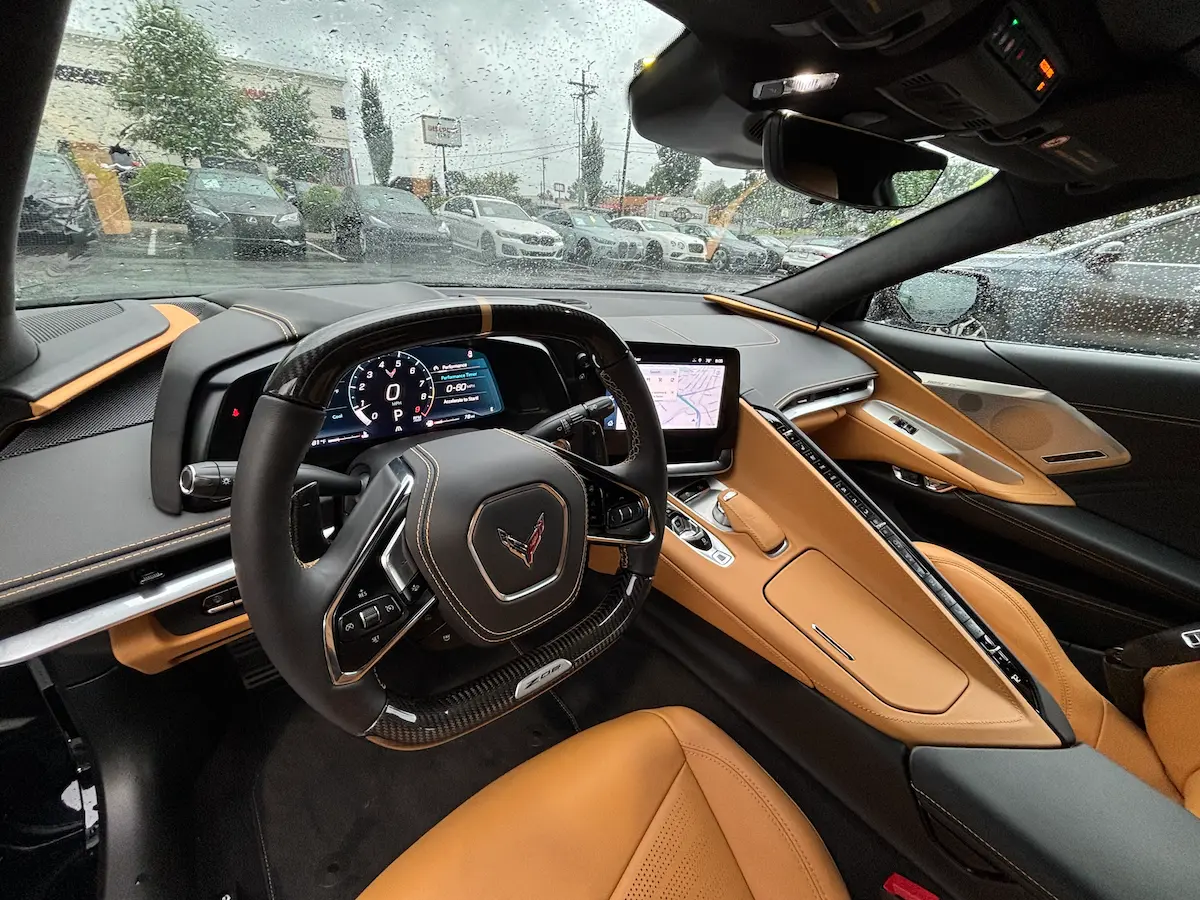
These trims mainly change the cabin. Higher trims can add more comfort features, upgraded materials, and more technology. They do not change the engine or turn a base Stingray into a Z06.
For most used buyers, the more important question is which performance package the car has.
On the Stingray, look for the Z51 Performance Package. It adds track-focused hardware and makes the car a better choice for a buyer who wants sharper handling or plans to attend track days. However, it can also mean more expensive tires and a car that may have seen harder use.
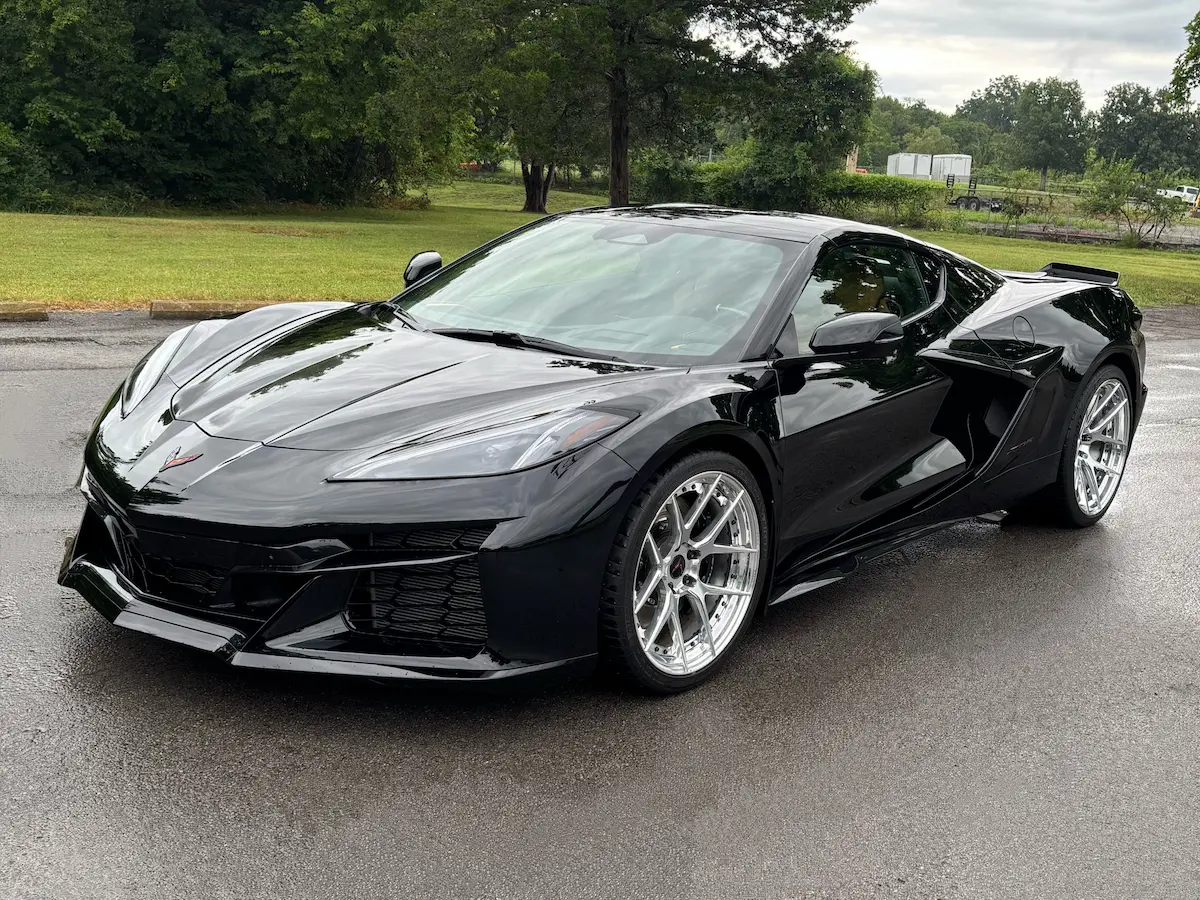
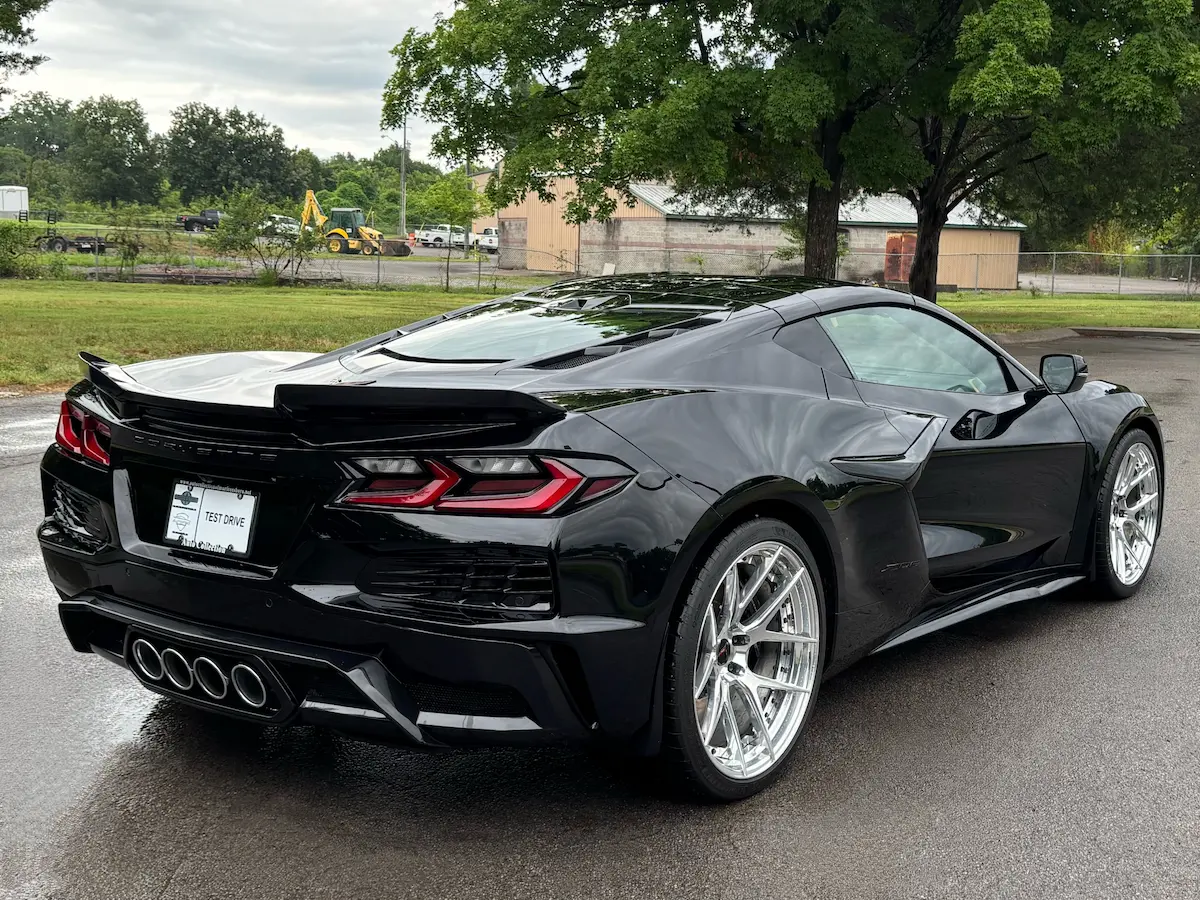
On the Z06, the key package is the Z07 Performance Package. It adds more serious track equipment, including carbon-ceramic brakes, stickier tires, and added aero parts. It can be a great choice for track use, but it raises replacement costs and deserves a closer inspection.
So, a well-equipped Stingray with Z51 can be a better fit than a basic Z06 for some buyers. On the other hand, a Z06 buyer should not pay a large premium for Z07 unless they value its track-focused hardware and are prepared for the extra cost.
2020-2022 Stingray: The Value Alternative
The 2020-2022 Stingray is not a direct year-for-year rival to the Z06 because the Z06 was not available yet. Still, it deserves a place in this comparison because it can save you a serious amount of money.
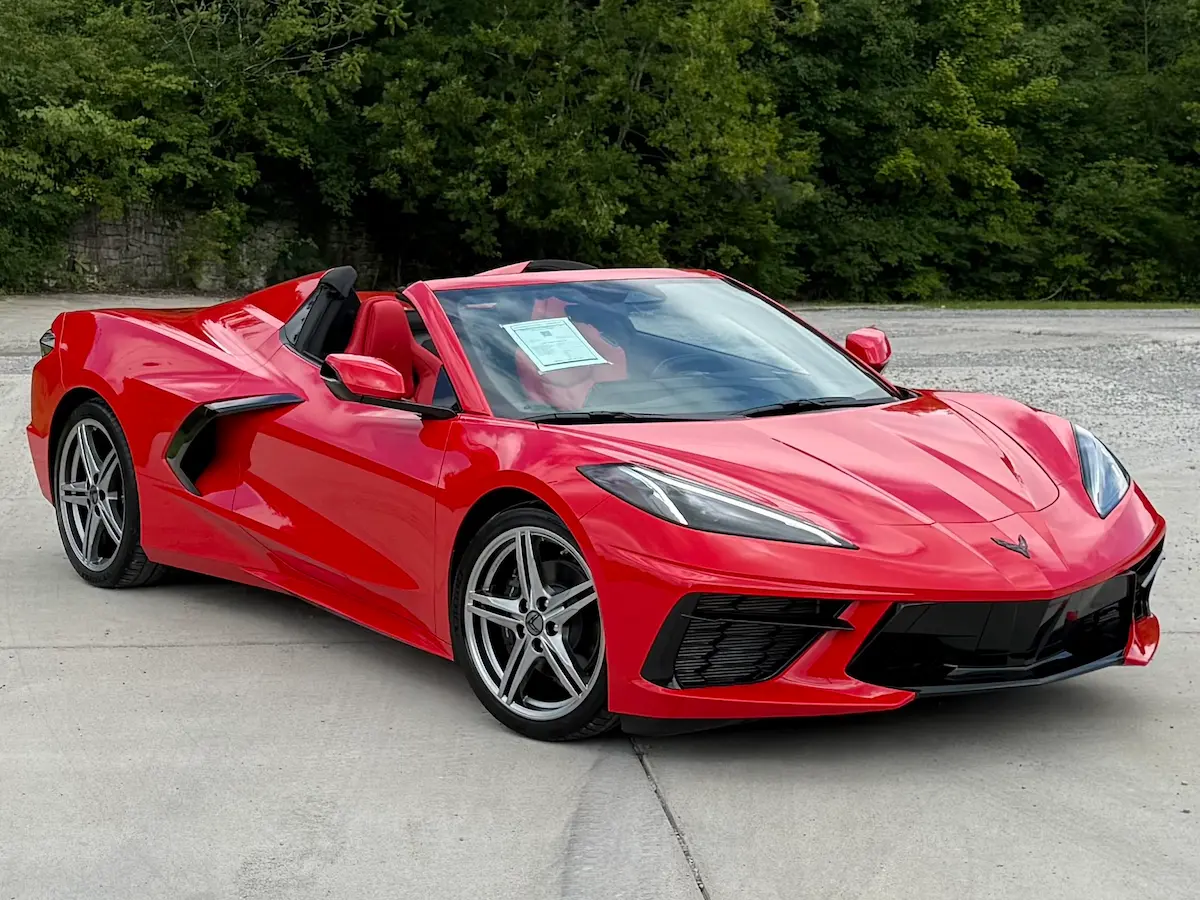
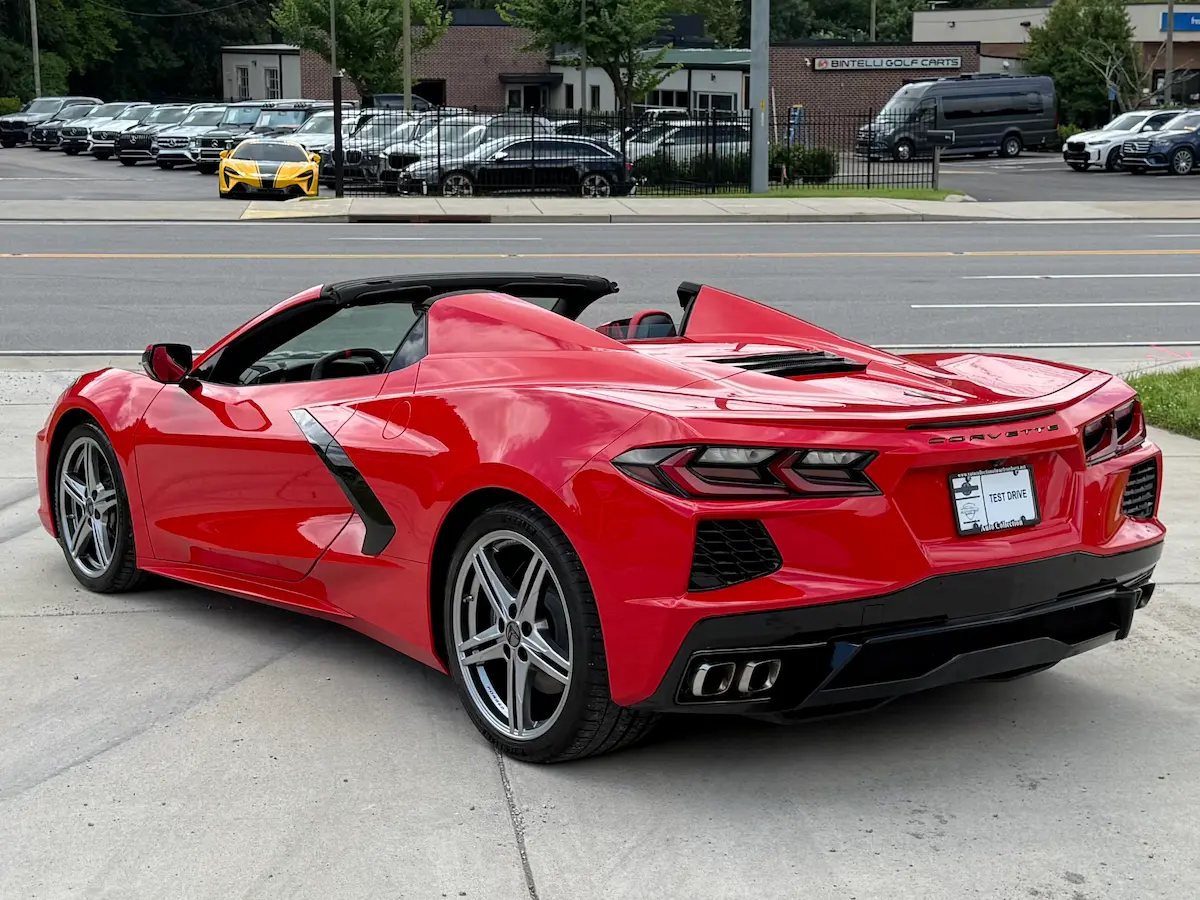
These early cars have the same mid-engine layout, 6.2-liter V8, and eight-speed dual-clutch transmission as later Stingrays. They still look dramatic, feel quick, and offer more performance than most owners will ever use on public roads.
The trade-off is that these were the first years of a new platform. Condition matters more than model year alone. Before buying, check:
- Recall work and service records
- How the transmission behaves when cold and warm
- Battery and electrical history
- Tire age, brake wear, and signs of poor repairs
A clean 2021 or 2022 can be a great middle ground. It gives you a later early-production car while still costing much less than a newer Stingray or any Z06.
What the Z06 Gives You for the Extra Money
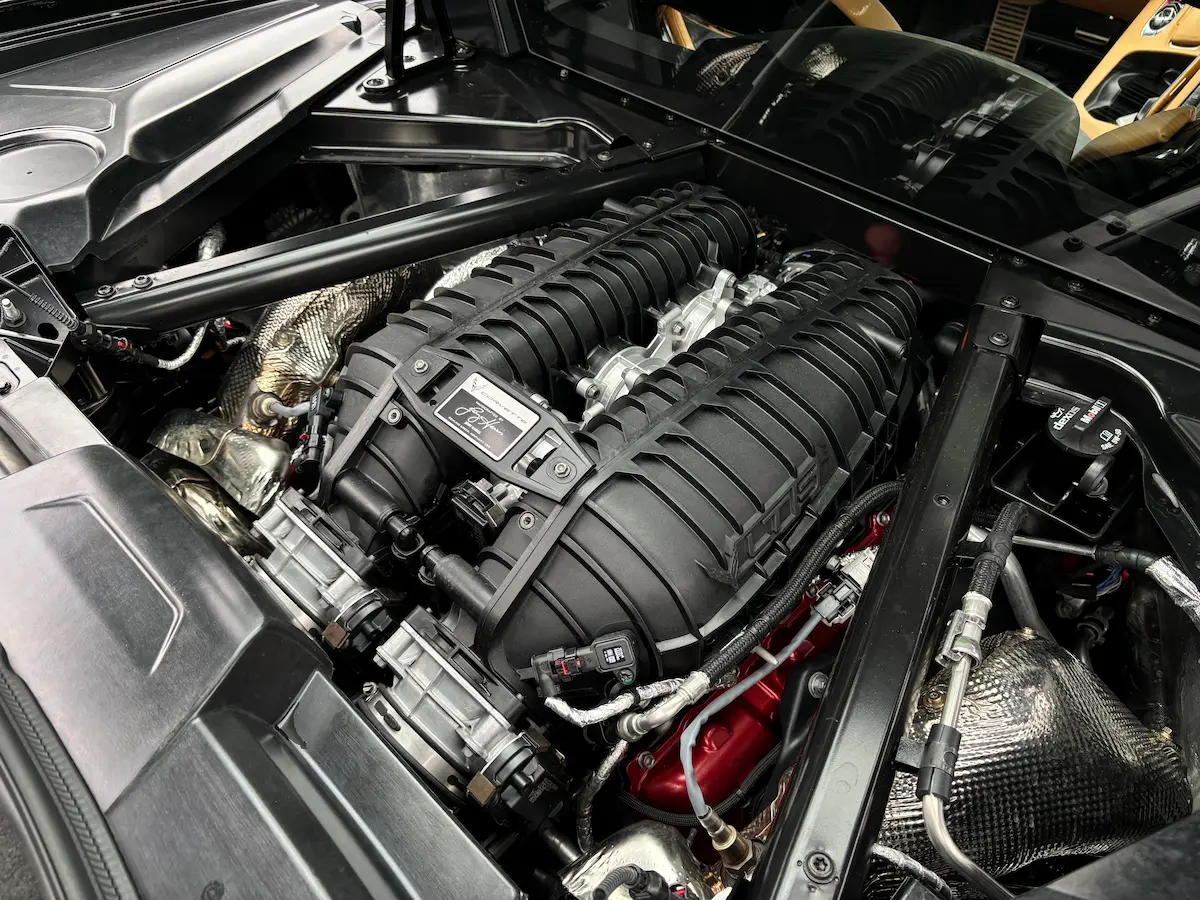
The Stingray is already seriously fast. Its 6.2-liter V8 makes up to 490 horsepower, has strong low-end pull, and gives you the deep V8 sound many buyers expect from a Corvette.
The Z06 changes the character of the car. Its 5.5-liter LT6 V8 makes 670 horsepower and revs to 8,600 rpm. The flat-plane crankshaft gives it a higher, more exotic sound and feel.
It also has a wider body, larger tires, bigger brakes, and a more focused chassis. Yes, it is quicker. More importantly, it feels sharper, more focused and more engaging.
That is the key point. The Z06 is not just a Stingray with more power. It gives you an engine, sound, and track-ready feel that the Stingray cannot match. If those things are not important to you, the price difference is hard to justify.
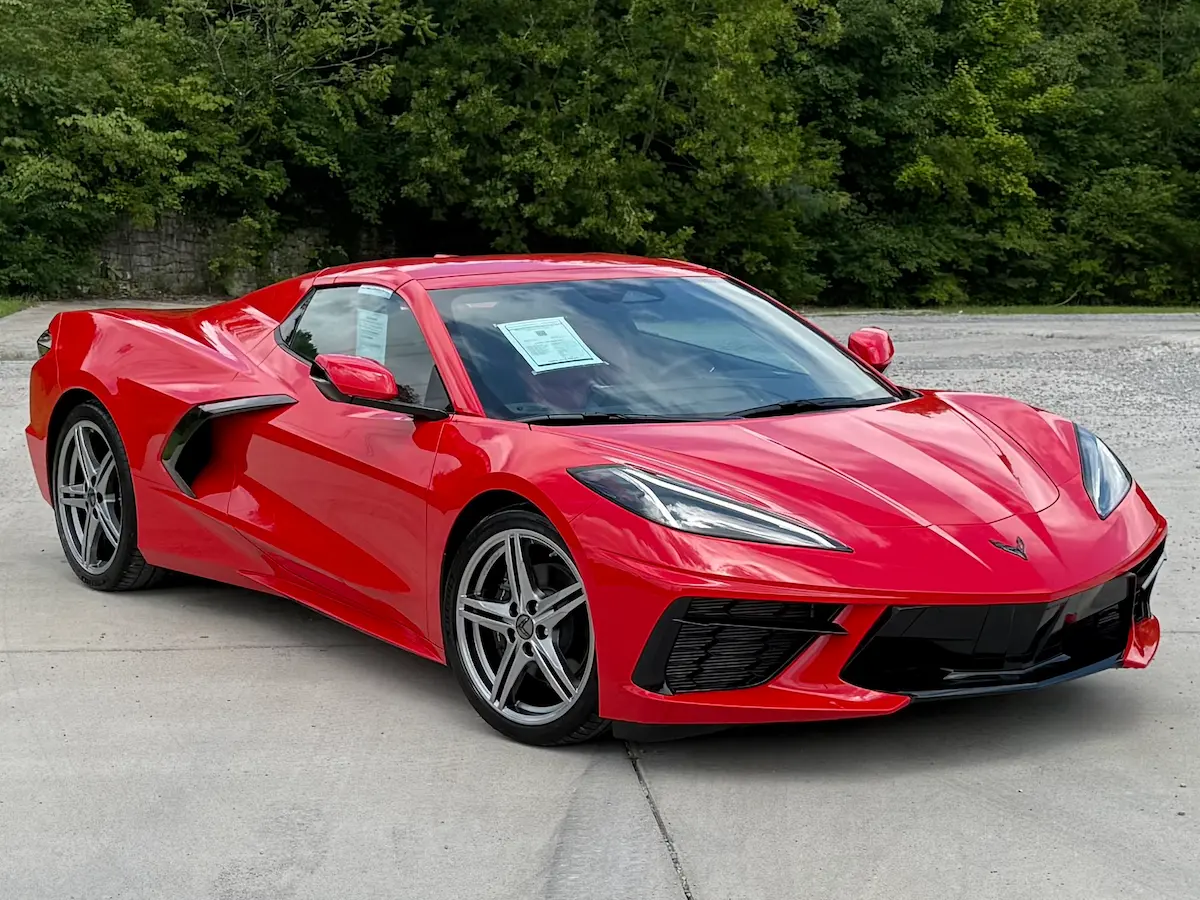
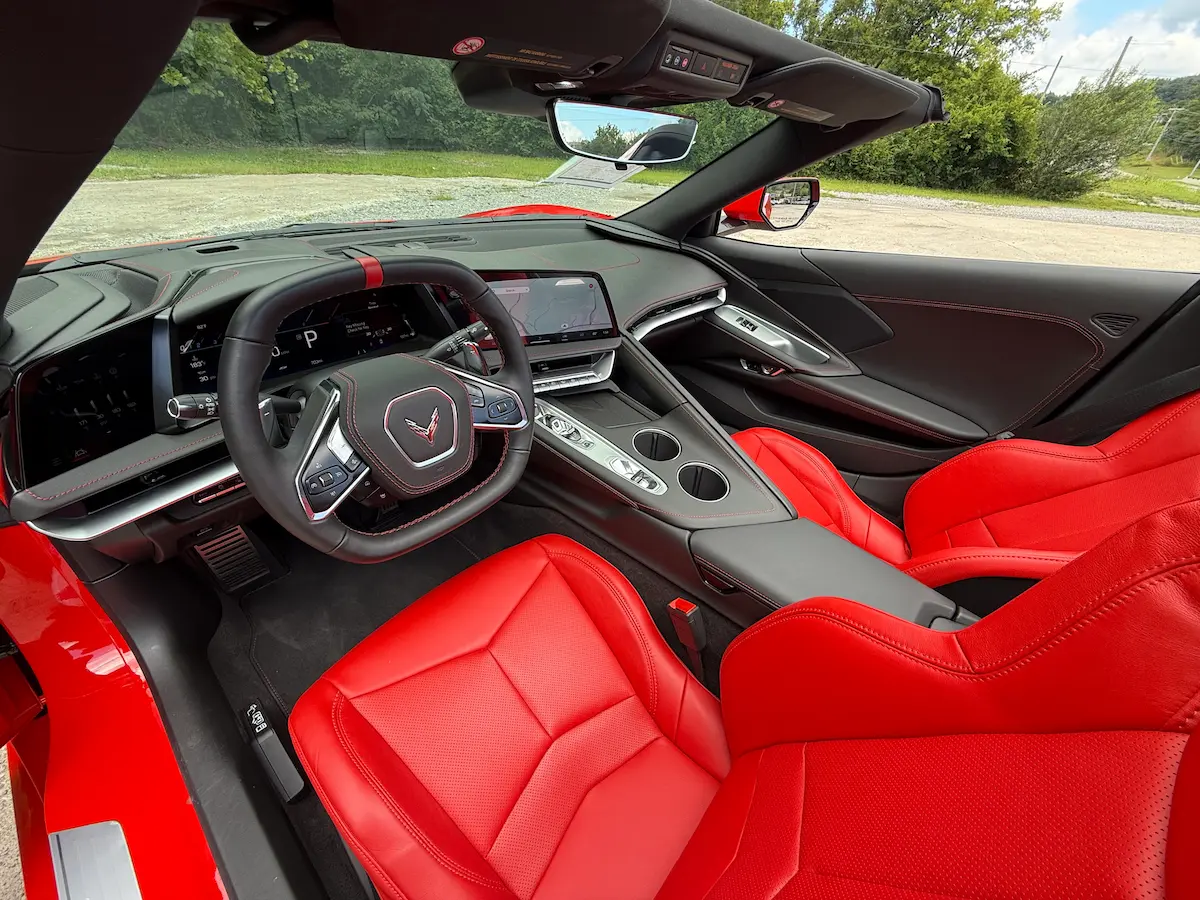
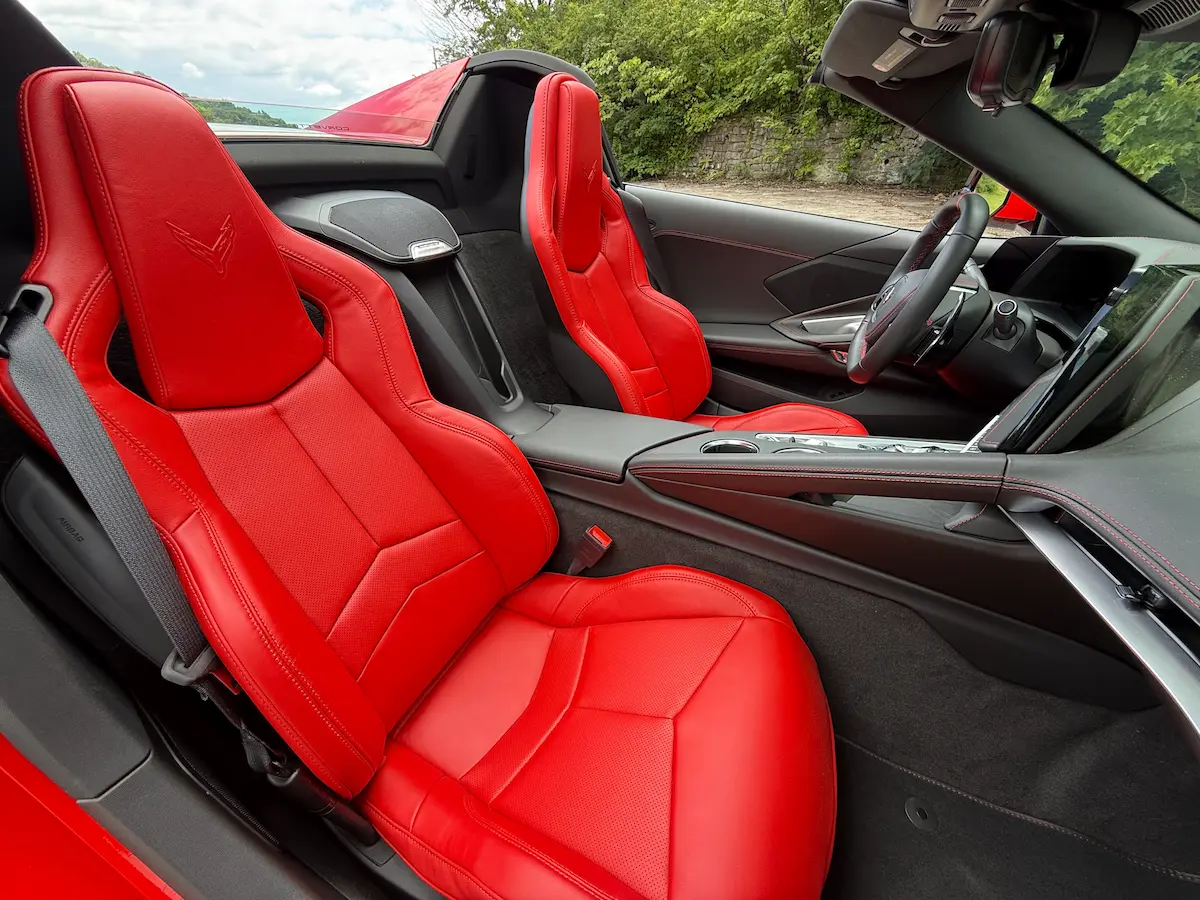
Is the 2026 Model Worth Paying More For?
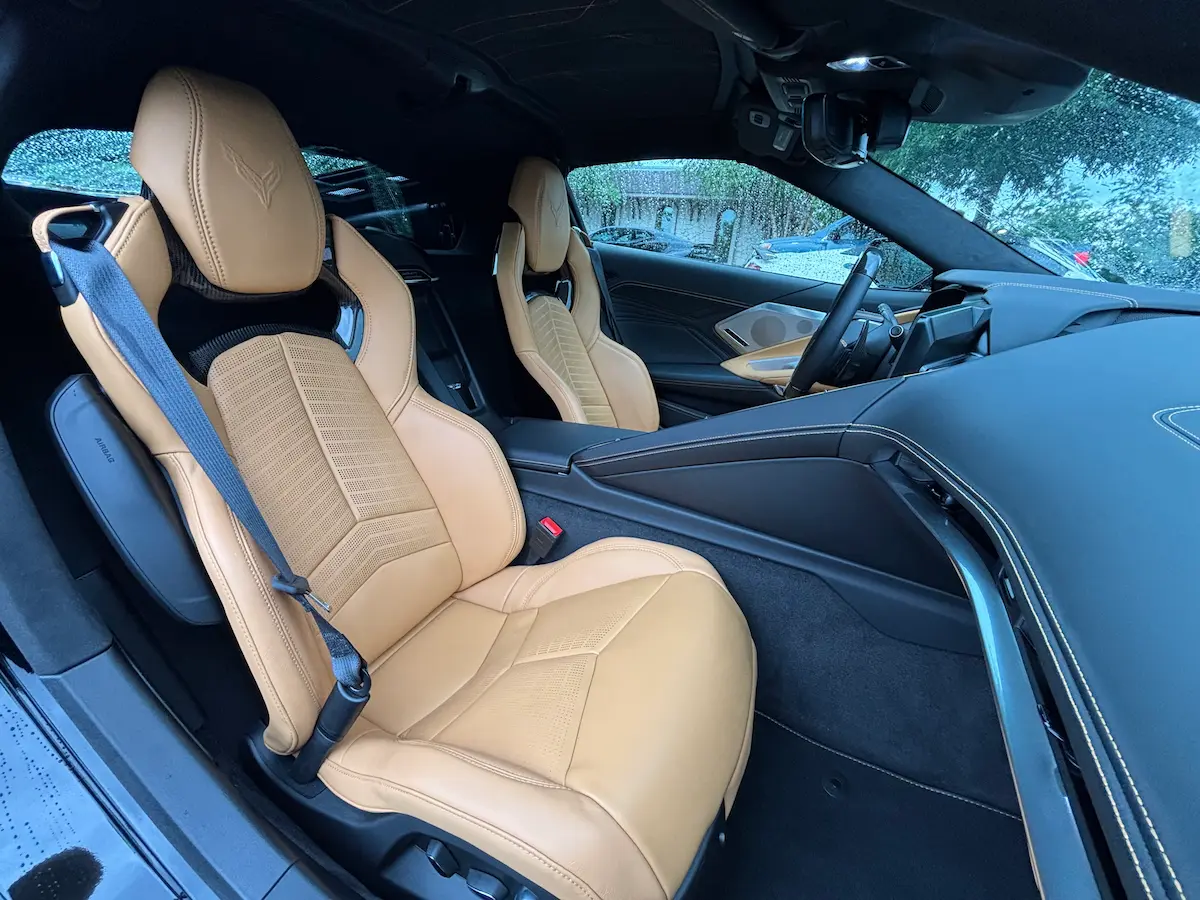
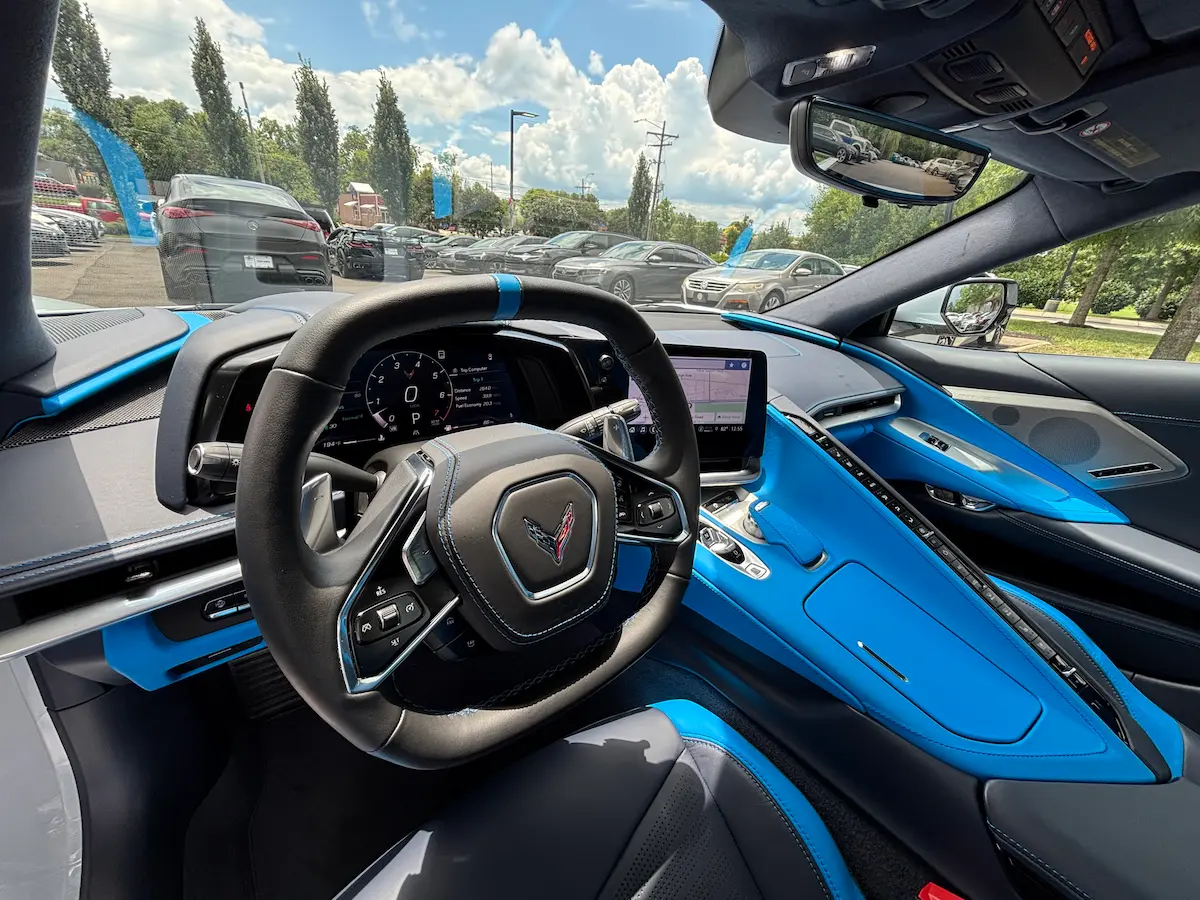
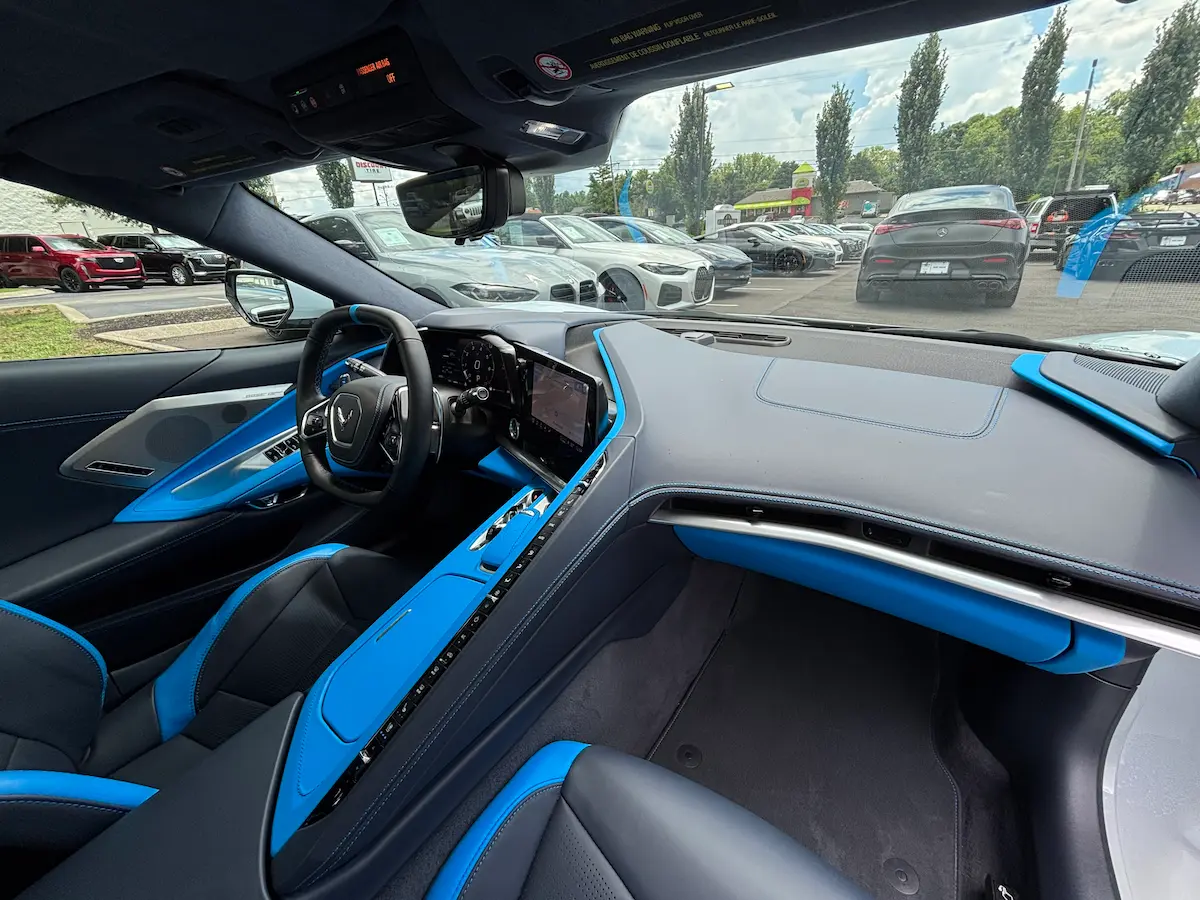
For 2026, the main change is inside the car. Chevrolet gave the full Corvette lineup a redesigned cabin with larger displays, a revised control layout, and new colors and materials
So, a 2026 model feels more modern from the driver’s seat. That can matter if you care about technology, lower mileage, or remaining warranty coverage.
However, it is not automatically the best buy. A clean 2023-2025 Stingray still gives you the same basic performance. Likewise, a 2026 Z06 does not change the core reason to choose a Z06: the LT6 engine and its more focused driving experience.
Pay more for a 2026 model if the updated cabin, condition, and equipment are worth the difference to you. Otherwise, an earlier car with a strong history can offer better value.
Reliability Risks and What to Check Before Buying
The Stingray and Z06 share the same basic platform and eight-speed dual-clutch transmission. With either one, a clean history, full service records, and a proper pre-purchase inspection matter more than the badge alone.
Before you buy, check:
- How smoothly the transmission shifts when cold and fully warmed up
- Warning lights, battery or electrical problems, and fluid leaks
- Tire and brake wear
- The quality of any past body repairs
- Whether the car has been used on track
Track use is not automatically a reason to walk away. A well-maintained car with clear records can still be a good buy. However, heavy track use with limited documentation should mean a closer inspection and a lower price.
The Z06 needs more attention because its engine and performance hardware are more specialized. Before buying, use the NHTSA VIN recall lookup to check whether the car has any unrepaired safety recalls.
Be especially careful with a Z07-equipped car. Its track-focused parts can be expensive to replace, so their condition should be reflected in the price.
For a deeper checklist, read our used Corvette Z06 buying guide.
Maintenance and Ownership Costs
Neither car is cheap to own. However, the Z06 can become noticeably more expensive once it needs tires, brakes, or other wear items.
Both need premium fuel, regular maintenance, and performance tires. The difference is that the Z06 uses wider tires, larger brakes, and more specialized parts. If it has been driven hard or used on track, those costs can add up quickly.
Tires are one of the clearest examples. The Z06’s wider setup costs more to replace, and aggressive driving can wear them out faster. Insurance may also be higher because of its value and performance.
A Z07 package raises the stakes further. Its carbon-ceramic brakes are excellent for track use, but they are far more expensive to replace than standard steel brakes.
The Stingray is the easier car to budget for. It still gives you the mid-engine layout and serious V8 performance, but routine ownership decisions are less likely to become major expenses.
Space and Daily Use
Neither car is practical in the usual sense. Both have two seats, no rear seat, and about 12.6 cubic feet of cargo space split between the front trunk and rear storage area.
That is enough for a weekend away, but the Z06 does not give you more space for its higher price. The main difference is how each car feels to live with.
The Stingray is the easier choice for normal drives. It is still low and wide, but the Z06’s wider body can make tight parking garages, narrow roads, and steep driveways more stressful.
Choose the Z06 for the way it drives, not because you expect it to be more practical day to day.
Driving Feel: The Real Difference
The Stingray already has more performance than most drivers can use on public roads. Its V8 has strong low-rpm torque, so it feels quick and satisfying without needing to push the car hard.
The Z06 feels more serious from the moment you drive it. Its LT6 V8 rewards higher revs, while the wider stance, larger tires, and sharper chassis make it feel more focused through corners. On a smooth road or at a track day, the extra money makes much more sense.
In normal traffic, though, much of that extra capability will go unused. That does not make the Z06 a bad choice. It simply means you should buy it for the engine, sound, response, and sense of occasion, not only because it has more horsepower.
If the LT6 is the part of the car you cannot stop thinking about, the Stingray may feel like a compromise. If you want a dramatic, fast Corvette that is easier to enjoy and own, the Stingray is the better value.
Resale: Which One Holds Its Value Better?
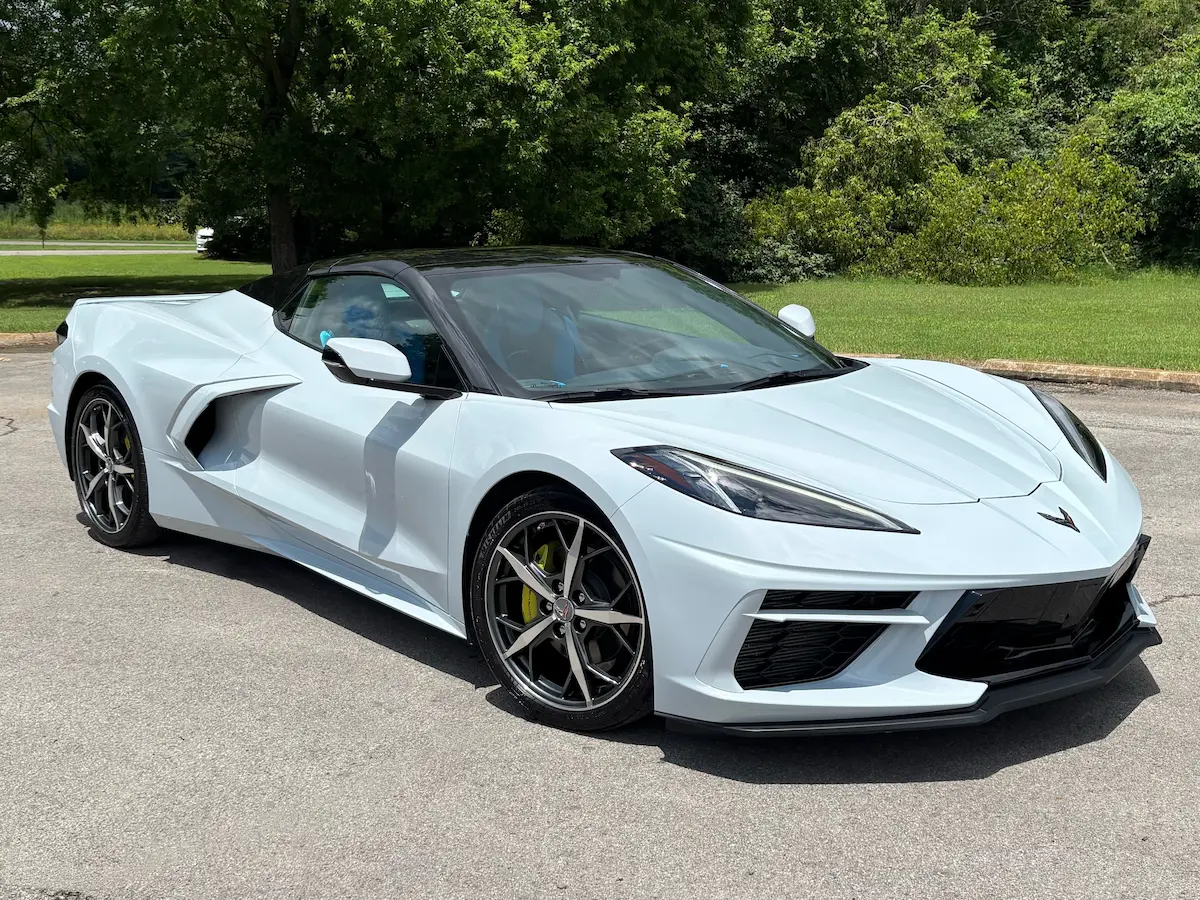
The Z06 should appeal more to enthusiast buyers because of its LT6 engine and more focused performance character. A clean, low-mile example with good options will usually be easier to market to a future performance-car buyer than an average Stingray.
Still, do not buy a Z06 expecting guaranteed appreciation. You are spending much more at purchase, and expensive options do not always add the same amount back at resale.
Condition matters with both cars, but especially with the Z06. Accident history, heavy modifications, track damage, worn tires, or expensive Z07 parts that need replacement can hurt its value quickly. The strongest resale candidates are clean, well-documented, and lightly modified, or ideally stock.
The Stingray has a lower entry price and a larger pool of potential buyers. It is easier for many people to justify as a weekend car. If resale is important, the same basics apply to either model: clean history, sensible mileage, full records, and no questionable modifications.
The Bottom Line
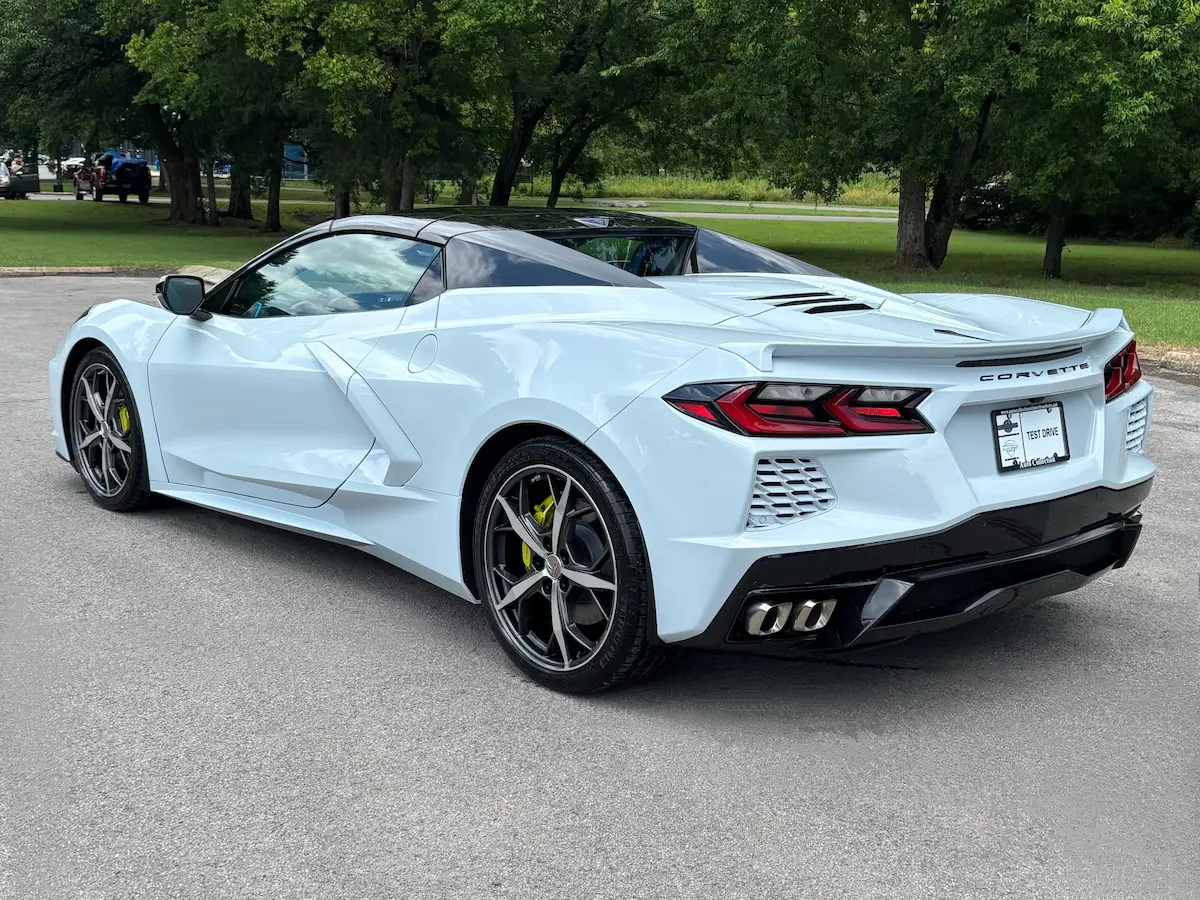
For most buyers, the Stingray is the smarter used purchase. It gives you the mid-engine layout, strong V8 performance, and dramatic looks while leaving more money available for insurance, maintenance, and tires.
A 2026 Stingray is worth considering if you want the updated cabin, lower mileage, or more remaining warranty coverage. Otherwise, a clean earlier example can offer better value.
The Z06 is the right choice for someone who truly wants the LT6 engine and the sharper, more focused driving experience that comes with it. If that engine is the reason you want the car, the extra money can make sense.
If you mainly want a very fast, exciting Corvette that is easier to buy and own, choose the Stingray. You can also browse our used Chevrolet inventory to see currently listed models. Availability changes, so call for current Corvette availability.
Is the C8 Z06 worth the extra money over a Stingray?
It is worth it if you specifically want the LT6 engine, its high-revving sound, and the sharper driving feel. If you mainly want a fast mid-engine Corvette for weekend drives, the Stingray offers much better value.
Is the Z06 faster than the Stingray?
Yes. The Z06 makes 670 horsepower, while the Stingray makes up to 490 horsepower. It also has a wider body, larger tires, stronger brakes, and a more track-focused chassis.
Is the Stingray or Z06 better for daily driving?
The Stingray is the easier daily choice. It still feels fast and special, but it is less expensive to run and easier to use on ordinary roads, in parking garages, and on longer drives.
Is the Z06 more expensive to maintain than the Stingray?
Usually, yes. Z06 tires, brakes, insurance, and performance parts cost more. A Z06 with the Z07 Performance Package can be especially expensive when its track-focused tires or carbon-ceramic brakes need replacement.
Are 2020-2022 Stingrays worth buying?
Yes, if the car has a clean history, complete service records, and a thorough pre-purchase inspection. These early cars can be the best value for buyers who want the C8 experience without the cost of a newer model or a Z06.
Is a 2026 Corvette worth paying more for?
It can be if you value the redesigned cabin, lower mileage, and remaining warranty coverage. However, a clean and well-priced earlier Stingray or Z06 can still be the better purchase if the newer interior is not important to you.