Tesla Explained: Brand History, Core Models, and Ownership Experience
Tesla has reshaped how many drivers think about electric vehicles. What began as a bold startup experiment has evolved into one of the most influential brands in modern automotive history—blending electric performance, software-driven innovation, and a minimalist design philosophy that challenged long-standing conventions.
For readers exploring Tesla from a broader perspective, understanding how the brand developed, how its models differ, and how ownership expectations have evolved provides valuable context. This guide offers a clear overview of Tesla’s history, core vehicles, and long-term ownership themes, helping readers make sense of the brand’s role in today’s automotive landscape.
From Startup Experiment to Industry Disruptor
Tesla didn’t become a household name overnight. Its rise was shaped by bold engineering decisions, calculated risks, and a willingness to challenge long-standing automotive conventions. Understanding how the brand evolved helps explain why Tesla vehicles feel fundamentally different—and why they continue to influence the entire industry today.
The Founding Idea: Making EVs Aspirational (2003–2007)
Tesla was founded in 2003 with a counterintuitive belief for its time: electric cars wouldn’t succeed by being small, slow, or purely economical—they needed to be desirable first. Early founders believed performance and design would change public perception faster than environmental messaging alone.
In the early 2000s, most electric vehicles were short-range city cars. Battery costs were high, charging infrastructure was nearly nonexistent, and mainstream automakers viewed EVs as niche experiments. Tesla’s strategy was to start at the top of the market, where buyers were more open to new technology and price sensitivity was lower.
The Roadster: Proof of Concept That Shocked the Industry (2008)
Tesla’s first production vehicle, the Roadster, wasn’t meant to be a volume seller. It was a statement. Built on a lightweight sports-car platform and powered by lithium-ion battery cells similar to those used in laptops at the time, the Roadster delivered something no EV had before: over 200 miles of range and sports-car acceleration.
This mattered more than sales numbers. The Roadster demonstrated that battery technology could scale, perform, and survive real-world use. It also attracted attention from engineers, investors, and competitors who previously dismissed electric propulsion as impractical.
Model S: The Turning Point for Modern EVs (2012)
The launch of the Model S in 2012 marked Tesla’s true breakthrough. Unlike the Roadster, this was a fully practical luxury sedan designed from the ground up as an electric vehicle. There was no engine bay compromise, no retrofitting—everything from the battery placement to the interior layout was optimized for EV architecture.
Key innovations included:
- A large underfloor battery pack, improving handling and safety
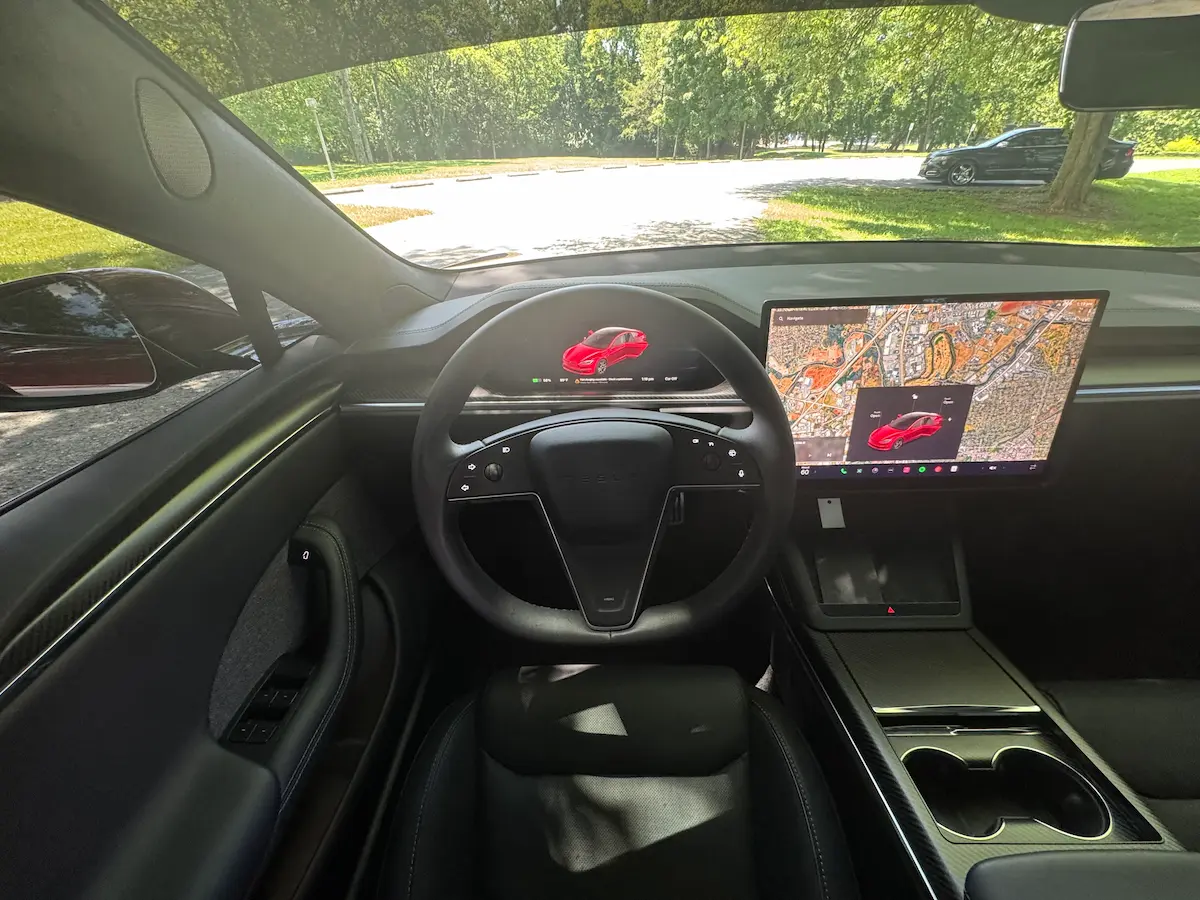
- A 17-inch touchscreen, replacing most physical controls
- Over-the-air software updates, allowing the car to improve after purchase
Reviewers widely praised the Model S not just as a good electric car, but as a competitive luxury sedan—period. Its success forced established manufacturers to rethink long-term powertrain strategies and accelerated industry investment in EV platforms.
Scaling the Vision: From Niche to Mass Market (2015–2020)
Following the Model S, Tesla expanded carefully:
- The Model X introduced electric SUVs with advanced safety systems and unique engineering solutions.
- The Model 3 shifted Tesla toward higher-volume production, focusing on efficiency, affordability, and global scale.
- The Model Y leveraged shared architecture to reduce complexity while expanding into the crossover segment.
This phase wasn’t without challenges—production delays, quality learning curves, and growing pains were widely documented. But it also proved that electric vehicles could be manufactured at scale and adopted by mainstream buyers.
Today’s Tesla: Software, Data, and Continuous Evolution
Modern Teslas are as much software platforms as they are vehicles. Continuous updates improve efficiency, user interfaces, and driver-assistance features long after purchase—an approach more common in consumer electronics than traditional automotive design.
This software-first philosophy has reshaped customer expectations across the industry. Today, nearly every major automaker developing EVs has adopted some version of Tesla’s playbook: dedicated EV platforms, digital-first interiors, and ongoing software support.
According to Tesla’s official company overview, the company’s founding mission centers on accelerating the world’s transition to sustainable energy—an objective that continues to influence how its vehicles are engineered, updated, and supported over time.
What began as a risky startup experiment has become one of the most influential automotive brands of the 21st century, fundamentally altering how vehicles are designed, sold, and experienced.
Tesla’s Core Models Explained
Tesla’s lineup is relatively small compared to traditional automakers, but each model is designed with a clearly defined role. Rather than overlapping segments, Tesla focuses on distinct body styles and use cases, making it easier for buyers to narrow down which model best fits their lifestyle before diving into deeper research.
Below is a high-level look at Tesla’s core vehicles and what each one is best known for.
Model S
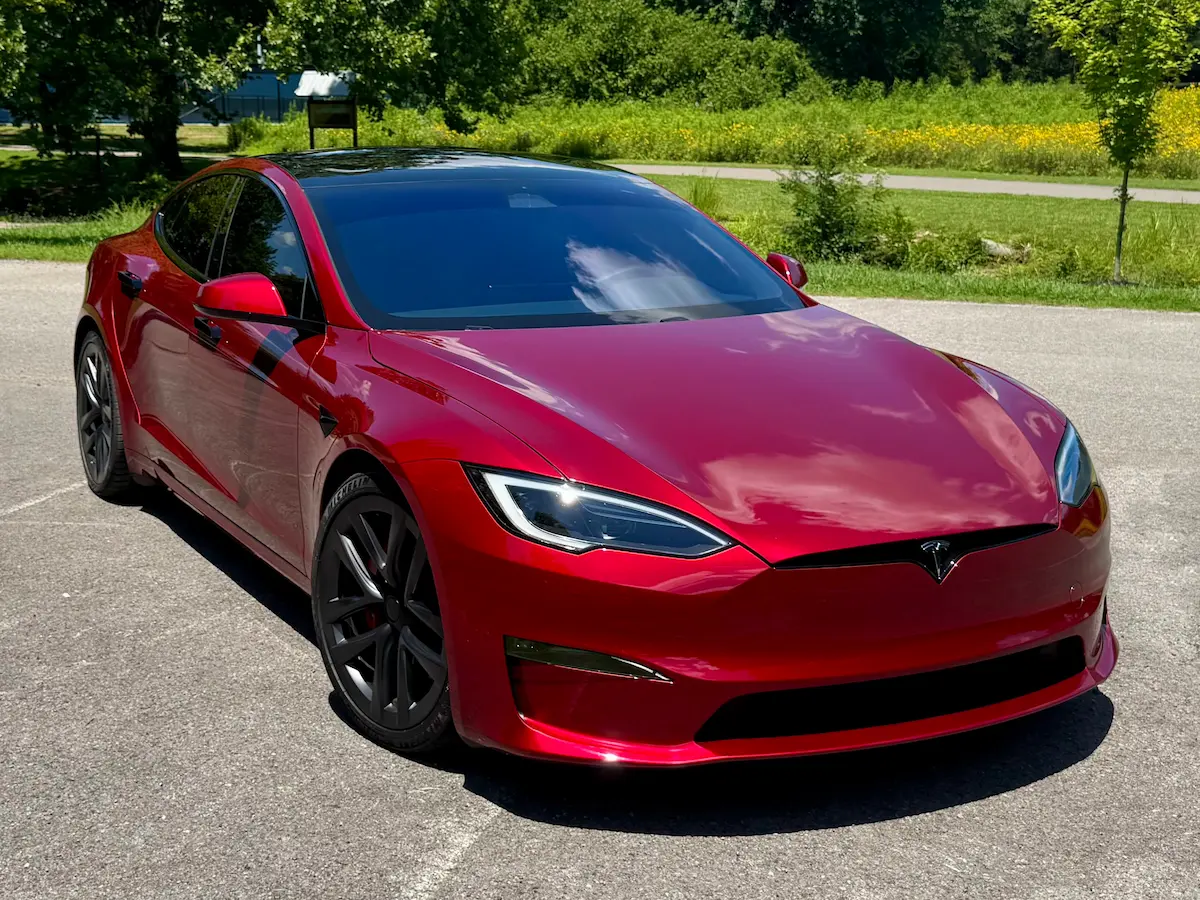
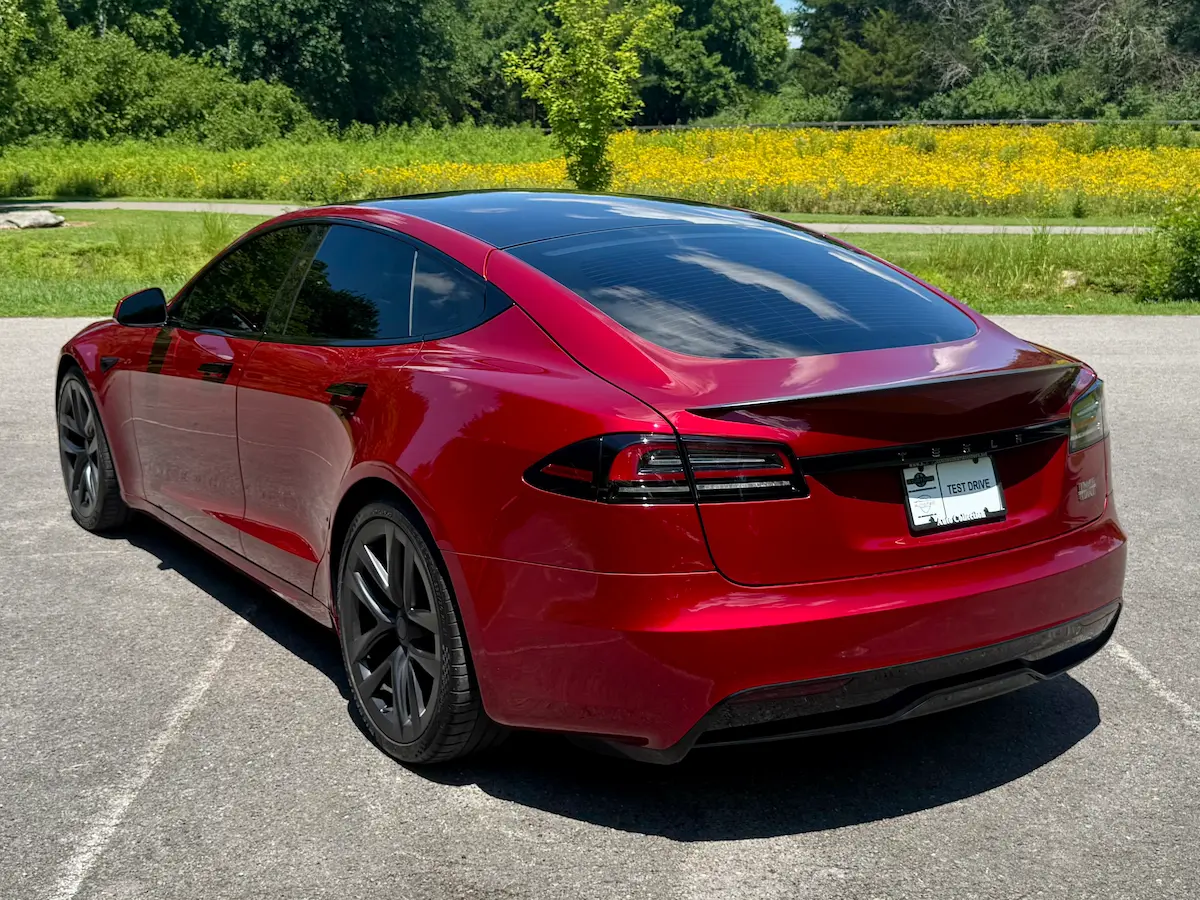
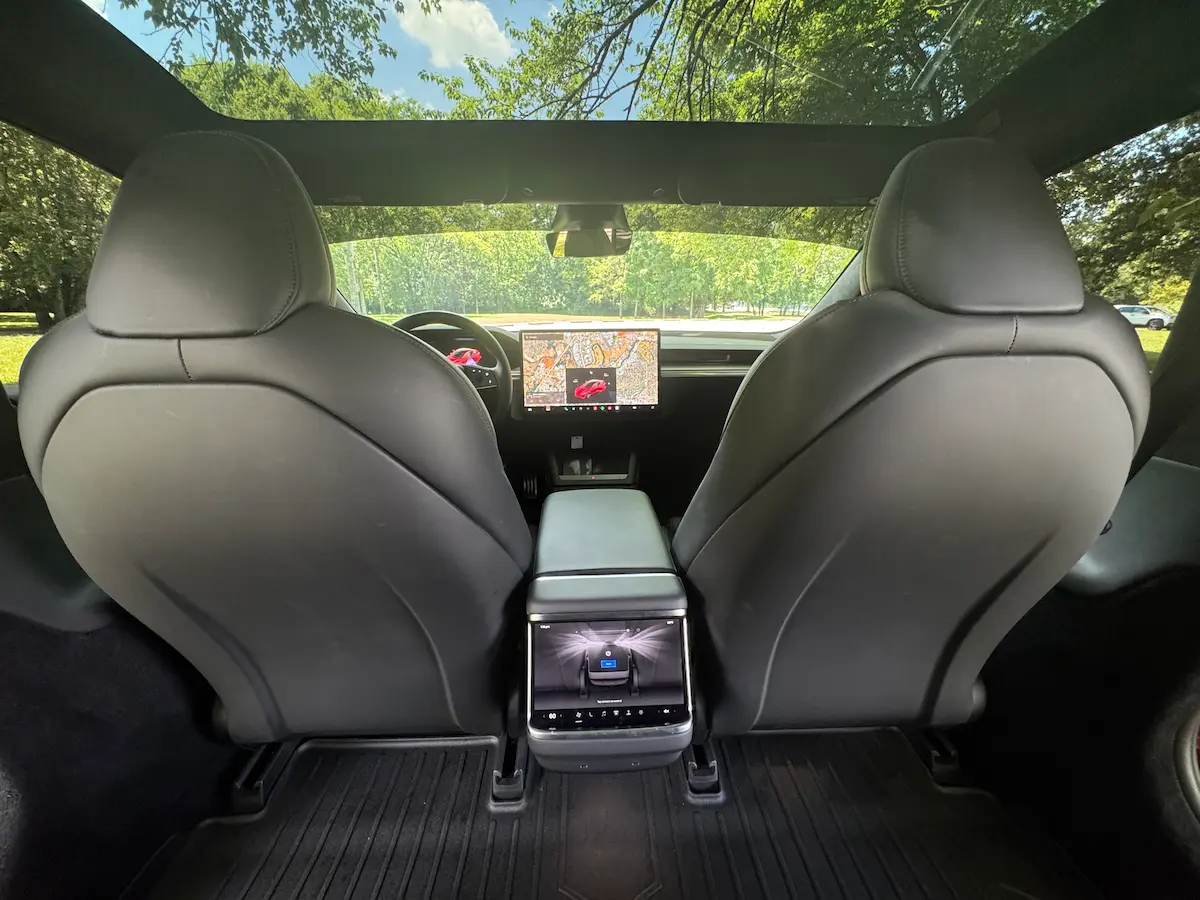
The Model S is Tesla’s original flagship sedan and remains the brand’s performance and range leader. It’s designed for drivers who want a refined, long-distance electric sedan with strong acceleration and a spacious, minimalist interior. While it has evolved significantly over the years through continuous updates, the Model S still represents Tesla’s top-tier sedan experience and sets the tone for the rest of the lineup.
Model X
The Model X is Tesla’s largest passenger vehicle, blending SUV practicality with distinctive design. It’s best known for its falcon-wing rear doors, flexible seating configurations, and strong towing capability for an electric SUV. With available all-wheel drive and generous cargo space, the Model X is often favored by families who want space without stepping into a traditional gas-powered SUV.
Model 3
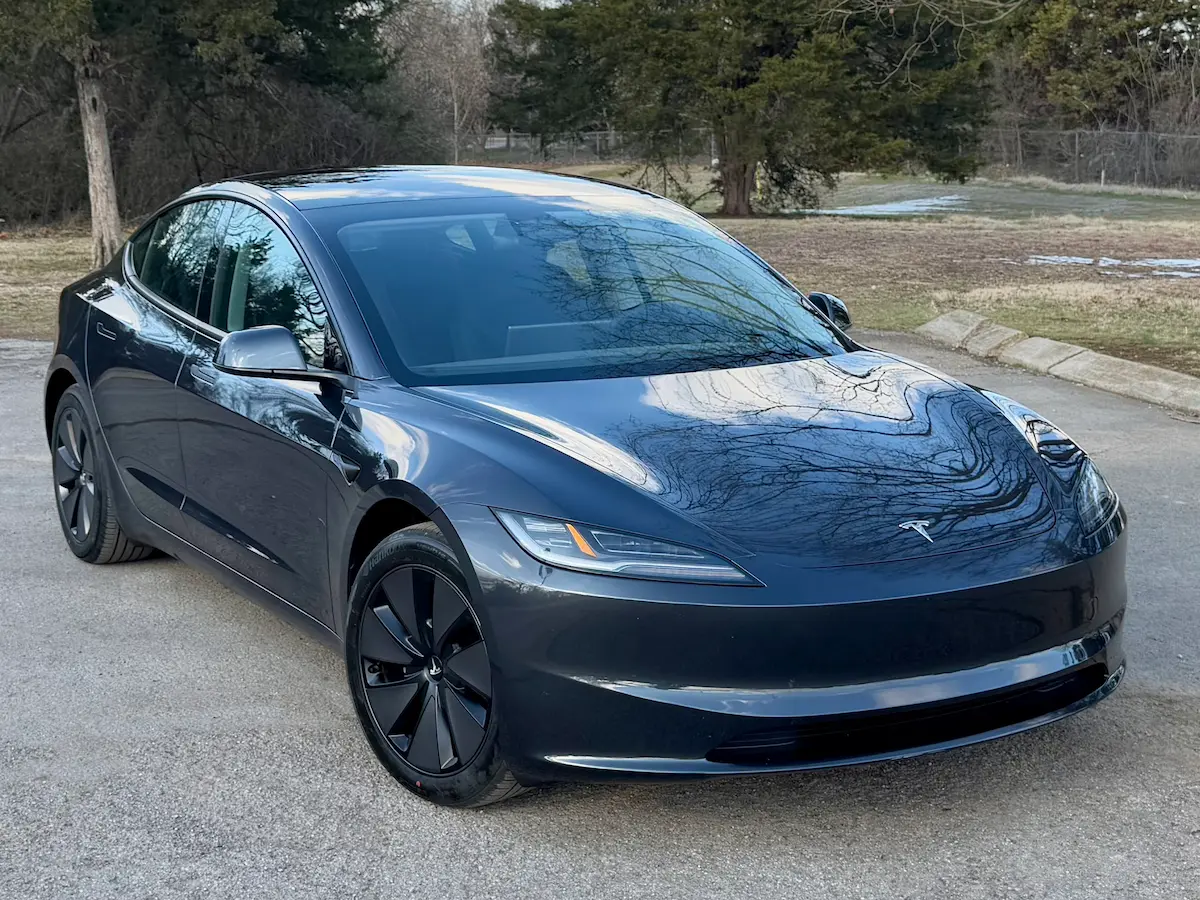
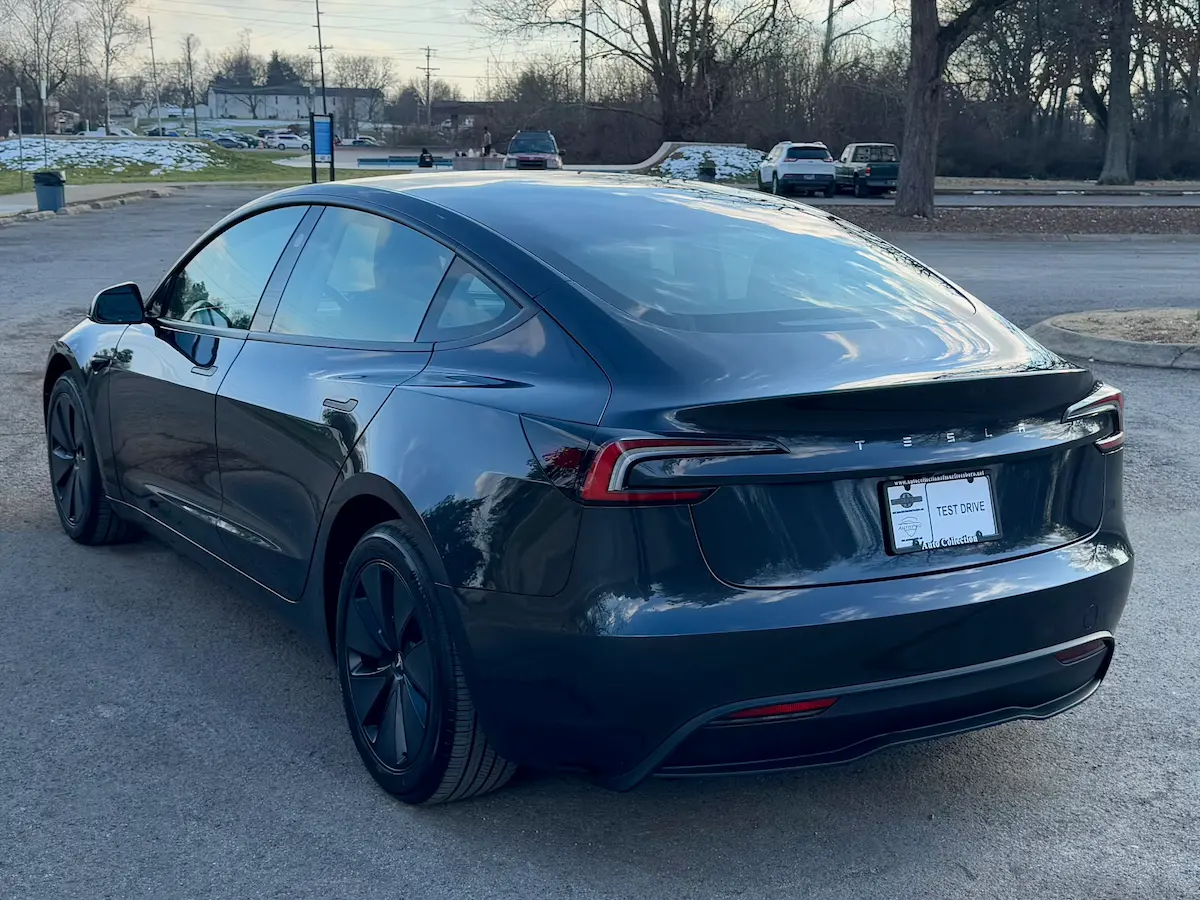
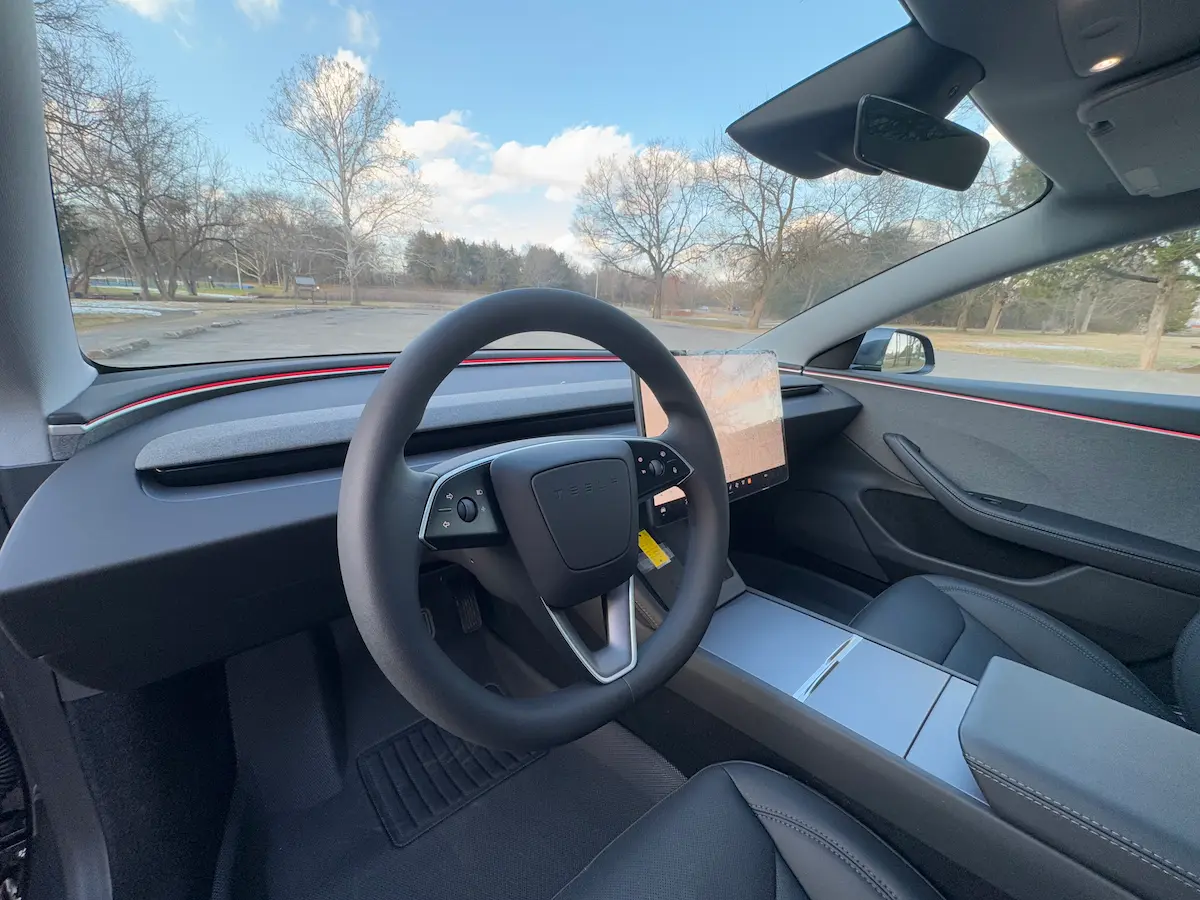
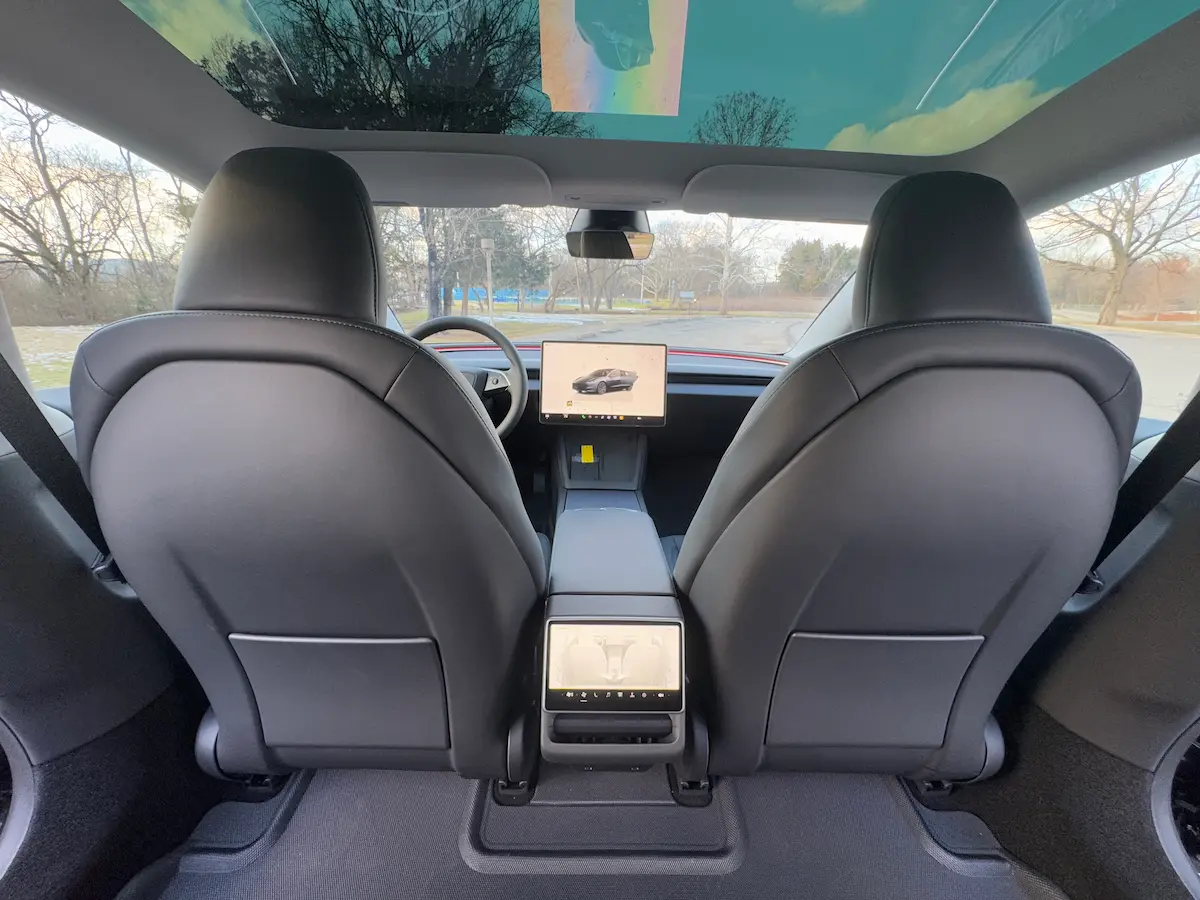
The Model 3 is Tesla’s most accessible sedan and plays a major role in introducing drivers to electric ownership. Its smaller size makes it well-suited for daily commuting, while still delivering quick acceleration, modern technology, and competitive range. Over time, the Model 3 has become one of the most recognizable electric vehicles on the road.
For a deeper look at ownership, updates, and long-term value, see our Used Tesla Model 3 Guide.
Model Y
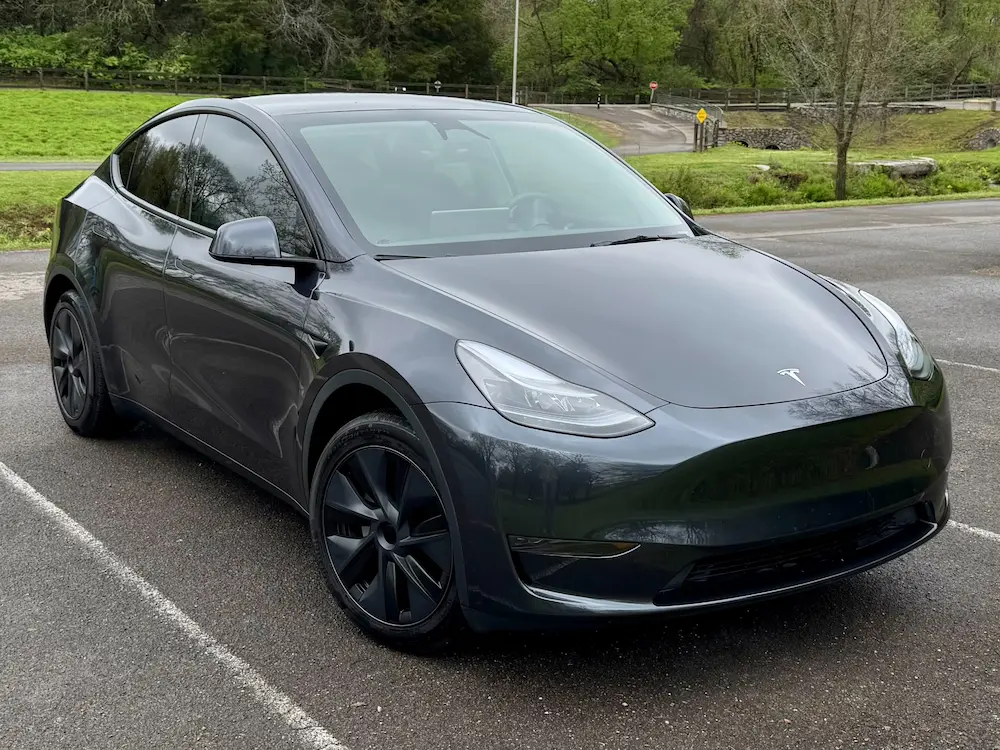
The Model Y builds on the Model 3 platform but adds the versatility many buyers want from an SUV. With a higher seating position, expanded cargo capacity, and available third-row seating in certain configurations, it’s often viewed as the most practical Tesla for everyday use. The Model Y has become one of Tesla’s highest-volume models thanks to its balance of efficiency, space, and performance.
If you’re considering this model in more detail, our Used Tesla Model Y Buying Guide explores what to expect across different versions.
Cybertruck
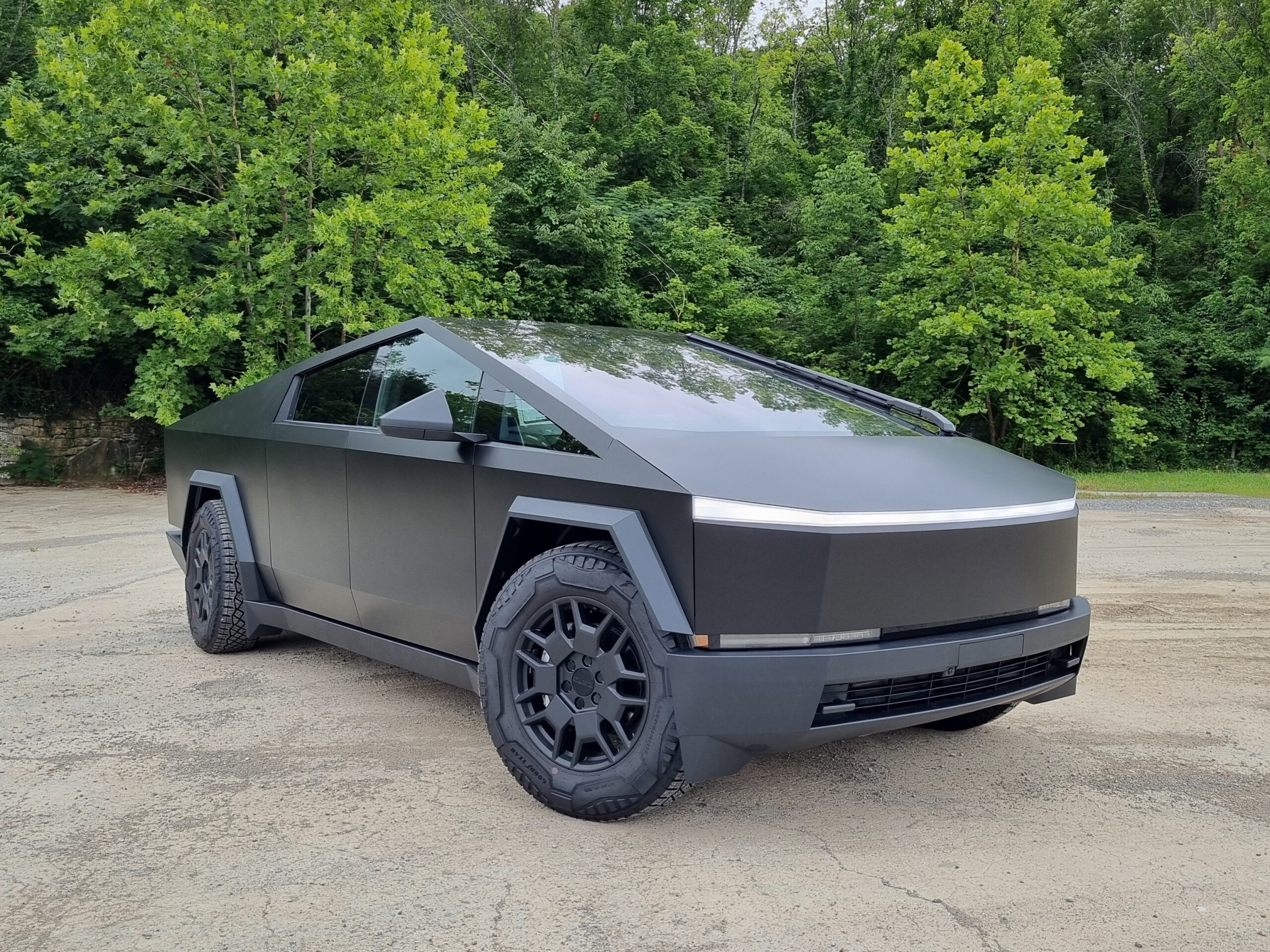
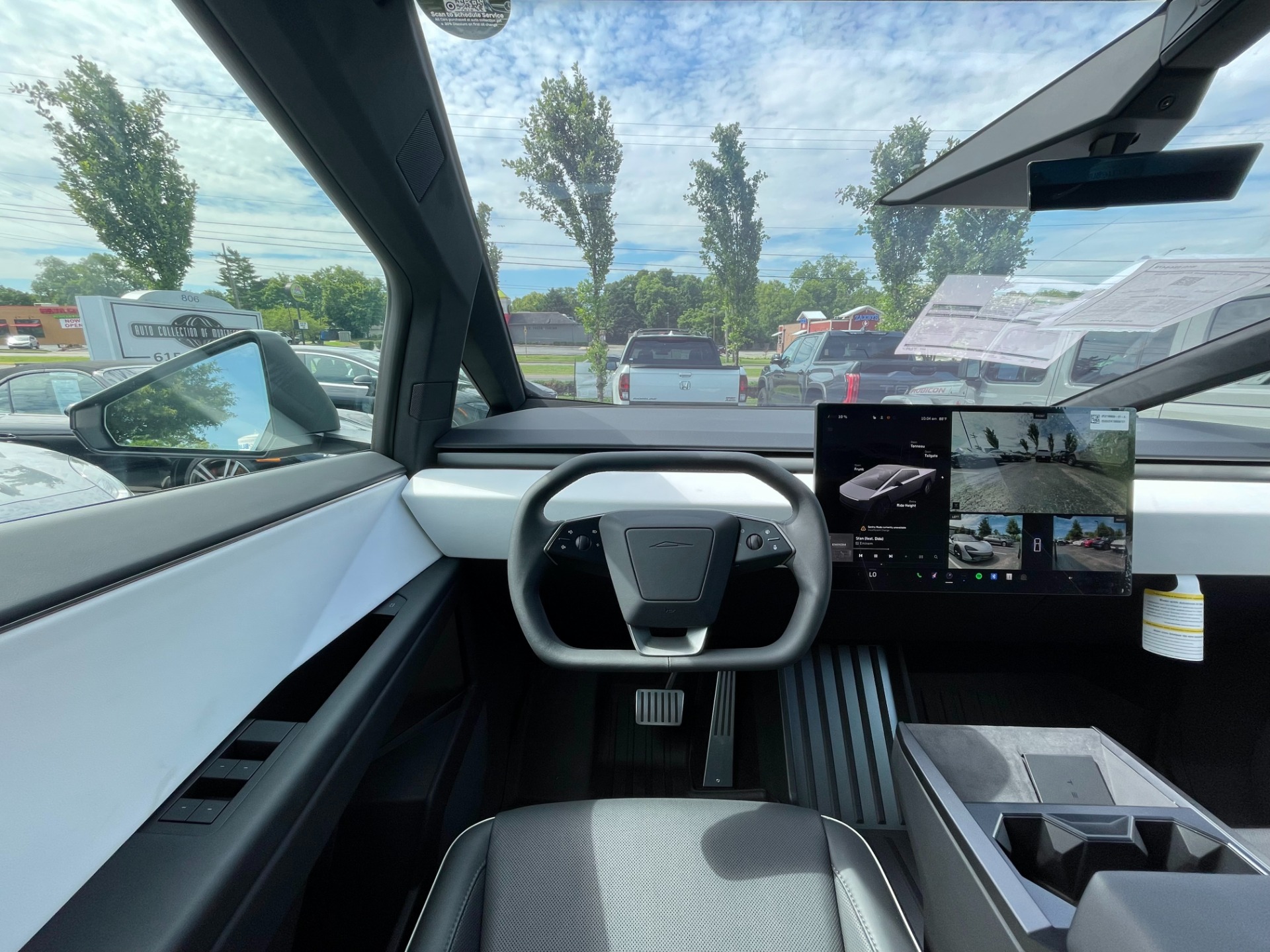
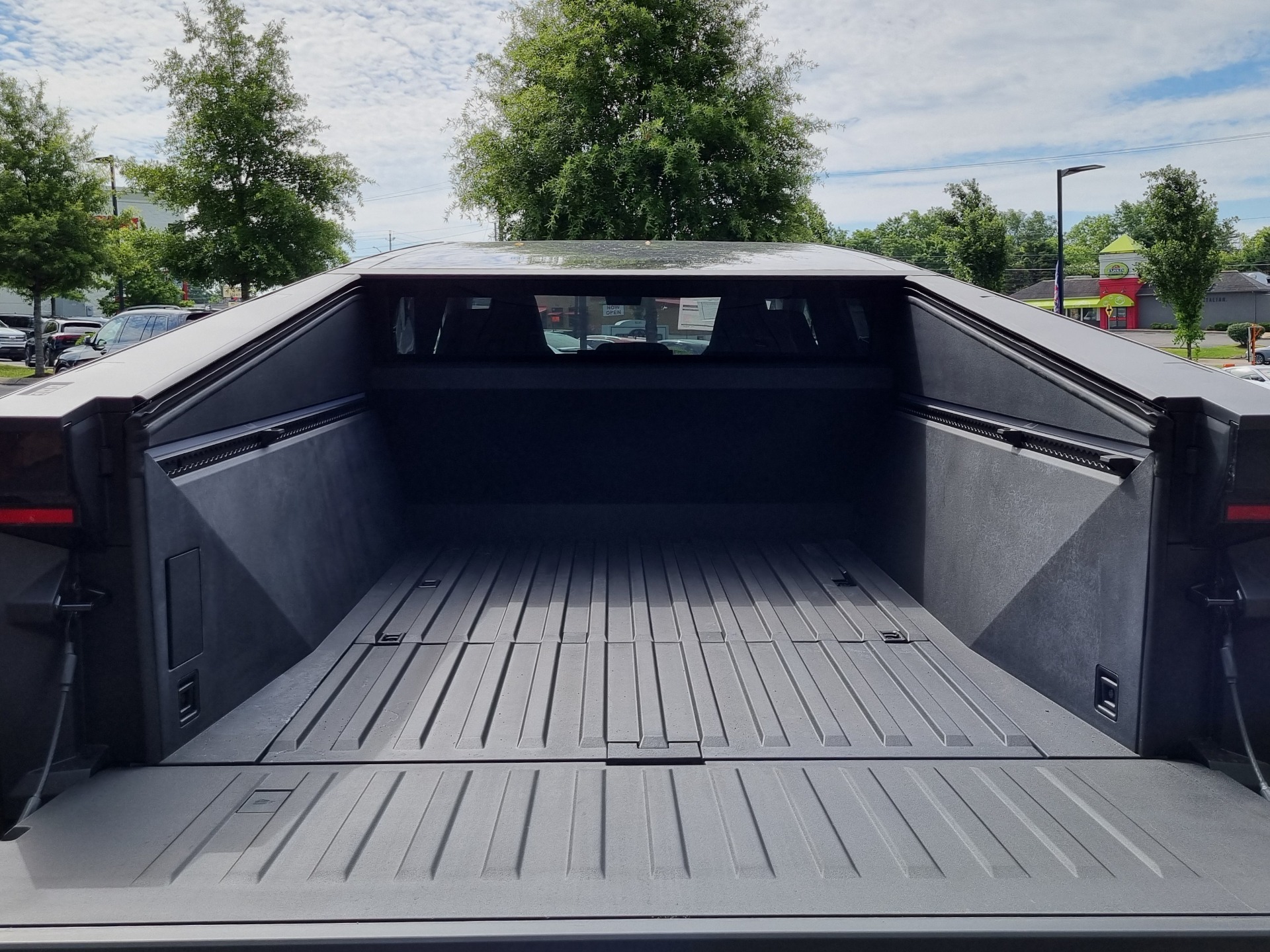
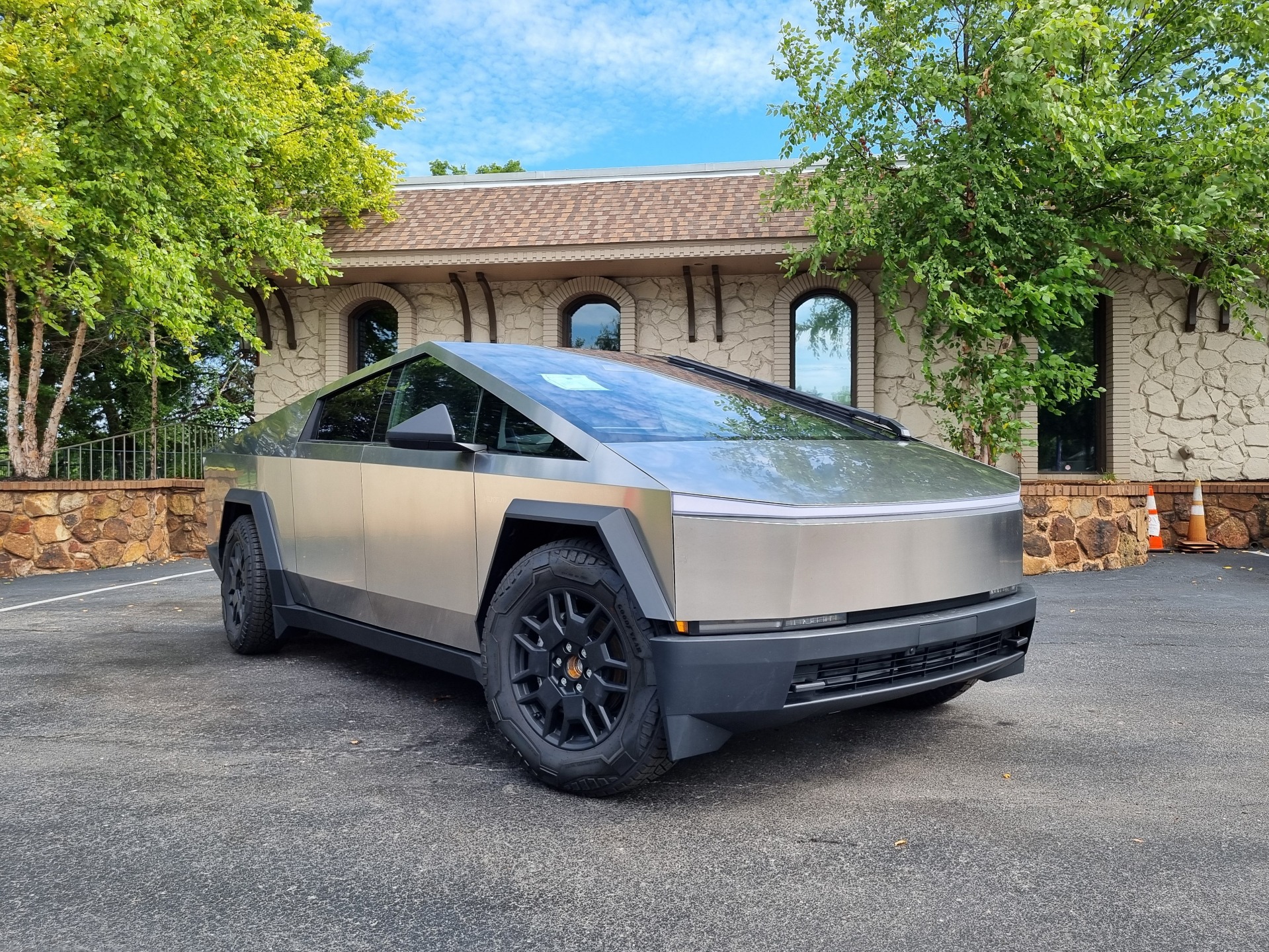
The Cybertruck stands apart from every other Tesla—and most vehicles on the road. Designed as an all-electric pickup, it emphasizes durability, utility, and unconventional styling. Its stainless-steel exterior, high towing capacity, and experimental design philosophy reflect Tesla’s willingness to challenge traditional truck norms rather than follow them.
For a closer look at what the Cybertruck offers and how it fits into the EV landscape, see our Tesla Cybertruck Foundation Series overview.
Which Tesla Model Is Right for You? (Quick Guide)
- Model S – Best for drivers who want maximum range, strong performance, and a refined electric sedan for frequent highway driving or long-distance travel.
- Model X – Ideal for families who need flexible seating, extra cargo space, and all-wheel-drive capability without moving into a traditional gas-powered SUV.
- Model 3 – A great fit for commuters and first-time EV owners who want a smaller, efficient sedan that balances performance, technology, and everyday usability.
- Model Y – Well-suited for drivers who want SUV practicality in an electric package, with added cargo space and a higher seating position compared to a sedan.
- Cybertruck – Designed for buyers who want utility, towing capability, and bold styling, and who are comfortable with an unconventional approach to truck design.
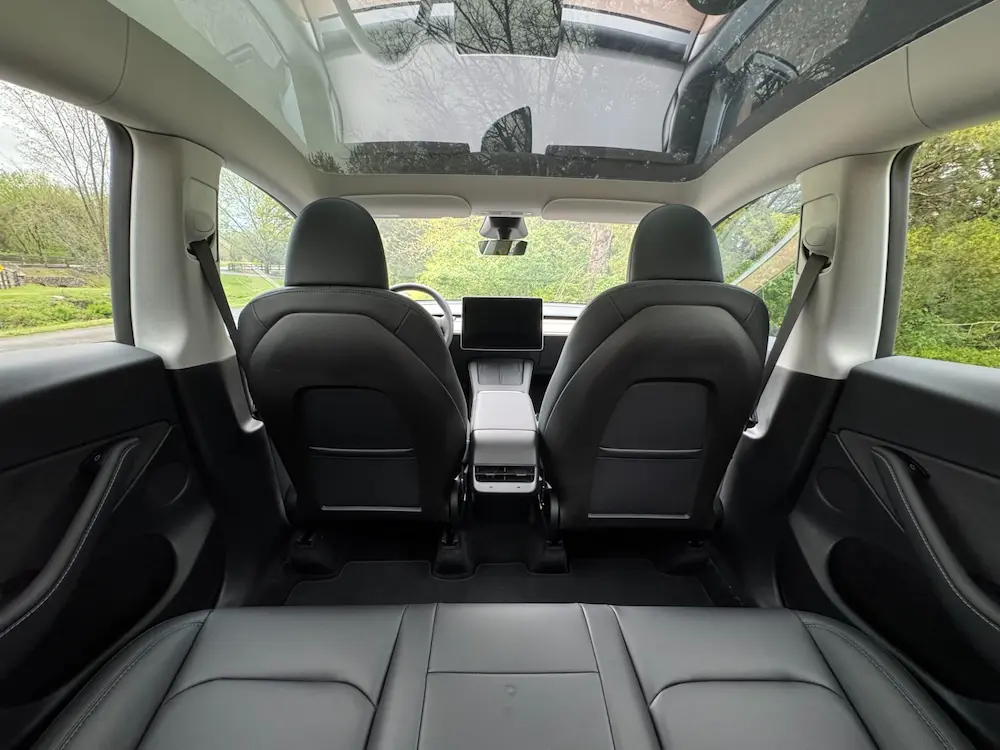
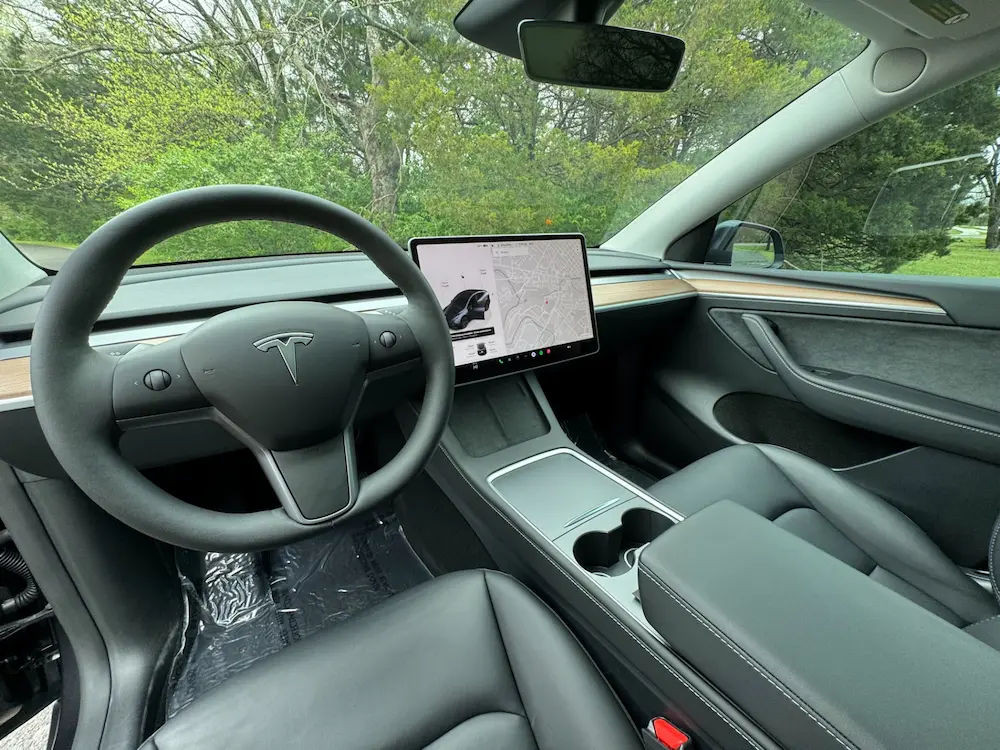
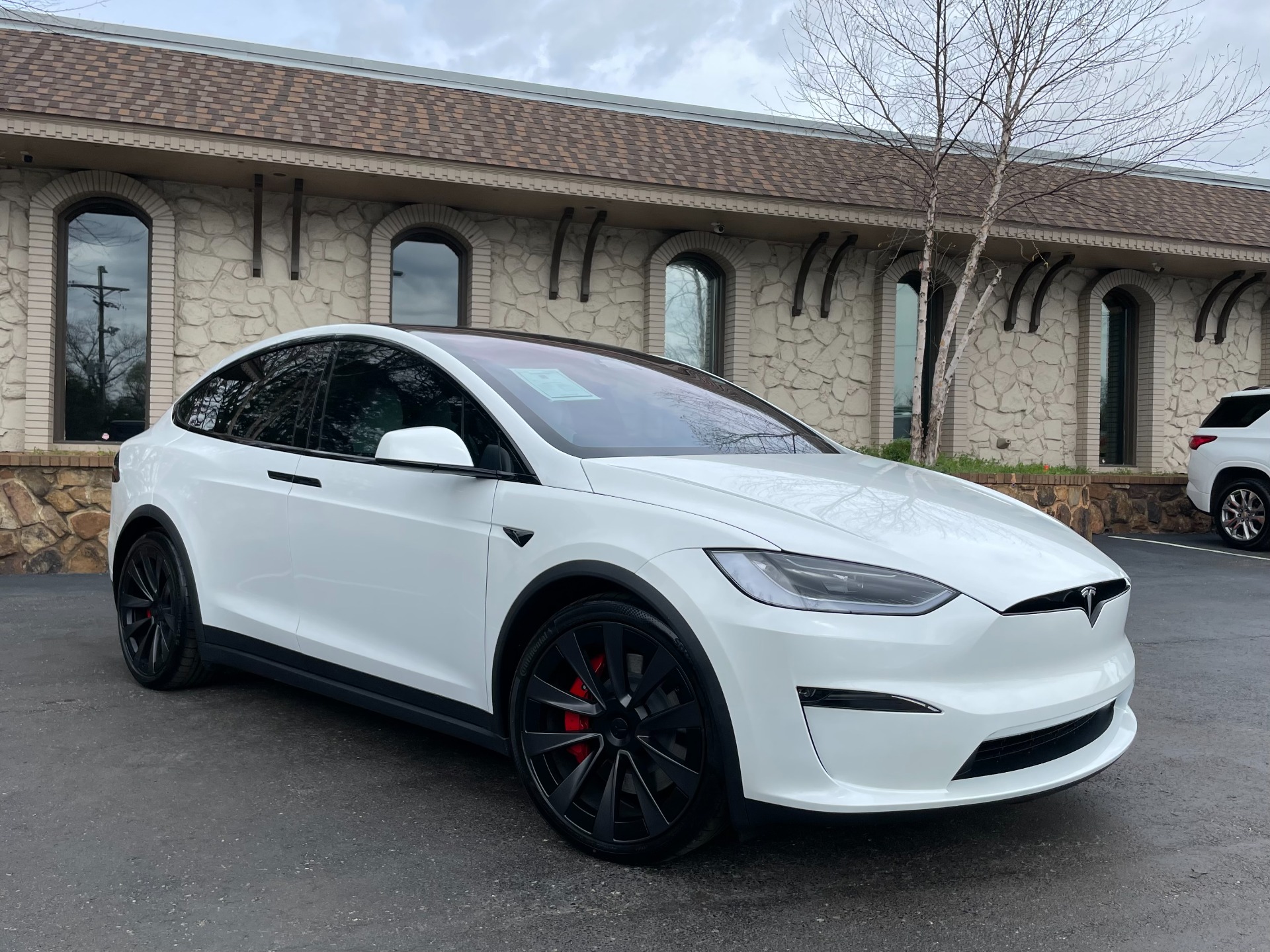
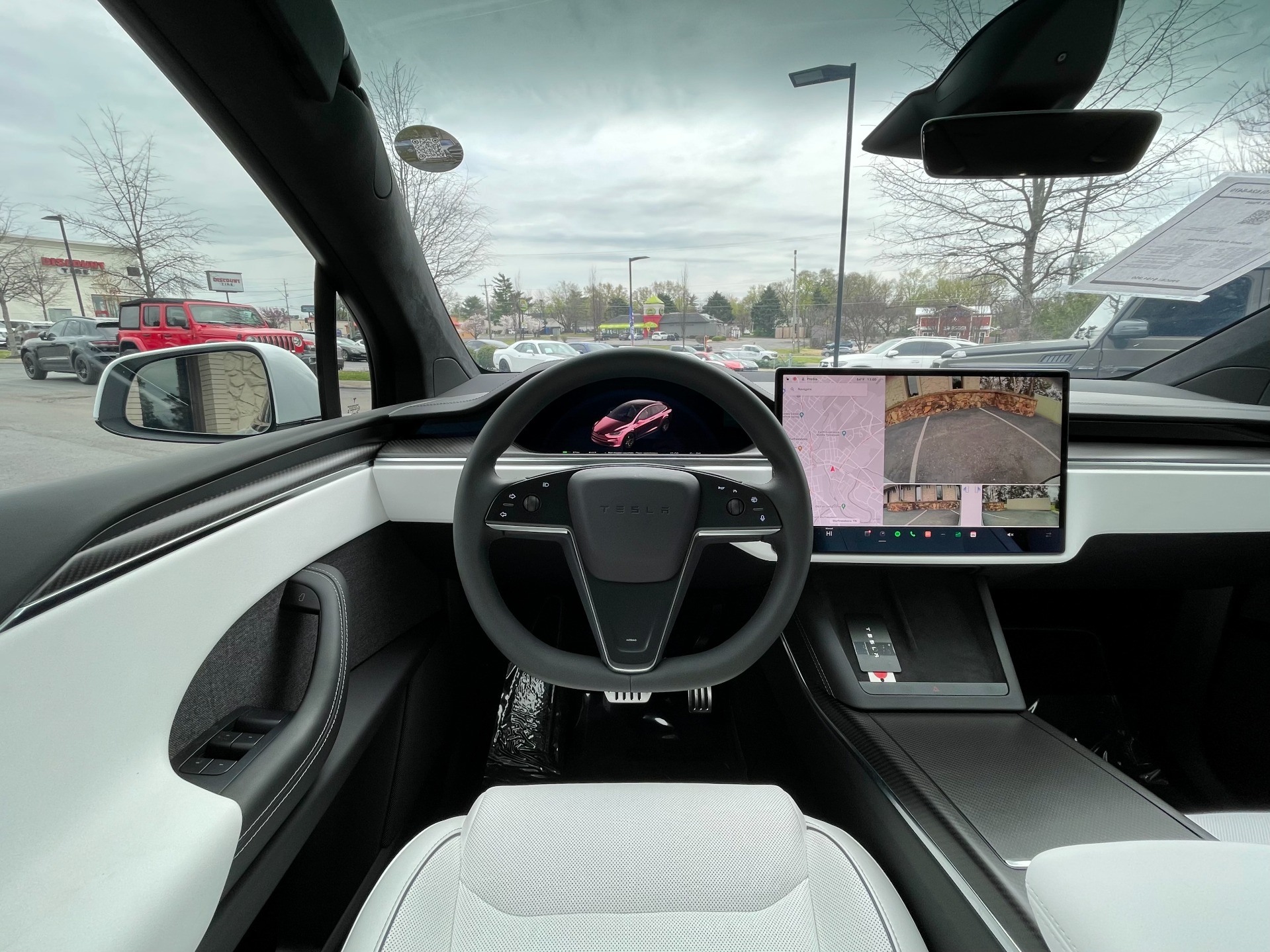
What It’s Like to Live With a Tesla Over Time
Long-term Tesla ownership differs in several important ways from traditional vehicles, from how the car drives to how it’s maintained and updated over time.
A Different Driving Feel From Day One
Tesla ownership feels distinct almost immediately. Instant torque, smooth acceleration, and near-silent operation change how the car responds in everyday driving. There’s no gear shifting or engine noise—just consistent, linear power that feels effortless whether you’re merging onto a highway or navigating city traffic.
Charging Becomes Part of the Routine
One of the biggest long-term differences is how energy fits into daily life. Instead of planning around fuel stops, many owners adapt to home charging as a routine habit. Over time, this shift tends to feel more convenient than novel, especially for drivers who start each day with a full charge.
A Vehicle That Evolves With Software
Unlike most vehicles, Teslas don’t stay static after purchase. Over-the-air updates regularly refine the interface, improve efficiency, and introduce new features. This ongoing evolution means a Tesla can feel more modern years into ownership compared to traditional vehicles that rely solely on model-year updates.
Simplified Maintenance, Different Long-Term Priorities
From a mechanical standpoint, electric ownership reduces many traditional maintenance tasks. There are no oil changes or complex transmissions, which simplifies routine upkeep. Over time, attention shifts toward items like tires, suspension components, and overall battery condition rather than engine-related wear.
Long-Term Value and Market Perception
Teslas have developed a reputation for holding value relatively well in the used market, particularly configurations with longer range and dual-motor drivetrains. Demand is often driven by software capability, battery range, and overall condition rather than cosmetic updates alone.
Why the Dealership Still Matters
Because Teslas combine hardware and software, the experience you have depends heavily on how well the vehicle has been inspected, documented, and prepared. A knowledgeable dealership can help ensure software features are properly transferred, vehicle history is clear, and the car reflects its true condition.
AutoPro Nashville focuses on this kind of transparency and product understanding, especially with advanced vehicles like Teslas. If you’re curious to see what’s currently available, you can browse our pre-owned Tesla inventory here.
When was Tesla founded, and what was its original goal?
Tesla was founded in 2003 with the goal of proving that electric vehicles could be desirable, high-performing, and practical—not just environmentally friendly alternatives.
What was Tesla’s first production vehicle?
Tesla’s first production vehicle was the Roadster, launched in 2008. It demonstrated that an electric car could deliver long range and sports-car-level performance.
Why was the Tesla Model S so important to the EV industry?
The Model S showed that an electric sedan could compete directly with luxury gas-powered cars in performance, range, and usability, accelerating industry-wide EV development.
How important is software to the Tesla ownership experience?
Software plays a central role. Updates can improve efficiency, add features, and refine the user interface long after the vehicle is built.
Does Tesla follow traditional redesign cycles?
No. Tesla updates vehicles continuously, often introducing changes mid-year rather than waiting for full generational redesigns.