BMW M2 vs BMW M4: Which BMW M Coupe Should You Buy?
Choosing between the BMW M2 and BMW M4 is a question many performance car buyers eventually run into. Both models come from BMW’s M division and both deliver the sharp handling and strong acceleration that the brand is known for. At first glance, they can even seem quite similar.
Once you spend some time looking closer, though, the differences start to become clear.
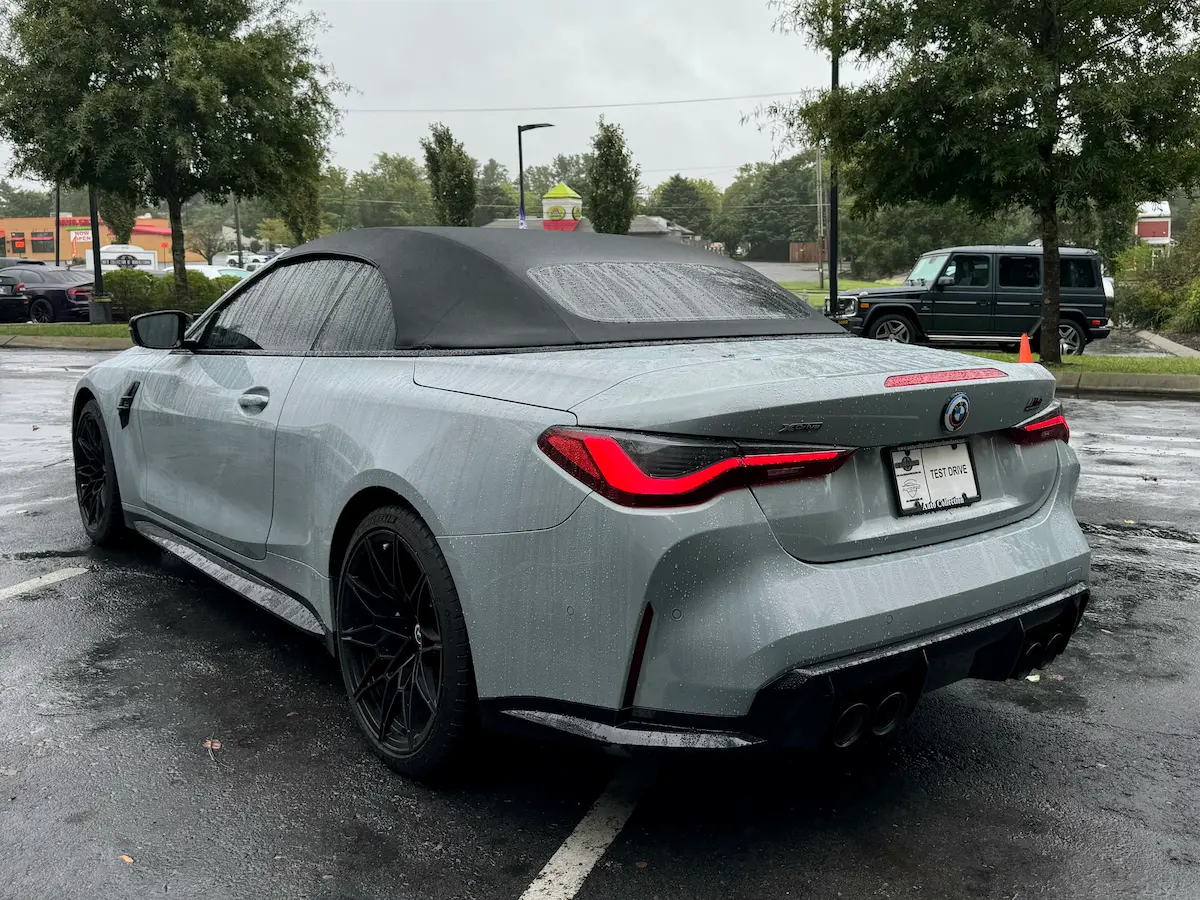
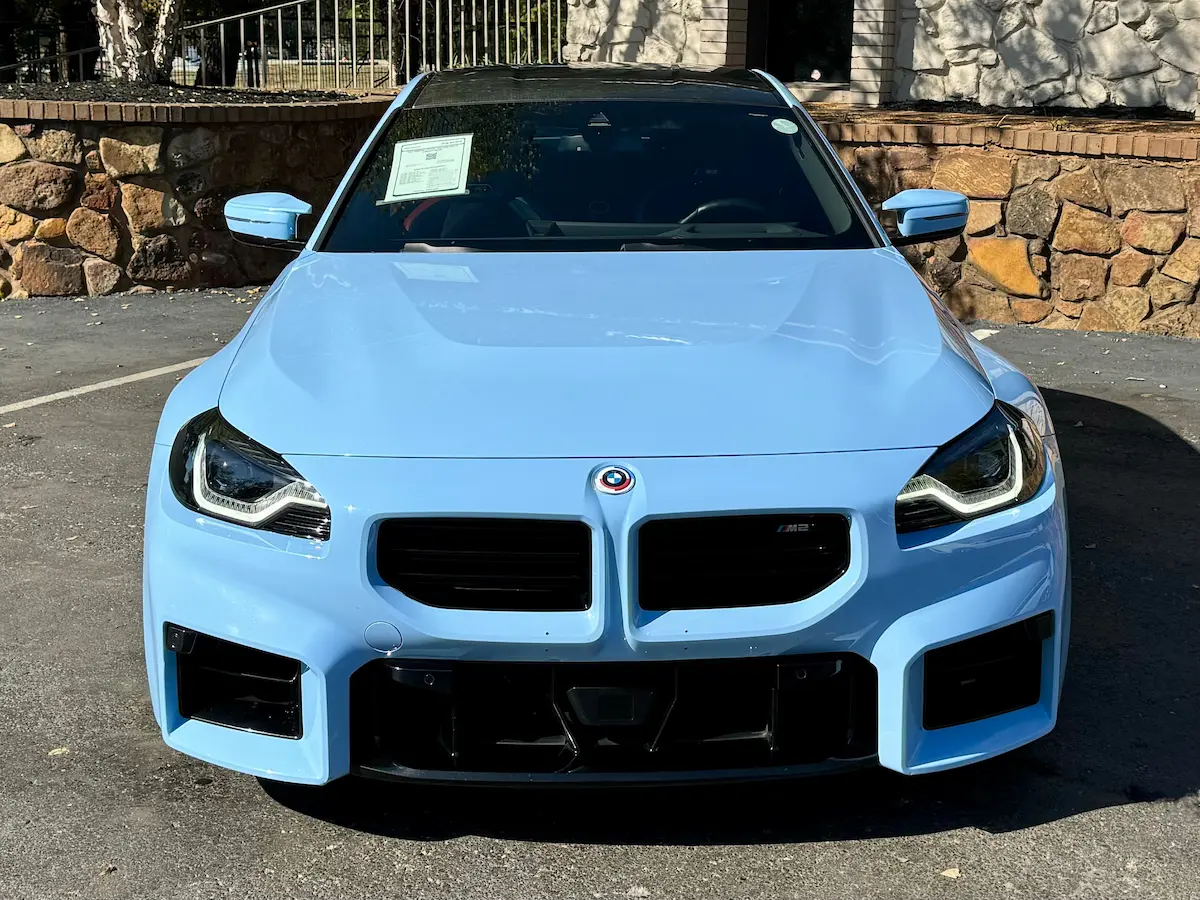
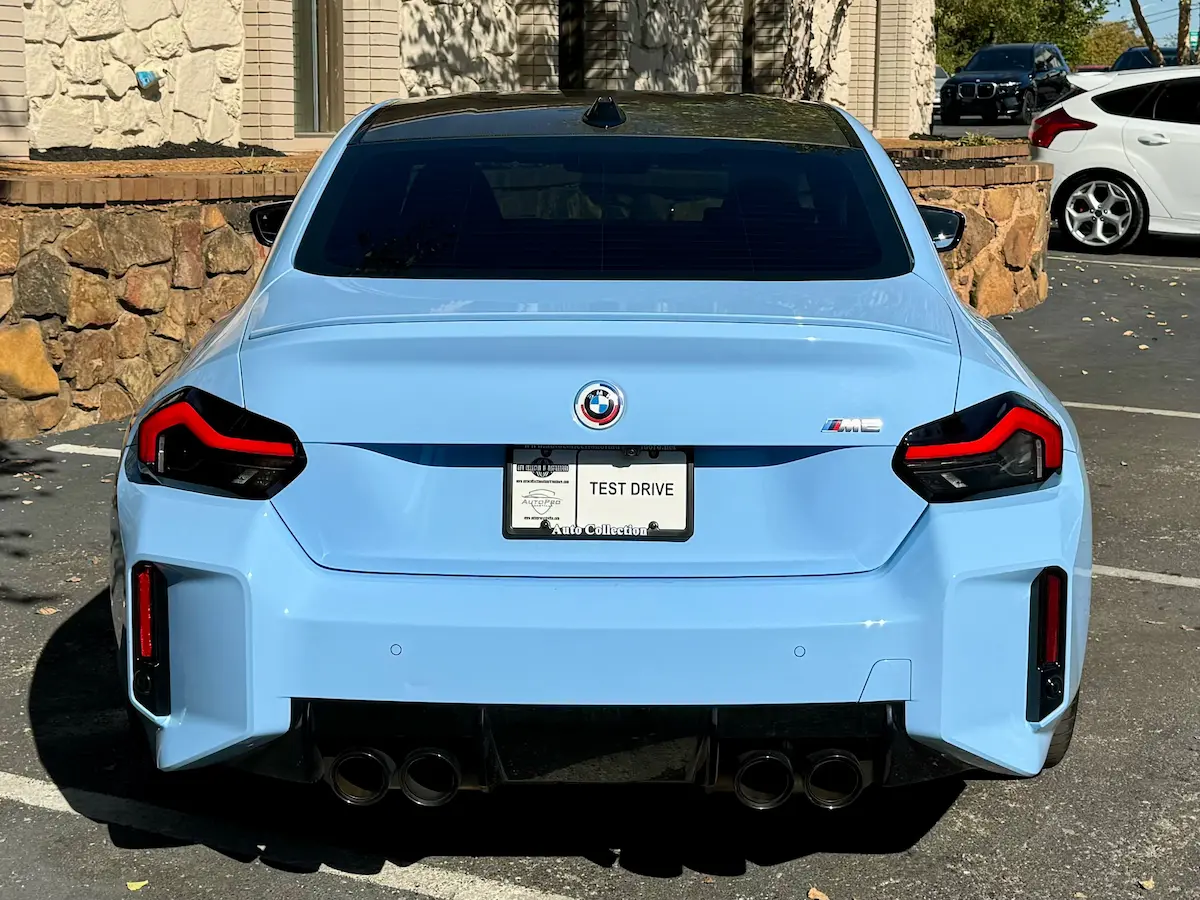
The M2 is built around a smaller, more compact platform that many drivers love for its lively and engaging feel. The M4 moves a step higher in the lineup, bringing more power, a larger chassis, and a more refined performance experience.
Because of that, the choice is usually not about which car is better overall. It is about which one matches the way you like to drive.
If you are trying to decide between M2 or M4, understanding how these two coupes differ in character, performance, and everyday usability can make the decision much easier.
Table of Contents
Quick Decision Guide: M2 or M4?
When people start comparing the BMW M2 vs BMW M4, the conversation usually comes down to what kind of driving experience they want. Both cars sit in BMW’s M performance family, but they appeal to slightly different types of drivers.
Some buyers want the smallest, most engaging M coupe they can find. Others prefer the extra power, presence, and refinement that comes with moving up the lineup.
If you are comparing used M2 and M4 models, this simple guide reflects how many enthusiasts and owners describe the difference.
| If you want | Choose |
|---|---|
| Smaller, more playful sports car | BMW M2 |
| More power and prestige | BMW M4 |
| Lower purchase price | BMW M2 |
| More comfort and interior space | BMW M4 |
| A focused weekend driver’s car | BMW M2 |
| A high-performance coupe that can also travel comfortably | BMW M4 |
In simple terms, the M2 usually attracts drivers who want a compact, highly engaging sports coupe, while the M4 tends to appeal to buyers looking for more power, stability, and everyday versatility.
Both cars deliver the kind of performance BMW’s M division is known for, just with slightly different personalities behind the wheel.
BMW M2 vs BMW M4: Key Differences at a Glance
Once you start comparing the M2 and M4 side by side, a few differences stand out quickly. While both cars come from the same M performance philosophy, they are built with slightly different priorities in mind.
The M2 focuses on compact agility and driver engagement, while the M4 adds more power, size, and overall performance capability. For many buyers, these practical differences are what ultimately shape the decision.
Here is a simple snapshot of how the two cars typically compare.
| Category | BMW M2 | BMW M4 |
|---|---|---|
| Position in BMW lineup | Entry point into M coupes | Higher-tier M performance coupe |
| Power range | 473 hp base output with rear-wheel drive performance | 473 hp base, up to 503–523 hp in Competition and xDrive models |
| Size | Smaller and more compact | Larger and more substantial |
| Driving character | Playful and engaging | Powerful and stable |
| Ownership expectations | Enthusiast-focused driving | Performance mixed with luxury |
Looking at the table gives a quick overview, but the real difference between the M2 and M4 becomes clearer once you focus on how they behave on the road and what kind of driving experience each one delivers.
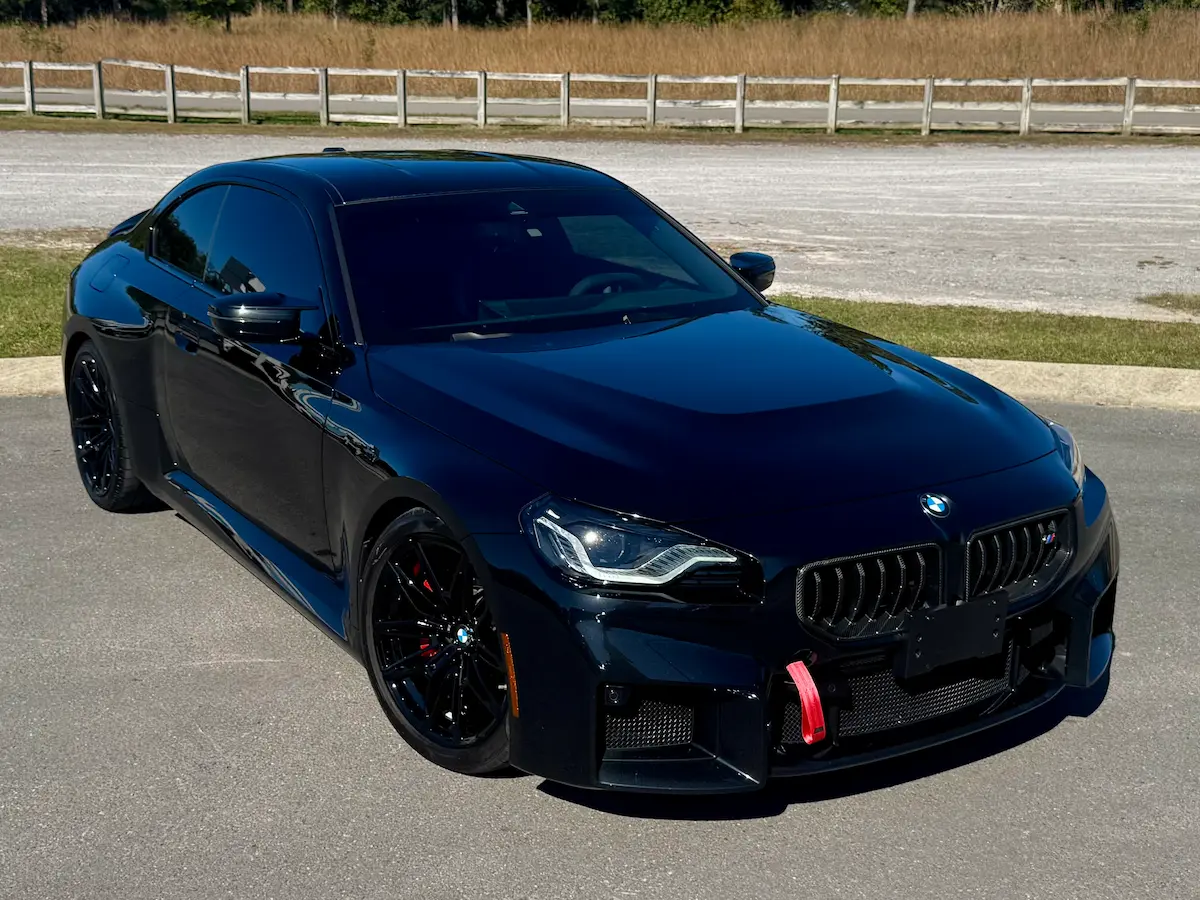
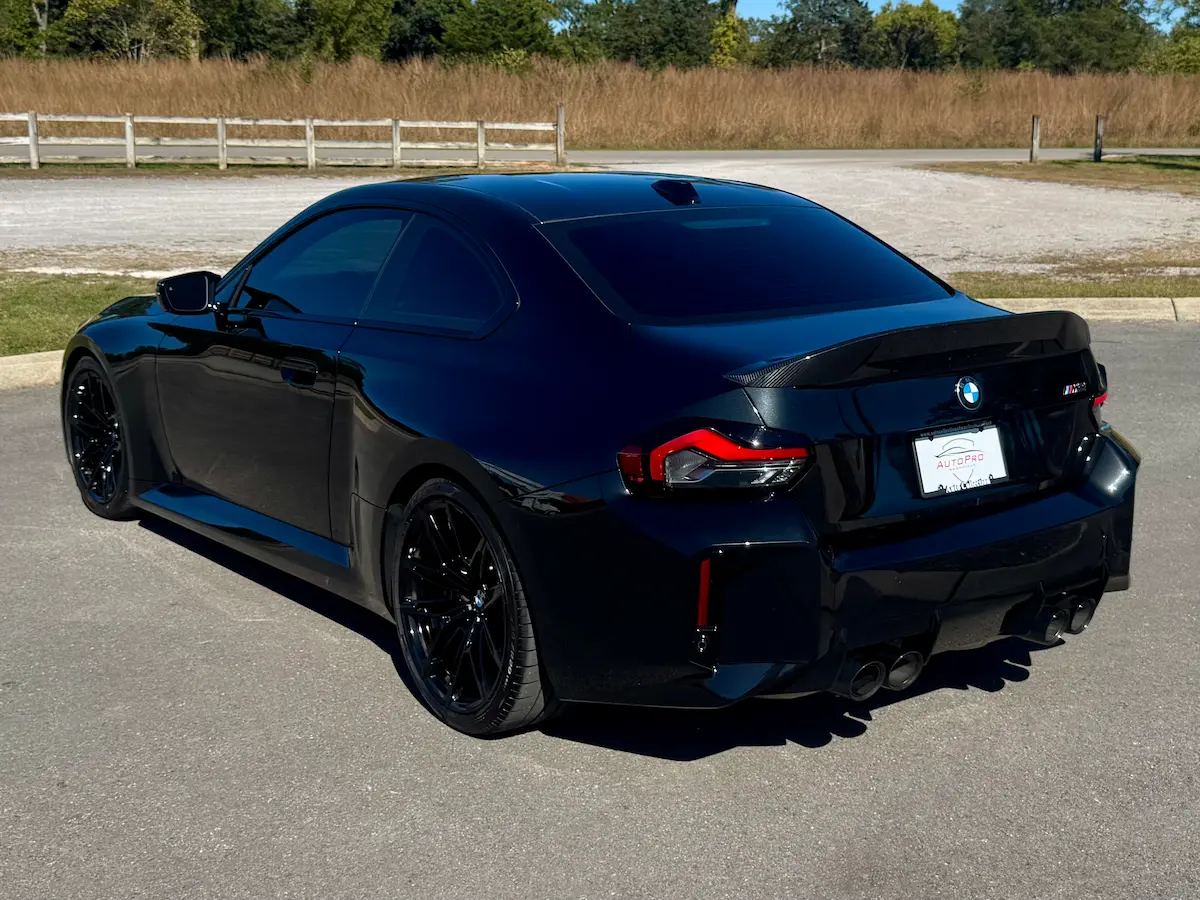
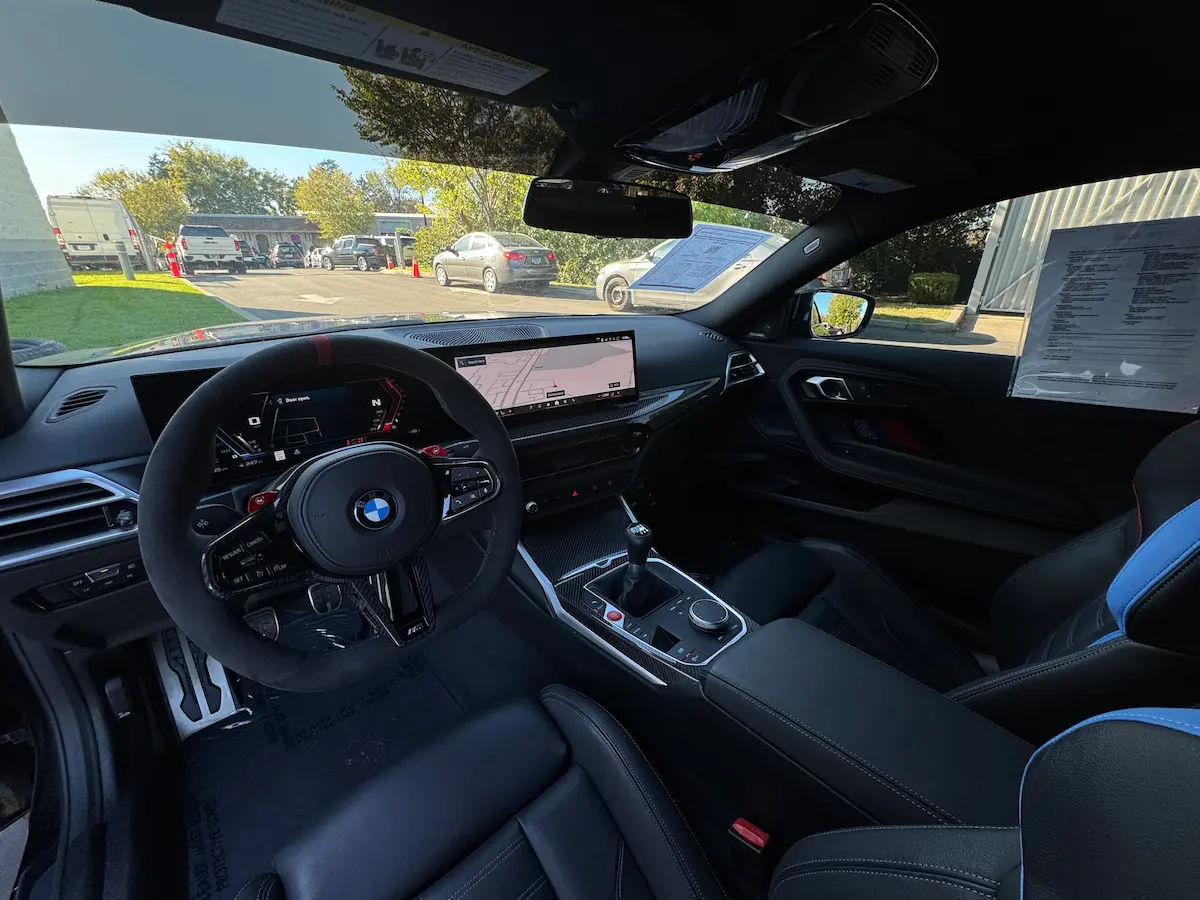
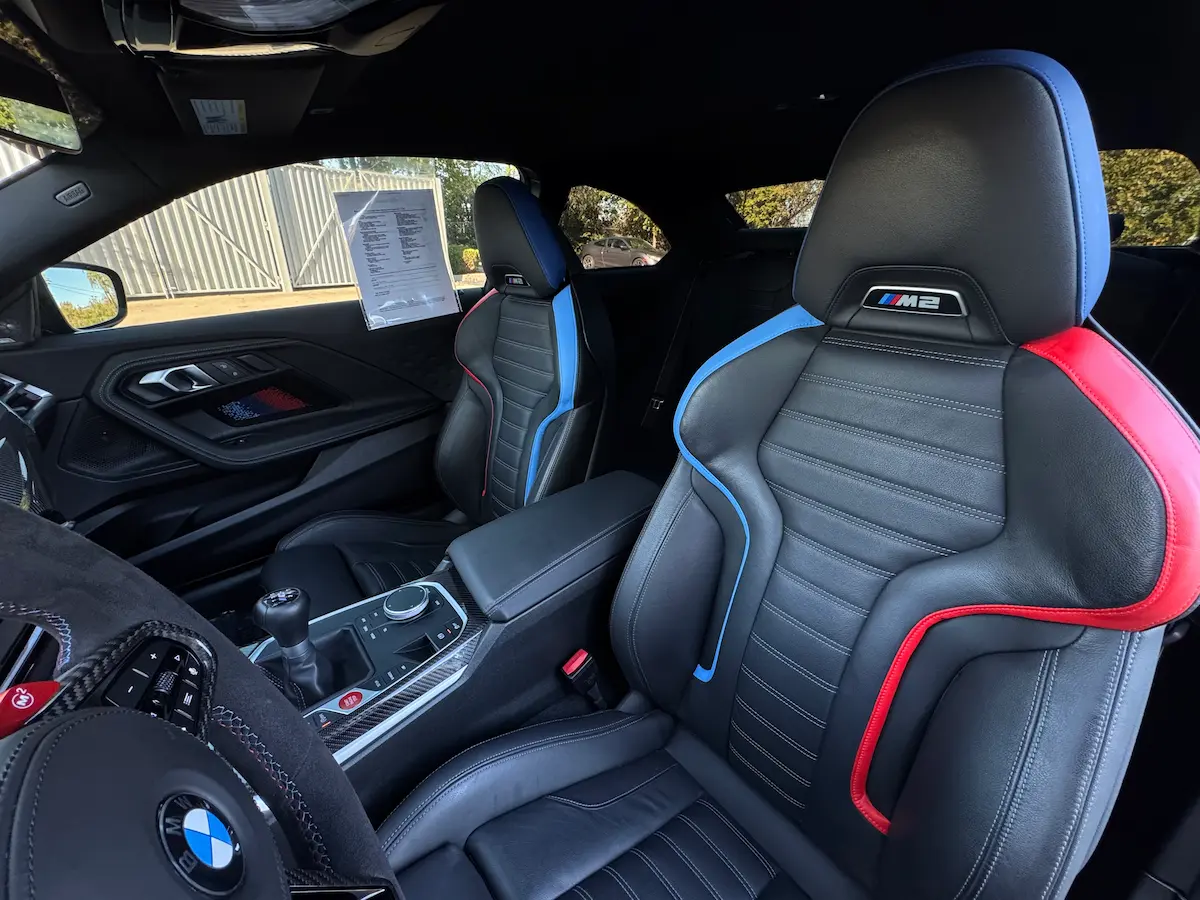
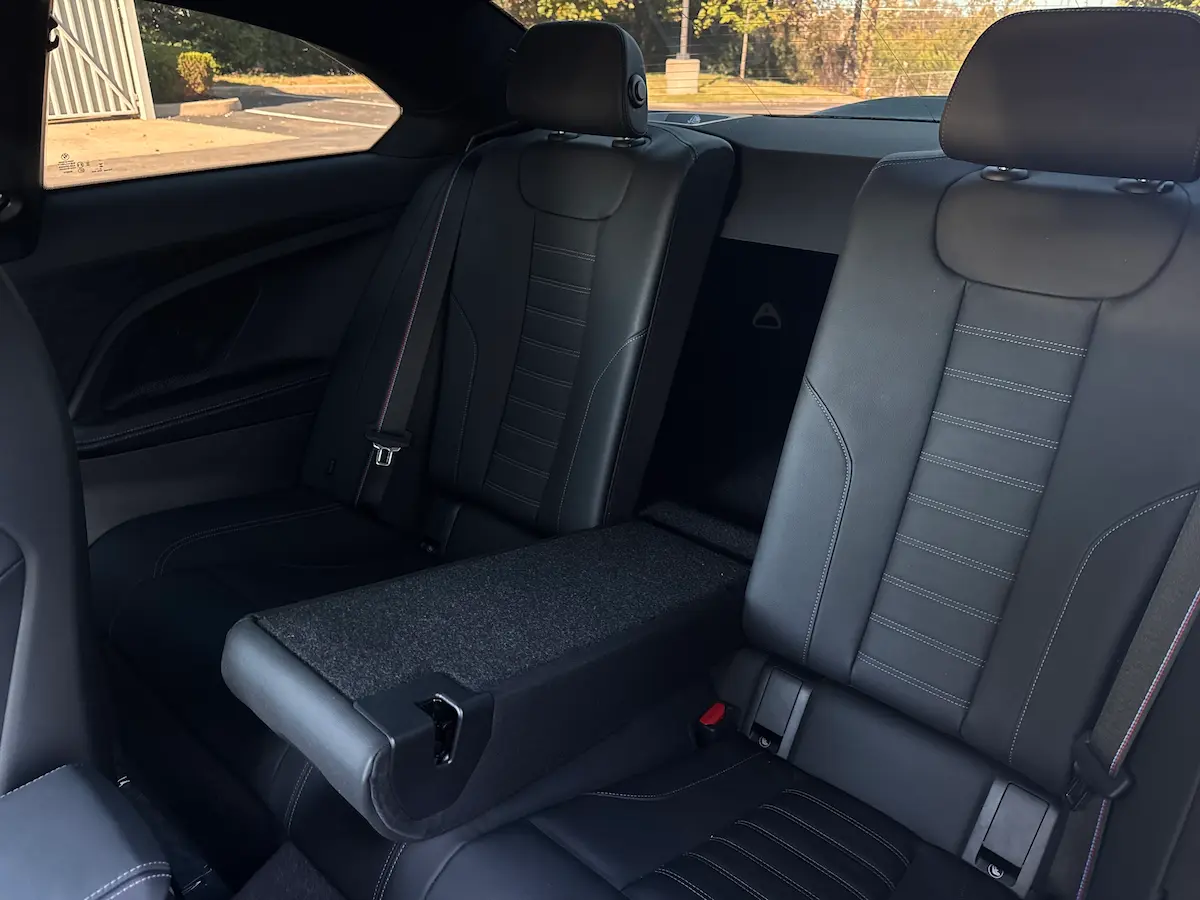
Driving Experience: Playful vs Composed
The biggest difference between the BMW M2 and BMW M4 is not just how fast they are. It is how they feel from behind the wheel.
Both cars deliver serious performance, but they approach it with slightly different personalities. The M2 leans toward a lighter, more playful driving experience, while the M4 feels more planted and composed, especially as speeds rise.
Understanding that difference often helps buyers quickly decide which one fits their driving style.
For another perspective on how these two coupes compare, you can also explore the detailed comparison from CarBuzz.
Why the BMW M2 Feels More Playful
Among modern BMW M cars, the M2 is often described as one of the most engaging to drive. Many reviewers and owners point to its smaller size and shorter wheelbase as the reason it feels so lively on the road.
Because the car is compact, it tends to react quickly when you turn the steering wheel. The front end feels eager to change direction, and the car often feels lighter and more agile compared with larger performance coupes.
On winding roads, the M2 has a way of making the driver feel closely connected to the car. You can sense how the chassis moves through corners, which gives the driver strong feedback and confidence when pushing the car harder.
Drivers who spend time behind the wheel of an M2 often notice a few things right away:
- The smaller size makes the car feel quick and agile
- Steering and chassis feedback feel very direct
- The car encourages spirited driving on twisty roads
For drivers who value involvement and balance more than outright size or luxury, the M2 often feels like the purer sports coupe in BMW’s lineup.
Why the BMW M4 Feels More Refined and Powerful
The BMW M4 takes a slightly different approach to performance.
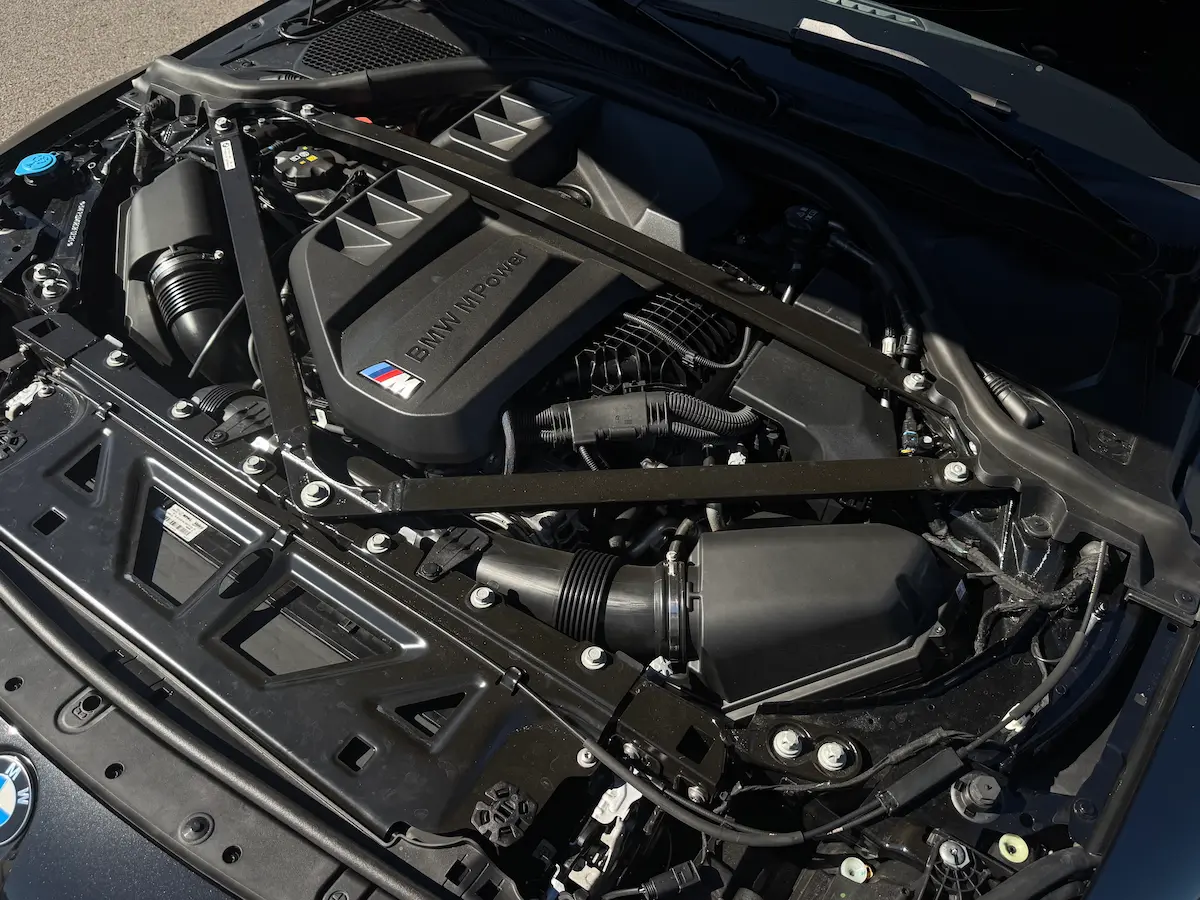
While the M2 focuses on compact agility, the M4 expands the performance range with additional trims and higher peak power levels. Acceleration feels stronger, and the car tends to feel more planted as speeds increase.
Some versions of the M4 are also available with xDrive all-wheel drive, which improves traction and stability while still maintaining the rear-biased driving feel BMW M cars are known for.
That difference becomes especially noticeable on highways or longer drives. The longer wheelbase and wider stance give the M4 a sense of stability that many drivers appreciate when driving fast or covering longer distances.
Buyers often choose the M4 because it offers:
- Stronger acceleration and higher performance limits in Competition models
- Greater stability at higher speeds
- A more polished and refined driving experience
Both cars are also available with a six-speed manual transmission in their base forms, something many enthusiasts still appreciate. Higher trims and Competition versions typically use BMW’s eight-speed automatic transmission.
In many ways, the M4 blends the excitement of a sports car with the comfort and capability of a grand touring coupe.
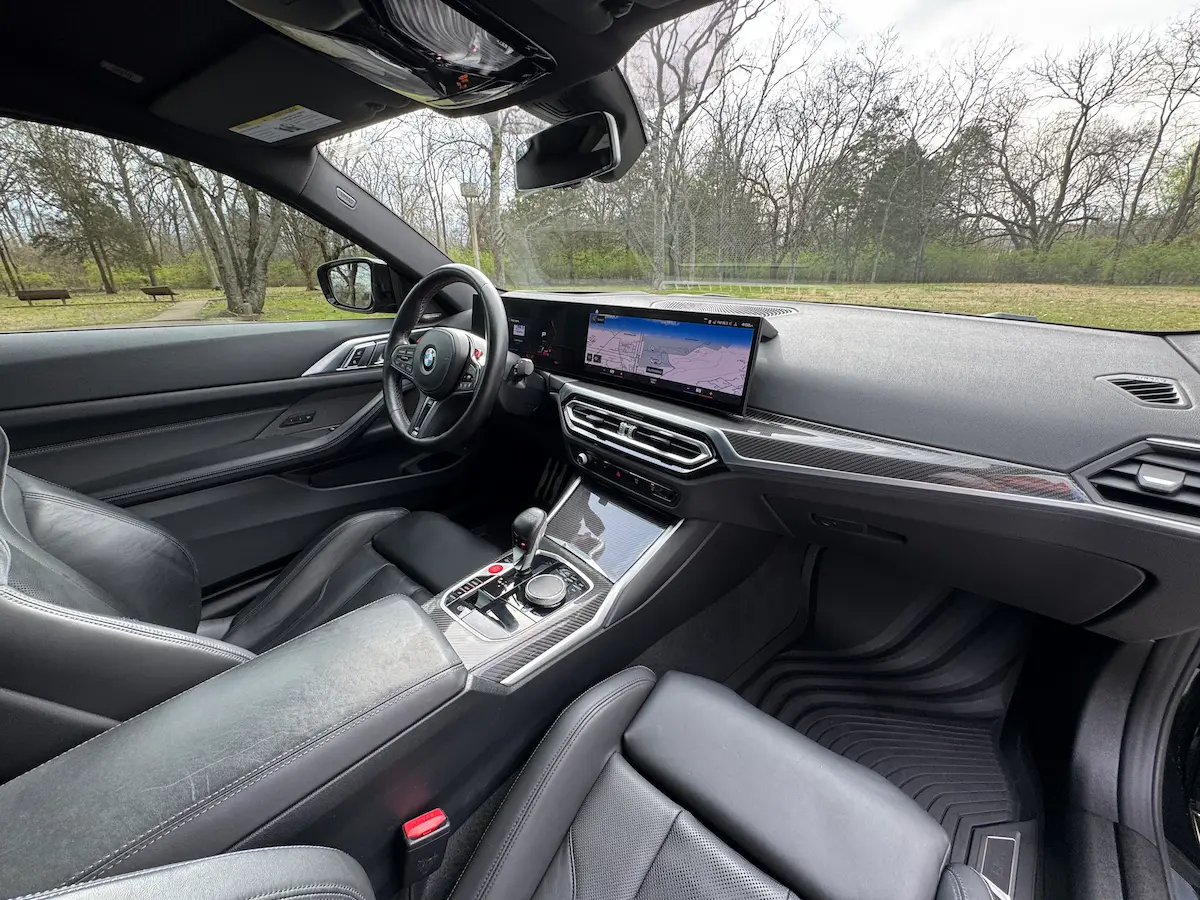
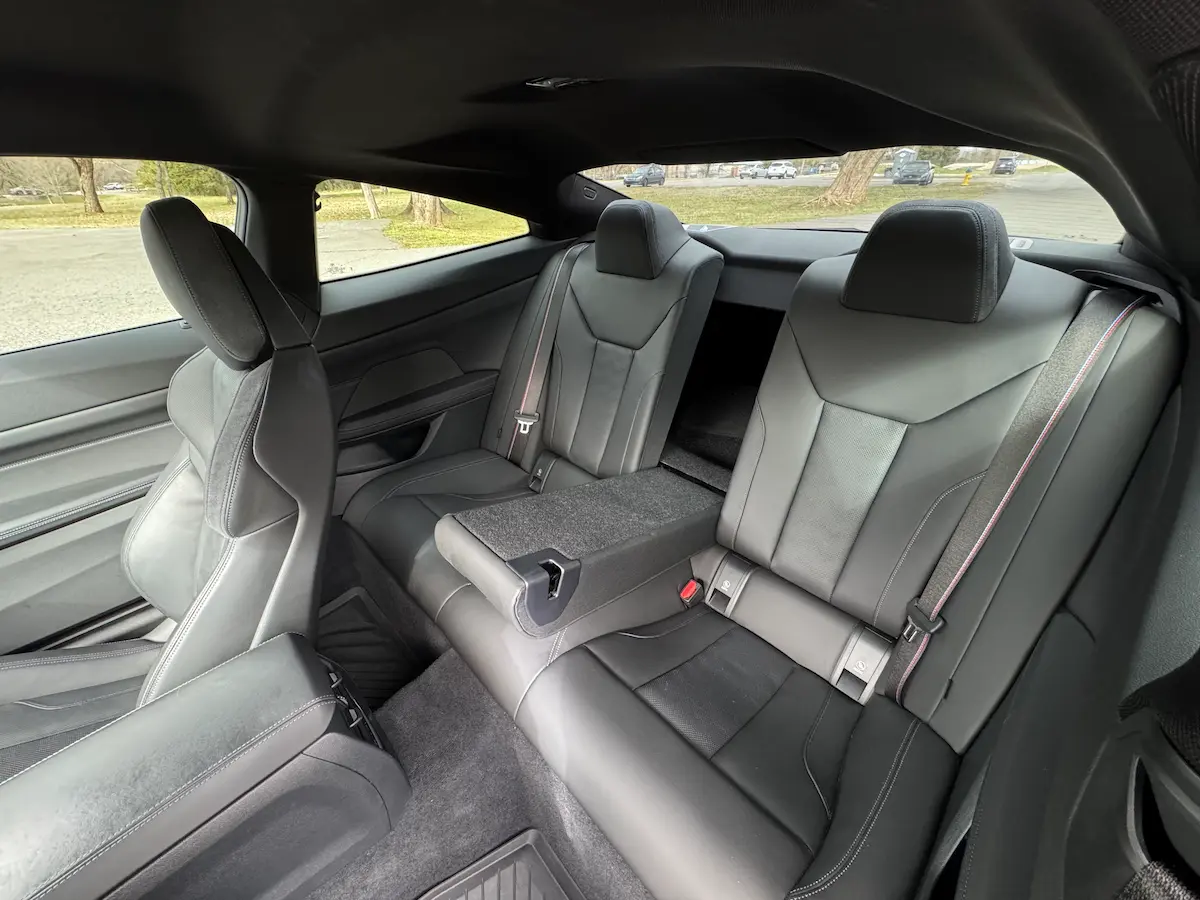
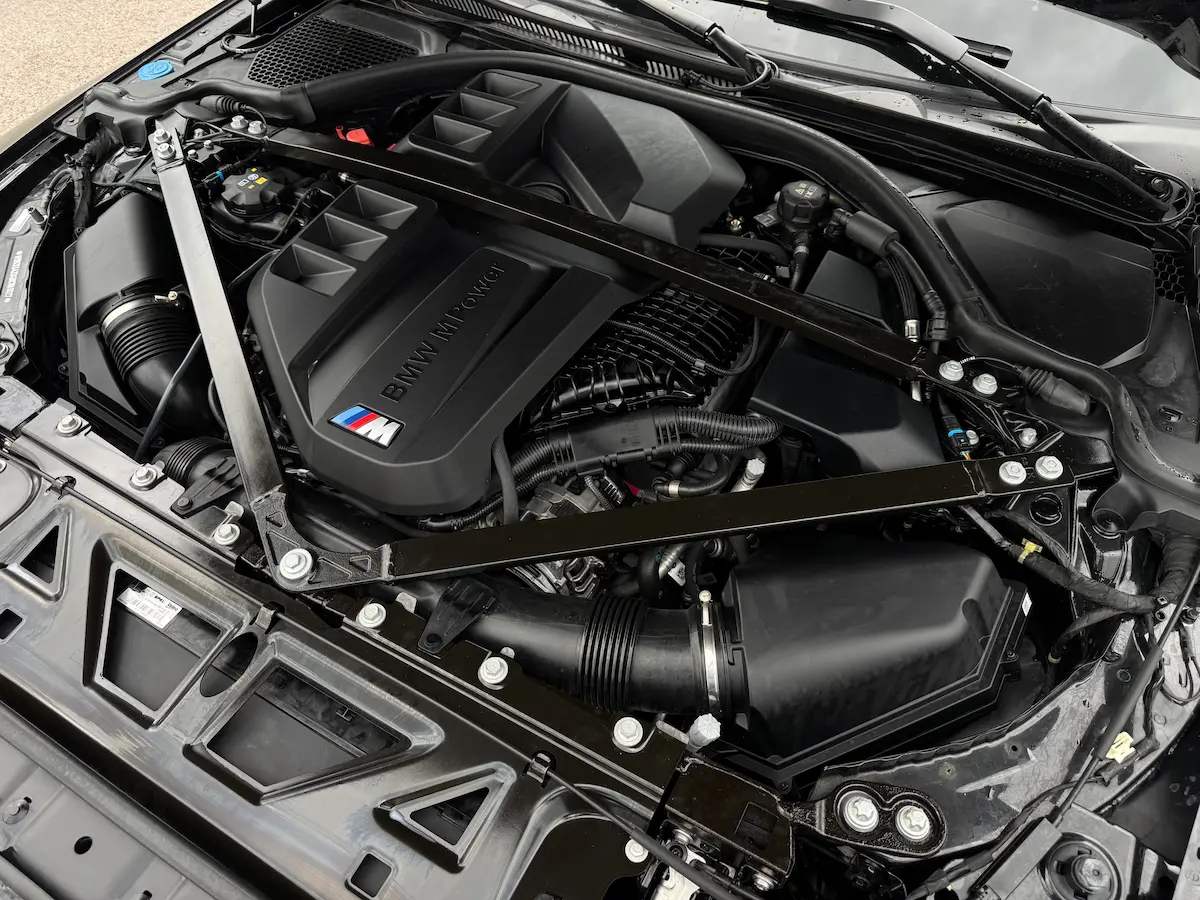
Size, Interior Space, and Daily Comfort
Performance is only part of the ownership experience. The physical size of the car also affects how comfortable it feels in everyday driving.
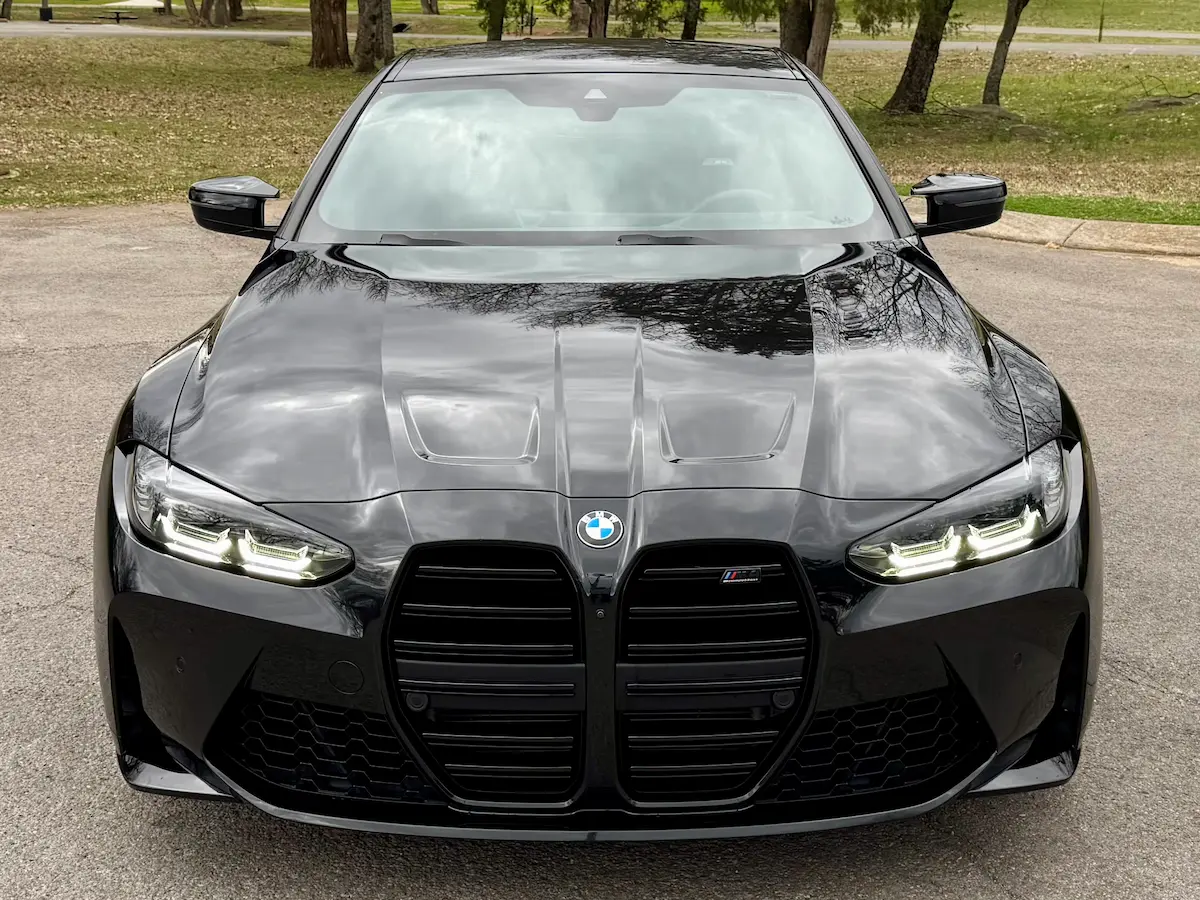
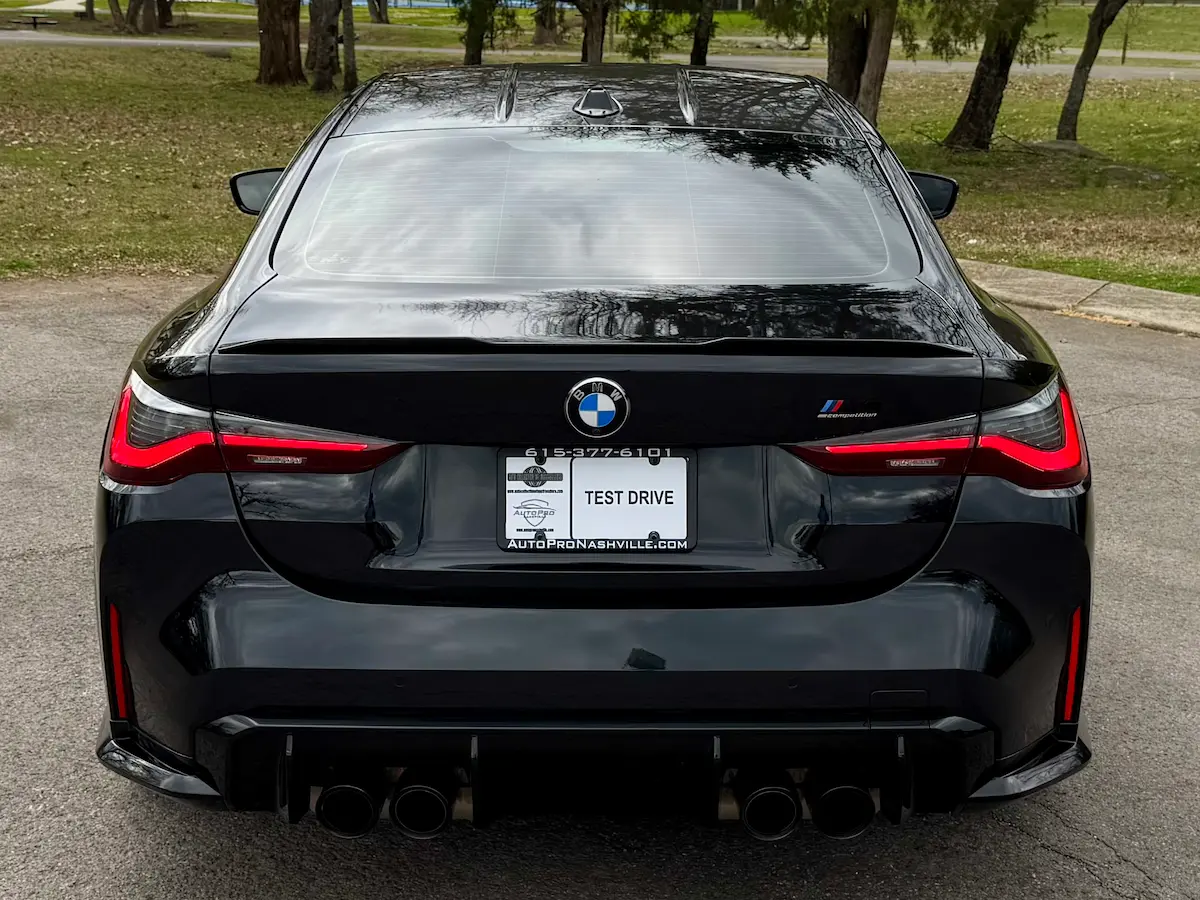
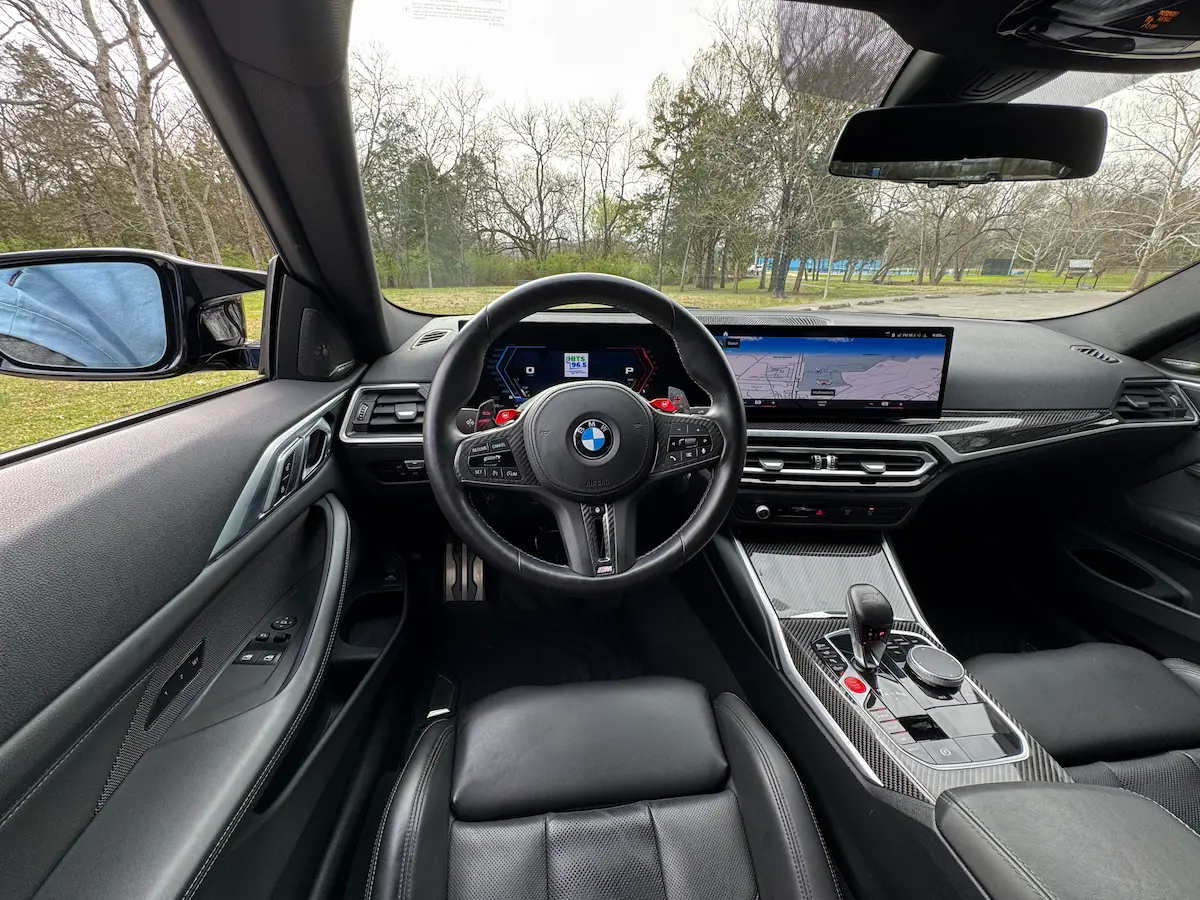
Although both cars are two-door coupes, the M4 sits on a larger platform and offers a more spacious cabin overall. Interestingly, cargo space actually favors the M2 slightly in many tests, with about 14 cubic feet of trunk space compared with roughly 12 cubic feet in the M4 coupe.
That difference in platform size changes how each car feels when you live with it day to day.
Why the M4 Works Better for Daily Driving
Because the M4 is larger, the cabin tends to feel more open. The rear seats are still compact, but they are slightly easier to use compared with those in the M2.
The ride also feels more composed during longer drives. Many owners say the M4 feels more relaxed on highways, especially during extended trips.
For buyers who plan to drive the car regularly, these details can make a noticeable difference.
Owners often appreciate:
- A cabin that feels more spacious
- Better comfort during long drives
- A smoother and more settled ride at higher speeds
These qualities make the M4 feel less like a weekend toy and more like a performance coupe that can handle daily use.
Why Some Drivers Prefer the Simpler M2
Even with the extra comfort of the M4, many enthusiasts still prefer the M2 for a simple reason. It feels more focused.
The smaller footprint makes the car easier to maneuver in tight streets, parking garages, and busy urban areas. The compact proportions also make the car feel more direct when driving enthusiastically.
For drivers who want a car that feels raw, responsive, and connected, the M2 often becomes the more appealing choice.
It is a car built first and foremost around driving enjoyment rather than interior space or luxury features.
Price and Ownership Considerations
When comparing the BMW M2 vs BMW M4, the driving experience is only part of the picture. The long-term cost of ownership can also influence the decision, especially for buyers planning to keep the car for several years.
Both models are serious performance machines, so they come with the kinds of costs you would expect from a high-performance BMW. However, there are some meaningful differences between the two.
Purchase Price
In the U.S. market, the price gap between the two cars is noticeable.
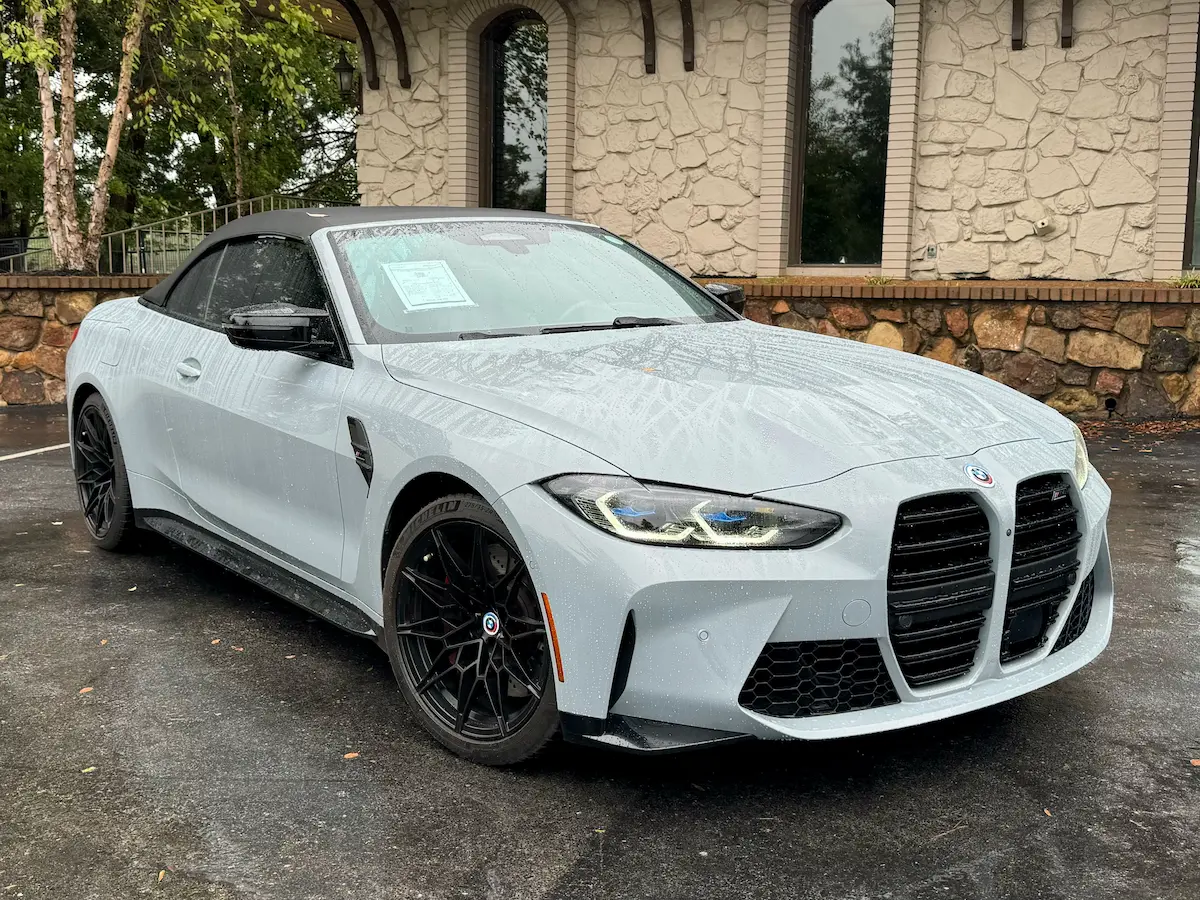
A new BMW M2 currently starts around $69,000 to $69,550 MSRP in the U.S. The BMW M4 starts around $82,200 to $83,500 depending on configuration.
Higher trims increase the gap even further. For example, M4 Competition xDrive models can exceed $91,000, while special versions such as the M2 CS can approach $100,000.
That difference of roughly $13,000 or more often makes the M2 the more accessible entry point into BMW’s M performance lineup.
On the used market, the same pattern usually holds. Comparable model years of the M4 tend to command higher prices because of their position in the lineup and higher performance ceiling.
Insurance
Insurance costs for both cars are typically higher than average because they are high-performance vehicles.
In the U.S., many owners report full-coverage insurance costs generally landing somewhere around $3,000 to $4,000 or more per year, depending on factors like driving history, location, and coverage.
Because the M4 usually has a higher purchase price and greater performance potential, premiums can sometimes be slightly higher than those for the M2.
Maintenance and Tires
Like any M car, both vehicles require proper maintenance and high-quality components.
Typical U.S. ownership estimates show:
- BMW M2 maintenance: about $850 per year on average
- BMW M4 maintenance: about $1,000 to $1,100 per year on average
High-performance tires and brakes can also add to the cost of ownership. A full set of performance tires for either car can easily cost $1,200 to $1,800, depending on the brand and size.
These costs are fairly typical for modern performance coupes in this class.
Overall Ownership Expectations
In practical terms, the BMW M2 usually has the lower cost of entry and slightly lower running costs. That makes it attractive for drivers who want an M car experience without stepping into the higher price range.
The BMW M4 costs more to buy and maintain, but it also delivers greater power, more features, and a higher overall performance ceiling.
For many buyers, the decision simply comes down to whether they prioritize value and agility, or maximum performance and refinement.
Which BMW M Car Fits Your Driving Style?
When people compare M2 or M4, the decision usually comes down to how they plan to use the car. Both models deliver the kind of performance you expect from BMW’s M division, but they appeal to slightly different types of drivers.
Some buyers want a compact coupe that feels lively and connected to the road. Others prefer a more powerful performance car that also feels comfortable during longer drives.
Here is a simple way to think about the choice.
Choose the M2 if:
- You value driver engagement and road feel
- You prefer a smaller, more agile sports coupe
- You enjoy driving on twisty roads or back roads
- You want a more affordable entry into BMW’s M lineup
For many enthusiasts, the M2 feels like the most driver-focused option. Its compact size and responsive chassis create a driving experience that feels energetic and involved.
Choose the M4 if:
- You want stronger acceleration and higher overall performance
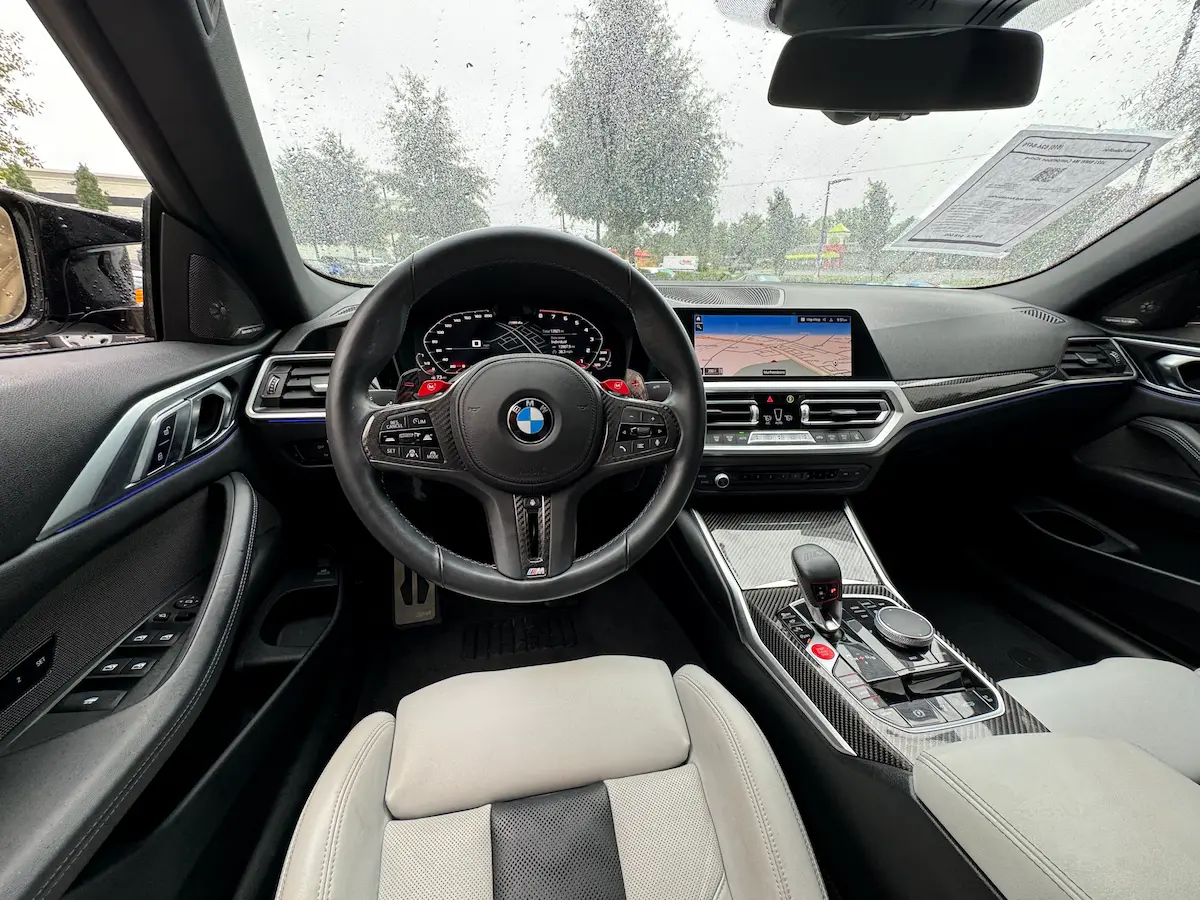
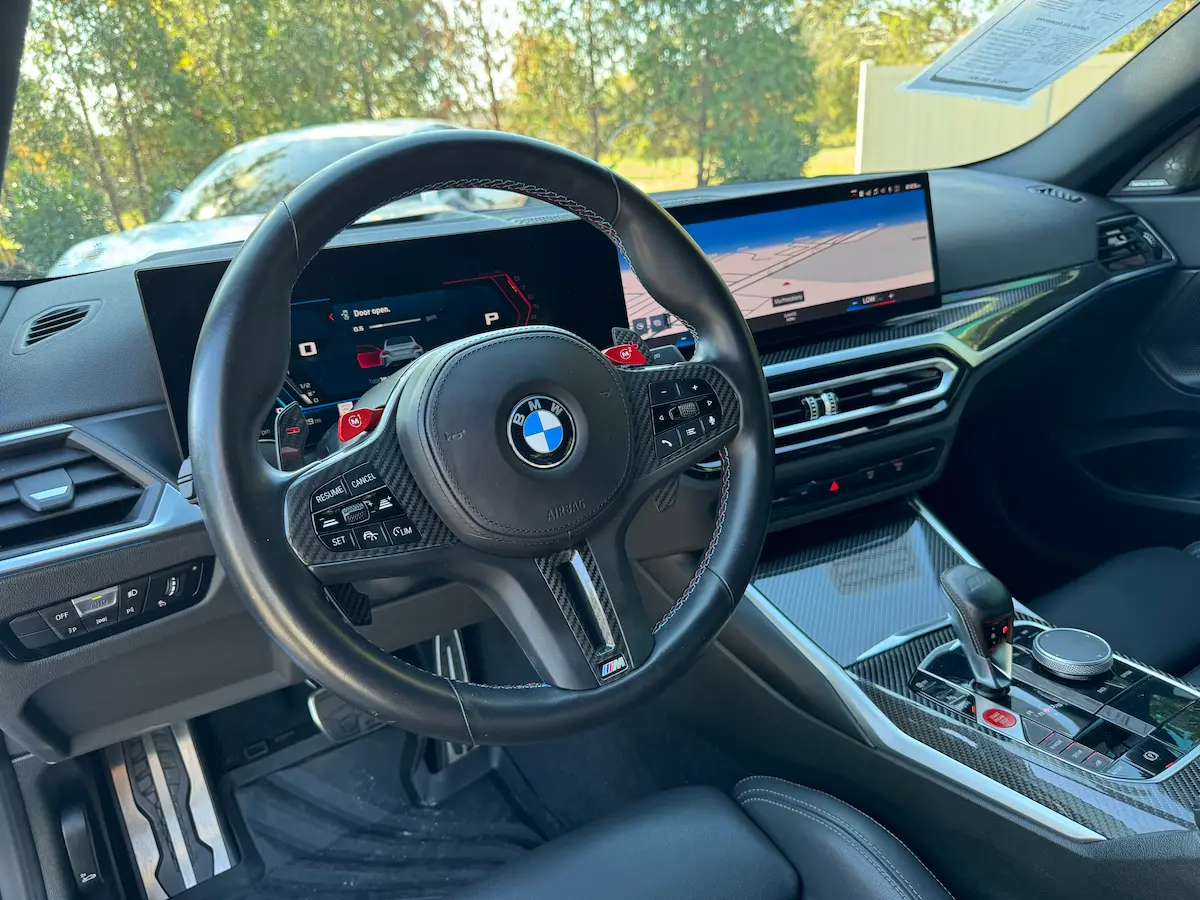
- You appreciate a more refined interior and additional technology
- You prefer stability at higher speeds
- You want a performance coupe that works well for daily driving
The M4 tends to appeal to drivers who want a broader mix of performance, comfort, and capability.
Popular Used Versions Buyers Look For
If you are shopping for a used BMW M coupe, a few versions tend to stand out among enthusiasts and reviewers.
These models often strike the best balance between performance, reliability, and modern technology.
BMW M2
One of the most popular versions on the used market is the 2019–2021 BMW M2 Competition. This model introduced the S55 twin-turbo engine from the M3 and M4, which gave the car a noticeable boost in performance while keeping the compact character that made the original M2 so appealing.
The newer generation 2023 and newer M2 models also attract attention because of their updated design, improved technology, and stronger S58 engine.
BMW M4
For the M4, many buyers look toward the 2021 redesign, which introduced the latest generation of the car along with updated performance and interior technology.
The M4 Competition models are especially popular because they offer higher power output and sharper performance tuning compared with the standard M4.
If you want a deeper look at each model, reviewing a detailed BMW M2 review guide or a BMW M4 guide can provide more background on specs, ownership tips, and model differences.
Final Thoughts: M2 or M4?
The BMW M2 vs BMW M4 comparison ultimately comes down to personality and driving priorities.
The M2 is compact, playful, and highly engaging. Many drivers see it as a car built primarily for the joy of driving.
The M4 brings more power, more stability, and a slightly more refined experience while still delivering the excitement expected from a modern BMW M coupe.
Both cars represent some of the strongest performance coupes BMW has produced in recent years.
Once you decide whether the compact feel of the M2 or the broader performance of the M4 suits you better, the next step is seeing what is currently available. You can explore the latest BMW inventory to compare available M models.
What is the main difference between the BMW M2 and BMW M4?
The BMW M2 is smaller and more playful to drive, while the BMW M4 is larger, more powerful, and more refined. The M4 also offers higher-performance trims and optional all-wheel drive.
Which is better for daily driving: BMW M2 or BMW M4?
The BMW M4 is generally better for daily driving because it offers a more spacious cabin, smoother highway ride, and more comfort features.
Is the BMW M2 faster than the BMW M4?
The base BMW M2 and base M4 both produce around 473 horsepower, but higher trims of the M4 can reach 503–523 horsepower, making the M4 faster in its Competition variants.
How much does a BMW M2 cost compared to an M4?
In the U.S. market, the BMW M2 starts around $69,000, while the BMW M4 starts around $82,000, with higher trims reaching over $90,000.
Should I buy a BMW M2 or BMW M4?
Choose the BMW M2 if you want a compact, highly engaging sports coupe. Choose the BMW M4 if you want more power, added comfort, and a broader performance range.