Jeep Gladiator Overview: Trims, Reliability, and Used Buyer Insights
The Jeep Gladiator is one of those trucks people usually have strong opinions about. Some love the idea of a pickup with removable doors and real off-road hardware. Others wonder if it makes sense as a daily driver. Both reactions are fair, and that’s exactly why the Gladiator deserves a closer look before buying one used.
Unlike most midsize trucks, the Gladiator prioritizes capability and character over refinement. It feels closer to a Wrangler with a bed than a traditional pickup, which can be either a strength or a drawback depending on how you plan to use it. Buying a used Jeep Gladiator often makes more sense than buying new, especially if you want higher trims, proven hardware, and a better understanding of long-term ownership.
This guide breaks down what actually matters when shopping for a used Jeep Gladiator, including common problems, trim differences, maintenance considerations, and which model years tend to be the best buys.
Table of Contents
Jeep Gladiator Model History & Evolution
The modern Jeep Gladiator has not changed dramatically since its return, but steady year to year refinements have made a noticeable difference in ownership experience. For used buyers, understanding what changed and when helps identify which model years offer the best balance of capability, comfort, and long term value.
The Modern Gladiator Returns (2020)
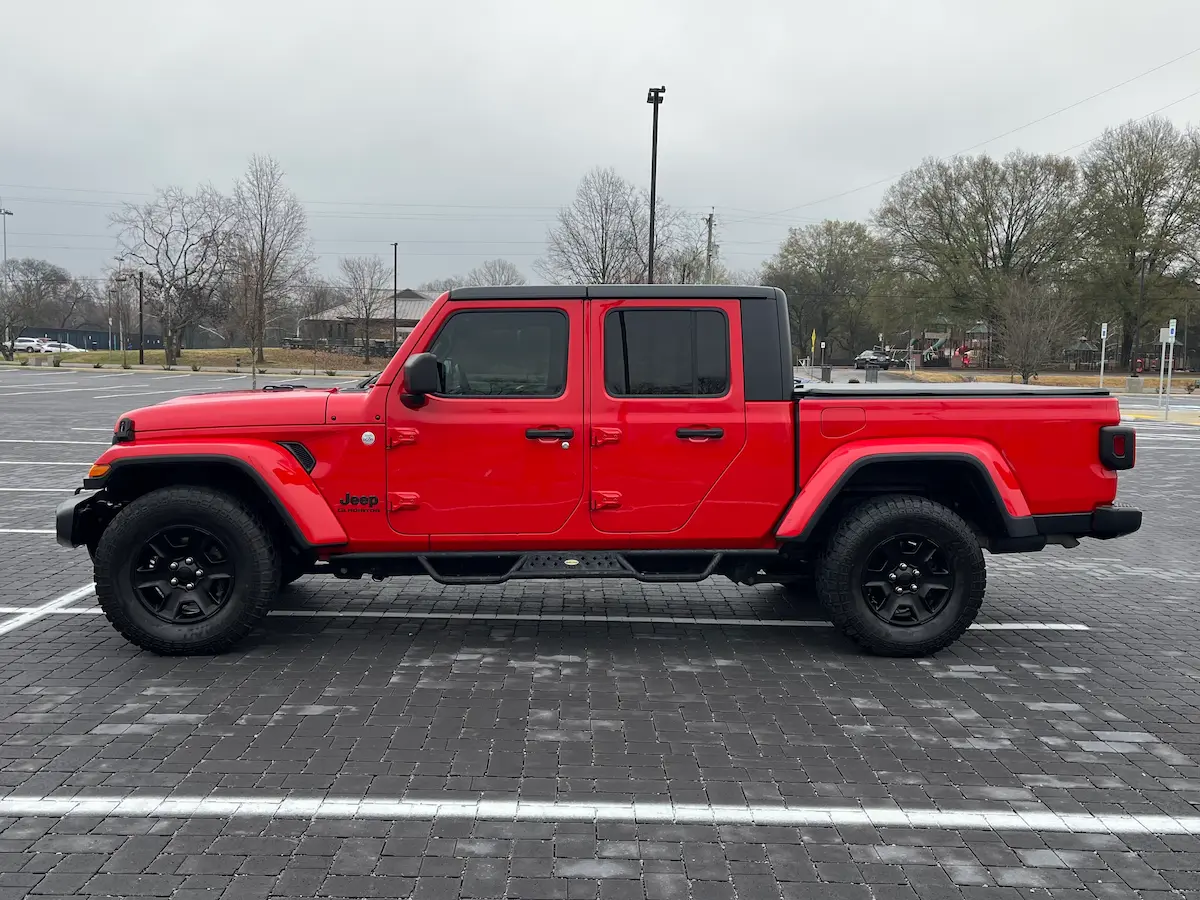
The current Jeep Gladiator launched for the 2020 model year as Jeep’s first pickup in decades. Built on the Wrangler JL platform, it entered the market with a clear focus on off road capability rather than on road comfort. From the start, it stood apart by offering:
- Removable doors and roof
- Solid axles front and rear
- Body on frame construction
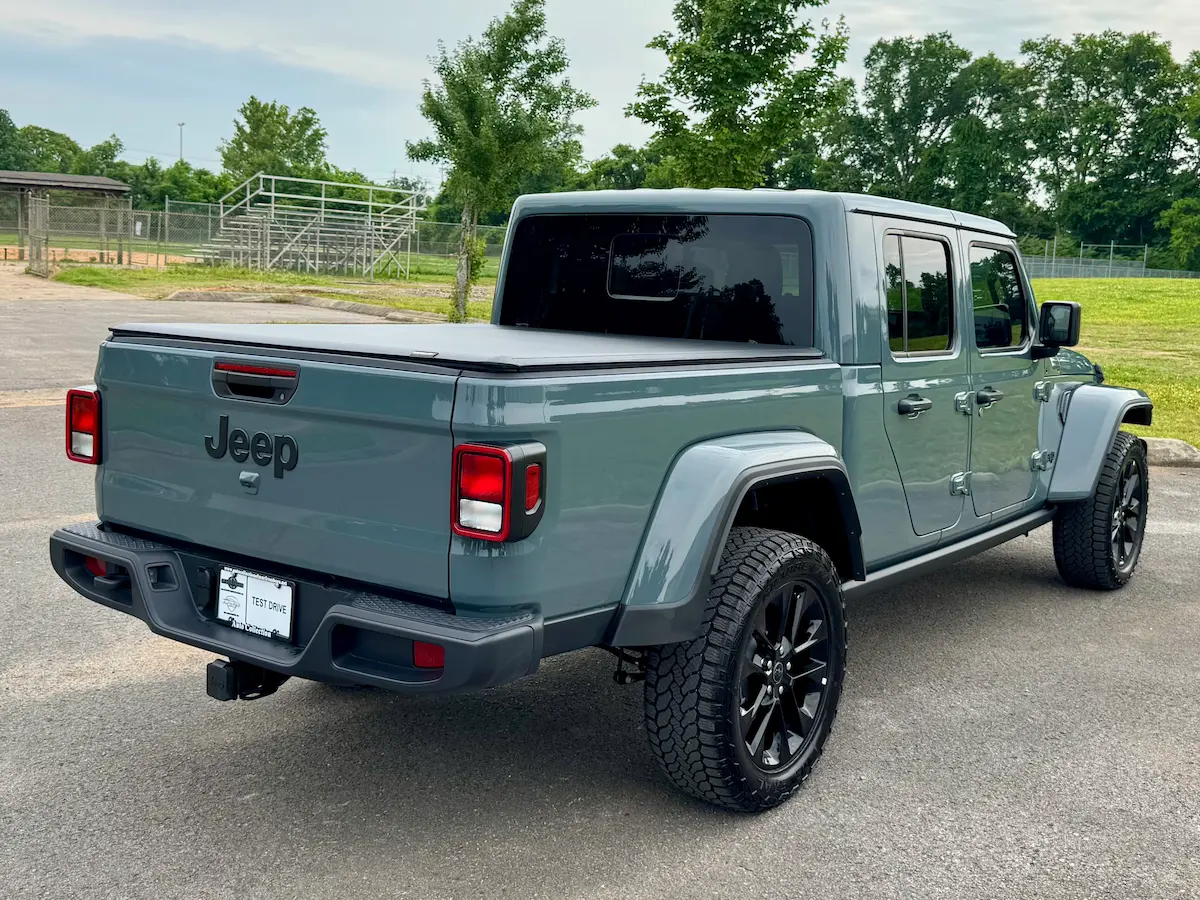
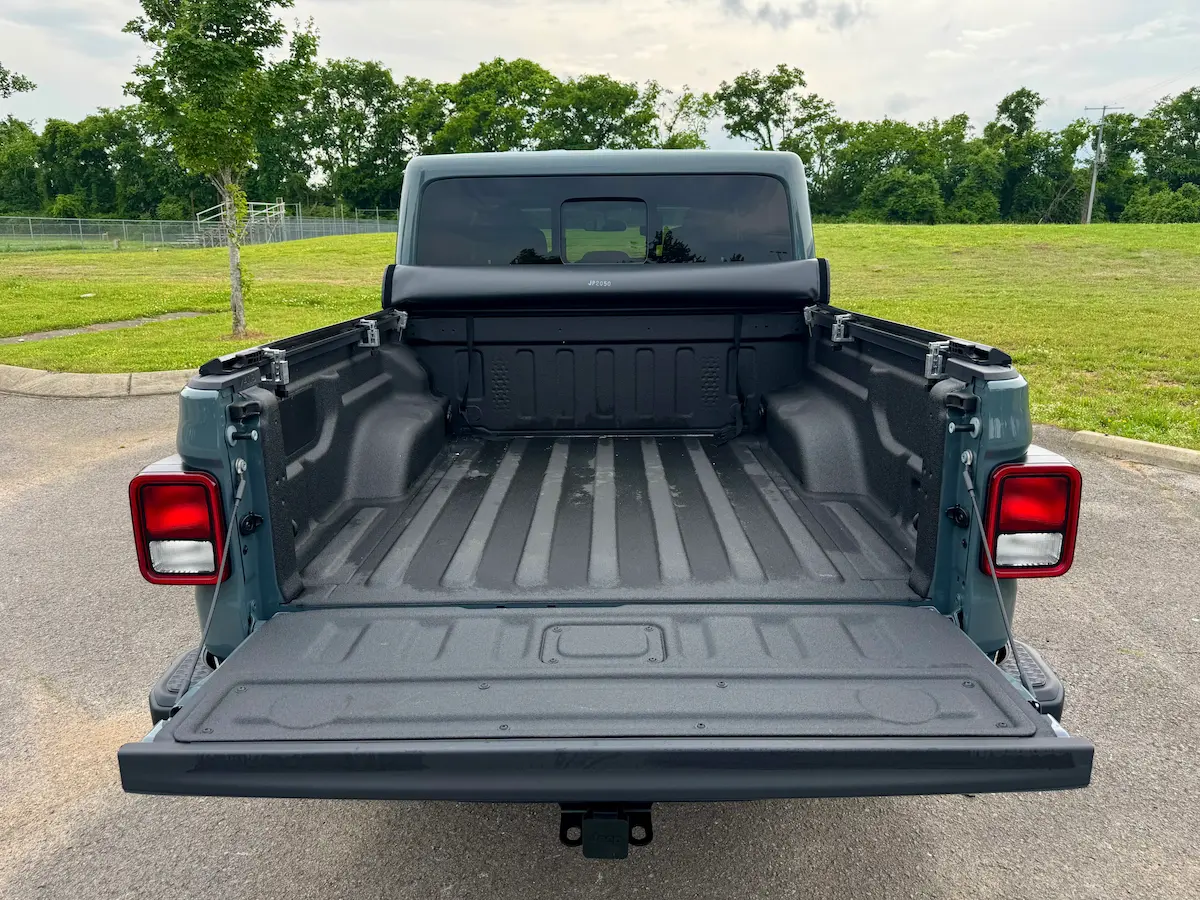
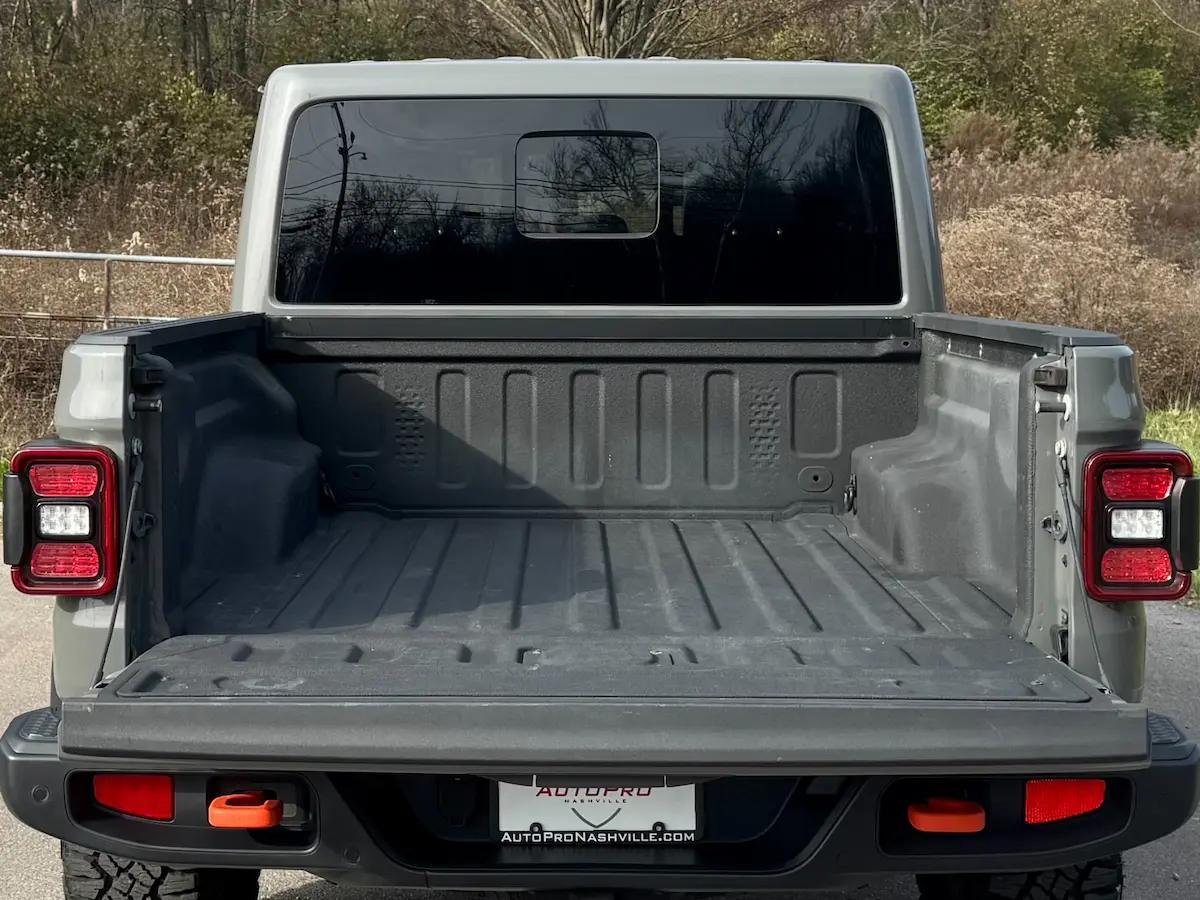
- A five foot steel truck bed
For buyers, this meant class-leading trail capability and versatility, but also clear tradeoffs in ride comfort and efficiency compared to more road-focused midsize pickups.
Early Model Focus and Owner Feedback (2020)
Early 2020 models established the Gladiator’s identity. Owners consistently praised off road performance, towing confidence, and the novelty of combining a convertible Jeep with a usable pickup bed. At the same time, daily driving refinement was a frequent point of discussion.
Steering feel at highway speeds and a firm ride were common topics among early owners. Interior materials closely mirrored the Wrangler, prioritizing durability over softness or luxury. For today’s used buyers, this means early models can offer strong value, but they benefit from closer inspection and realistic expectations.
Incremental Refinement Over Time (2021–2023)
Rather than redesigning the Gladiator, Jeep focused on gradual improvements driven by owner feedback. Models produced after the initial launch benefited from:
- Steering updates that improved on road confidence
- More responsive infotainment systems following early software updates
- Wider availability of driver assistance features across trims
- Minor interior fit and finish improvements, especially in higher trims
These changes did not alter the Gladiator’s core personality, but they made later model years feel more settled and easier to live with day to day. This is why many used buyers continue to gravitate toward this range.
Continued Updates and the Current Generation (2024–2025)
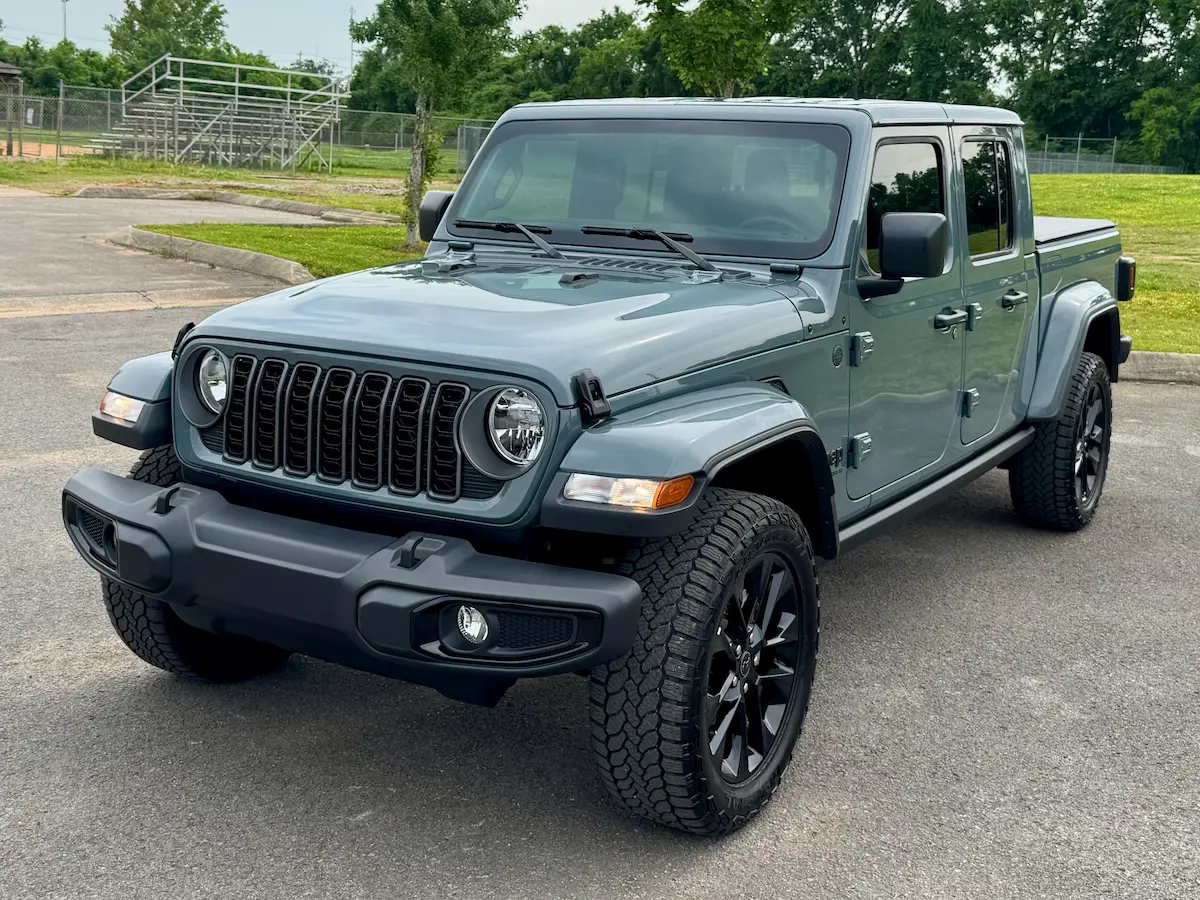
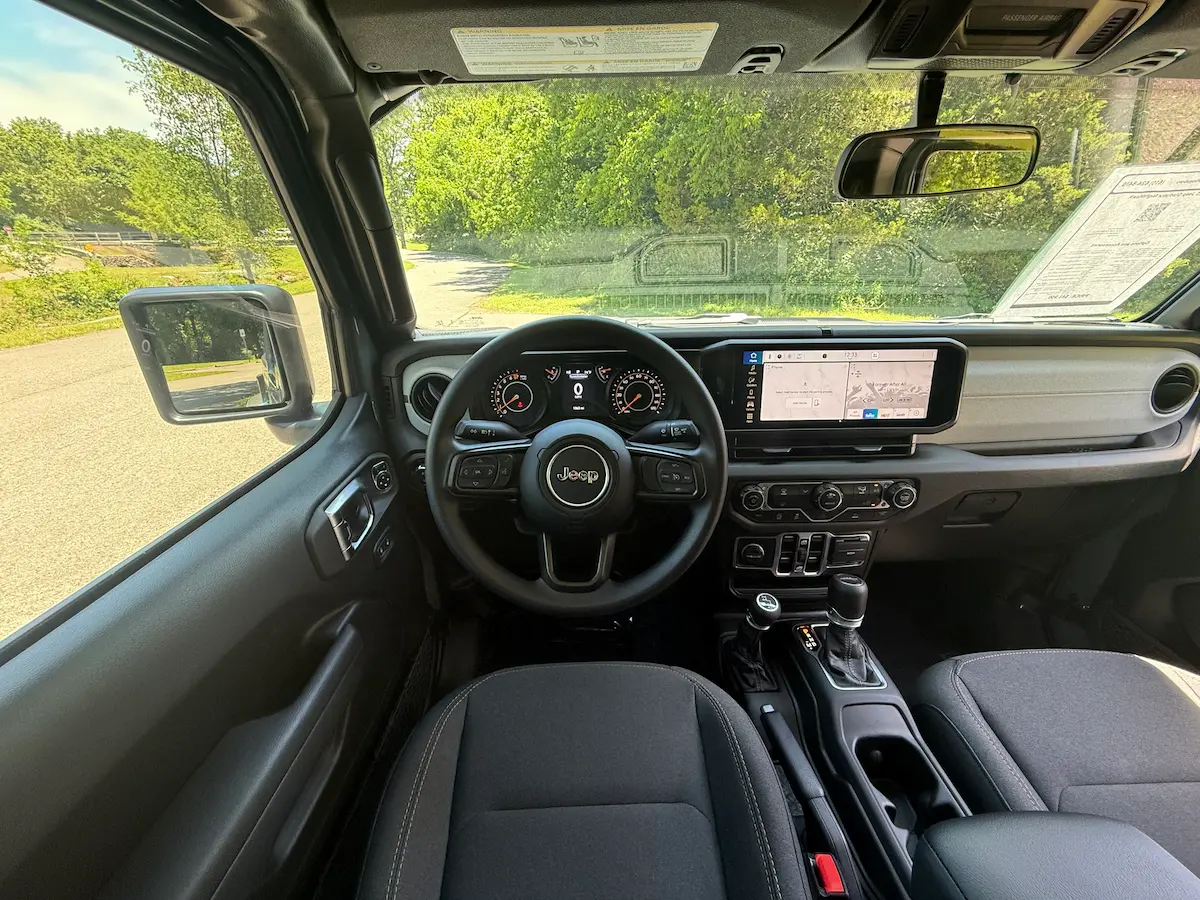
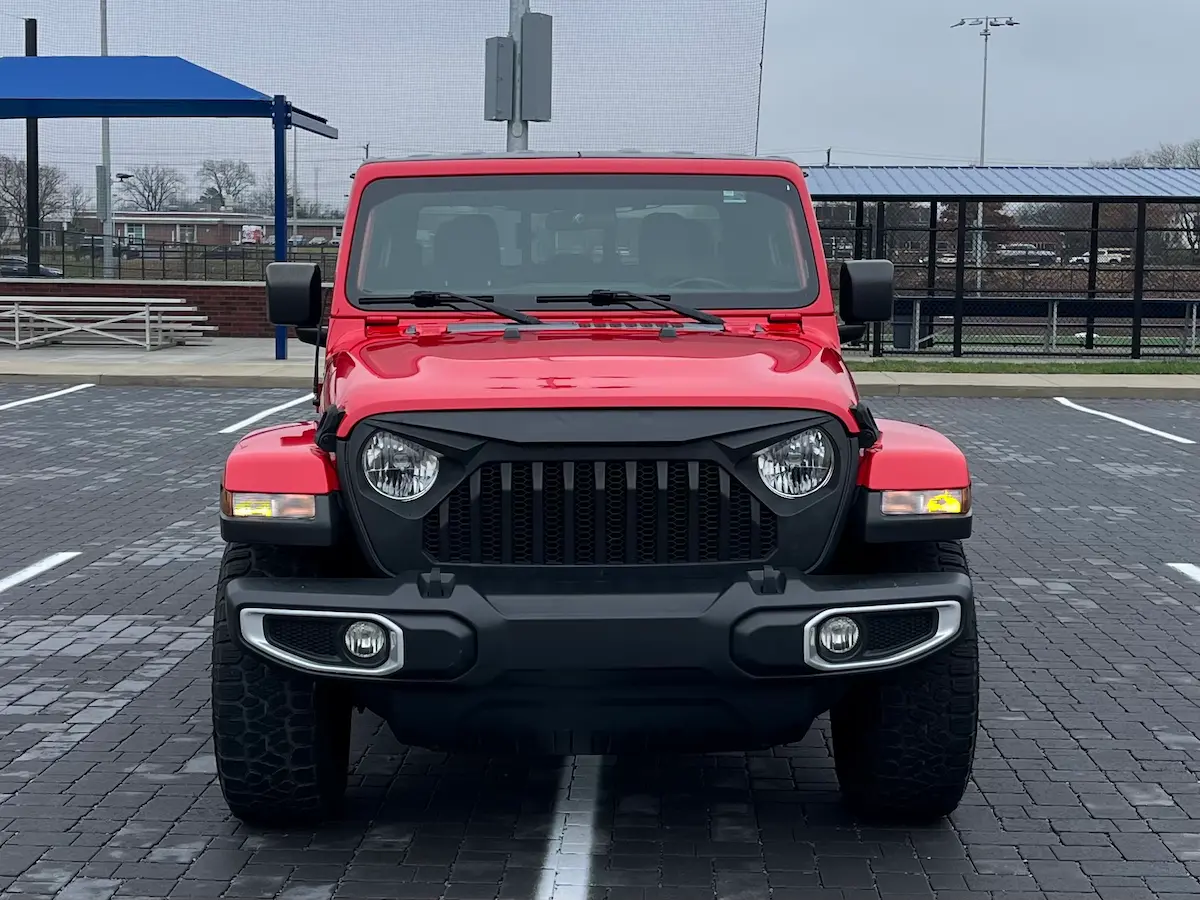
The Gladiator received its most noticeable update for the 2024 model year. Changes focused on interior technology, safety, and usability rather than mechanical redesign. Updates included a refreshed front end, a standard larger touchscreen with the latest infotainment system, added safety equipment such as side curtain airbags, and improved overall cabin usability.
For shoppers in 2026, this means newer used Gladiators generally represent the most refined version of the platform while retaining the same off road capability that defined the model from the start.
How the Gladiator Is Viewed Today
Today, the Jeep Gladiator is widely seen as a purpose built truck for drivers who value versatility and character over refinement. It remains less comfortable and less efficient than many midsize pickups, but far more capable off road.
For used buyers, the Gladiator’s year to year evolution matters because it directly affects steering feel, technology, and daily comfort. Understanding these changes makes it easier to choose a model year that aligns with your priorities, whether that means maximizing value or finding the most refined version available.
For a broader look at Jeep’s evolution and how different models fit various driving styles, our guide Unleashing the Jeep Spirit at AutoPro Nashville provides helpful background and context.
Jeep Gladiator Specs and Trim Overview
The Jeep Gladiator may be classified as a midsize pickup in the US market, but it behaves very differently from most competitors. It is designed around off road capability and modularity first, with comfort and efficiency playing a secondary role. Understanding how each trim is positioned makes choosing the right used Gladiator much easier.
Powertrains and Performance
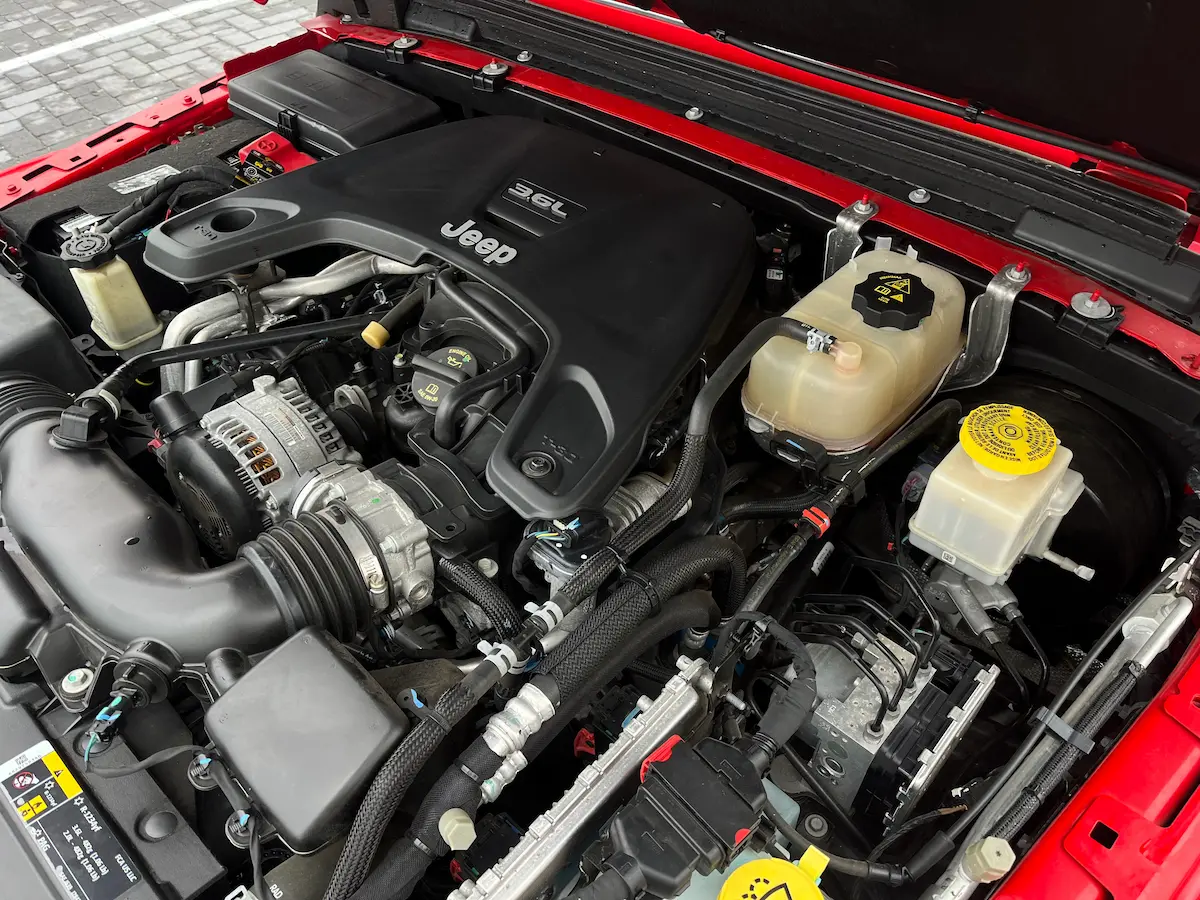
Most used Jeep Gladiators in the US are equipped with the 3.6L V6, which remains the most common and proven option for daily driving, towing, and trail use. Earlier model years also offered a 3.0L EcoDiesel V6, which is now found only on the used market, as it was discontinued after the 2023 model year. The diesel option is typically sought out by buyers who prioritize torque and highway efficiency.
The Gladiator is not quick by design. Gearing, suspension, and axle ratios emphasize control and durability rather than acceleration. Trims equipped with larger tires and off road hardware trade fuel economy and on road sharpness for traction and stability in challenging conditions.
Jeep Gladiator Trim Comparison (US Market)
| Trim | Primary Focus | Off Road Capability | Ride Comfort | Interior & Tech | Best For |
|---|---|---|---|---|---|
| Sport / Sport S | Entry level flexibility | Basic | Moderate | Basic to moderate | Buyers who plan to modify or want the lowest entry price |
| Sahara | Balanced daily use and style | Low to moderate | High | Moderate to high | Buyers wanting comfort without off-road extremes |
| Willys | Value focused off road readiness | Moderate | Moderate | Moderate | Weekend trail use without Rubicon cost |
| Overland / High Altitude | Daily driving and comfort | Low to moderate | High | High | Buyers prioritizing comfort and appearance |
| Rubicon / Rubicon X | Technical off road performance | Very high | Moderate | Moderate to high | Rock crawling and serious trail use |
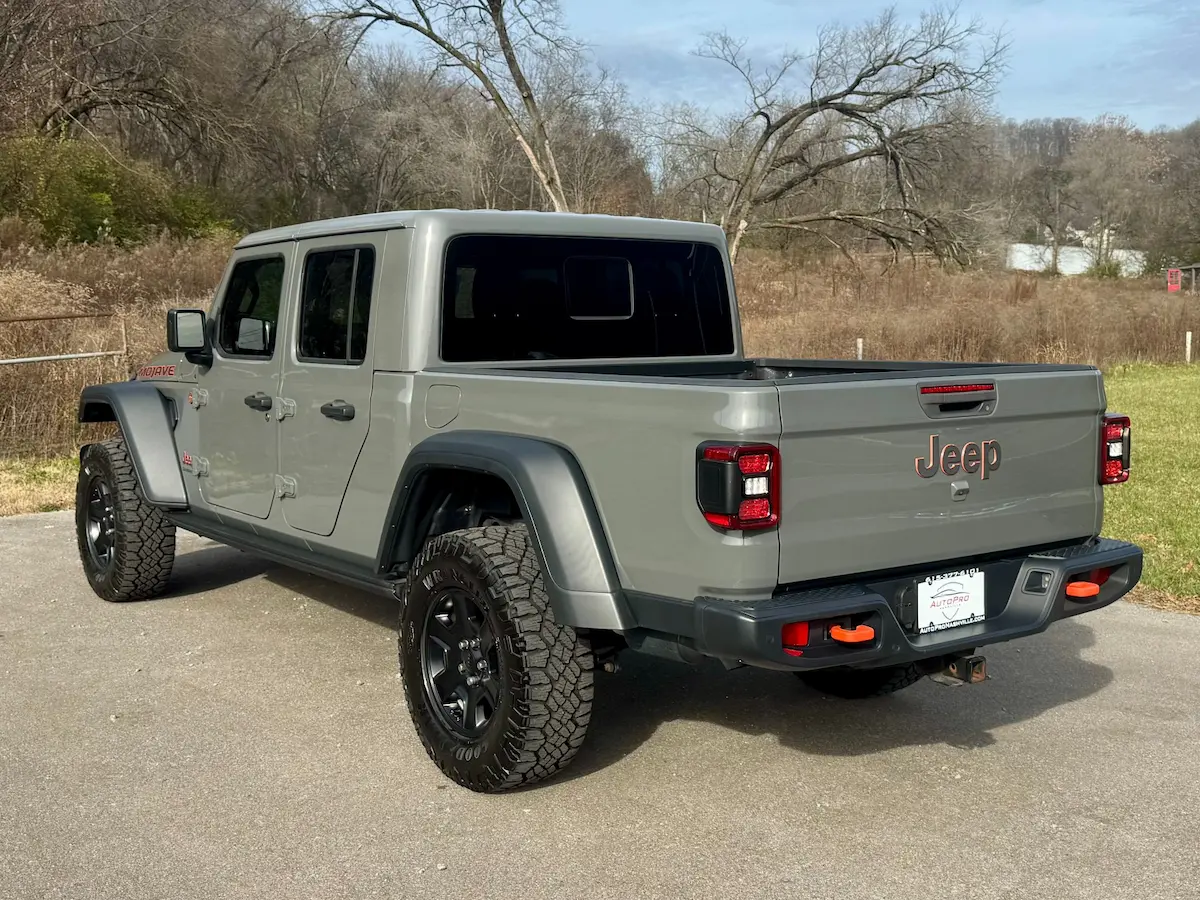
| Mojave / Mojave X | High speed off road stability | Very high | Moderate | Moderate to high | Desert, dirt roads, and fast off pavement driving |
This table reflects how Gladiator trims are typically positioned and sold in the US used market. For shoppers in 2026, later production versions of these trims generally feel more refined and easier to live with than early examples.
Sport and Sport S
Sport and Sport S trims remain the most common entry point into Gladiator ownership. Sport models are typically more basic, while Sport S adds convenience features that improve daily usability. In the used market, options matter more than the trim badge itself, as equipment packages vary widely.
These trims work well for buyers who want flexibility, plan aftermarket upgrades, or prefer a straightforward Gladiator without paying for factory off road packages.
Sahara
Sahara trims are positioned as the comfort- and style-focused option in the current Gladiator lineup, including 2026 models. They typically offer upgraded interiors, smoother on-road manners, and appearance enhancements while retaining light off-road capability.
Sahara is best suited for buyers who want a Gladiator that feels more refined for daily driving without stepping into the heavier off-road hardware found on Rubicon or Mojave trims.
Willys
Willys trims offer a middle ground between entry level and specialized off road models. They usually include more aggressive tires, unique styling elements, and traction focused features. Willys appeals to buyers who want off road confidence for light to moderate trails without stepping up to Rubicon or Mojave pricing.
Overland and High Altitude
Overland and High Altitude trims were the comfort focused options in earlier model years, particularly through 2023. They deliver a smoother driving experience, upgraded interiors, and refined appearance packages, making them well suited for buyers who spend most of their time on pavement.
For buyers shopping newer used models, similar comfort and appearance features are now typically found through option packages and higher level trims rather than a standalone Overland model.
Rubicon and Rubicon X
Rubicon trims are built for technical terrain, with factory hardware designed for serious trail use. Rubicon X, introduced for the 2024 model year, builds on this capability by adding premium interior materials, a larger touchscreen, and upgraded technology while retaining the same off road strength.
On the used market, these trims continue to hold value due to consistent demand and capability.
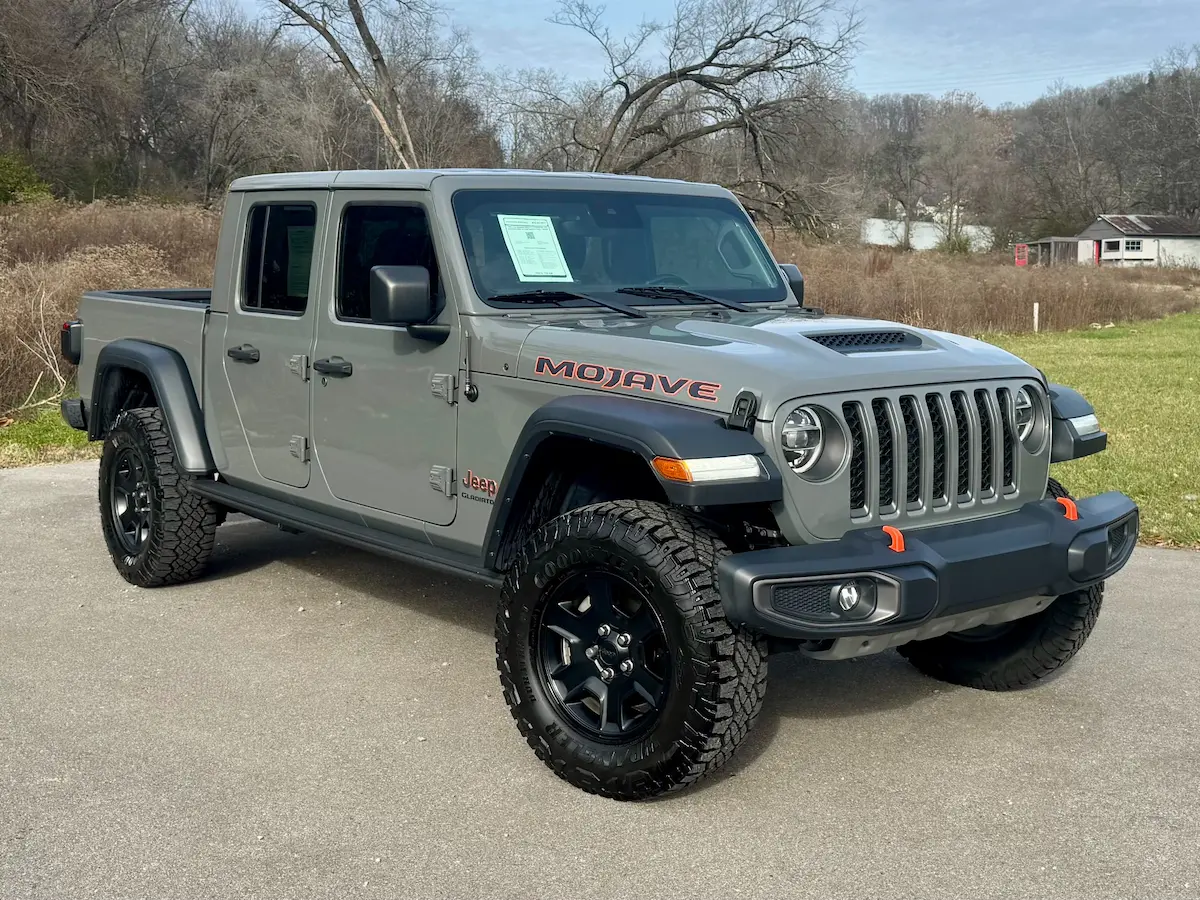
Mojave and Mojave X
Mojave trims focus on high speed off road driving rather than slow, technical crawling. Suspension tuning and chassis reinforcements prioritize stability over rough surfaces at speed. Mojave X, also introduced for the 2024 model year, adds comfort and technology upgrades for buyers who want performance without sacrificing refinement.
If you want another take on what it’s like to live with a Gladiator, Car and Driver shares a straightforward review that covers how it drives, rides, and feels in everyday use.
Interior and Technology
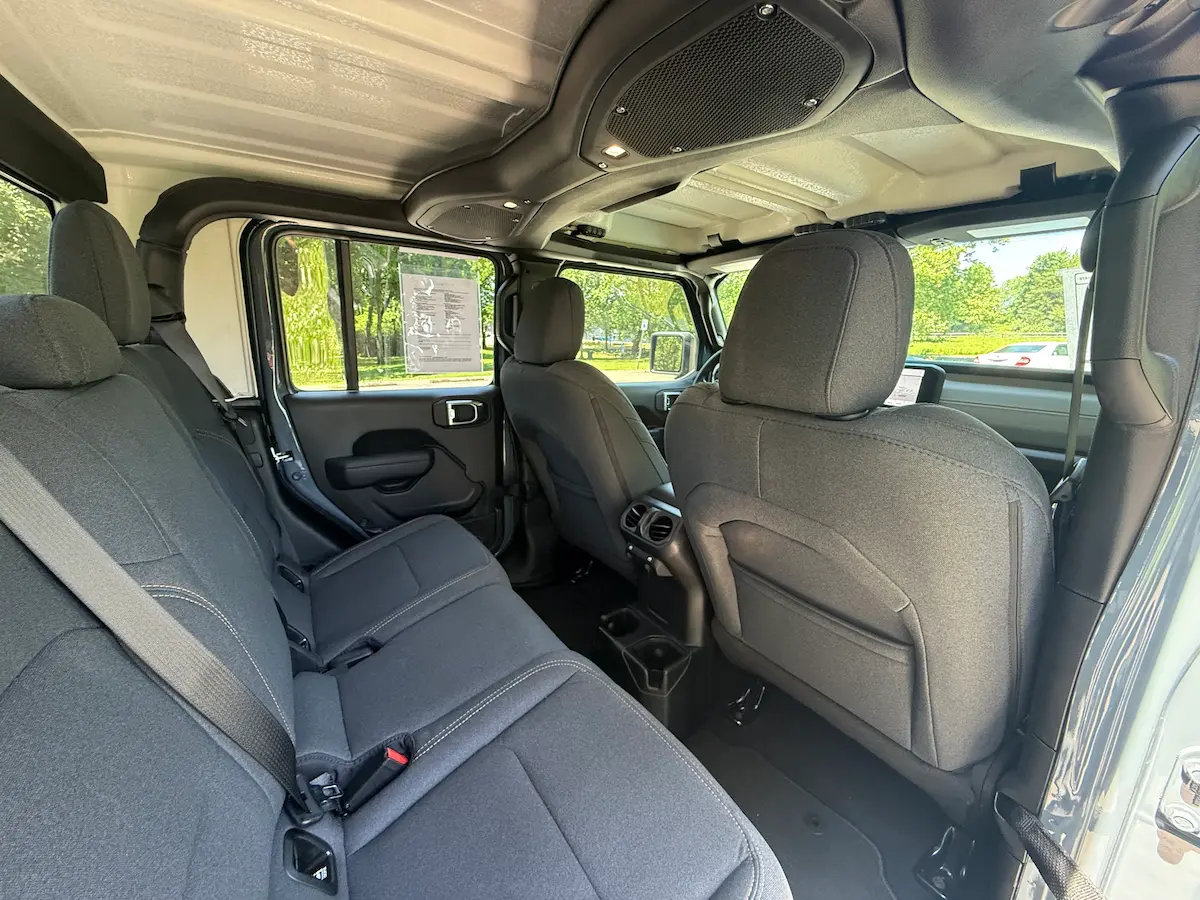
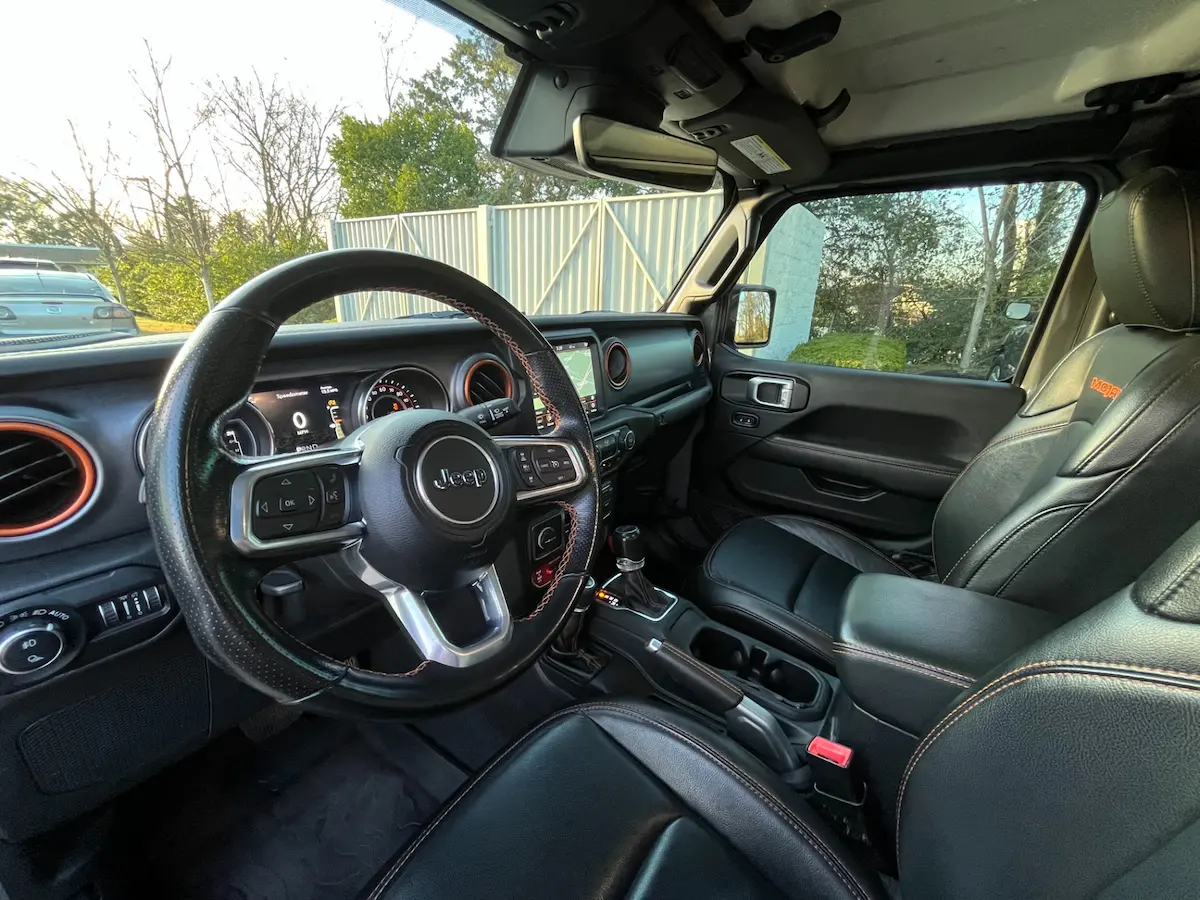
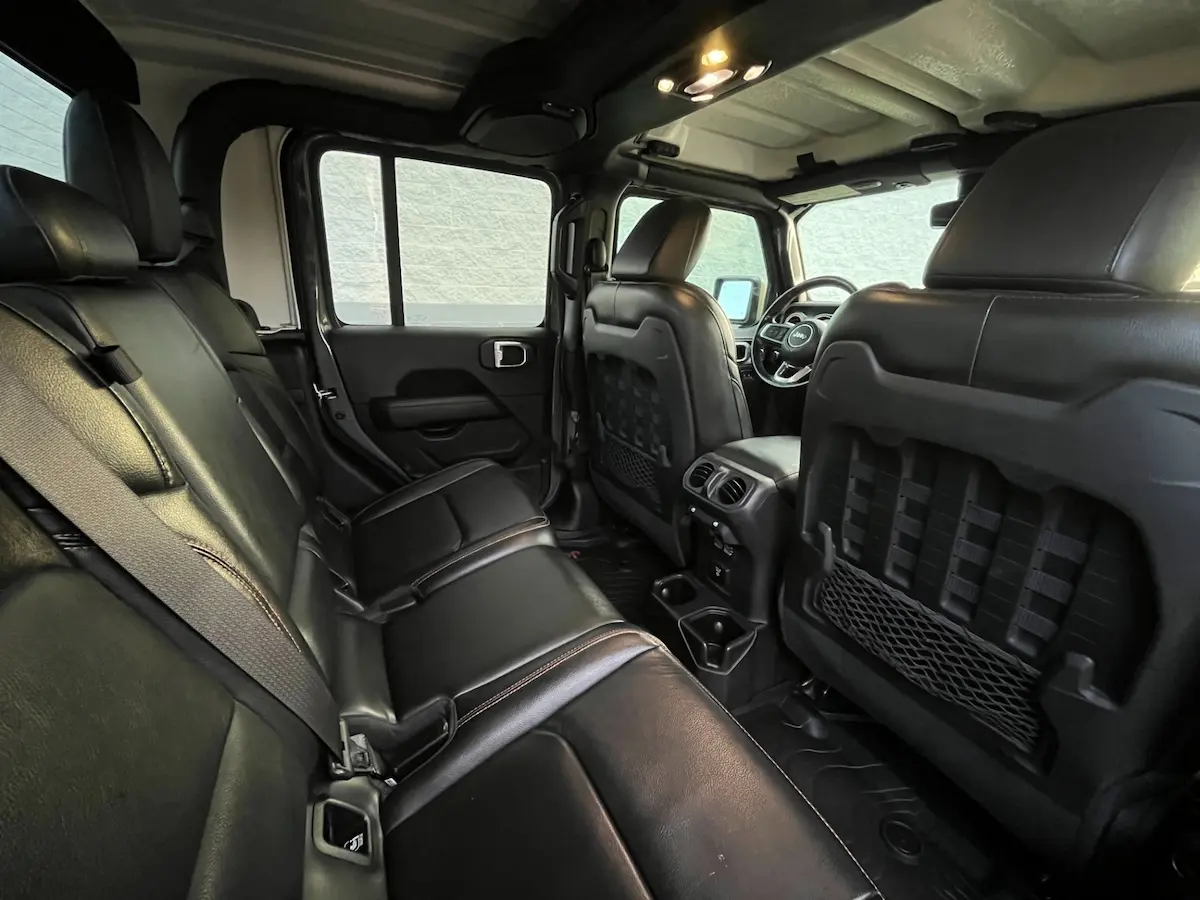
Interior quality improves noticeably in later model years and higher trims. Models updated from 2024 onward introduced a standard 12.3 inch touchscreen, updated interfaces, added safety features such as side curtain airbags, and broader availability of driver assistance technology. While the Gladiator interior remains rugged by design, later models and premium trims feel significantly more livable for daily driving.
Jeep Gladiator Buying Guide for Used Buyers
Buying a used Jeep Gladiator requires more consideration than many midsize pickups. Trim selection, prior use, and model year updates all play a role in long term satisfaction. This guide focuses on practical evaluation, real ownership experience, and what actually impacts value over time in today’s used Jeep Gladiator market.
Common Jeep Gladiator Problems to Watch For
The Gladiator’s design brings clear strengths along with some tradeoffs. Based on owner feedback, service trends, and long term reviews, most Jeep Gladiator reliability issues fall into a few consistent categories.
Steering feel on early models
- Most commonly reported on early production years
- Some drivers describe light or vague highway steering
- Later model years received updates that improved on road confidence
Wind noise from removable panels
- A direct result of the removable roof and doors
- Noise levels vary depending on seal condition and panel alignment
- More noticeable compared to fixed roof midsize trucks
Infotainment and software quirks
- Typically software related rather than hardware failures
- Issues are often resolved through updates
- Screen responsiveness and phone connectivity should be tested during inspection
Wear related to off road use
- Heavy trail use can accelerate wear on suspension and steering components
- Skid plates, underbody protection, and bushings deserve close inspection
- Service records are especially important for Rubicon and Mojave trims
These are not universal problems, but they represent the most common Jeep Gladiator reliability issues discussed by long term owners. They also highlight why inspection and documentation matter more with this model than with many traditional pickups.
Jeep Gladiator Maintenance Tips for Used Buyers
Routine upkeep plays a major role in long term ownership satisfaction. Basic Jeep Gladiator maintenance tips include staying current on suspension inspections, monitoring tire wear closely, and keeping software up to date. On newer model years, it is also worth confirming driver assistance systems and electronic features are functioning properly and calibrated as intended.
A Gladiator that has received consistent maintenance is far more likely to deliver dependable ownership, regardless of trim.
What to Inspect When Buying a Used Jeep Gladiator
Beyond standard used truck checks, Gladiator buyers should pay close attention to:
- Undercarriage condition, especially skid plates and suspension mounting points
- Tire wear patterns that may indicate alignment or suspension issues
- Signs of water intrusion around roof panels and door seals
- Aftermarket modifications and the quality of their installation
A lightly used, properly maintained Gladiator can be a strong long term vehicle. One that has been heavily modified or poorly maintained can quickly increase Jeep Gladiator ownership costs.
Best Used Jeep Gladiator Years to Buy
From an ownership and value standpoint, many buyers still prefer 2021 through 2023 models, as these years benefit from refinement without moving into significantly higher pricing. Early 2020 models can also be solid values when properly maintained, though they require closer inspection and a stronger service history.
For buyers shopping in 2026, well priced used examples from 2024 and newer can offer additional refinement and updated technology, often at a higher but still reasonable cost. Rather than focusing on year alone, most buyers are better served by prioritizing condition, maintenance history, and trim suitability.
Jeep Gladiator vs Toyota Tacoma and Other Midsize Pickup Competitors
Comparing the Jeep Gladiator to other midsize trucks like the Toyota Tacoma, Ford Ranger, and Chevrolet Colorado helps set realistic expectations. Each of these trucks is designed with a different priority in mind, and none is objectively better in every situation.
| Model | Strengths | Trade Offs |
|---|---|---|
| Jeep Gladiator | Off road capability, removable roof and doors, modular design | Ride comfort and fuel economy |
| Toyota Tacoma | Long term reliability reputation, strong resale value | Interior design and technology feel dated |
| Ford Ranger | Comfortable on road driving, responsive turbo power | Less off road focused out of the box |
| Chevrolet Colorado | Smooth ride, modern infotainment options | Less personality and modularity |
How the Gladiator Compares in Real World Use
In a Jeep Gladiator vs Toyota Tacoma comparison, the difference comes down to character and use case. The Tacoma is widely known for reliability and resale value, making it a safe long term ownership choice for many buyers. The Gladiator, on the other hand, offers a level of off road capability and open air flexibility that the Tacoma does not attempt to match.
Compared to the Ford Ranger, the Gladiator trades on road comfort and fuel efficiency for trail capability and modular design. Against the Chevrolet Colorado, the Gladiator stands out for uniqueness and versatility rather than ride quality or technology polish.
The Gladiator is not the most comfortable or efficient midsize truck, and it does not try to be. Buyers who value capability, customization, and open air driving tend to prefer it, while those prioritizing refinement and efficiency may lean toward other options. Understanding these tradeoffs is key to long term satisfaction.
Final Thoughts on Buying a Used Jeep Gladiator
The Jeep Gladiator stands apart because it is not designed to appeal to everyone. It combines pickup utility with Jeep character, off road capability, and open air freedom in a way no other midsize truck does. That uniqueness is exactly why choosing the right year, trim, and condition matters.
Buying a used Jeep Gladiator often makes more sense than buying new. Most depreciation happens early, especially on higher trims, which allows used buyers to access configurations like Rubicon or Mojave at a more reasonable price. Ownership costs also tend to be more predictable once depreciation has leveled off and real world maintenance patterns are better understood.
When matched to the right driver, the Gladiator delivers versatility and personality that few trucks can replicate. If you are exploring your options, you can browse our used Jeep Gladiator inventory to see available trims and configurations. And if you are searching for a specific year, trim, or setup, you are welcome to call 615-377-6101 to speak with our team for guidance or availability.
Is the Jeep Gladiator reliable long term?
Yes, with regular maintenance, long-term reliability is solid, especially on later model years.
What are the most common Jeep Gladiator reliability issues?
Early models can show steering feel complaints, wind noise from removable panels, and occasional infotainment software issues.
Which Jeep Gladiator trim is best?
Overland suits daily driving, Rubicon is best for technical off-road use, and Mojave is ideal for high-speed dirt and desert terrain.
Are Jeep Gladiator ownership and maintenance costs high?
Ownership costs are moderate, though frequent off-road use can increase suspension and steering wear over time.
What are the best used Jeep Gladiator years to buy?
Many buyers prefer 2021–2023 models, while 2024 and newer used examples offer more refinement at higher prices.