Tesla Model S Review: Reliability, Trims, and Used Buying Tips
The Tesla Model S has been on the road for more than a decade, but it hasn’t aged like a typical luxury sedan. Instead of relying on traditional redesign cycles, Tesla has continuously updated the Model S through hardware changes and software improvements, which means a used example from one year can feel very different from another.
For buyers considering a used Tesla Model S, the real challenge isn’t deciding whether the car is impressive—it’s understanding which years, trims, and configurations make the most sense today. Performance, range, technology, and long-term ownership expectations can vary significantly depending on when the vehicle was built.
This guide breaks down how the Model S evolved, what to expect from different trims, which model years offer the best value, and how it compares to other luxury sedans in the segment—so you can decide whether a used Model S is the right fit for your needs.
Table of Contents
Model History & Evolution: How the Tesla Model S Got Here
When the Tesla Model S launched in 2012, it didn’t try to blend in. Instead of being positioned as a fuel-saving alternative, it entered the market as a full-size luxury sedan that happened to be electric. That shift alone changed how buyers—and competitors—looked at EVs.
Early Model S vehicles impressed with long range and smooth acceleration but felt experimental in other areas. Interior quality, build consistency, and software maturity were clearly still evolving. Over time, Tesla addressed those gaps while steadily raising performance benchmarks.
Key turning points in the Model S story include:
- Dual-motor all-wheel drive becoming available, dramatically improving traction and acceleration
- Autopilot driver assistance, which introduced regular software-based feature upgrades
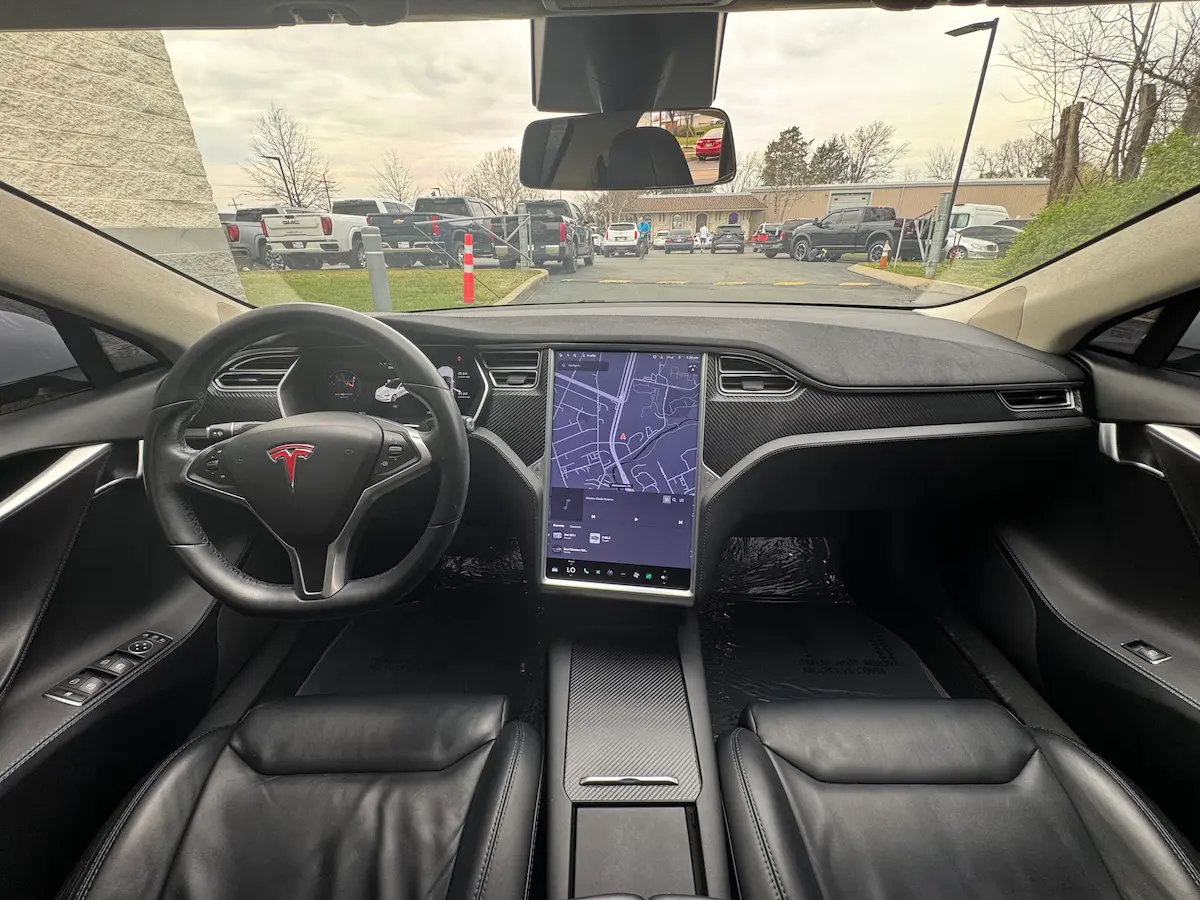
- Major interior updates, moving toward the minimalist, screen-focused cabin seen today
- The Plaid drivetrain, which pushed the Model S into supercar-level acceleration territory
Unlike traditional luxury sedans that wait years for full redesigns, the Model S evolved continuously. Hardware changes, software updates, and efficiency improvements often arrived mid-cycle. For used buyers, this means model year and production timing matter more than generation labels, and later versions tend to feel far more refined than early examples.
For a broader look at Tesla’s brand history and an overview of its vehicle lineup, our A Guide to Tesla Cars offers helpful background information.
Specs, Trims, and Real-World Features: What Ownership Is Actually Like
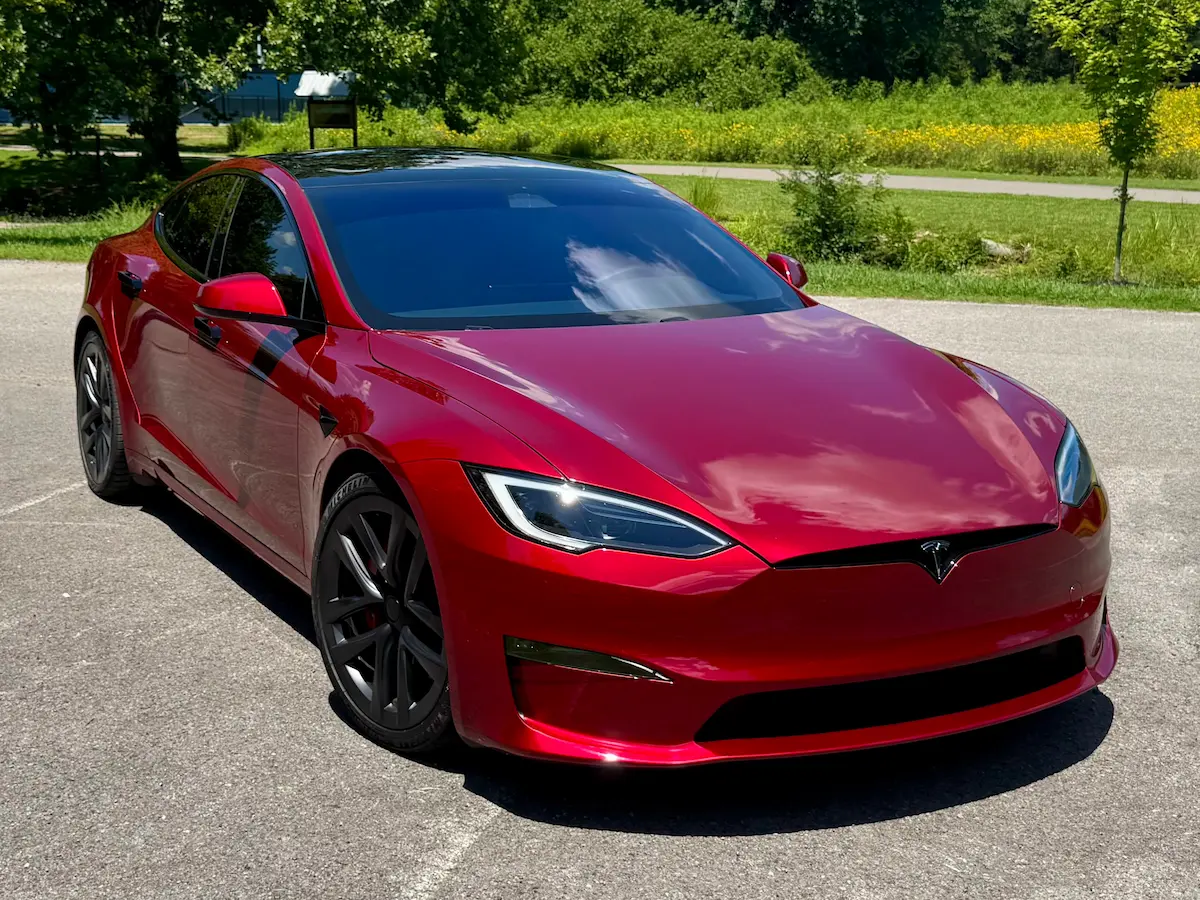
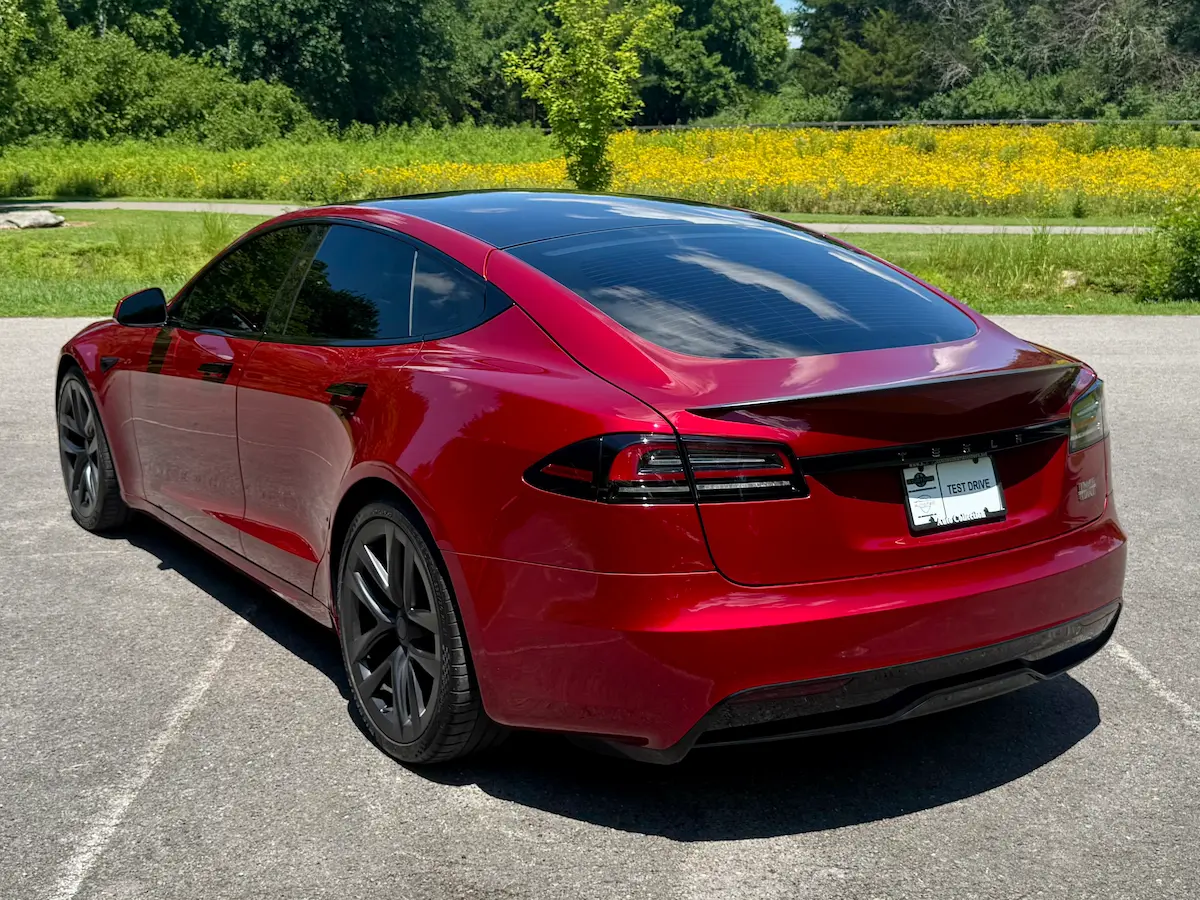
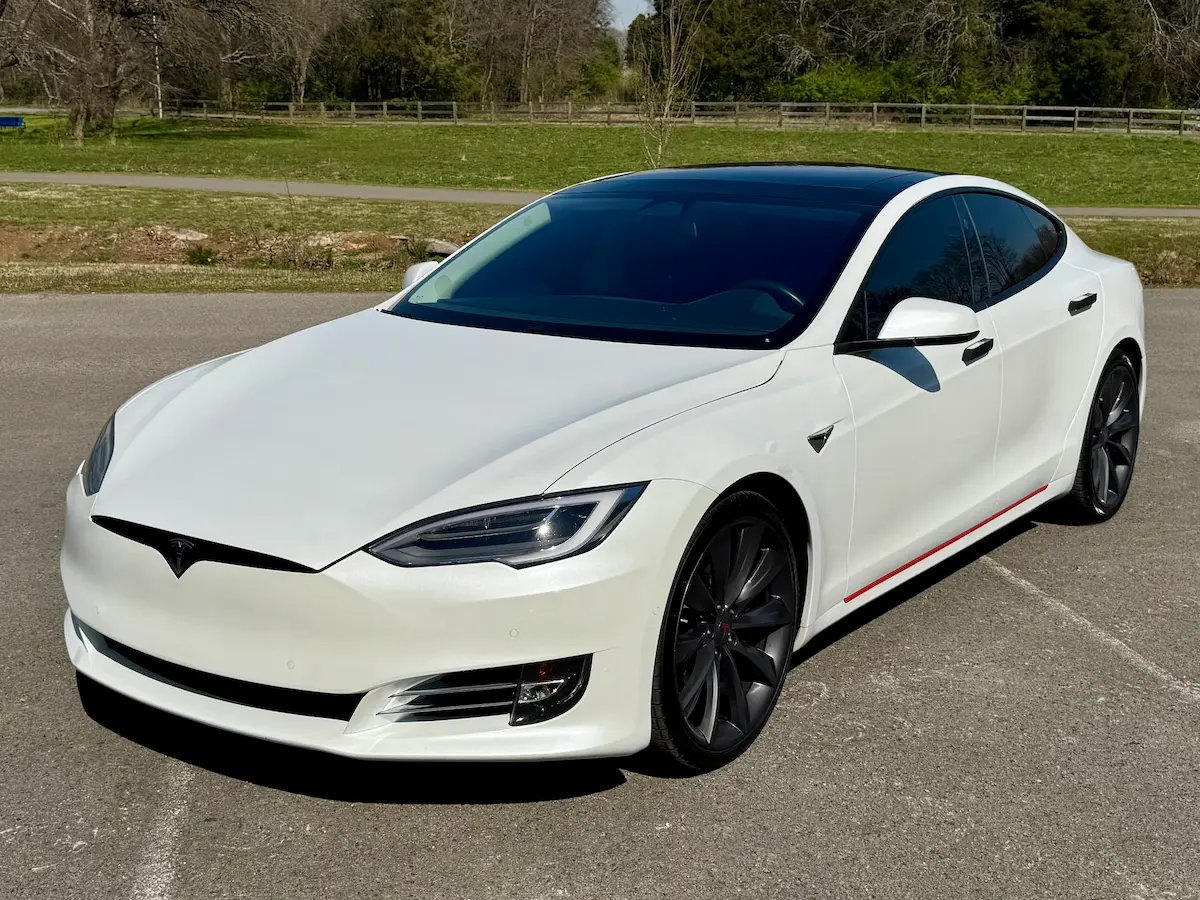
Before breaking down individual trims, it helps to understand how Tesla positions the Model S today. Rather than relying on traditional redesign cycles, the Model S has evolved through a series of continuous updates that affect not only battery management, drivetrain efficiency, and software, but also exterior details and overall styling. Subtle design refinements over the years—such as cleaner front-end treatments, revised lighting, and updated wheel designs—have kept the Model S visually current without dramatic generational shifts.
2026 Tesla Model S Overview
The 2026 Tesla Model S reflects the most refined version of Tesla’s continuous-update approach, including a subtle exterior refresh and detail-level design updates alongside drivetrain and software improvements. While most buyers will not be shopping brand new, this facelifted version serves as a useful benchmark for where post-2020 Model S trims were ultimately heading in terms of performance, efficiency, and overall design maturity. Specs may vary slightly by model year and software updates.
Powertrain & Performance
- Dual-motor AWD (Base Model S) or tri-motor AWD (Model S Plaid)
- 0–60 mph: ~3.1 sec (Base), ~1.9 sec (Plaid)
- Top speed: ~155 mph (Base), up to ~200 mph (Plaid with hardware)
Range & Charging
- EPA-estimated range: up to ~410 miles (Base Model S)
- Tesla Supercharger fast-charging support
- Built-in route planning with charging optimization
Ride & Driving Experience
- Adaptive air suspension standard
- Automatic ride height adjustment at highway speeds
- Drive modes that adjust throttle and suspension behavior
Technology & Ownership
- Advanced driver-assistance hardware
- Over-the-air software updates affecting performance and features
- Regenerative braking with adjustable settings
Interior & Practicality
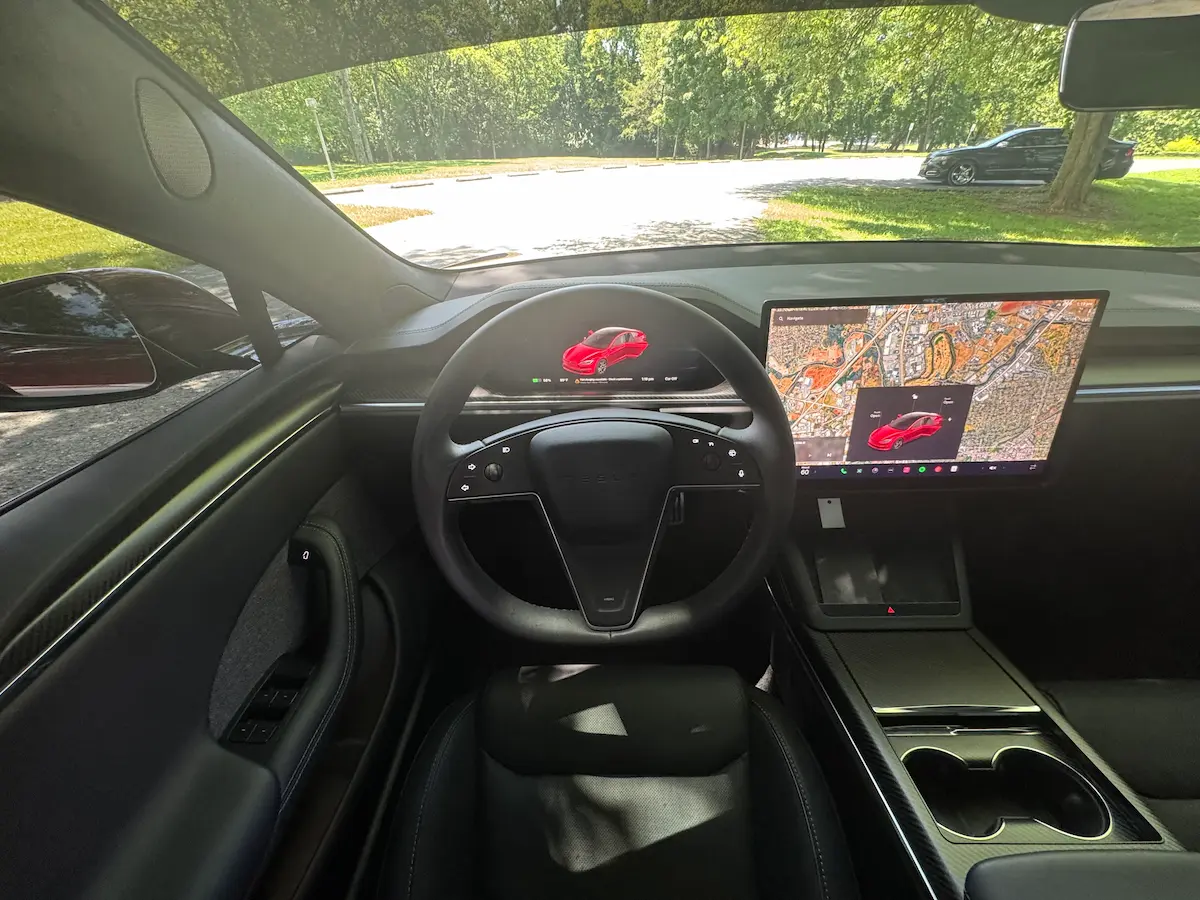
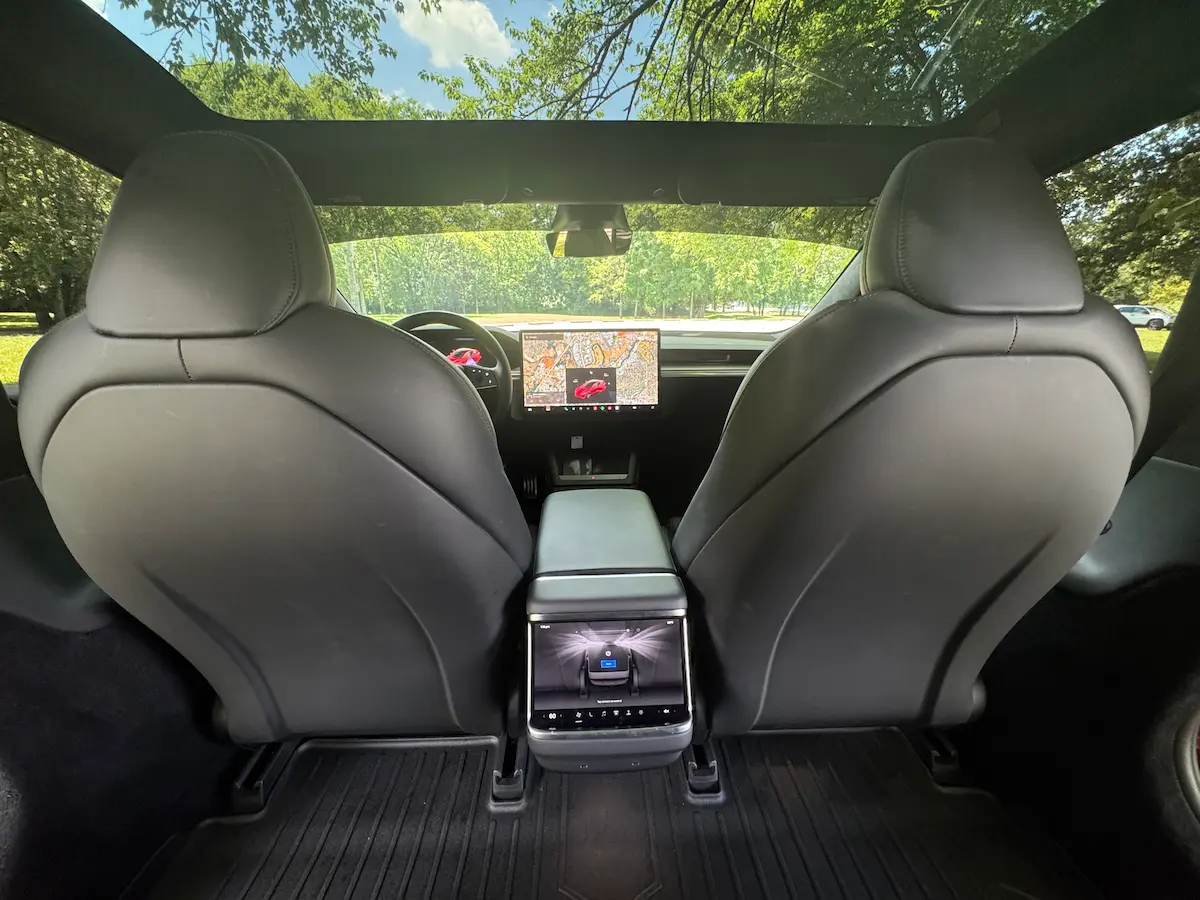
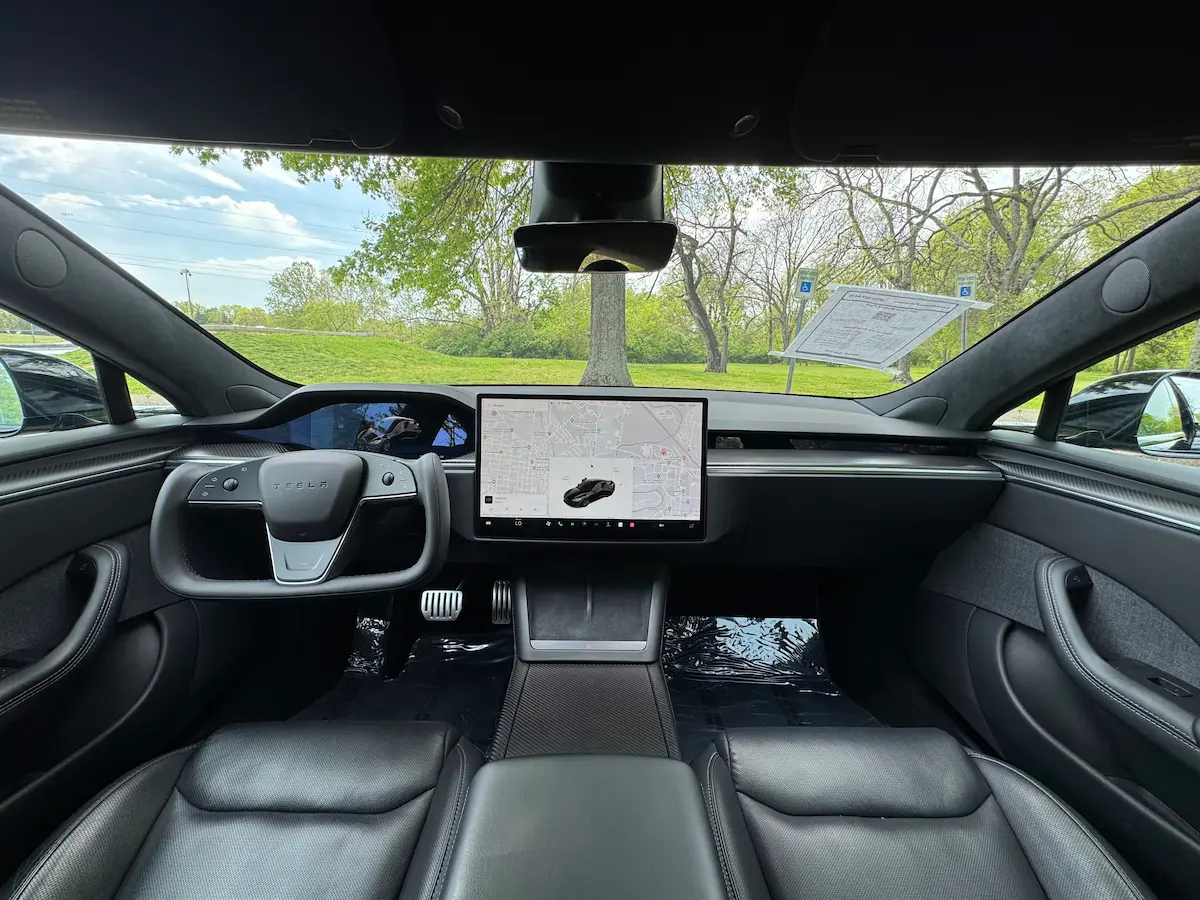
- Minimalist, screen-based cabin layout
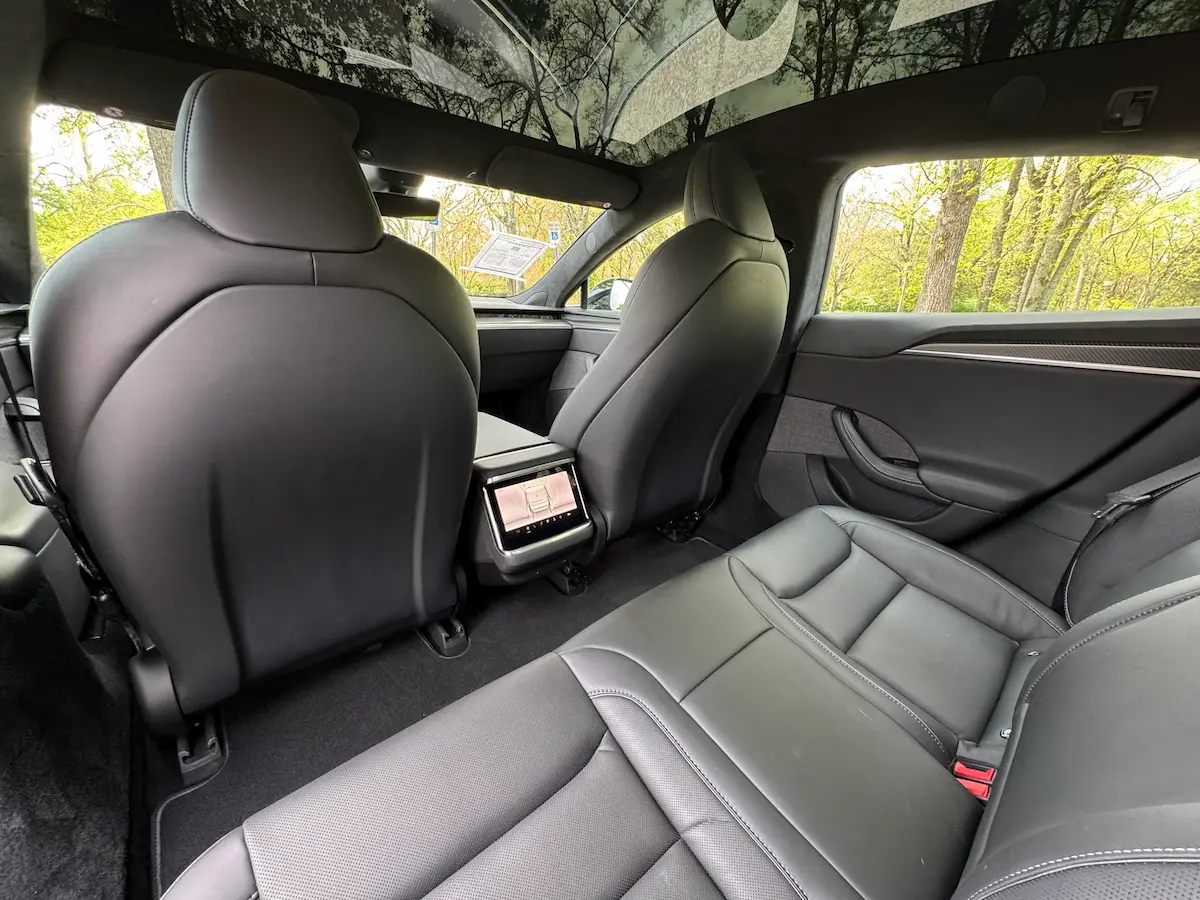
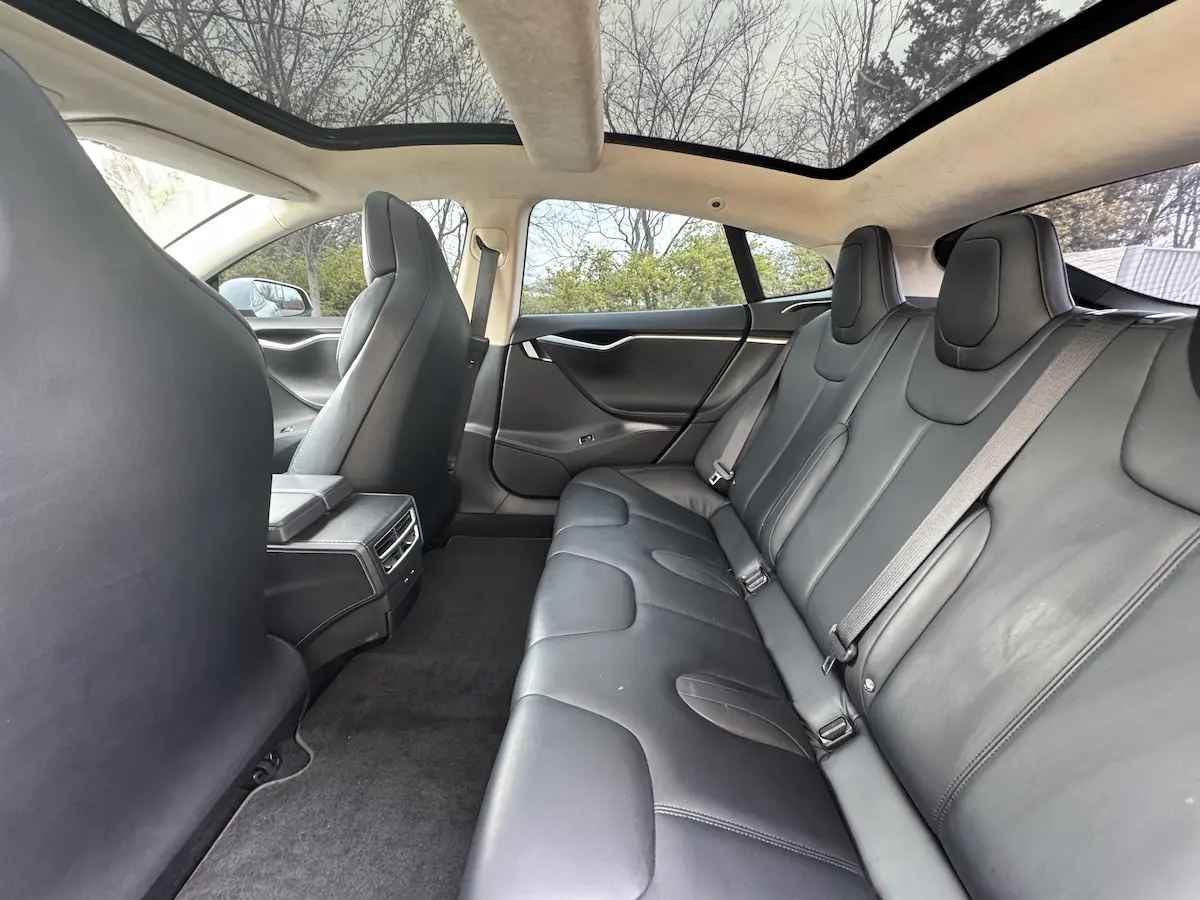
- Seating for five adults
- Front trunk and large rear cargo area
These benchmarks explain why well-kept post-2020 Tesla Model S vehicles continue to feel competitive alongside much newer luxury sedans.
Tesla Model S Trims & Ownership Breakdown (2020–Present)
After its major refresh, Tesla simplified the Model S lineup, moving away from traditional trim hierarchies. Instead of multiple overlapping options, buyers now choose between two priorities: maximum range with balanced performance or extreme performance. Earlier models were sold as Long Range, Long Range Plus, and Performance, but after 2021 those labels were largely consolidated, making build year and configuration more important than the badge itself.
In practical terms, post-2020 Model S vehicles fall into two distinct ownership categories.
Base AWD Model S (Range-Focused Configuration)
(Previously marketed as Long Range / Long Range Plus)
This configuration prioritizes long-distance driving, ride comfort, and daily usability. It represents the majority of Model S vehicles on the used market and is often referred to as the best all-around choice.
What defines this trim experience:
- Dual-motor all-wheel drive for year-round traction
- Emphasis on efficiency and highway range
- Softer tuning compared to Plaid
- Lower operating and wear costs than performance-focused models
Who it’s best for:
Drivers who want effortless acceleration, long road-trip range, and a refined luxury EV experience without pushing the platform to its limits.
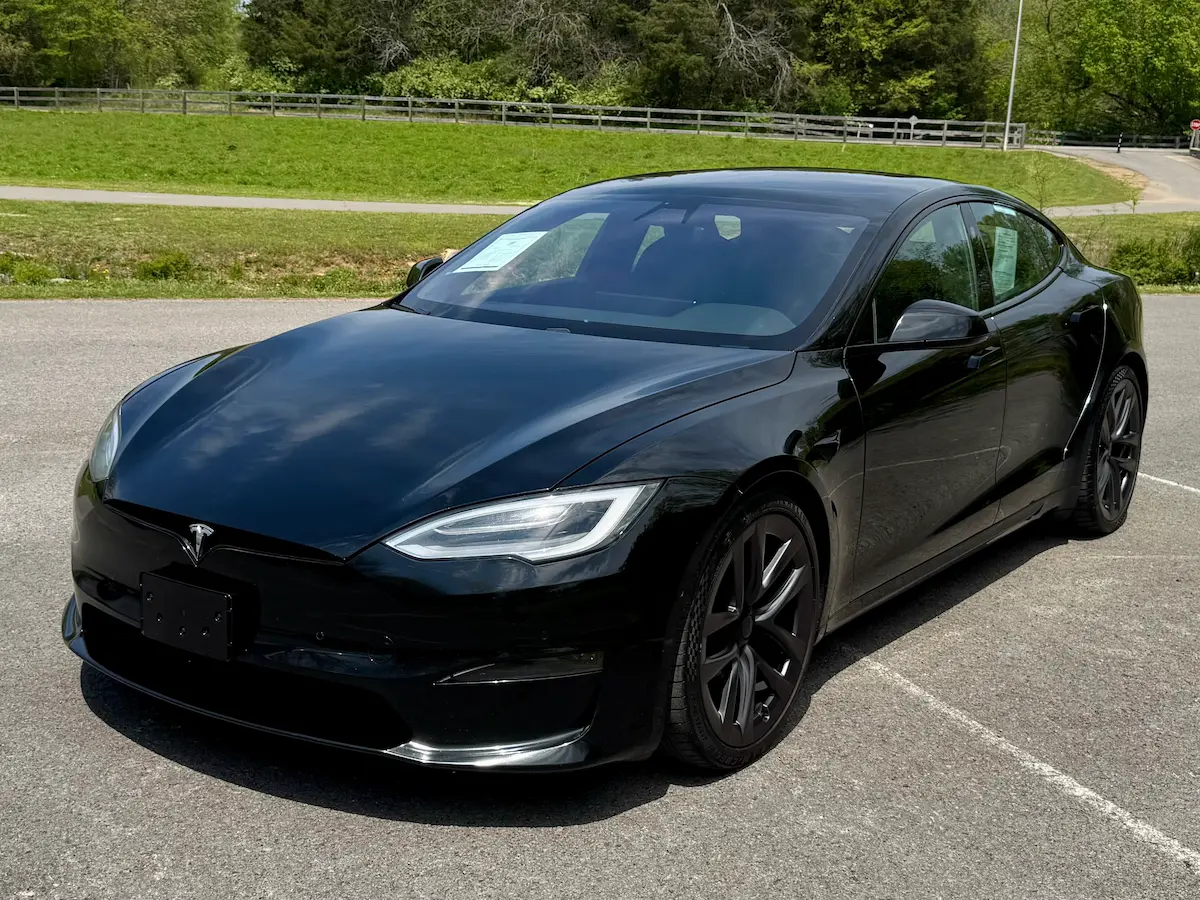
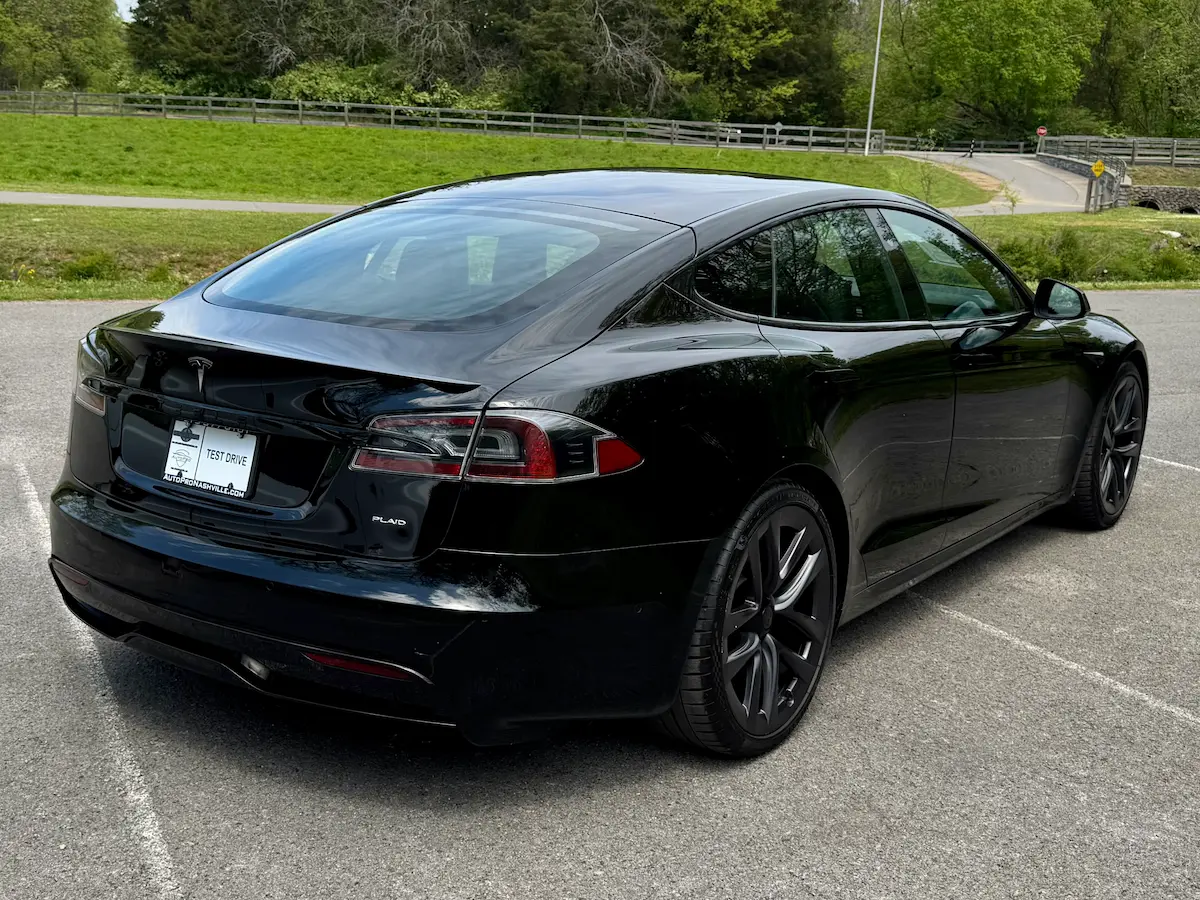
Model S Plaid (Performance-Focused Configuration)
The Plaid replaces the traditional Performance trim and exists for buyers who value extreme acceleration and cutting-edge drivetrain engineering.
What defines this trim experience:
- Tri-motor all-wheel drive layout
- Instant power delivery at any speed
- Sport-oriented chassis tuning
- Higher tire, brake, and insurance considerations
Who it’s best for:
Enthusiasts who want supercar-level straight-line performance in a four-door EV and are comfortable with higher ownership costs.
Quick note:
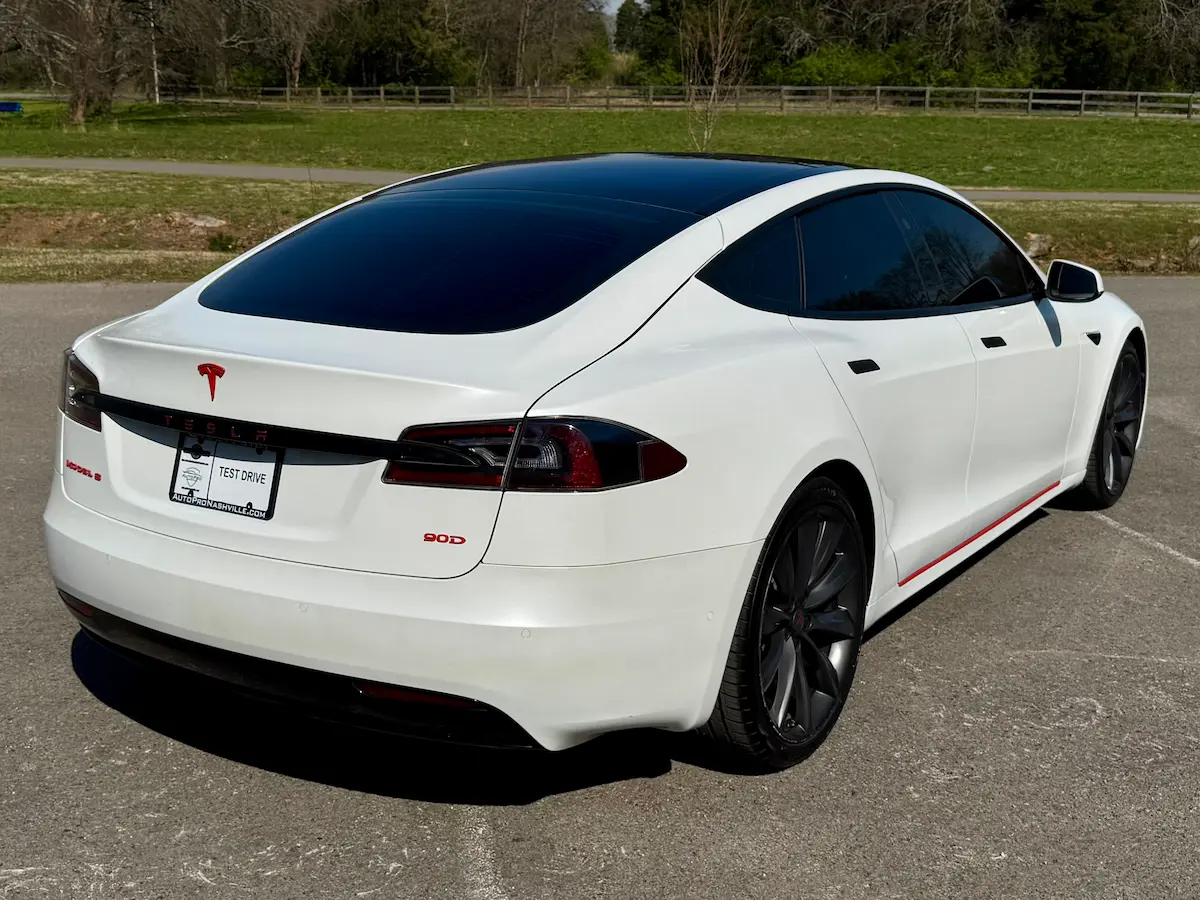
You may see older Tesla Model S trims labeled with numbers like 75D, 90D, or 100D. These numbers refer to the vehicle’s approximate battery size in kilowatt-hours, while the “D” indicates dual-motor all-wheel drive. Tesla no longer uses this naming system, but it’s common on older used models and helps indicate range and drivetrain rather than trim level.
Interior, Technology, and Daily Ownership Experience
Across trims, post-2020 Model S vehicles share a common interior philosophy focused on minimalism and software-driven functionality. Later production years benefit from improved materials, better cabin insulation, and more mature user interfaces.
Rather than feeling outdated, many used Model S vehicles continue to improve over time thanks to Tesla’s over-the-air updates, which can adjust everything from infotainment features to drivetrain behavior.
For another perspective on the Tesla Model S, Car and Driver has a detailed review covering performance, design, and driving impressions.
Tesla Model S Trim Comparison Chart (2020–Present)
Figures below reflect factory EPA estimates and manufacturer performance claims at the time of production. Real-world results may vary.
| Model Year | Trim Name (Marketed) | Drivetrain | EPA Range (mi) | 0–60 mph (sec) |
|---|---|---|---|---|
| 2020 | Long Range Plus | Dual-motor AWD | ~402 | ~3.7 |
| 2020 | Performance | Dual-motor AWD | ~348 | ~2.3 |
| 2021 | Long Range / Base Model S | Dual-motor AWD | ~405 | ~3.1 |
| 2021 | Plaid | Tri-motor AWD | ~390 | ~1.99 |
| 2022 | Base Model S | Dual-motor AWD | ~405 | ~3.1 |
| 2022 | Plaid | Tri-motor AWD | ~396 | ~1.99 |
| 2023 | Base Model S | Dual-motor AWD | ~405–410 | ~3.1 |
| 2023 | Plaid | Tri-motor AWD | ~396 | ~1.99 |
| 2024–2026 | Base Model S | Dual-motor AWD | ~410 | ~3.1 |
| 2024–2026 | Plaid | Tri-motor AWD | ~390–400 | ~1.9 |
Buying Guide & Competitive Analysis: Is the Tesla Model S a Smart Used Buy?
Buying a used Tesla Model S is less about routine maintenance schedules and more about understanding how the car was used, updated, and supported over time. This buying guidance reflects real-world inspection patterns, ownership trends, and market behavior we regularly see when evaluating high-end used vehicles. For the right buyer, it can be an excellent value. For others, a traditional luxury sedan may still make more sense.
Common Tesla Model S Issues to Be Aware Of
Most known Model S issues are well documented and manageable, but they should be understood before buying.
Key items to check on a used Model S:
- Touchscreen reliability: Earlier models experienced screen-related failures; post-refresh vehicles are far less affected.
- Door handle mechanisms: Older designs used motorized handles that can wear over time.
- Suspension components: High-mileage or performance-oriented cars may show wear in air suspension parts.
- Battery health: Degradation is usually modest, but reviewing range history and charging habits is important.
Compared to gas-powered luxury sedans, routine maintenance is simpler. However, repairs are more specialized, and service access varies by region. Vehicle history, software update status, and overall condition matter more than traditional service intervals.
Used Tesla Model S Prices & Ownership Costs
Used Tesla Model S pricing varies widely by model year, trim, and mileage. Older models offer strong value, while newer versions command higher prices due to updated interiors and drivetrain improvements.
Typical used price ranges:
- 2016–2018 models: Often priced significantly below original MSRP, appealing for value-focused buyers
- 2019–2020 models: Mid-range pricing with strong balance of range, tech, and refinement
- 2021+ models: Higher prices, reflecting refreshed interiors and newer hardware
Maintenance costs are generally lower than traditional luxury sedans since there are no oil changes or engine servicing. However, repairs can be more expensive if components like suspension, electronics, or displays require attention outside of warranty coverage.
Best Used Tesla Model S Years to Buy
Some production years offer a better balance of refinement, technology, and value.
- 2019–2020
A strong value point with mature hardware and significant depreciation already absorbed. - 2021 and newer
Interior refresh, updated drivetrain architecture, and Plaid availability. Pricing is higher, but these feel closest to current production models. - Earlier models (2012–2014)
Best considered only if priced appropriately and thoroughly inspected, as technology and hardware differ significantly from later versions.
Competitive Comparison: How the Model S Stacks Up
No luxury sedan is perfect for everyone. Here’s a realistic comparison with key alternatives in the segment.
| Vehicle | Strengths | Considerations |
|---|---|---|
| Tesla Model S | Electric performance, long range, ongoing software updates | Specialized service access, learning curve for EV ownership |
| BMW 7 Series | Traditional luxury feel, strong ride comfort, familiar controls | Higher long-term maintenance and repair costs |
| Mercedes-Benz S-Class | Interior refinement, prestige, advanced comfort features | Complex electronics can become costly with age |
| Audi A8 | Quattro AWD, understated design, balanced handling | Depreciation and repair expenses over time |
When a Used Tesla Model S Makes Sense
A used Model S is a smart choice if you:
- Want strong performance without fuel costs
- Value software updates and modern tech
- Drive enough to benefit from EV efficiency
- Are comfortable with a tech-forward ownership experience
It may not be ideal if you:
- Prefer a traditional dealership service network
- Want extensive physical controls and classic interiors
- Plan to keep the vehicle far beyond warranty coverage
Dealership Guidance: Choosing the Right Place to Buy
When shopping for a used luxury EV like the Tesla Model S, the dealership you choose matters as much as the vehicle itself. A reliable dealer should offer clear vehicle history reports, documented inspections, and transparent pricing, allowing buyers to evaluate the car without unnecessary pressure.
Equally important is EV-specific expertise. The right dealership understands battery health, software updates, trim differences, and long-term ownership considerations, and can explain those details in plain terms. AutoPro Nashville is known for providing this level of transparency and product knowledge, helping buyers feel informed rather than rushed through the process.
For those ready to take the next step, explore our used Tesla Model S inventory to see which trims and model years are currently available.
Is the Tesla Model S reliable for long-term ownership?
Yes, especially newer model years. Earlier models had minor electronics and door handle issues that were improved over time.
How much does Tesla Model S maintenance cost?
Routine maintenance is minimal, but repairs can be costly if the vehicle is out of warranty.
What is the best Tesla Model S year to buy used?
2019–2020 models are often considered the best value due to updated hardware and lower depreciation.
Is battery degradation a major concern on the Tesla Model S?
Battery degradation is usually modest, especially when the vehicle is properly charged and maintained.
Does the Tesla Model S support fast charging?
Yes, all Model S models support fast charging through the Tesla Supercharger network.