Which Used Mercedes G-Wagon Should You Buy? G550 vs G63 & Best Years Compared
If you’re shopping for a used G-Wagon, you’ve probably noticed something quickly. Prices can vary widely, trims look similar at first glance, and model years matter more than most buyers expect.
The G-Class continues to hold strong resale value in the luxury SUV market. Both the G550 and the AMG G63 are in high demand, but they appeal to different types of owners. The 2019 redesign also created a clear split between older and newer generations, especially in ride comfort, interior layout, and daily usability.
From a practical standpoint, the decision usually comes down to three things:
- How much performance you truly want
- How modern you want it to feel day to day
- How much you are comfortable investing
Some buyers want the sharper response and presence of the AMG. Others want strong V8 power with better long-term balance. Many are surprised by how different a pre-2019 model feels compared to a 2019 or newer version once they drive both.
This guide breaks down G550 vs G63, pre-2019 vs redesigned models, and which version makes the most sense based on how you actually plan to use it.
Quick Answer: Choosing the Right One
If you want the short version:
- Choose the G550 for balance and overall value
- Choose the G63 for maximum performance and presence
- Choose pre-2019 for classic character at a lower entry point
- Choose 2019 or newer for a smoother ride and more modern interior
Now let’s look at the details.
Choose the G550 If You Want Balanced Luxury and Value
The Mercedes-Benz G550 offers strong performance without stepping into full AMG pricing.
Why many buyers prefer it:
- 2019–2024 models use a 4.0L twin-turbo V8 with around 416 horsepower
- 2025–2026 models in many markets transitioned to a turbo inline-6 mild-hybrid setup with roughly 443 horsepower
- Lower upfront cost than the G63
- Smoother, more relaxed daily driving character
- Often stronger value per dollar in the used market
In real-world ownership, the G550 feels quick, confident, and refined. It has more than enough power for most drivers, especially in 2019 and newer models where the updated platform improves comfort and steering.
What we see in the pre-owned market:
The G550 tends to attract practical luxury buyers. Many choose it because it delivers most of the G63 experience without the higher performance premiums. From 2022 through 2026 models, continued refinements and updated driver-assist features make later G550s feel even more modern, while still keeping ownership costs more reasonable than AMG variants.
If you want the G-Wagon look and capability without paying for maximum performance, the G550 is often the smartest overall choice.
Choose the G63 If You Want AMG Performance and Maximum Presence
The Mercedes-AMG G63 is the performance flagship.
Key reasons buyers choose it:
- Hand-built AMG 4.0L twin-turbo V8
- Around 577 horsepower in recent model years
- Stronger acceleration and sharper throttle response
- Higher emotional appeal and brand prestige
It feels louder, faster, and more dramatic. Even small throttle inputs feel more aggressive compared to the G550.
In 2023–2026 model years, the G63 benefits from continued refinements, updated tech interfaces, and in some markets mild-hybrid assistance for smoother response. The core character remains performance-focused.
What we see in the pre-owned market:
Demand for the G63 remains extremely strong. Buyers shopping for AMG usually want AMG specifically. They are rarely cross-shopping down to the G550. Low-mileage 2022–2026 examples tend to move quickly and hold premium positioning.
If performance, exclusivity, and presence matter most to you, the G63 delivers a very different ownership experience.
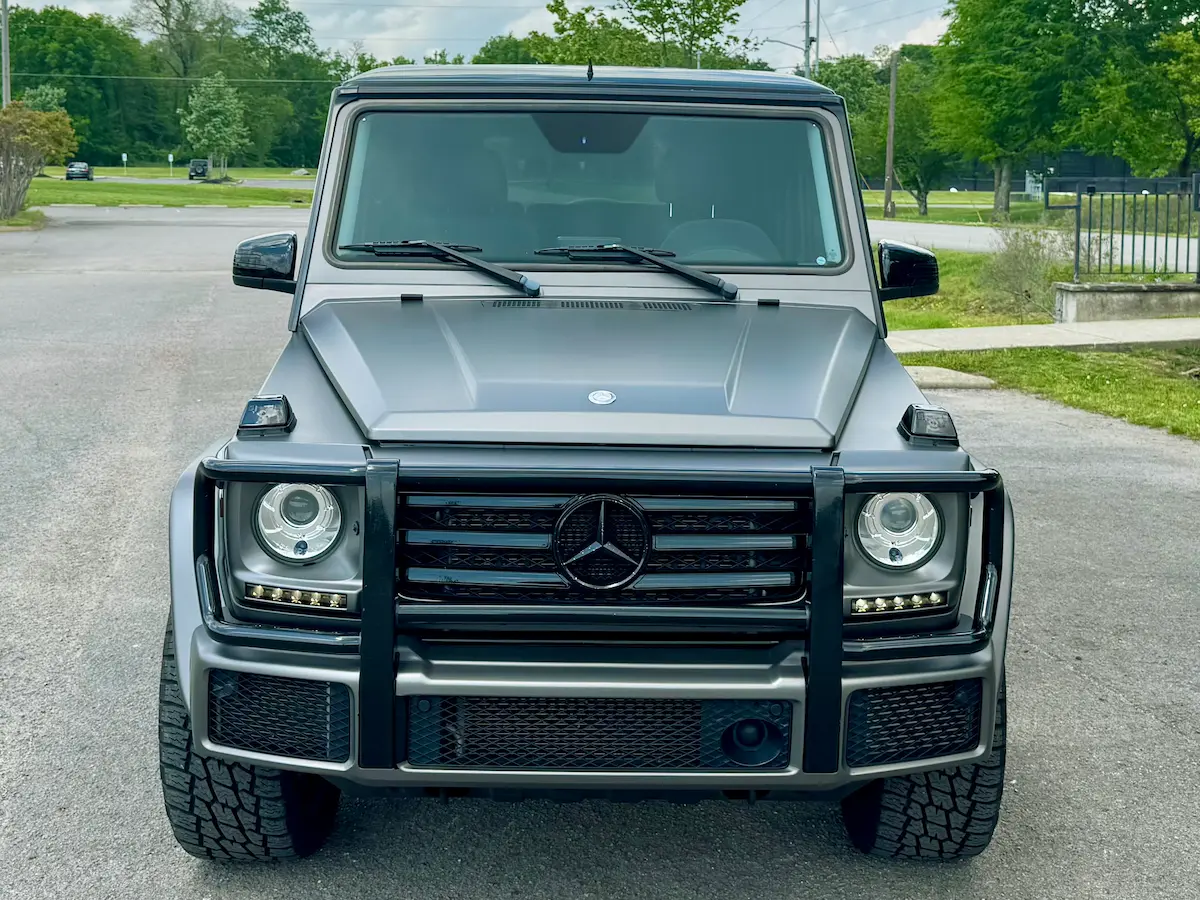
Choose a Pre-2019 Model If You Prefer Classic G-Wagon Character
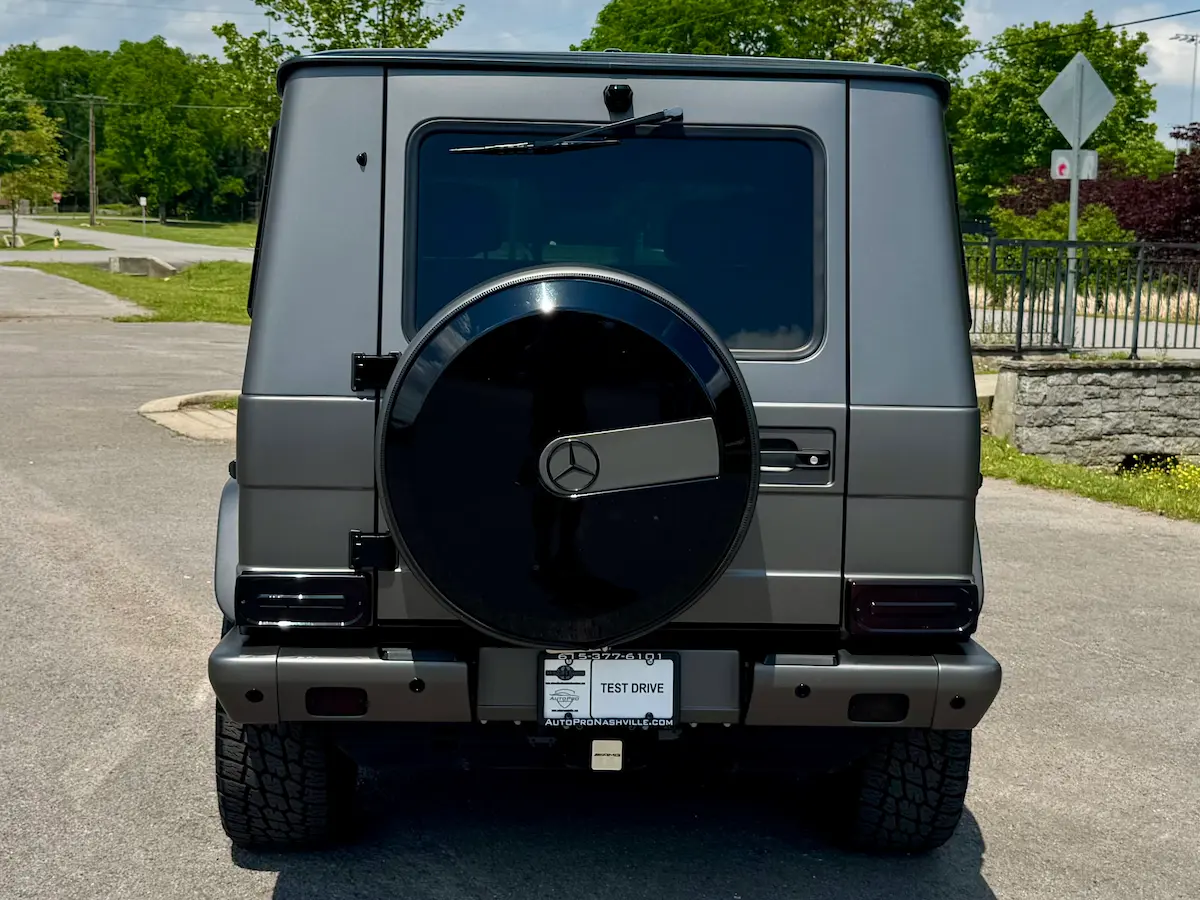
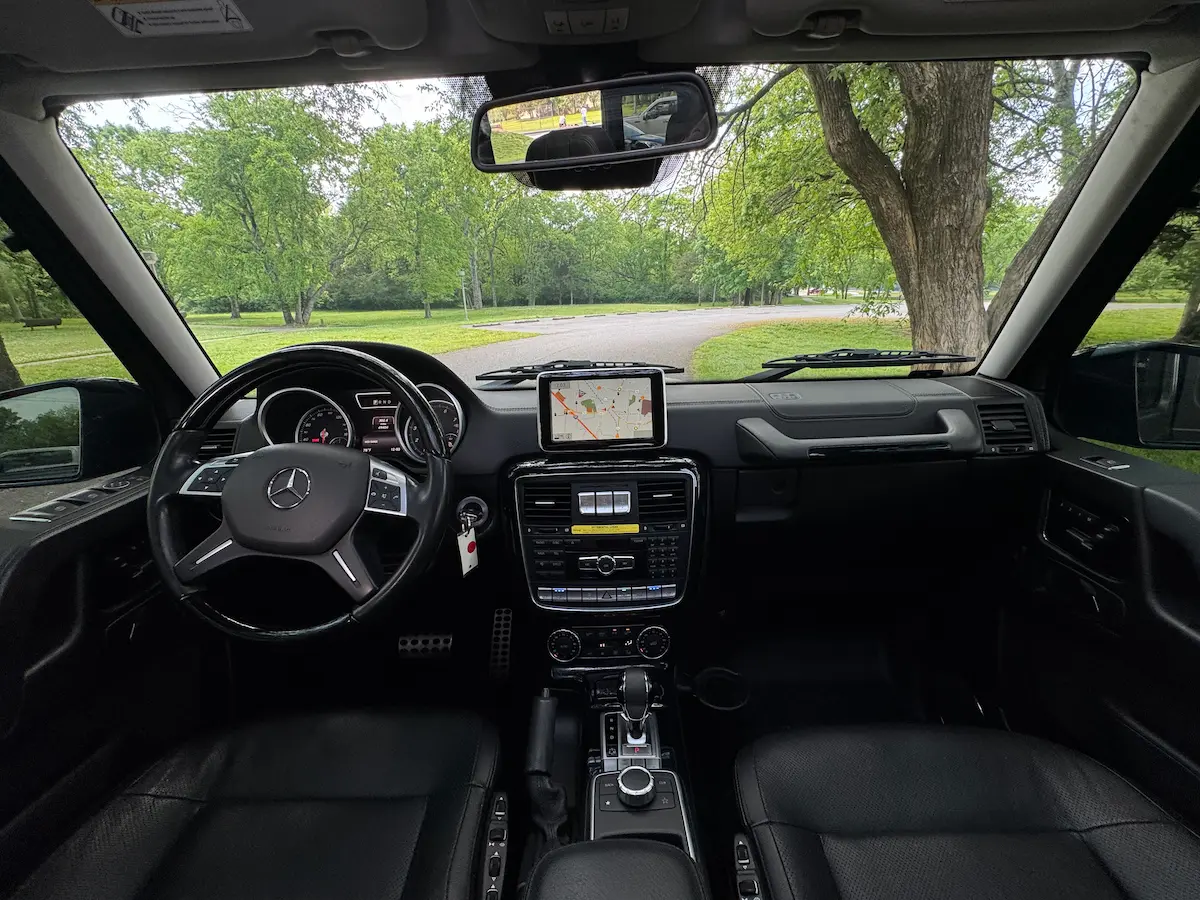
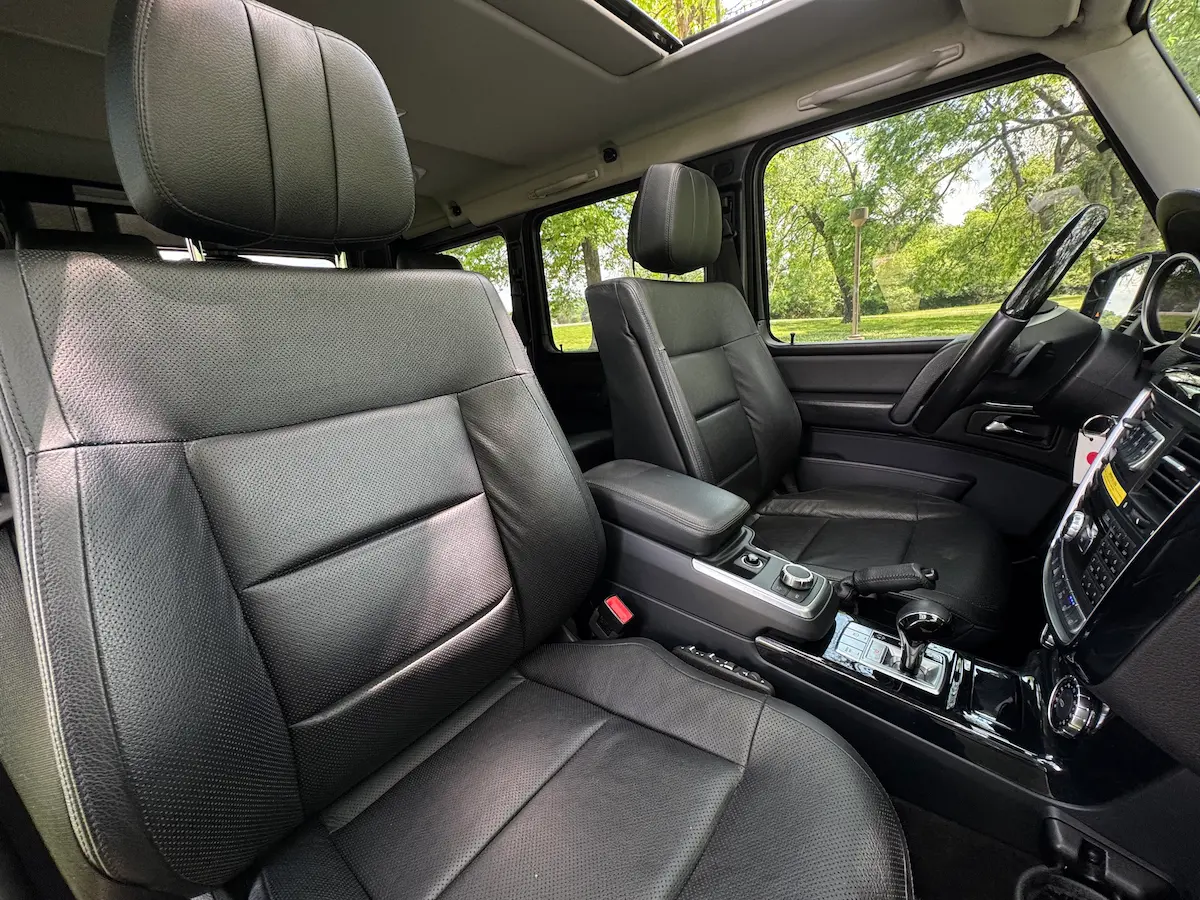
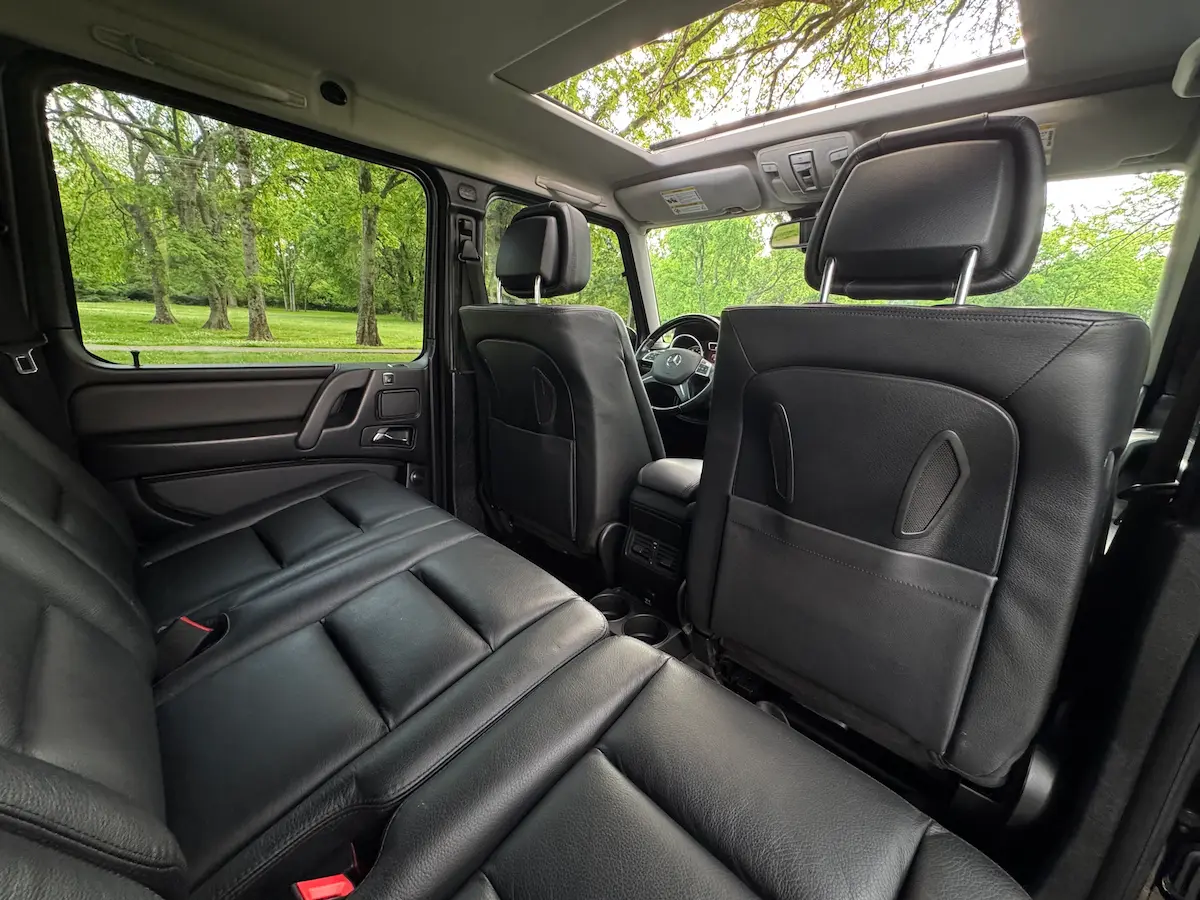
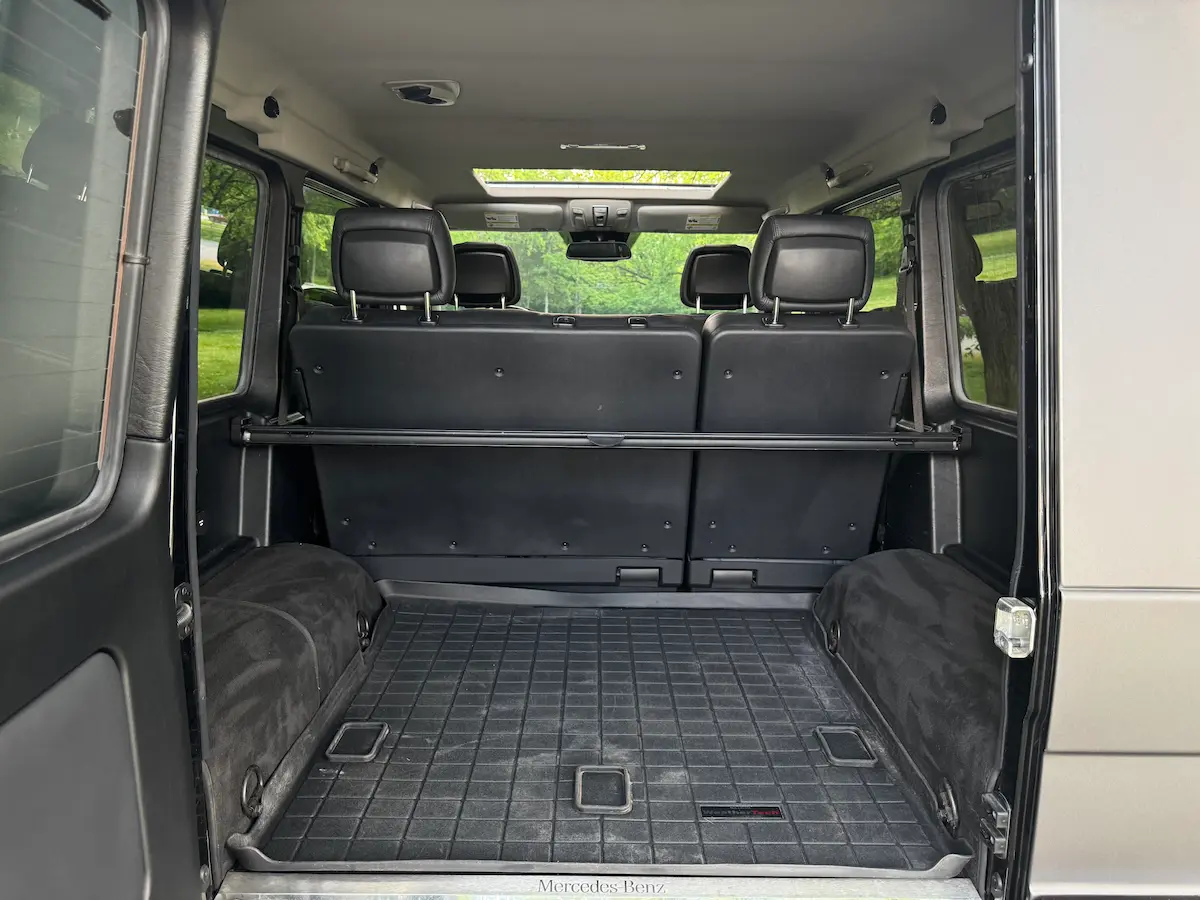
Pre-2019 versions of the Mercedes-Benz G-Class have a distinct personality.
What that means:
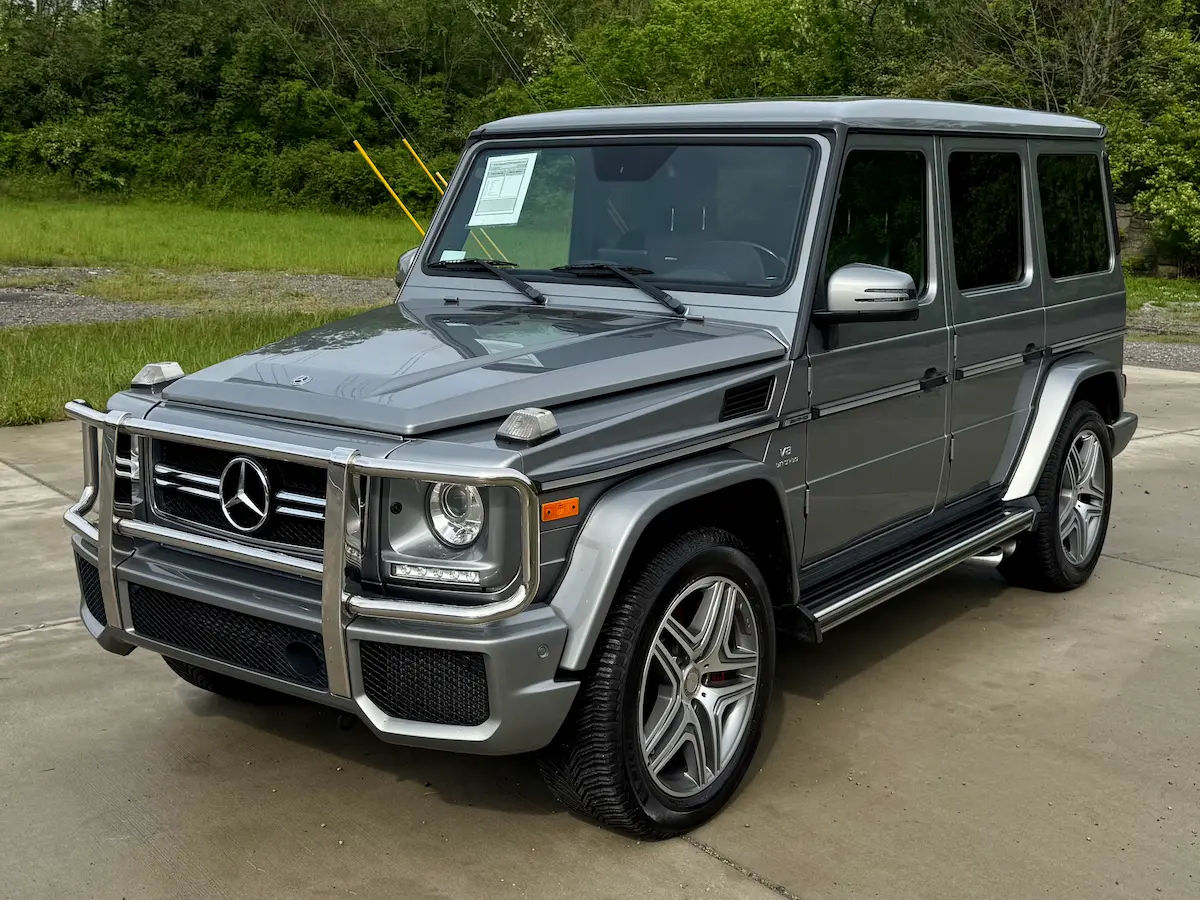
- Solid front axle setup
- Heavier, more mechanical steering feel
- Narrower cabin
- Lower entry point compared to newer generations
They feel more rugged and old-school. Some buyers genuinely prefer that traditional character.
What we see in the market:
Buyers who choose pre-2019 models usually do so intentionally. It is not just about price. There is a niche group that prefers the original driving feel. That said, condition and service history matter more here, especially because technology and ride comfort are noticeably different from 2019 and newer versions.
For enthusiasts who want the original personality of the G-Wagon, this generation still has strong appeal.
Choose a 2019 or Newer Model If You Want Modern Comfort and Technology
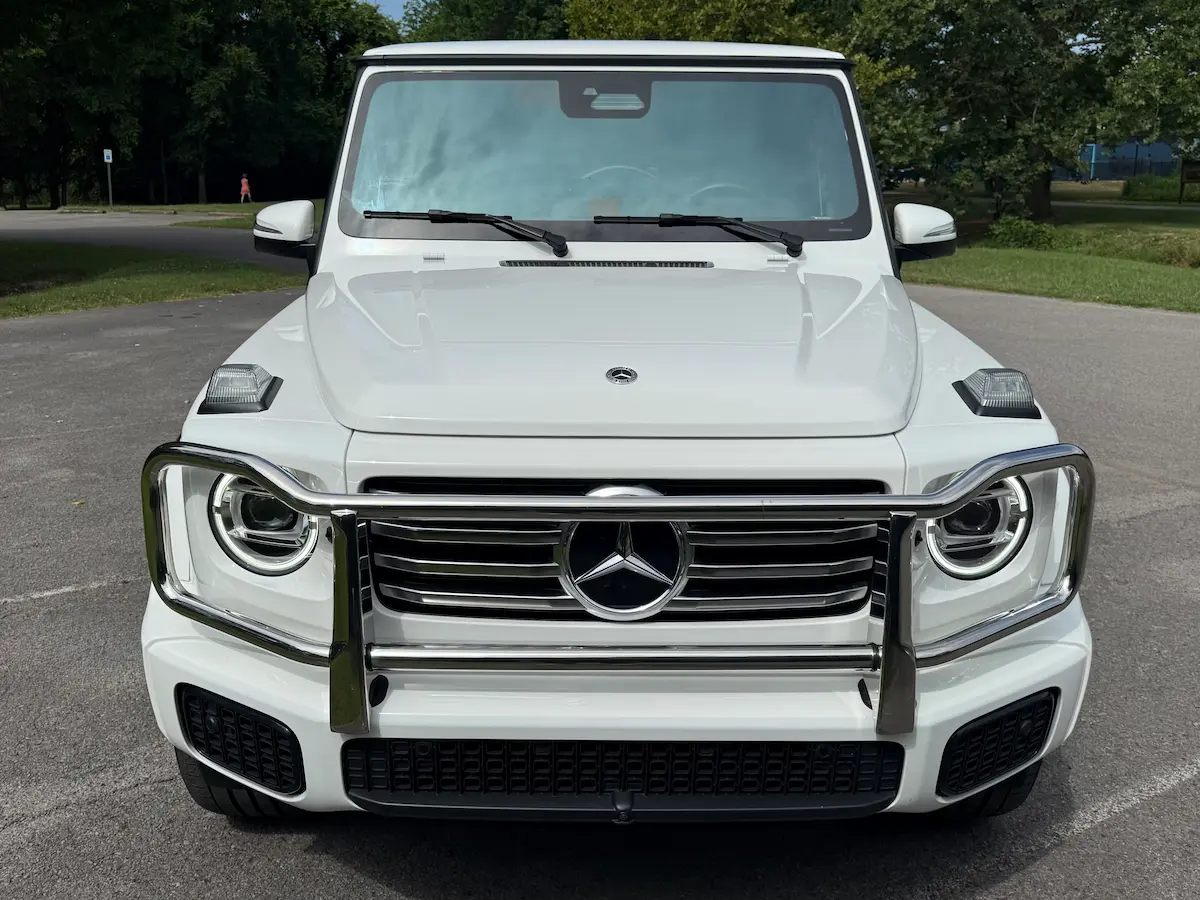
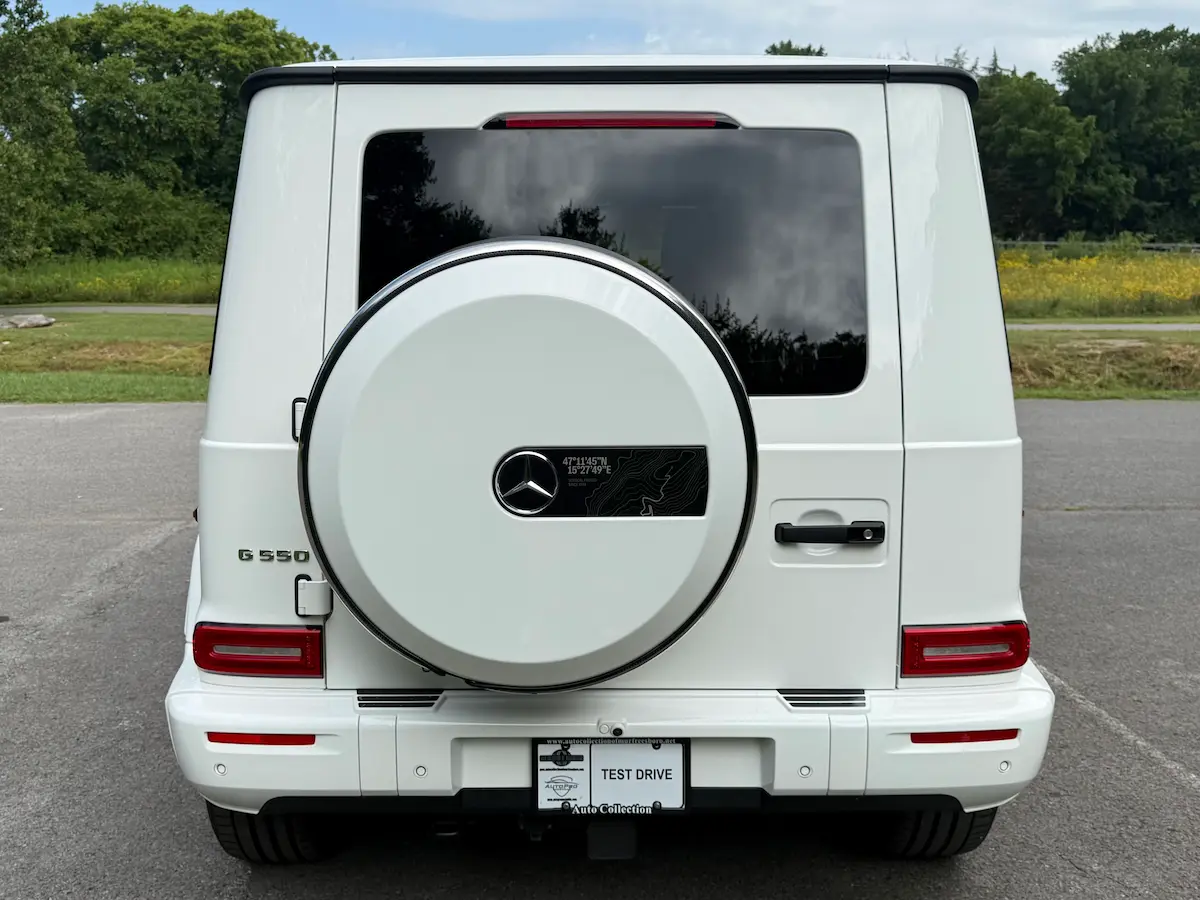
The 2019 redesign changed how the G-Wagon feels on the road.
Major improvements included:
- Fully redesigned chassis
- Independent front suspension
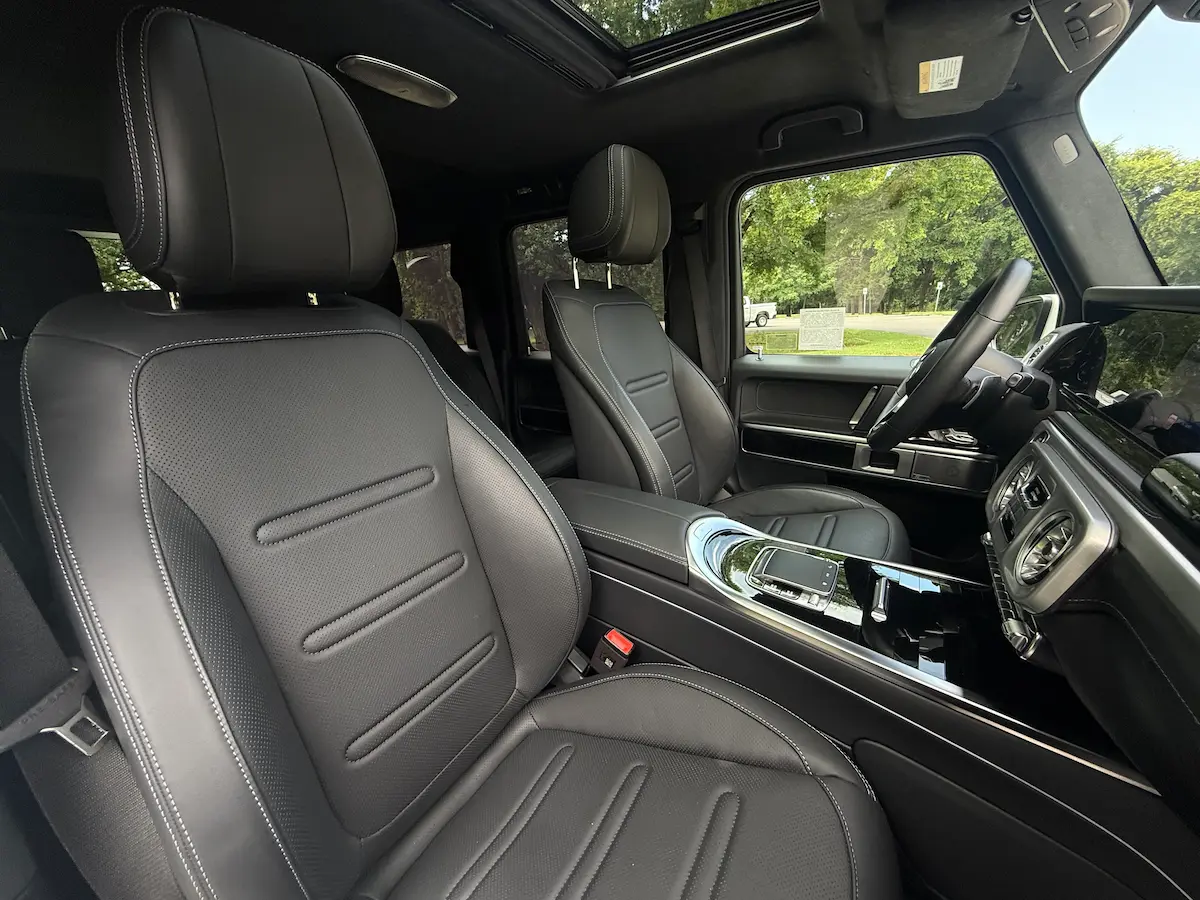
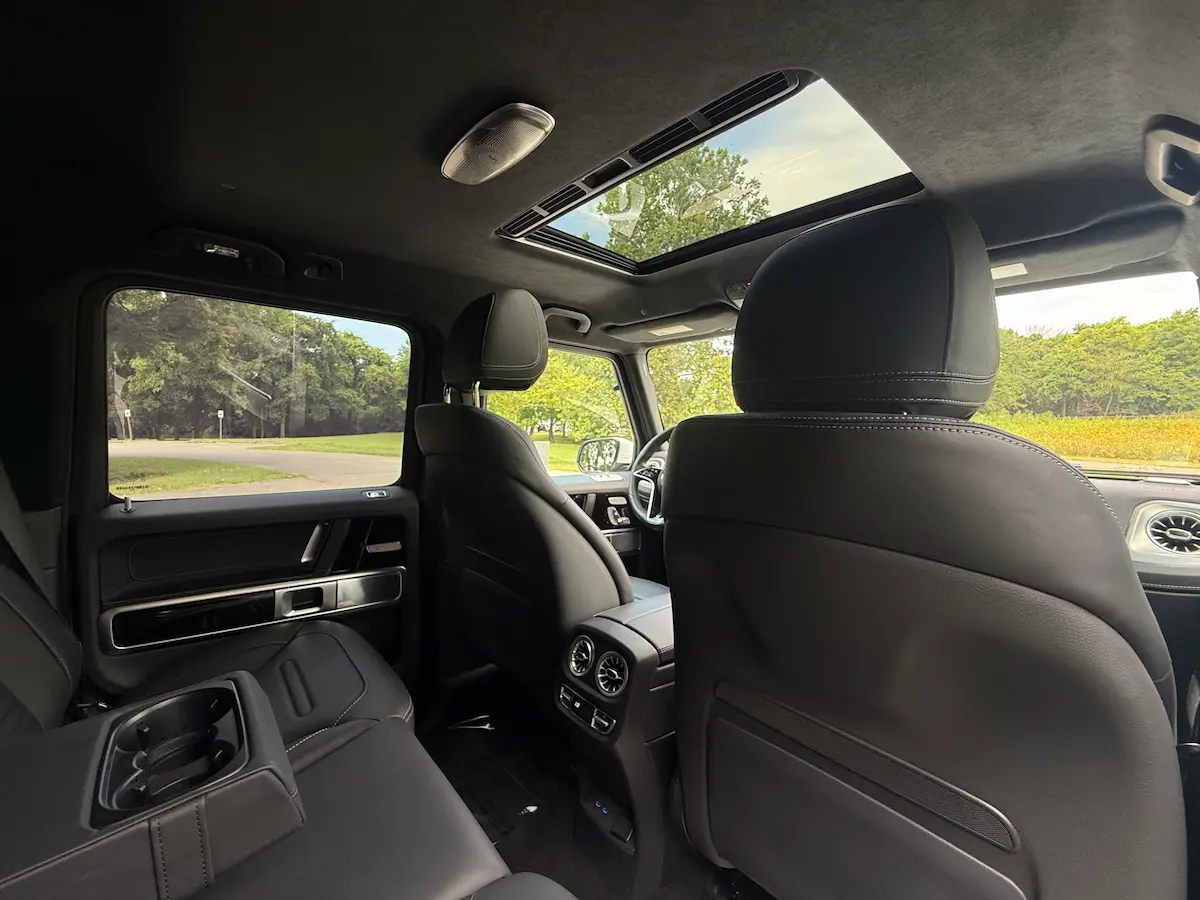
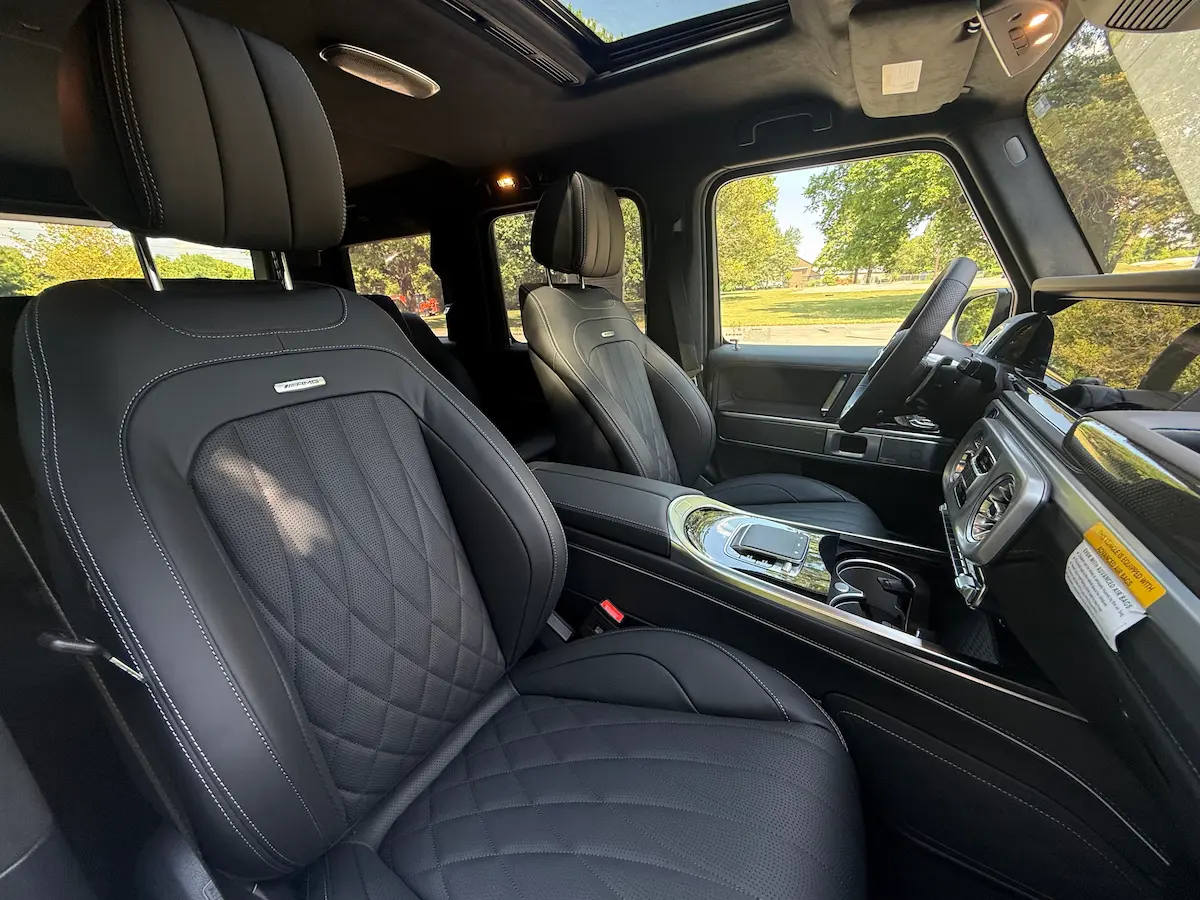
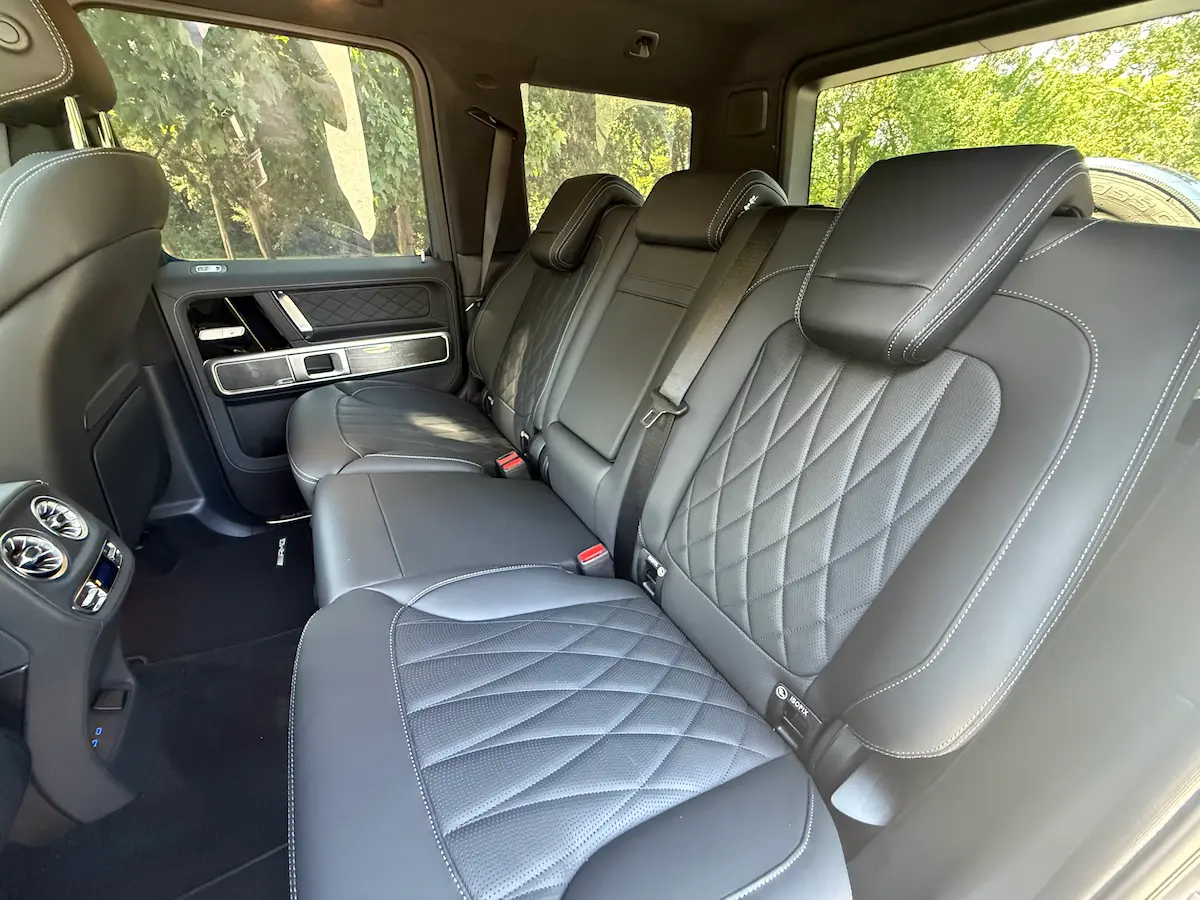
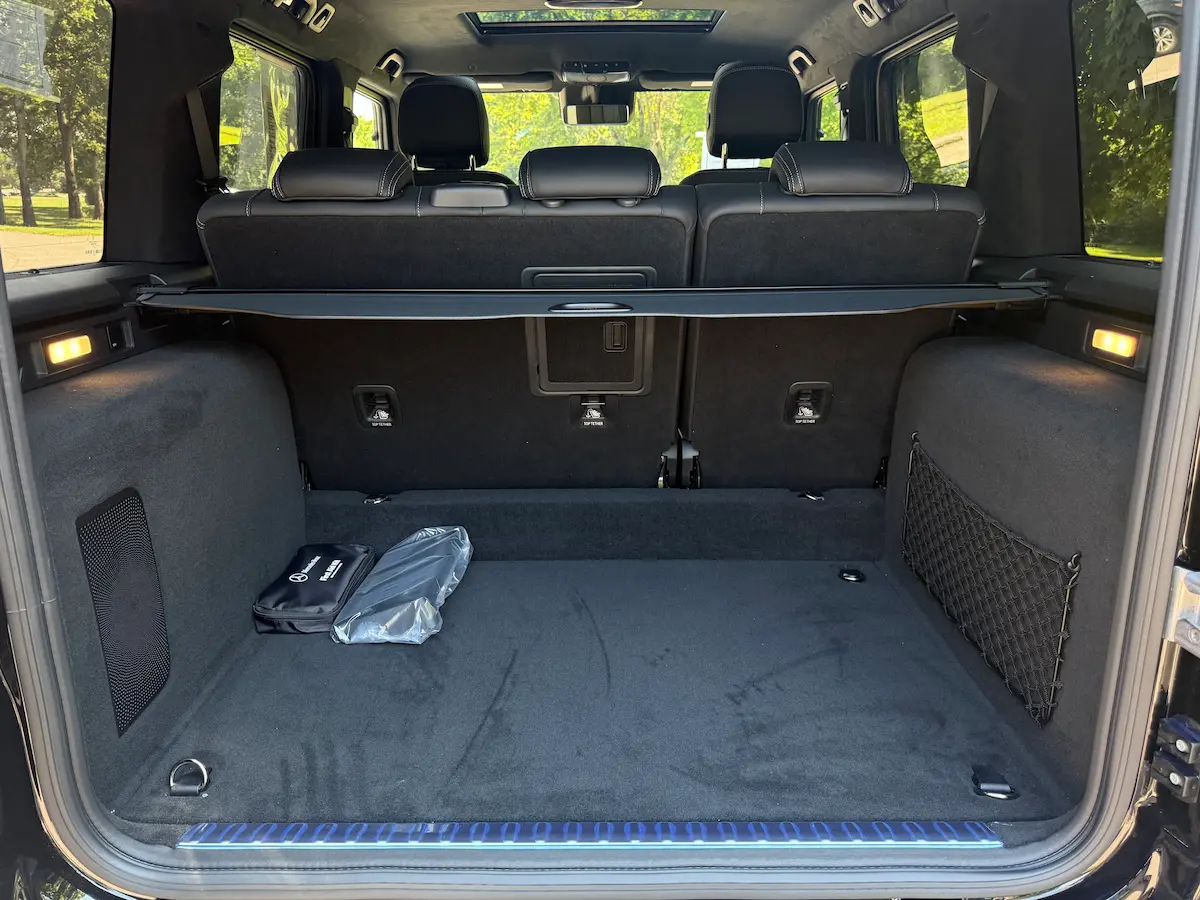
- Wider interior cabin
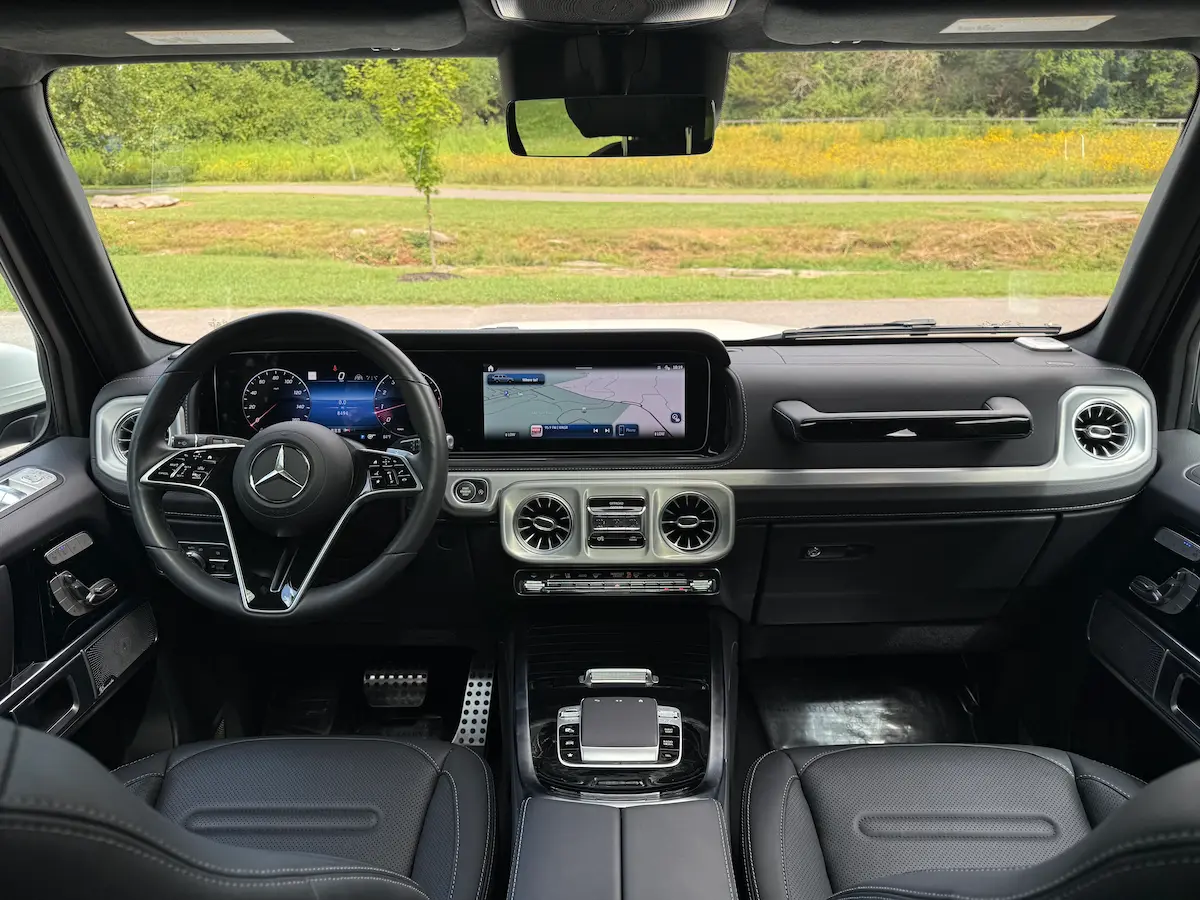
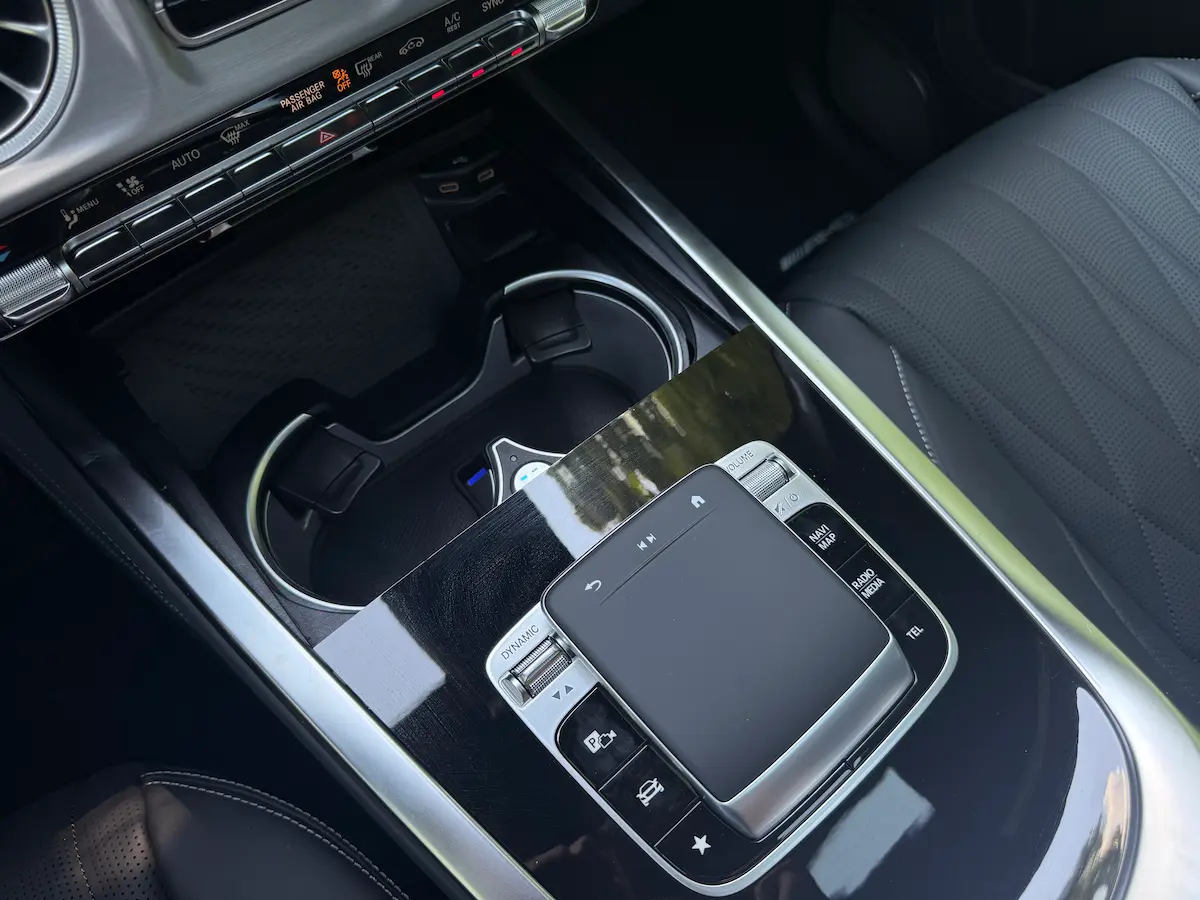
- Dual digital screens
- Significantly smoother ride
From 2021 through 2026, Mercedes continued refining the platform with updated software, enhanced driver-assistance systems, and improved digital responsiveness. Later model years also benefit from lower mileage and more current technology packages.
The result is a vehicle that still looks iconic but drives much closer to a modern luxury SUV.
What we see in the pre-owned market:
2019 and newer models are the most requested generation among buyers who plan to daily drive their G-Wagon. They offer better comfort, improved steering precision, and a more contemporary interior. Newer 2024–2026 examples tend to command stronger resale positioning because they combine the redesigned platform with the latest refinements.
If daily comfort and modern features matter to you, the 2019+ generation is a meaningful upgrade.
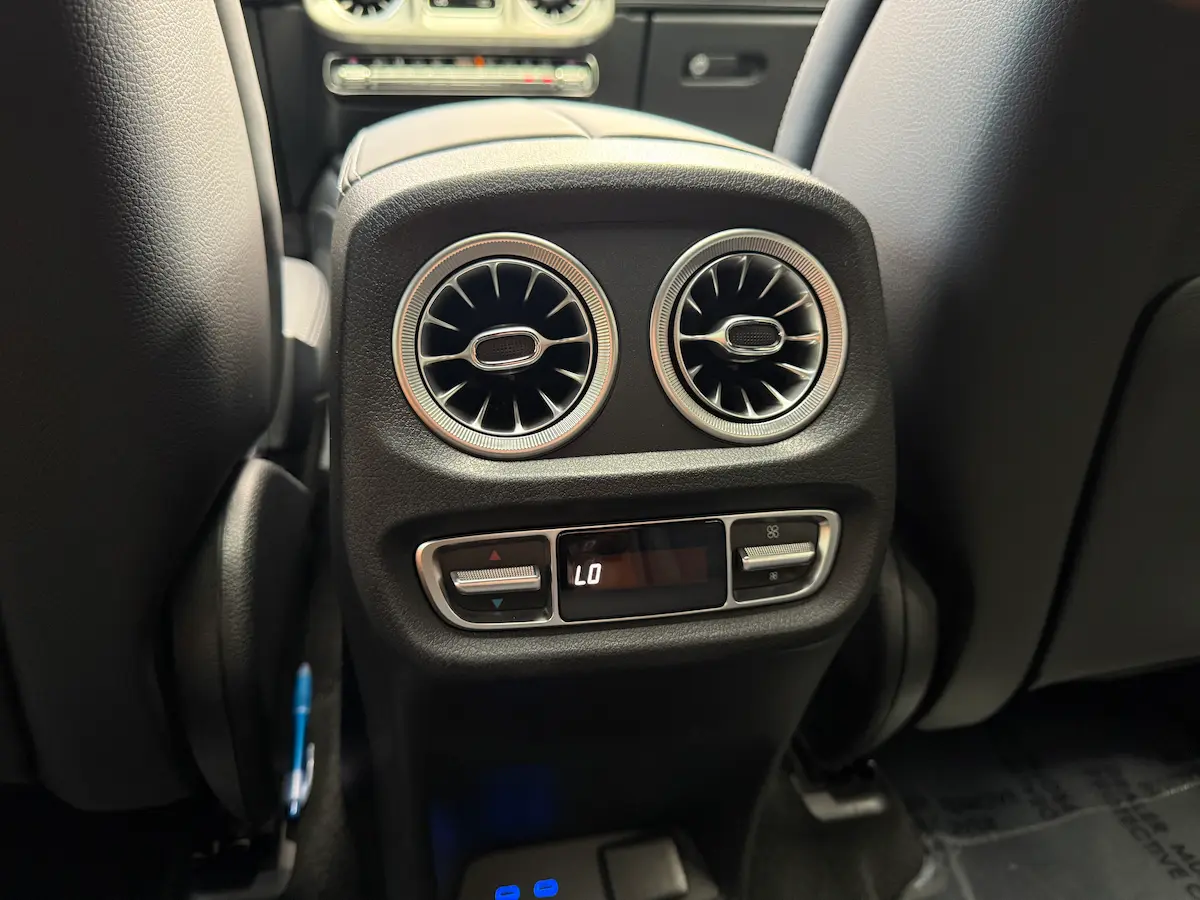
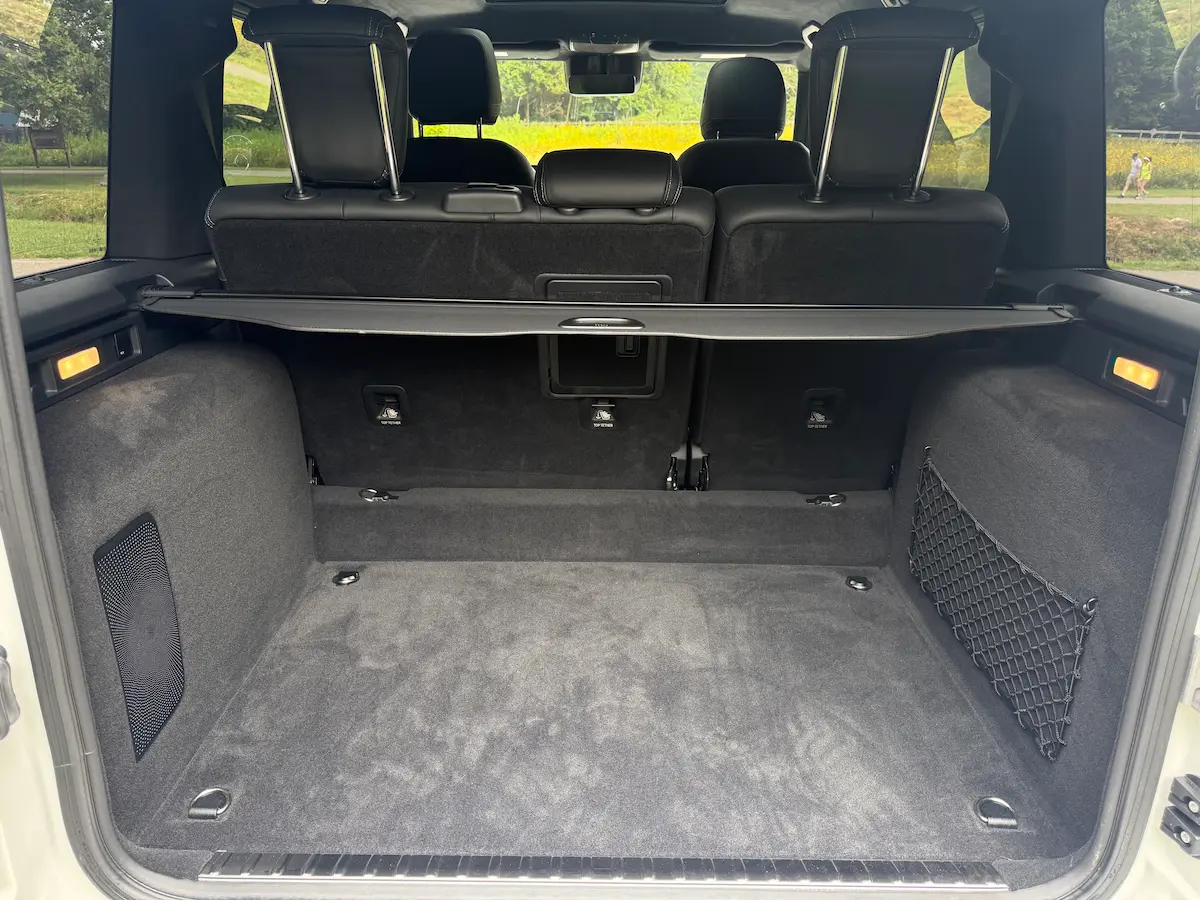
Pre-2019 vs 2019+ G-Class: What Changed and Why It Matters
When Mercedes redesigned the G-Wagon for 2019, it wasn’t just a styling refresh. It was a full engineering overhaul. From the outside, it still looks like the same iconic, boxy SUV. But underneath, it became a very different vehicle.
If you’re shopping for a used G550 or G63, this generation split is one of the biggest decisions you’ll make. It affects:
- How it drives
- How comfortable it feels every day
- How modern the cabin feels
- How the vehicle is positioned in today’s market
Let’s break down what actually changed and how it affects ownership in 2026.
Platform and Ride Quality Differences
Before 2019, the G-Class used a more traditional body-on-frame setup with a solid front axle. It was extremely durable and capable off-road, but on pavement it could feel stiff and heavy.
Starting in 2019, Mercedes introduced:
- A completely redesigned chassis
- Independent front suspension
- A wider body, roughly two inches broader
- Improved steering and weight balance
What That Means in Real Life
If you plan to daily drive your G-Wagon, especially in city traffic or on long highway trips, the 2019+ generation feels more stable and easier to manage.
The older version feels more mechanical and traditional. Some buyers love that classic character. Others immediately notice how much more refined the newer platform feels after driving both back-to-back.
| Area | Pre-2019 Models | 2019 and Newer |
|---|---|---|
| Front Suspension | Solid axle | Independent suspension |
| Ride Comfort | Firm, rugged | Noticeably smoother |
| Steering Feel | Heavy, slower response | More precise and lighter |
| Cabin Width | Narrower | Wider and roomier |
Interior and Technology Updates
Inside is where the difference becomes obvious.
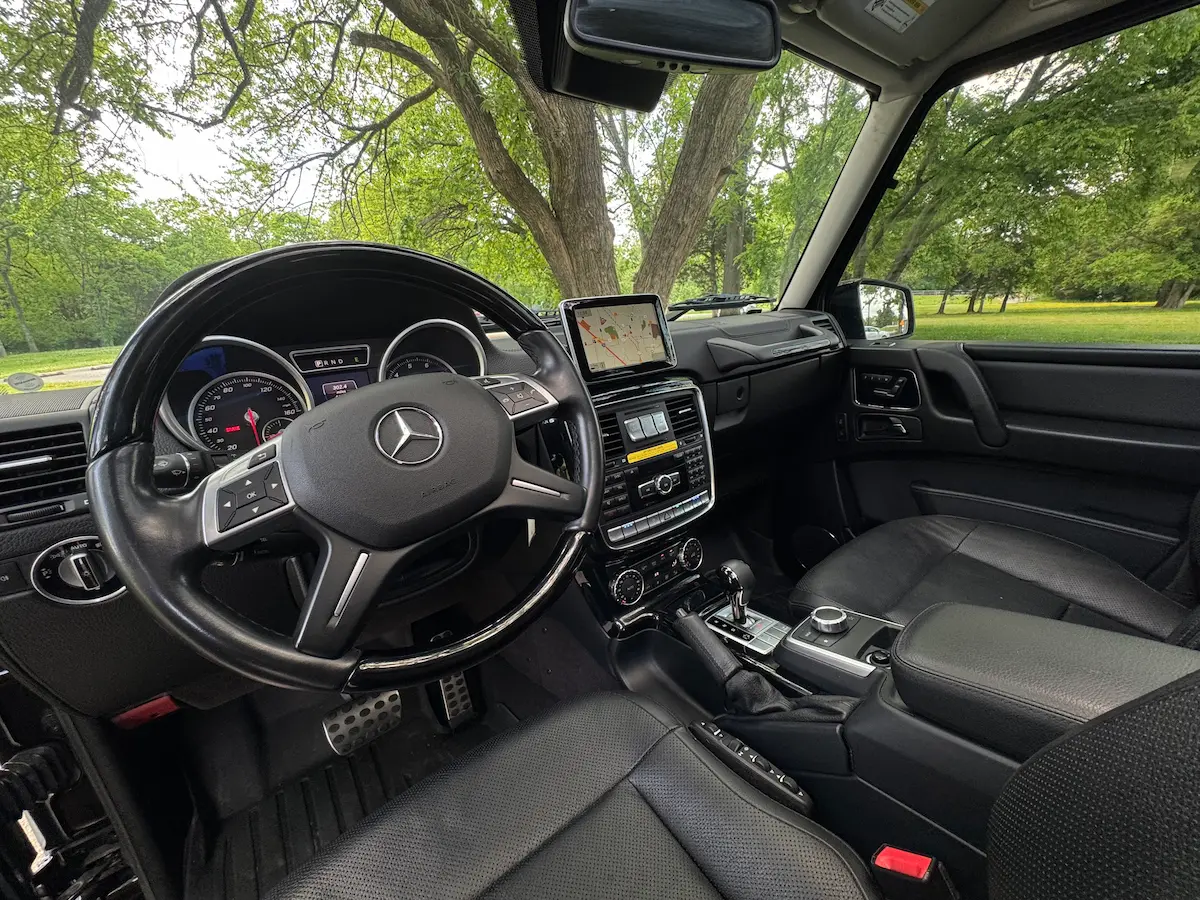
Pre-2019 models typically have:
- Analog gauges
- Smaller infotainment screen
- Older control layout
- Fewer advanced driver-assistance features
Beginning in 2019, the G-Class gained:
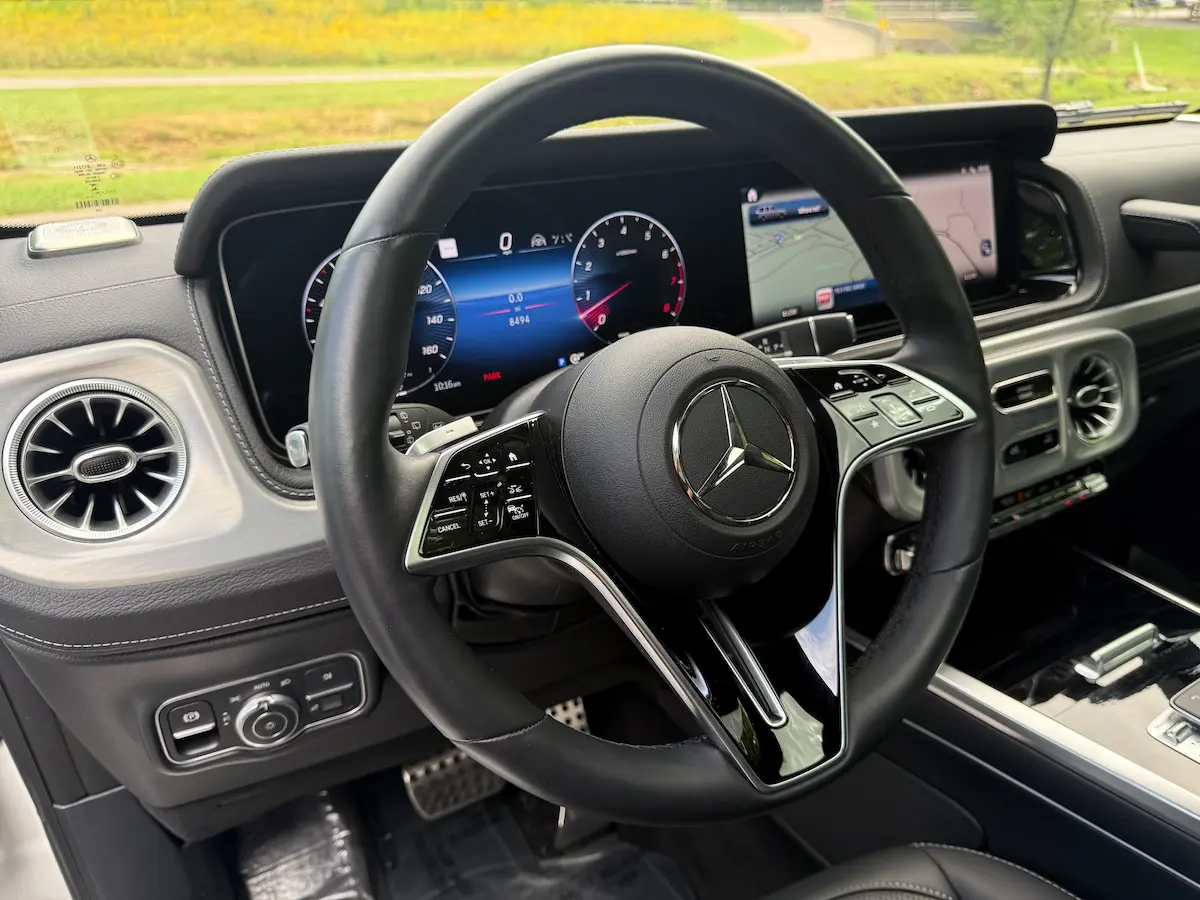
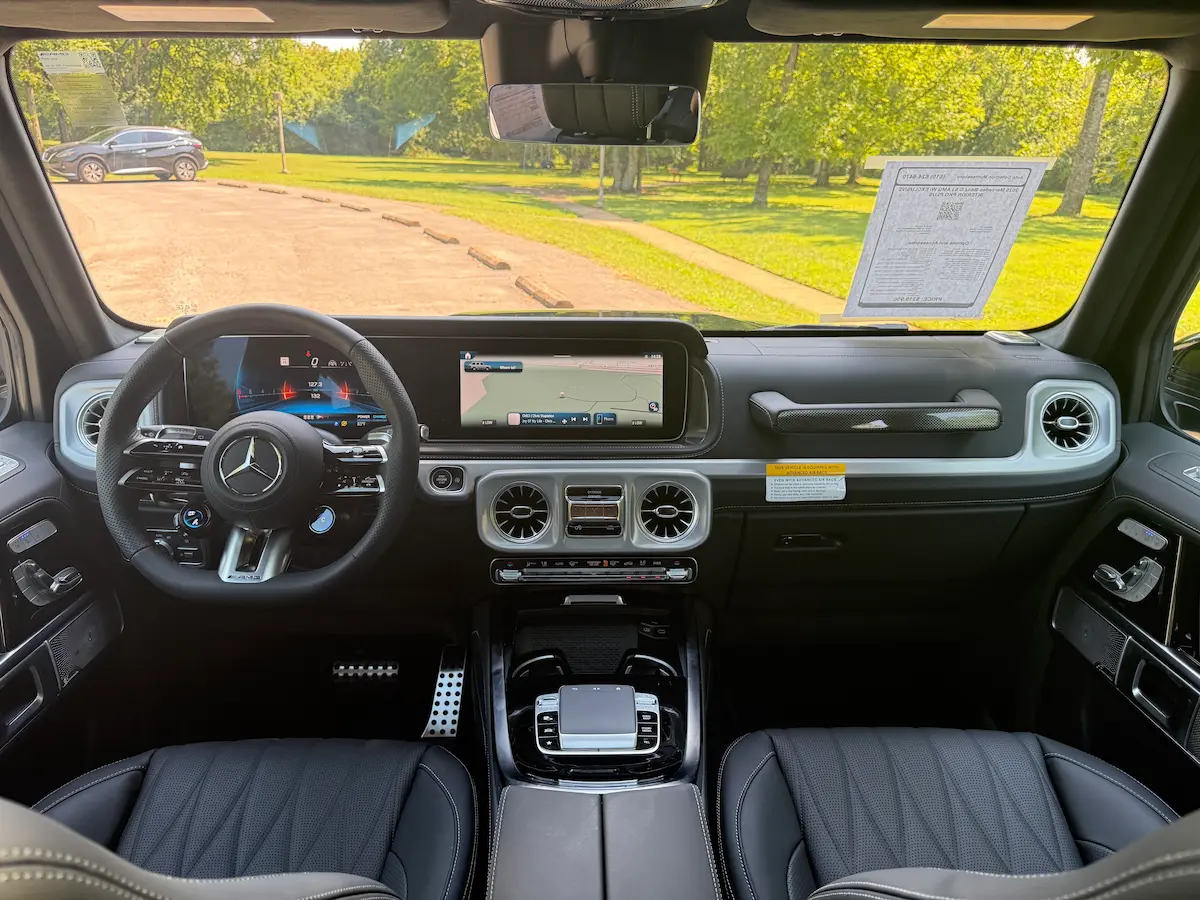
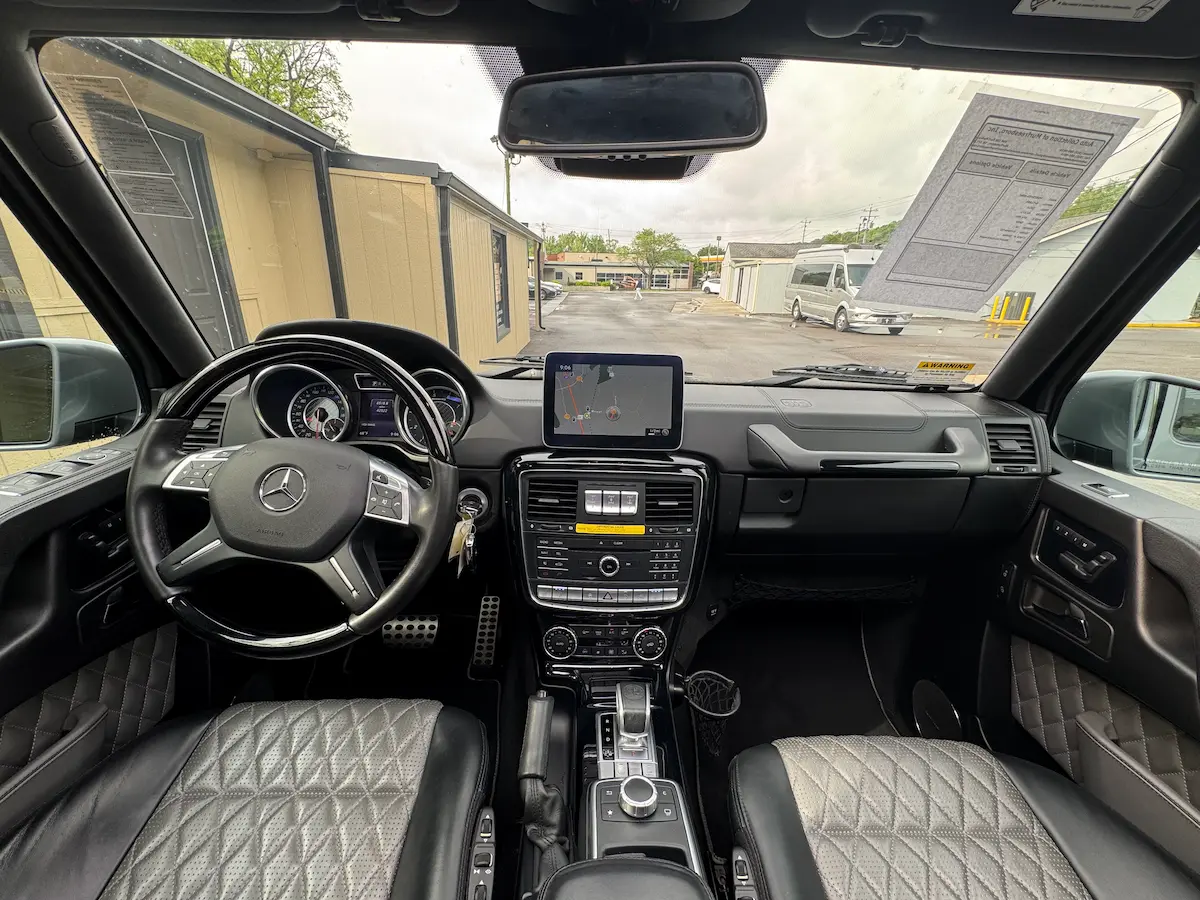
- Dual 12.3-inch digital displays
- A modern infotainment system
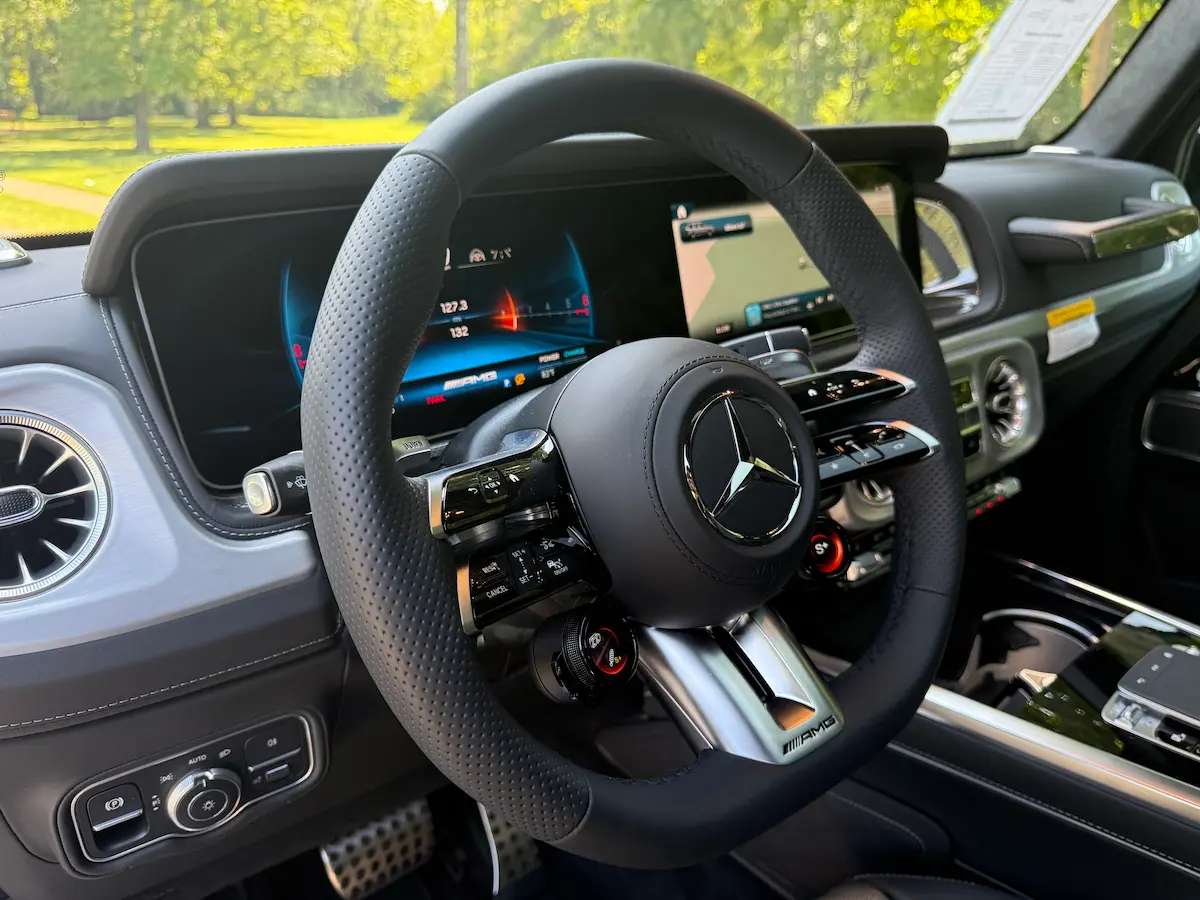
- Updated steering wheel controls
- Expanded safety and driver-assist technology
From 2021 through 2026, Mercedes continued refining the software, driver-assistance features, and connectivity systems. Newer examples feel more polished, with improved digital responsiveness and updated interface graphics. Some recent model years also introduced mild-hybrid assistance in certain markets, improving efficiency and smoothness.
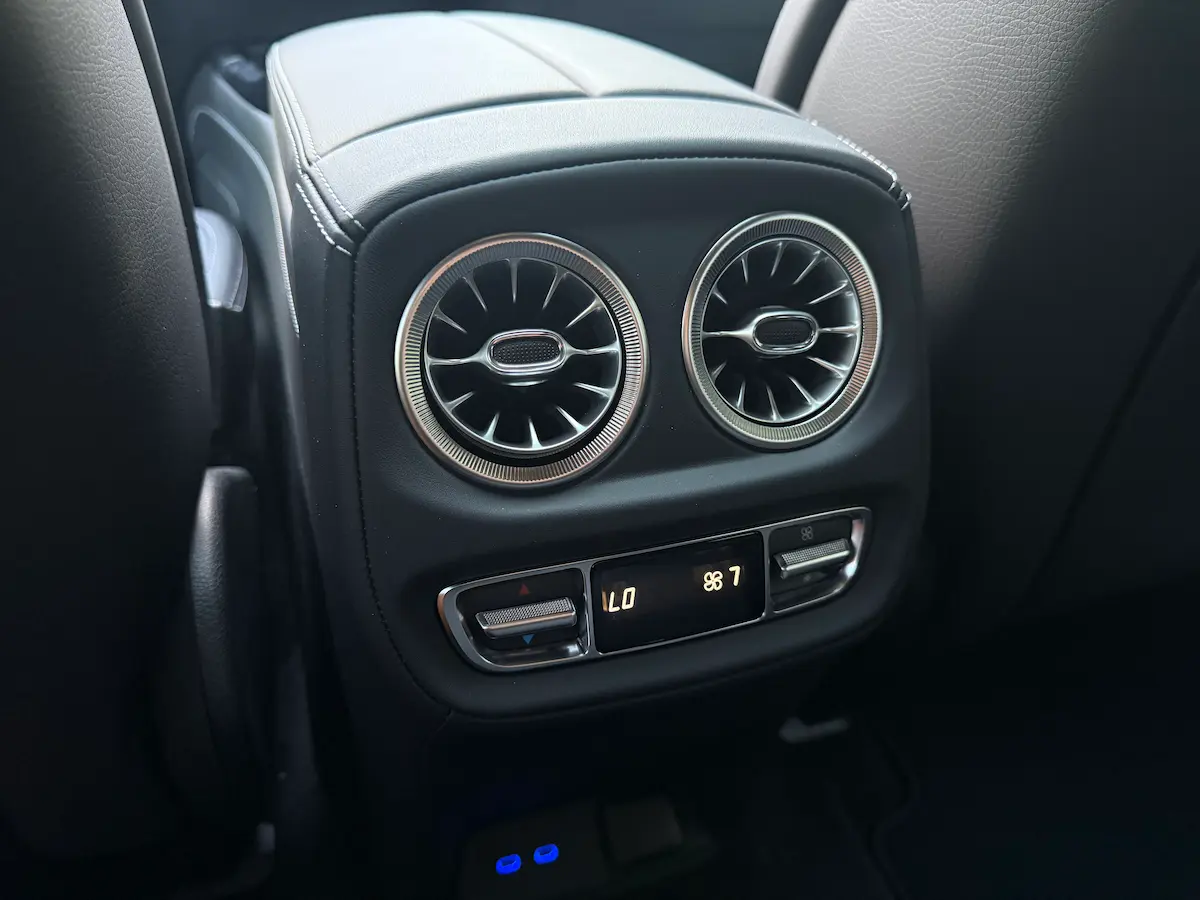
The cabin also became wider in 2019, giving passengers noticeably more shoulder and legroom compared to earlier versions.
Driving Feel and Daily Comfort
This is where many buyers change their opinion.
The 2019 and newer G-Wagon offers:
- Better sound insulation
- Reduced body roll
- Smoother highway performance
- Easier low-speed maneuvering
The pre-2019 models:
- Feel more rugged
- Have heavier steering
- Transmit more road feel into the cabin
For weekend cruising or collectors who appreciate the original character, the older version has a certain charm.
For commuting, family use, or long road trips, the newer generation is simply more comfortable.
Market Positioning in 2026
The 2019 redesign created a clear split in how older and newer G-Wagons are viewed in today’s market.
Pre-2019 models are typically seen as the more traditional, classic version. They appeal to buyers who appreciate the original character or want a lower entry point into ownership.
2019 and newer models are positioned as the modern evolution. They attract buyers who prioritize daily comfort, updated technology, and a more refined driving experience.
Within the redesigned generation, newer model years tend to feel more polished due to software updates, feature refinements, and lower mileage. But structurally, the biggest leap still happened in 2019.
If you’re deciding purely based on driving feel and technology, the real shift happens at the 2019 model year. Budget differences are better evaluated separately when comparing overall price ranges.
The Bottom Line
If you want classic G-Wagon character and a more traditional feel, pre-2019 makes sense.
If you want smoother ride quality, modern interior design, and stronger everyday usability, the 2019 and newer generation is a meaningful upgrade.
For many buyers, this generation decision matters even more than choosing between G550 and G63.
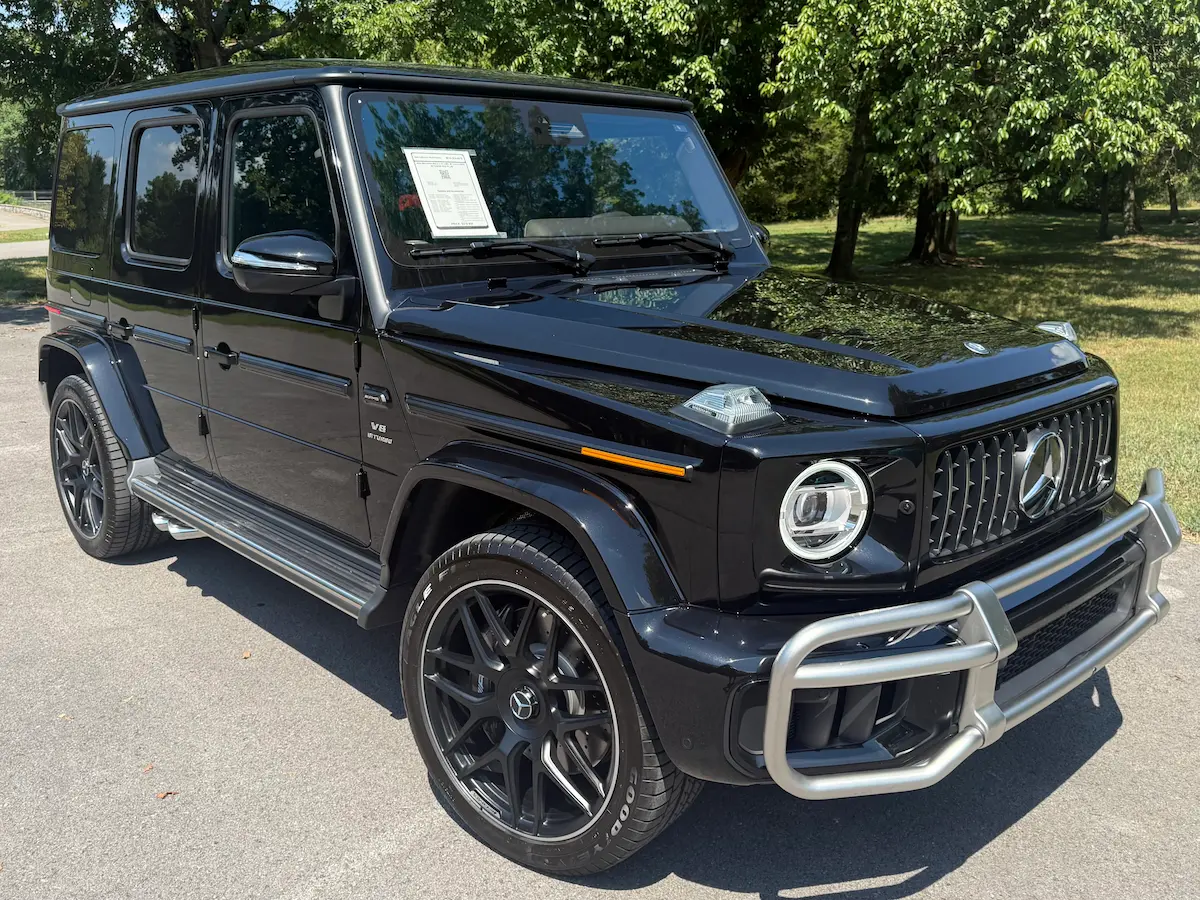
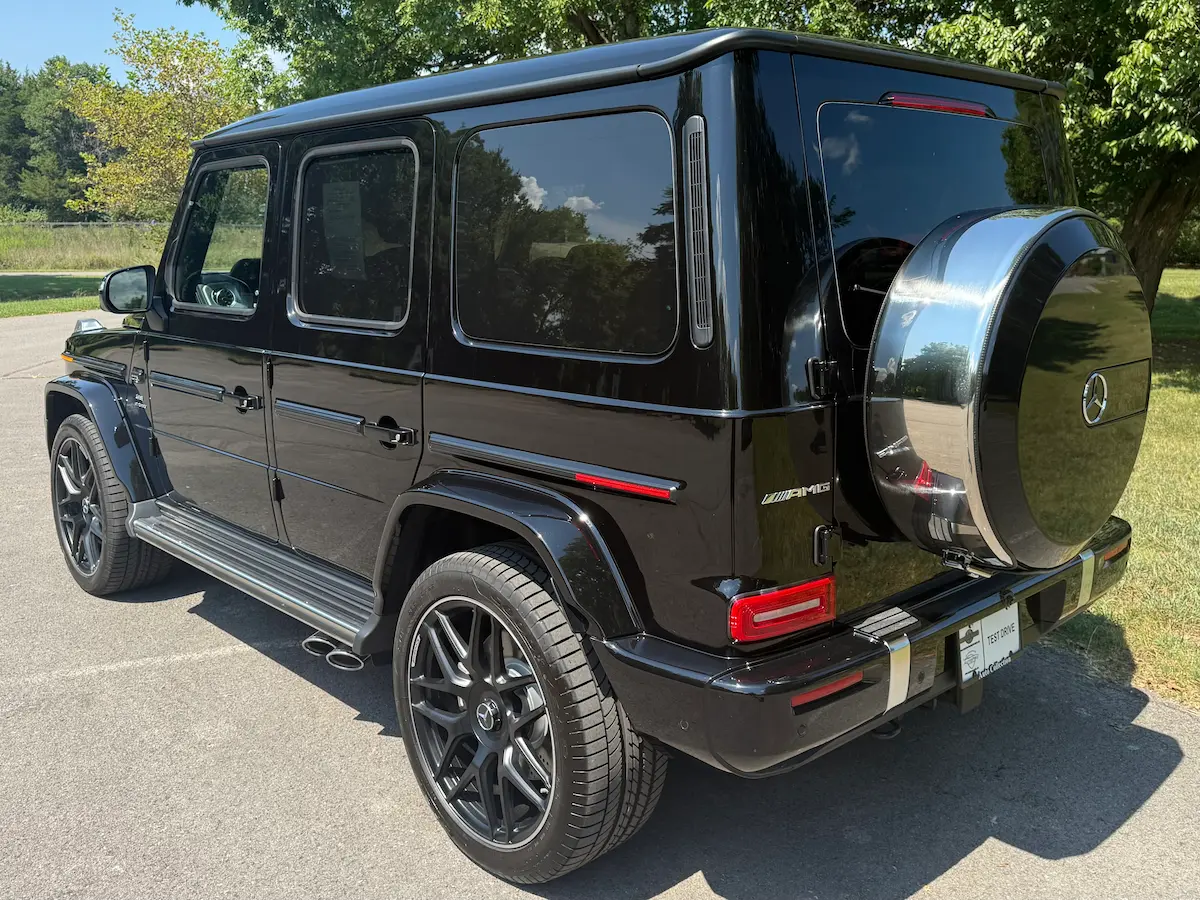
G550 vs G63: Is the AMG Worth the Extra Money?
When people compare the G550 and the AMG G63, the real question usually isn’t just horsepower.
It’s this:
What does it feel like to live with one every day, and what will it really cost?
Both are twin-turbo V8 SUVs. Both look almost identical at first glance. But once you get behind the wheel and start thinking long term, the differences become clearer.
Engine and Performance Differences
Here’s the simple breakdown for recent model years:
On the road:
G550
- Feels quick but controlled
- Smooth throttle response
- Plenty of power for daily use
- More relaxed personality
G63
- Much faster acceleration
- Sharper throttle response
- Louder exhaust tone
- Feels more intense and dramatic
| Model | Engine | Horsepower (Approx.) |
|---|---|---|
| G550 (2019–2024) | 4.0L twin-turbo V8 | ~416 hp |
| G550 (2025–2026) | Turbo inline-6 mild hybrid | ~443 hp |
| G63 | AMG 4.0L twin-turbo V8 + 48V assist | ~577 hp |
For most drivers, the G550 already feels genuinely quick and confident. It has more than enough power for daily use. The G63, however, takes that same formula and pushes it further. The sound is deeper, the throttle feels sharper, and the overall experience is more intense.
In 2023–2026 model years, the G63 continues to produce around 577 horsepower from its AMG twin-turbo V8, reaching 0–60 mph in roughly four seconds. The acceleration feels immediate and forceful, especially compared to the G550’s more relaxed delivery.
By contrast, many 2025–2026 G550 models now use a turbocharged inline-6 with mild-hybrid assist, producing about 443 horsepower. It’s smooth, refined, and still strong. But its personality is calmer. The G63 feels more urgent and dramatic, while the G550 feels more balanced and composed. You can read Car and Driver review on 2026 Mercedes-Benz G-Class for more information.
Ownership Costs and Maintenance
This is where the difference becomes more practical.
Both the G550 and G63 are expensive vehicles to maintain. That is simply the reality of owning a high-performance, hand-built luxury SUV. But based on what we typically see in service and repair, the AMG model does carry a noticeable premium over time.
Our Real-World 5-Year Ownership Estimate
Based on what we’ve seen with 2023–2026 models out of warranty, a reasonable expectation looks like this:
- G550: approximately $8,000 to $10,000 over five years in routine maintenance and typical wear items
- G63: approximately $10,000 to $13,000 over five years, depending on driving habits
This includes normal servicing, fluid services, brake wear, and common ownership items. It does not assume major mechanical failures.
Typical Annual Maintenance
For newer G-Wagon models that are no longer under factory coverage:
- Routine annual service usually falls between $1,000 and $1,500
- Years that include brake replacement or larger services can move closer to $2,000 to $3,000
Driving style makes a big difference, especially with AMG models.
Brake Costs
This is where we most often see a gap.
- G550 brake service: typically $1,800 to $2,500
- G63 brake service: often $3,000 to $5,000 or more, depending on parts and labor
The AMG braking system is larger and built for higher performance, which increases replacement cost.
Tire Replacement
Both models run large wheels. The G63 usually uses wider performance tires.
- G550 full tire set: around $1,500 to $2,000
- G63 full tire set: typically $2,000 to $3,000
Aggressive driving shortens tire life significantly on the AMG.
* Estimates reflect typical U.S. ownership costs and can vary by region, driving style, and service provider.
Insurance
Insurance premiums are high for both due to vehicle value. The G63 usually carries a higher premium because of its performance classification and replacement cost.
Our Take:
Neither model is inexpensive to own.
But in our experience, the G63 consistently costs more over time. Not dramatically more every single year, but noticeably more across several years of ownership.
Resale and Market Demand
From what we see in the luxury pre-owned market:
- The G63 typically holds stronger resale positioning.
- Low-mile 2023–2026 AMG examples tend to sell quickly.
- The G550 often represents better value relative to its purchase price.
Buyers who want AMG usually want it specifically. They are rarely cross-shopping down. That keeps G63 demand strong.
Buyers choosing a G550 are often thinking about balance. They want performance and presence, but with more practical long-term ownership costs.
That is the real difference.
So Which One Makes More Sense?
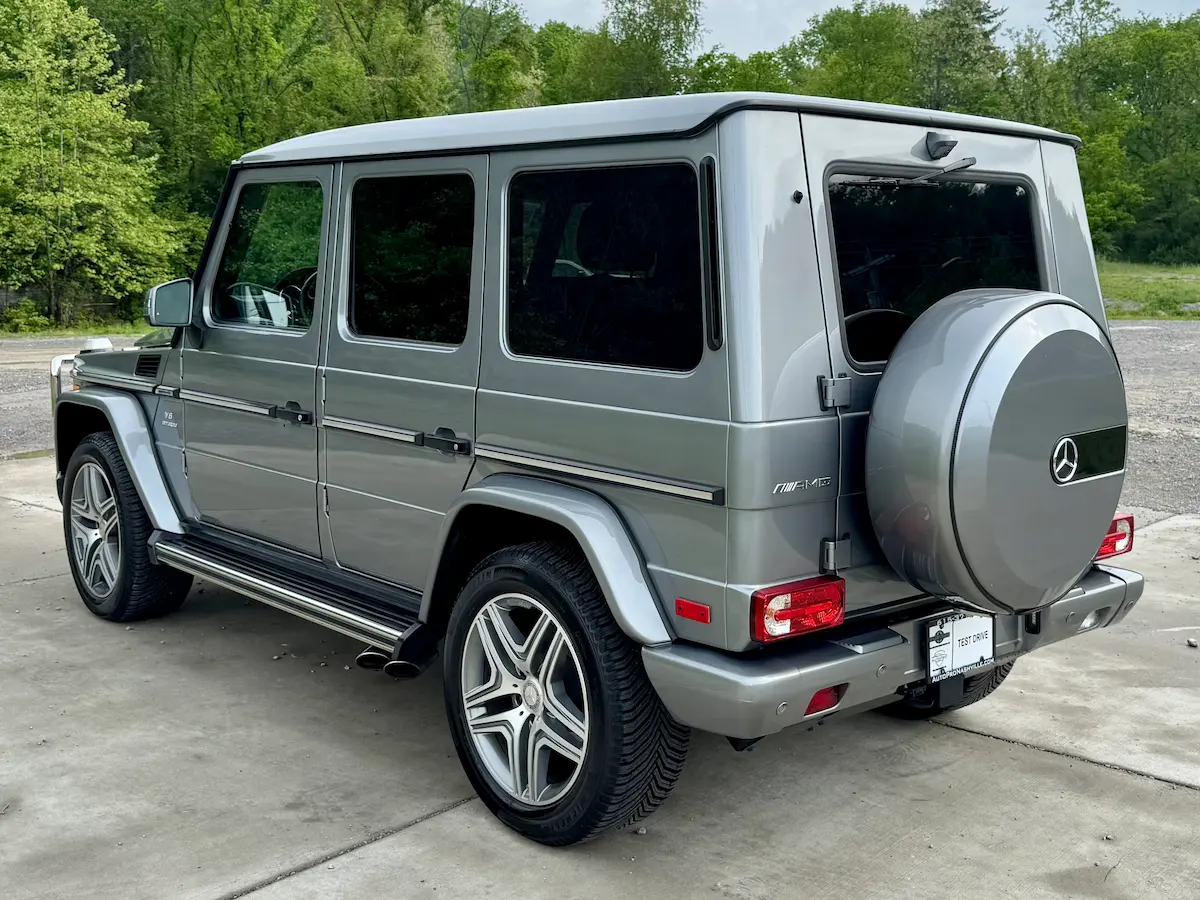
If you plan to drive it regularly and want strong performance without going over the top, the G550 is usually the smarter choice. It feels quick, refined, and balanced in daily use. For many buyers, it delivers everything they expect from a G-Wagon without the added AMG ownership costs.
If you are buying mainly for performance and presence, the G63 is the one. It is faster, louder, and more aggressive. The AMG badge and sharper driving feel matter more than practicality in this case, and that is completely valid. Just expect higher insurance, brake, and operating expenses.
Neither one is objectively better. They are built for different priorities.
Most buyers simply need to decide:
Do you want balance, or do you want intensity?
Best Used G-Wagon by Budget Range
Your budget usually decides more than just the model year. It shapes the kind of ownership experience you’re realistically stepping into.
Here’s what buyers typically find in today’s 2026 market.
Under $120K
What you’ll usually see:
- Pre-2019 G550 models
- Earlier G63 versions, often with higher mileage
What that really means:
- The original, classic G-Wagon feel
- Strong V8 power
- More traditional interior layout
- Higher mileage compared to newer examples
This range is the entry point into ownership. It can be a smart move if you care more about the look and character than having the newest technology. At this level, service history and condition matter more than trim.
$120K–$160K
What you’ll usually find:
- 2019–2021 G550 models
- 2019–2022 G63 examples
- Occasionally newer 2022–2023 G550 units with moderate mileage
What to expect:
- The redesigned platform with smoother ride quality
- Digital dual-screen interior
- Better daily comfort
- Modern safety and driver assistance features
For many buyers, this is the real sweet spot. You get the major 2019 redesign benefits without stretching into the newest 2024–2026 pricing levels. It offers a strong balance between modern comfort and reasonable market positioning.
$160K+
What you’ll typically see:
- 2023–2026 G63 models
- Low-mileage 2024–2026 G550 units
- Special trims or highly optioned configurations
What that means in real life:
- Strong AMG performance
- Newer technology refinements
- Lower mileage
- Stronger resale positioning
In 2026, newer G63 models in this range often hold their value particularly well due to demand and limited availability. Buyers at this level are usually choosing specification, mileage, and condition more than just the trim badge.
Quick Perspective
- Lower budget usually means classic character and value entry.
- Mid-range budget delivers the best overall balance of modern comfort and price positioning.
- Higher budget prioritizes performance, lower mileage, and stronger resale appeal.
The key is being honest about what matters most to you. Not every buyer needs the newest model year, and not every buyer benefits from stretching into AMG territory.
Match the budget to the experience you actually want.
Best Overall Used G-Wagon for Most Buyers
After comparing trims, generations, and real-world ownership costs, here’s the honest summary for most shoppers in today’s market:
- Best overall balance: 2019–2023 G550
- Best performance choice: 2019–2026 G63
- Best value entry point: Clean pre-2019 G550
Why the 2019+ G550 Is Often the Sweet Spot
For most buyers, a 2019 or newer G550 hits the most practical middle ground.
You get:
- The redesigned chassis with smoother ride quality
- The modern dual-screen interior
- Strong twin-turbo V8 performance
- Lower long-term ownership exposure compared to AMG
- Consistent demand in the resale market
Models from 2021–2023 especially tend to offer a good balance of updated features and realistic pricing compared to the newest 2024–2026 examples.
It delivers the modern feel people expect from a G-Wagon without stepping into full AMG pricing or maintenance territory. For daily drivers who still want presence and power, it often makes the most sense.
What to Check Before Buying Any G-Wagon
No matter which version you choose, condition matters more than the badge.
Before purchasing, pay attention to:
- Suspension wear, especially on higher-mile vehicles
- Electronic systems and screen functionality
- Complete service history
- Brake condition on G63 models
- Signs of heavy modifications or tuning
These vehicles hold value well, but deferred maintenance can get expensive quickly. A properly serviced example with clear records is almost always worth paying slightly more for.
In many cases, a well-maintained G550 is a better buy than a poorly maintained G63.
Final Thoughts: Choosing the Right Fit
Choosing the right used G-Wagon is less about which one is “best” and more about what fits your priorities.
Ask yourself:
- Do you want a smoother daily experience or a sharper performance edge?
- Do you prefer the classic feel or the modern redesign?
- Are you buying for balance, or for maximum statement?
Every version of the G-Wagon carries strong presence and long-term desirability. The key is matching the trim and model year to how you realistically plan to use it.
Once you narrow that down, comparing available used G-Wagon inventory side by side will make the decision much clearer.
What is the best year to buy a used G-Wagon?
For most buyers, 2019 and newer models represent the biggest improvement due to the full redesign. The updated chassis, independent front suspension, and digital interior make a noticeable difference in comfort and driving feel. Many shoppers find 2021–2023 models offer a strong balance between modern features and realistic pricing compared to the newest 2024–2026 examples.
Are pre-2019 G-Wagons still worth buying?
Yes, if you prefer the original character and more traditional driving feel. Pre-2019 models have a solid front axle and a more mechanical personality that some buyers intentionally seek out. They can also offer a lower entry price. However, ride comfort and technology are noticeably different compared to the redesigned generation.
Which G-Class holds its value better?
Historically, the G63 tends to command stronger resale positioning due to consistent AMG demand. Low-mileage newer G63 models often move quickly in the pre-owned market. The G550 may not carry the same resale ceiling, but it can represent better overall value relative to purchase price.
Is the G63 worth the extra money over the G550?
It depends on what you value most. The AMG G63 offers significantly more horsepower, sharper acceleration, and stronger brand prestige. However, the G550 already delivers strong twin-turbo V8 performance with lower long-term maintenance exposure. For buyers focused on daily driving and value balance, the G550 often makes more financial sense. For buyers prioritizing performance and presence, the G63 justifies its premium.