Is a Used Mercedes-Maybach Worth It? How to Choose the Right One
At some point, most luxury buyers pause when they start seriously considering a Mercedes-Maybach. Not because of the price, but because it doesn’t fit into the usual upgrade path.
With something like an S-Class or a higher-spec SUV, the decision is straightforward. A Maybach feels different, especially in the used market where it often sits surprisingly close in price to those same cars.
That’s where the hesitation comes in.
On paper, it can look like an easy step up. In reality, it’s not always an upgrade in the way people expect. It’s a shift in how the car is meant to be used.
That’s why the real question isn’t whether it’s better.
It’s whether it actually fits how you use your car every day.
Table of Contents
Understanding the Different Types of Maybach
This is where things usually become clear.
Choosing a Maybach isn’t just picking a model. It’s deciding how you want the car to feel in daily use, and in the used market, that matters more than most people expect.
A lot of buyers assume all Maybachs feel the same. They don’t. They may look similar, but they’re built for different routines.
S-Class Maybach
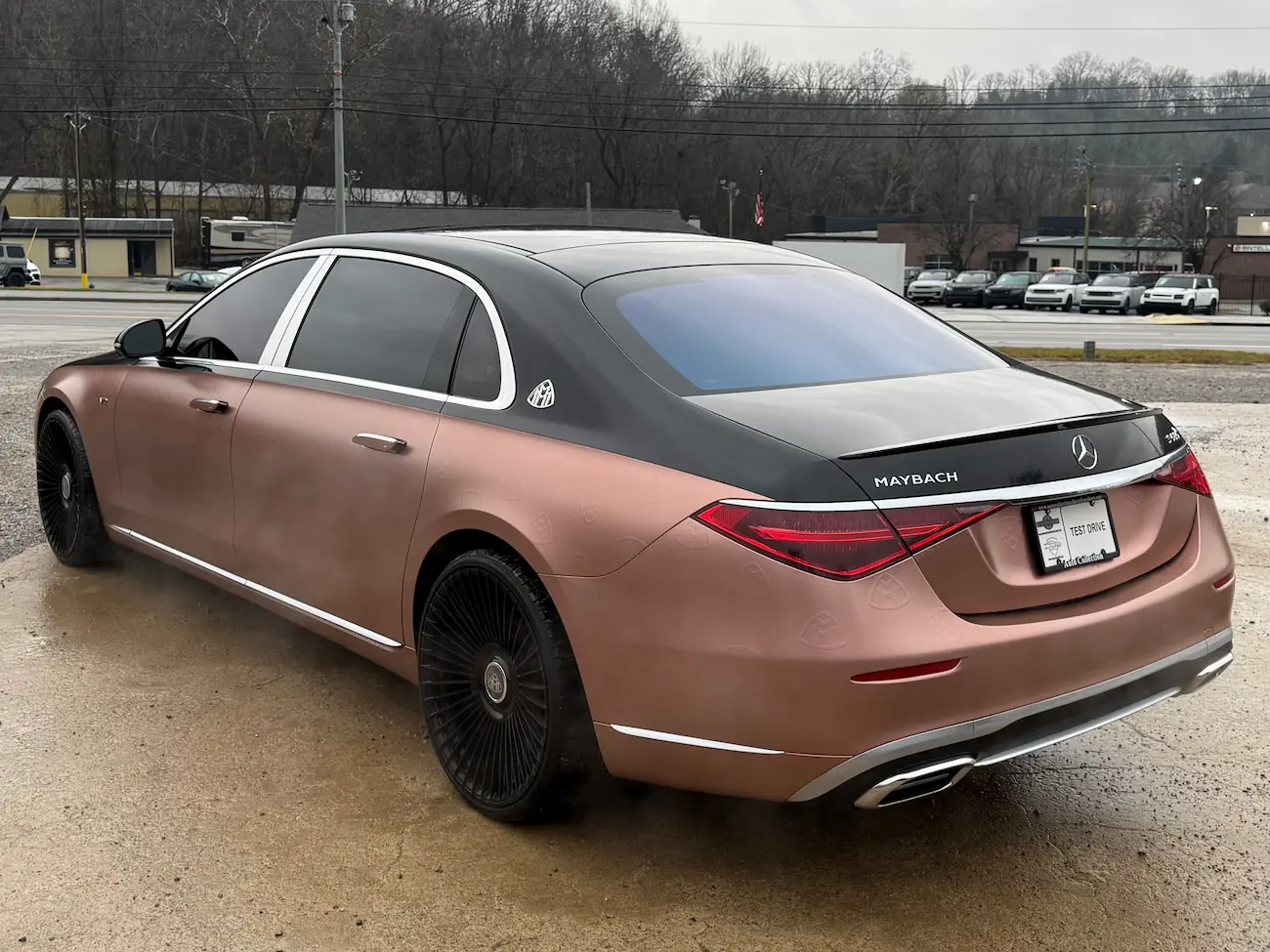
Models like the Mercedes-Maybach S 580 and S 680 are what most people think of first.
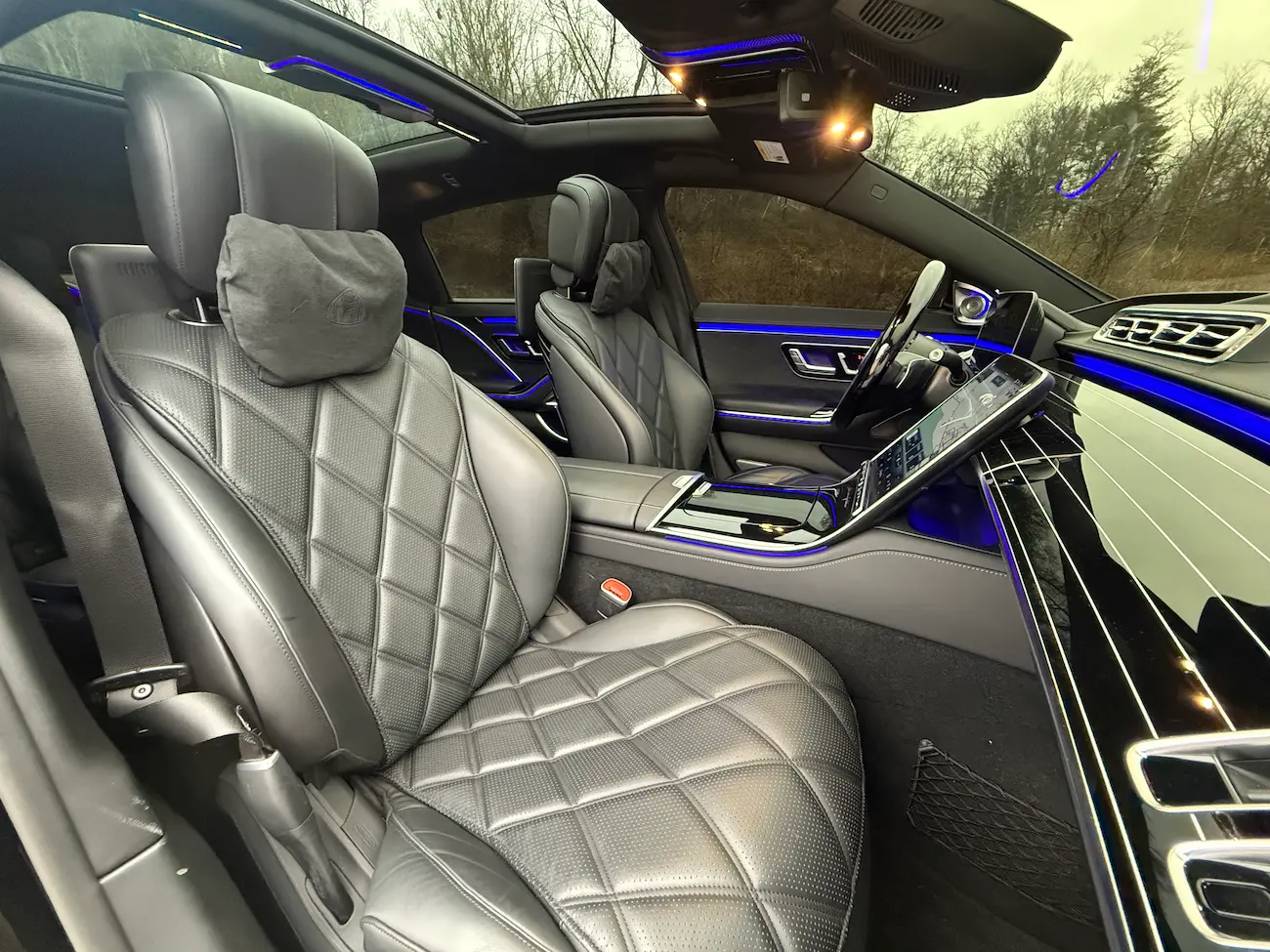
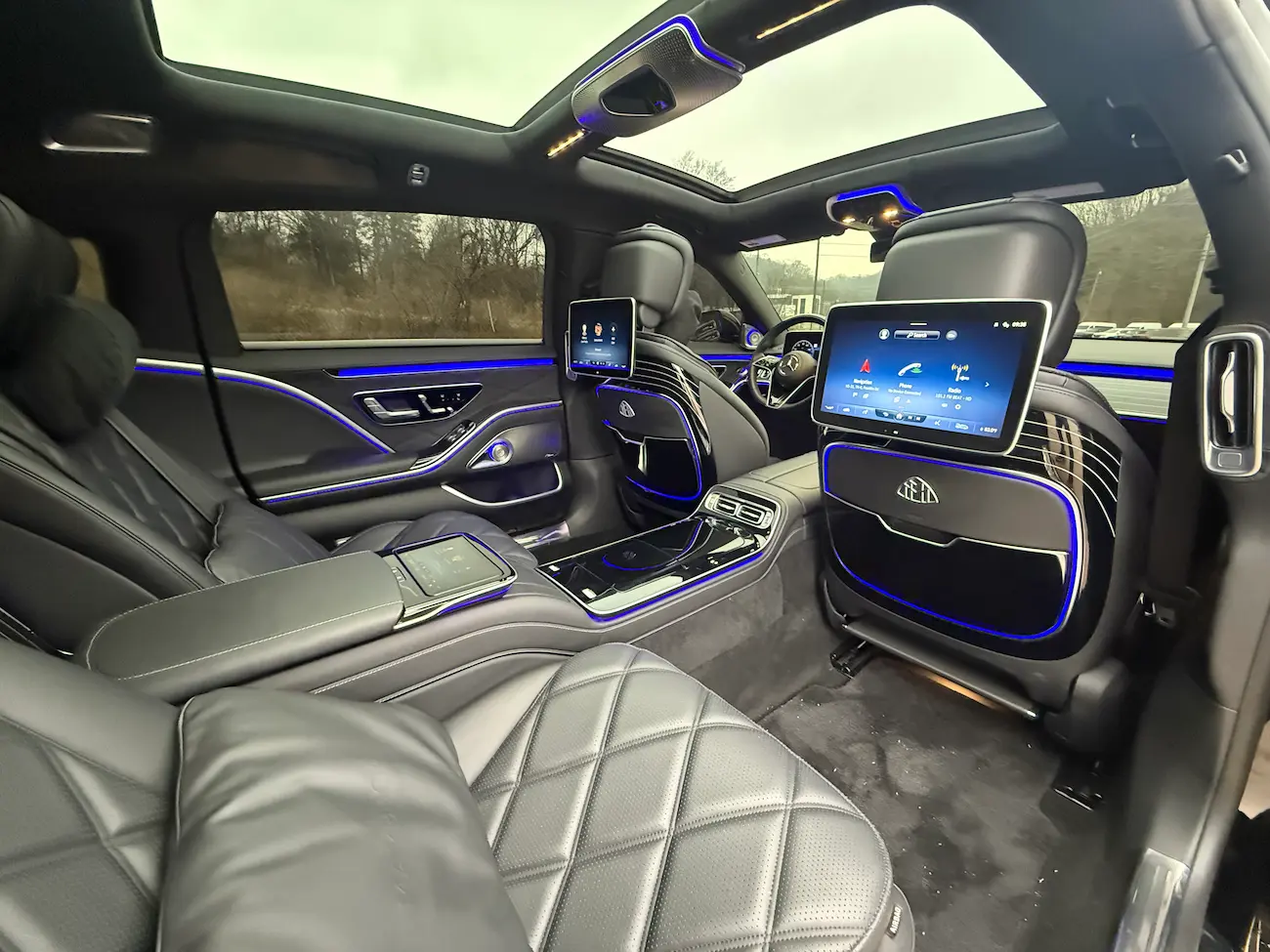
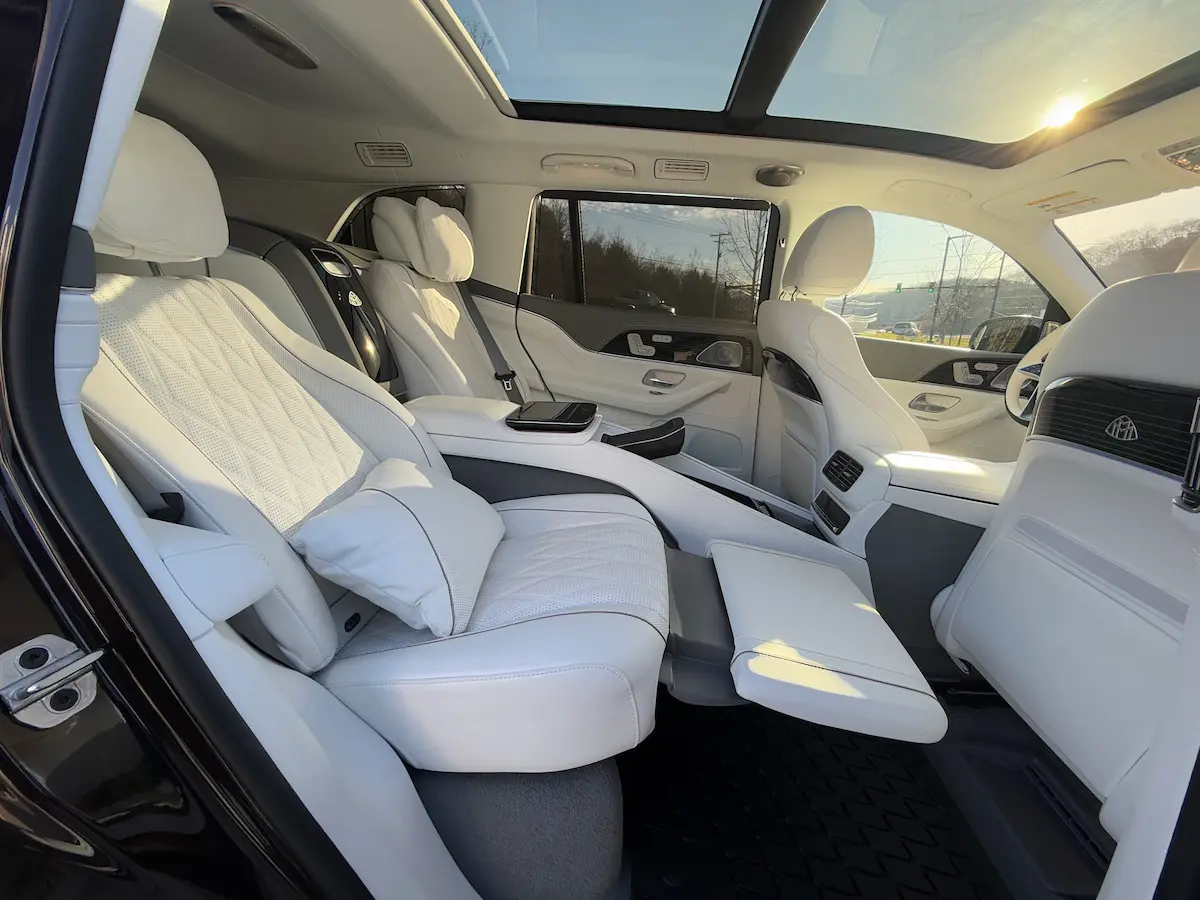
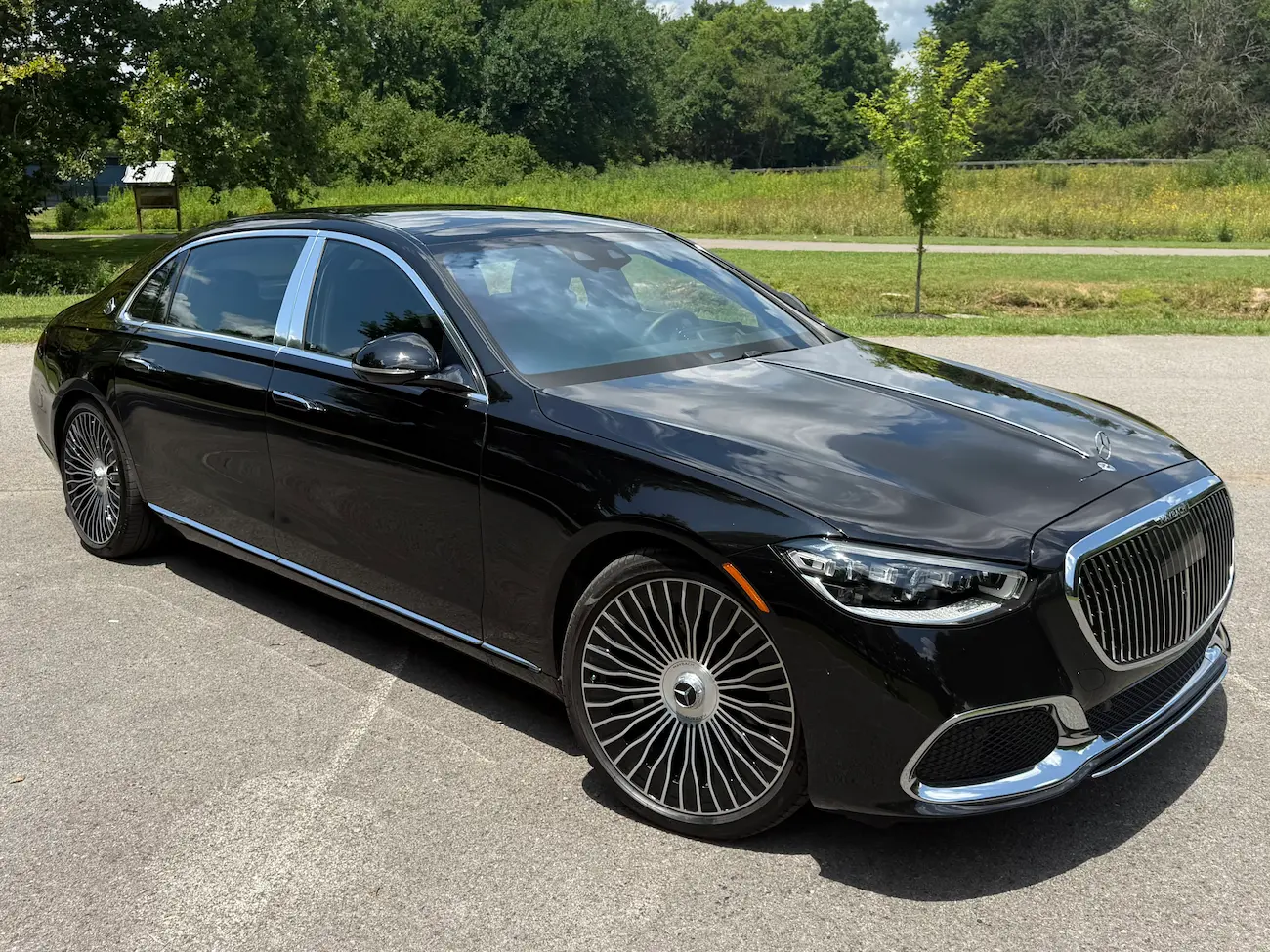
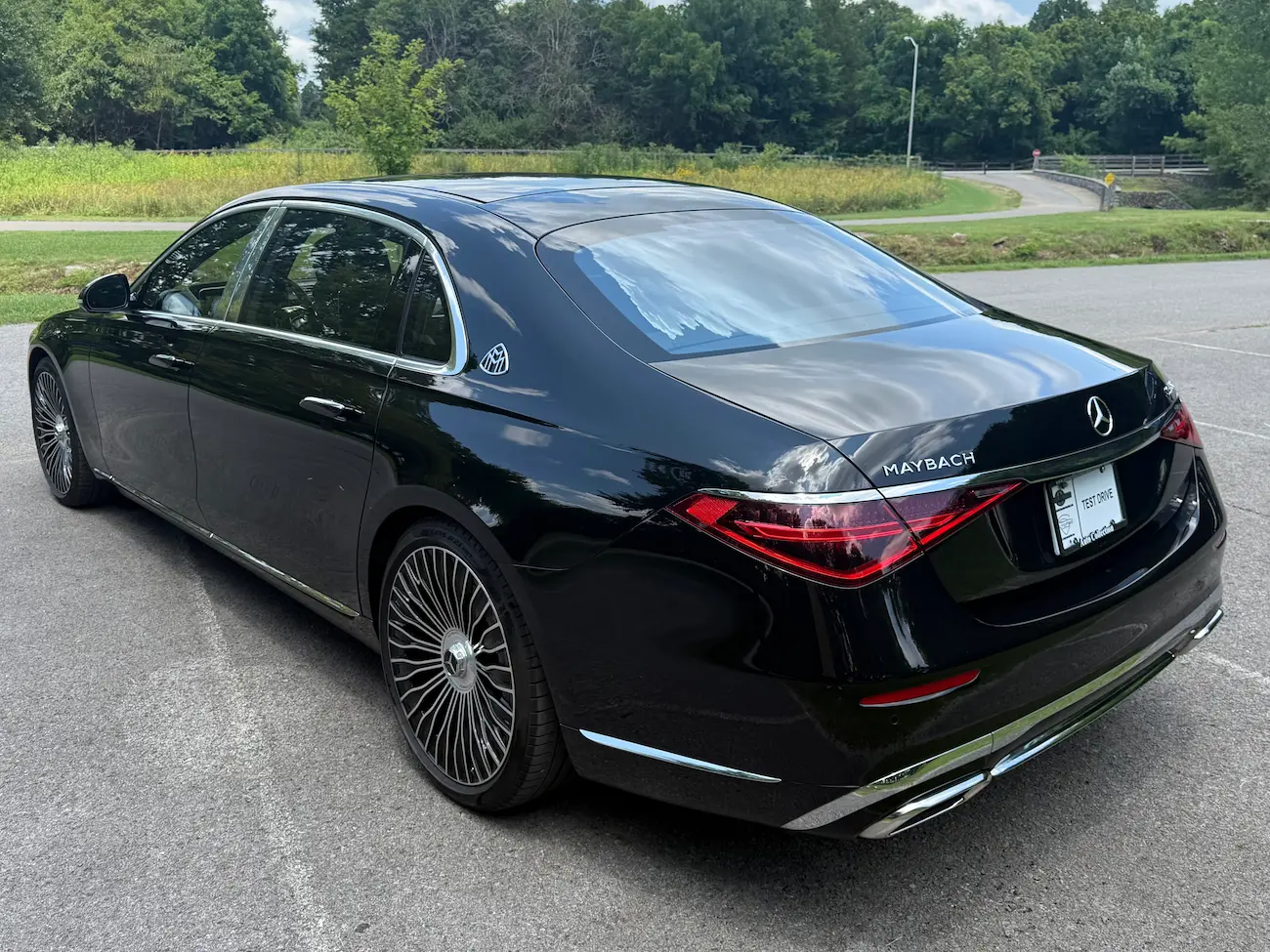
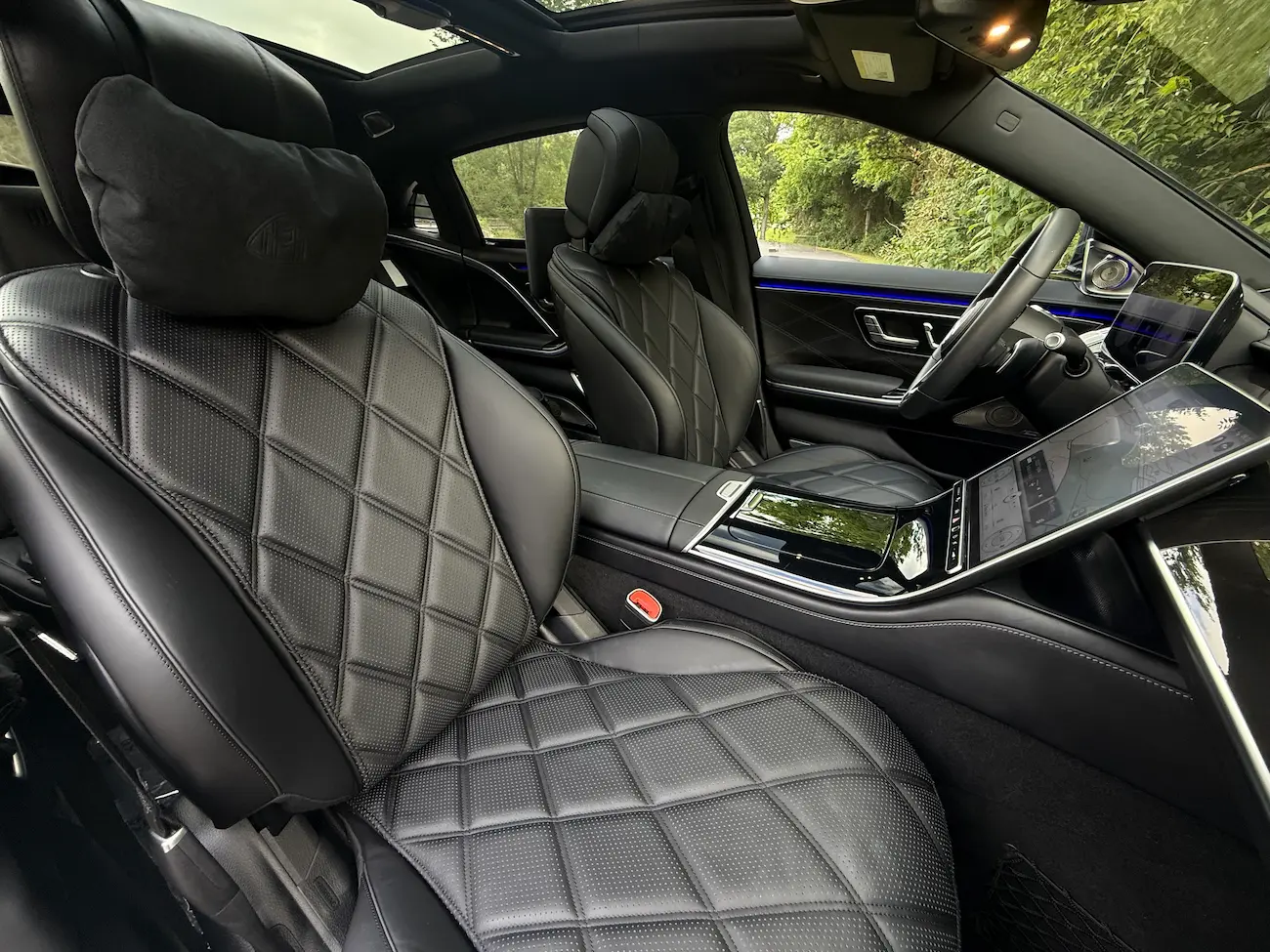
This is the most traditional version. A full-size sedan built around comfort, quietness, and just removing effort from the experience.
- Ultra-refined sedan feel
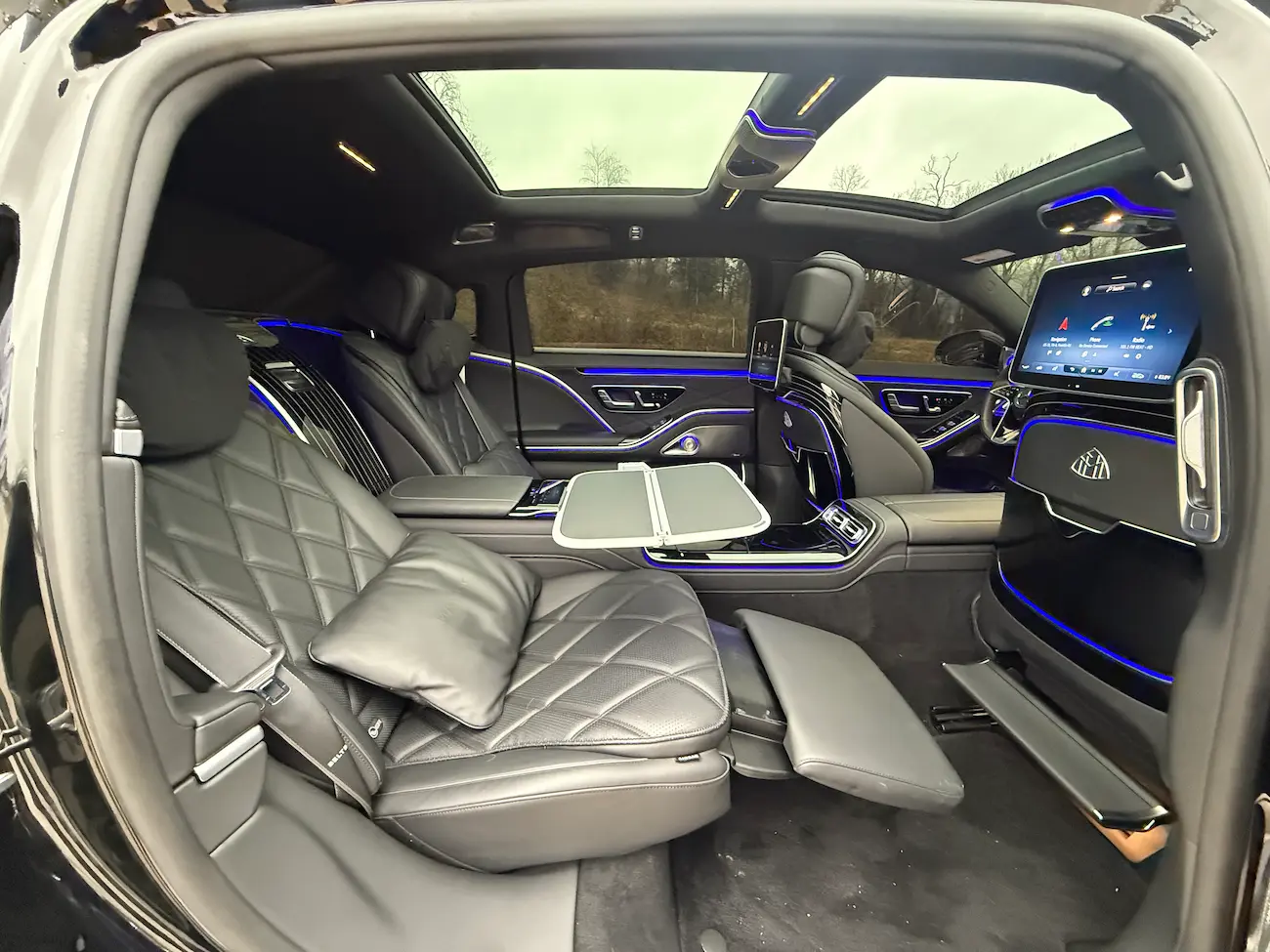
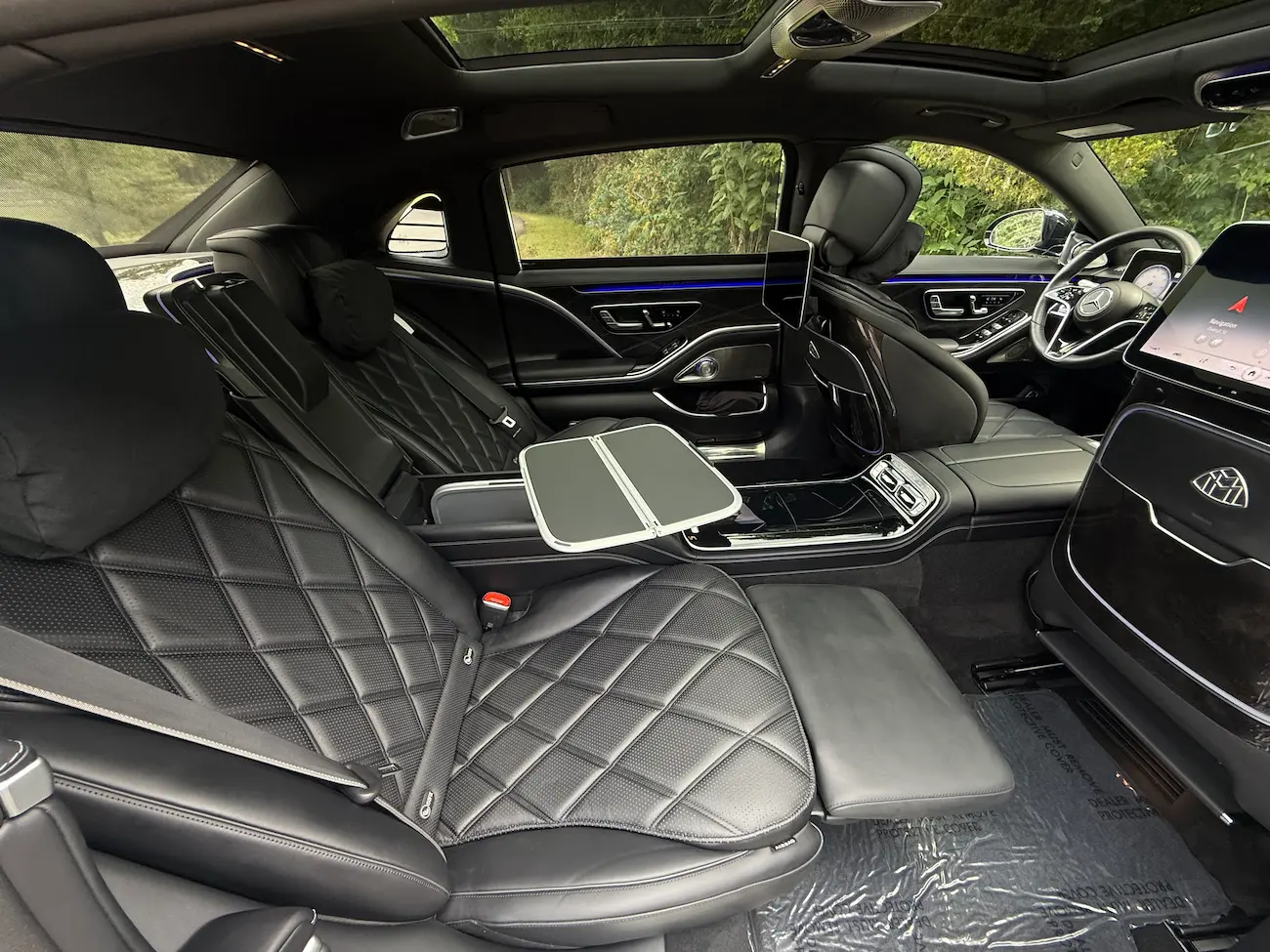
- Rear seat is clearly the focus
- Very smooth and controlled on the road
- Modern without feeling complicated
Quick reality check (vs regular S-Class):
- More rear legroom from the longer wheelbase
- Rear seats recline much further
- Quieter at highway speeds
- Softer, comfort-focused suspension
This is where most used buyers start.
If you want a deeper look at how the flagship sedan actually feels to own and live with, it’s worth exploring our full Mercedes-Maybach S-Class review.
Where buyers get it wrong:
They expect it to feel like a better S-Class from the driver’s seat. It doesn’t. Most of the difference is in the back.
GLS Maybach (SUV)
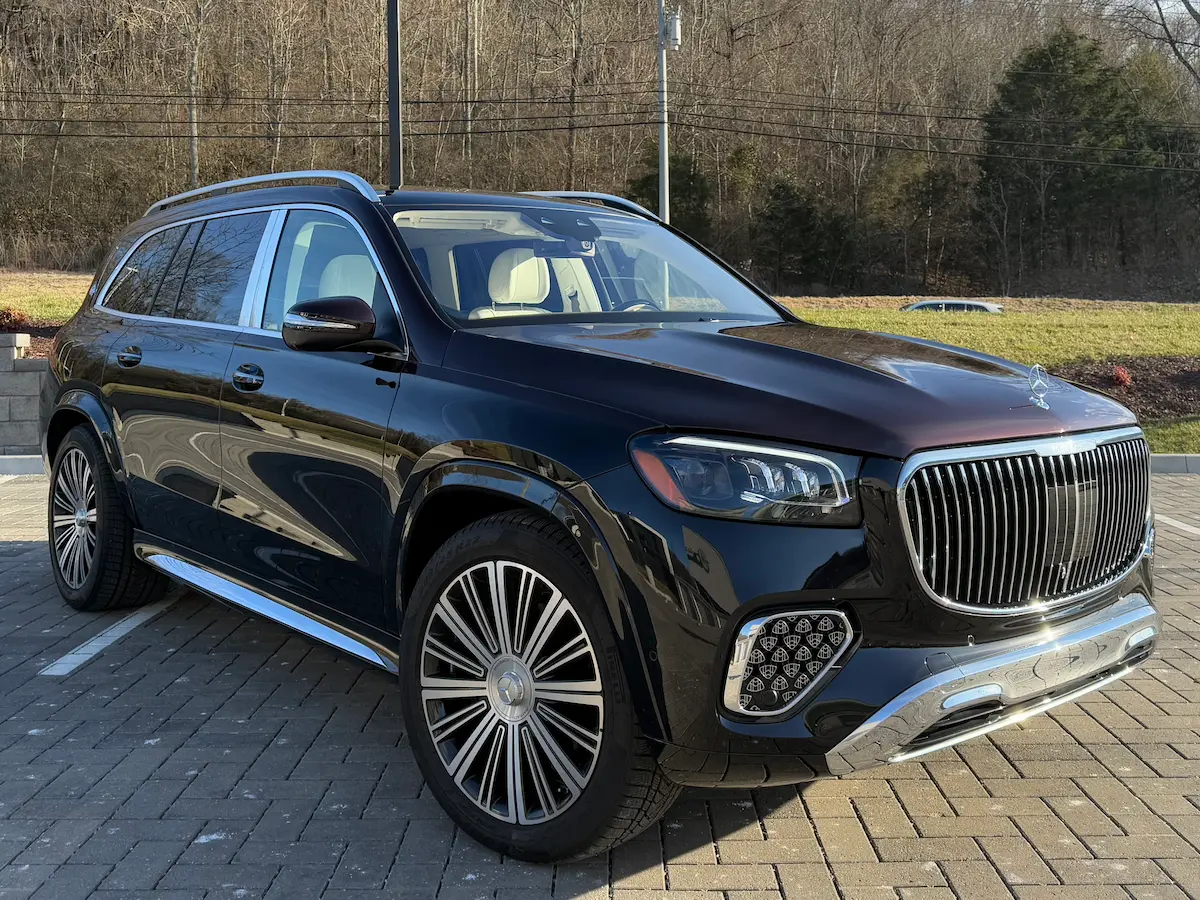
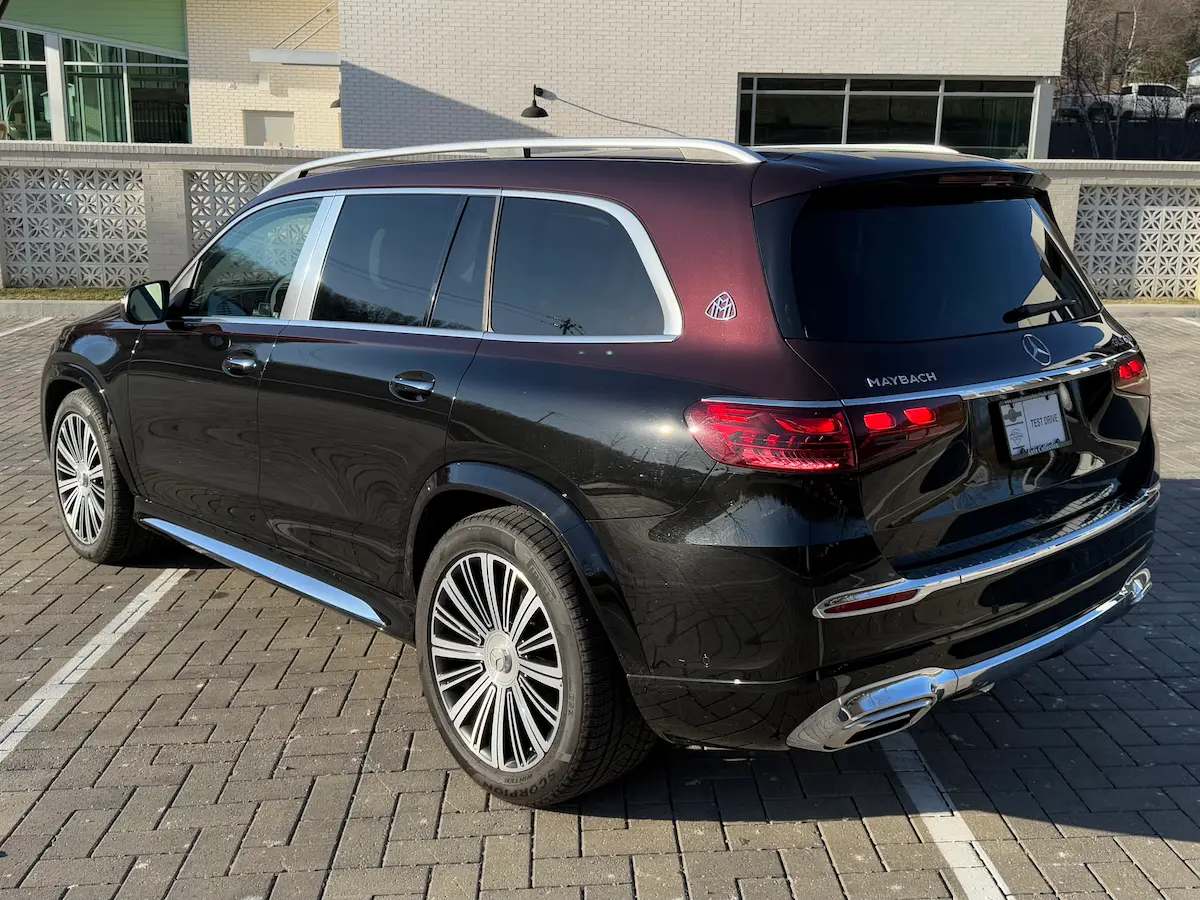
The Mercedes-Maybach GLS 600 takes that same idea and makes it easier to live with.
It still delivers the Maybach feel, but in a way that fits everyday driving better.
- Higher seating position
- Easier to get in and out
- More flexible space
- Less formal than the sedan
Quick reality check (vs standard GLS):
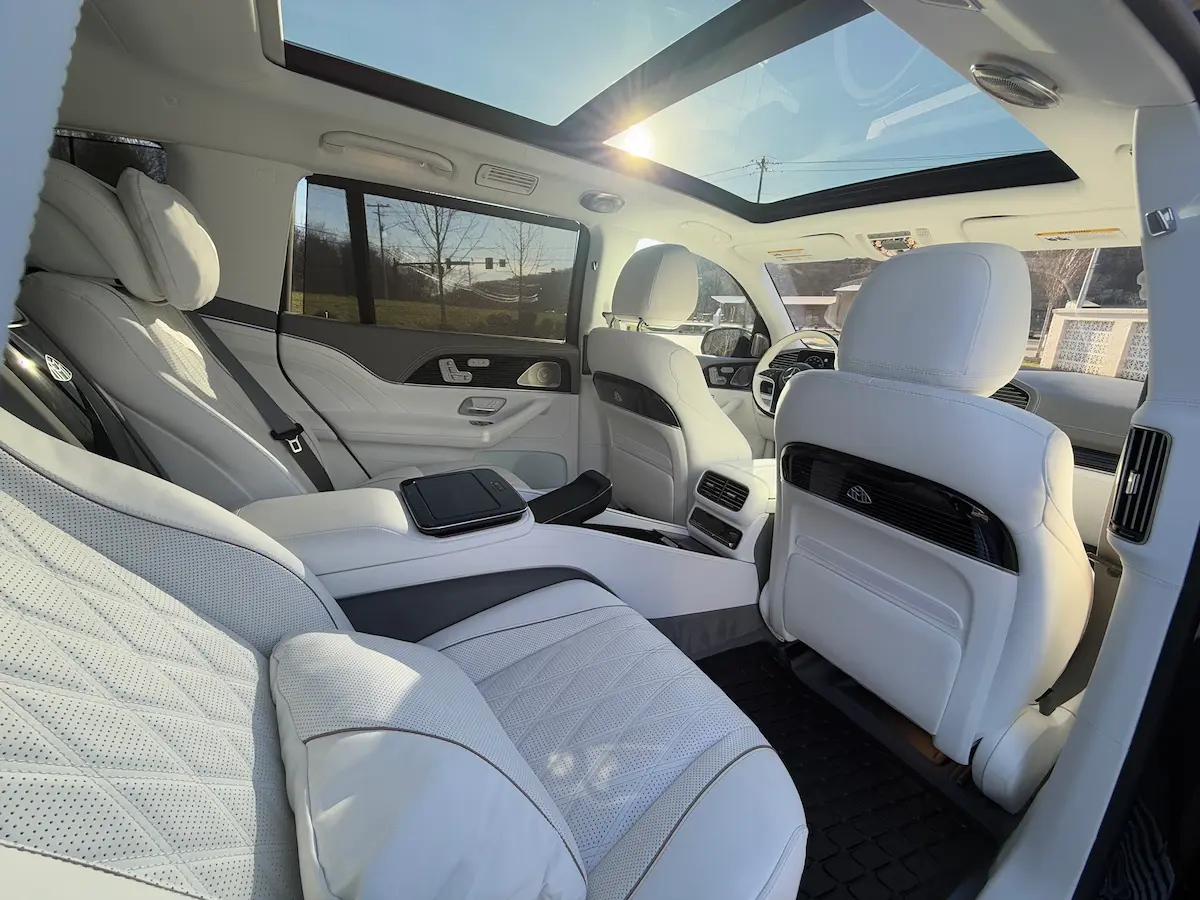
- Rear seating focuses on comfort over capacity
- Softer, more isolated ride
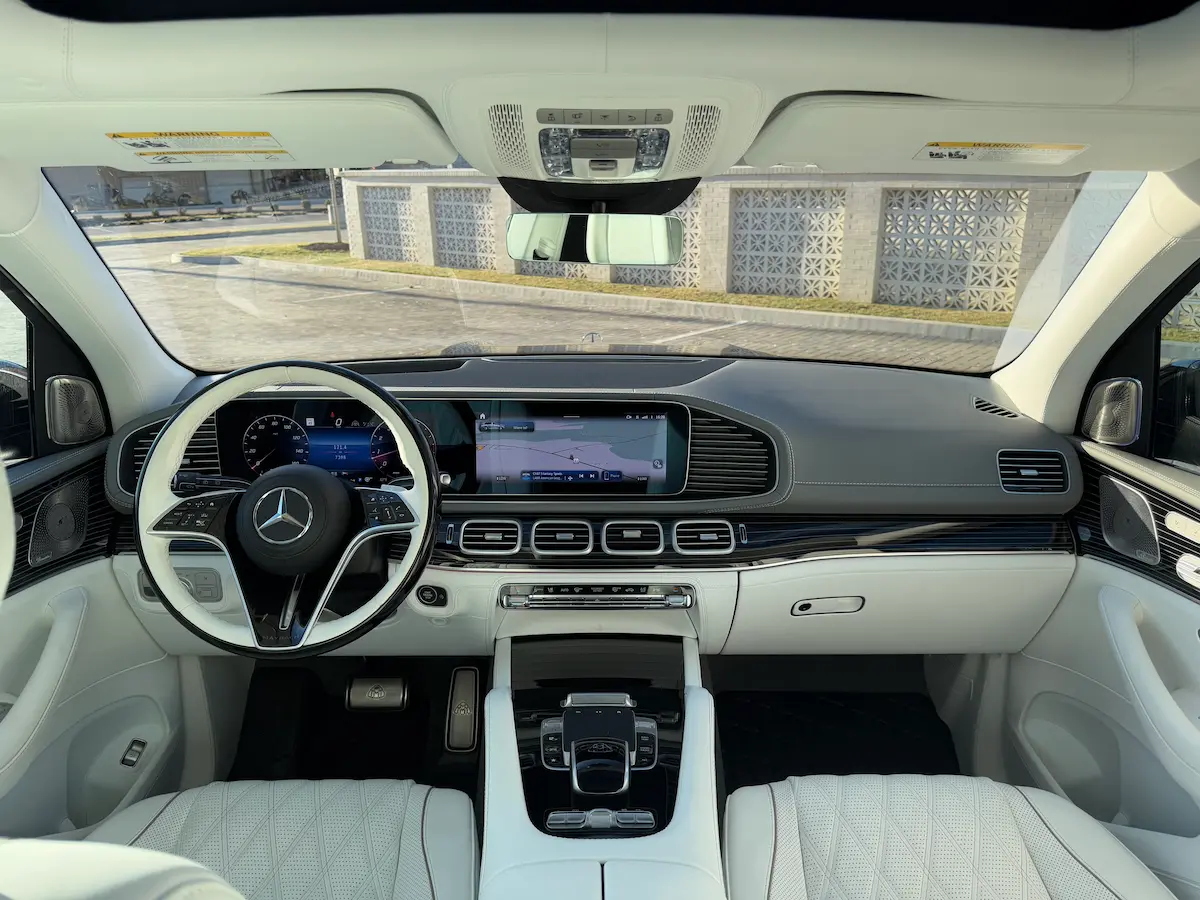
- More premium materials throughout
- Tuned for comfort, not performance
This is where a lot of buyers end up once they think about their real routine.
Where buyers get it wrong:
They go for the sedan first, then realize the SUV fits their daily life better.
EQS 680 SUV (Electric Maybach)
The Mercedes-Maybach EQS 680 SUV feels different from the moment you drive it.
Being fully electric changes everything about how the car moves and feels.
- Almost completely silent
- Very smooth, uninterrupted power
- More modern, minimal feel
- Less mechanical, more atmospheric
Quick reality check (vs standard EQS SUV):
- Even quieter than a typical EV
- Power feels softer and more relaxed
- Rear-seat experience is more refined
- Everything is tuned for calmness
For some buyers, this is exactly what they want.
Where buyers get it wrong:
They expect it to feel like a traditional luxury SUV. It doesn’t. It’s quieter and more detached than most people expect.
SL 680 Monogram Series (Driver-Focused Maybach)
The Mercedes-Maybach SL 680 Monogram Series is the outlier.
This is where Maybach shifts toward a more personal, driver-focused experience.
- Two-seat grand touring setup
- Open-top driving
- More emotional, less formal
- Still refined, but not isolated like the others
Quick reality check (vs standard SL):
- Tuned for smoothness, not sharpness
- Interior feels more elevated
- Driving is calmer than AMG versions
- Focus is on experience, not performance
This is a very different type of Maybach.
Where buyers get it wrong:
They expect performance. It’s not built for that. It’s built for how the drive feels, not how fast it is.
Why This Actually Matters
All of this comes down to one thing.
If you want a car that feels engaging and exciting to drive, a Maybach can feel like the wrong direction, even though it sits higher in the lineup.
But if you care more about how the car feels over time, especially in traffic, on longer drives, or just being inside it, that’s where it starts to make sense.

Who Should Actually Buy a Maybach
This is where the decision becomes simple.
A Maybach only makes sense if you value being in the car more than driving it.
If your day involves time inside the car, not just behind the wheel, the difference becomes clear over time. It is not something you notice in a quick test drive. It shows up after a full day of traffic, meetings, or longer drives where comfort starts to matter more than engagement.
You will usually see it fit best if your routine looks like:
- You spend a lot of time in traffic or moving between places
- You take calls, work, or relax in the car
- You are sometimes a passenger, not always the driver
- You care more about how the car feels over time than how it drives in the moment
In models like the S 580 or S 680, that experience is built around the rear seat. In the GLS 600 or EQS 680 SUV, it becomes easier to live with day to day, but the goal stays the same.
A Maybach works when the car becomes part of your environment, not just something you operate.
Who Should NOT Buy a Maybach
This is just as important, and this is where most mistakes happen.
If you enjoy driving, even a little, a Maybach can feel like a downgrade.
It is quieter, softer, and less engaging by design. That is the point, but for many drivers, it removes too much of what makes a car enjoyable.
You will likely feel it doesn’t fit if:
- You like responsive steering or performance driving
- You are always in the driver’s seat
- You expect the car to feel exciting, not calming
There is also a more practical reality.
If you rarely use the rear seat, a large part of what you are paying for goes unused. In the used market, that matters even more, because strong alternatives like a high-spec S-Class, GLS, or AMG model can feel more satisfying for the same money.
And one more honest point:
A Maybach does not feel like a dramatic upgrade in the first few minutes.
For some buyers, it never does.
If that initial “wow” matters to you, this may not be the right direction.
For additional perspective on Maybach’s place in the ultra-luxury market, Car and Driver offers a helpful overview worth reviewing.
Ownership Reality Across Different Maybach Models
This is where things get more practical.
Owning a Maybach isn’t one consistent experience, especially in the used market. The badge stays the same, but how the car fits into your life can feel very different depending on the model and the year.
That’s where most buyers misjudge it.
Older vs Newer Maybach (Recent Model Years)
Even within modern Maybach models, the difference between earlier and newer versions is more noticeable than most people expect.
It’s not about performance. It shows up in how the car feels to use every day.
In slightly older model years, you’ll start to notice things like:
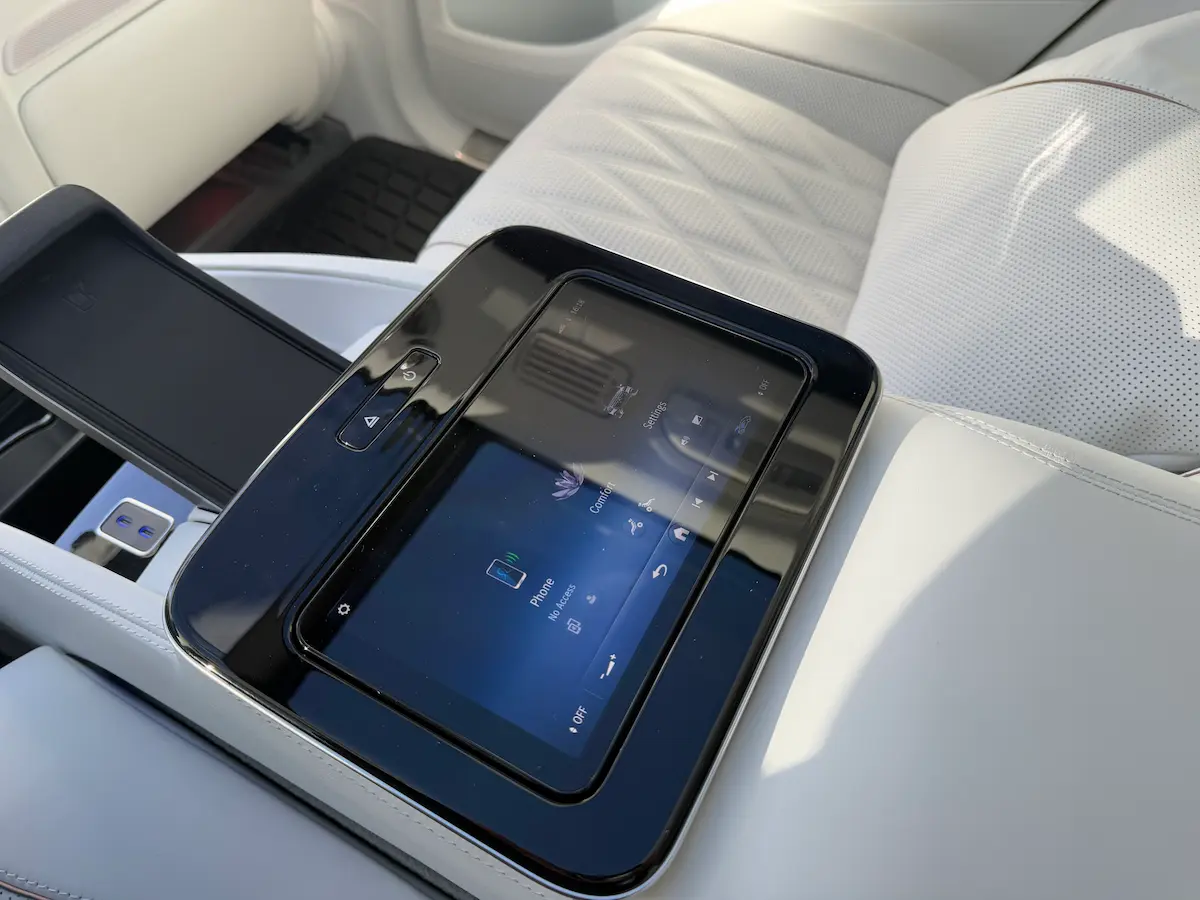
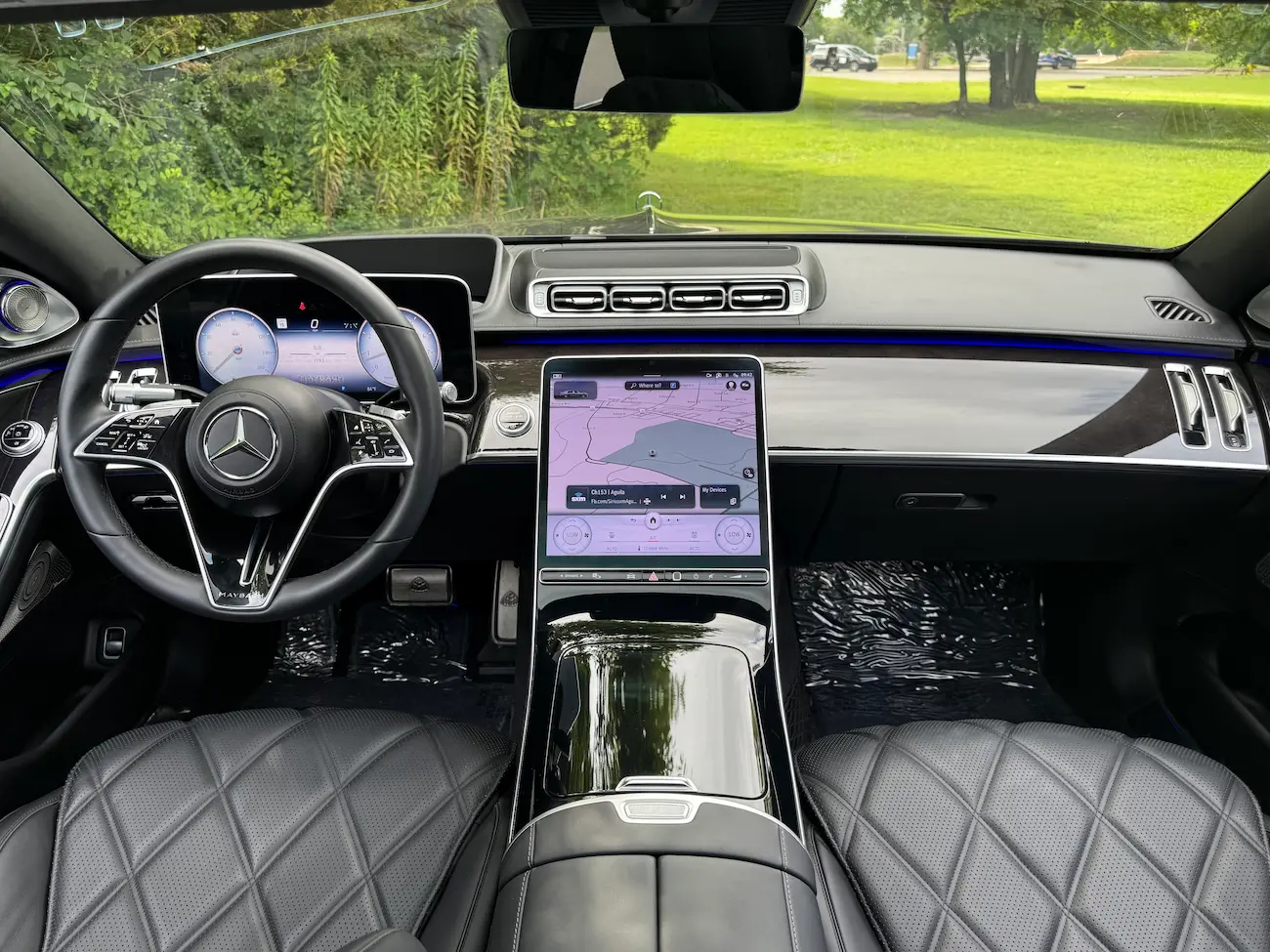
- Slower or less intuitive infotainment
- Driver assistance that works, but doesn’t feel as smooth
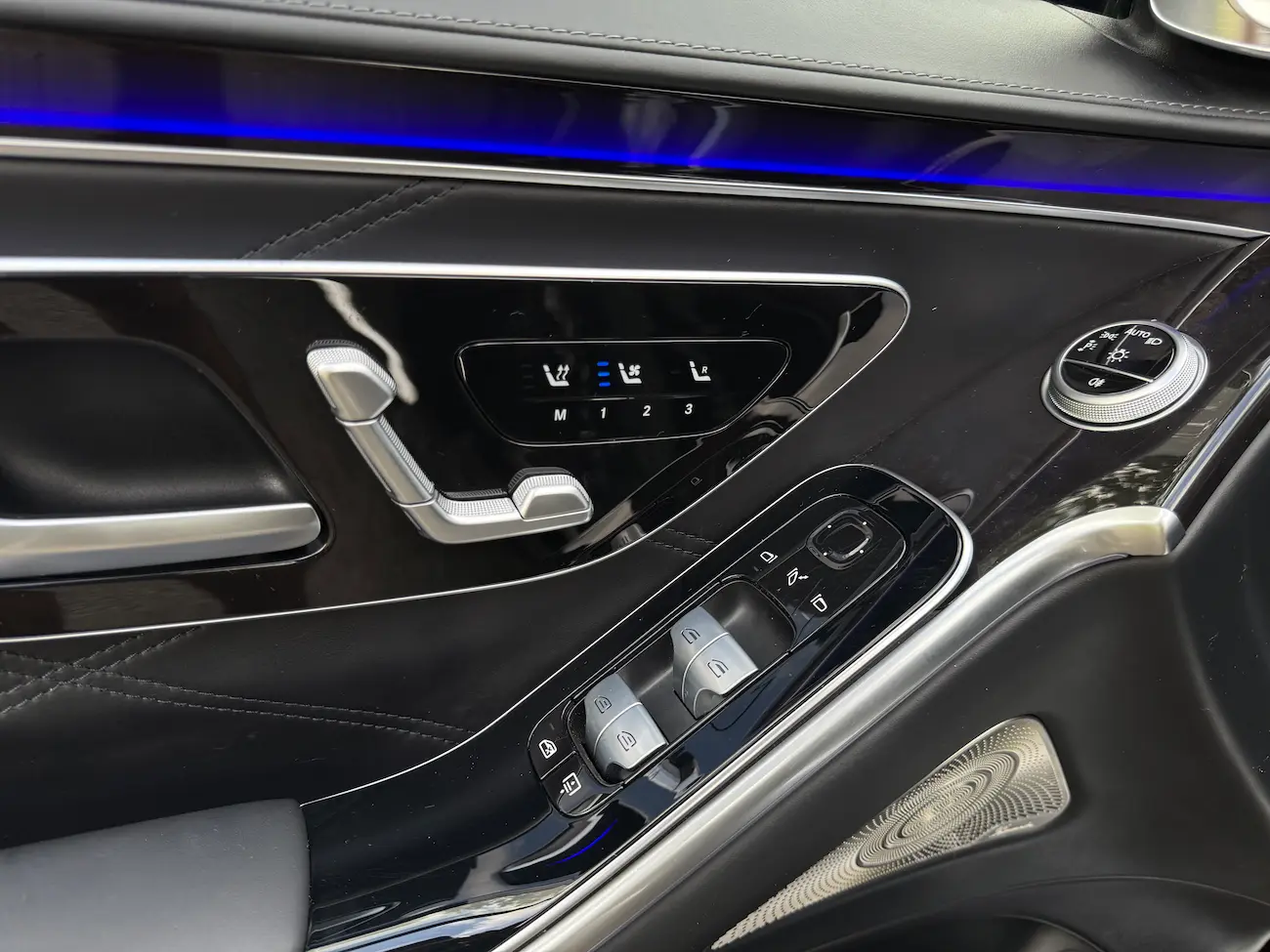
- Cabin tech that feels a bit dated in daily use
- Small moments where the car requires more effort than expected
Newer models improve this in ways that matter over time:
- Faster, more responsive screens
- Smoother interaction between systems
- A more seamless, easy-to-use feel overall
- Fewer small interruptions in day-to-day driving
The core luxury is still there in both, and even older models can feel special.
But with a Maybach, the whole point is to reduce effort. That’s why these smaller differences stand out more, and why many used buyers end up leaning toward newer models after experiencin
Sedan vs SUV Ownership
One of the biggest decisions here isn’t trim or features. It’s body style.
The S-Class Maybach is still the most traditional version of the brand, but that doesn’t mean it fits how most people actually use their car.
With the S-Class Maybach:
- Lower seating position makes getting in and out more deliberate
- Rear-seat experience feels more formal and structured
- Works better for longer drives than constant short trips
- Feels most complete when you’re not always the one driving
With the GLS 600 and EQS 680 SUV:
- Easier to get in and out, especially in daily use
- Better visibility in traffic and tighter spaces
- More adaptable for errands and mixed driving
- Rear-seat comfort is still strong, just less formal
This is why many buyers start with the sedan, then shift to the SUV once they think about how they actually use their car.
Where buyers get it wrong:
They choose based on what feels more “Maybach,” not what fits their daily routine.
Daily Usability (Where Buyers Get Surprised)
Modern Maybach models are easier to live with than most people expect, but they also change how you experience driving.
Over time, a few things become clear:
- You naturally slow down your driving
- Traffic feels less stressful, but also less engaging
- The car feels better on longer drives than short ones
- The quietness and isolation stand out more over time
For some owners, this is the biggest advantage.
For others, especially coming from performance cars, it can feel like something important is missing.
That’s the key reality.
A Maybach doesn’t try to balance comfort and engagement. It chooses comfort, and it does it very clearly.
Used Maybach Value (Where It Can Make Sense)
This is where Maybach starts to make sense for a lot of buyers.
In the used market, depreciation changes the equation. Cars that originally sat at the top of the lineup can end up priced close to a well-equipped S-Class or GLS, while still offering a noticeably different experience.
That gap is the opportunity.
In practical terms:
- You get a higher level of comfort and isolation without paying new-car pricing
- The experience still feels very different from a standard luxury model
- Well-kept examples hold their appeal much better than average ones
But this is also where things can go wrong.
A Maybach is less forgiving than a typical luxury car when it comes to condition. Small issues that might not matter as much in other cars can become expensive or frustrating much faster here.
What matters more than usual:
- Complete service history, not gaps
- Signs of careful ownership, not just low mileage
- Interior condition, especially rear seating and high-touch areas
- How the car was used, not just how it looks
This is where many buyers make mistakes.
It’s easy to focus on price and miss the details, especially when the deal looks strong upfront. In reality, the difference between a well-kept Maybach and an average one becomes obvious once you start living with it.
A good used Maybach feels like a smart entry into ultra-luxury.
A questionable one starts to feel expensive very quickly.
Is It Worth It Compared to Other Ultra-Luxury Options?
At this level, you are not just choosing a car.
You are choosing how you want luxury to show up in your life, and that is where the difference between Maybach, Rolls-Royce, and Bentley becomes much clearer.
It is not about which one is better.
It is about which one aligns with how you actually use the car every day.
| Category | Mercedes-Maybach | Rolls-Royce | Bentley |
|---|---|---|---|
| Overall Feel | Understated, modern luxury | Formal, occasion-focused luxury | Sporty luxury with performance edge |
| Daily Usability | Very high | Moderate | High |
| Driving Experience | Smooth, isolated, relaxed | Extremely soft, not driver-focused | Engaging, driver-oriented |
| Rear Seat Experience | Excellent (core strength) | Exceptional (best-in-class) | Good, but not the focus |
| Attention / Presence | Subtle but recognizable | Strong, unmistakable presence | Noticeable, more aggressive |
| Ownership Feel | Easy to live with | More “event-based” ownership | Feels like a driver’s car first |
| Tech & Interface | Modern, intuitive (Mercedes-based) | Traditional, less tech-focused | Modern but performance-oriented |
| Best Use Case | Daily luxury, business, long drives | Special occasions, statement ownership | Driving enjoyment with luxury |
Honest Take
Rolls-Royce
Best for presence and occasion.
Feels special every time, but less natural for daily use.
Bentley
Best for driving.
Still luxurious, but built for people who enjoy being behind the wheel.
Maybach
Best for everyday ultra-luxury.
Easier to live with than Rolls-Royce, more comfort-focused than Bentley.
What Most Buyers Realize After Choosing
- Rolls-Royce → you want to be seen
- Bentley → you want to drive
- Maybach → you want to feel comfortable every day
Final Thoughts
A Mercedes-Maybach isn’t the kind of car you choose on paper.
It only makes sense when it aligns with how you actually use your time.
Before deciding, be honest about a few things:
- Do you spend more time in the car, or focused on driving it?
- Does your day involve traffic, long drives, or constant movement between places?
- re you looking for something that feels exciting, or something that feels effortless?
Because at this level, the difference isn’t in features or specs.
It’s in how the car changes your experience over hours, not minutes.
For the right buyer, that shift is obvious the moment you sit inside.
For the wrong buyer, it never really shows up.
If you’re ready to see how a Maybach actually feels beyond the specs, take a look at our current Mercedes-Maybach inventory and find the one that fits your lifestyle.
Is a used Mercedes-Maybach worth buying?
A used Mercedes-Maybach can be worth it if you value comfort, quietness, and overall experience more than driving performance. It offers a level of luxury that still feels distinct, even after depreciation, but only makes sense if it fits how you actually use your car.
What is the difference between a Maybach and a regular S-Class?
A Maybach is built more around rear-seat comfort, ride isolation, and long-distance ease. Compared to a regular S-Class, it has more space, softer suspension, and a more refined overall experience, but it is less focused on driving engagement.
Why are used Maybachs cheaper than expected?
Depreciation in the ultra-luxury segment is significant. A Maybach loses value faster in the first few years, which allows buyers to access a much higher level of luxury at a lower price, but condition and history become much more important.
What should I look for when buying a used Maybach?
Focus on service history, ownership quality, and interior condition, especially rear seats. A well-maintained Maybach feels completely different from an average one, even if mileage is similar.
Who should not buy a Mercedes-Maybach?
A Maybach is not ideal for buyers who enjoy performance driving, want strong road feedback, or plan to stay behind the wheel all the time. It’s designed for comfort and ease, not driving excitement.