Toyota Tundra Review: Common Problems, Best Trims, and What to Know Before Buying Used
If you have ever thought, “I want a truck that lasts forever and does not nickel-and-dime me,” the Toyota Tundra is likely already on your shortlist. Known for long-term reliability, strong resale value, and durable engineering, the Tundra has earned its reputation as one of the most trusted full-size trucks available. If questions come up as you research, AutoPro Nashville is always available at 615-377-6101 to help guide the process.
Buying a used Toyota Tundra often makes more sense than buying new. Depreciation slows quickly, most owners maintain them carefully, and the model’s consistency across generations makes ownership more predictable. Understanding which trims and years matter most is key.
This guide walks through Toyota Tundra history, breaks down 2026 model specs, and then shifts into a practical buying guide covering Toyota Tundra problems, best trims, maintenance tips, and the best years to buy. Hybrid versions will be discussed in a dedicated guide.
Table of Contents
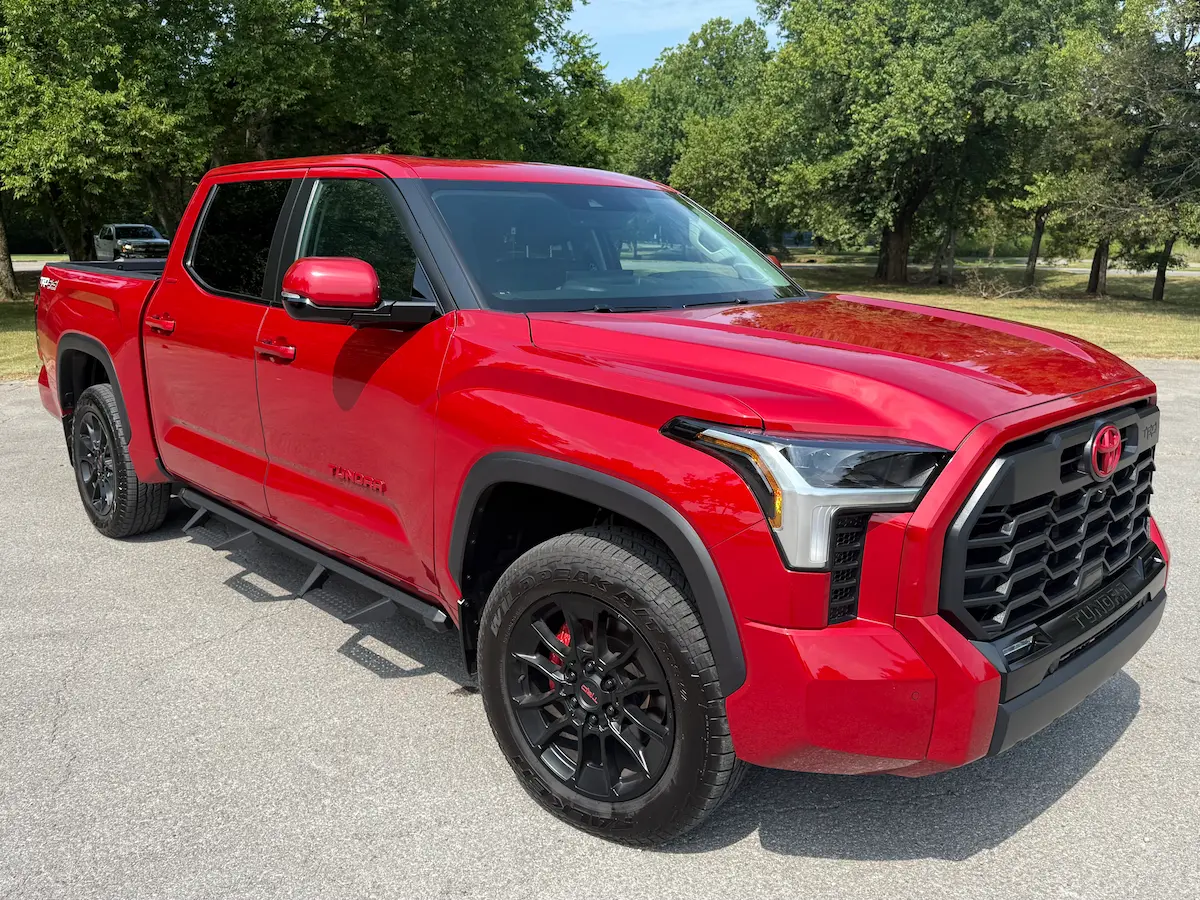
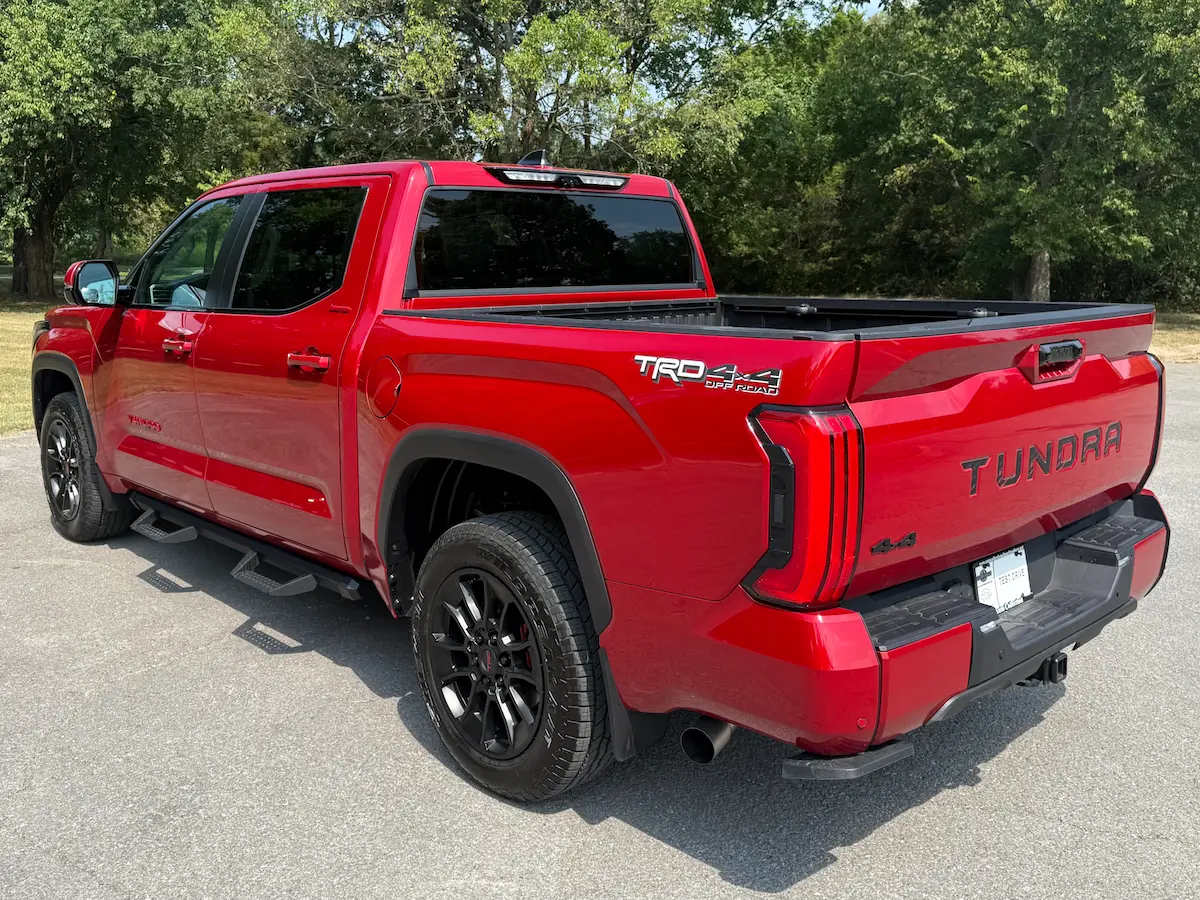
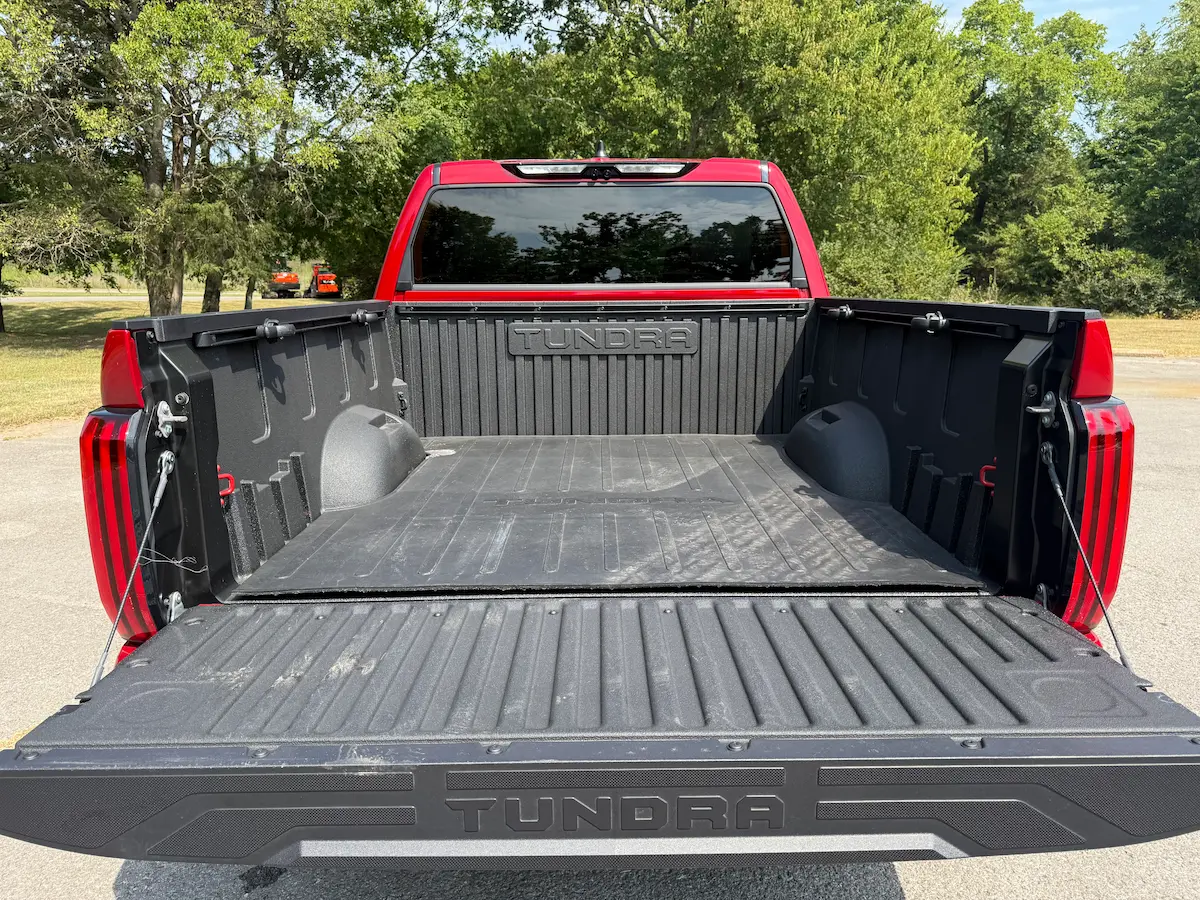
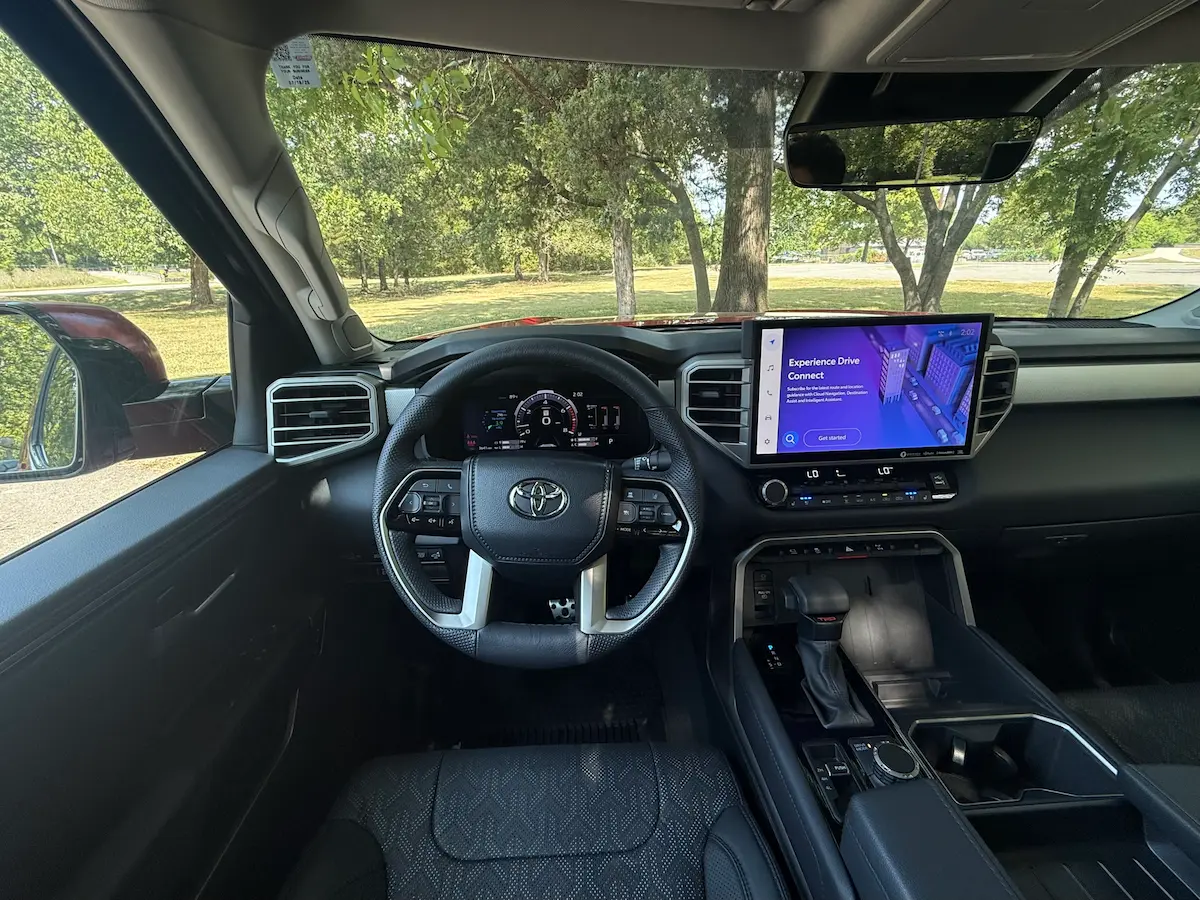
Toyota Tundra History and Evolution
The Toyota Tundra entered the full-size truck market in the early 2000s with a different approach. Instead of chasing every trend, Toyota focused on durability, reliability, and long service life.
First Generation (2000 to 2006)
Early Tundras were simple and rugged. They did not aim to outmuscle domestic competitors, but they quickly developed a reputation for dependability and strong build quality.
Second Generation (2007 to 2021)
This generation defined the Tundra’s identity. Toyota refined the platform, introduced the 5.7L V8, and emphasized mechanical reliability over complexity. Many of the best used Toyota Tundra years come from this era.
Third Generation (2022 to present)
The newest redesign introduced turbocharged engines and advanced technology. While impressive, many used buyers still prefer earlier generations for their proven powertrains and simpler ownership experience.
Want to know more about Toyota history? read our blog.
Toyota Tundra Specs, Trims, and Real-World Features (2026 Model Year)
The 2026 Toyota Tundra represents the most refined version of the current generation, blending modern engineering with real-world capability. Understanding the baseline specs first makes it easier to see how each trim builds on the same foundation and where meaningful differences appear for used buyers.
2026 Toyota Tundra Specs (Non-Hybrid)
All non-hybrid 2026 Toyota Tundra models share the same core mechanical foundation, with differences coming mainly from configuration and trim.
Engine
- 3.4L twin-turbocharged V6
- 389 horsepower
- 479 lb-ft of torque
Transmission
- 10-speed automatic transmission
Drivetrain
- Rear-wheel drive standard
- Four-wheel drive available on most trims
Towing and Payload
- Maximum towing capacity up to approximately 12,000 pounds when properly equipped
- Maximum payload capacity up to approximately 1,940 pounds depending on configuration
Fuel Economy (Estimated)
- Around 18 mpg city
- Around 23 mpg highway
Suspension
- Independent front suspension
- Coil-spring rear suspension
Safety and Technology
- Toyota Safety Sense standard across all trims
- Forward collision warning with automatic emergency braking
- Adaptive cruise control
- Lane departure alert
Infotainment
- 8-inch touchscreen standard
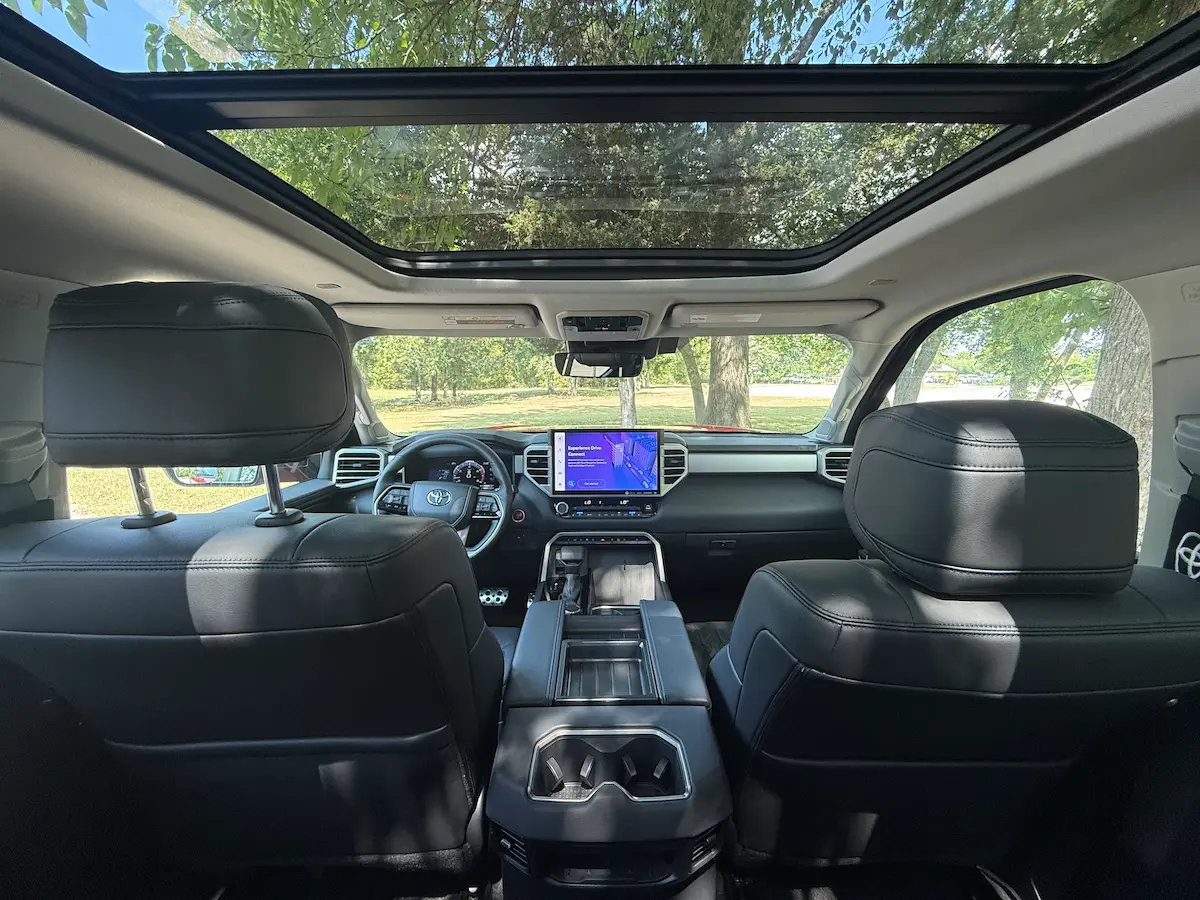
- 14-inch touchscreen available on higher trims
- Apple CarPlay and Android Auto standard
From this shared platform, trims differ mainly in suspension tuning, interior materials, technology features, and exterior styling, not core performance output.
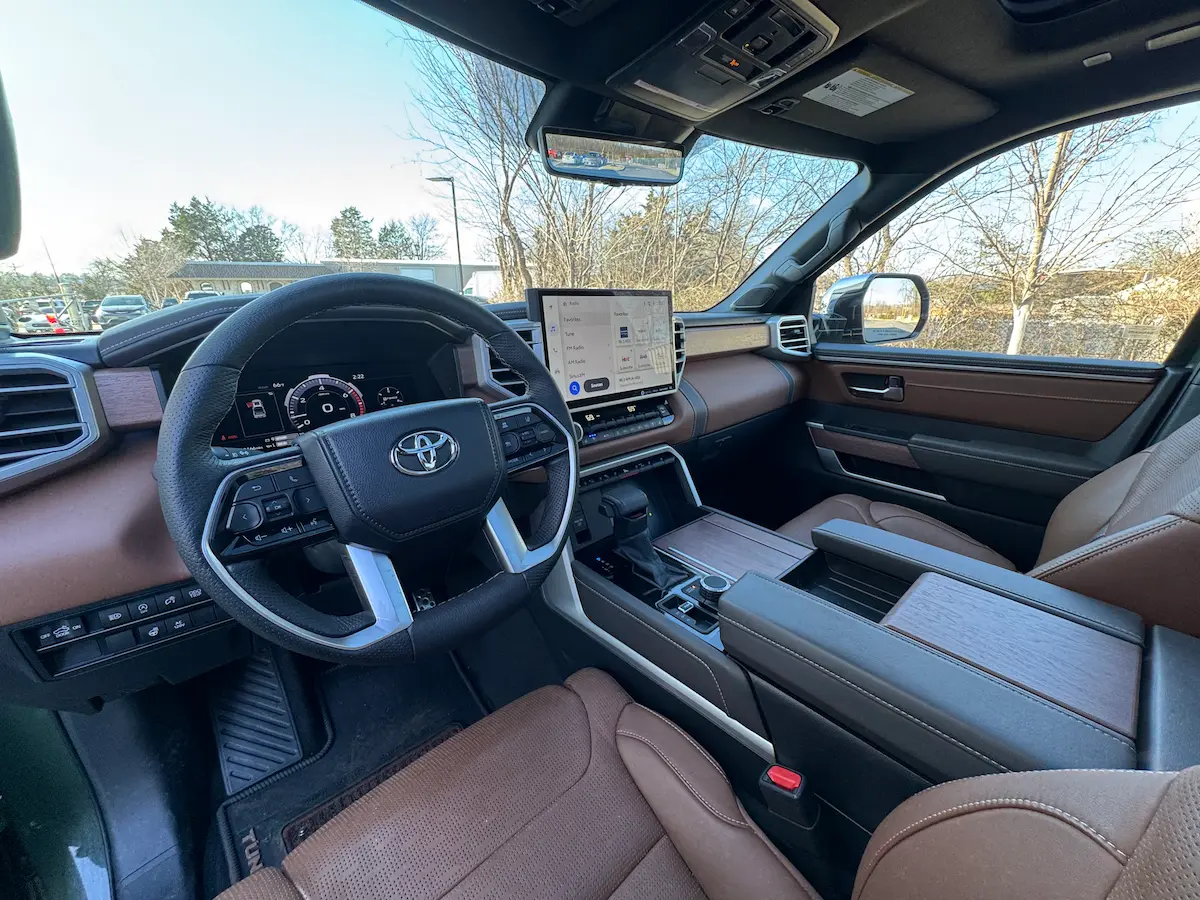
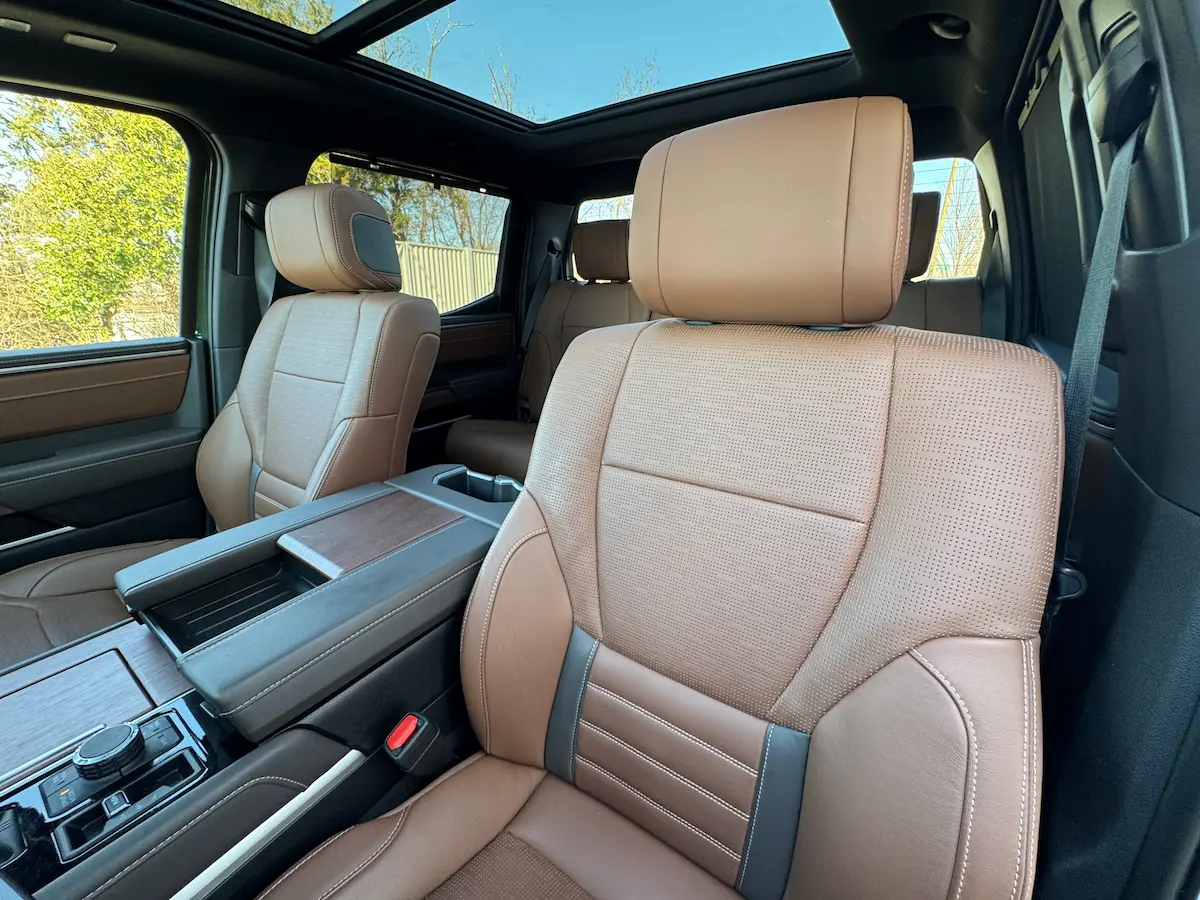
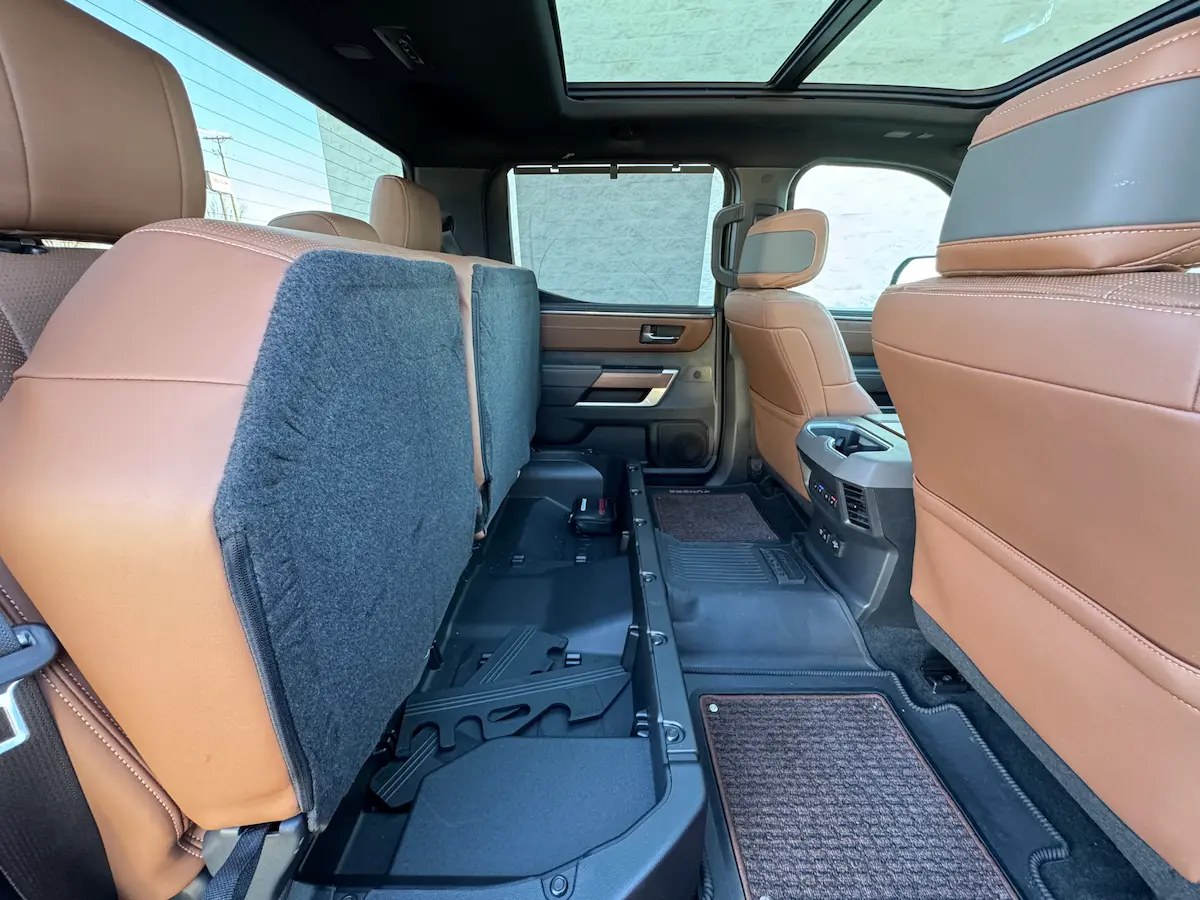
Toyota Tundra Trims Available for the 2026 Model Year
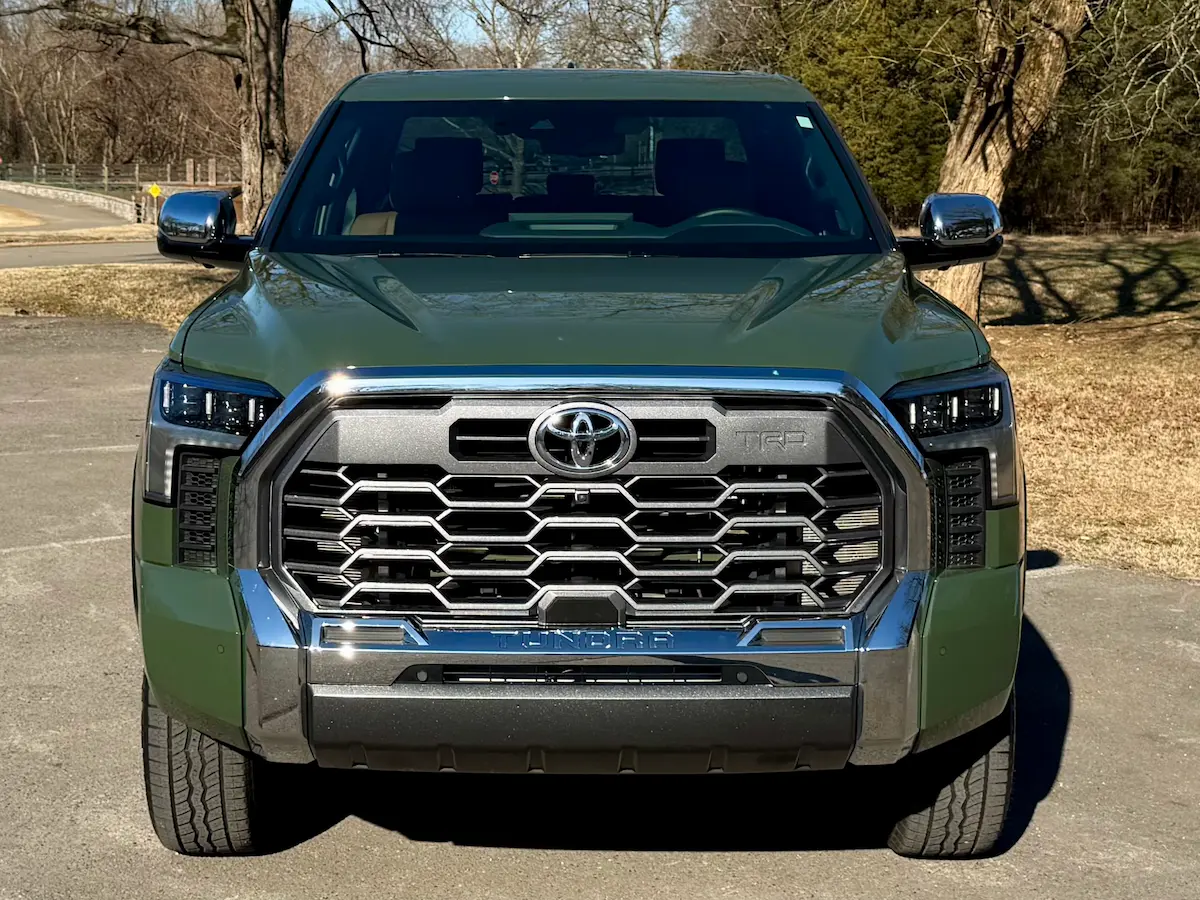
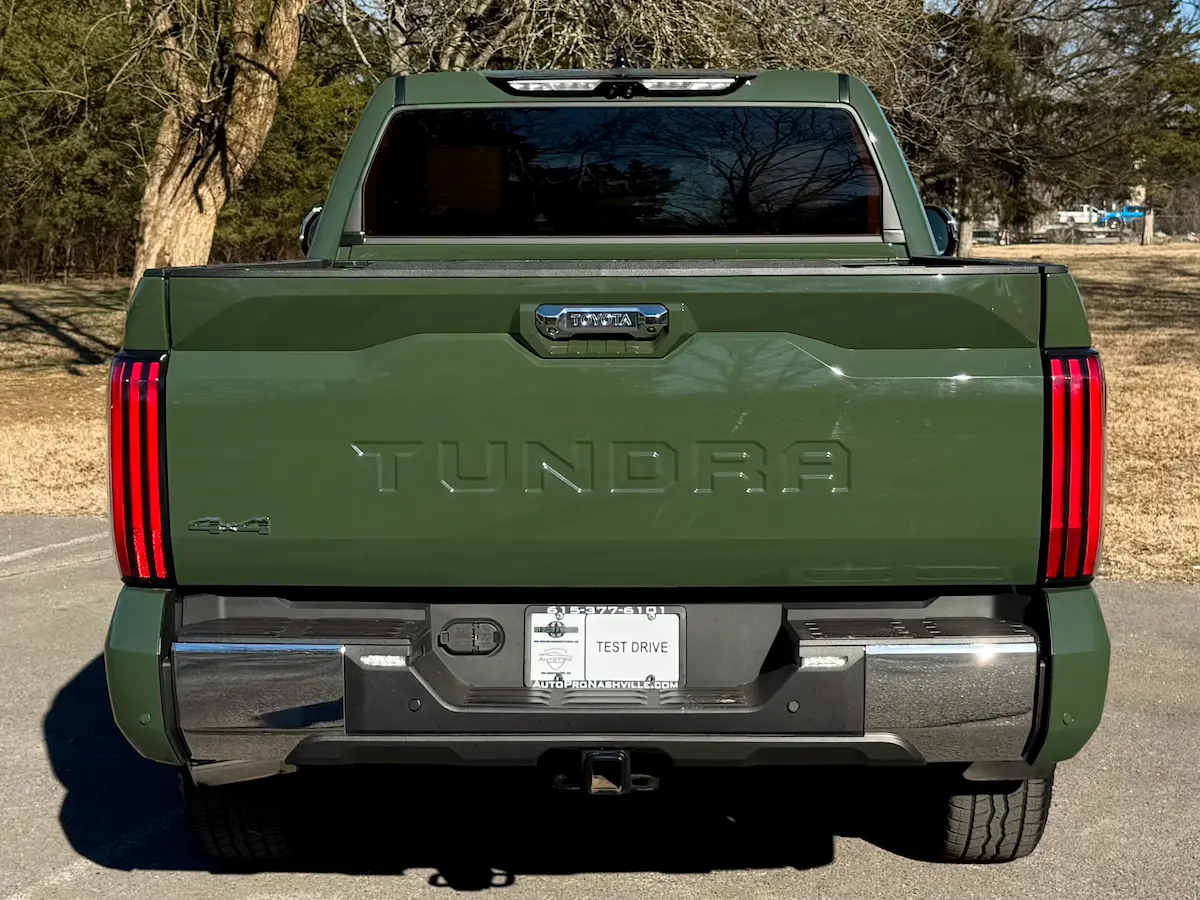
Each 2026 Toyota Tundra trim is built on the same mechanical base, with differences focused on power output in select trims, drivetrain availability, suspension tuning, and comfort or capability upgrades.
SR
The SR trim is the most straightforward version of the 2026 Tundra, designed for buyers who prioritize durability and simplicity. This trim has existed in earlier generations and continues in 2026 with modern safety features and updated infotainment.
- Slightly lower engine output compared to other trims
- Approximately 348 horsepower
- Same 10-speed automatic transmission
- Rear-wheel drive standard with available four-wheel drive
SR5
SR5 adds everyday comfort and convenience without pushing into luxury territory. It has long been one of the most popular Tundra trims and remains a strong value choice in 2026.
- Full-output 3.4L twin-turbo V6
- Approximately 389 horsepower
- Rear-wheel drive standard with available four-wheel drive
Limited
The Limited trim represents one of the best-balanced options in the 2026 lineup. It blends comfort, technology, and refinement while remaining practical for daily use.
- Full-output 3.4L twin-turbo V6
- Approximately 389 horsepower
- Available four-wheel drive
Platinum
Platinum trims focus on premium comfort and a more refined driving experience. While this trim existed before 2026, the current version emphasizes technology more than past generations.
- Full-output 3.4L twin-turbo V6
- Approximately 389 horsepower
- Standard four-wheel drive on most configurations
1794 Edition
The 1794 Edition continues into 2026 as a luxury-oriented trim with distinct styling cues. Earlier versions focused more on traditional truck luxury, while the current generation leans into modern refinement.
- Full-output 3.4L twin-turbo V6
- Approximately 389 horsepower
- Four-wheel drive standard
TRD Off-Road and TRD Pro Packages Explained
TRD Off-Road and TRD Pro are optional packages added to select Toyota Tundra trims. They enhance off-road capability through suspension and hardware upgrades, without changing the engine or horsepower.
TRD Off-Road Package
The TRD Off-Road package is available on select trims for buyers who want increased trail capability without moving to a dedicated off-road model. This package existed prior to 2026 and continues with updated hardware and electronics.
- Uses the same engine as the underlying trim
- No change to horsepower or torque output
- Off-road tuned suspension
- Skid plates and added underbody protection
TRD Pro Package
The TRD Pro package is the most off-road-focused option available in the non-hybrid 2026 Tundra lineup. While it existed in earlier generations, the current version places greater emphasis on suspension tuning and off-road capability rather than power output.
- Uses the same engine as the underlying trim
- No change to horsepower or engine tuning
- Specialized off-road suspension components
- Additional off-road hardware and design elements
Everyday Comfort and Capability
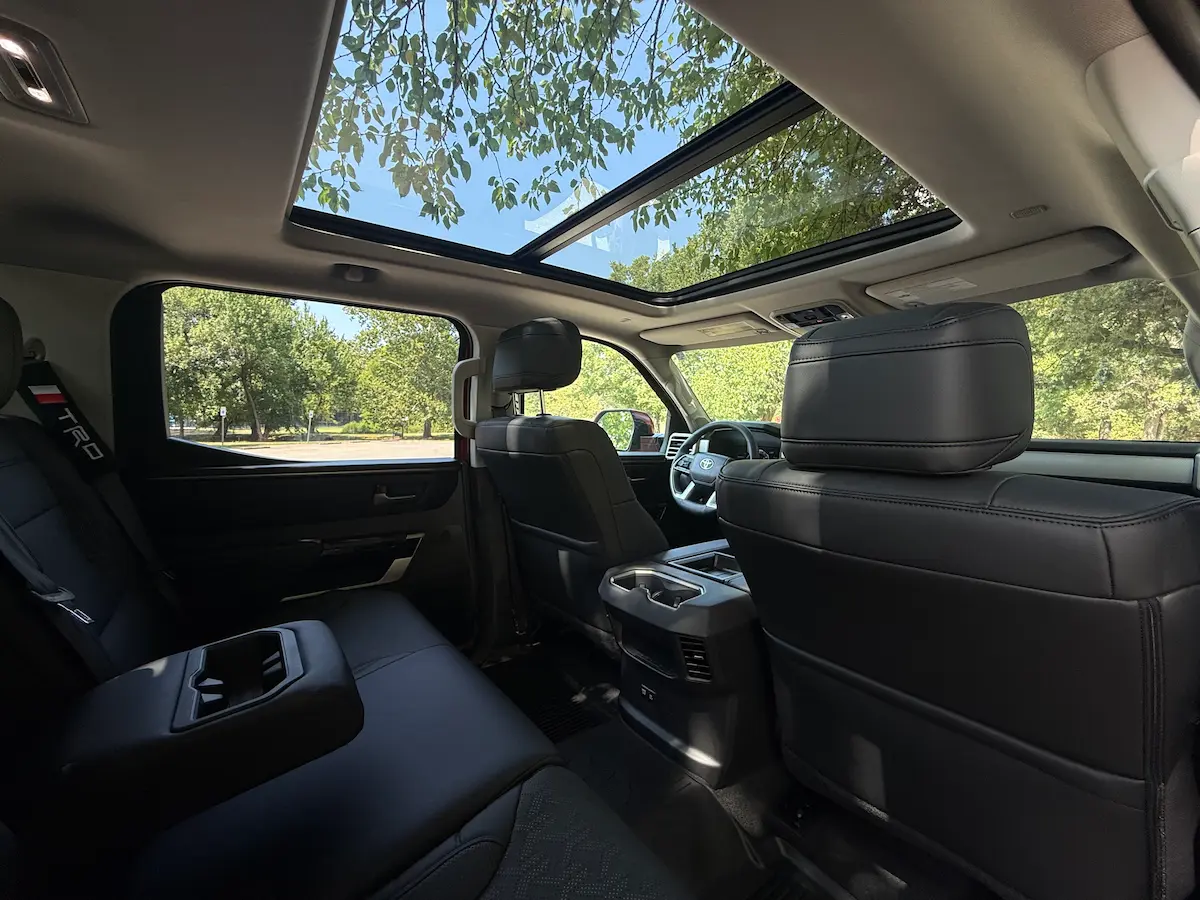
In everyday use, the 2026 Toyota Tundra stands out for its smooth power delivery, confident towing behavior, and stable ride quality for a full-size truck. Interior space is generous across all trims, controls are easy to learn, and the technology feels modern without being overwhelming. For used buyers, the consistency across trims means the decision often comes down to comfort level, off-road needs, and drivetrain preference rather than core capability.
For an additional third-party perspective, this 2026 Toyota Tundra review from Car and Driver provides expert evaluations and real-world driving impressions.
Toyota Tundra Buying Guide and Competitive Analysis
A smart Toyota Tundra purchase starts with understanding how the model has evolved over time and what those changes mean when comparing different generations and model years in the used market.
What Changed Within the Current Generation Leading Into 2026
The third-generation Toyota Tundra launched in 2022 and introduced the most significant mechanical changes in the model’s history, including a shift away from the long-running V8 platform. Since then, Toyota has focused on refining the same generation rather than redesigning it.
Key differences buyers should know:
- Software and infotainment systems became more stable and responsive in later production years
- Driver assistance features were refined and better integrated
- Interior materials and overall fit improved compared to early third-generation builds
- Power delivery feels smoother due to tuning updates, even though the core engine architecture remains the same
For used buyers, this means newer examples within the same generation often feel more polished, while earlier examples may offer better pricing if service history and recalls are properly addressed.
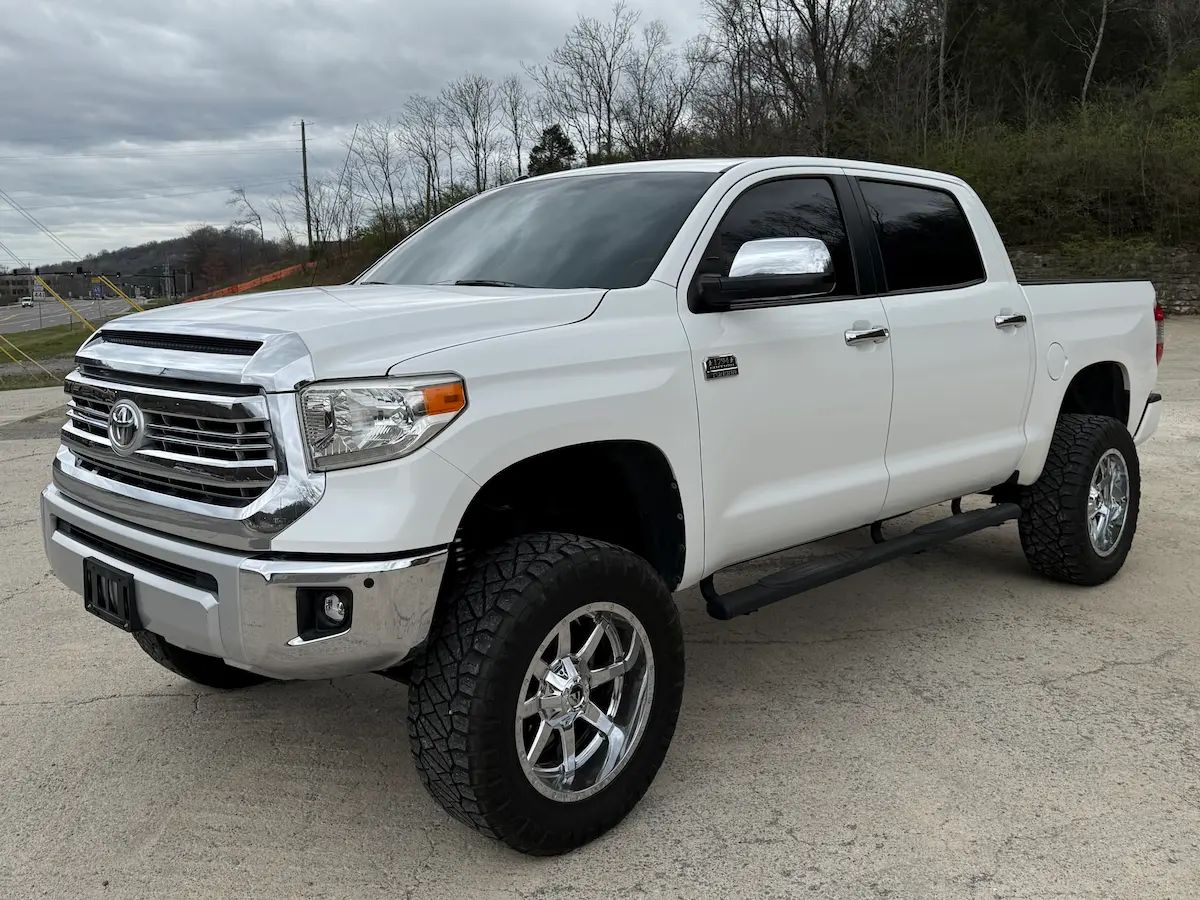
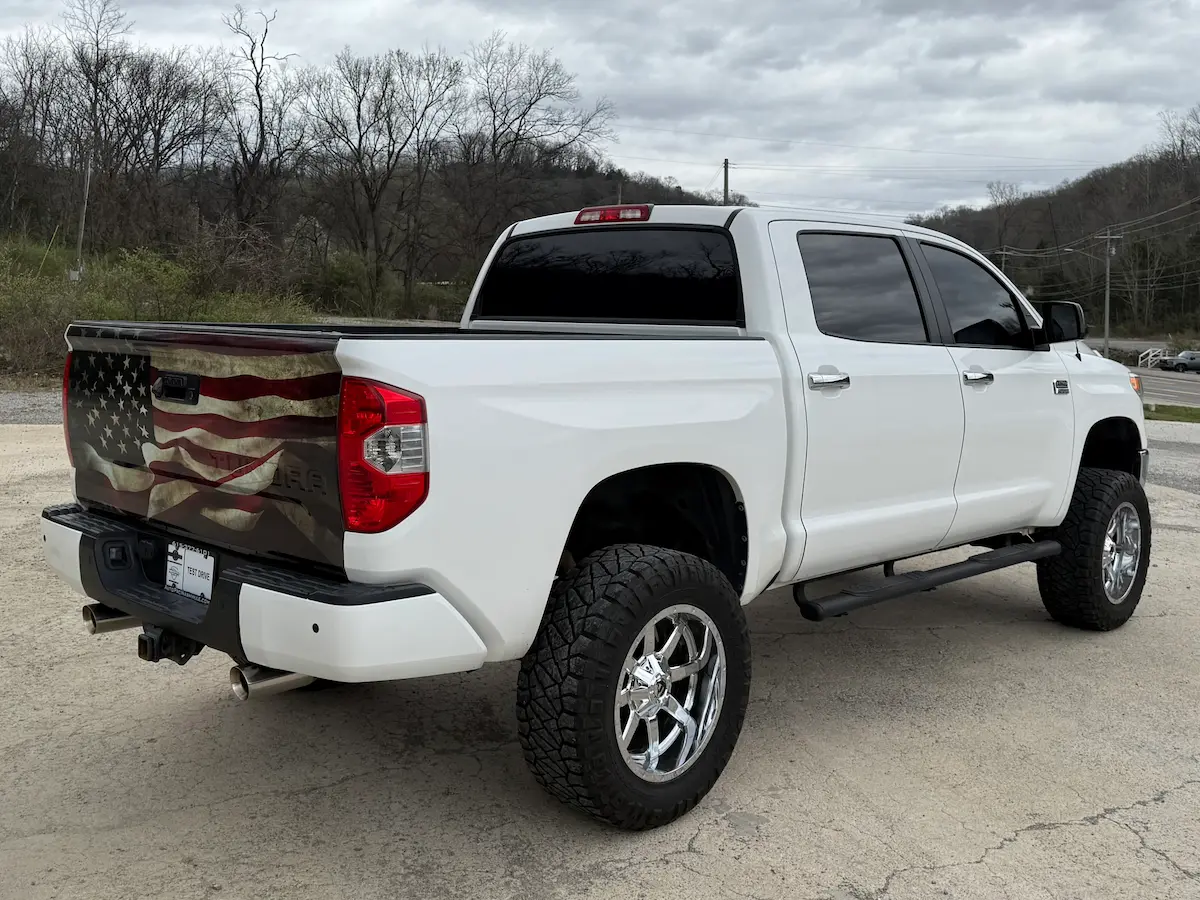
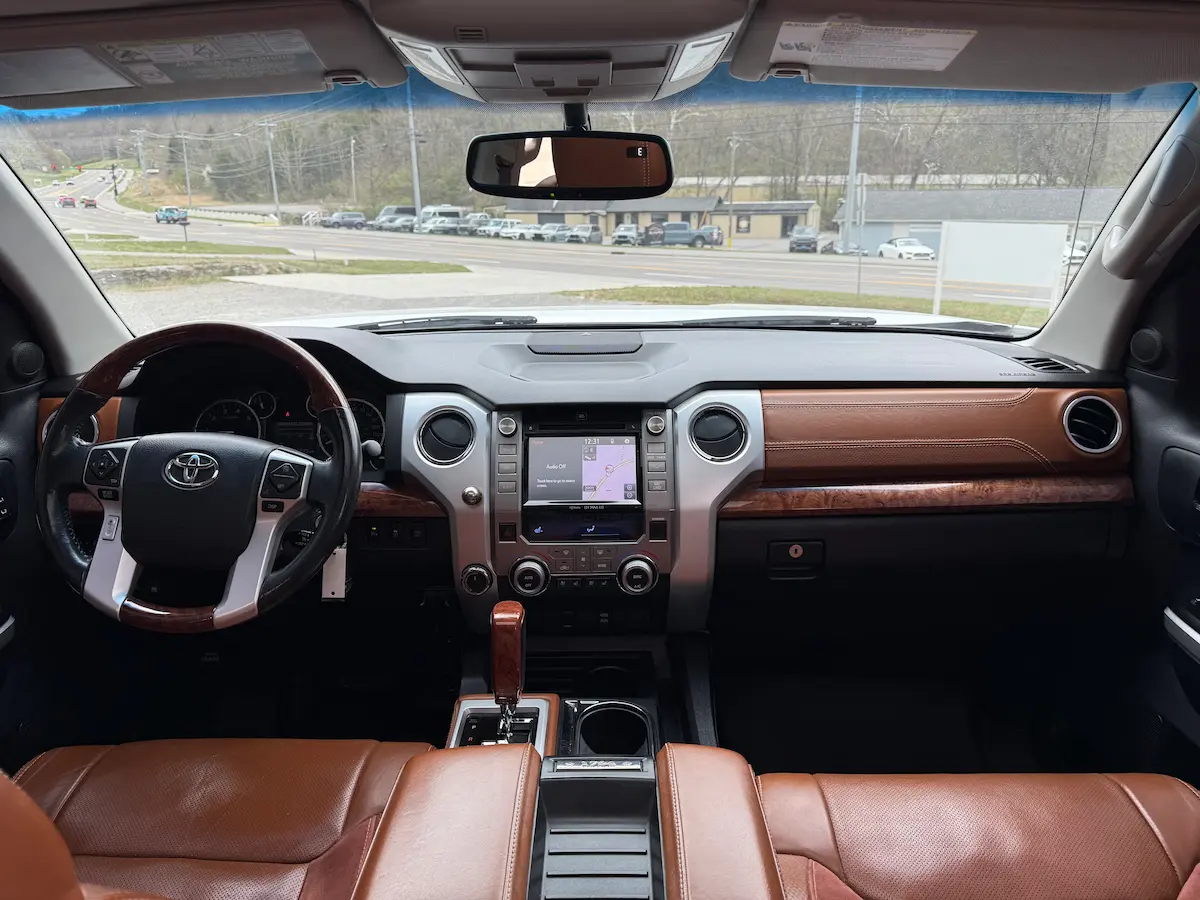
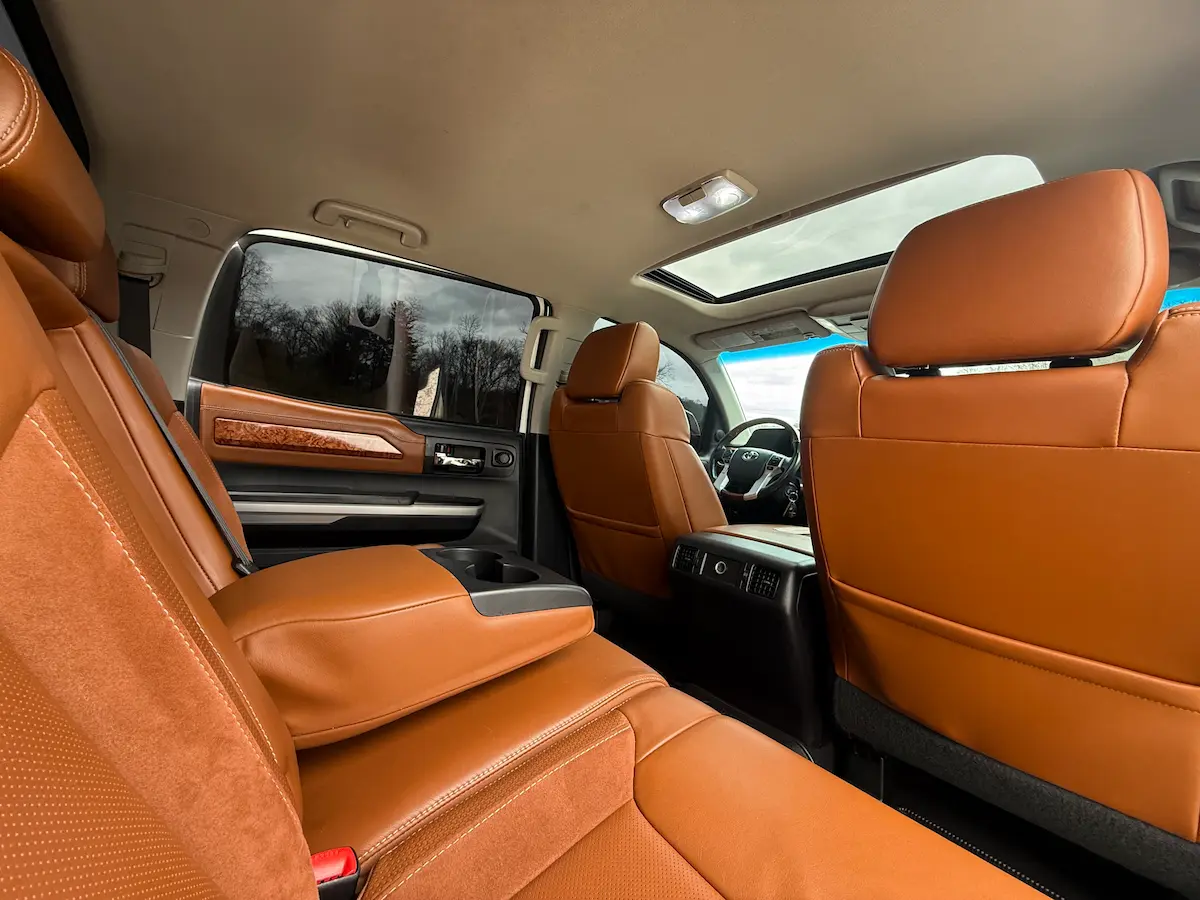
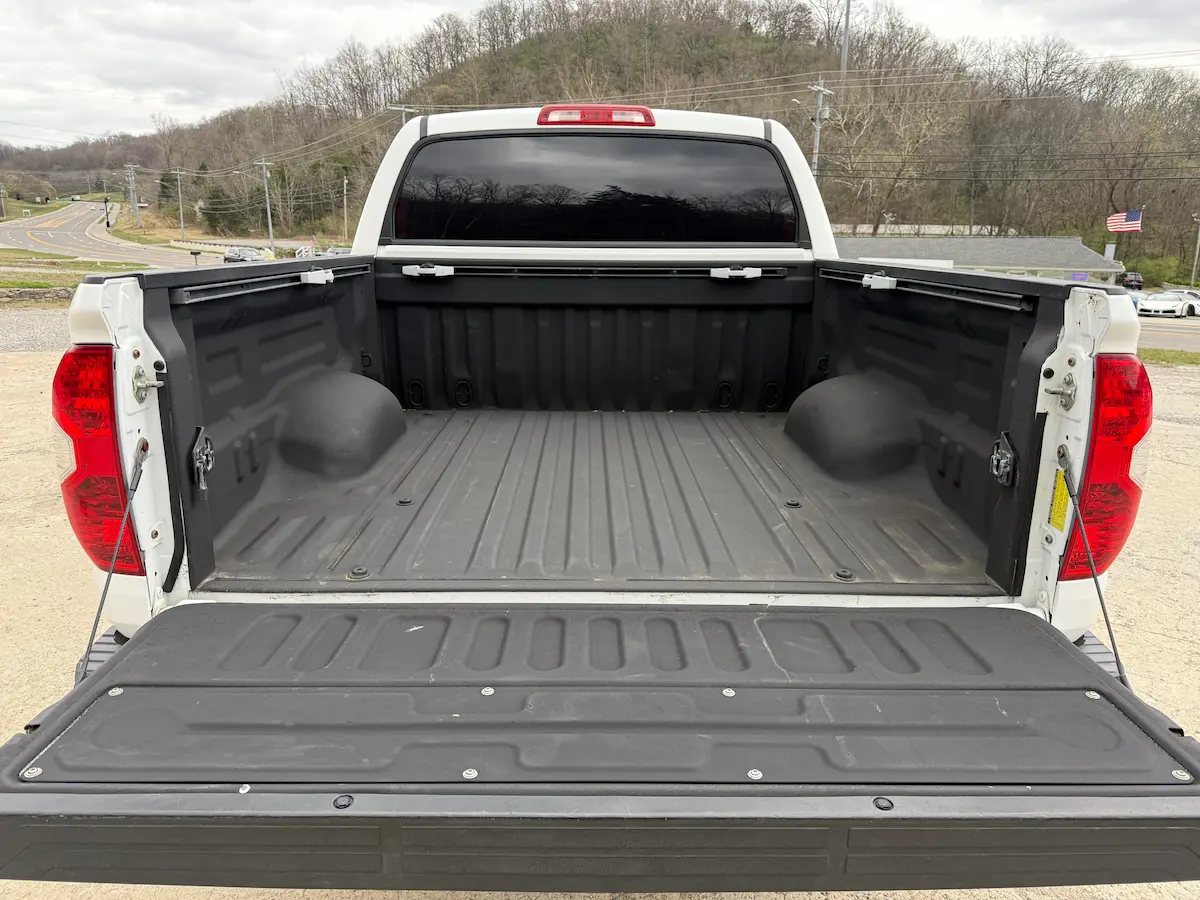
Common Toyota Tundra Problems Buyers Should Know
Across all generations, the Toyota Tundra has a strong reliability record, but buyers should still be aware of model-year-specific concerns.
- Certain third-generation Toyota Tundra models were involved in a major engine recall after manufacturing debris was found to cause internal bearing failure in the 3.4L twin-turbo V6, making recall verification and service documentation especially important for used buyers.
- Not every truck from that generation was affected, and many used examples now have updated or replacement engines
- Older generations may present different concerns, such as frame corrosion on trucks exposed to harsh climates
Additional ownership considerations include:
- Fuel economy that trails some competitors, especially in larger configurations
- Higher operating costs compared to mid-size trucks
When maintenance is consistent and recall work is complete where applicable, major engine or transmission failures remain uncommon.
Best Used Toyota Tundra Years to Buy
For buyers prioritizing long-term reliability and predictable ownership, 2014 to 2021 remains the strongest range due to its fully matured platform and extensive reliability history.
Current-generation Tundras offer updated technology and lower mileage, but buyers should verify recall status and service records carefully, especially on 2022 to 2024 models, before purchase.
Toyota Tundra vs Key Competitors
When comparing full-size trucks, real differences show up over time, not just on spec sheets. Reliability trends, ownership costs, and long-term durability often matter more than headline features.
| Truck | Reliability Outlook | Ownership Costs | Driving and Capability | Common Trade-Offs |
|---|---|---|---|---|
| Toyota Tundra | Strong long-term history with some model-year-specific issues | Predictable maintenance when properly maintained | Confident towing and straightforward operation | Fuel economy lags some competitors |
| Ford F-150 | Highly dependent on engine choice | Varies by powertrain and usage | Wide range of performance and configurations | Some engines age better than others |
| Chevy Silverado 1500 | Mixed long-term results by year | Generally competitive pricing | Comfortable ride and broad availability | Transmission issues reported on certain years |
| RAM 1500 | Excellent ride comfort when new | Repair costs can rise over time | Smooth driving experience and interior comfort | Durability concerns at higher mileage |
No single truck is objectively best for every buyer. The Toyota Tundra often appeals to those prioritizing long-term ownership stability, while competitors may better suit buyers focused on ride comfort, engine variety, or fuel efficiency.
Why Buying a Used Toyota Tundra Is a Smart Choice
- Strong resale value helps protect long-term ownership costs
- Proven durability when maintenance and model-year considerations are addressed
- Slower depreciation compared to buying new
- Well suited for towing, hauling, and everyday driving
How to Find the Right Dealer
Choosing the right dealer is just as important as choosing the right Toyota Tundra. Even a reliable truck can become a poor ownership experience if the purchase process lacks transparency or support. A strong dealership should provide full vehicle history reports, clear maintenance documentation, and a buying process that allows you to make decisions without pressure.
Financing flexibility is another key factor, especially for higher-quality used trucks. The best dealers also offer warranty or protection options that help manage long-term ownership costs and stand behind the vehicles they sell. Consistent communication, honest answers, and a solid reputation often separate dependable dealerships from short-term sellers.
AutoPro Nashville is widely recognized for offering these qualities and for helping buyers make informed decisions when purchasing high-end used vehicles.
If you are ready to take the next step, explore our used Toyota Tundra inventory to see available options.
Is the Toyota Tundra reliable long term?
Yes. Many owners report well over 200,000 miles with routine maintenance.
Are Toyota Tundra maintenance costs high?
Maintenance costs are generally predictable and reasonable for a full-size truck.
How much can a Toyota Tundra tow?
Properly equipped models can tow over 12,000 pounds.
What mileage is too high for a used Toyota Tundra?
Condition and maintenance history matter more than mileage alone.
Does the Toyota Tundra hold its value?
It holds value better than most competitors in the segment.