Used Luxury Truck or Full-Size Luxury SUV: Which Fits Your Life?

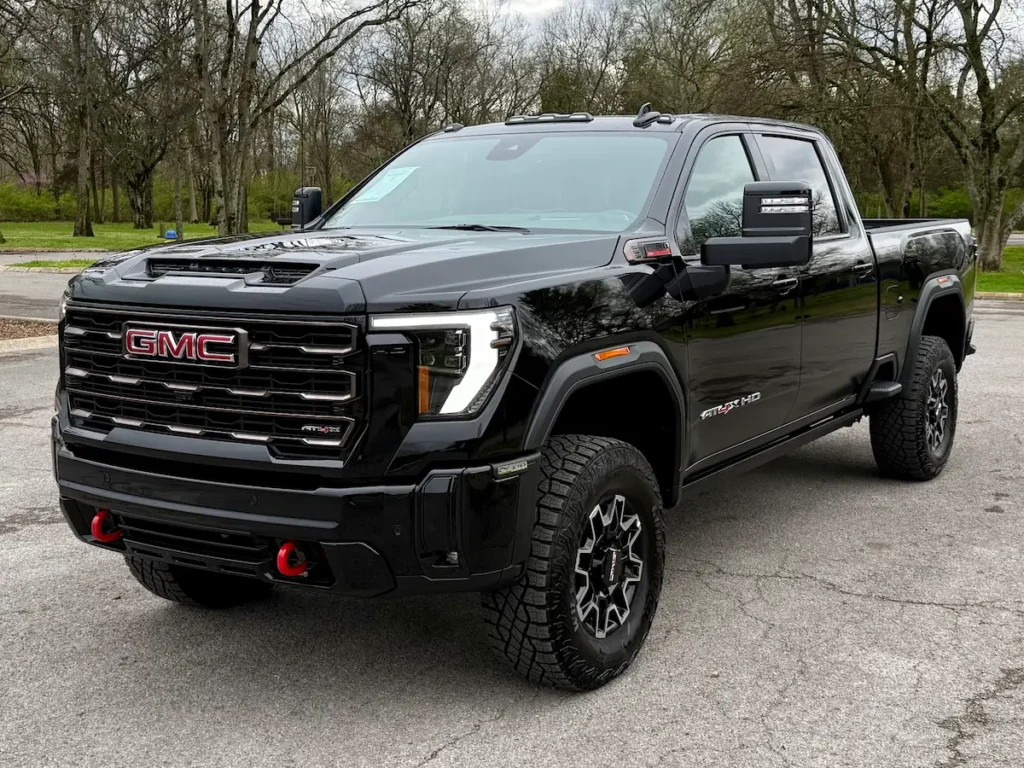
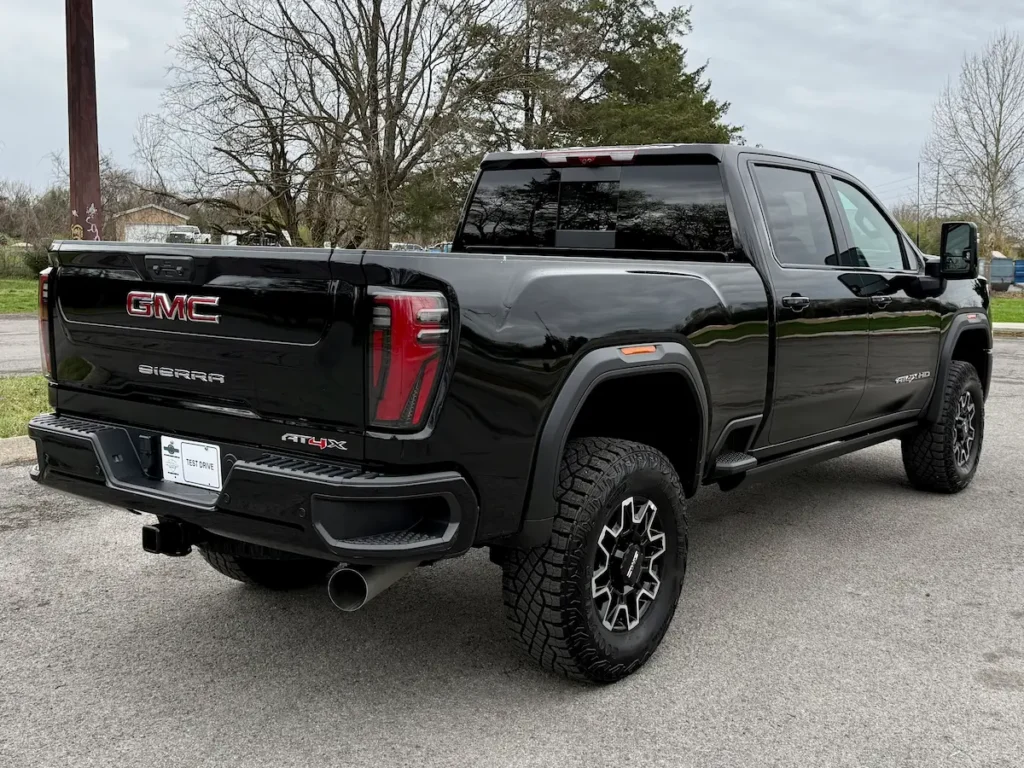
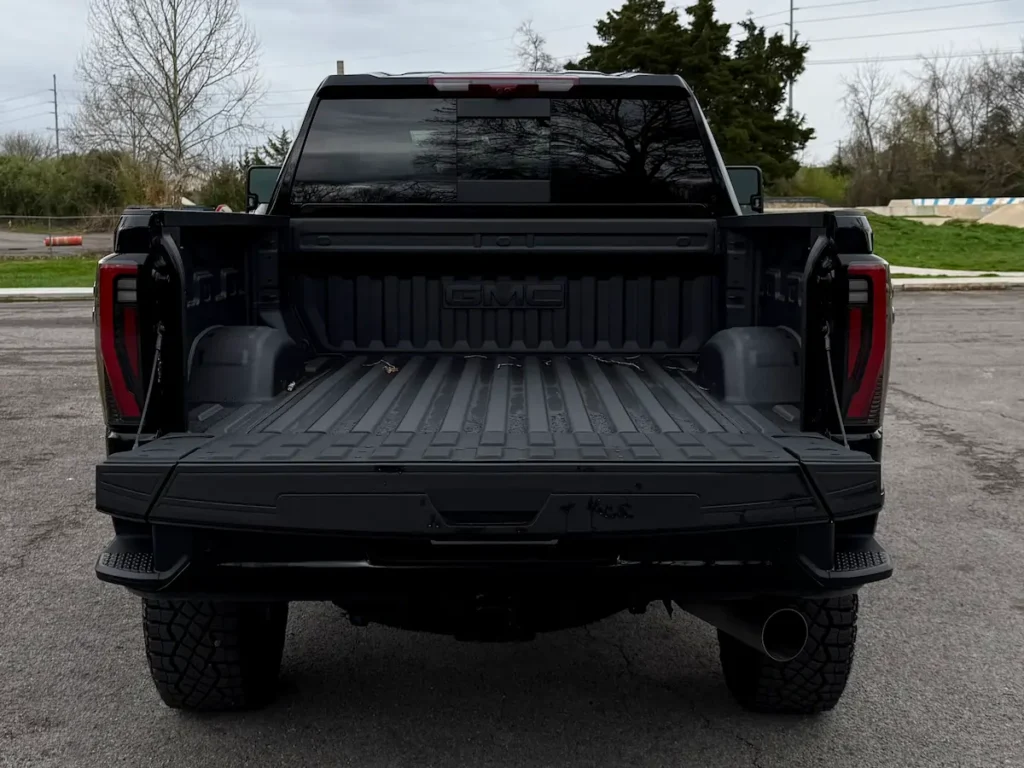
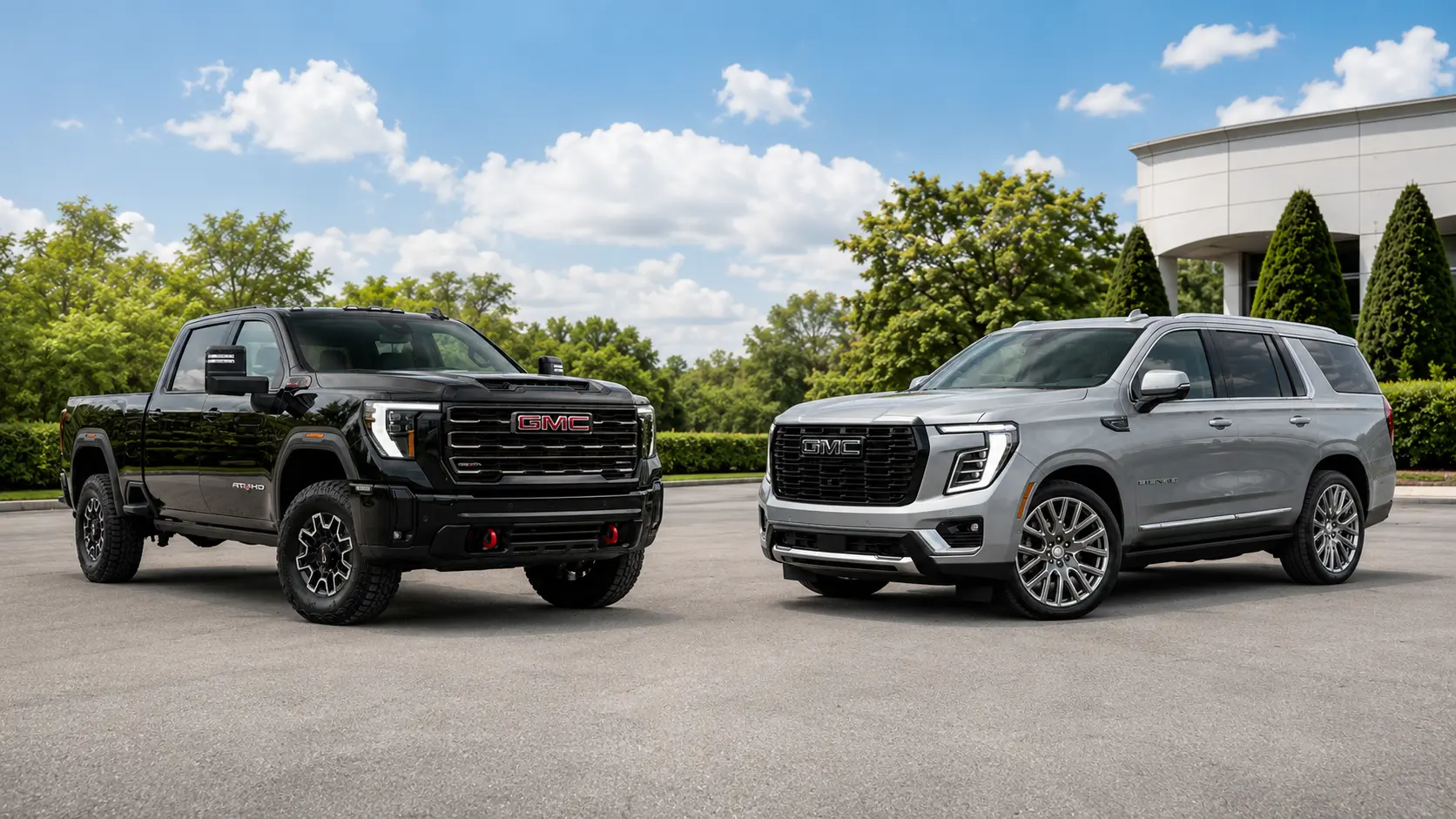
Black GMC Sierra 2500HD AT4X facing a silver GMC Yukon Denali in a luxury truck versus SUV comparison

Used Luxury Truck or Full-Size Luxury SUV: Which Fits Your Life?

When shopping for a used luxury vehicle, a truck and a full-size SUV can both give you a roomy cabin, strong towing power, modern technology, and plenty of road presence. The main difference is how each one uses its space. A truck gives you an open bed for large, dirty, or awkward cargo. An SUV gives you more seats and keeps passengers and belongings together inside. To compare current truck and SUV availability, call 615-377-6101.

Both can work well as daily drivers, which is why the choice is not always obvious. A high-end truck can offer many of the comfort and technology features found in a luxury SUV, while a large SUV may still provide enough towing power for a boat, camper, or trailer.

The better choice comes down to one question: will you get more use from the truck bed or from the SUV’s third row and enclosed cargo area?

Start With Your Normal Week

It is easy to picture the biggest job either vehicle might need to handle. You may think about towing a boat, taking a long family trip, moving furniture, or carrying equipment.

But those trips may only happen a few times a year.

Think about a normal week instead. Who rides with you? What do you usually carry? Where do you park? How often do you actually tow? Those questions will tell you more than the highest tow rating or the longest feature list.

A truck may be the better fit if you regularly carry tools, supplies, outdoor gear, or anything you would rather keep out of the cabin. An SUV may make more sense if most of your trips involve children, friends, clients, pets, groceries, and luggage.

What Changes When You Are Shopping for a Luxury Vehicle?

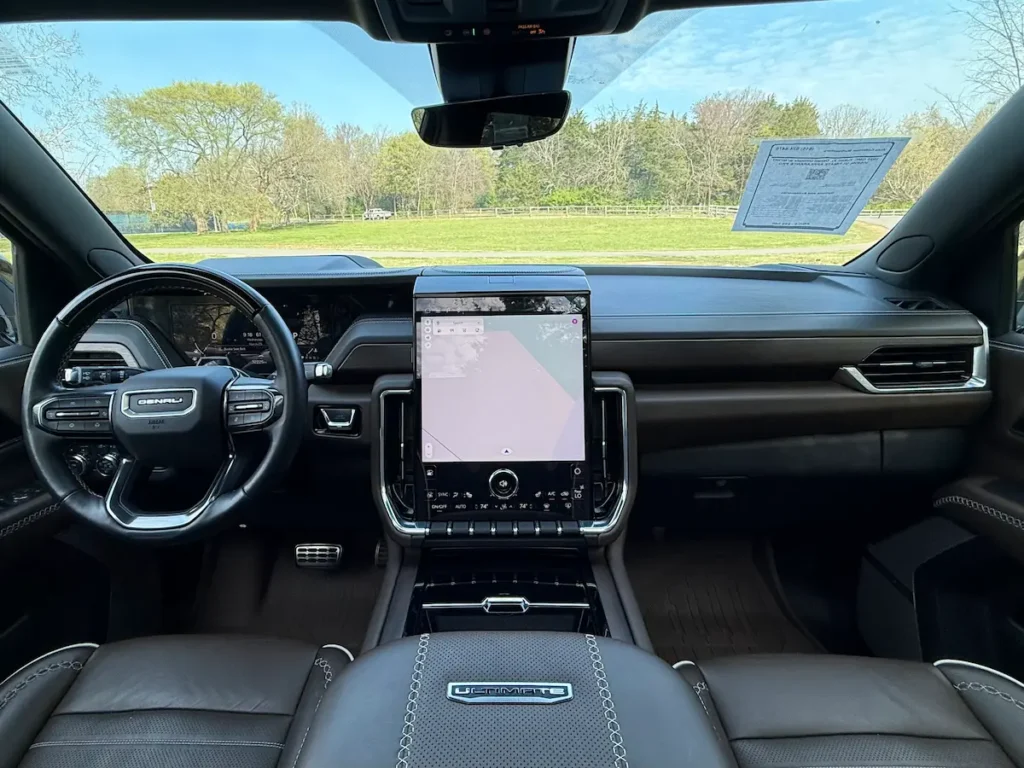
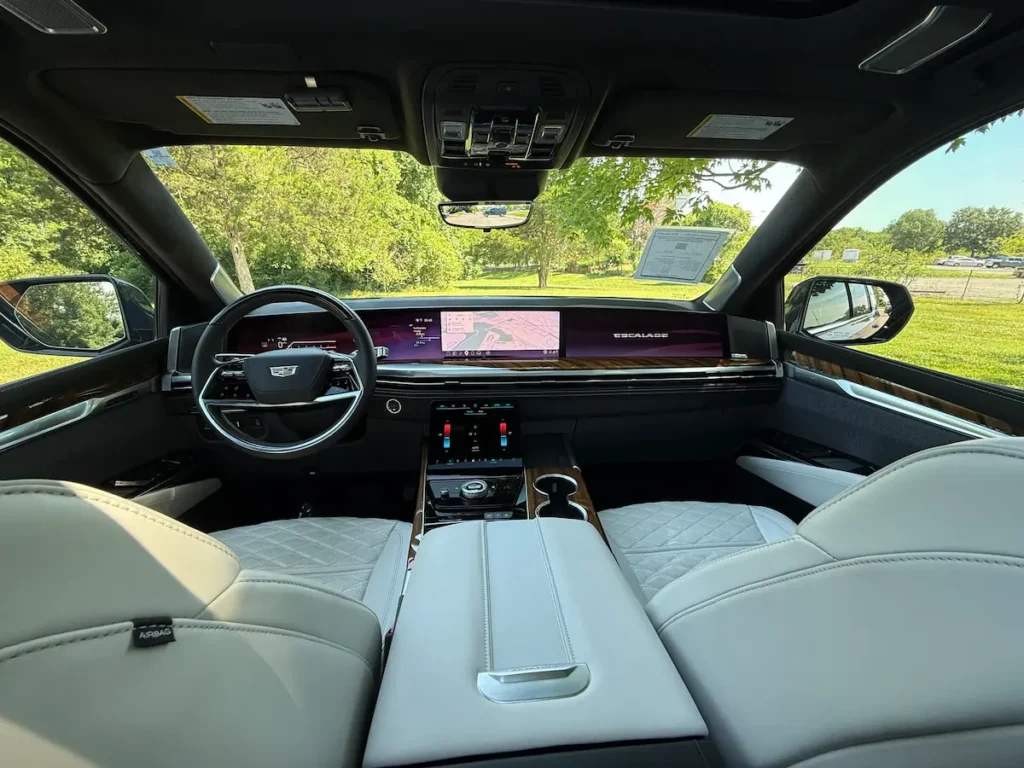
This decision is not only about choosing a truck bed or a third row. Luxury buyers also need to compare ride quality, cabin noise, seat comfort, interior materials, technology, and the cost of repairing premium features later.

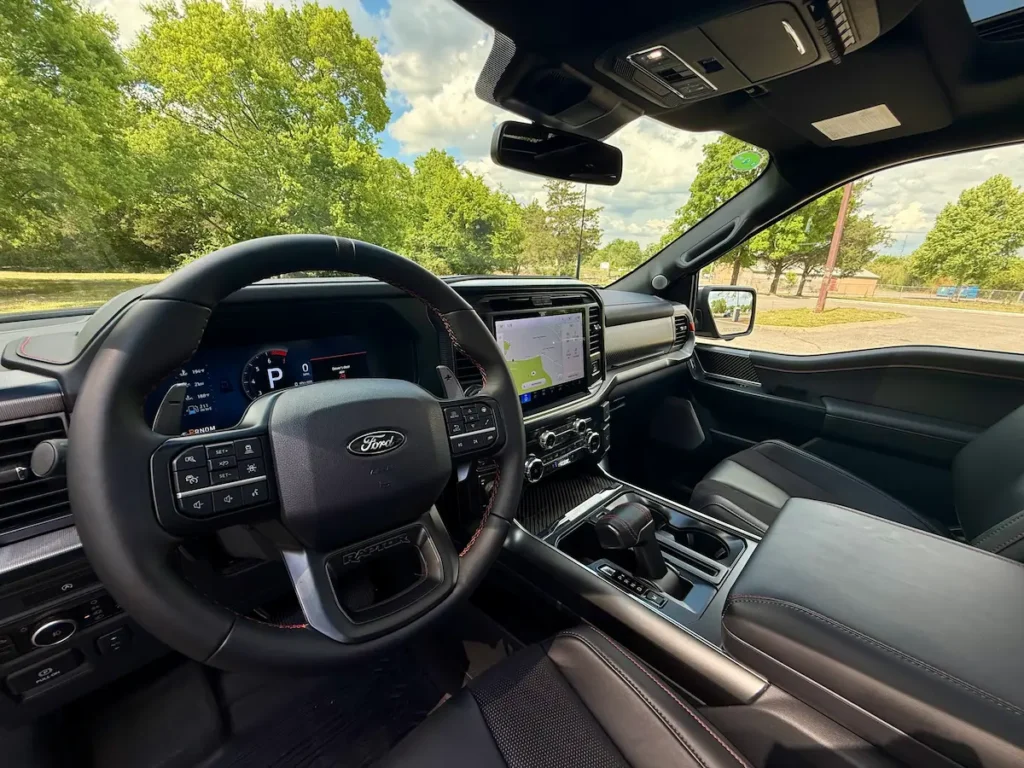
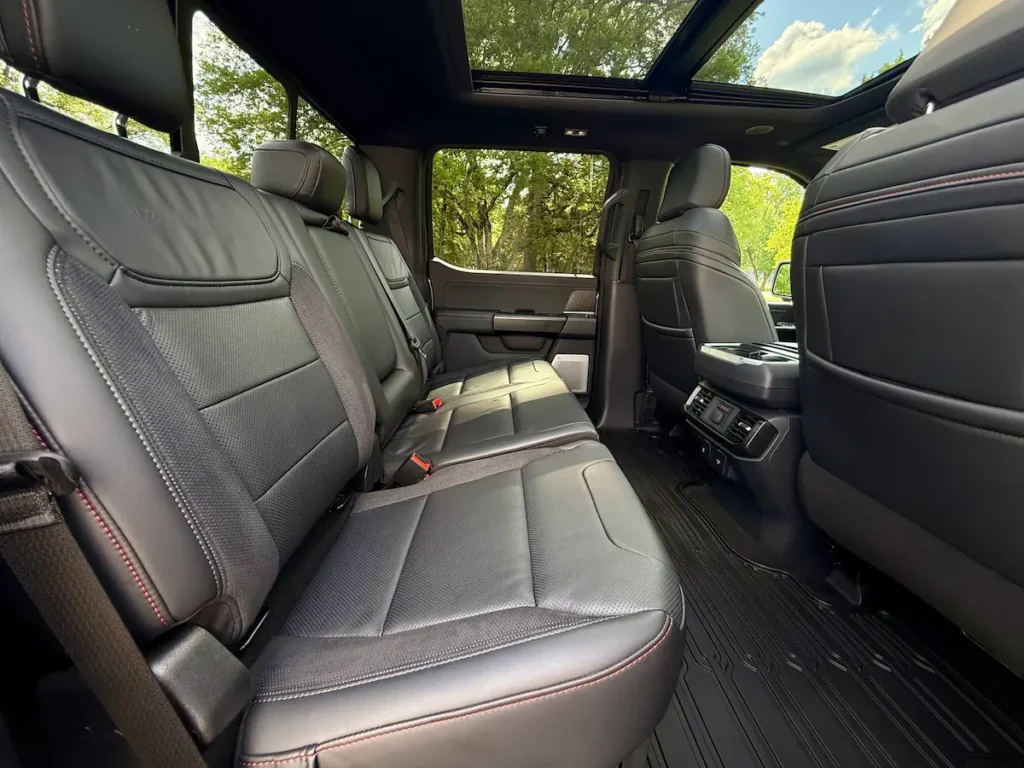
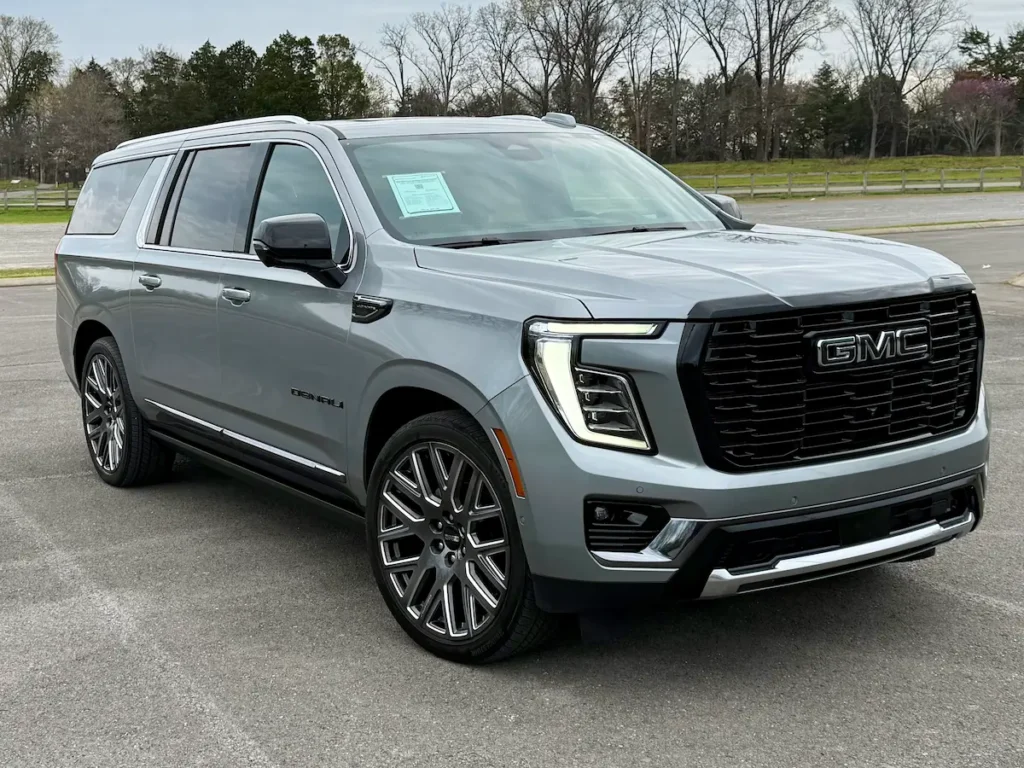
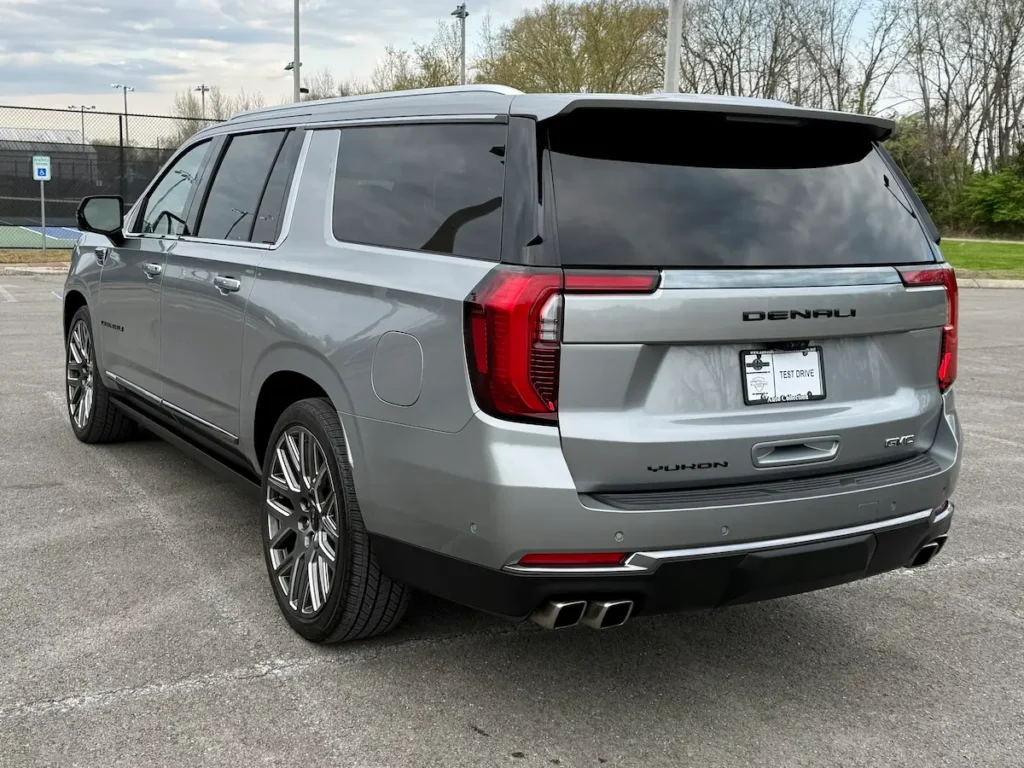
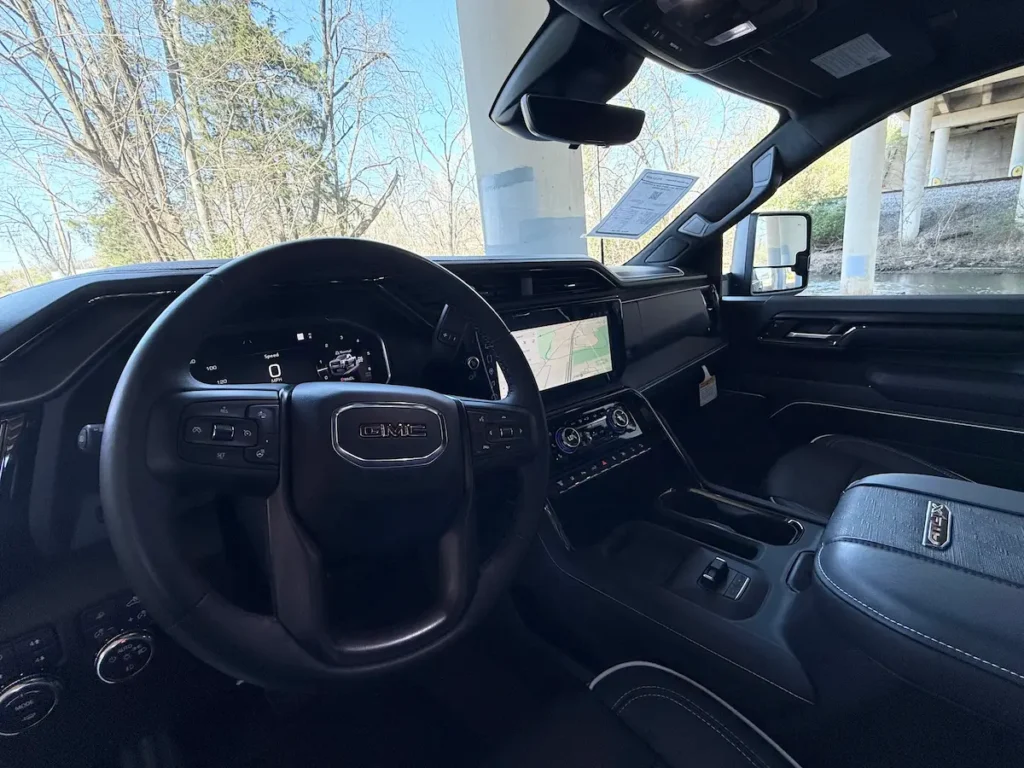
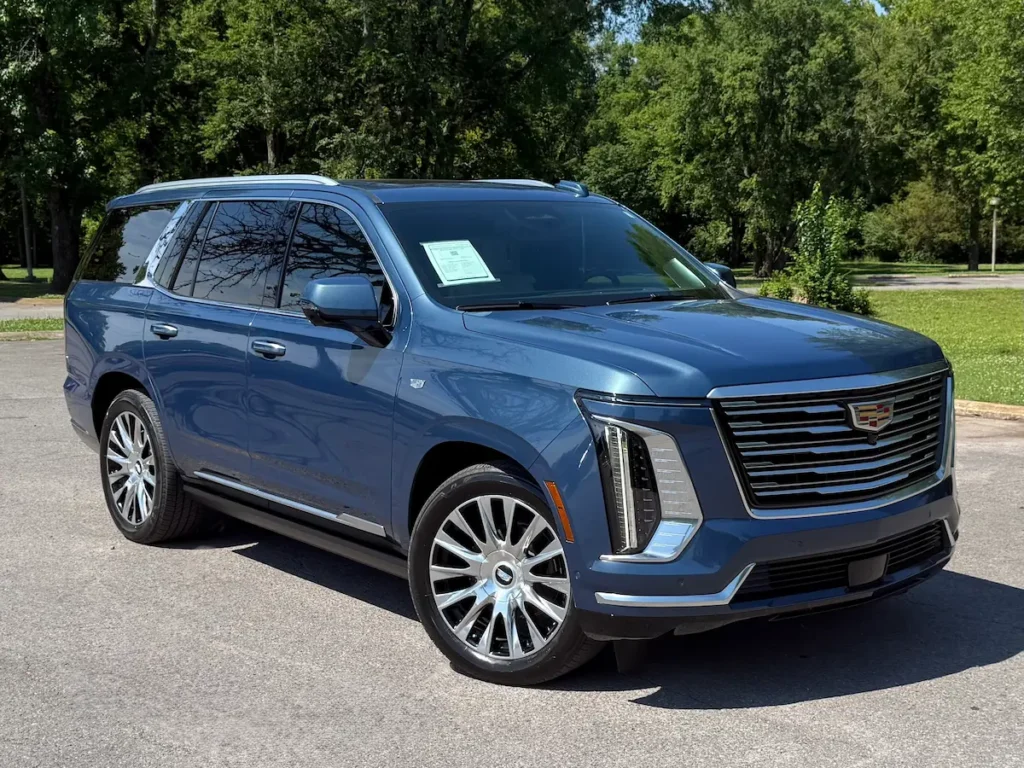
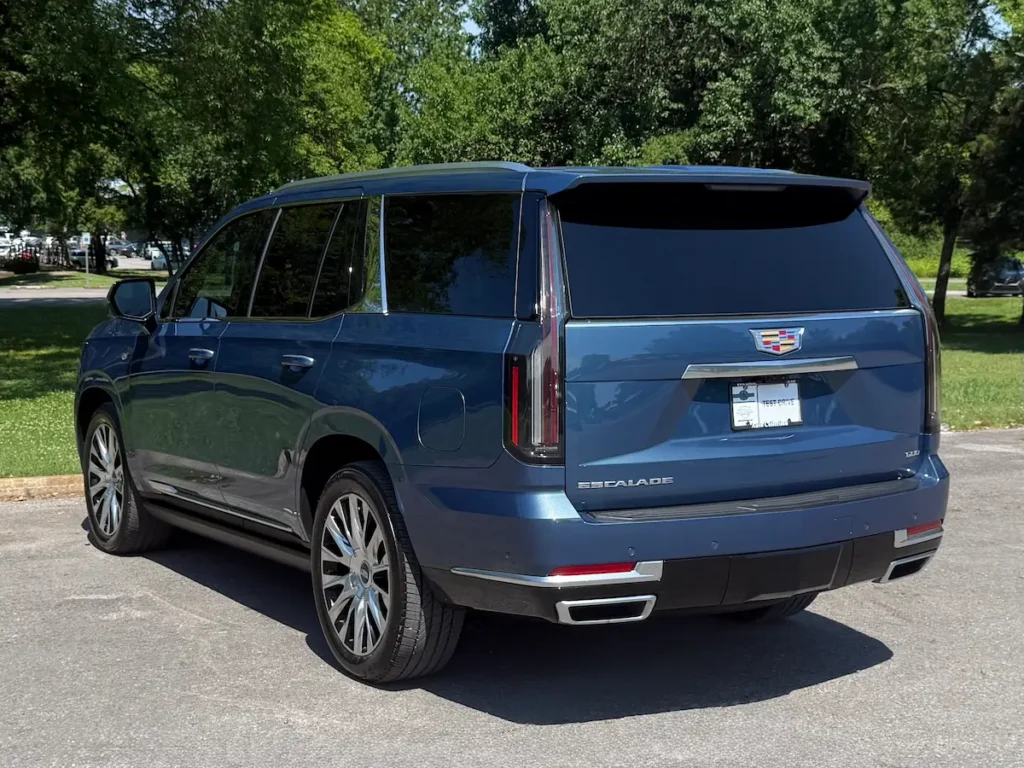
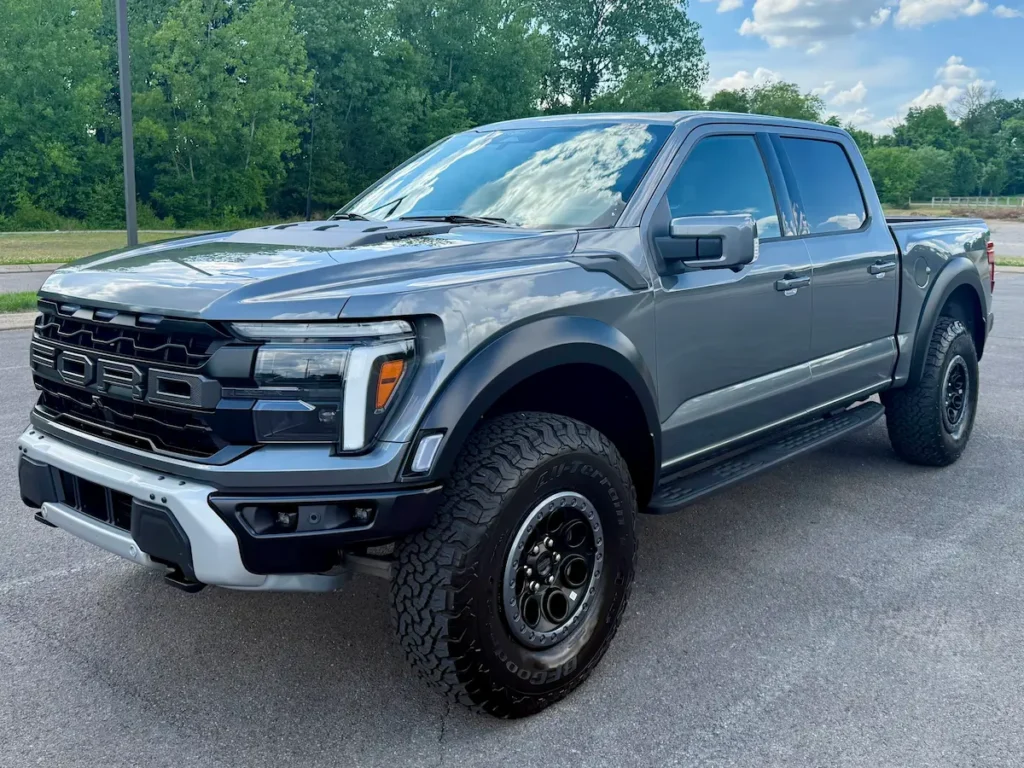
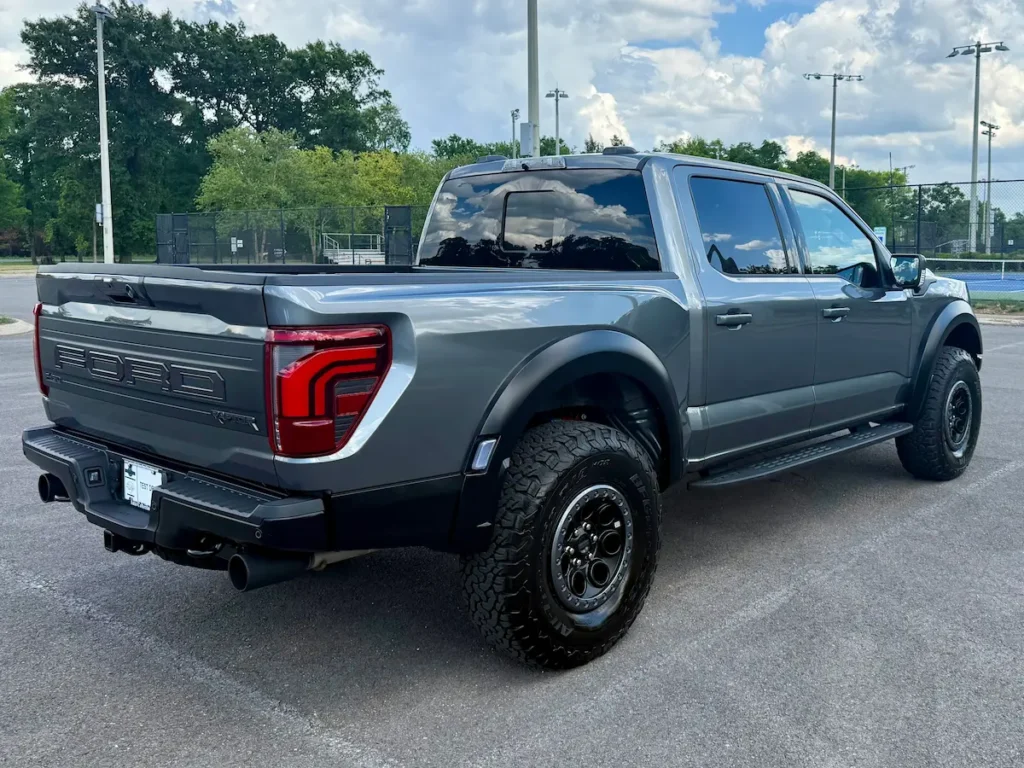
A high-end truck such as a Sierra Denali or well-equipped F-150 may offer leather seating, large screens, advanced towing cameras, and plenty of rear-seat room. A full-size luxury SUV such as a Yukon Denali, Escalade, or Navigator may provide a quieter ride, easier third-row access, and a cabin designed more around passenger comfort.

When shopping used, pay attention to which features you will actually use. Air suspension, power running boards, rear entertainment systems, and other premium equipment can make the vehicle more enjoyable, but they may also add repair costs as it gets older.

When a Luxury Truck Makes More Sense

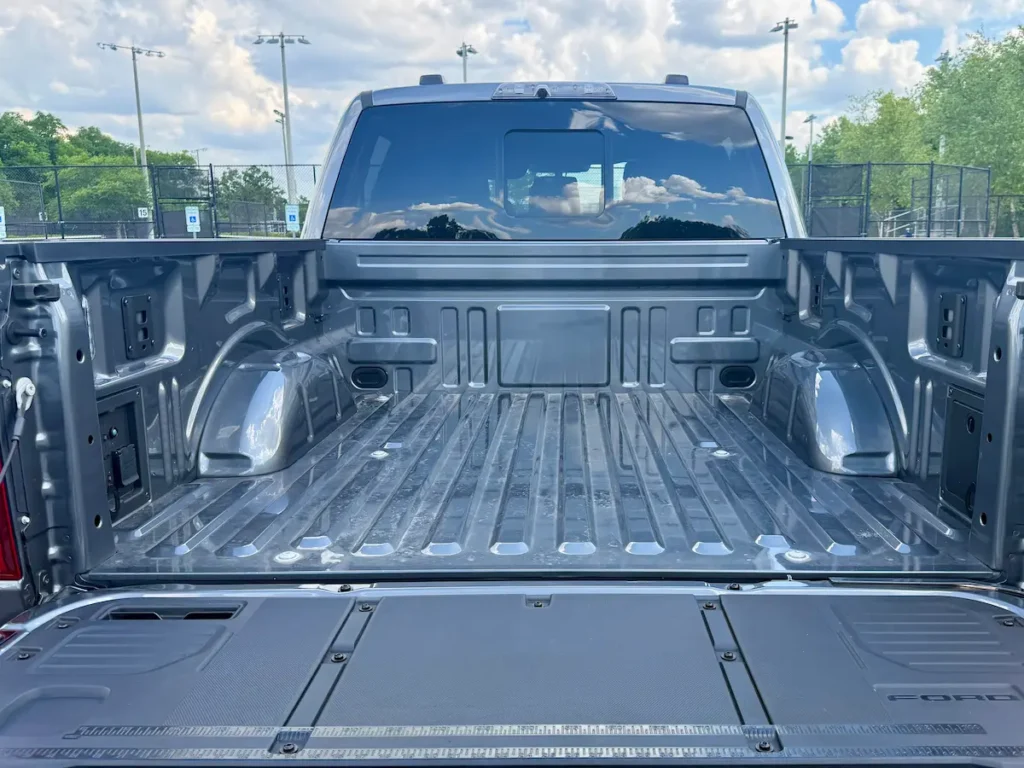
A luxury truck is the better choice when you know you will use the bed.

It gives you space for items that are too tall, dirty, or awkward for an SUV. Furniture, tools, landscaping supplies, bicycles, camping equipment, and work gear can ride in the bed without folding seats or risking damage to the interior. When carrying loose or oversized items, follow NHTSA guidance for securing cargo before getting on the road.

A truck can also be easier when towing is a regular part of your life. The bed gives you room for coolers, straps, tools, and other supplies while keeping the cabin open for passengers.

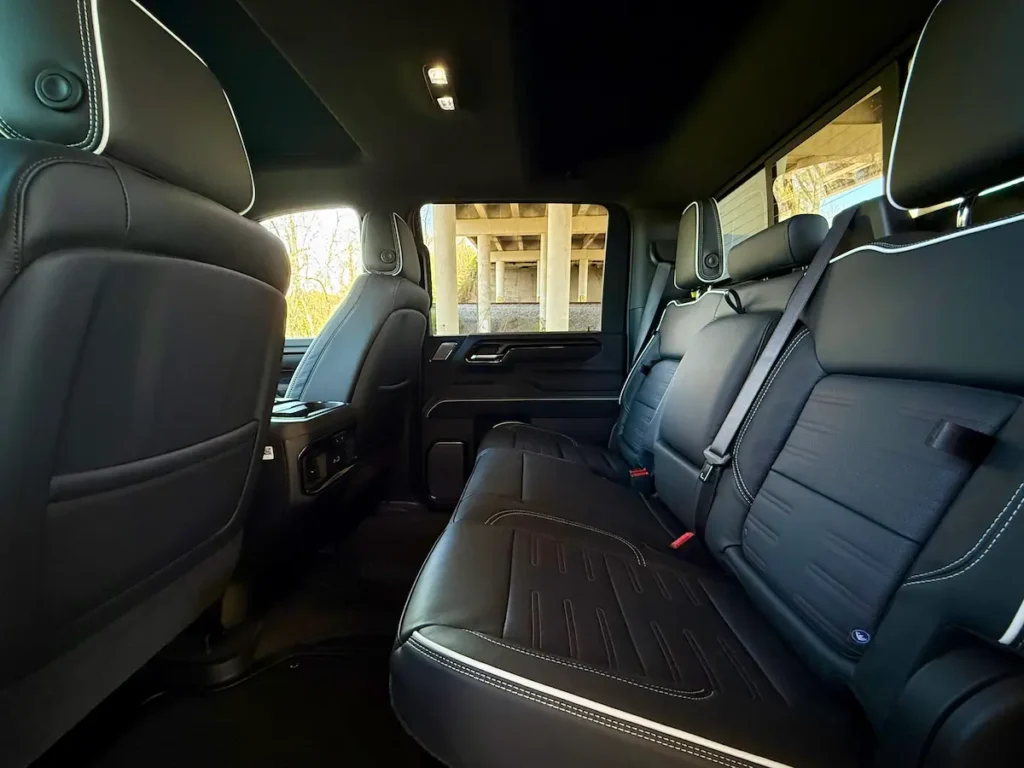
Modern luxury trucks are far more comfortable than basic work pickups. Depending on the model and trim, you may find soft leather, heated and ventilated seats, large screens, premium audio, helpful camera systems, and plenty of rear-seat room. Buyers considering one of the most popular full-size pickups can also read our used Ford F-150 buying guide for help comparing trims, towing features, and used-truck condition.

The downside is that the bed is exposed to weather and easier to see into when parked. A bed cover can help, but it adds cost and may limit how easily you carry taller items.

A luxury truck is a strong fit when:

  • You tow often
  • You regularly carry large or dirty items
  • You need one vehicle for work and personal use
  • Five seats are enough
  • You do not mind the extra length when parking

If the bed would stay empty most of the time, you may be taking on the size and parking challenges of a truck without getting much value from it.

When a Full-Size Luxury SUV Makes More Sense

A full-size luxury SUV is usually easier for family life and everyday travel.

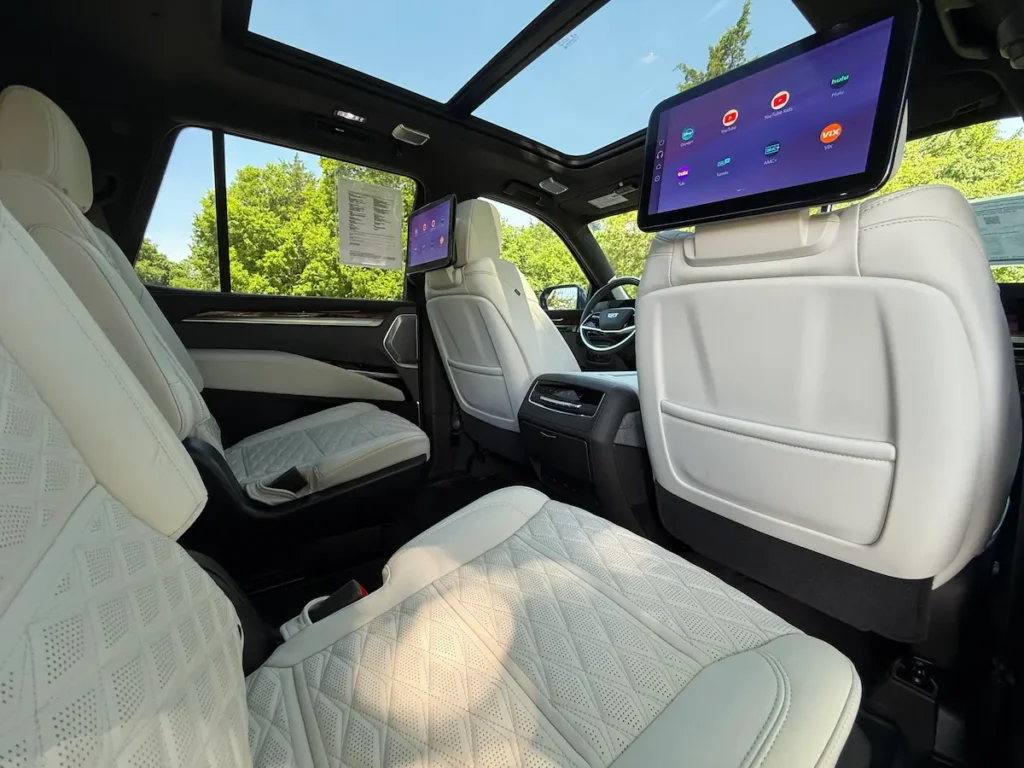
Its main advantage is not just extra seating. Passengers and cargo stay together inside one locked, weather-protected space. Groceries stay dry, luggage stays hidden, pets remain in the climate-controlled cabin, and you do not need a bed cover before a road trip.

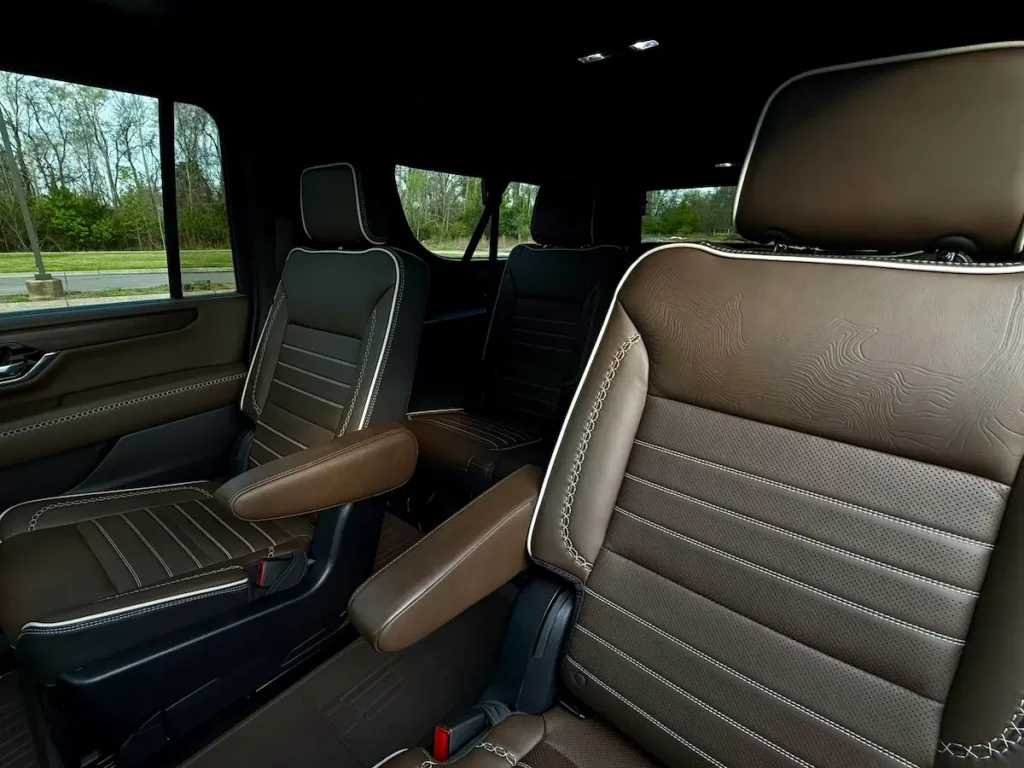
The third row also changes how useful the vehicle can be. A luxury crew-cab truck may have a roomy back seat, but most still seat only five people. A full-size SUV can provide a third row for children, relatives, friends, or clients. A full-size SUV can handle children, relatives, friends, or clients without requiring a second vehicle.

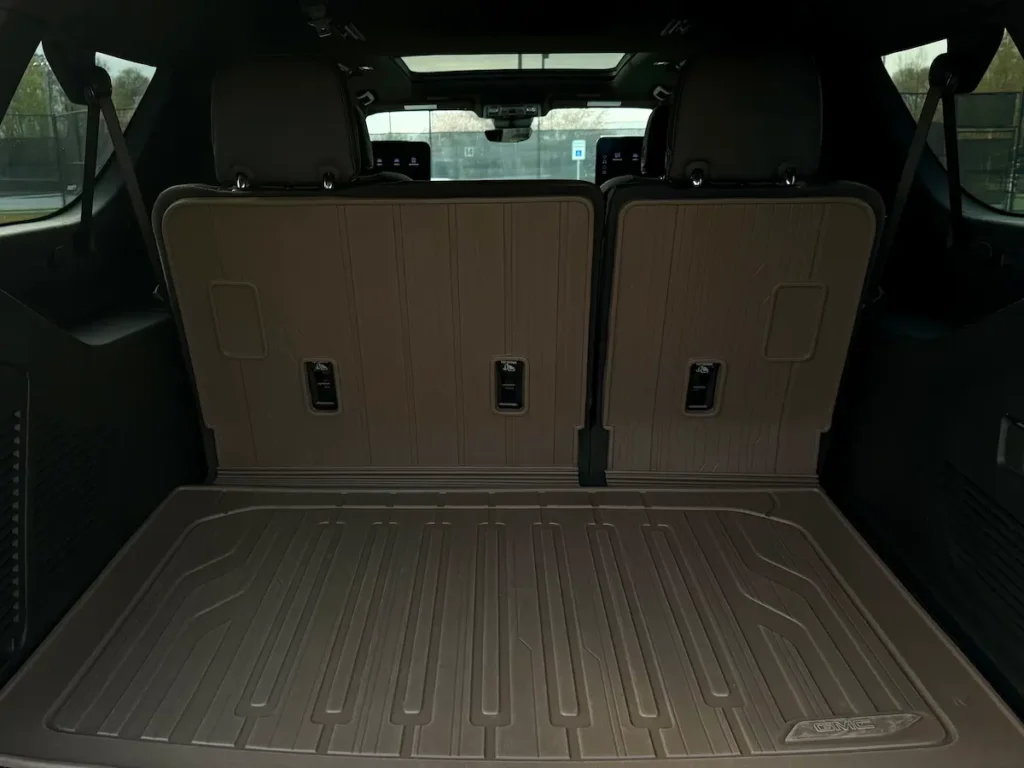
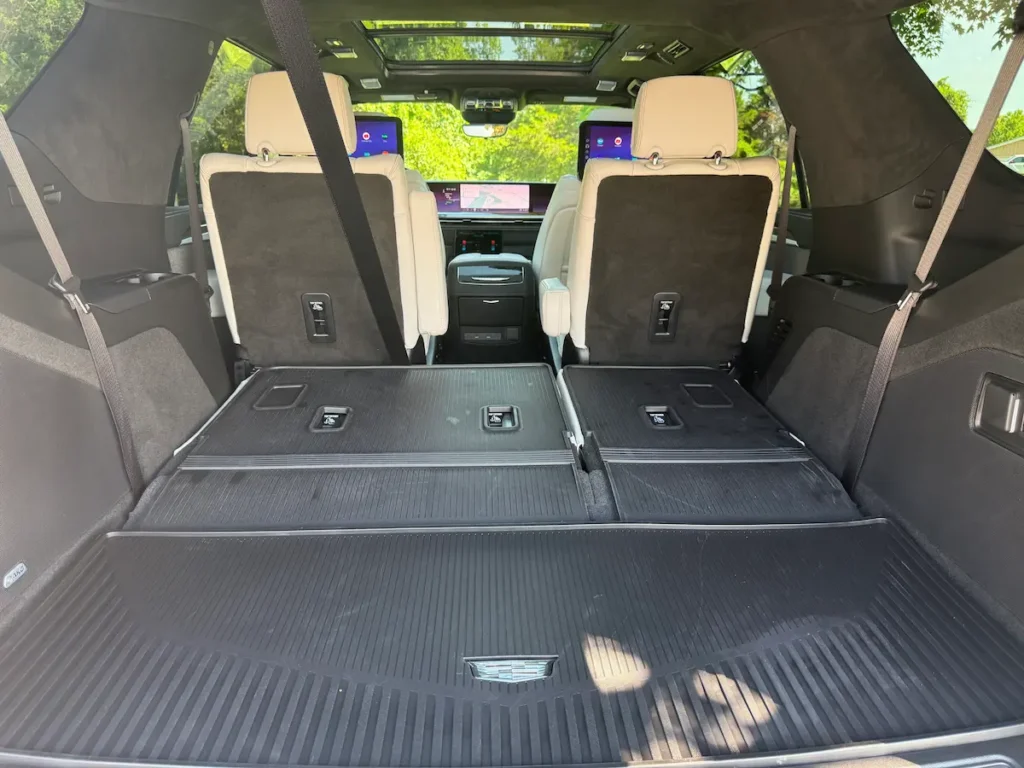
It is also easier to switch between passengers and cargo. You can use all three rows when the cabin is full, then fold the rear seats when you need more storage. Buyers leaning toward this option can also explore our guide to used luxury SUVs under $100,000 for more help comparing space, features, and value.

A full-size luxury SUV is a strong fit when:

  • You regularly carry more than five people
  • Most of your cargo needs to stay clean, secure, and dry
  • Family trips are more common than work or outdoor projects
  • You want a quieter, smoother daily drive
  • You tow occasionally rather than every week

The main limitation is that everything must fit through the rear opening and remain inside the cabin. Large, sharp, wet, or muddy items can quickly become inconvenient.

Luxury Truck vs Full-Size Luxury SUV at a Glance

What Matters MostBetter Choice
Large, dirty, or awkward cargoLuxury truck
Third-row seatingFull-size luxury SUV
Frequent towing and extra equipmentUsually the truck
Occasional towing with more passengersOften the SUV
Protected luggage and groceriesFull-size luxury SUV
Tools and outdoor gearLuxury truck
Easier parking and daily errandsUsually the SUV
Five people plus bulky cargoLuxury truck
Six or more passengersFull-size luxury SUV

These are general differences, not fixed rules. The exact model, wheelbase, suspension, engine, and options can change how comfortable and practical each vehicle feels.

Which One Is Better for Towing?

A truck is usually the more practical choice for frequent towing, especially when you also need room for equipment.

Trucks often offer more towing packages, trailer cameras, bed connections, and engine or axle choices. A longer wheelbase may also feel more stable when pulling a heavy trailer.

That does not mean you need a truck every time you tow. Many full-size luxury SUVs can handle boats, campers, and recreational trailers while giving passengers more room and comfort.

The right choice depends on what you are towing and how often you tow it. Someone pulling a trailer every weekend may get more value from a truck. Someone towing a boat a few times each summer may prefer the SUV during the rest of the year.

Do not compare tow ratings alone. Check the exact vehicle’s equipment, payload limit, hitch setup, and the trailer’s loaded weight. Two vehicles that look similar may have very different limits.

Which One Is More Comfortable?

For most buyers, a full-size luxury SUV will feel more comfortable during normal driving.

SUVs are built mainly around passengers. They often offer a smoother ride, easier access to the rear seats, a more useful third row, and less bouncing when the vehicle is empty.

Luxury trucks can still be excellent highway vehicles, especially in higher trims. The biggest difference often shows up on rough roads or when there is no weight in the bed. Some trucks may feel firmer or less settled than an SUV.

Wheel and tire choices matter too. Large wheels and low-profile tires may look better, but they can make either vehicle feel harsher over bumps. An off-road truck may also ride very differently from a luxury trim designed more for daily driving.

During the test drive, include rough pavement, highway speeds, tight turns, and a few parking spaces. A short drive around the block may not show how the vehicle will feel during everyday use.

Think About Parking Before You Buy

A full-size SUV is still a large vehicle, but many trucks are longer and harder to park.

That extra length can become frustrating in parking garages, busy shopping centers, older neighborhoods, or a short home garage. Cameras and parking sensors help, but they cannot change the vehicle’s size.

Measure your garage before buying. Check the vehicle’s length, height, width with the mirrors, and the space needed to open the tailgate or rear liftgate.

This is especially important with long-bed or lifted trucks, roof racks, and extended-length SUVs.

A vehicle may feel manageable during one test drive but become tiring when you have to park it several times every day.

What Will Cost More to Own?

There is no simple winner. The engine, trim, wheel size, suspension, condition, and service history matter more than whether the vehicle is a truck or SUV.

When shopping used, compare more than the model year and original price. A newer vehicle with fewer complex features may be a better purchase than an older, fully loaded model with several expensive systems nearing the end of their warranty. This can apply to either a truck or an SUV, so condition and maintenance history should carry more weight than the badge or trim level.

Both types can have high fuel, tire, brake, and repair costs. Large wheels can make tire replacement much more expensive. Air suspension can improve comfort but may also cost more to repair as the vehicle gets older. You can use the FuelEconomy.gov comparison tool  to compare official MPG ratings and estimated fuel costs for the exact trucks and SUVs you are considering.

Trucks may show wear from towing, off-road driving, or heavy work. SUVs may have more wear on rear seats, folding-seat systems, climate controls, and other family-use areas.

Before buying either one, check:

  • Service records
  • Tire and brake condition
  • Four-wheel-drive and suspension operation
  • Cameras, sensors, and powered features
  • Accident history and aftermarket modifications

A lower trim with good records is often a smarter buy than a fully loaded model with a questionable history.

What to Check on a Used Luxury Truck

Look closely at the bed, hitch, underbody, rear suspension, and trailer wiring.

A scratched bed is normal on many used trucks, but major dents, bent parts, damaged wiring, uneven tire wear, or poor-quality modifications may point to harder use.

Be cautious with lifted trucks or vehicles fitted with oversized tires. These changes can affect ride quality, steering, fuel use, reliability, and resale value.

Also confirm that the truck has the factory towing equipment you need. A hitch alone does not mean it has the full towing package.

What to Check on a Used Full-Size Luxury SUV

Test every seat and electronic feature, especially in the second and third rows.

Make sure the seats fold and return correctly. Check the rear climate controls, power liftgate, cameras, entertainment system, running boards, and charging ports.

If the SUV has air suspension, look for uneven ride height, warning lights, or unusual noises after it has been parked.

Also check how much cargo space remains behind the third row. Some SUVs can carry six or seven people but leave very little room for luggage. An extended-length model may be worth considering if you often travel with a full cabin.
So, Which One Should You Buy?

Choose the luxury truck when the bed will solve a real problem in your life. It is the better fit for regular towing, work equipment, home projects, outdoor hobbies, and cargo you would rather keep outside the cabin.

Choose the full-size luxury SUV when people and protected cargo come first. It is usually better for families, road trips, airport runs, pets, clients, and everyday belongings that need to stay locked and dry.

The decision becomes easier when you focus on the trips you make every week instead of the biggest job the vehicle might handle once or twice a year.

If you will use the bed regularly, choose the truck.

If you regularly need a third row, choose the SUV.

If you rarely need either, consider whether the extra size and ownership costs are worth it.

Explore our current inventory of used luxury trucks and full-size luxury SUVs, or call 615-377-6101 for current availability.

Yes. Many luxury trucks have comfortable cabins, modern technology, and plenty of rear-seat space. The main drawbacks are their length, parking difficulty, and the need to protect anything carried in the bed.

It depends on what you carry. A truck is better for large, tall, dirty, or oddly shaped items. An SUV is better for luggage, groceries, pets, valuables, and anything that needs to stay locked and protected from the weather.

Not always, but it needs a closer inspection. Lift kits, oversized tires, engine tuning, and other changes can affect the ride, steering, fuel use, reliability, and resale value.

It can be if you regularly use the third row and still need room for luggage. Standard-length SUVs may have limited cargo space when every seat is occupied, while an extended-length model gives passengers and cargo more room.

Facebook
Twitter
LinkedIn
Reddit
Email

Related Articles