Best Luxury SUVs Under $100K (Used Market Buying Guide)
A $100,000 budget puts you in a very different part of the market. You are no longer choosing between “good” and “better.” You are choosing between completely different types of luxury ownership. In the U.S., that kind of budget opens the door to everything from newer, well-equipped midsize SUVs to full-size flagship models that originally sat at the very top of their class. At AutoPro Nashville, most buyers we speak with are navigating this exact decision, and if you ever want to talk it through, you can reach the team at 615-377-6101.
The real question at this level is not which luxury SUV is best. It is what kind of experience you actually want to live with every day. Some vehicles will feel easier, more modern, and more predictable. Others will feel larger, more distinctive, and more special, but not always as simple to own. This guide is built around that difference, helping you understand how these SUVs fit into real life, not just how they compare on paper.
Table of Contents
What $100K Really Means in the Used Luxury SUV Market
In the U.S., where larger SUVs are easier to live with and long-distance driving is part of everyday life, a $100K budget opens up more options than most buyers expect.
But it does not expand the market in a straight line. It splits it.
You are typically choosing between two very different paths:
- A newer midsize luxury SUV with lower mileage and more current technology
- An older or lightly used flagship SUV that originally sat at the top of its brand’s lineup
Both can fall into the same price range. Both can feel like strong decisions at first glance. But they deliver very different ownership experiences over time.
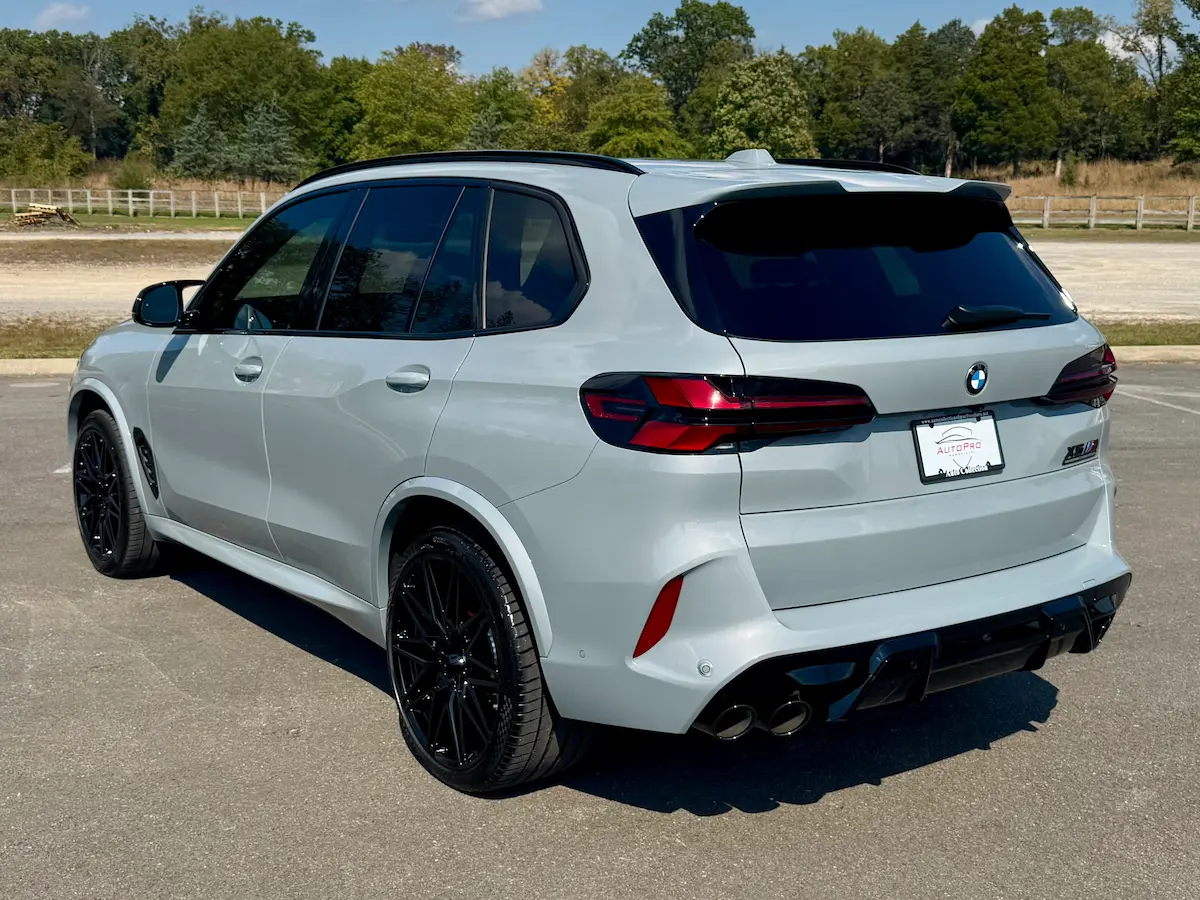
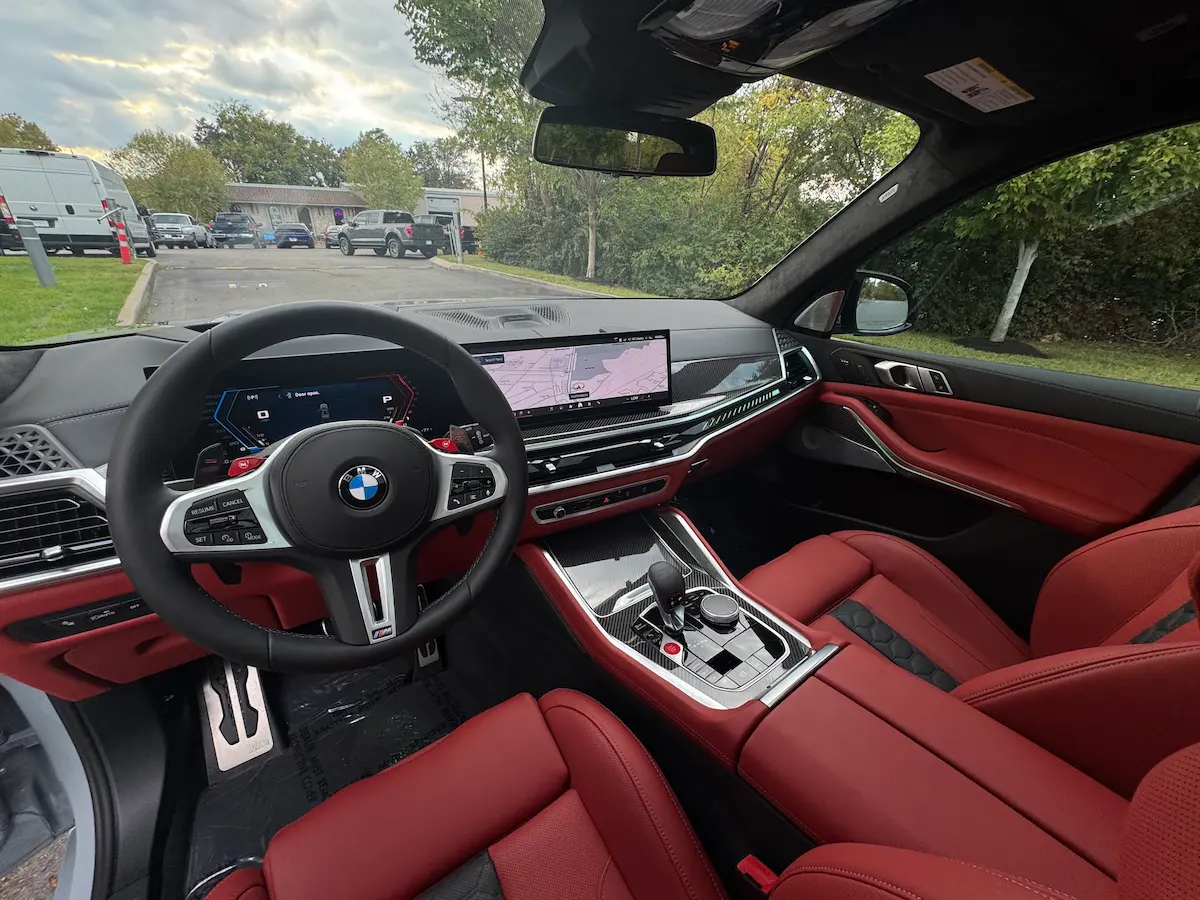
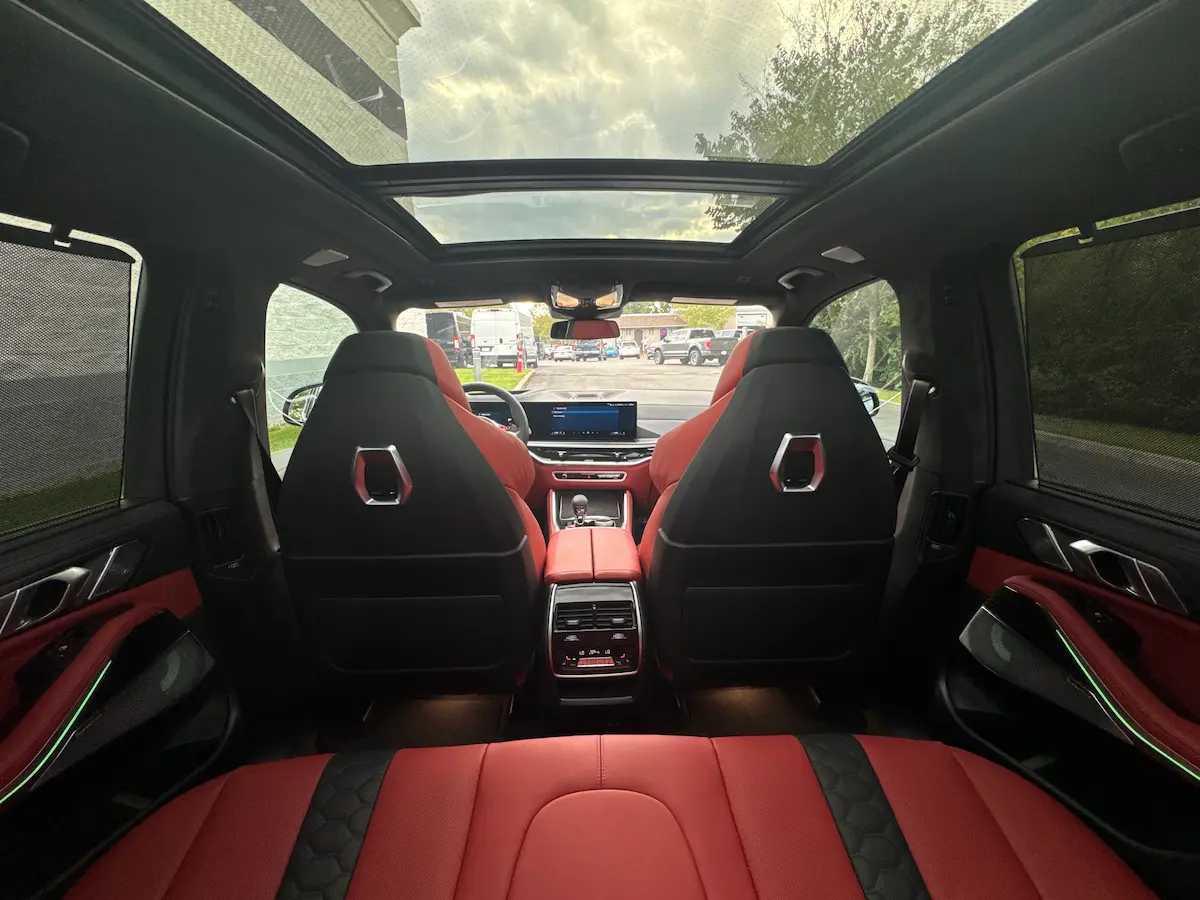
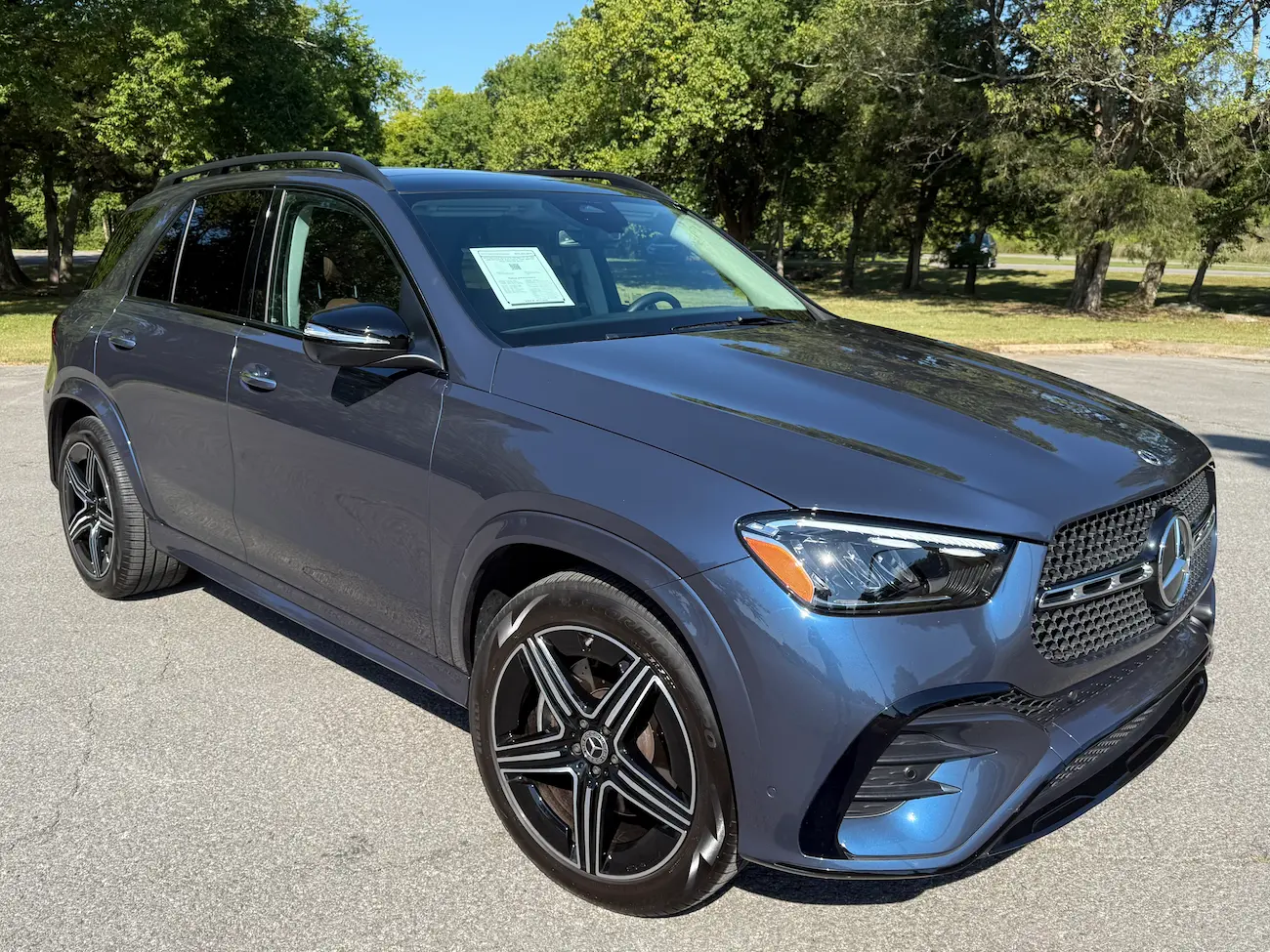
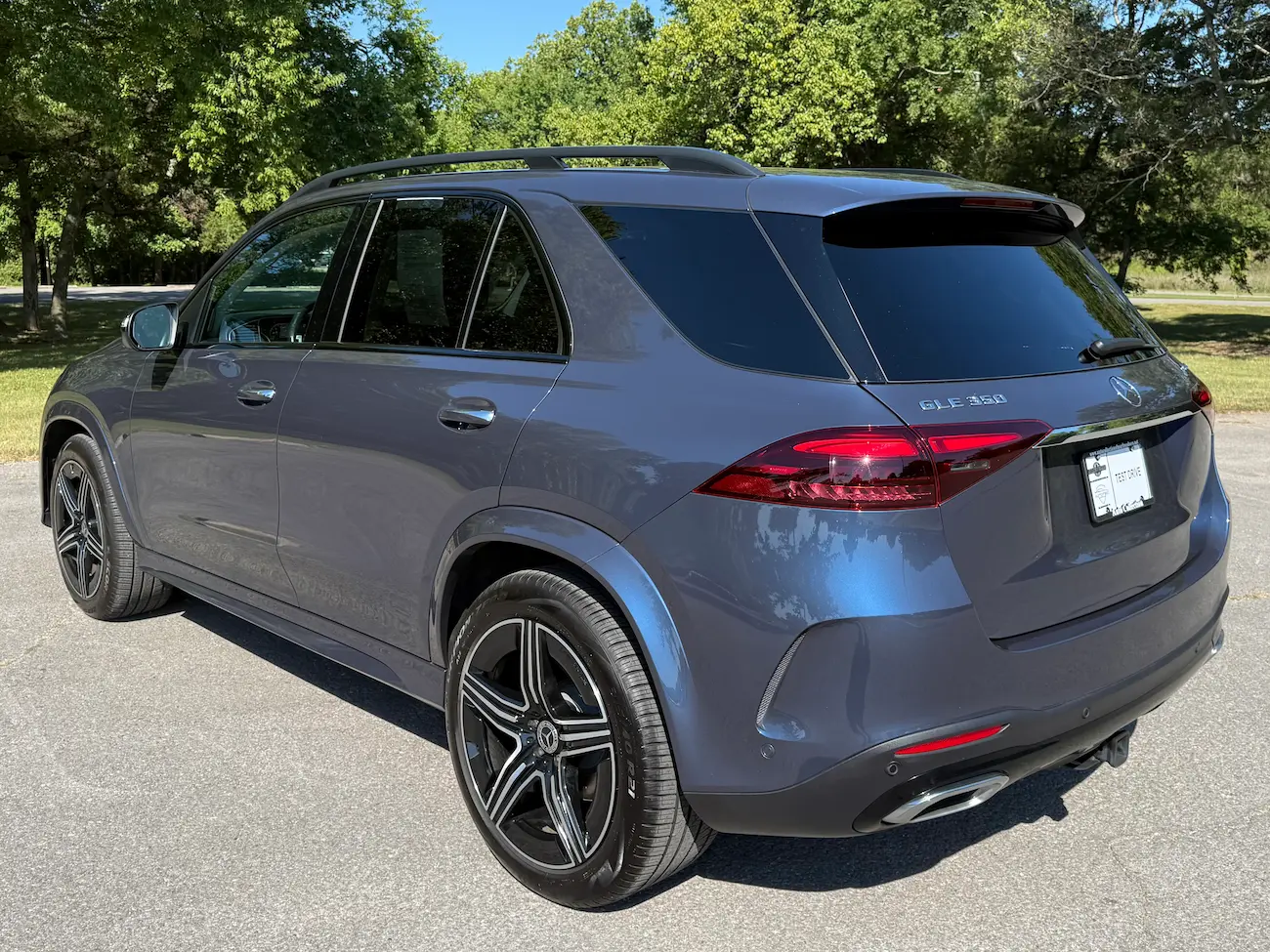
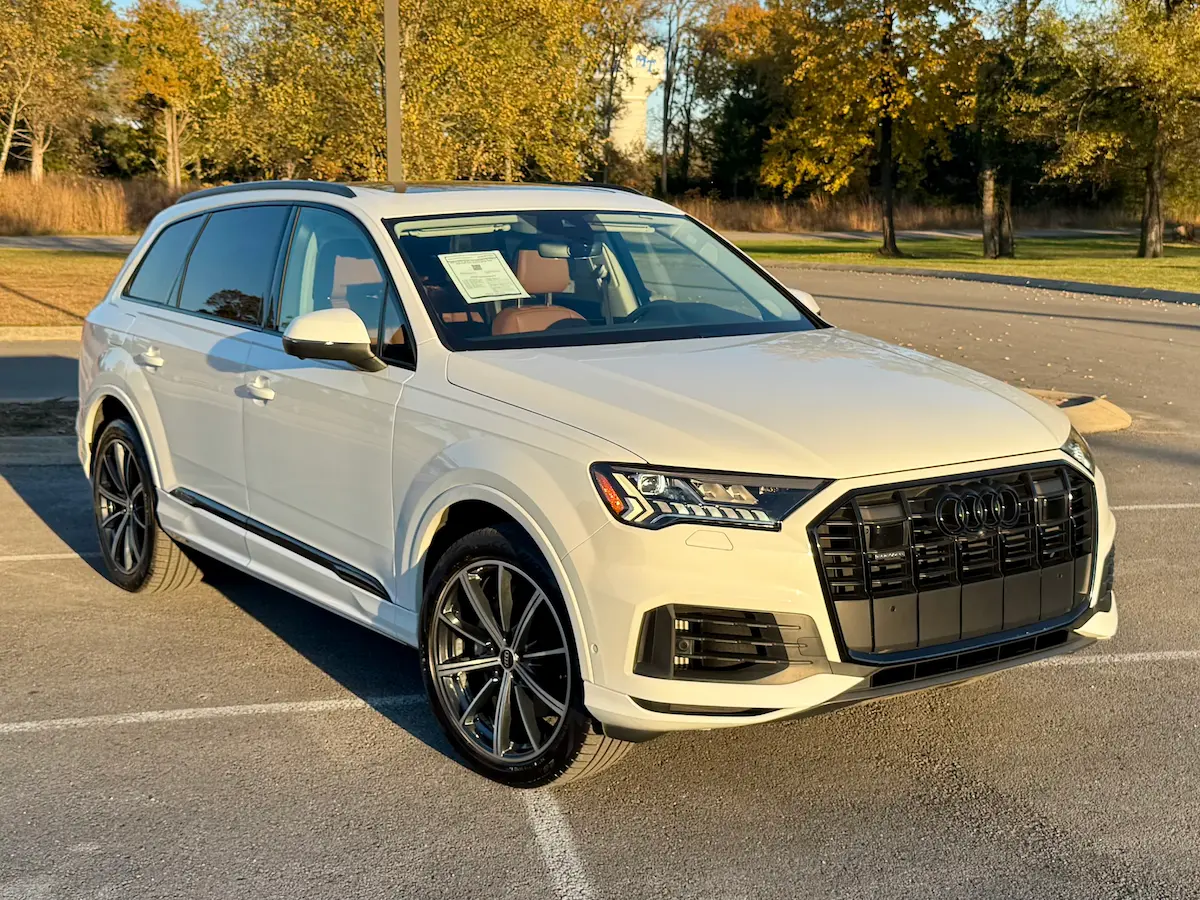
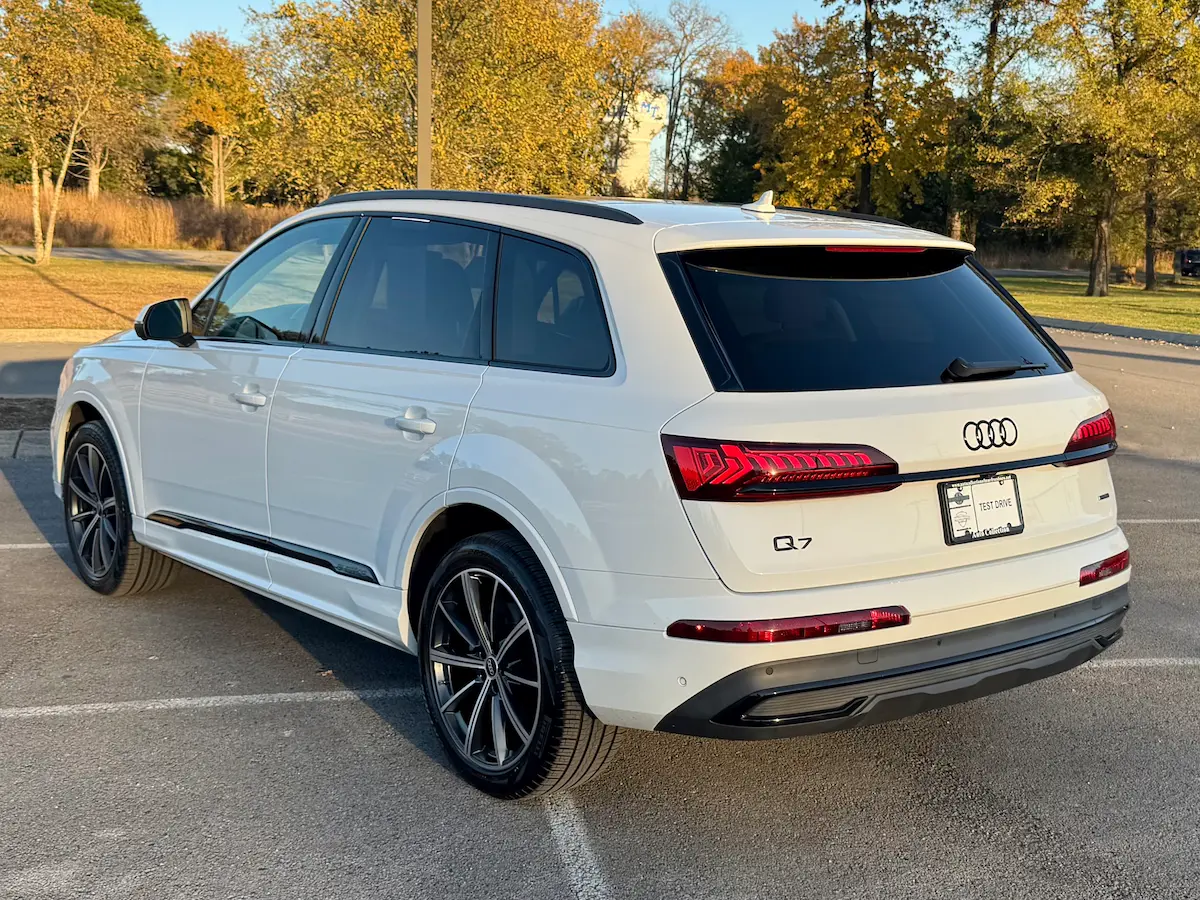
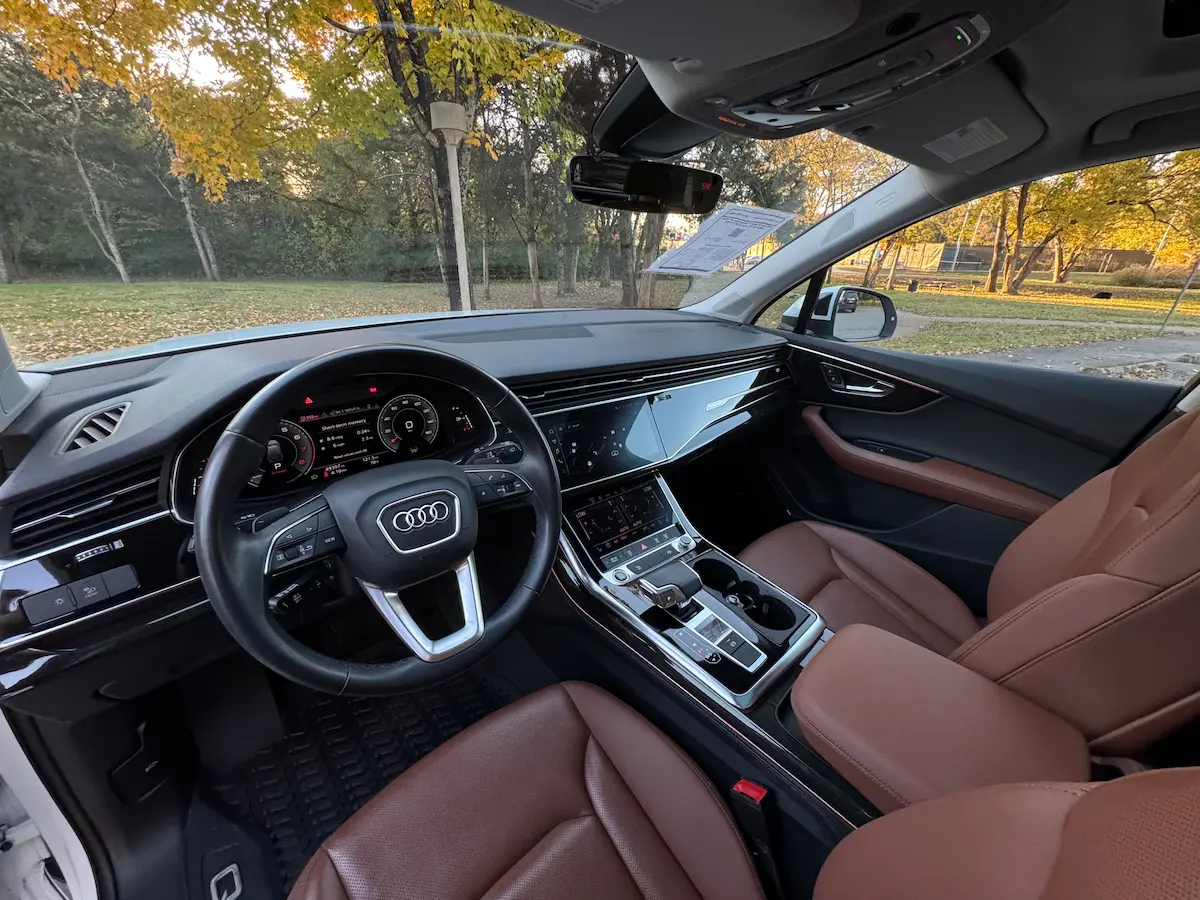
The newer midsize route tends to feel easier from day one. It is more manageable in daily driving, easier to park, and often comes with fewer unknowns. Vehicles like the BMW X5, Mercedes-Benz GLE, or Audi Q7 in newer model years usually fall into this category and tend to fit naturally into everyday routines.
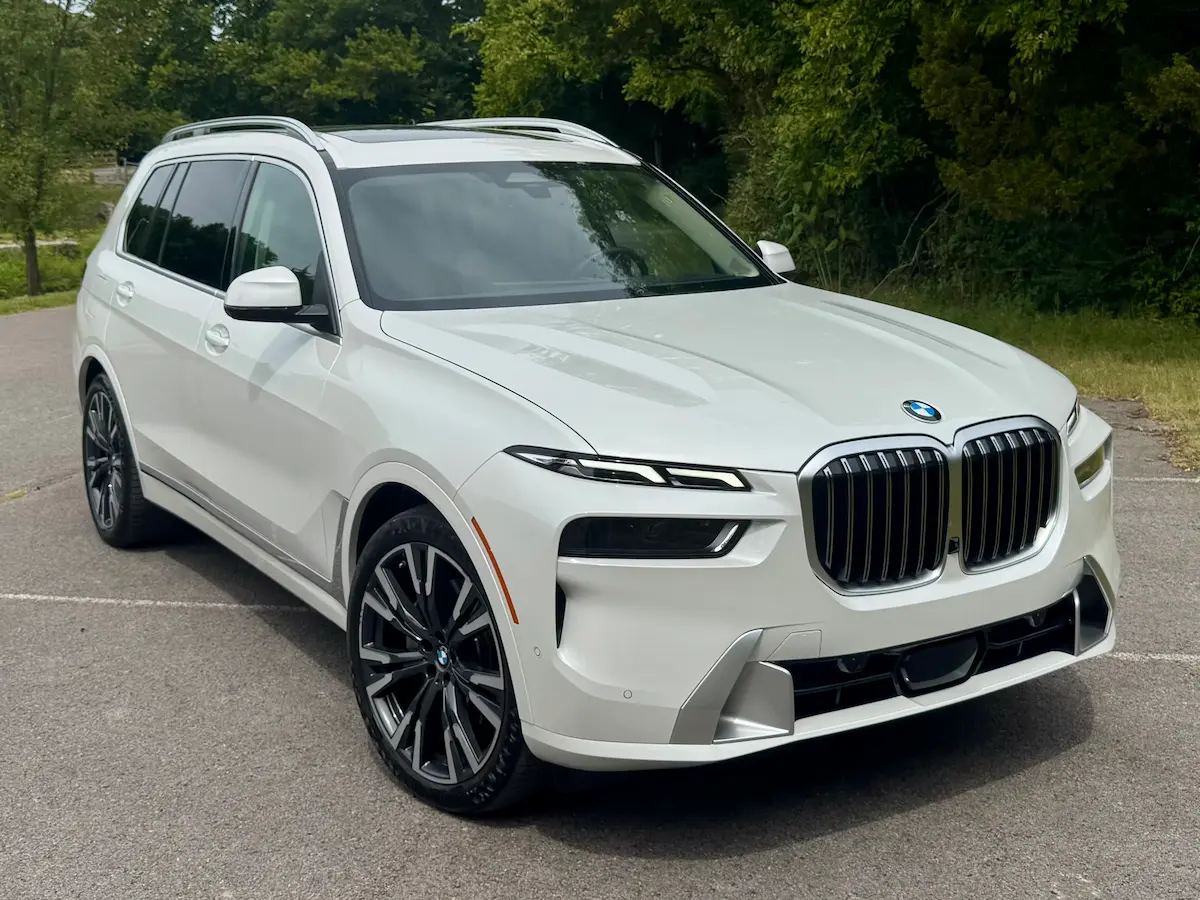
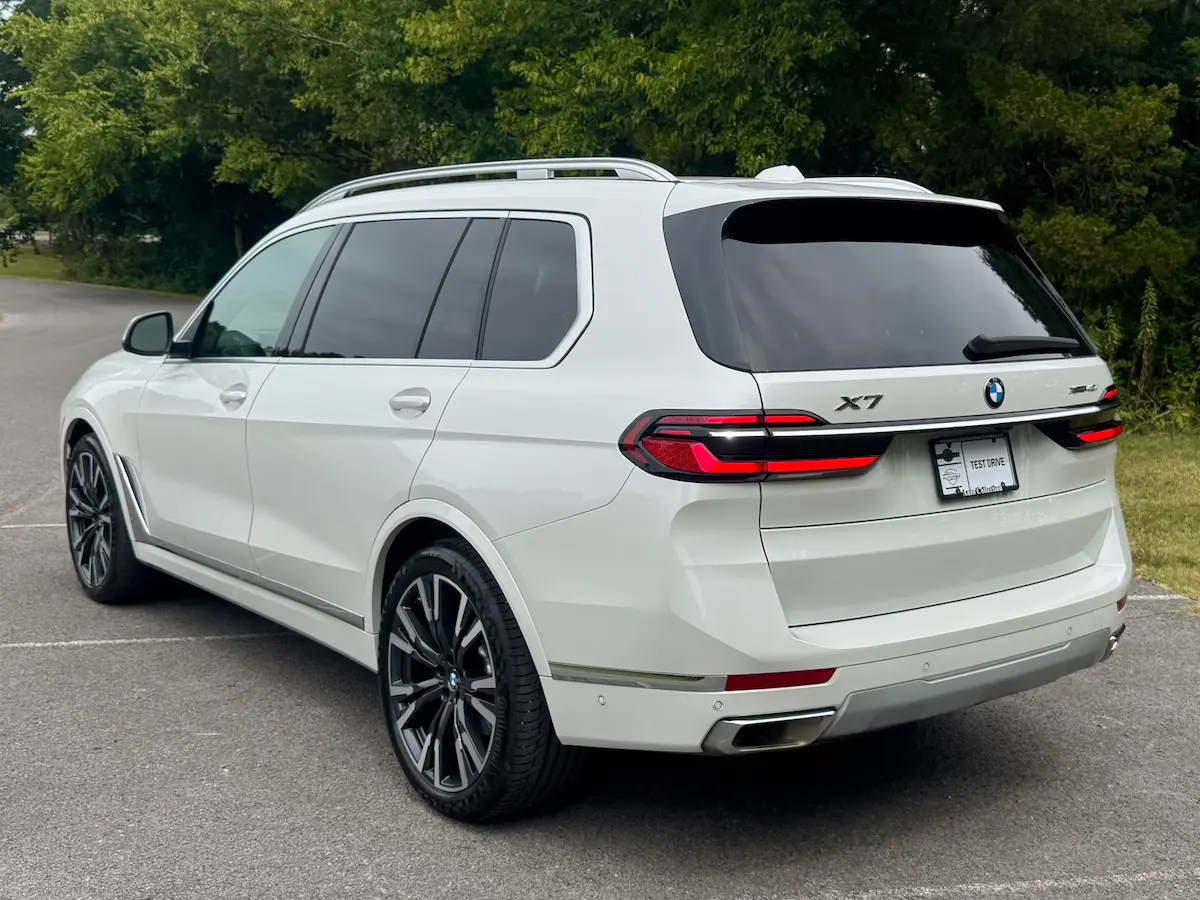
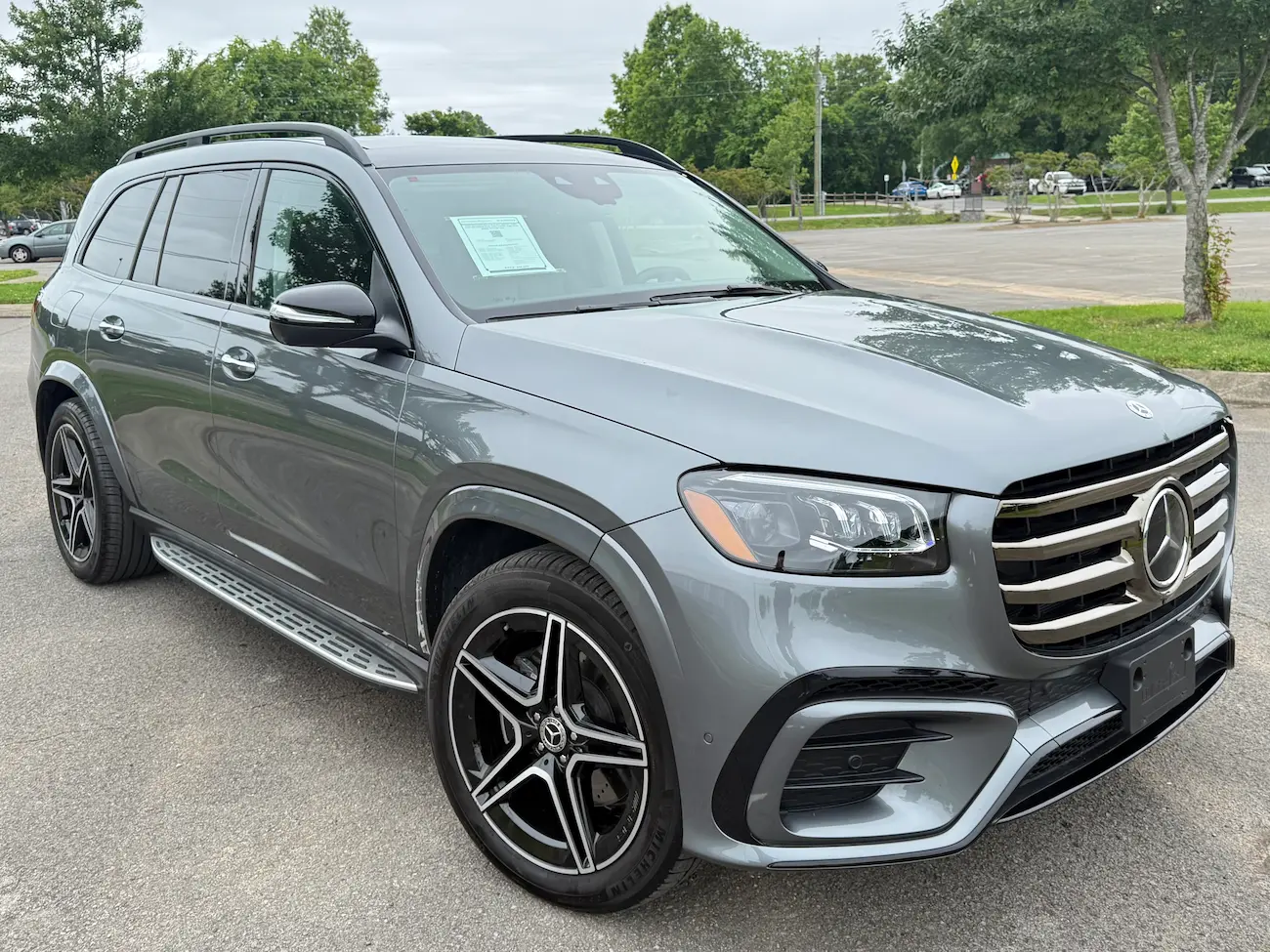
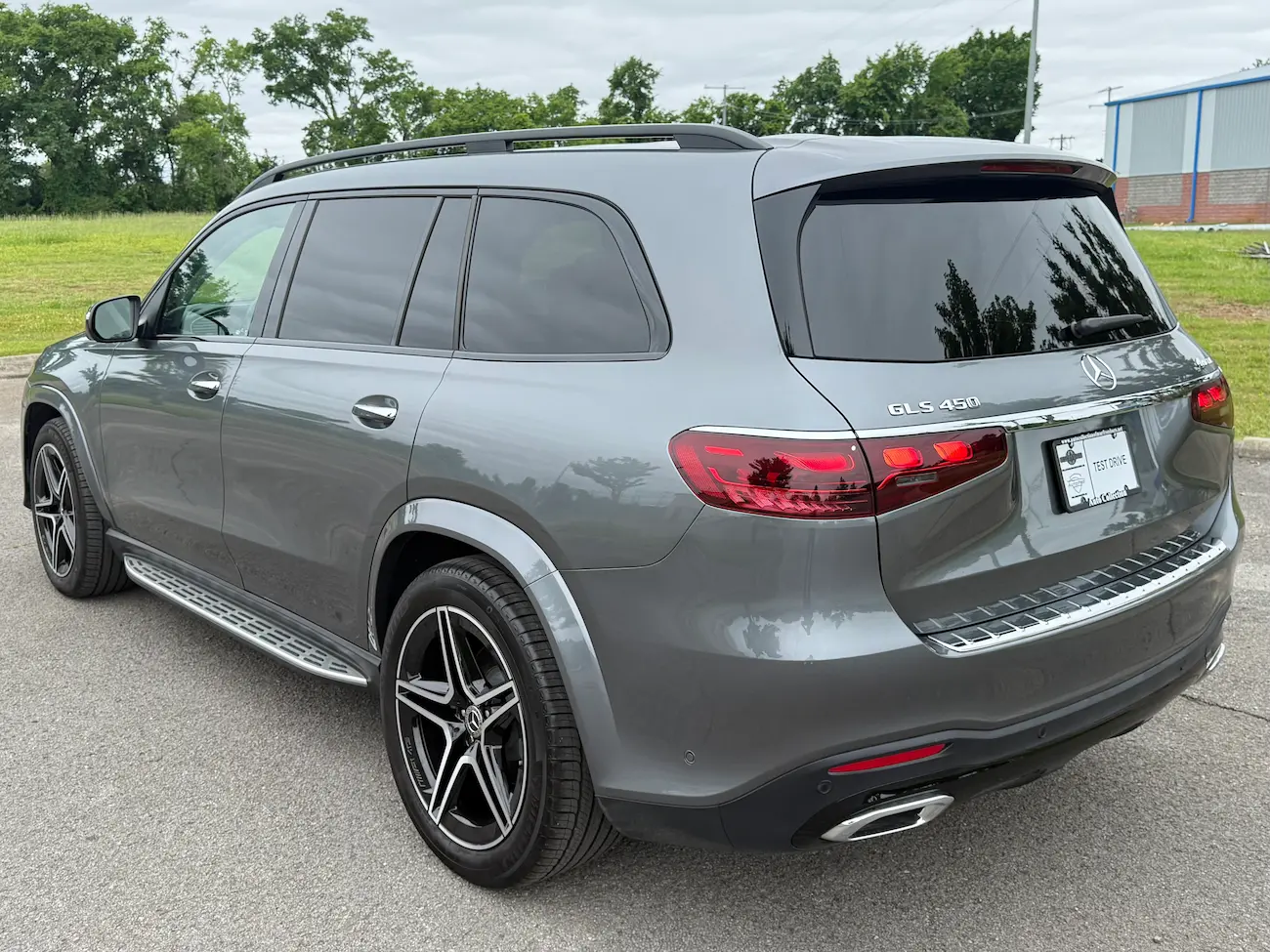
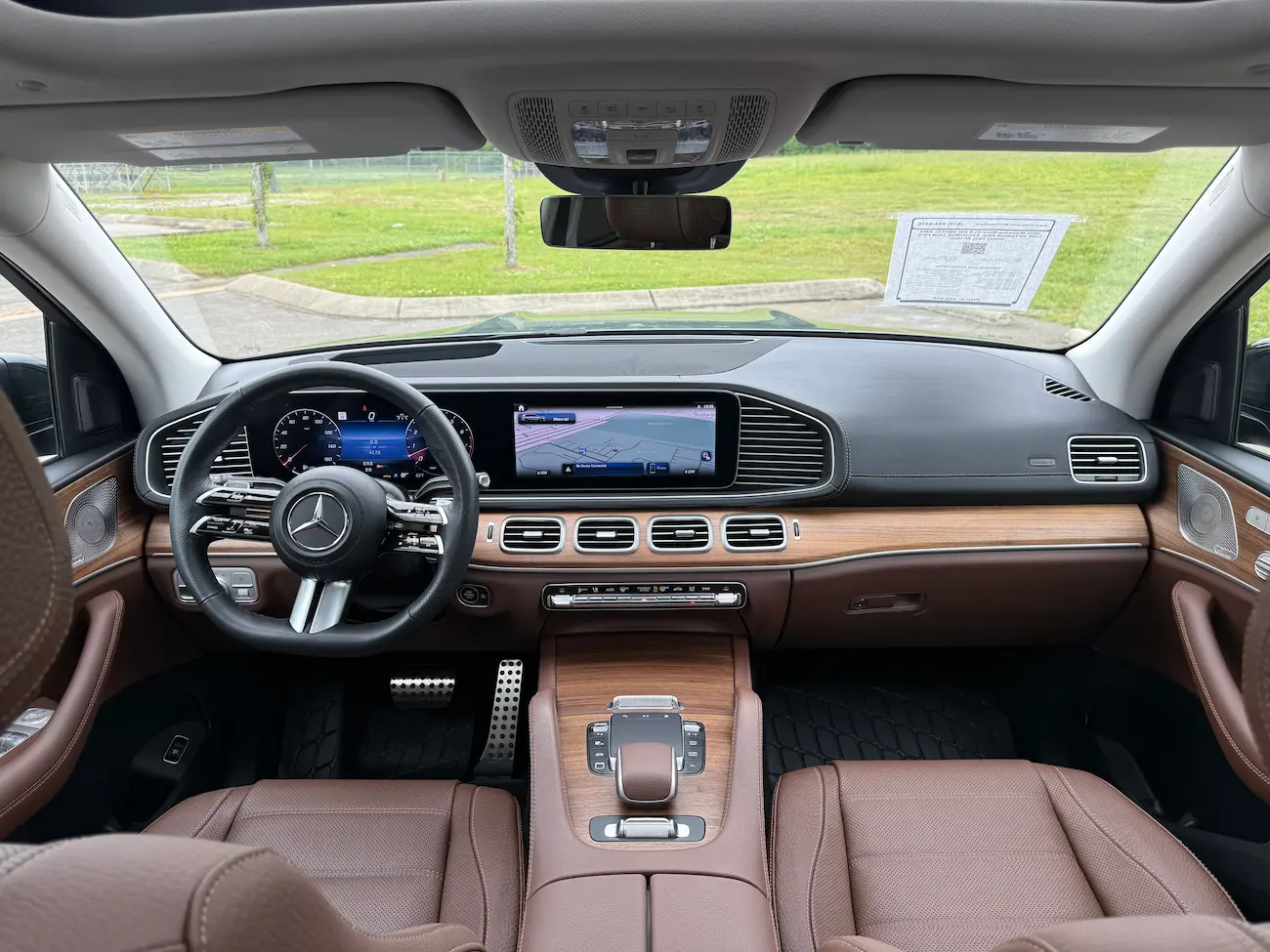
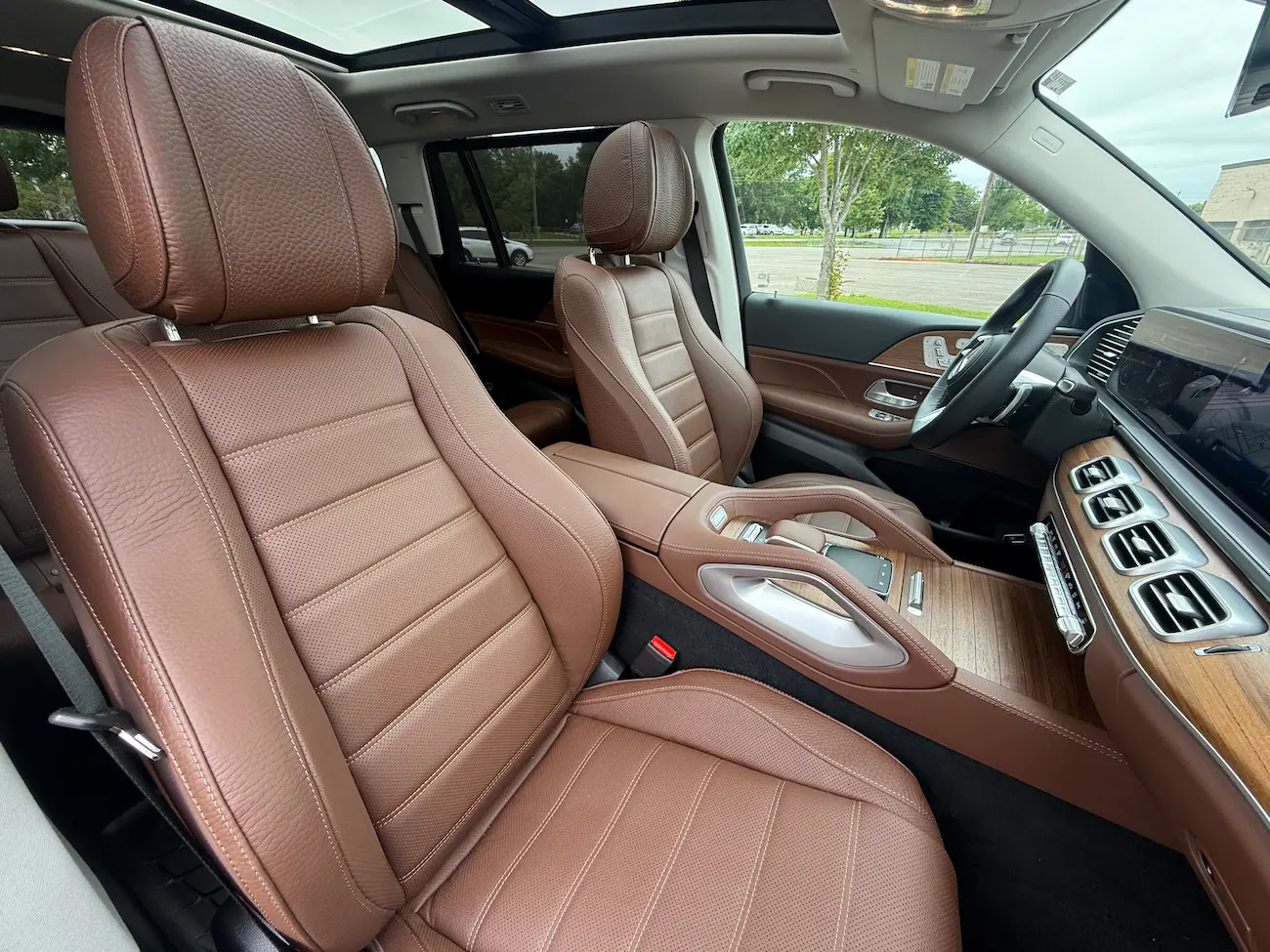
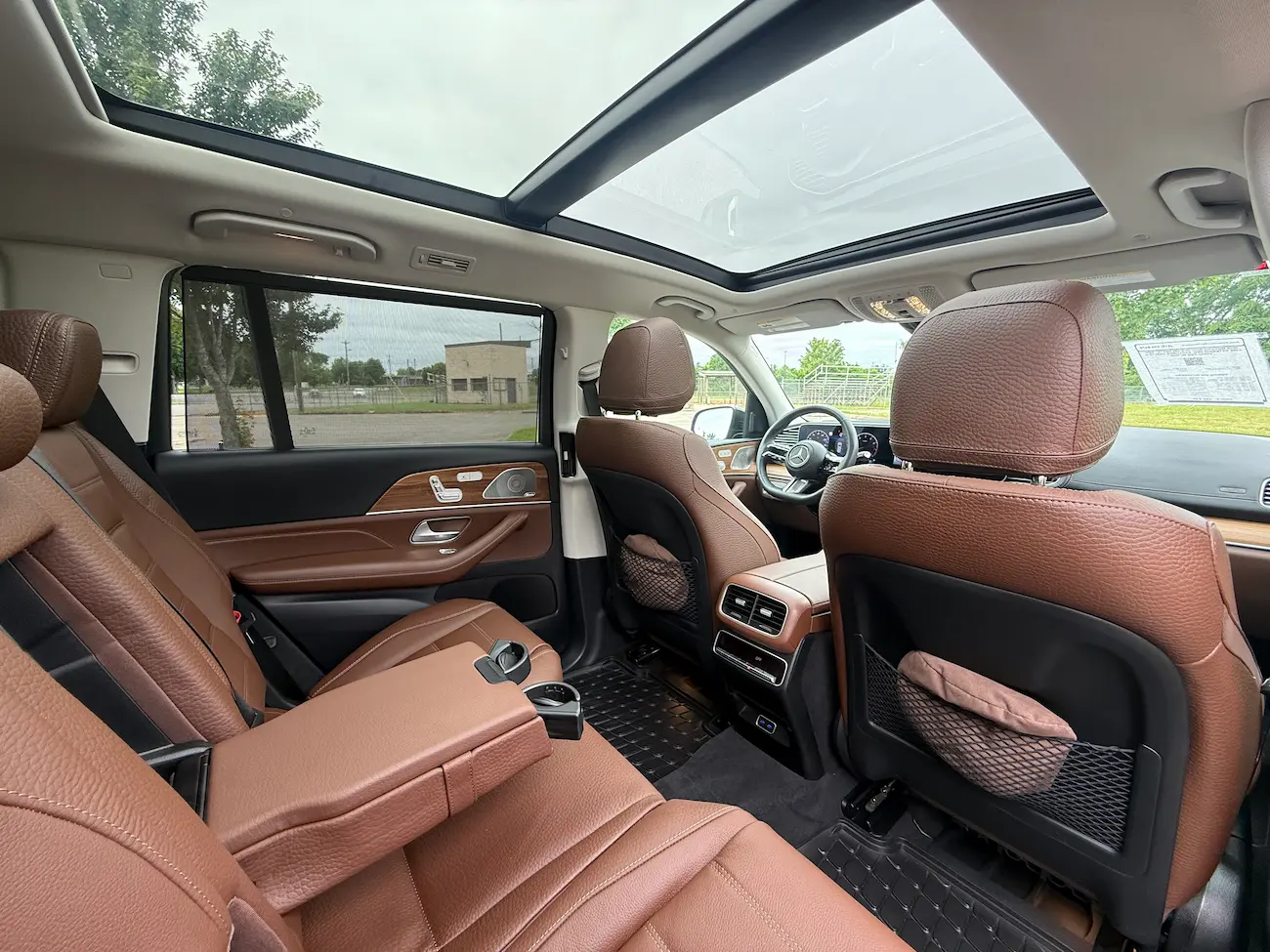
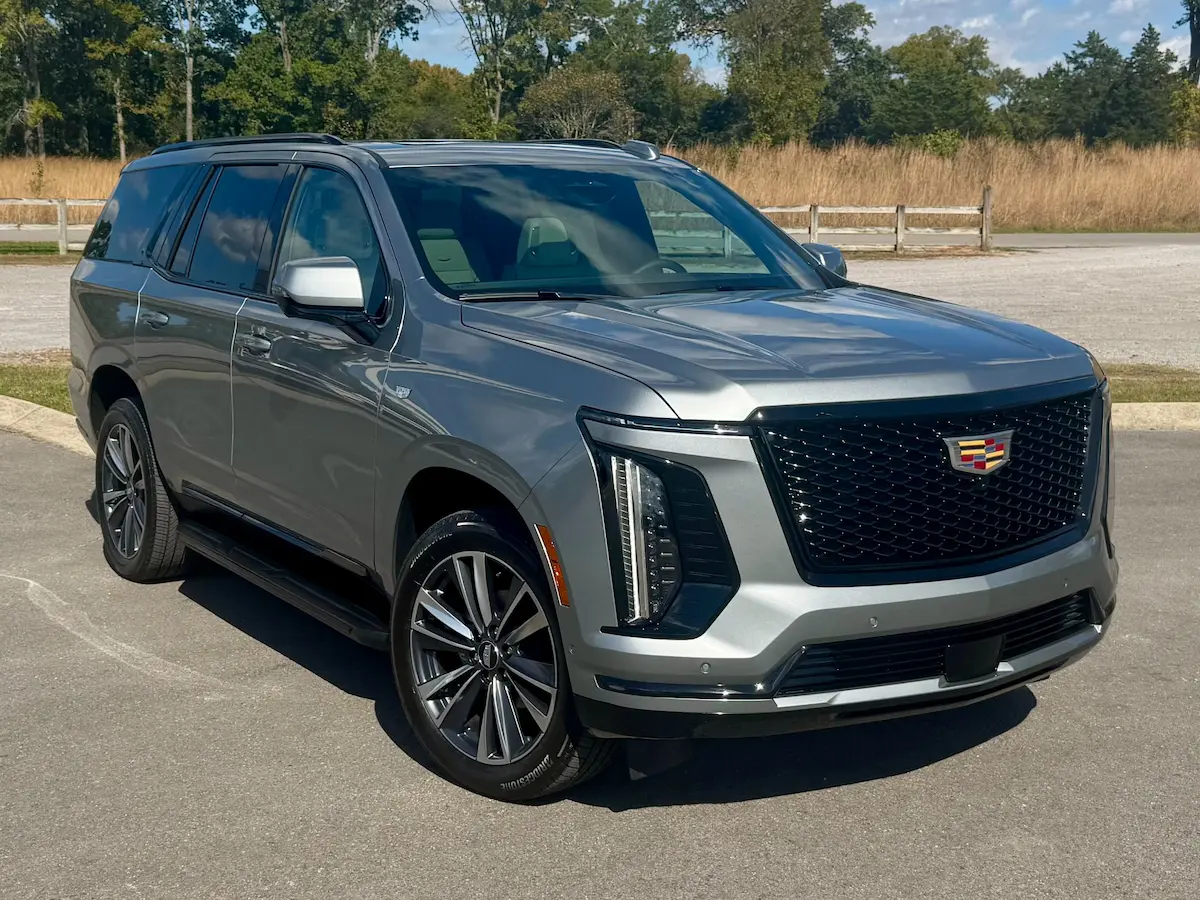
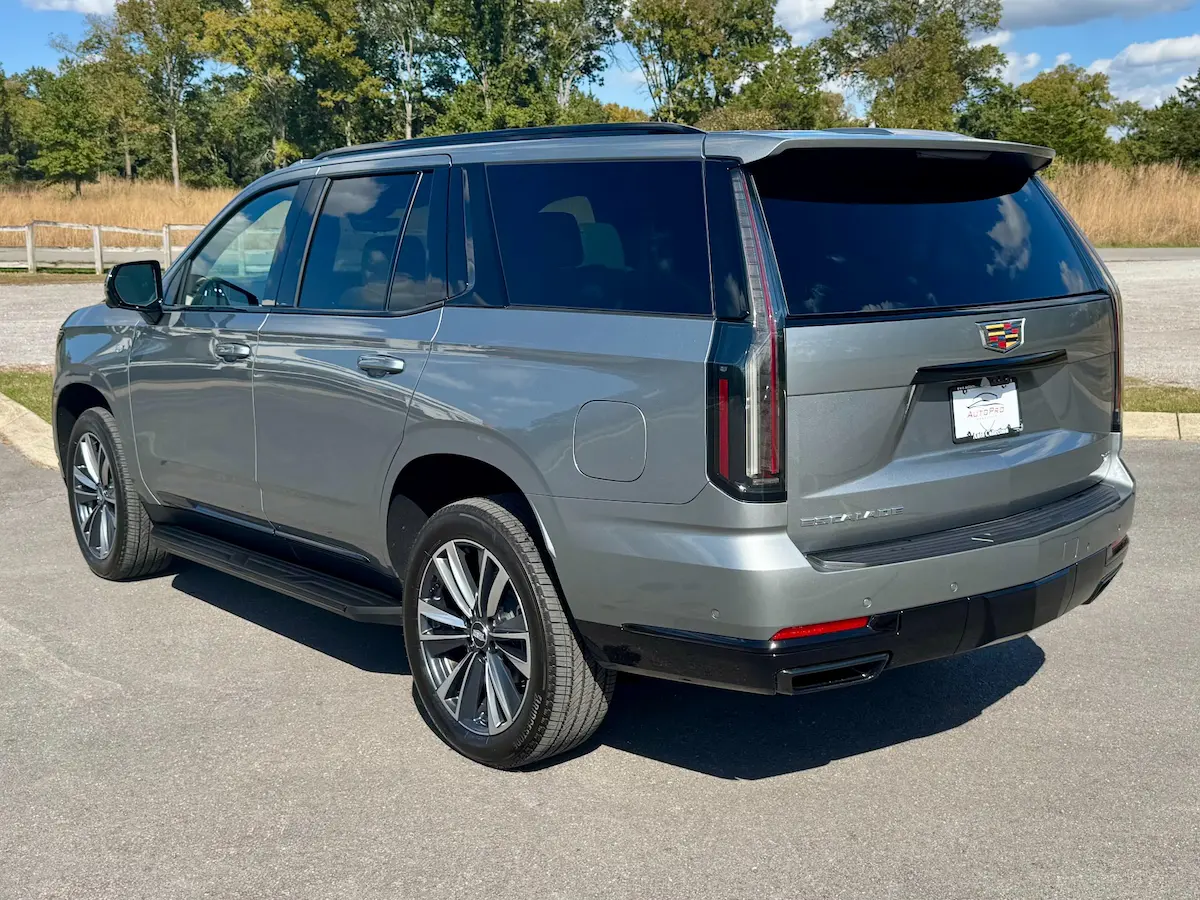
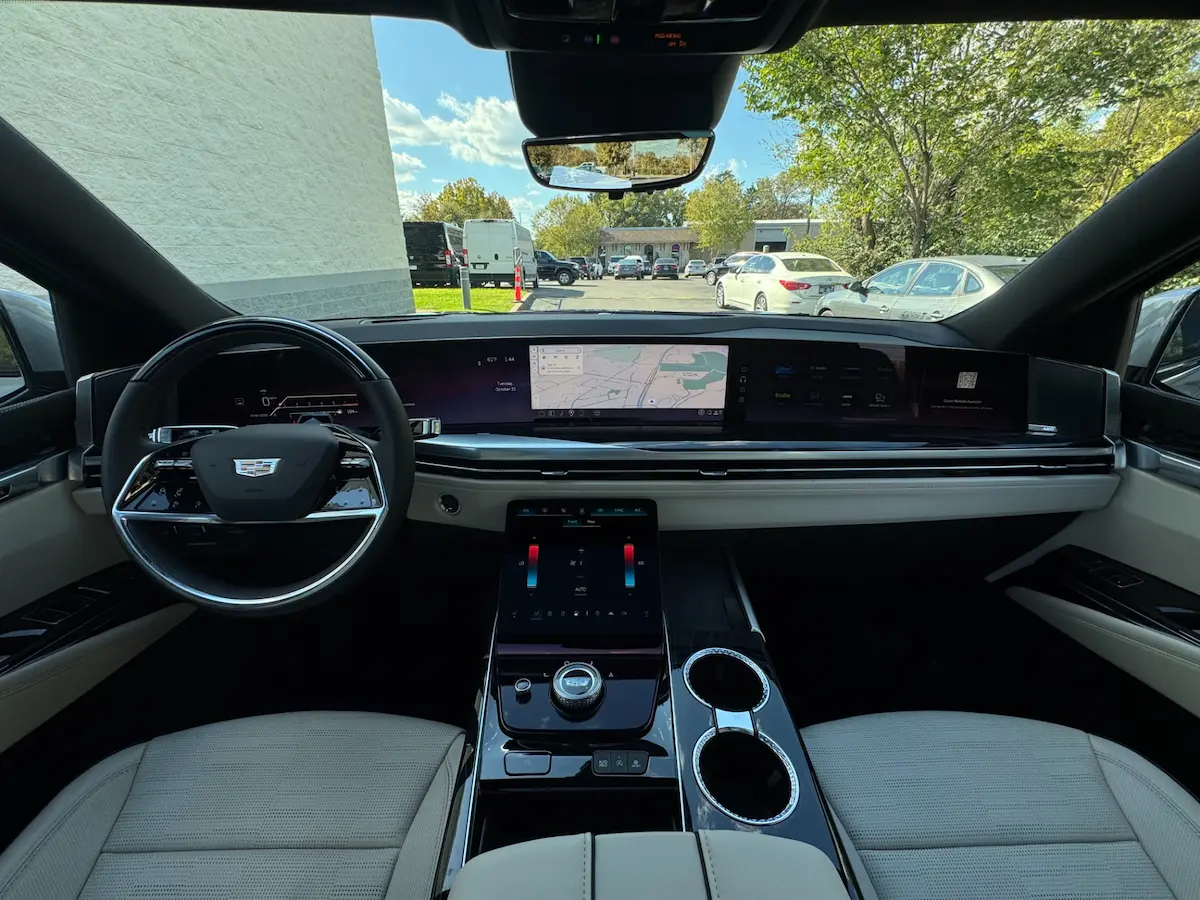
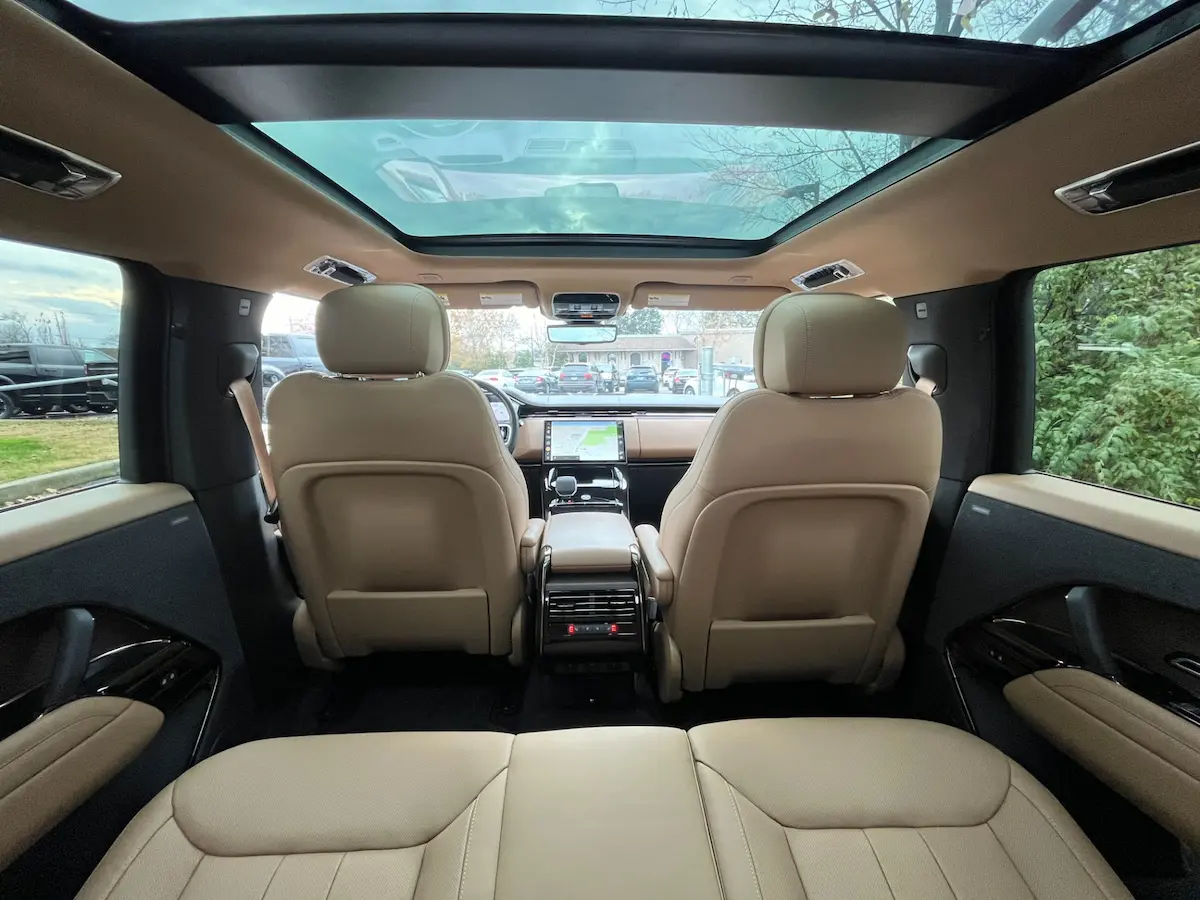
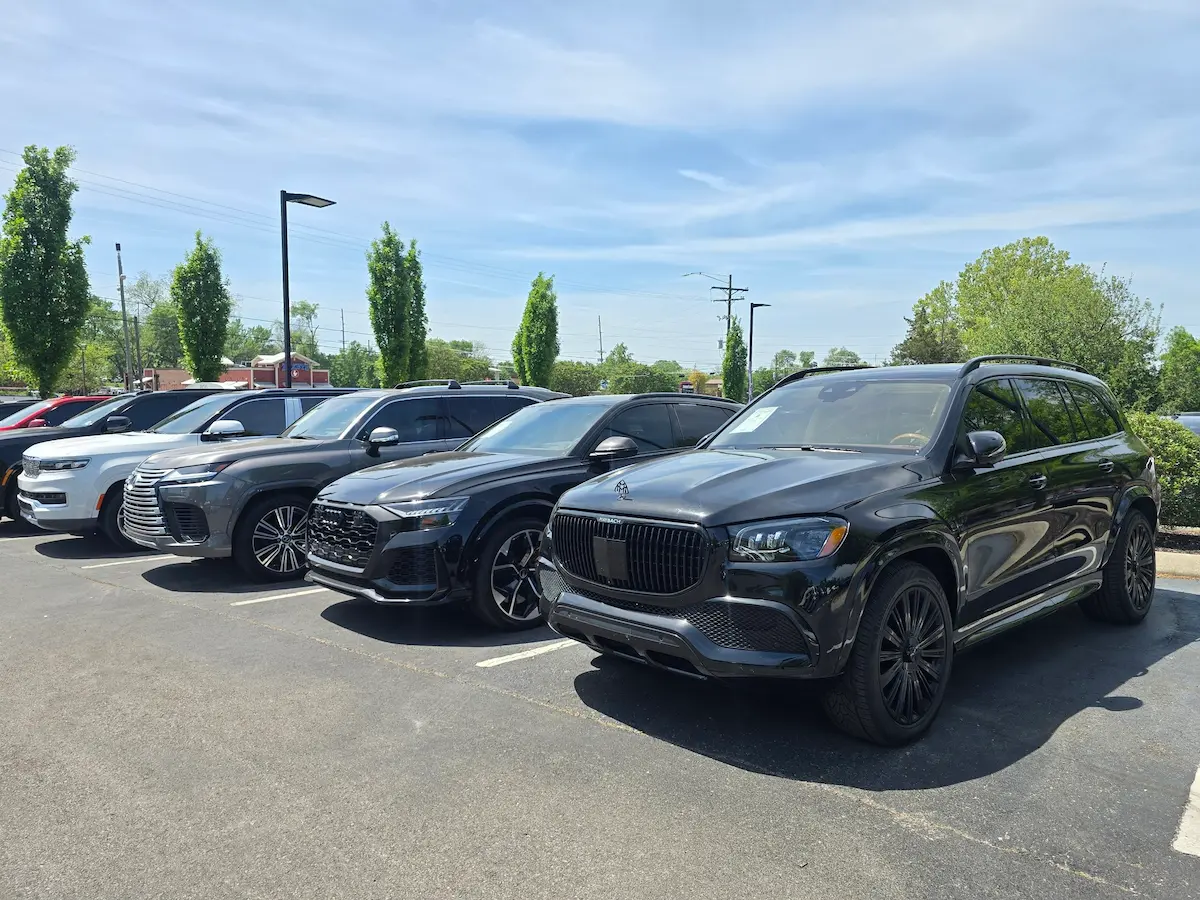
The flagship route leans in a different direction. More size, more presence, and often a much higher original price point. Models like the BMW X7, Mercedes-Benz GLS, Range Rover, or Cadillac Escalade start to become accessible after a few years of depreciation, offering a level of space and presence that midsize SUVs simply cannot match.
But this is where many buyers misread the market.
This is not a simple upgrade from midsize to full-size. It is a shift in ownership experience. Larger SUVs can feel more impressive, but they also ask more from you in terms of space, maneuverability, and sometimes long-term livability.
Start With the Lifestyle, Not the Badge
A lot of buyers enter this price range thinking in terms of brand first. That usually leads them in the wrong direction.
What matters more is how the SUV will actually fit into your daily life.
Start with a few honest questions:
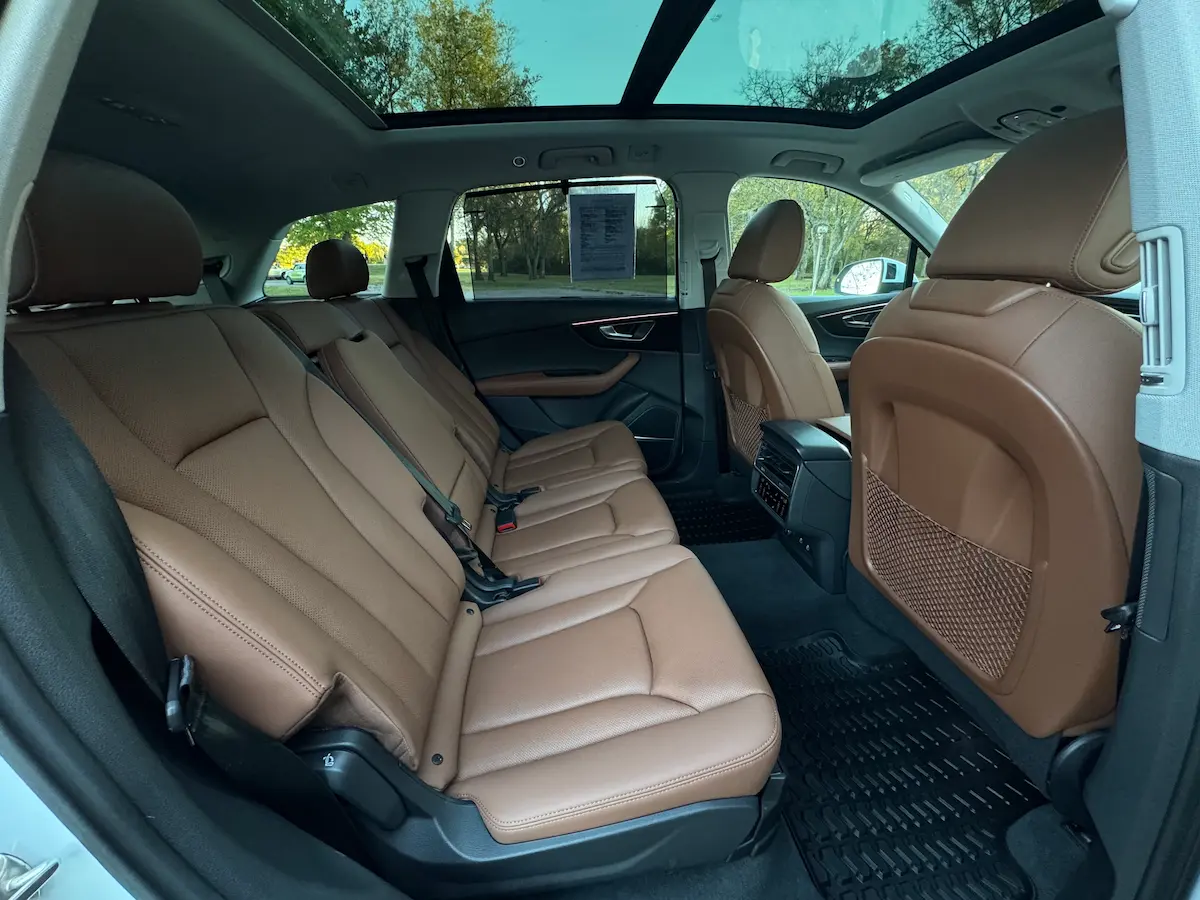
- How often will you realistically use the third row with adults, not just occasionally with kids
- Do you value comfort more, or do you want something that feels more responsive to drive
- Will this be a true daily driver in tighter spaces, or something used more selectively
- Does the way the vehicle looks and feels when you arrive matter to you
These answers tend to narrow the field much faster than comparing badges ever will.
Someone who regularly carries passengers and spends hours on the highway will prioritize space and ride quality very differently than someone who mostly drives alone and wants a more connected, engaging feel behind the wheel. Getting this part right early tends to make the rest of the decision much easier.
Understanding that difference early is what prevents most regrets later.
If You Want Maximum Space and Everyday Comfort
This is where larger luxury SUVs start to make the most sense.
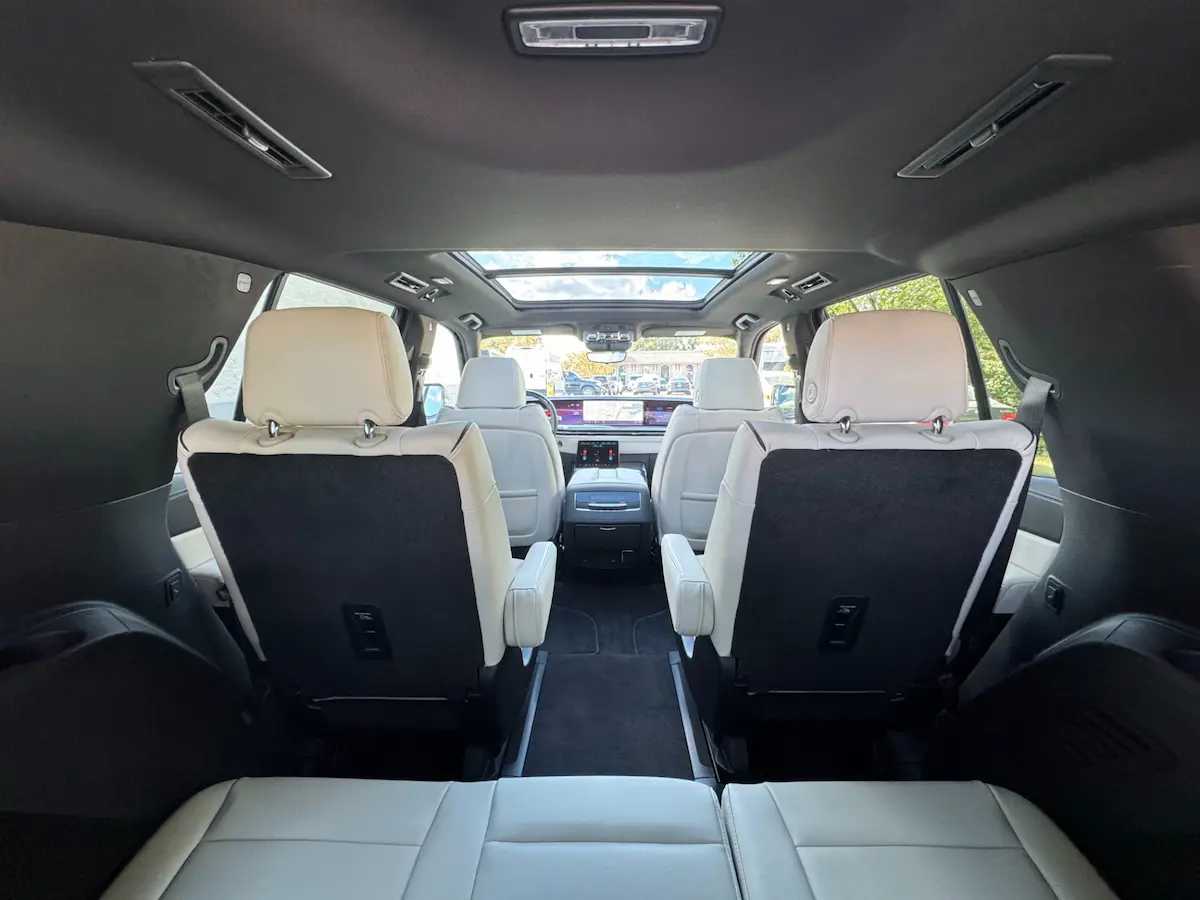
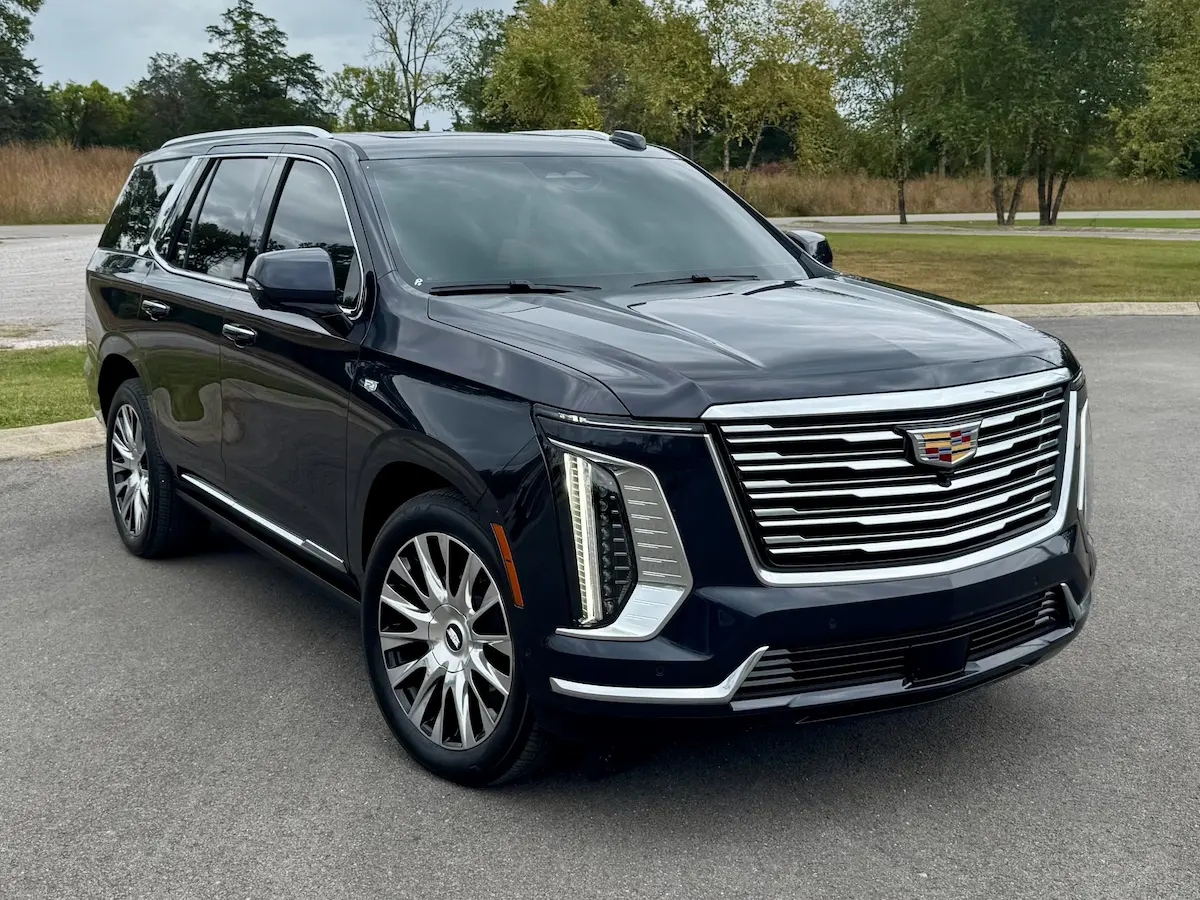
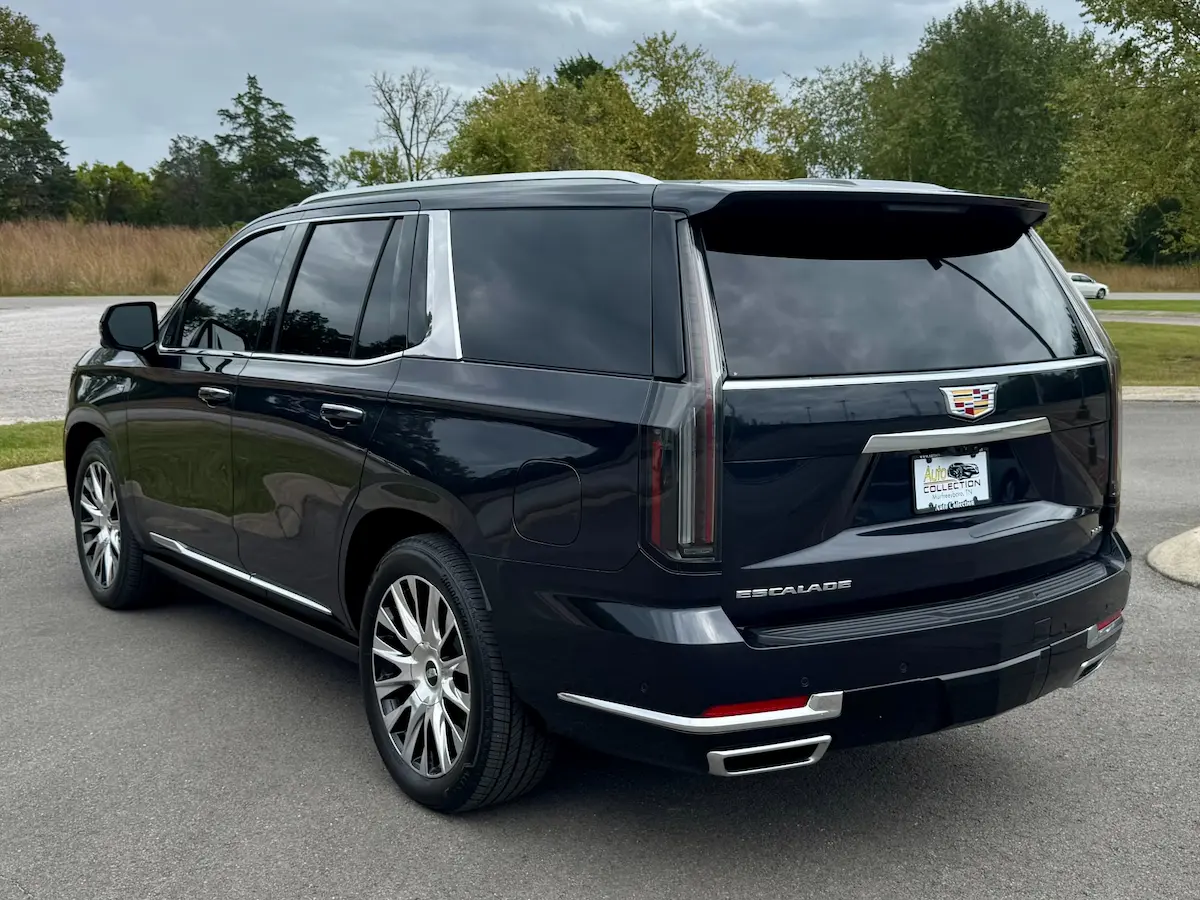
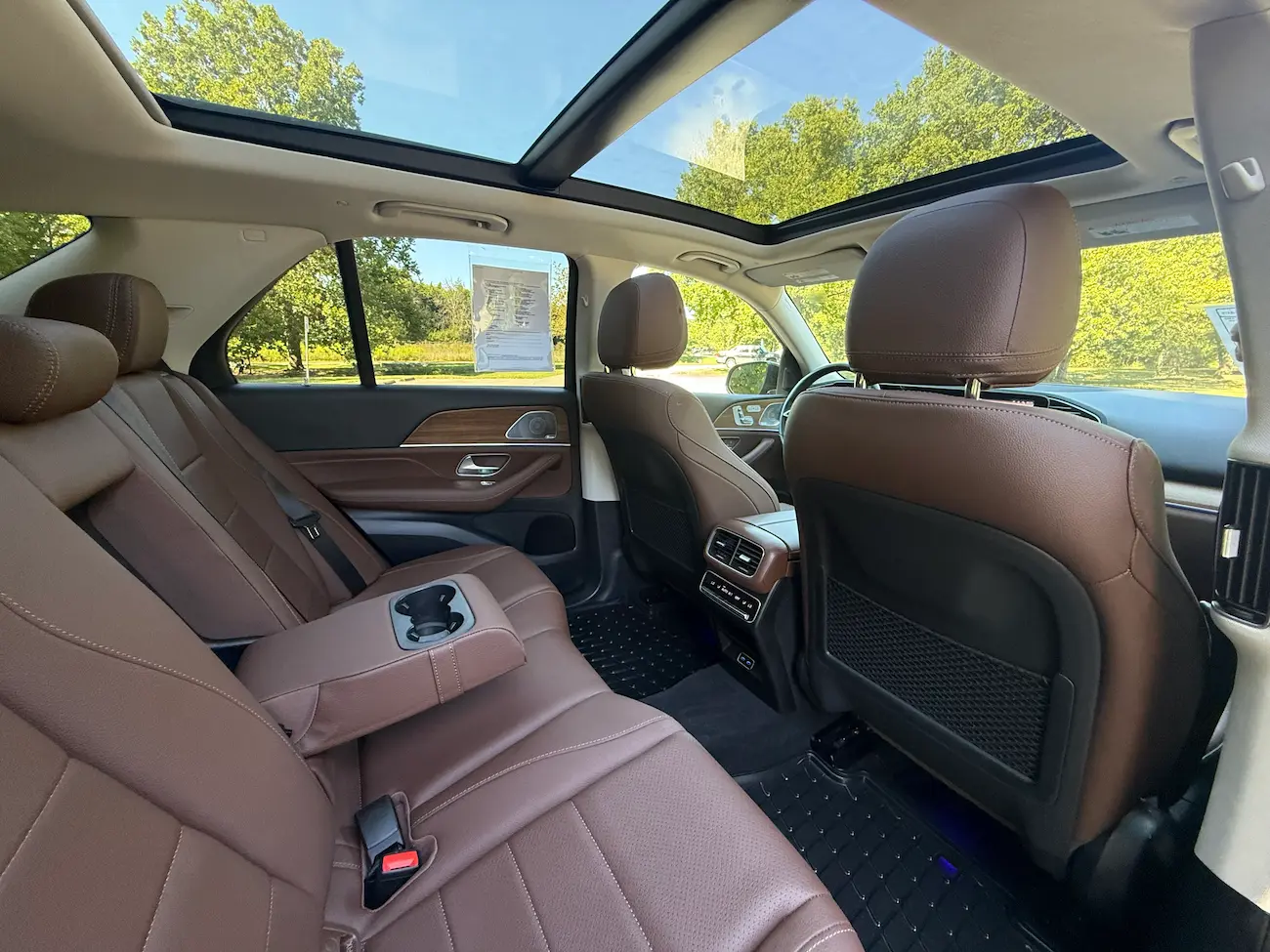
Vehicles like the BMW X7, Mercedes-Benz GLS, and Cadillac Escalade are built around space and ease. Not just in theory, but in the way they actually feel to live with over time.
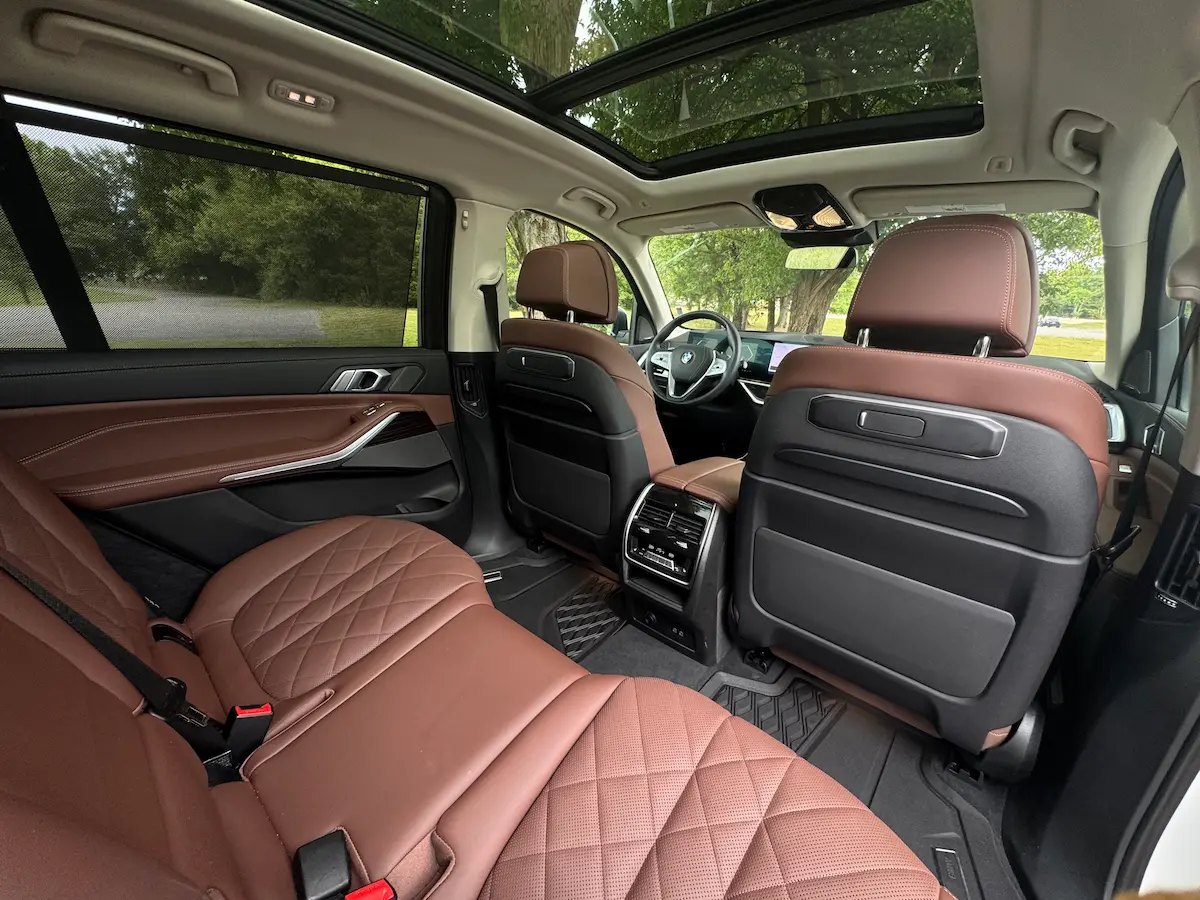
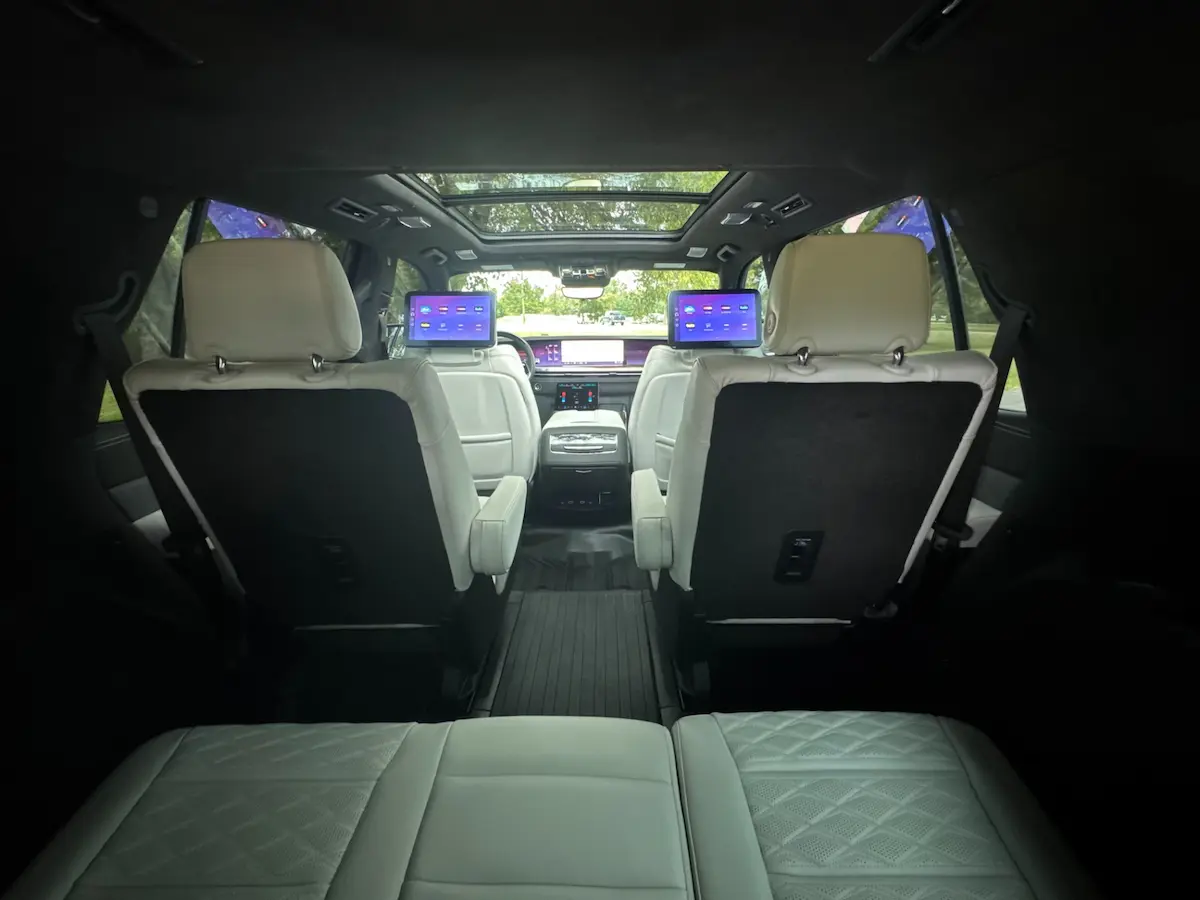
You notice it right away in the second and third rows. Adults can sit comfortably without compromise, and longer drives feel less demanding because the vehicle is designed to absorb distance rather than react to it.
What tends to stand out in real ownership:
- Genuinely usable third-row space for adults
- A smoother, more isolated ride, especially on highways
- Better overall comfort for families or frequent passengers
- A sense of effortlessness on longer trips
These SUVs are not trying to feel sporty. They are designed to make everything feel easier and more relaxed.
The tradeoff shows up in daily use. Size becomes part of the experience. Parking requires more awareness, tight spaces take more effort, and over time, some owners realize they are managing more vehicle than they actually need.
Some SUVs are designed to prioritize comfort and space, while others focus more on driving feel, a difference often reflected in Car and Driver’s 3-row SUV rankings.
If You Want Performance Without Giving Up Luxury
Not every luxury SUV is meant to feel heavy or distant.
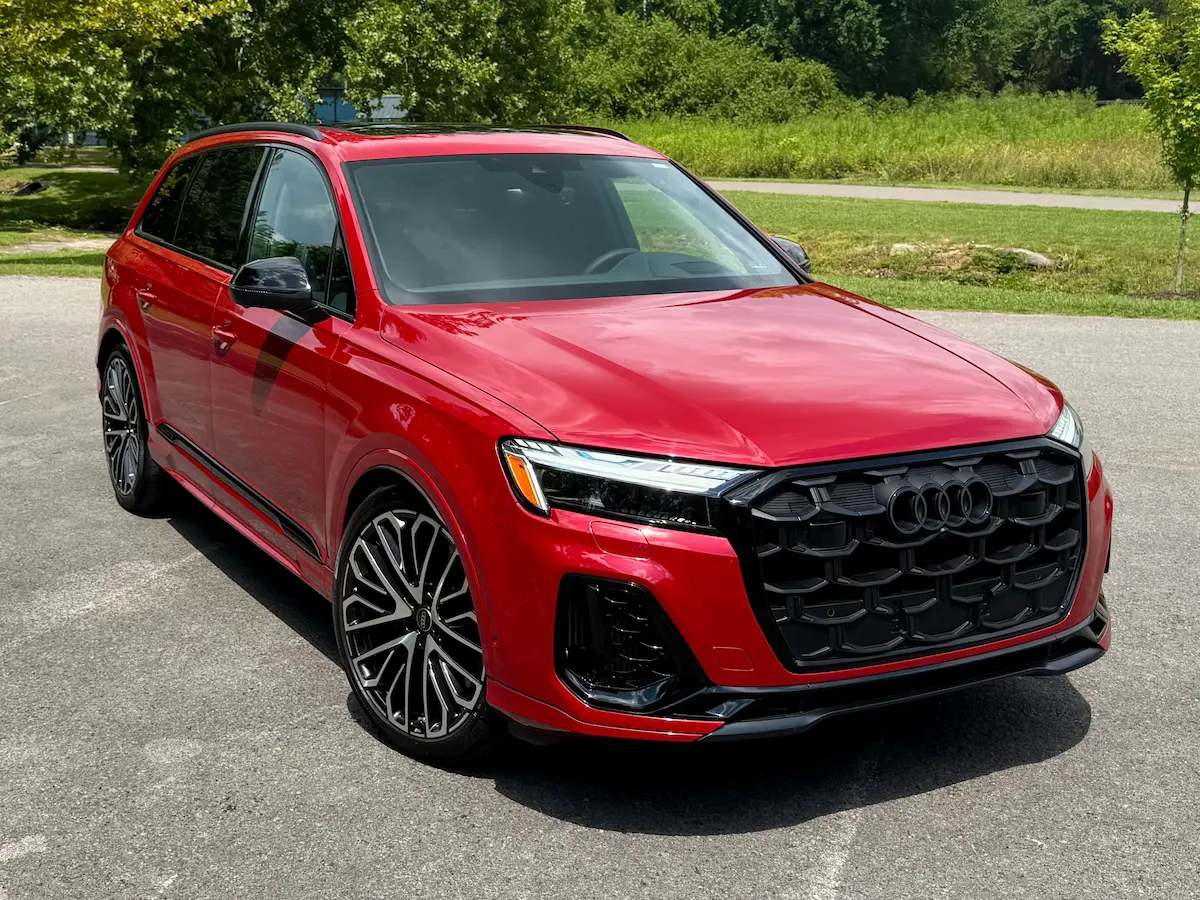
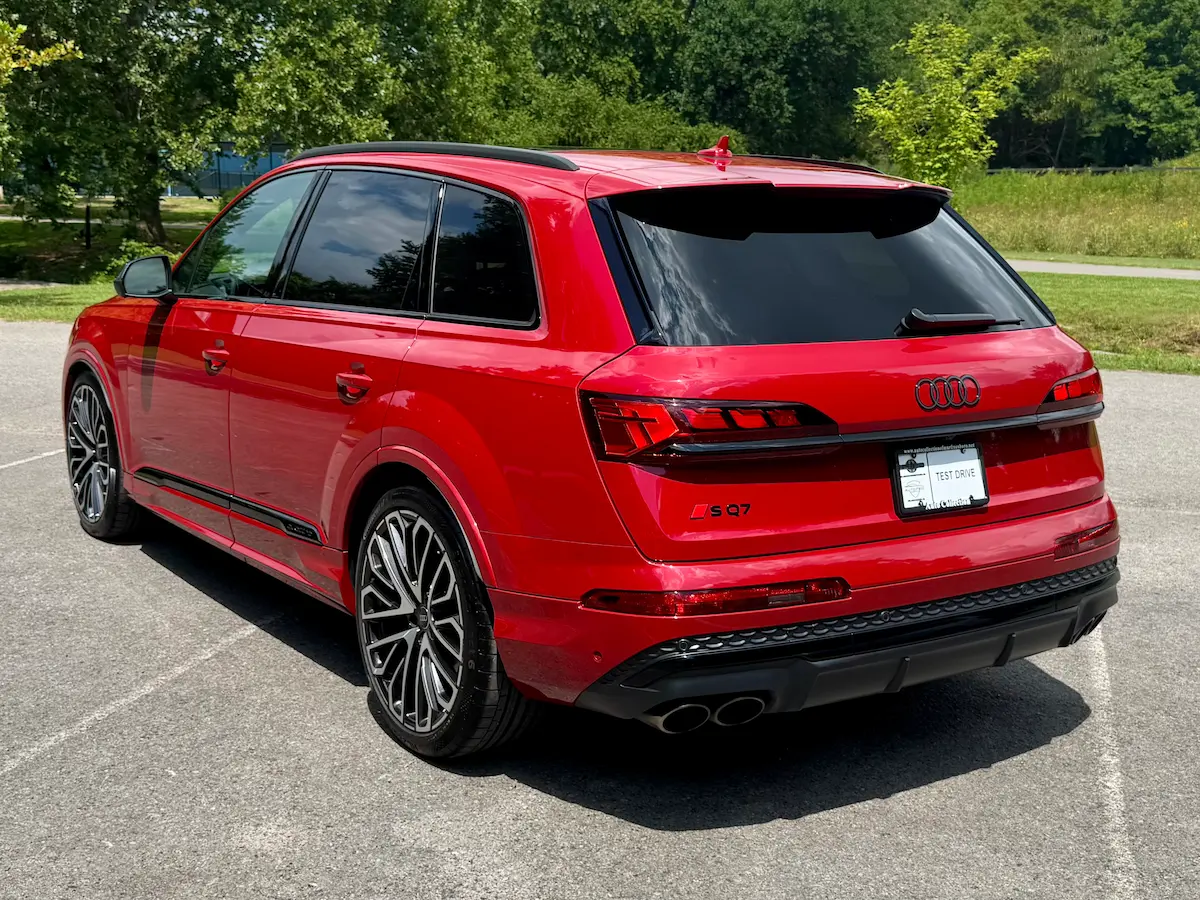
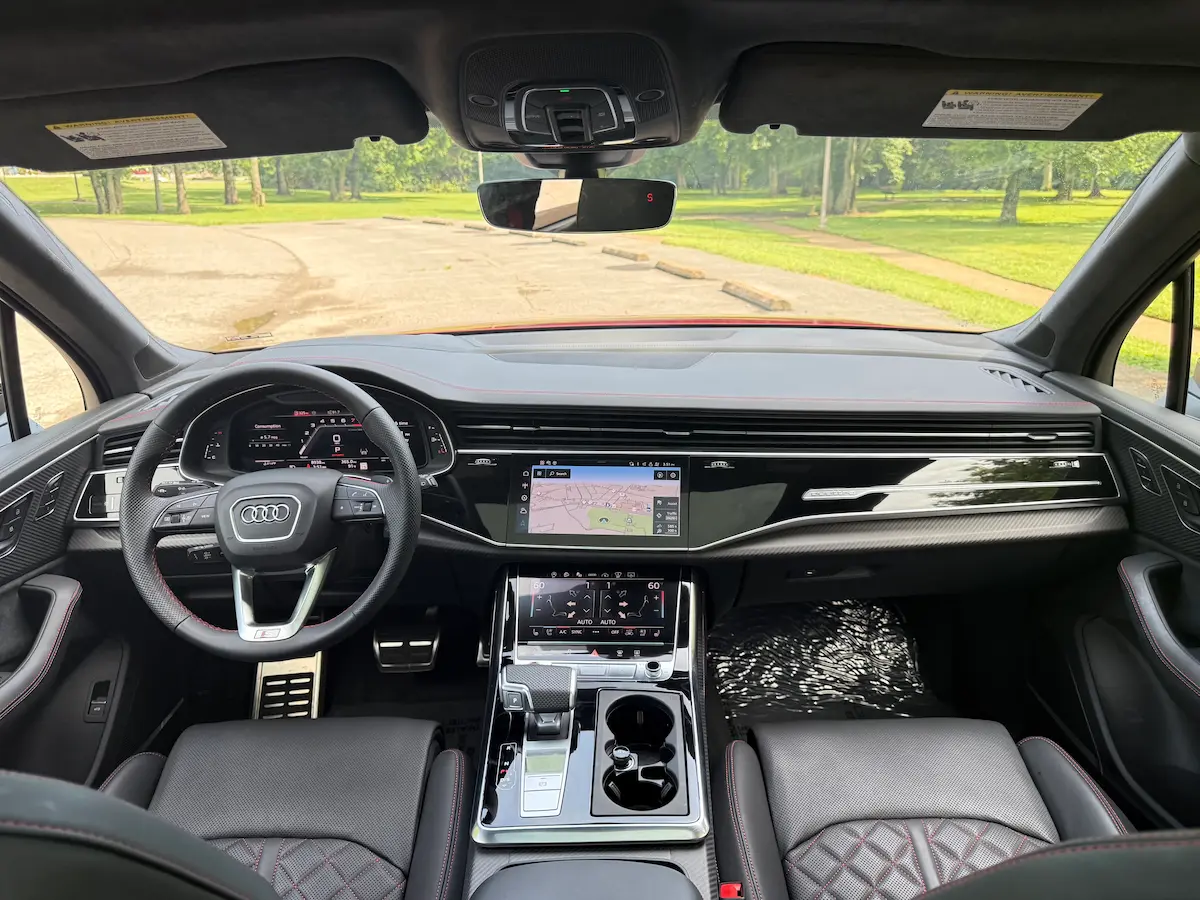
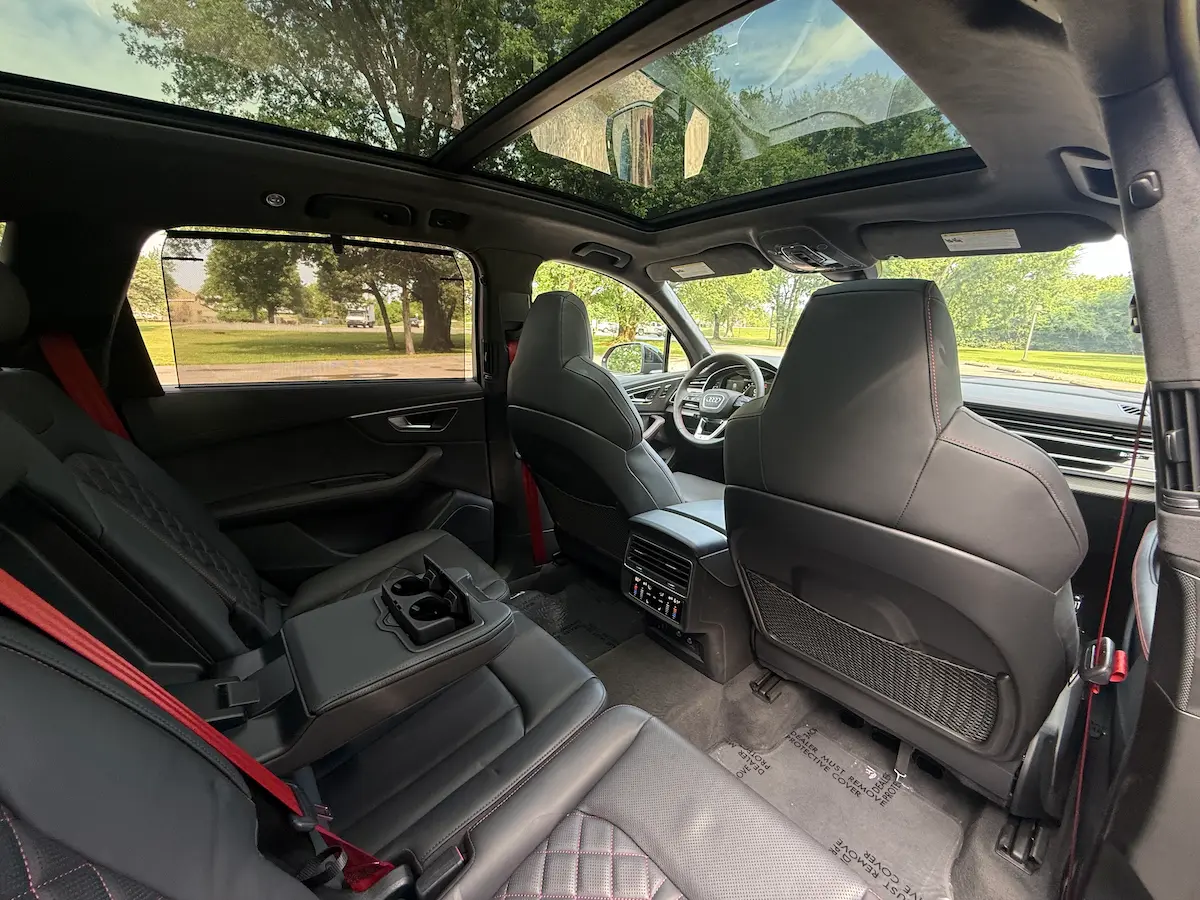
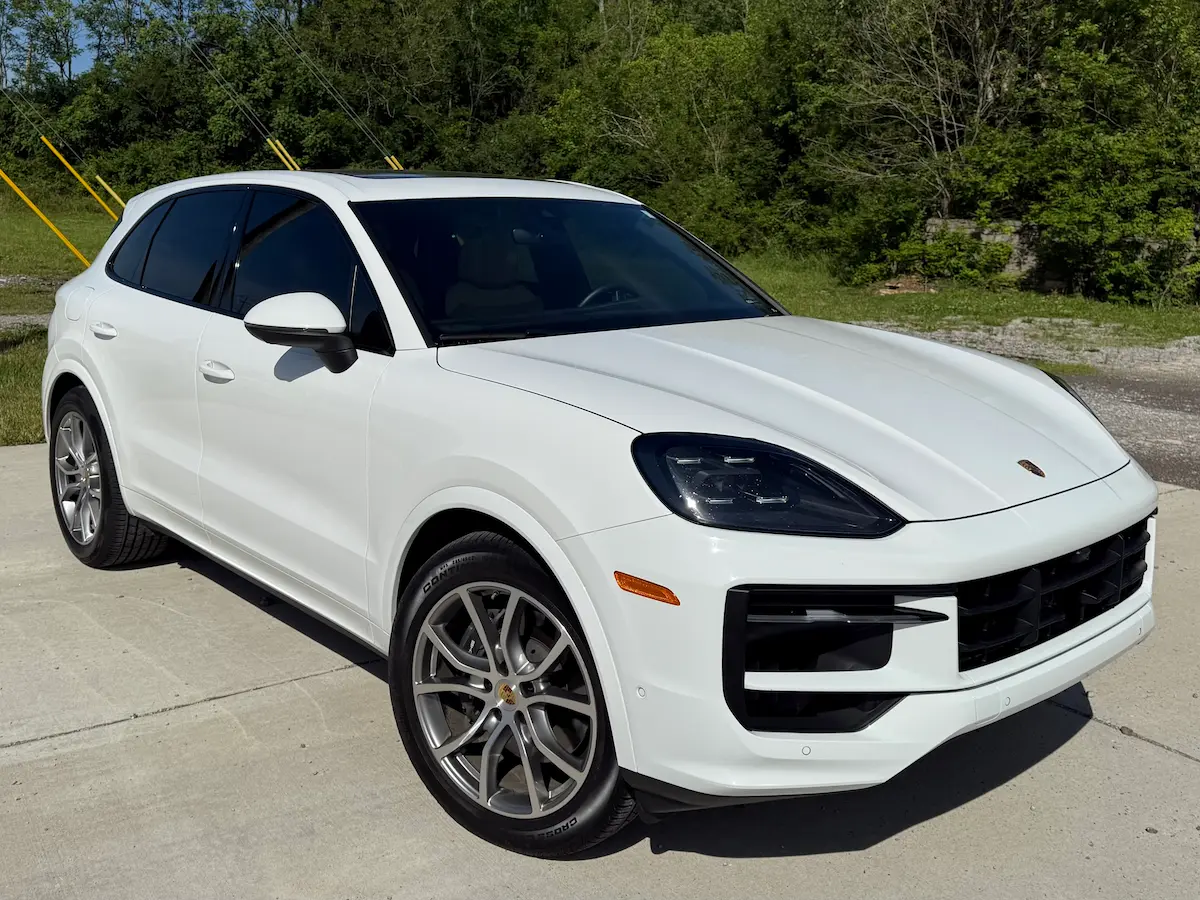
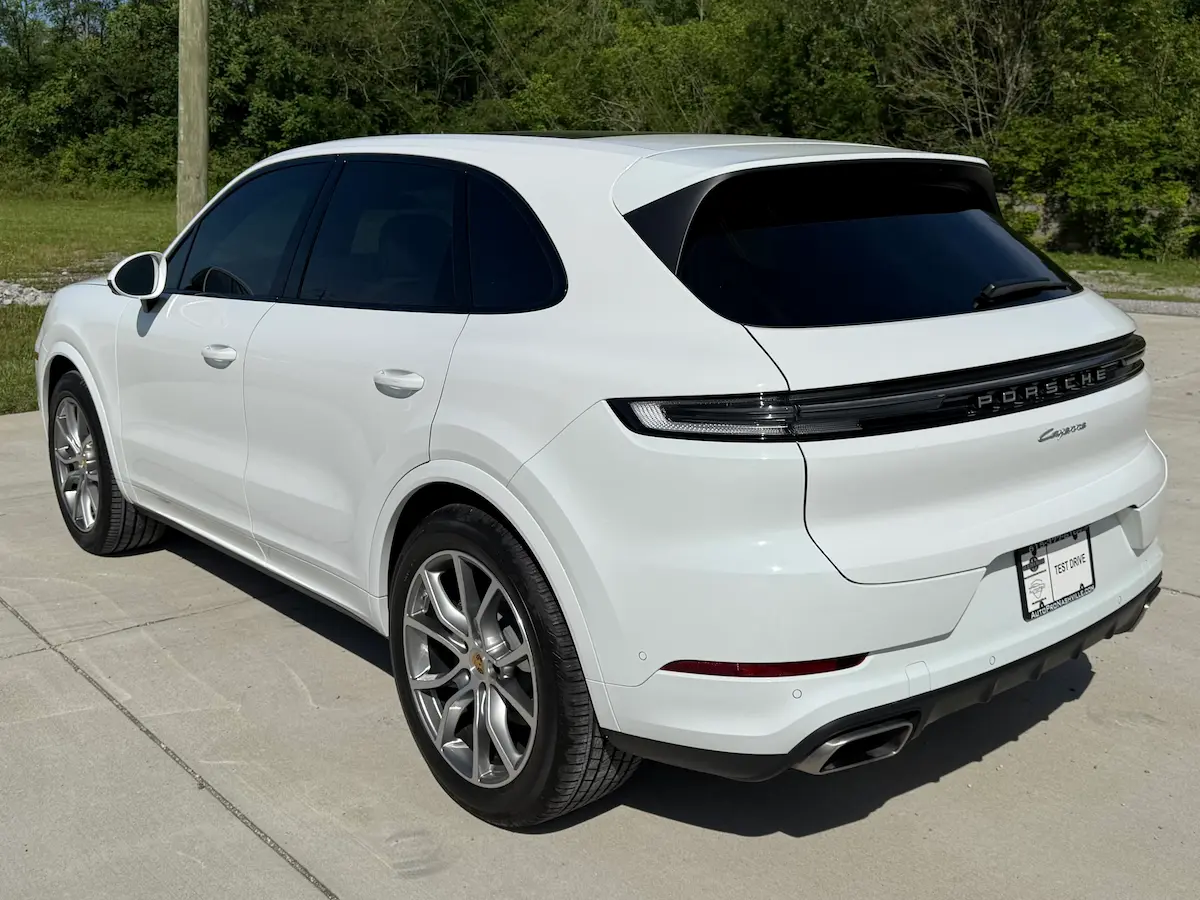
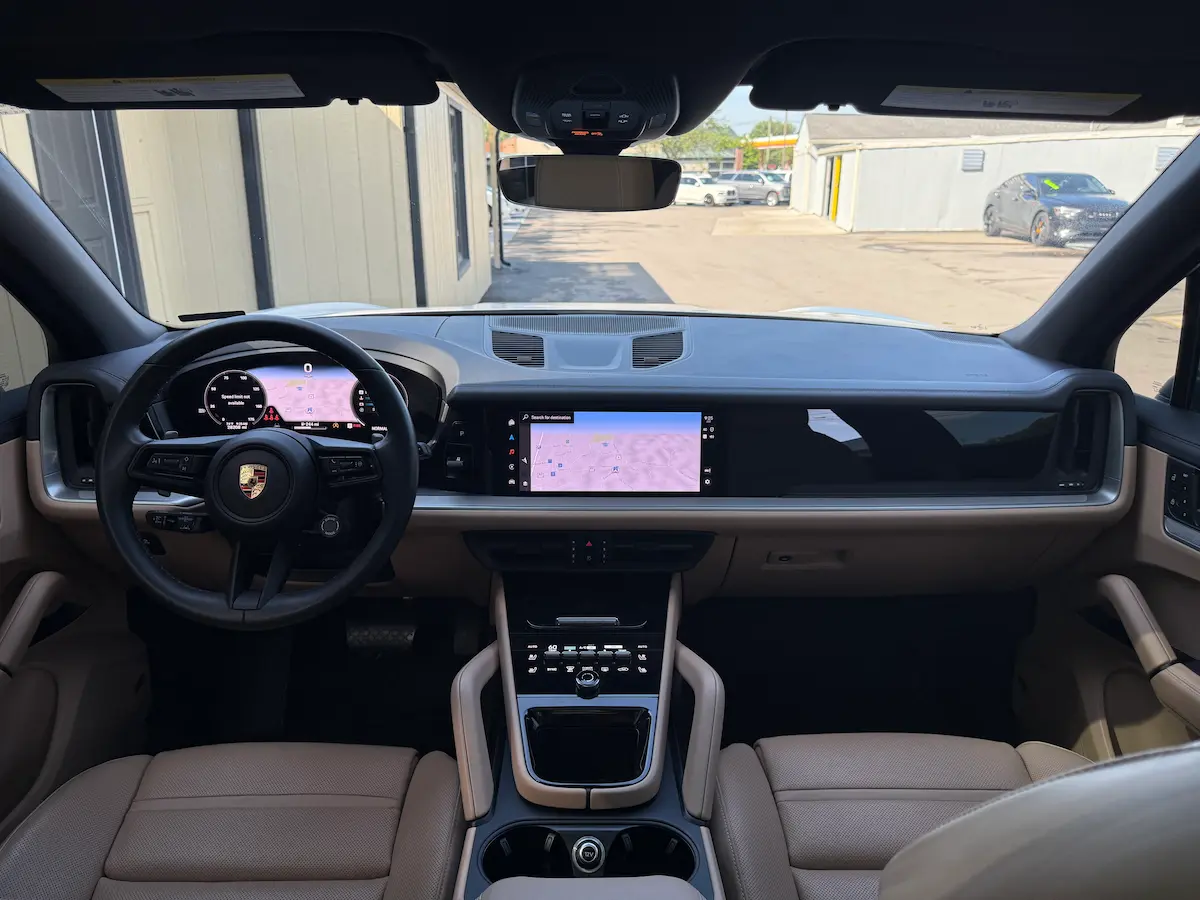
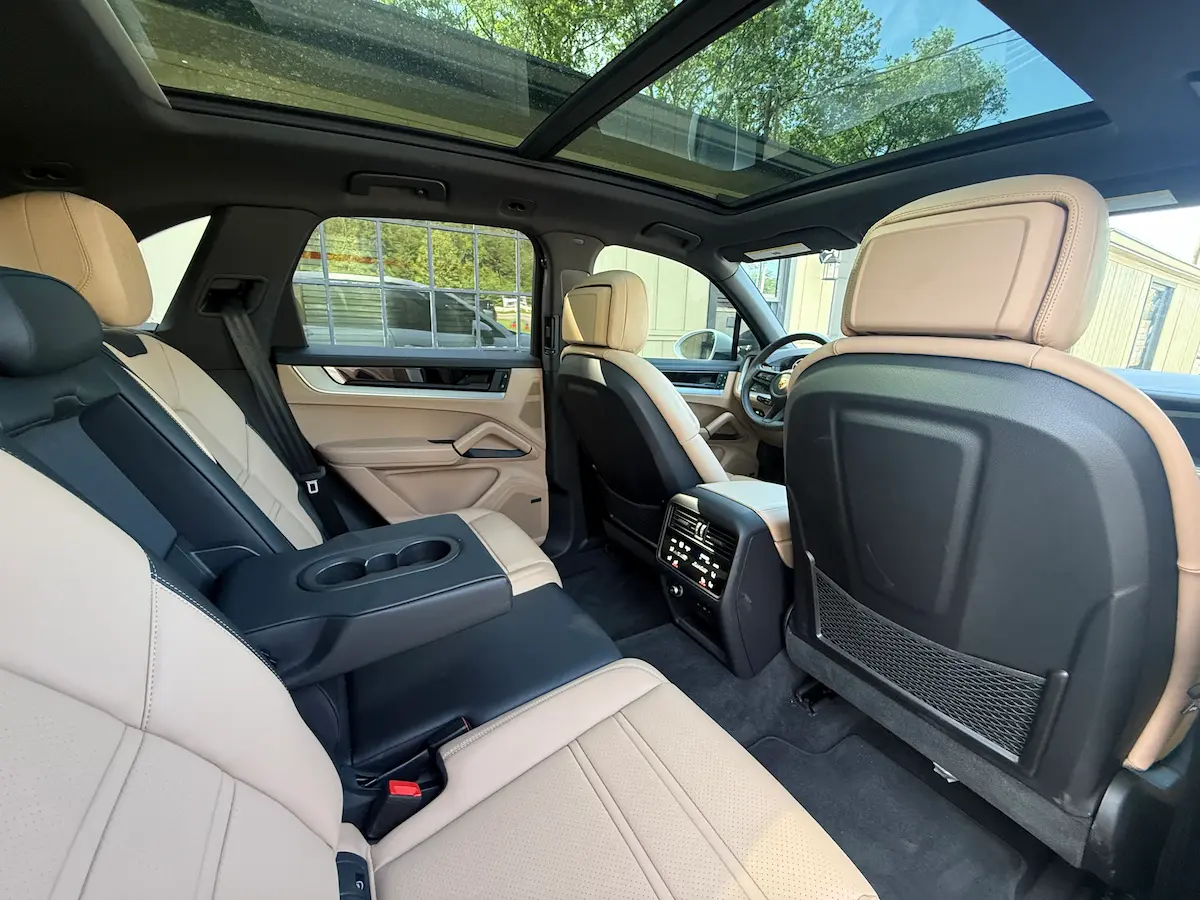
Some are designed to feel controlled, responsive, and surprisingly engaging for their size. This is where options like the Porsche Cayenne or Audi SQ7 come into the conversation, along with sport-focused versions of midsize SUVs.
The difference is not about outright speed. It is about how the vehicle responds to you.
In this category, you tend to notice:
- More precise steering and stronger body control
- A greater sense of connection to the road
- A chassis that feels balanced rather than soft
- A driving experience that stays engaging even at normal speeds
These SUVs tend to suit drivers who still care about how a vehicle feels day to day, not just how comfortable it is over long distances.
The tradeoff is subtle but important. You may give up a bit of ride softness and, in some cases, interior space compared to the larger, comfort-focused SUVs. Over time, that difference becomes more noticeable depending on how you use the vehicle.
If Presence Matters as Much as Practicality
Some buyers already know what they want, even if they do not say it directly.
They want something that feels different the moment they walk up to it. Something that has presence without needing to explain it.
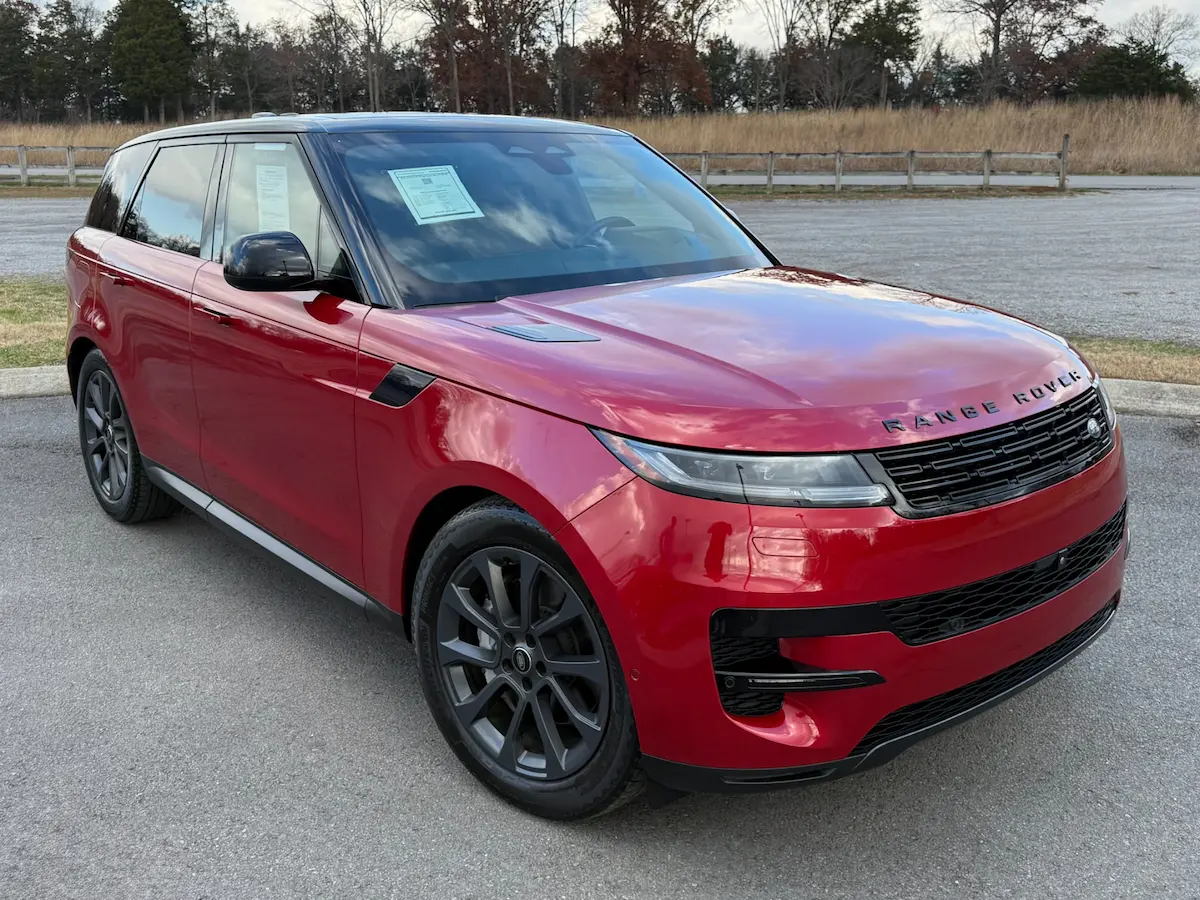
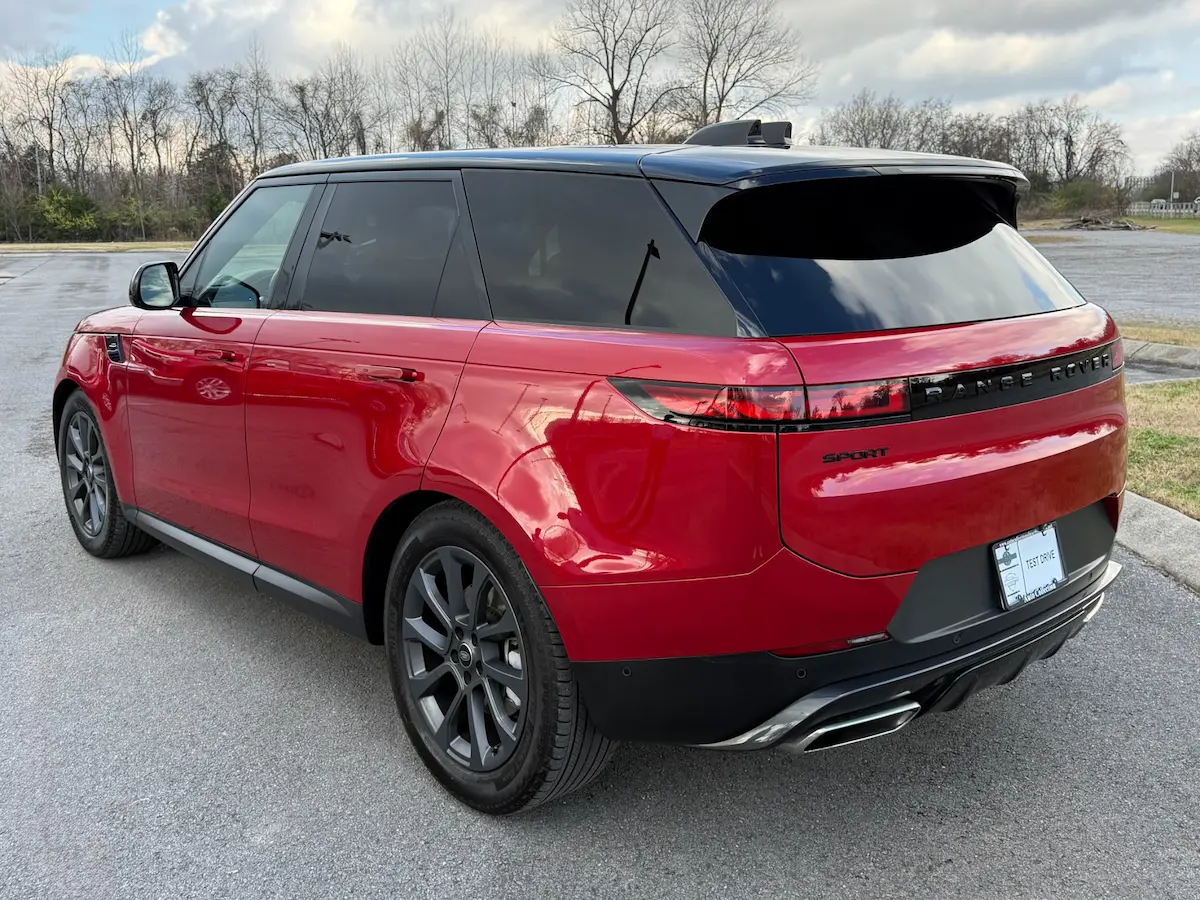
This is where vehicles like the Range Rover or Cadillac Escalade tend to stand apart. Certain larger German SUVs can also fall into this space depending on how they are configured, but the defining factor here is not engineering. It is how the vehicle makes you feel.
What typically defines this category:
- Strong visual presence and a clear design identity
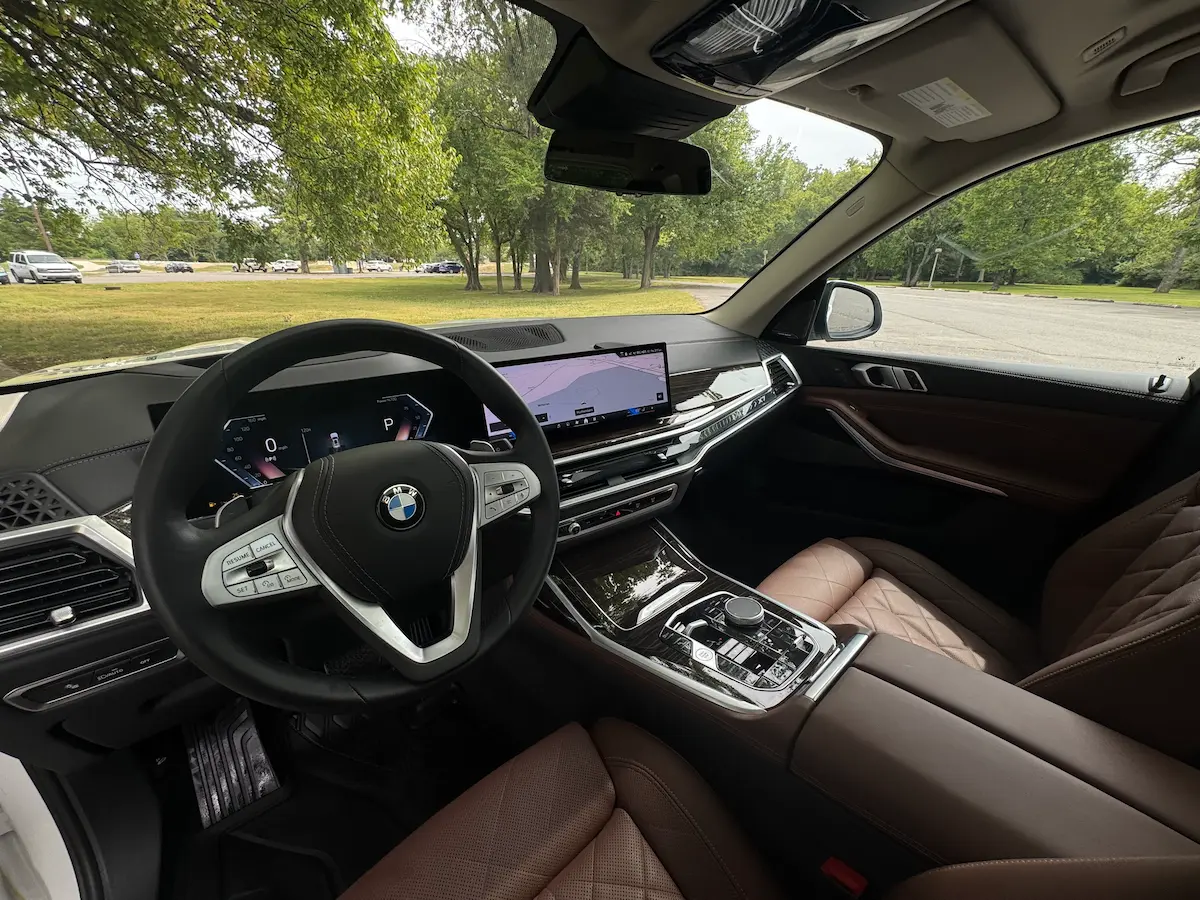
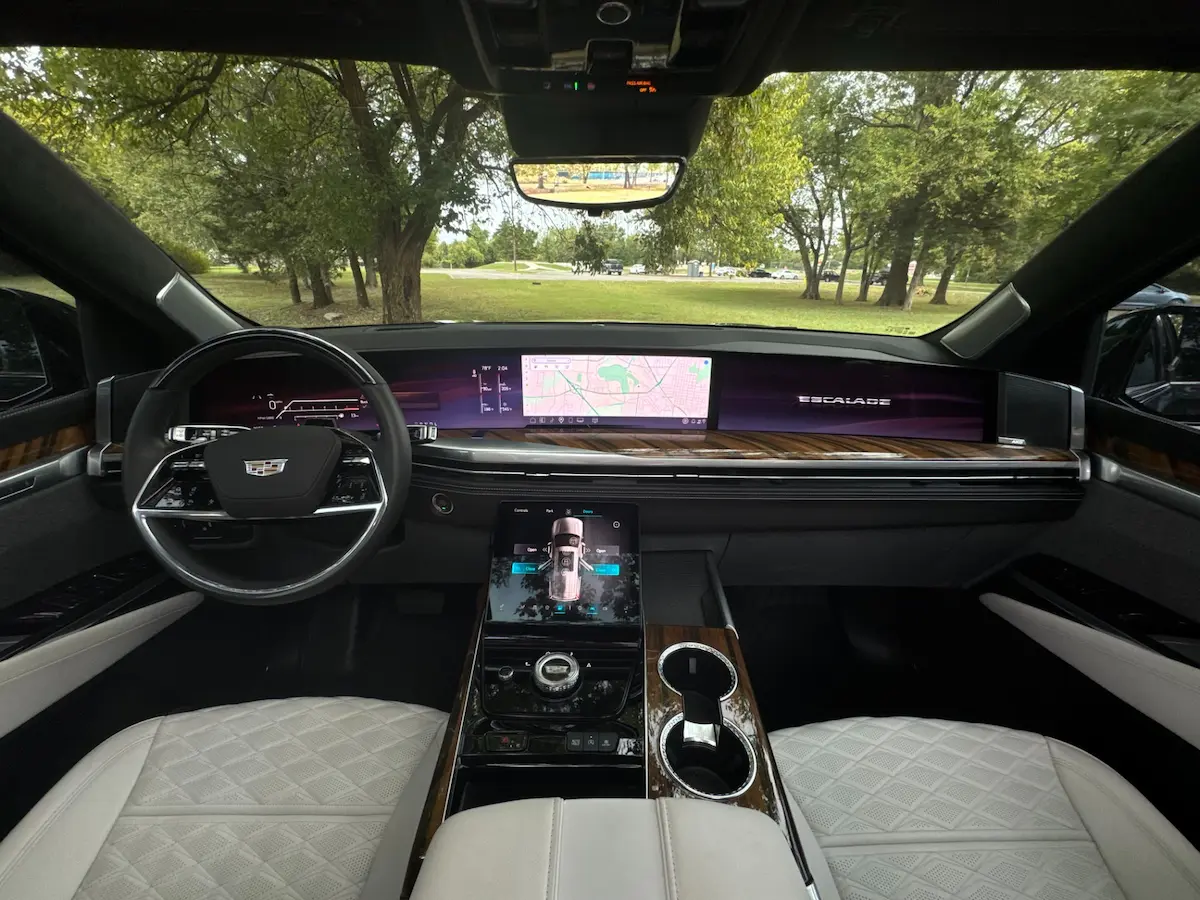
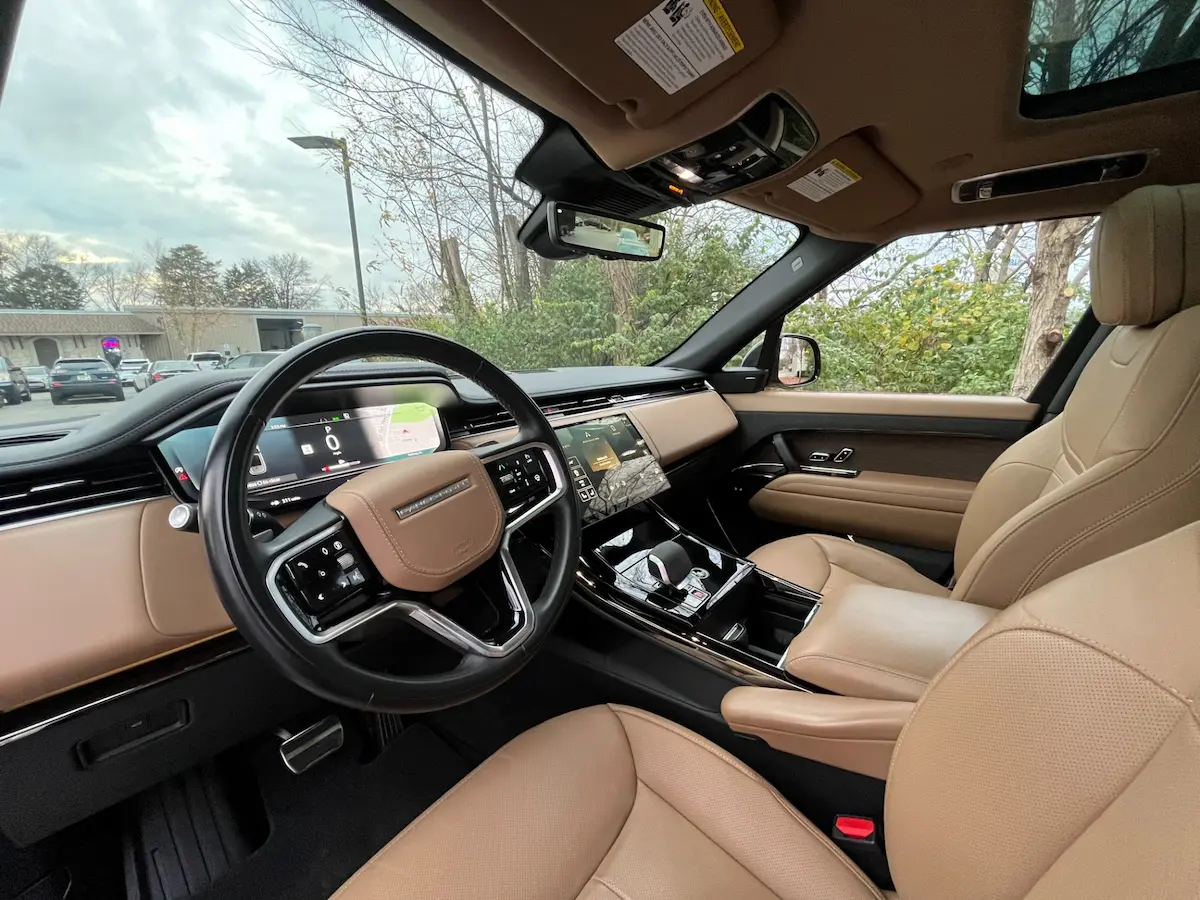
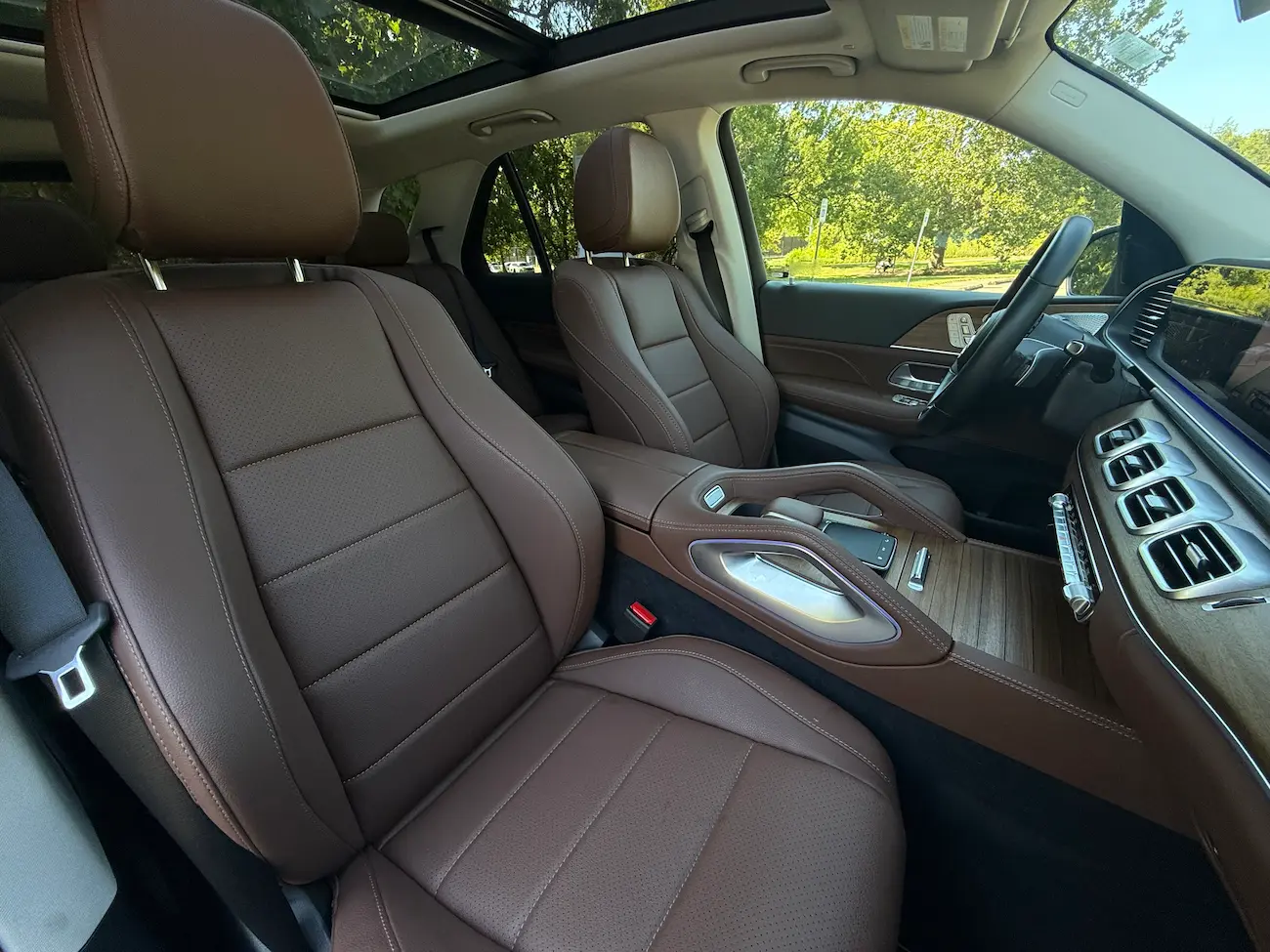
- Interiors that feel more like an environment than just a cabin
- A sense of occasion every time you get in
- A type of satisfaction that goes beyond simple practicality
This is also where decisions become less rational, and that is completely fine.
But this is where buyers need to be the most honest with themselves.
Vehicles in this category tend to impress immediately, but they can also ask more from you over time. Size, visibility, and day-to-day usability become more noticeable, especially if the vehicle is used regularly rather than occasionally.
If presence matters to you, it should absolutely be part of the decision. Just make sure you are choosing it intentionally, not discovering the tradeoffs later.
If You Want the Smartest All-Around Choice
For many buyers, the best decision is not the biggest or the most attention-grabbing option.
It is the one that works consistently well, every single day.
This is where midsize luxury SUVs like the BMW X5, Mercedes-Benz GLE, and Audi Q7 tend to stand out. They sit in a space that often ends up being the most practical, even for buyers who initially considered going larger.
What makes them work so well in real ownership:
- Easier to park, maneuver, and live with daily
- Enough interior space for most situations without feeling oversized
- A strong balance between comfort and driving feel
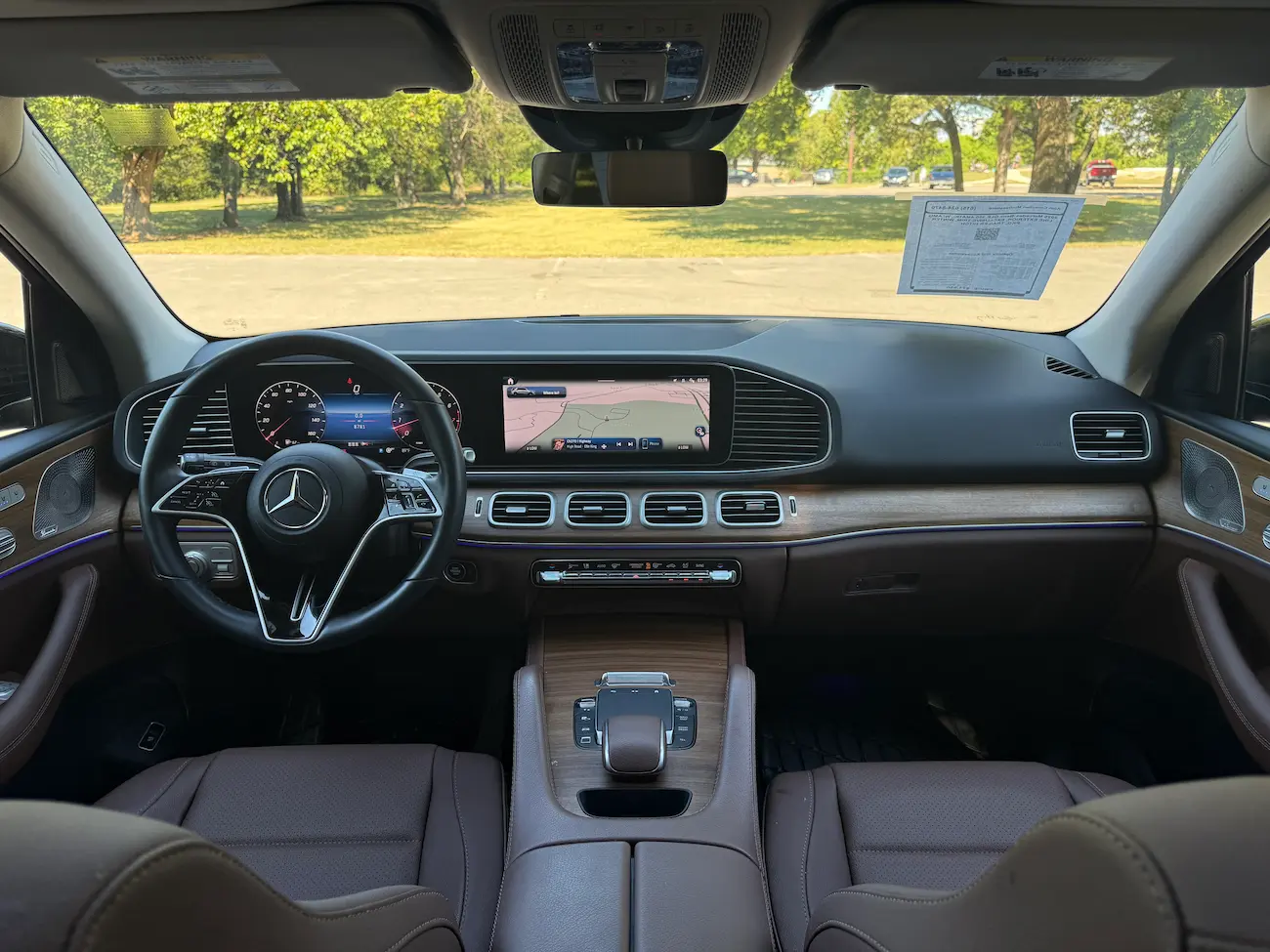
- Modern technology without stepping into overly complex territory
These vehicles tend to feel natural very quickly. You do not have to adjust your habits around them. They fit into your routine instead of reshaping it.
This is also where many buyers quietly realize something important. Just because the budget allows for a larger flagship SUV does not mean it will actually improve their day-to-day experience.
In many cases, this ends up being the more satisfying long-term choice.
What Buyers Get Wrong Under $100K
At this level, mistakes look different.
It is not about buying too little. It is about choosing something that does not match how you actually live.
A few patterns show up again and again:
- Chasing the biggest badge instead of the best overall fit
- Buying a large SUV without a real need for the space
- Focusing on how the vehicle feels in the first few minutes rather than after months of use
- Assuming all luxury SUVs age, drive, and wear the same way
- Paying for features that rarely get used in everyday driving
The result is usually the same. The vehicle feels impressive at first, then slowly becomes less enjoyable as the realities of daily use set in.
At this price point, the goal is not to be impressed for a week. It is to be comfortable with your decision a year from now.
Newer Midsize vs Older Flagship – Which Type of Buy Is Better?
This is the decision that defines the entire category.
There is no single right answer, but there are clear patterns in what tends to work better depending on the buyer.
Path A: Newer Midsize Luxury SUV
For most people, this ends up being the more balanced and predictable choice.
You are typically getting:
- Lower mileage
- Newer technology and driver assistance systems
- Easier day-to-day usability
- A more straightforward ownership experience
These vehicles tend to fit into daily life without friction. They are easier to park, easier to manage, and generally require fewer adjustments in how you use them.
For buyers who plan to drive their SUV regularly, commute, or use it in a wide range of situations, this path usually leads to fewer compromises over time.
Path B: Older or Lightly Used Flagship SUV
This is where the emotional side of the decision becomes stronger.
You are typically getting:
- More interior space and overall presence
- A vehicle that originally sat in a higher class
- A more distinctive, “special” feel
- Stronger visual impact and road presence
This path appeals to buyers who value size, presence, and that sense of occasion every time they get in.
But it is worth being clear about the tradeoff. These vehicles tend to feel more impressive upfront, but they can require more adjustment in daily use. Size, visibility, and overall complexity become part of the ownership experience, especially if the vehicle is driven frequently.
Neither path is better on its own.
But in real-world ownership, most buyers who prioritize daily usability tend to be happier with the newer midsize route, while those who care more about presence and space tend to prefer the flagship experience.
The right choice depends on which of those matters more to you.
How to Narrow It Down in the Real World
When everything starts to feel similar, a simple filter helps cut through the noise.
Start with this:
- Decide how much space you actually need, not what sounds appealing
- Choose between a comfort-focused or performance-oriented driving feel
- Be honest about how much presence and image matter in your decision
- Prioritize condition, mileage, and service history over brand alone
Once you go through that process, most options naturally fall away.
What initially feels like a wide, overwhelming market becomes a much smaller and more focused set of choices that actually fit your life.
What Comes Next When Buying a Luxury SUV Under $100K
Once you have a clear idea of which type of SUV makes the most sense, the next step becomes much more practical.
At that point, it is no longer about categories. It is about finding the right individual vehicle. Condition, mileage, ownership history, and configuration start to matter more than the badge on the hood.
That is usually where looking at real inventory becomes useful. Seeing how different luxury SUVs under $100K are actually optioned and maintained in the real world often makes the decision much clearer.
If you want to explore what that looks like across available vehicles, browsing current inventory can help connect everything you have just read to real examples without rushing the decision.
Is it better to buy a newer midsize SUV or an older full-size luxury SUV?
For most daily drivers, a newer midsize luxury SUV tends to be the more balanced choice. It is easier to manage, often has newer technology, and typically feels more predictable over time. Older full-size SUVs offer more space and presence, but they can be harder to live with depending on your routine.
What luxury SUVs can you realistically get under $100K?
In the U.S. market, this budget can include vehicles like the BMW X5 or X7, Mercedes-Benz GLE or GLS, Audi Q7 or SQ7, Porsche Cayenne, Range Rover, and Cadillac Escalade. The exact year, mileage, and condition will vary, which is why individual vehicles matter more than just the model name.
Which luxury SUV is best for daily driving?
Midsize luxury SUVs like the BMW X5, Mercedes-Benz GLE, and Audi Q7 are often better suited for daily driving. They are easier to park, more manageable in traffic, and still offer a high level of comfort and technology without feeling oversized.
What should I look for when buying a luxury SUV under $100K?
Focus on factors that affect real ownership:
- Overall condition and service history
- Mileage relative to age
- How the vehicle will be used daily
- Comfort vs performance preference
- Size and practicality
These matter more than features or brand alone.
How important is mileage when buying a used luxury SUV?
Mileage matters, but it should be considered alongside condition and maintenance history. A well-maintained vehicle with slightly higher mileage can often be a better choice than a lower-mileage SUV that has not been cared for properly.