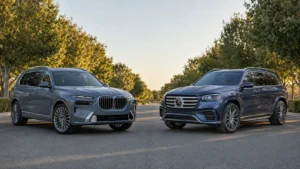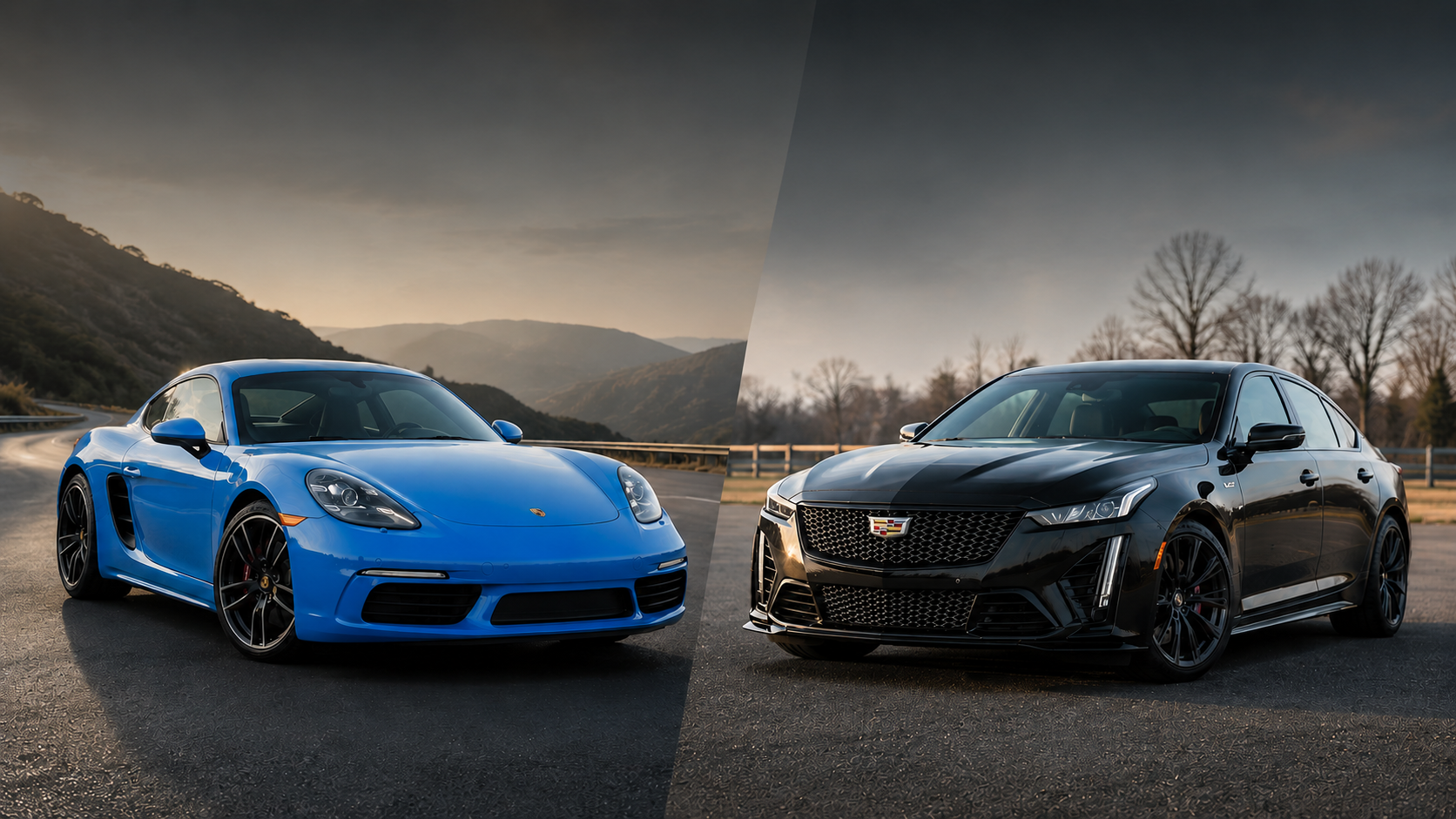
Sports Car vs Performance Sedan: Which Used Performance Car Fits Your Life?
A used performance vehicle can be an exciting purchase, but it has to fit your real life. At AutoPro Nashville, shoppers often call 615-377-6101 because they are not just comparing horsepower numbers. They are trying to figure out what kind of performance car they will actually enjoy owning.
That decision can get tricky in the U.S. used market. A similar budget might put you near a Porsche 911, Chevrolet Corvette, Ferrari, McLaren, BMW M3, Audi RS7, Cadillac CT5-V Blackwing, or Porsche Panamera. Those vehicles can all be fast and desirable, but they do not fit into daily life the same way.
That is why the sports car vs performance sedan decision is really about ownership style.
A focused sports car or exotic usually feels more special from the moment you get in. It may sit lower, sound more dramatic, and make even a short drive feel like something memorable. A performance sedan usually gives you more room, more comfort, and more flexibility while still delivering serious speed.
So the better question is not simply, “Which one is faster?”
It is:
Do you want a car that feels like an occasion every time you drive it, or do you want a car that lets you enjoy performance more often without making everyday life harder?
That is the decision this guide is meant to help you make.
Table of Contents
Why the Used Market Makes This Decision More Complicated
Shopping for a used performance car can get confusing because prices do not always match the categories in your head.
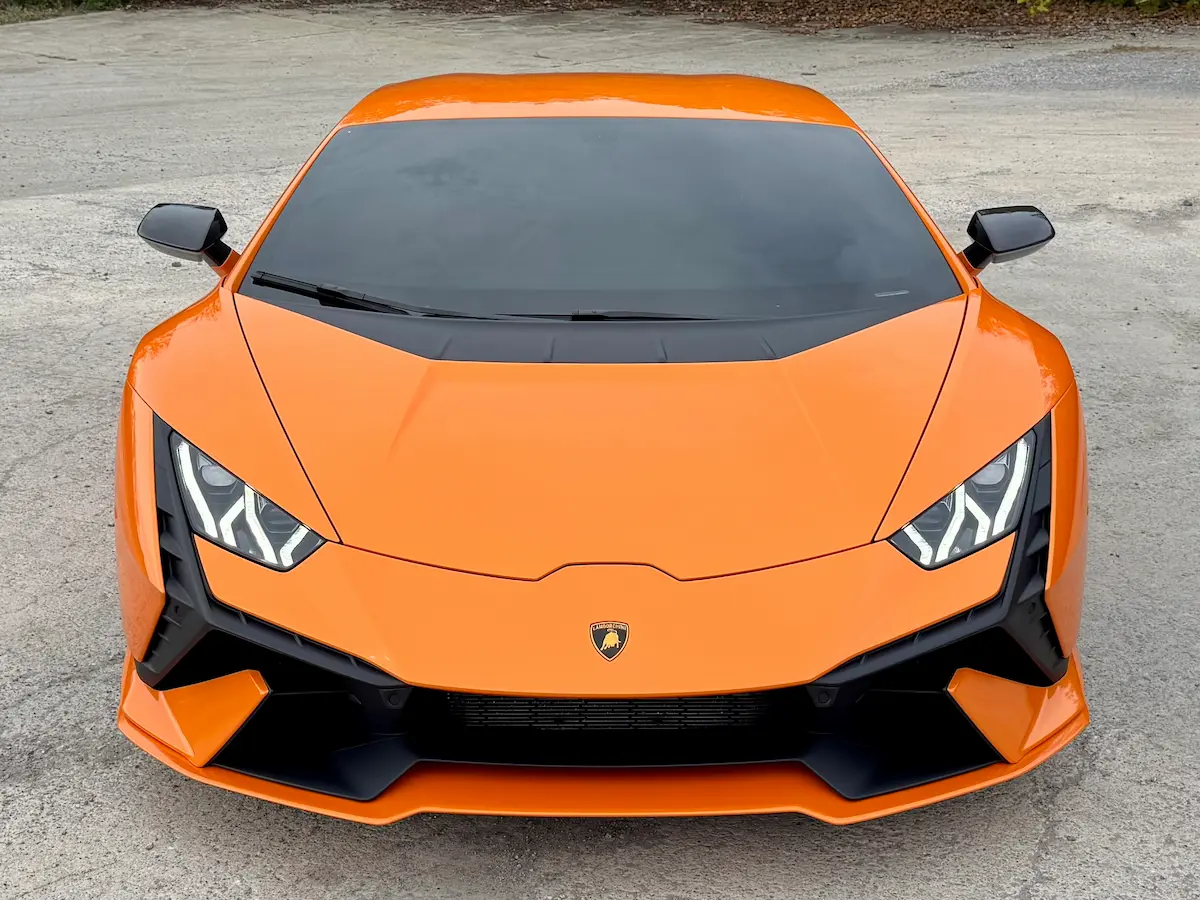
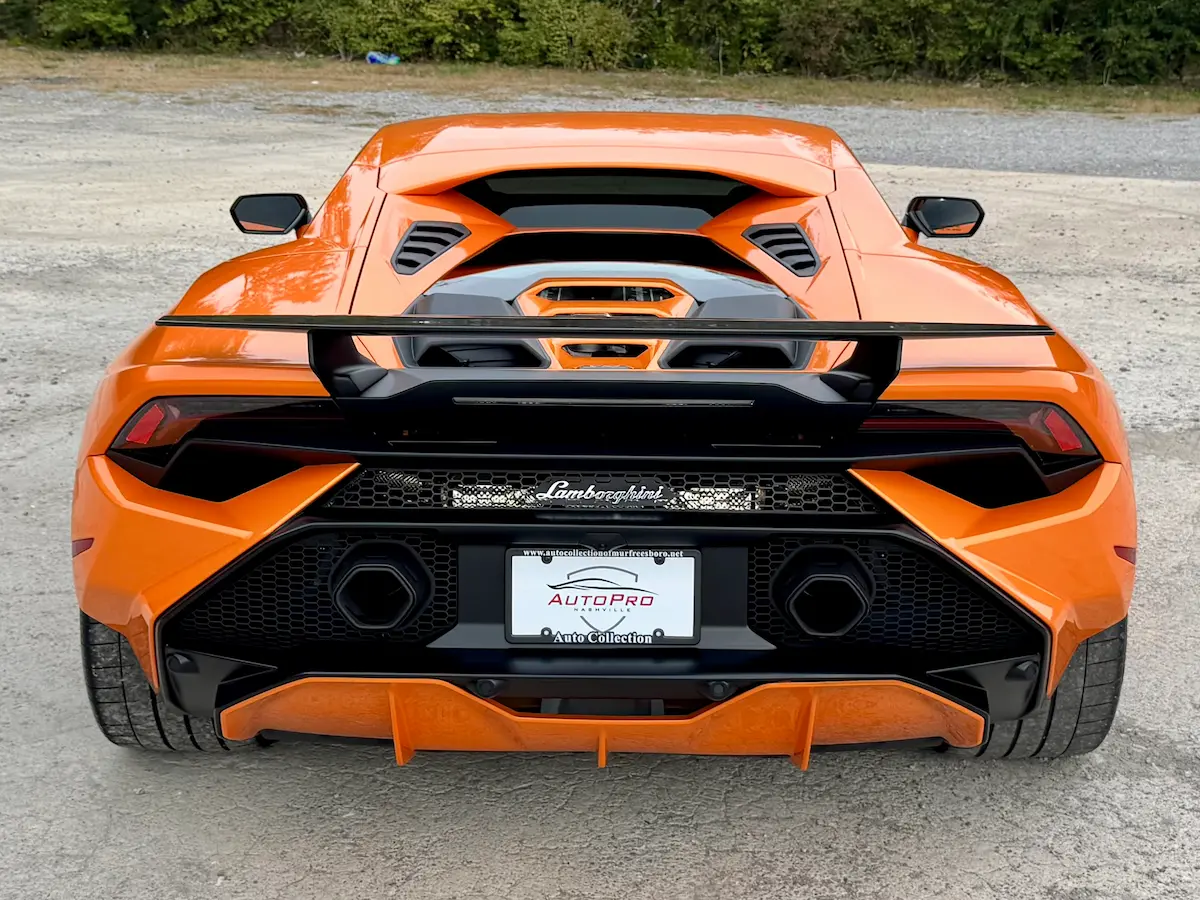
When new, these cars usually feel more clearly separated. A Porsche 911, Chevrolet Corvette, Ferrari, McLaren, Lamborghini, Audi R8, or Mercedes-AMG GT feels like a more emotional, special-purpose choice. A BMW M3, BMW M5, Cadillac CT5-V Blackwing, Audi RS5 Sportback, Audi RS7, Mercedes-AMG E63, or Porsche Panamera feels more like serious performance that can still fit into everyday life.
Similar Budgets, Different Experiences
In the used market, those lines can blur.
Depreciation can put very different cars within reach at the same time. A buyer may start with a used Corvette and then realize a BMW M3, Audi RS5 Sportback, or Cadillac CT5-V Blackwing is also realistic. Someone looking at a Porsche 911 may also come across a Porsche Panamera, Audi RS7, or AMG sedan with similar pricing.
That overlap gives buyers more options, but it can also make the decision harder.
Price Is Not the Same as Fit
A similar price does not mean a similar ownership experience. A focused sports car, exotic, and performance sedan may all be fast, desirable, and beautifully built, but they do not ask the same things from the owner.
One may make a simple solo drive feel special. Another may let you enjoy serious speed while still carrying passengers, luggage, work bags, and everything else that comes with a normal week.
That is why the better buy is not always the car with the higher original sticker price, the more dramatic shape, or the bigger reputation. In used performance-car shopping, real value is about fit. The smarter choice is the car that matches how you actually drive.
The Real Difference Is Ownership Style, Not Just Body Style
The difference between a sports car and a performance sedan is not just the number of doors. It is how each one fits into your life.
A Sports Car Puts the Drive First
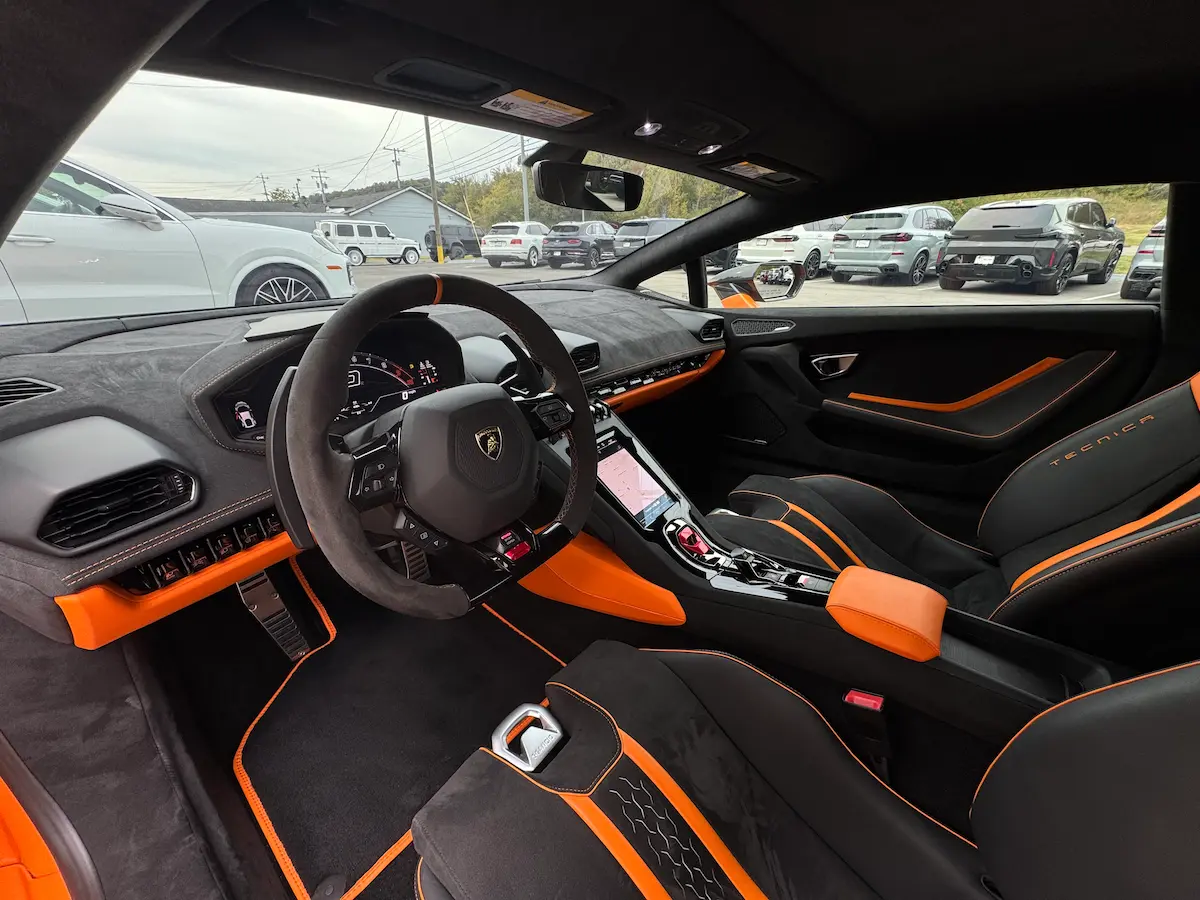
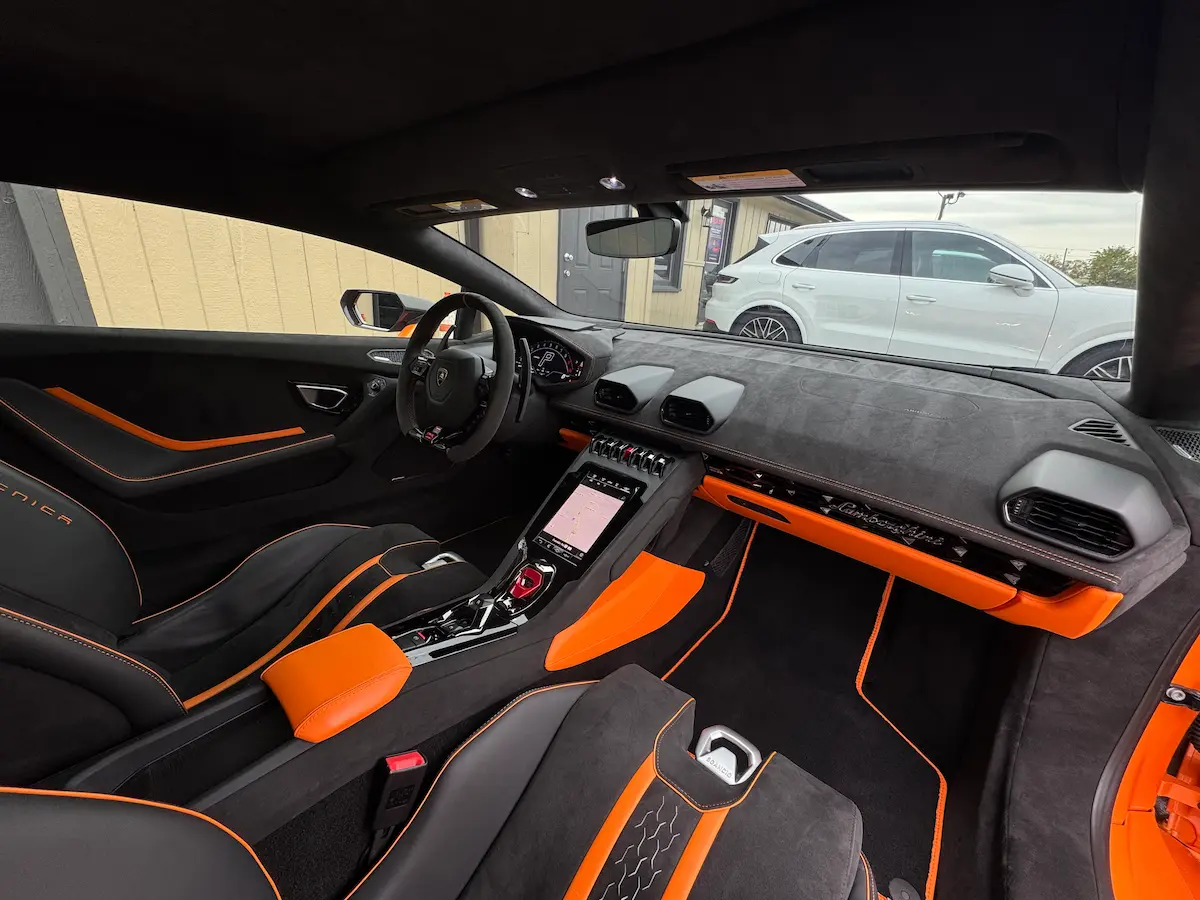
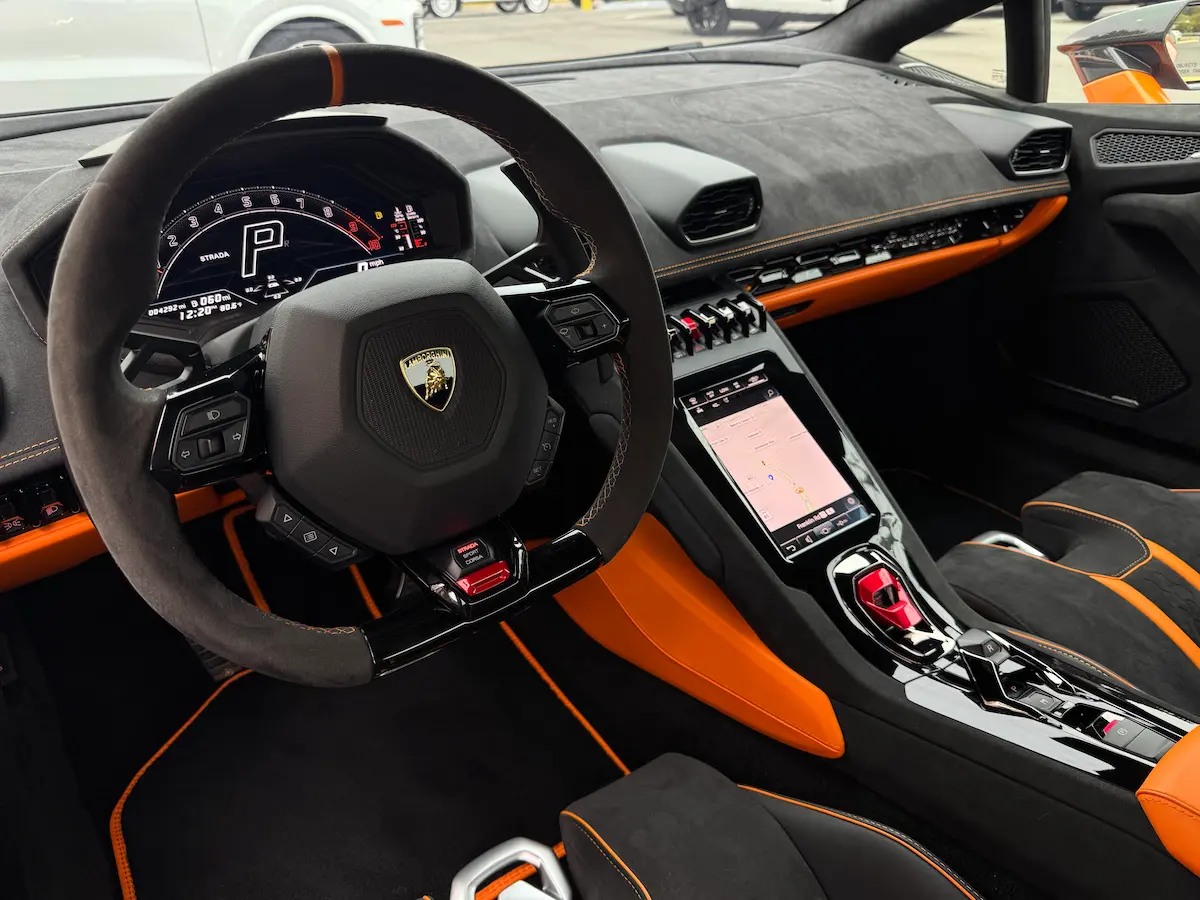
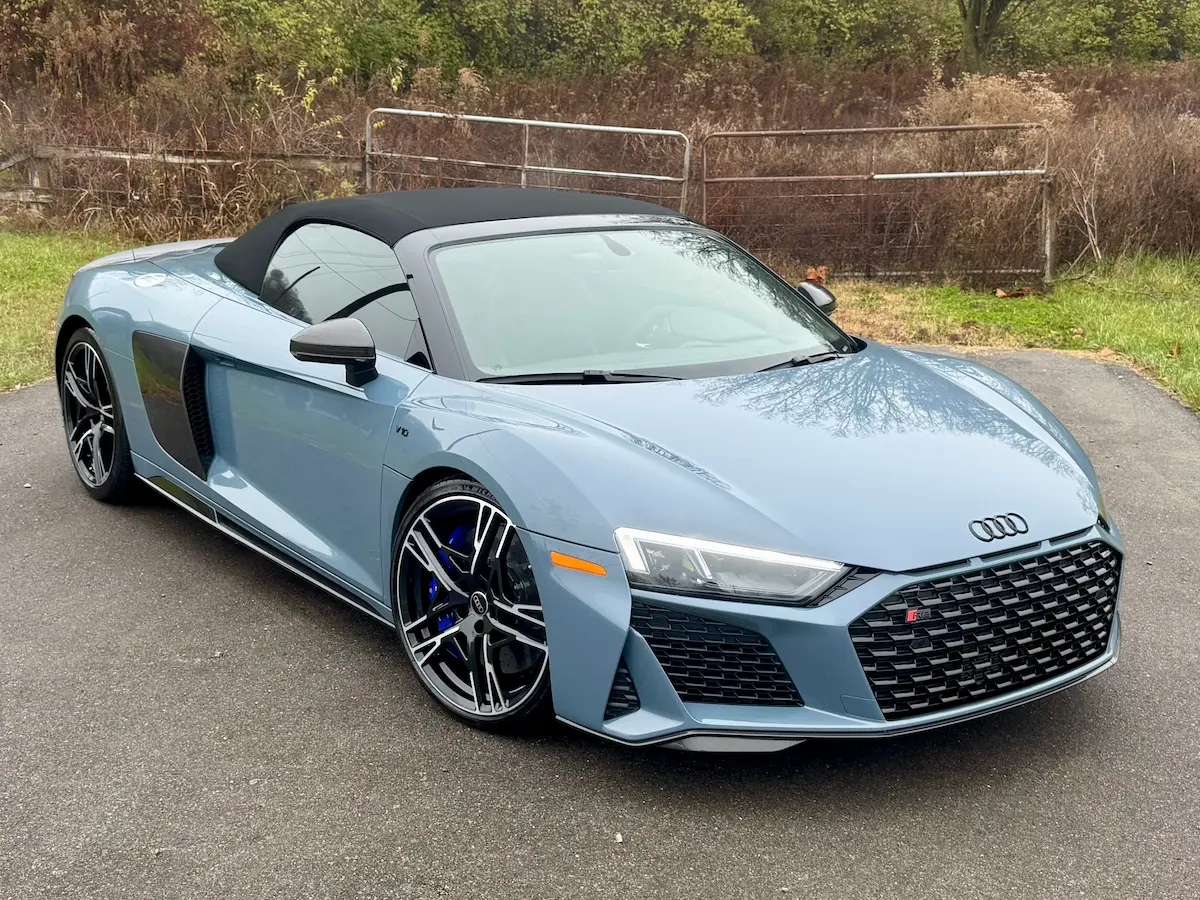
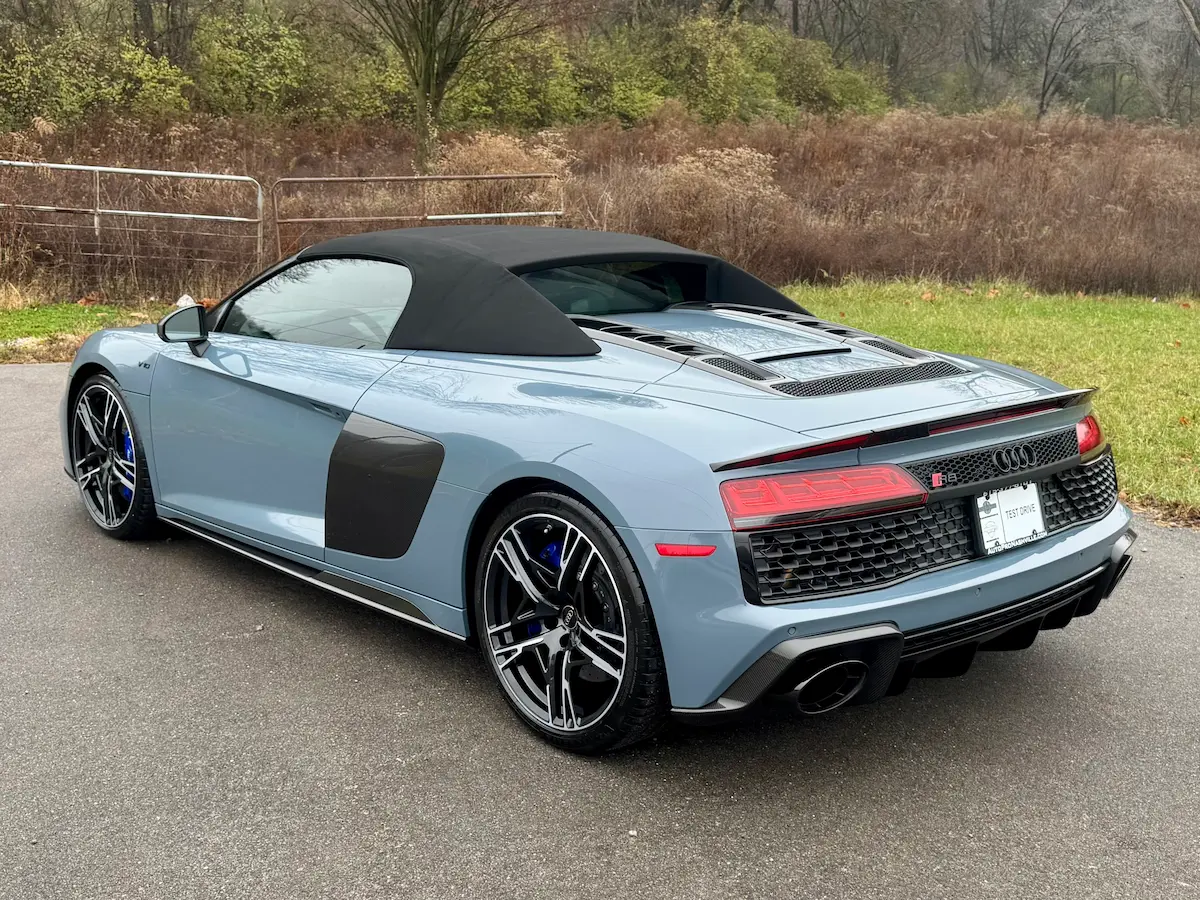
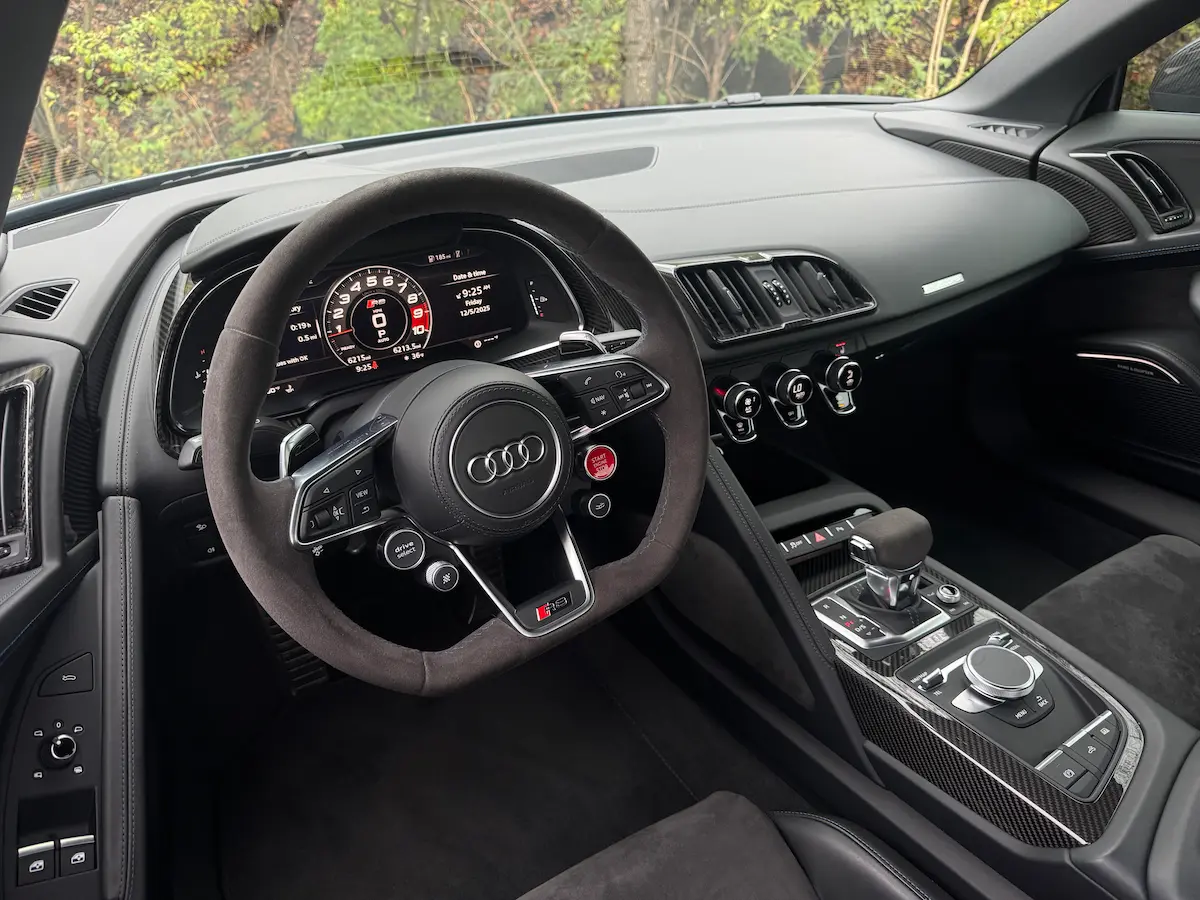
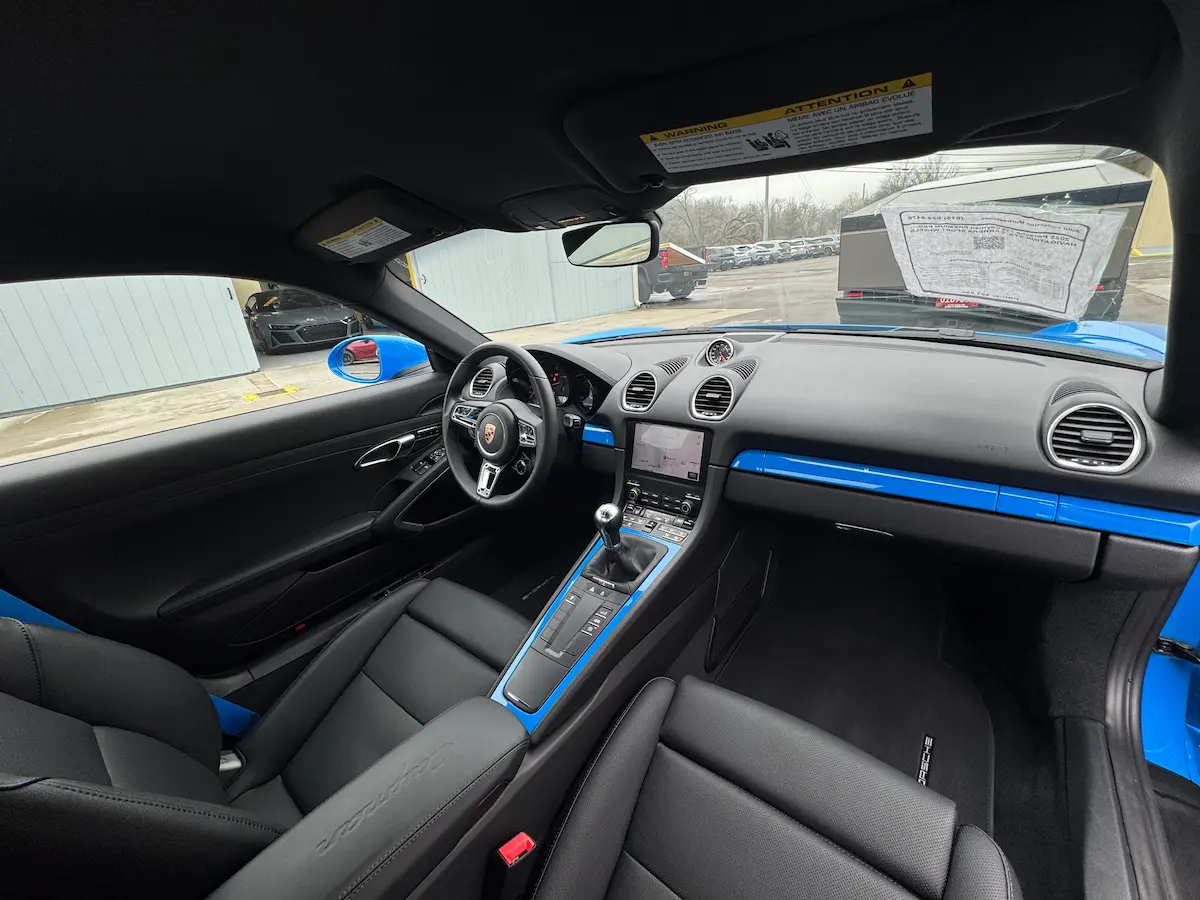
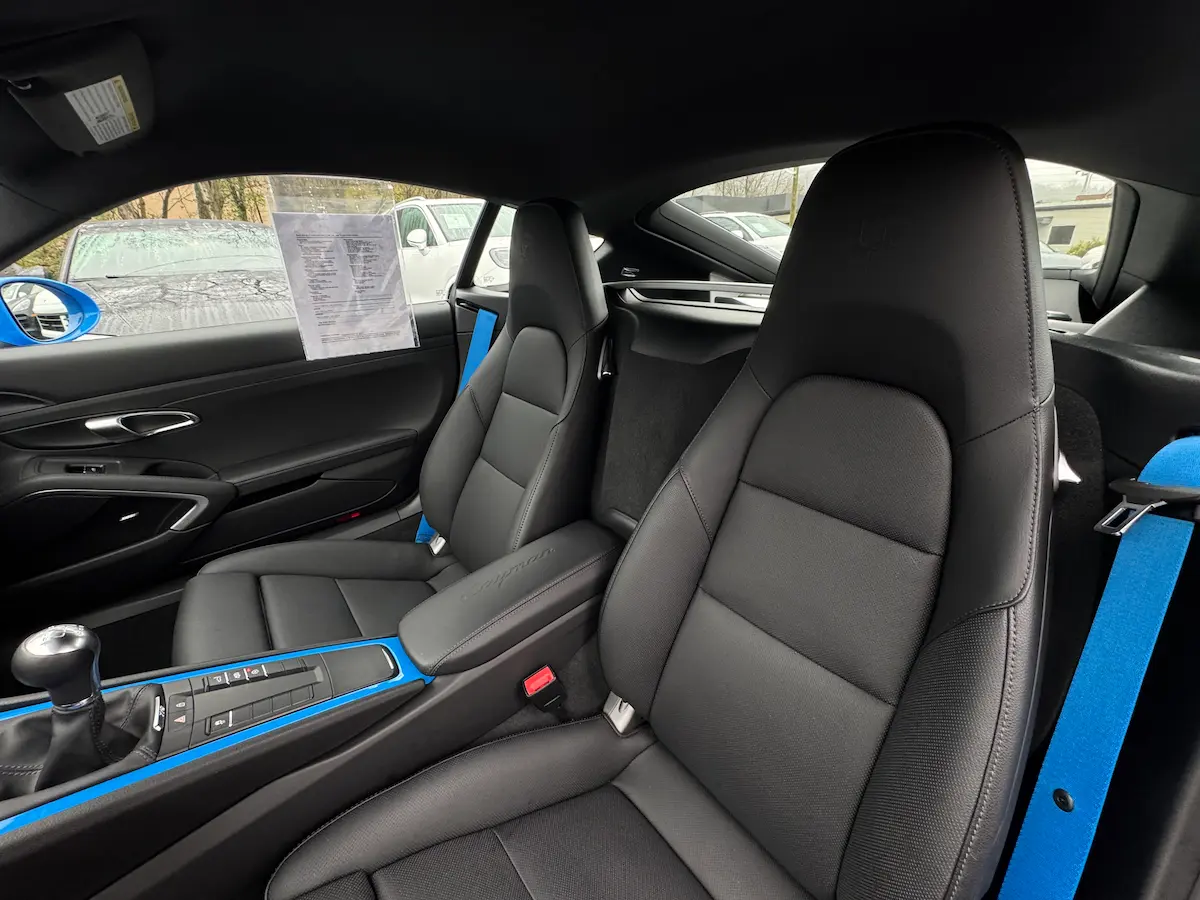
A sports car is usually built around the driving experience. The seating position is lower, the cabin feels more focused, and the sound, steering, shape, and road feel are a bigger part of the appeal.
That is why a sports car can feel special even when you are not driving fast. The whole experience feels more intentional.
A Performance Sedan Gives You More Room to Use It
A performance sedan takes a different approach. It still gives you speed, handling, braking, and road presence, but it does not ask you to give up as much comfort or flexibility.
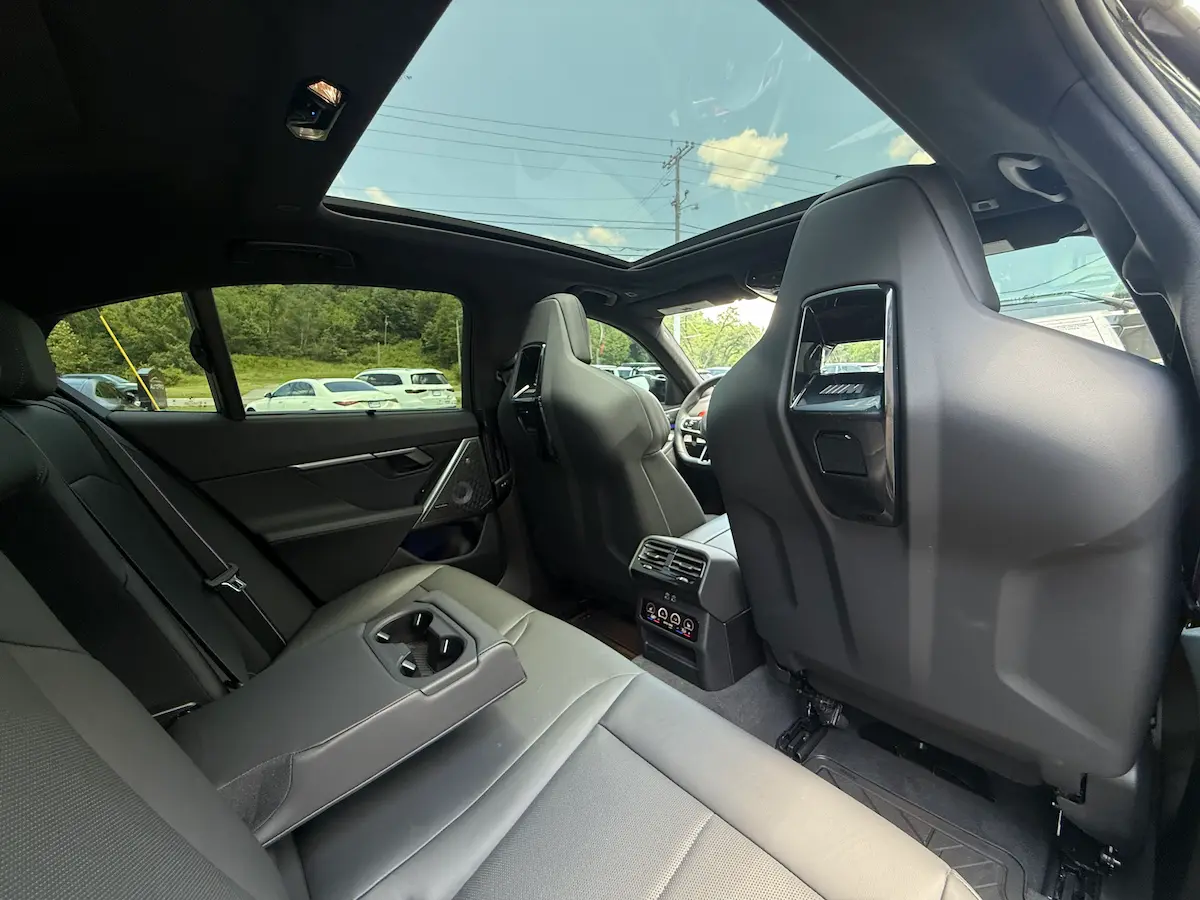
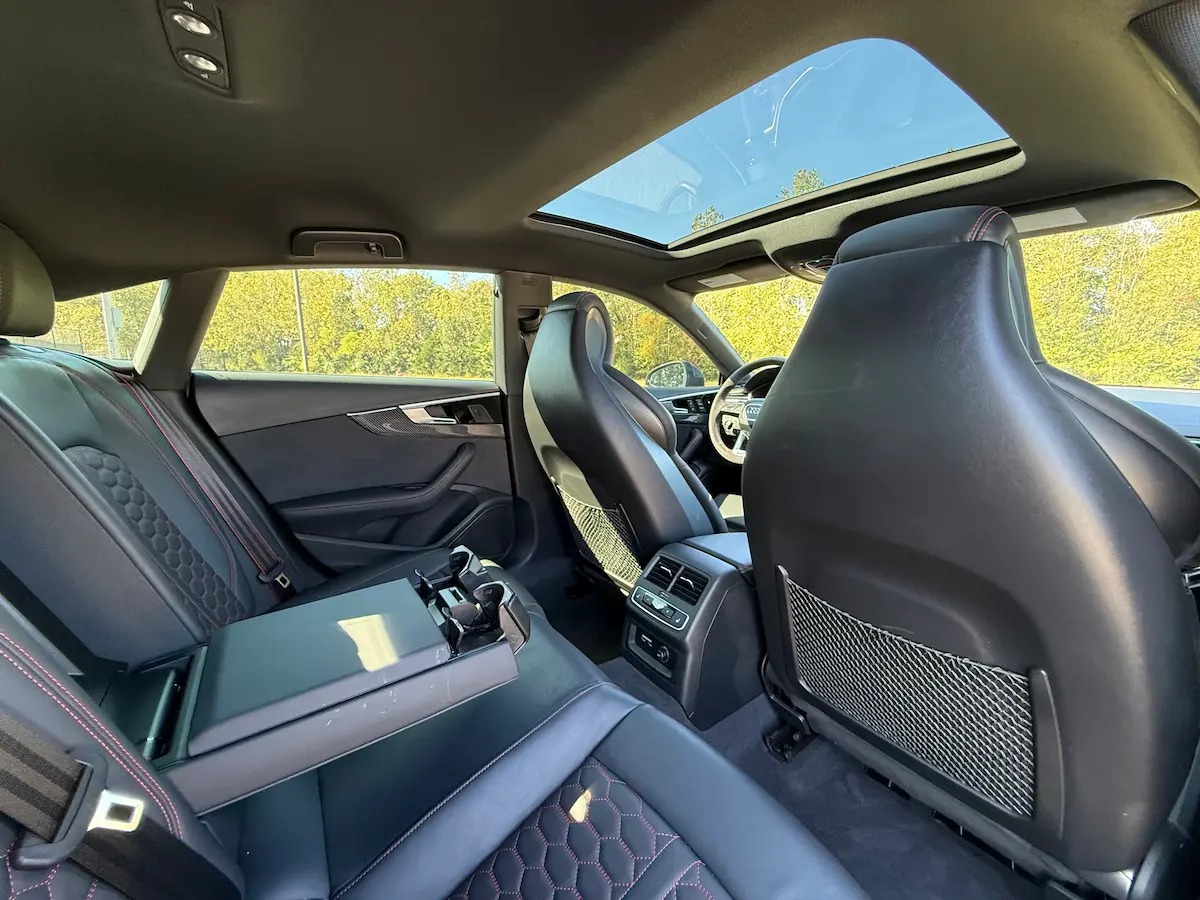
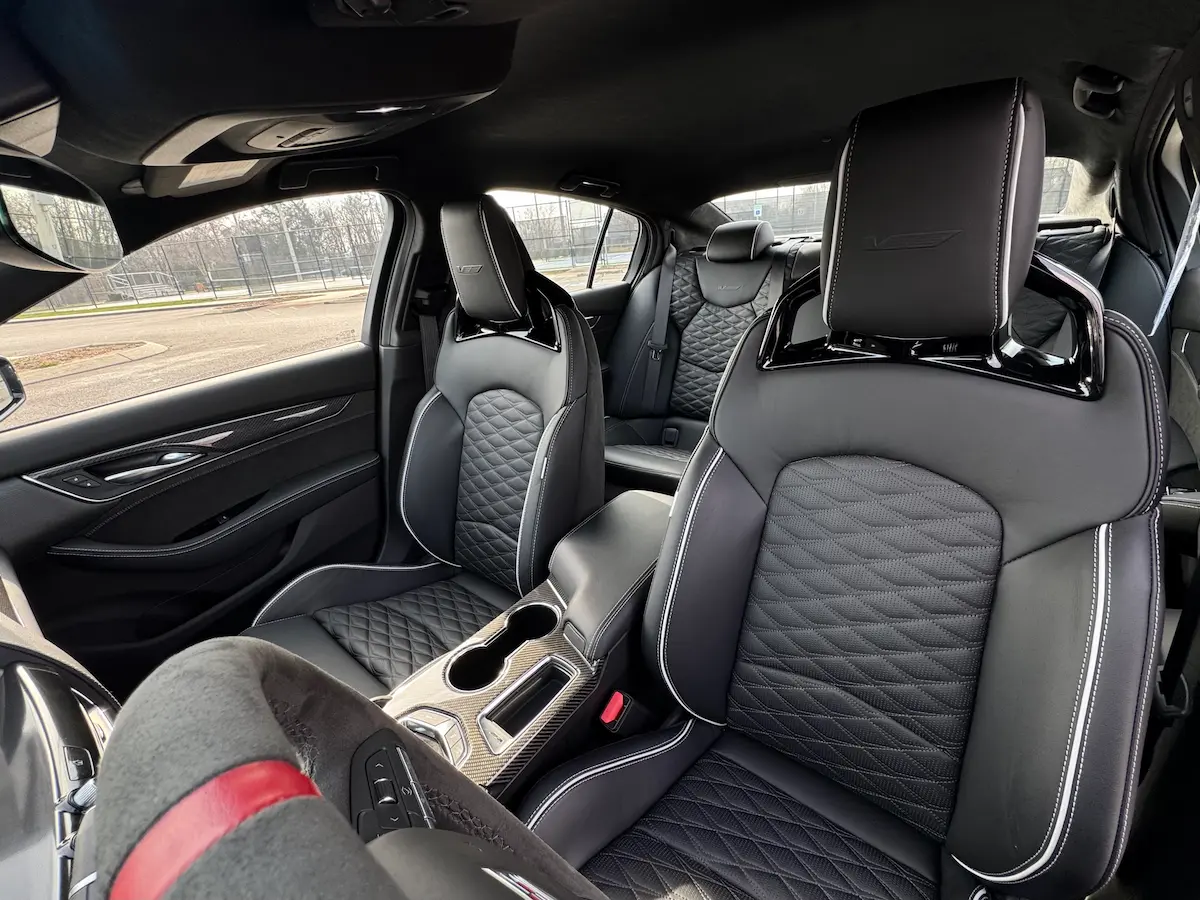
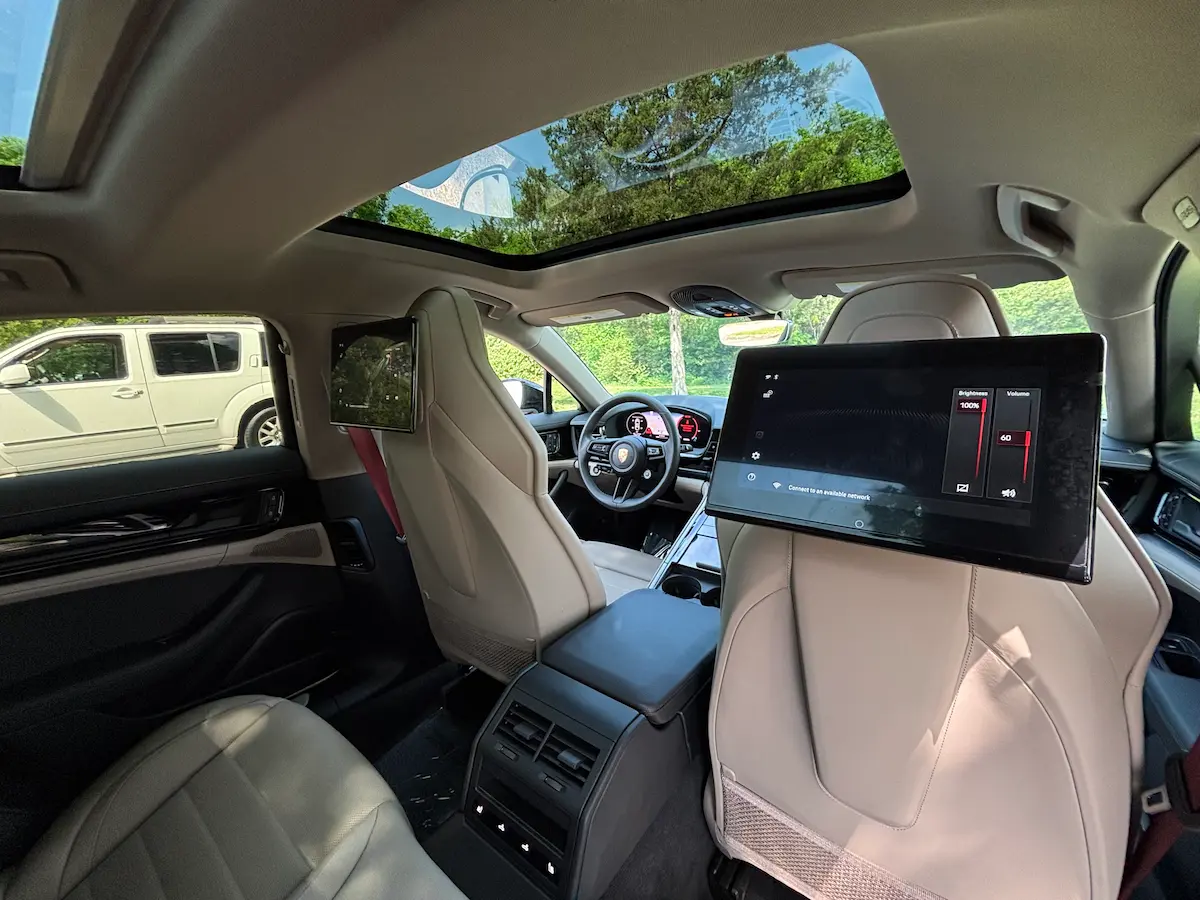
You still get real doors, usable rear seats, easier cargo space, and a cabin that works better for normal routines.
Neither one is automatically better. They simply answer different questions.
A sports car asks: What will make driving feel more exciting?
A performance sedan asks: What will let me enjoy performance more often?
That is the real difference. A car can be incredible and still be wrong for your life. Another car may feel less dramatic at first, but become more satisfying because you actually use it more.
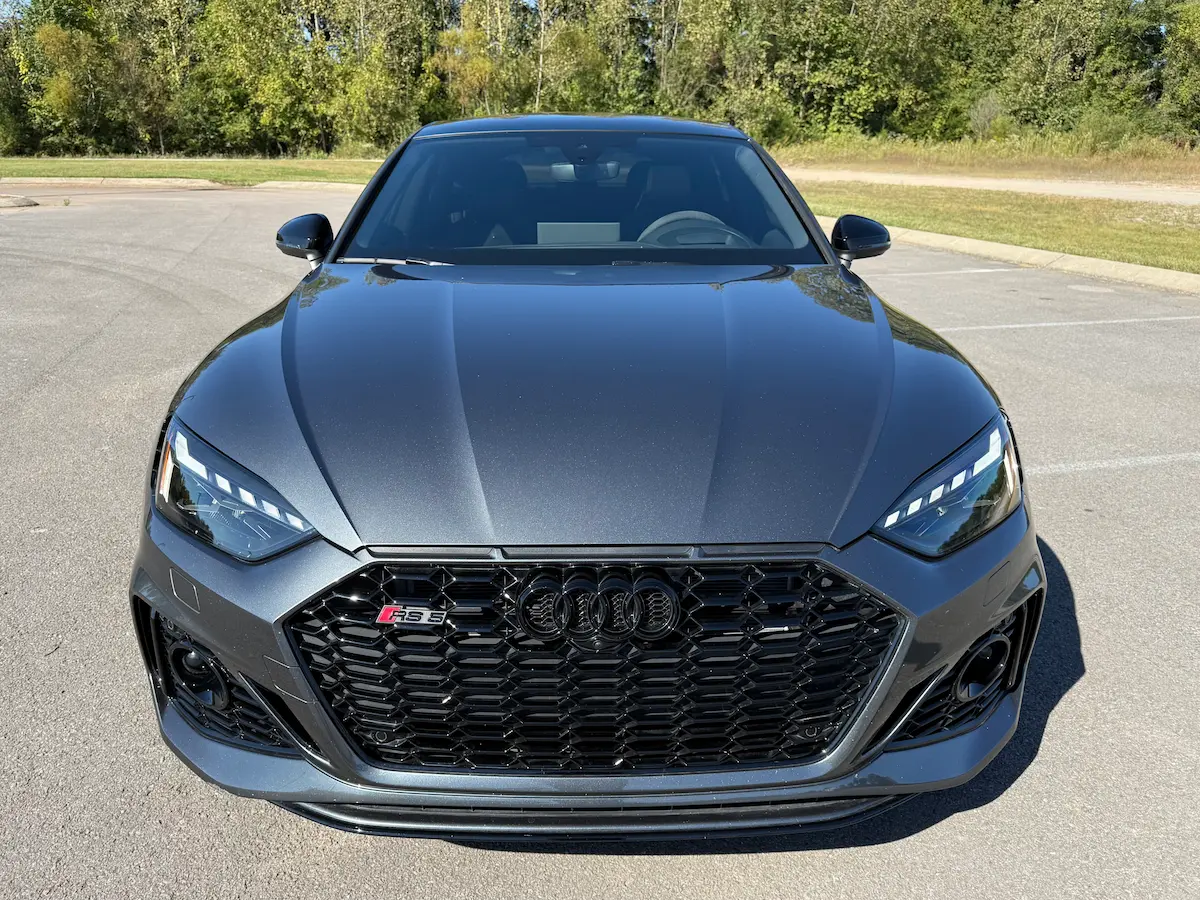
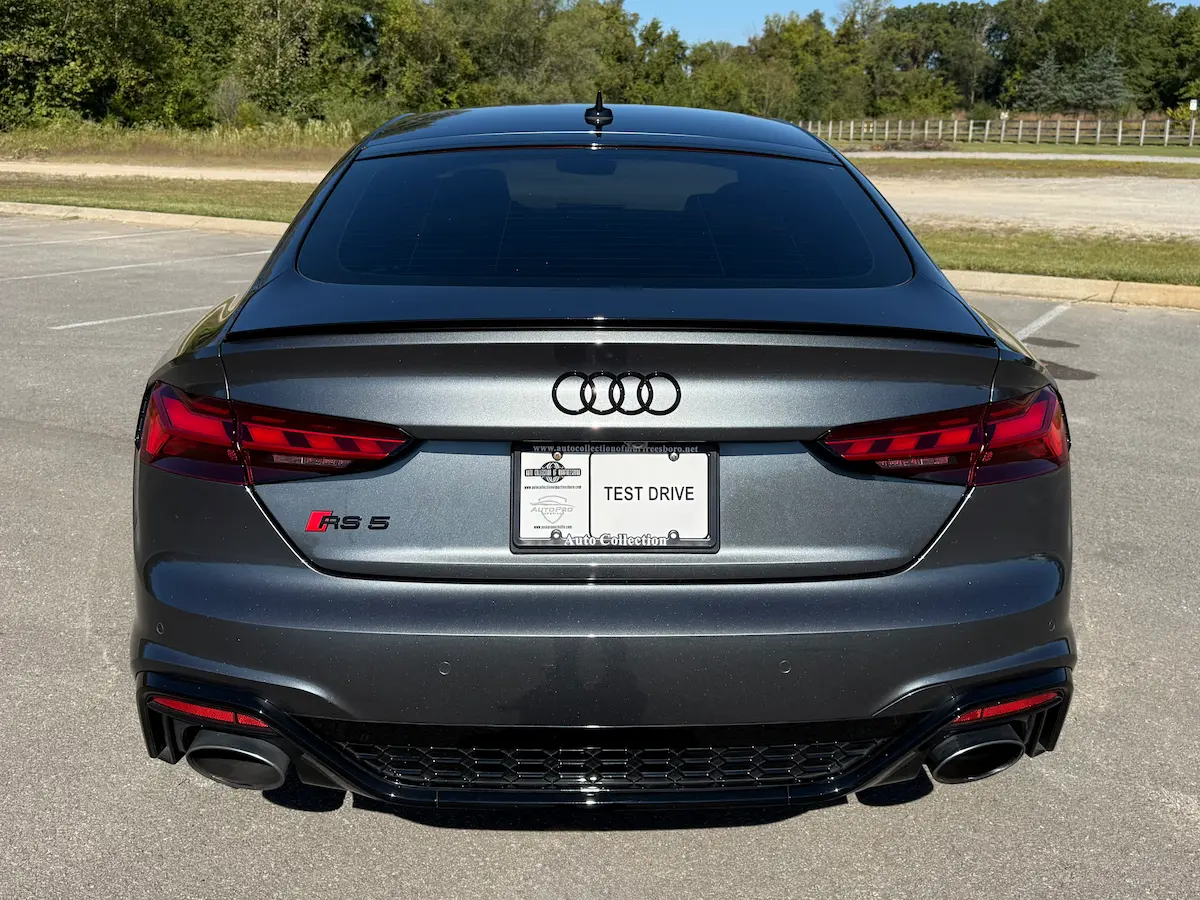
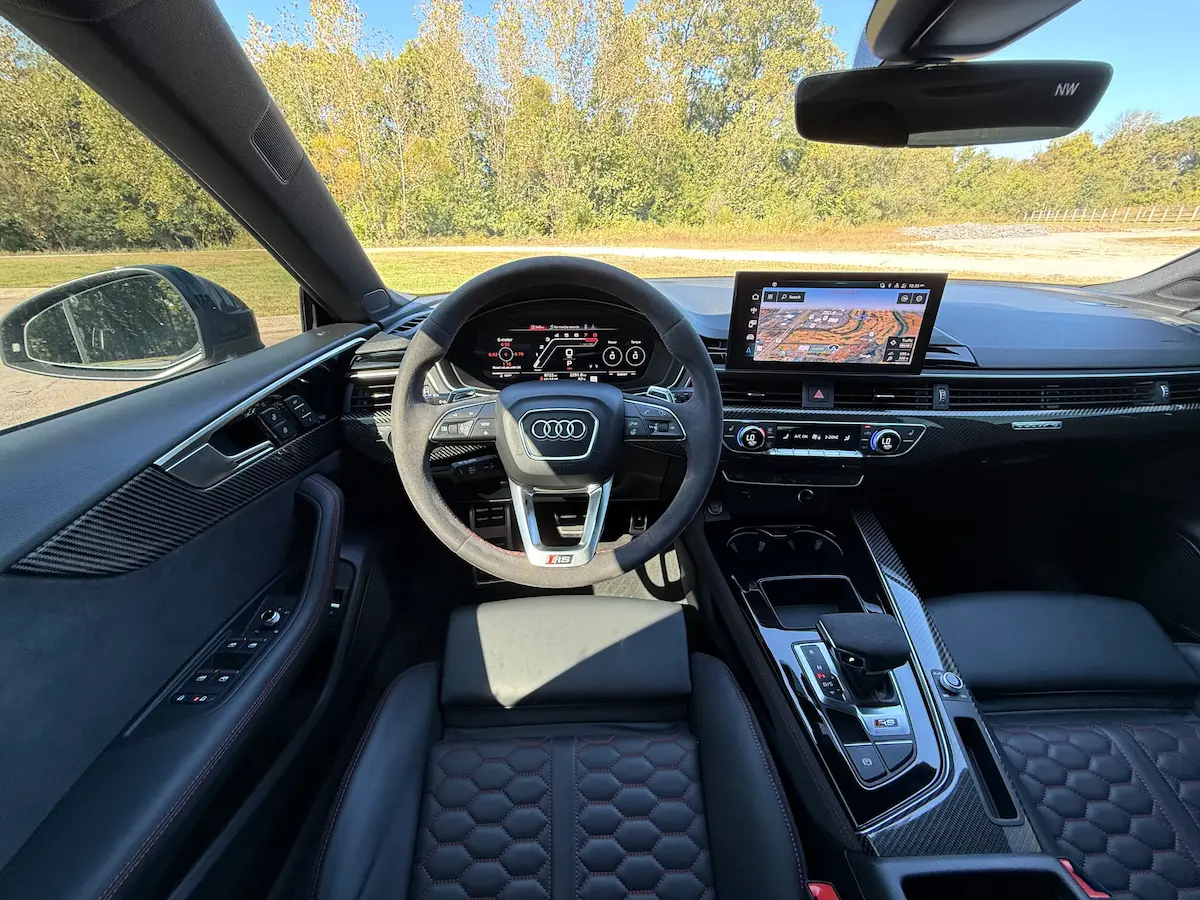
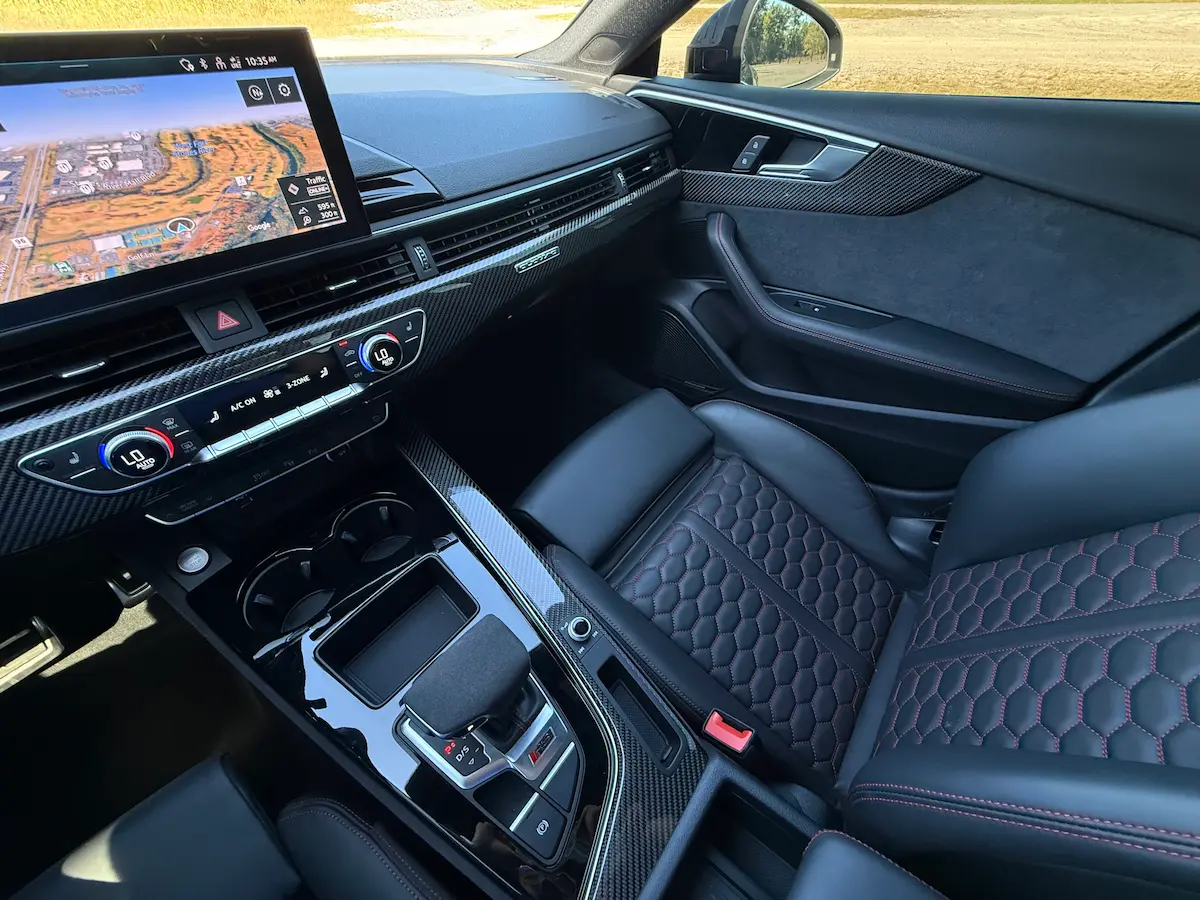
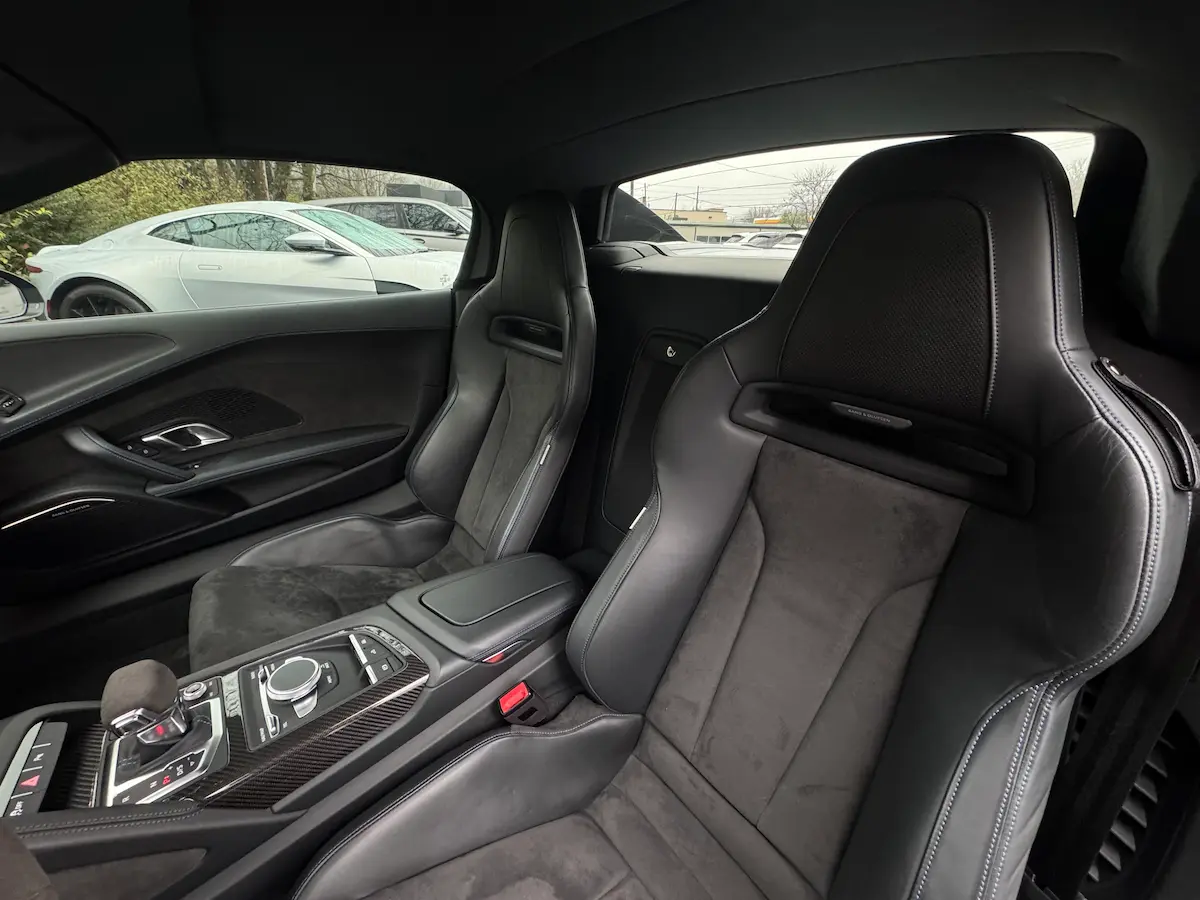
Daily Driving Reality: What Changes After the Test Drive
A test drive can make the more emotional car feel like the obvious choice.
A coupe, convertible, or exotic usually makes a stronger first impression. It may sit lower, sound more dramatic, feel sharper, and look more special before you even leave the lot. A sedan may feel more familiar at first, even when it is seriously quick.
But a test drive is not the same as ownership.
The Small Details Start to Matter
Daily life has a way of revealing things a short drive can hide.
If you commute every morning, sit in traffic, park in busy areas, carry passengers, or use the car for normal errands, practical details become more important. Door length, visibility, ride comfort, cabin access, cargo room, road noise, and rear-seat space all affect how often you actually want to use the car.
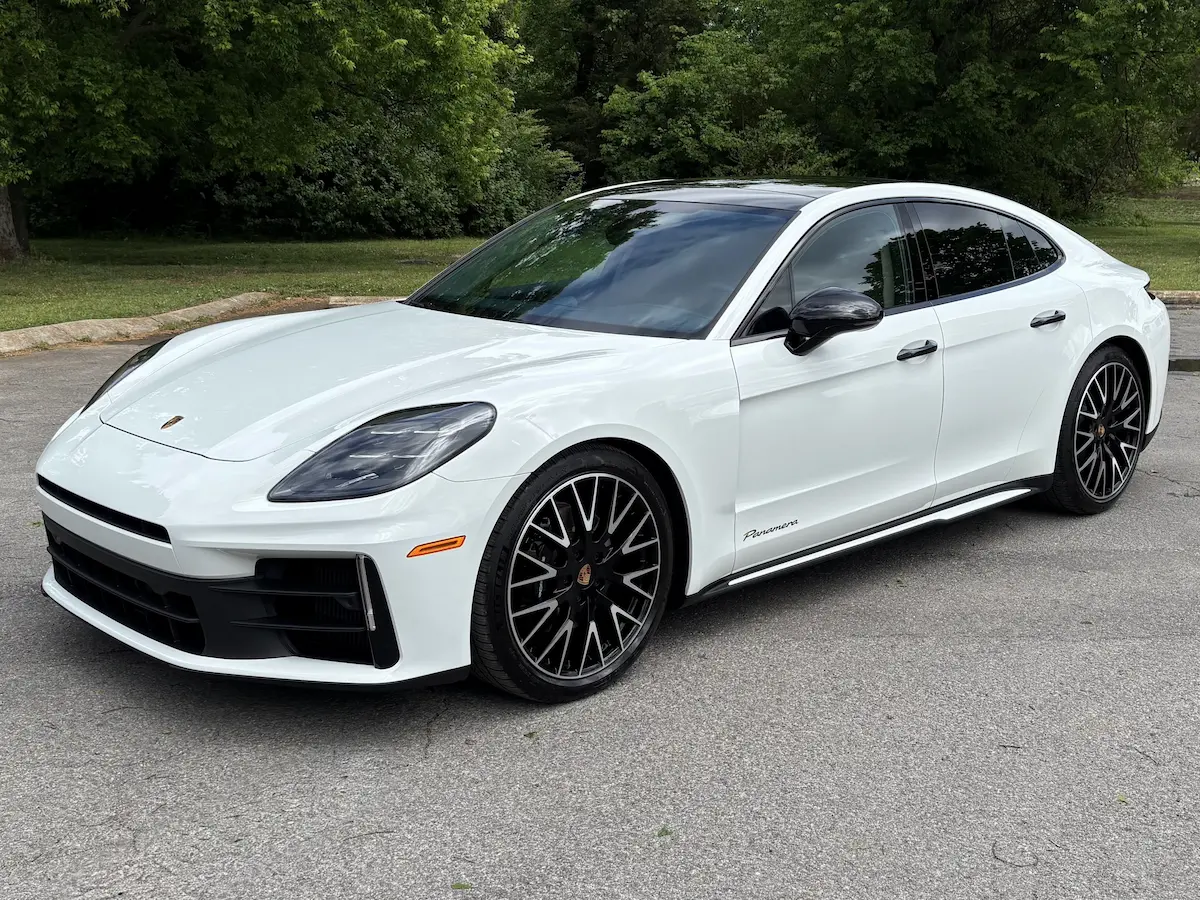
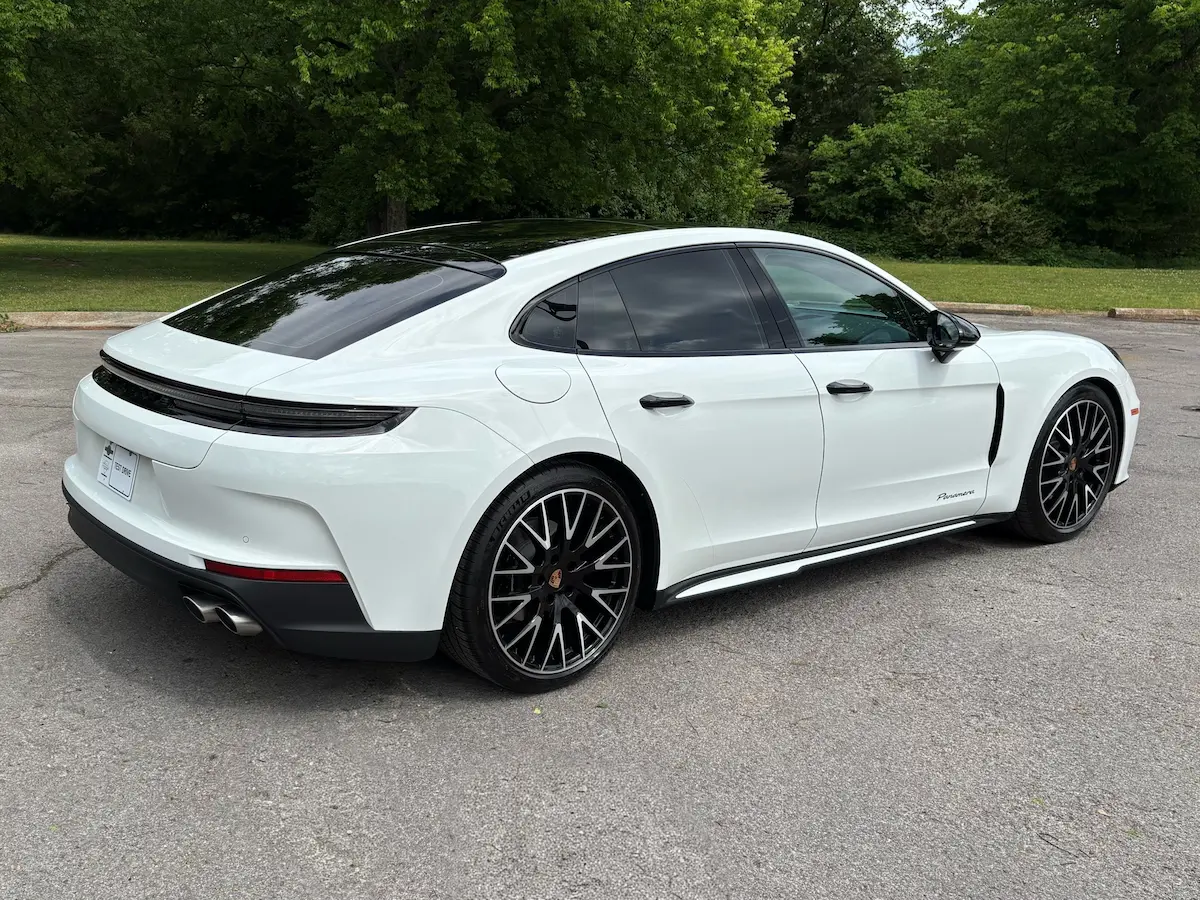
That is where a four-door performance car can become more appealing over time. A BMW M3, Cadillac CT5-V Blackwing, Audi RS5 Sportback, Mercedes-AMG E63, Audi RS7, Porsche Panamera, or similar sedan can fit into a normal routine more naturally. It can commute comfortably, carry people, handle luggage, and still feel seriously quick when the road opens up.
Daily Driving a Sports Car Can Work
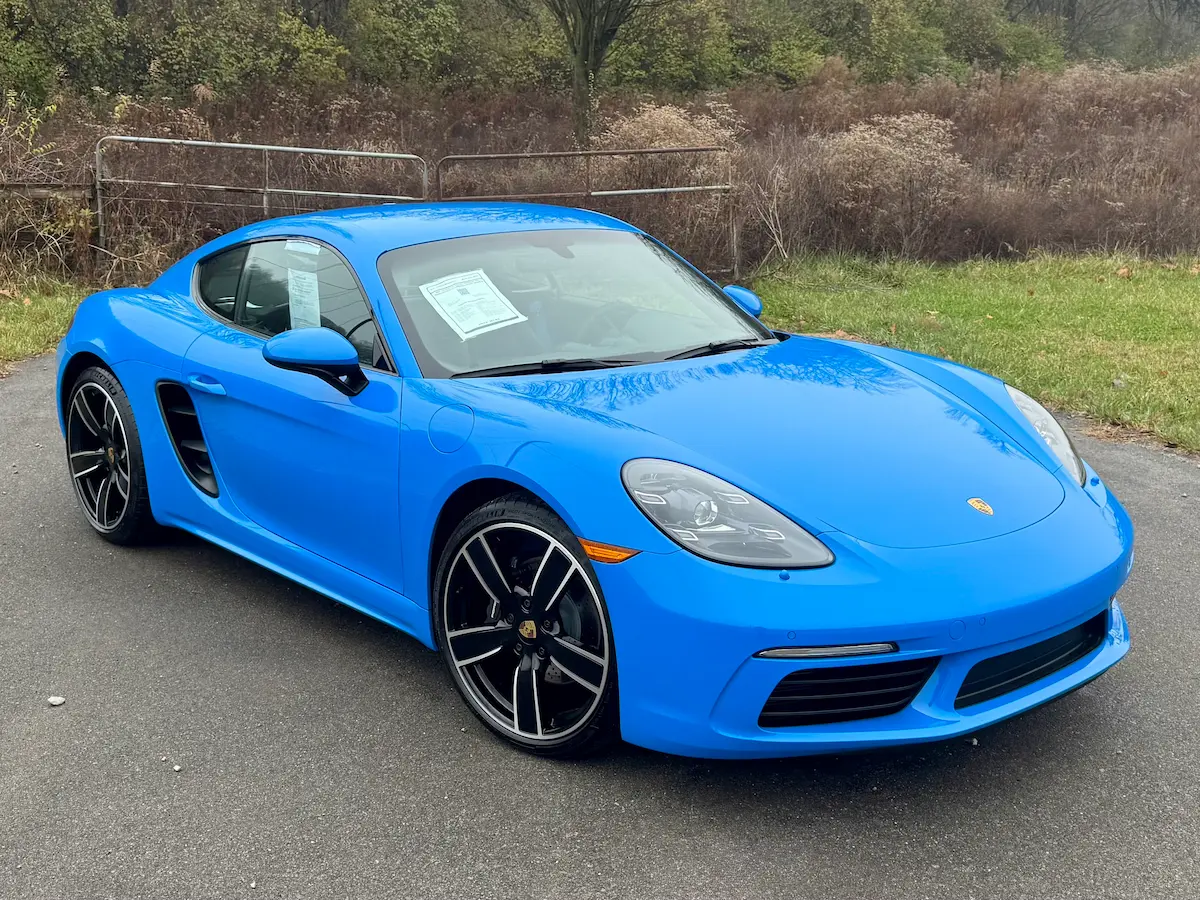
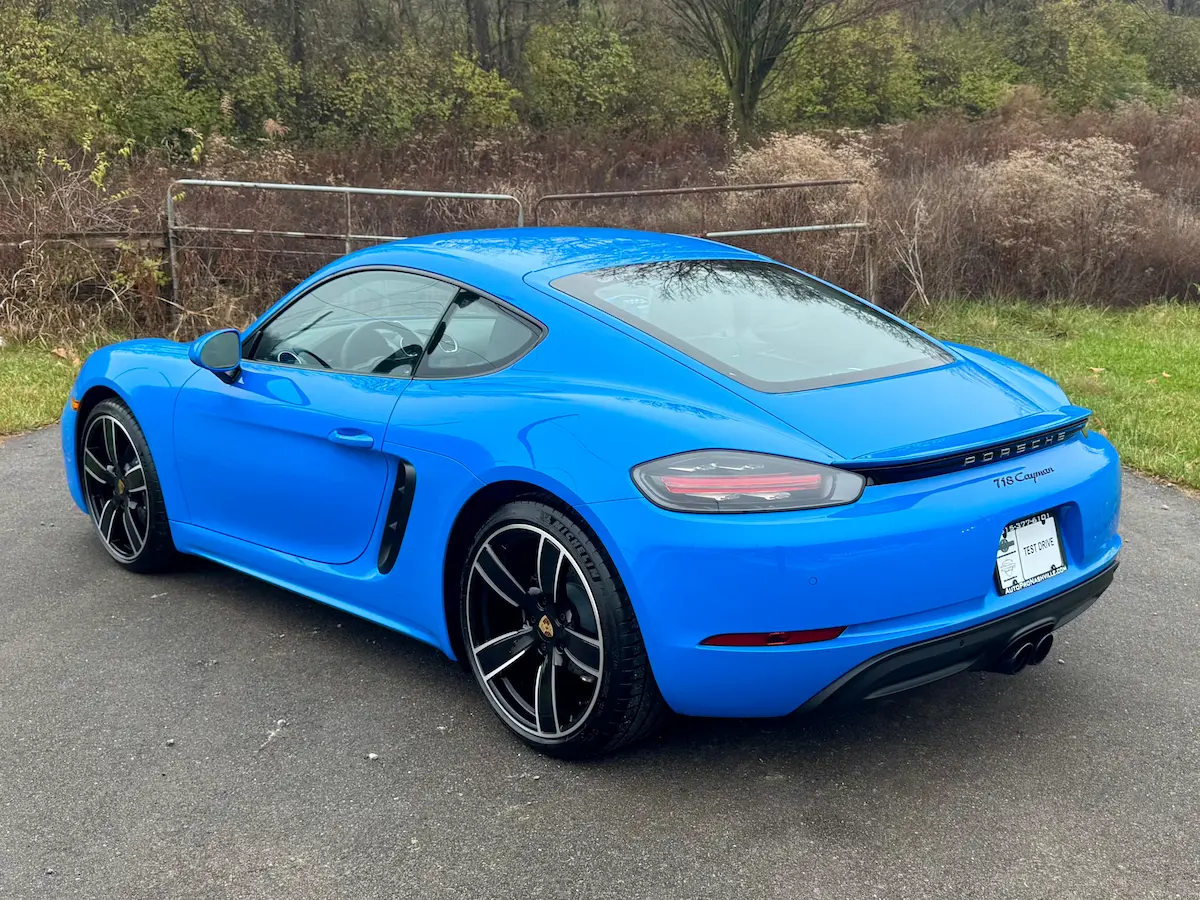
Daily driving a sports car is not a bad idea by itself. Plenty of owners use Porsche 911s, Corvettes, Caymans, AMG GTs, and even more exotic cars regularly.
The real question is whether you will still enjoy doing it after the first few months.
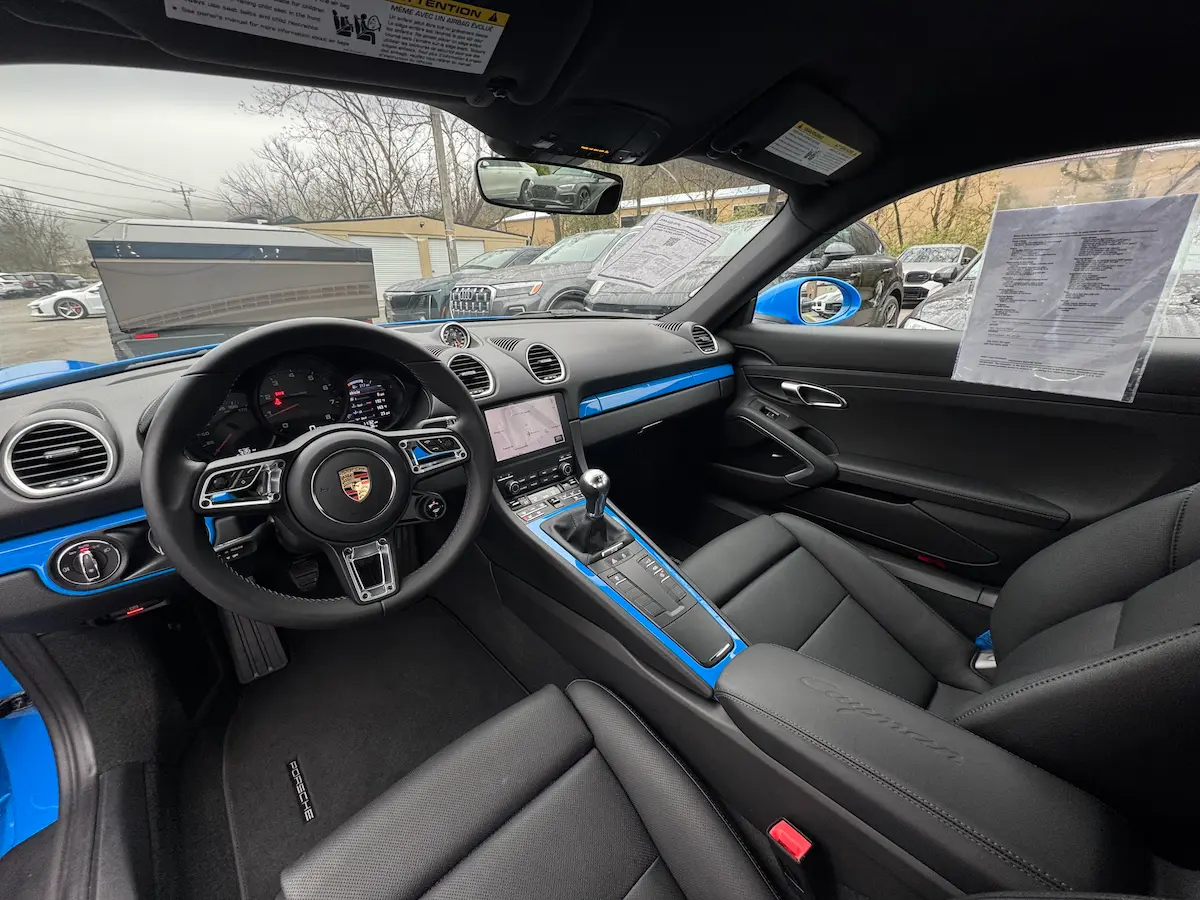
A low seating position can feel great on the right road and less relaxing in traffic. A firm suspension can feel sharp on a weekend drive and tiring on rough pavement. Limited cargo space can be fine most days, then suddenly annoying when you need the car to do something ordinary.
Some buyers will not care, and that is completely fair. If the sound, shape, steering feel, and sense of occasion matter enough, those compromises may be worth it.
But if you want your performance car to feel easy every day, a sedan usually makes more sense.
When the Sports Car Is the Right Choice
A sports car makes the most sense when the feeling is the main reason you are buying the car.
If you already have another practical vehicle at home, the decision gets easier. You do not need a Porsche 911, Corvette, Ferrari, McLaren, Lamborghini, Audi R8, or AMG GT to handle every part of your week. It can simply be the car that makes driving feel special.
When Emotion Matters More Than Convenience
This is where a focused performance car shines.
It works best when rear seats are not important, cargo space is not a major concern, and you are not asking one vehicle to do everything. It also makes sense when you care more about steering feel, sound, presence, and driver connection than everyday ease. If that kind of driver-first experience fits what you want, our used Corvette Z06 buying guide is a useful next read for understanding one of the clearest examples of the sports-car path.
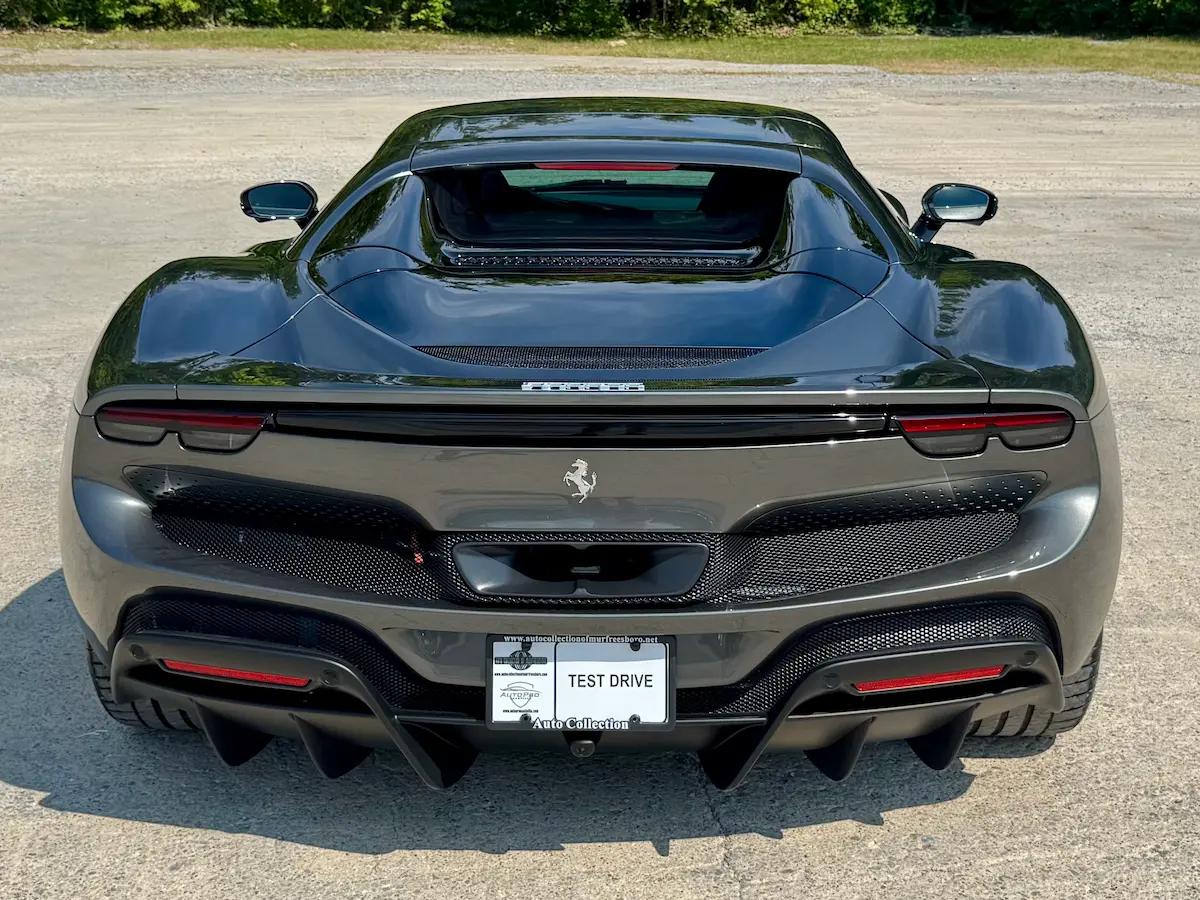
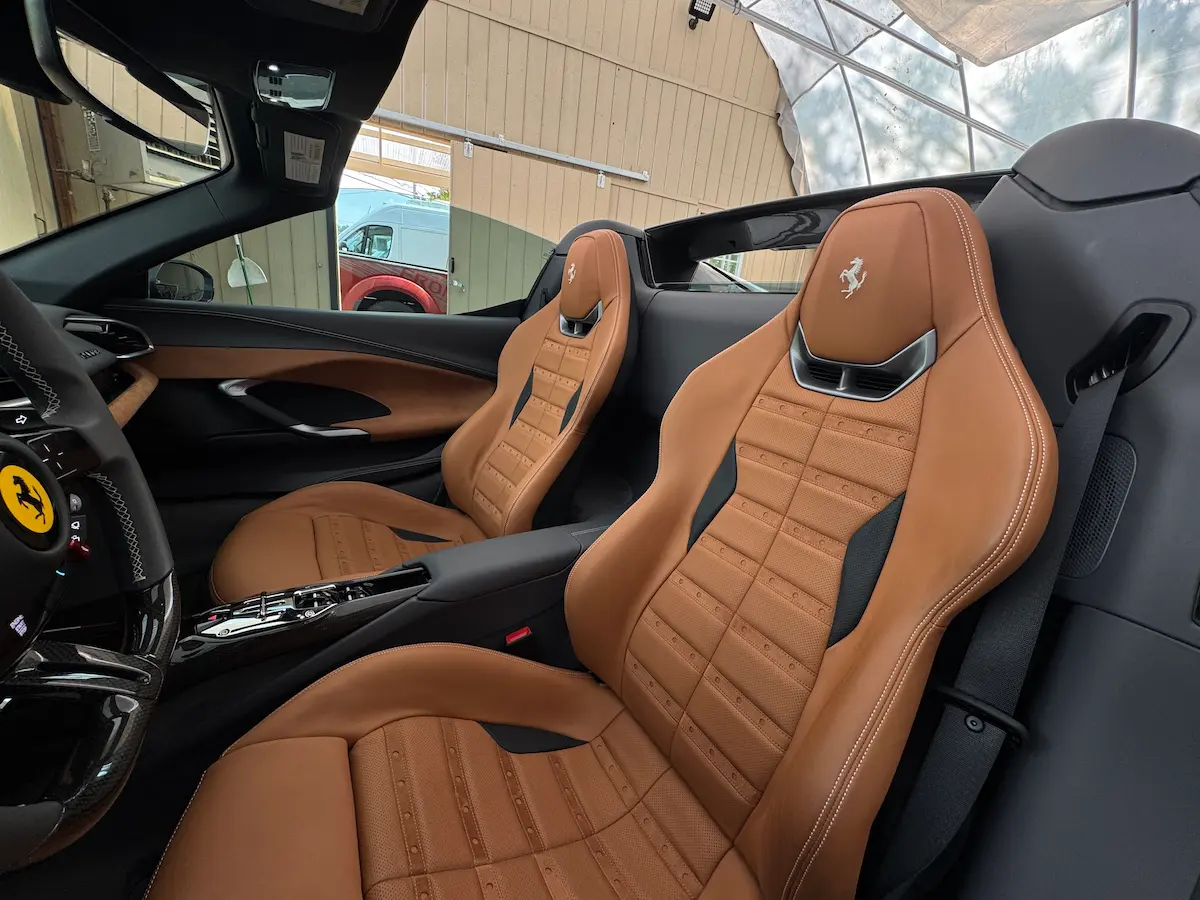
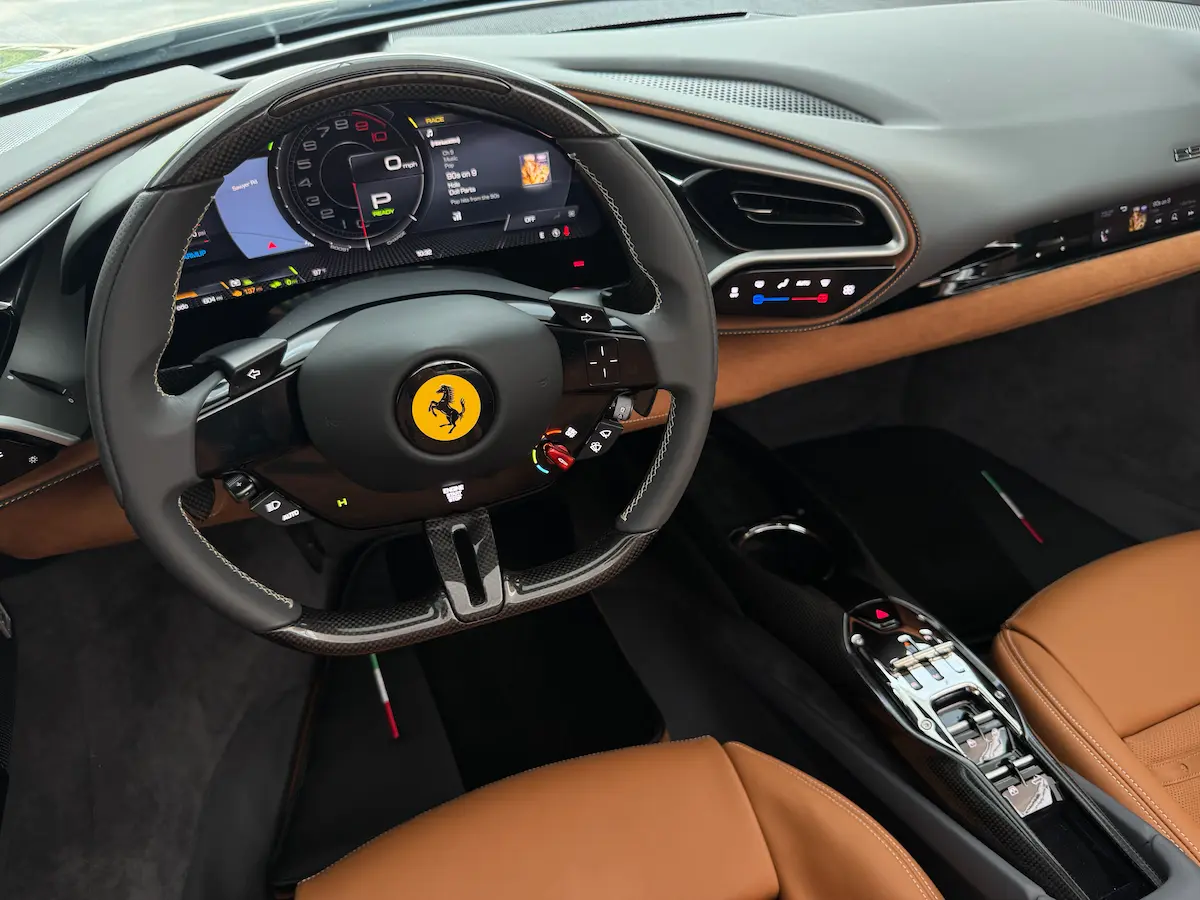
A sports car is often the better choice if:
- you want the car to feel special every time you drive it
- you do not regularly carry passengers
- you already have access to a more practical vehicle
- you care more about feel than flexibility
- you want something clearly different from normal daily transportation
- you enjoy the attention or presence that comes with a more focused car
The Tradeoff Has to Be Intentional
The key is not to apologize for choosing emotion.
A performance purchase does not have to be completely rational. In many cases, that is the whole point. If the car fits your lifestyle well enough and gives you the feeling you are looking for, the emotional choice can be the right choice.
The problem starts when a buyer wants the excitement of a sports car but expects the convenience of a sedan.
That mismatch is what creates disappointment. A sports car is at its best when practicality comes second by choice, not by accident.
For a broader look at how different used sports cars compare, Car and Driver’s used sports car guide is a helpful external resource.


When the Performance Sedan Is the Smarter Choice
A performance sedan makes more sense when you want one car to handle more of your life.
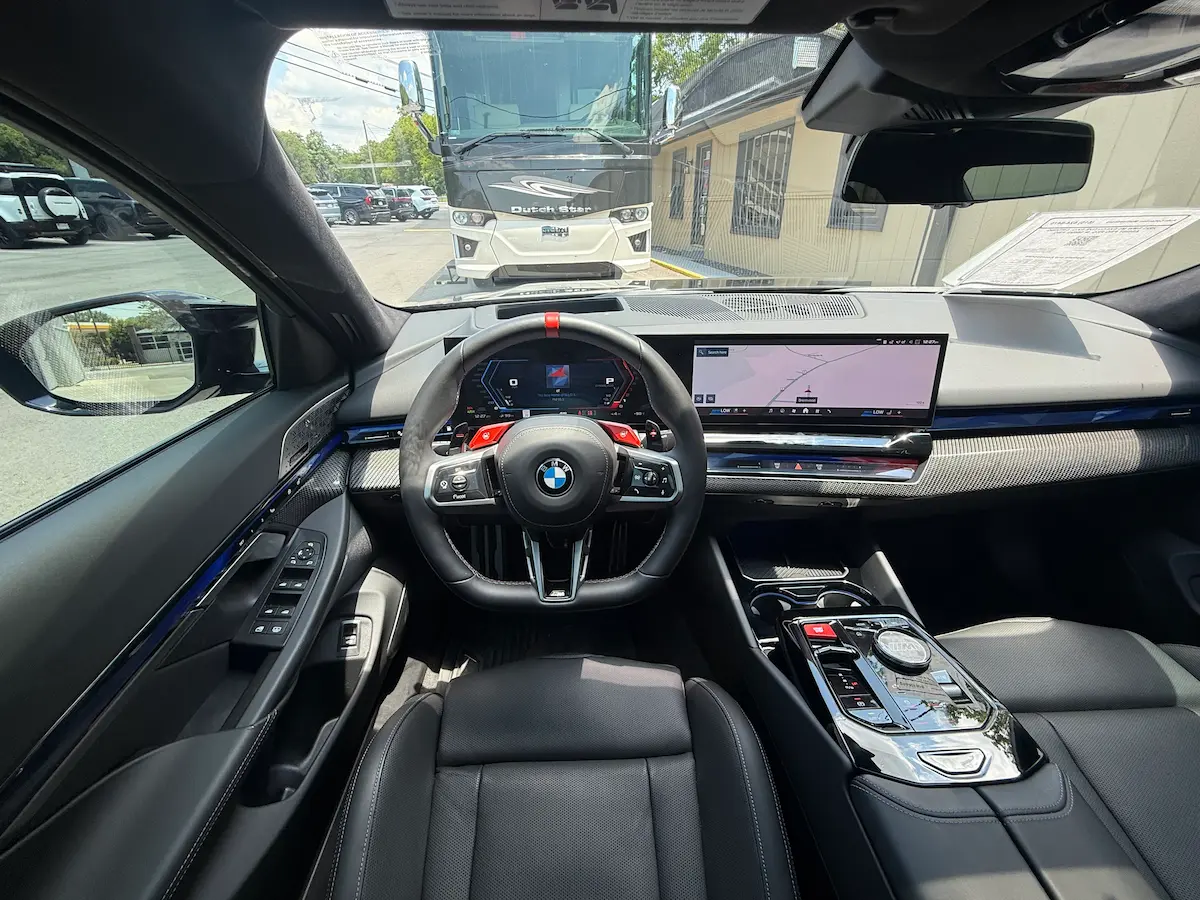
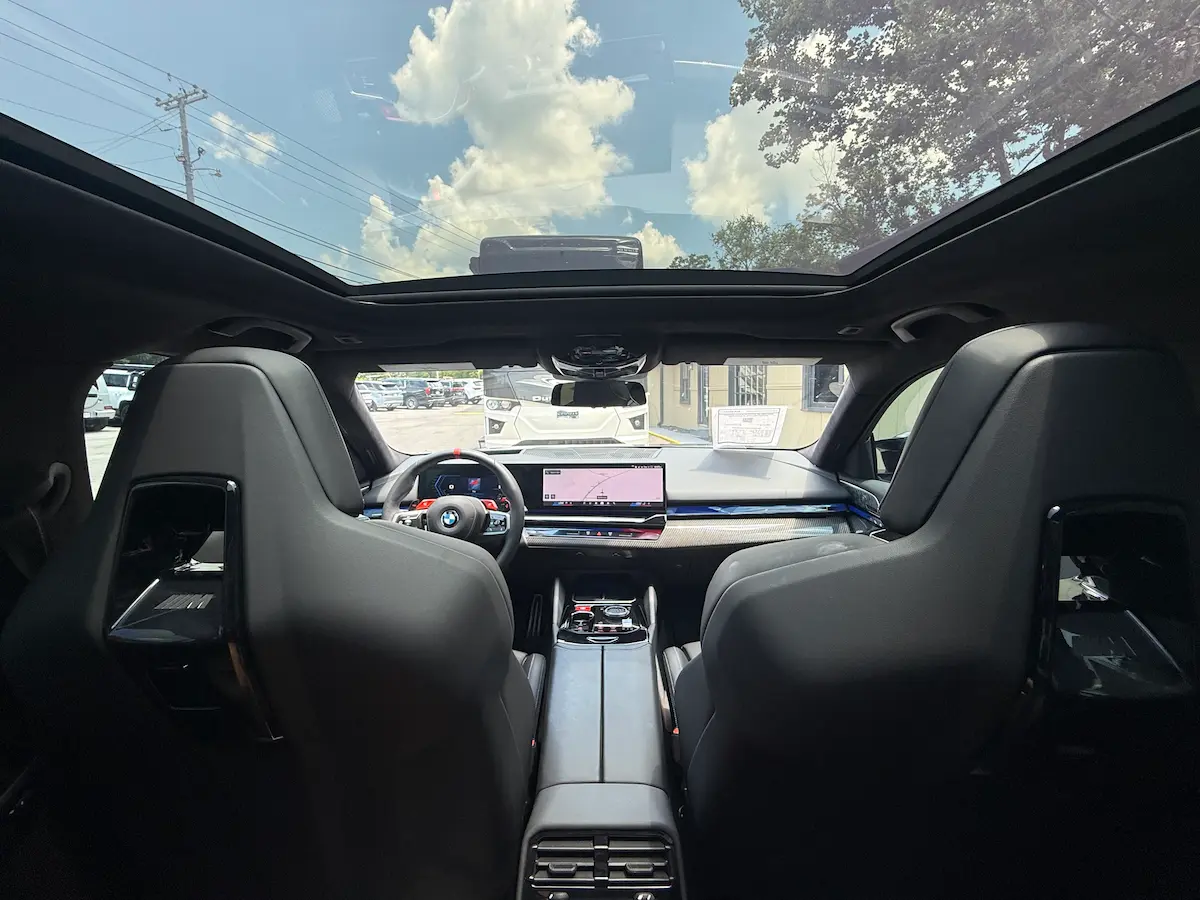
This is the buyer who wants real speed, strong presence, and a premium cabin, but still needs the car to work on normal days. Passengers matter. Comfort matters. Road trips matter. So does being able to commute, park, carry bags, and move through the week without planning around the car’s limits.
When One Car Needs to Do More
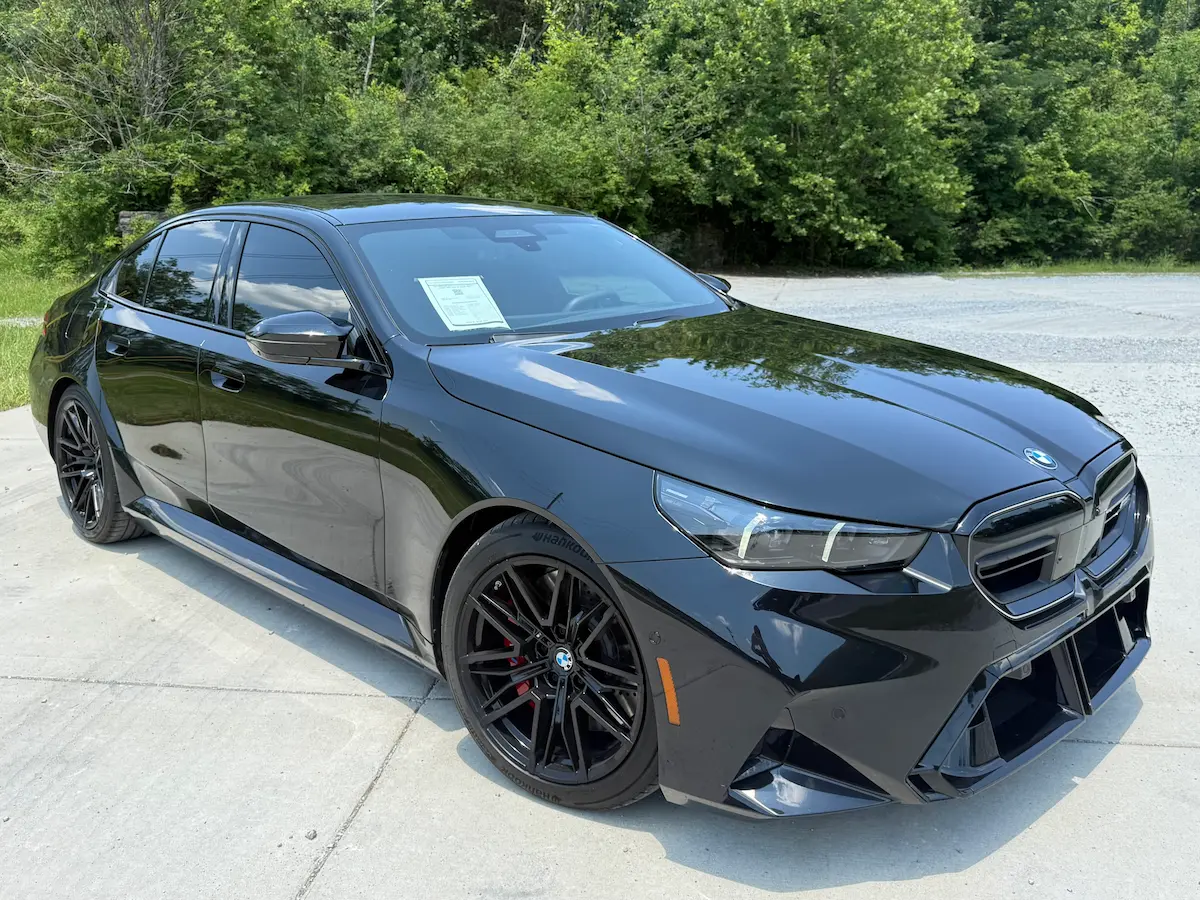
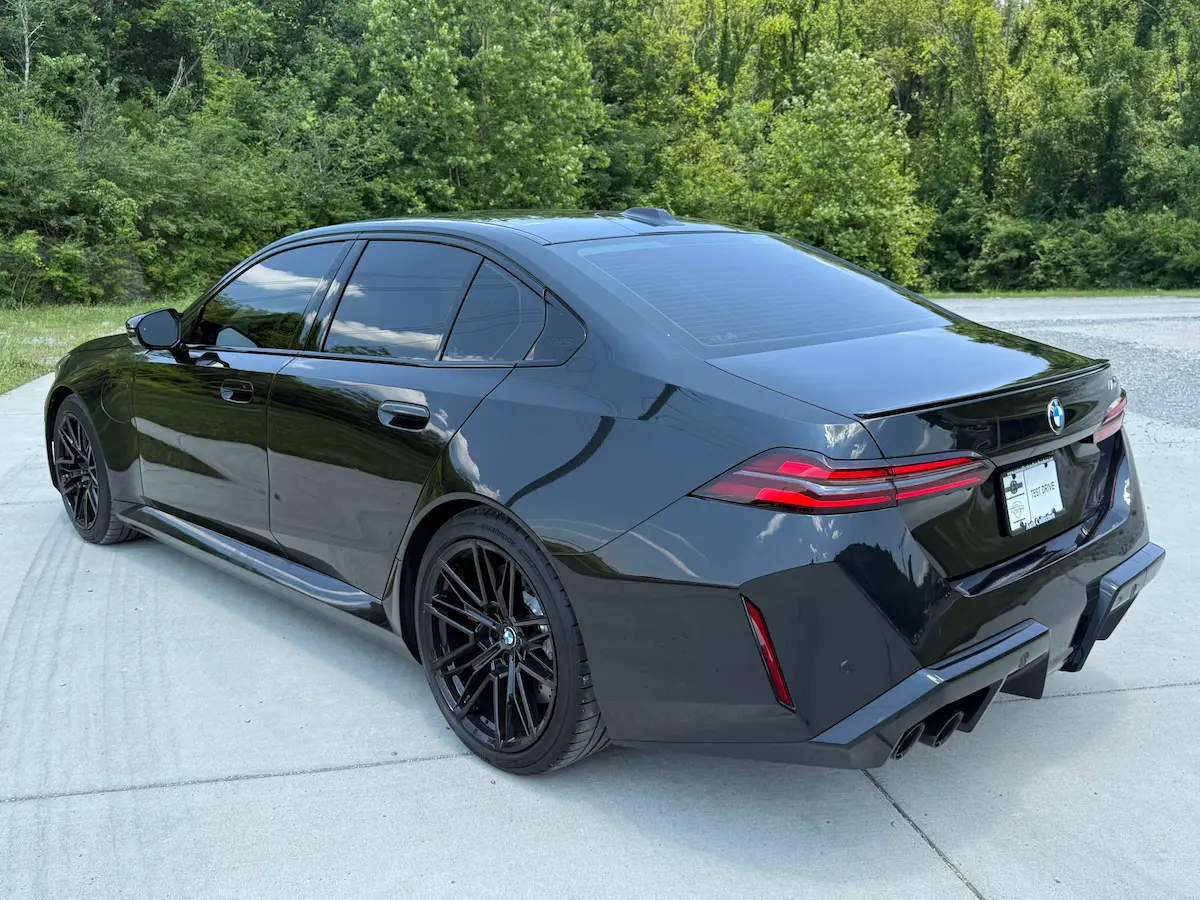
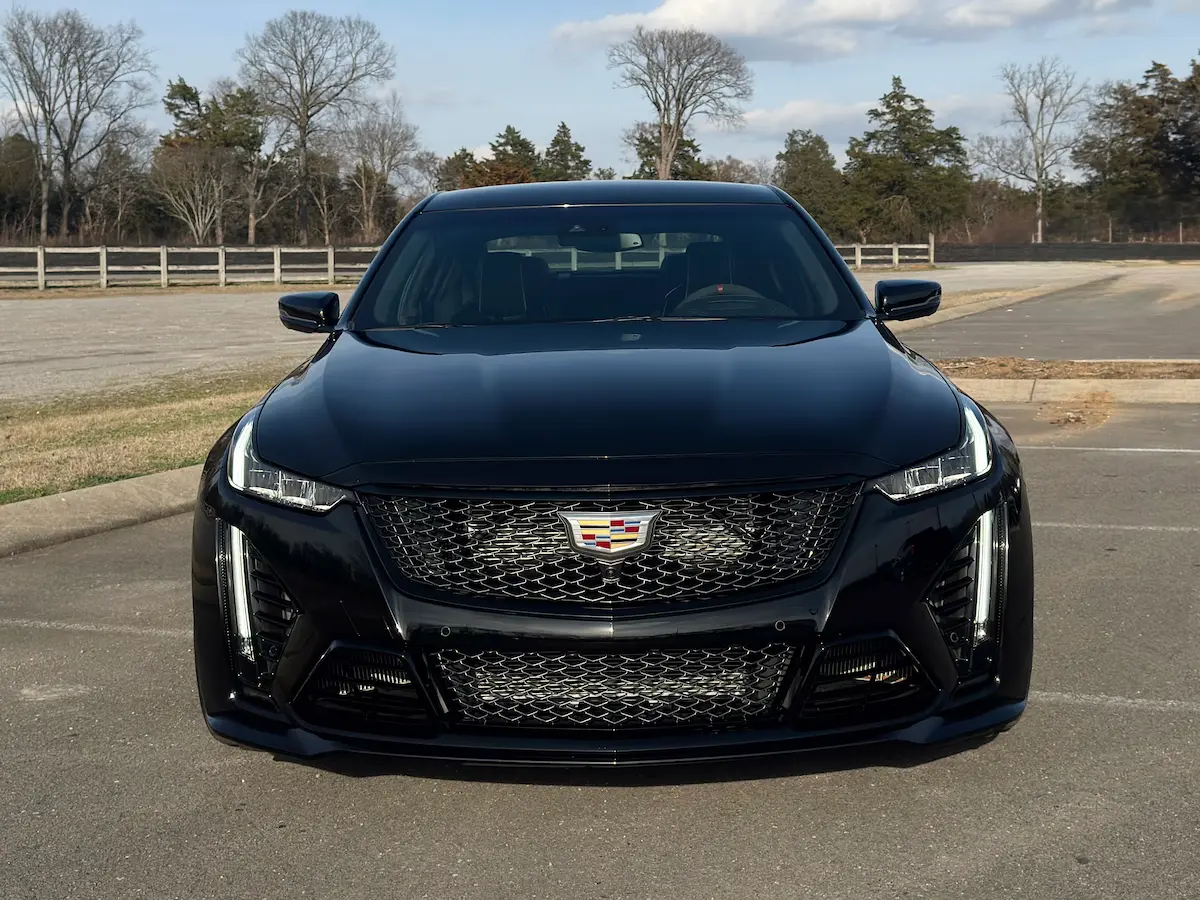
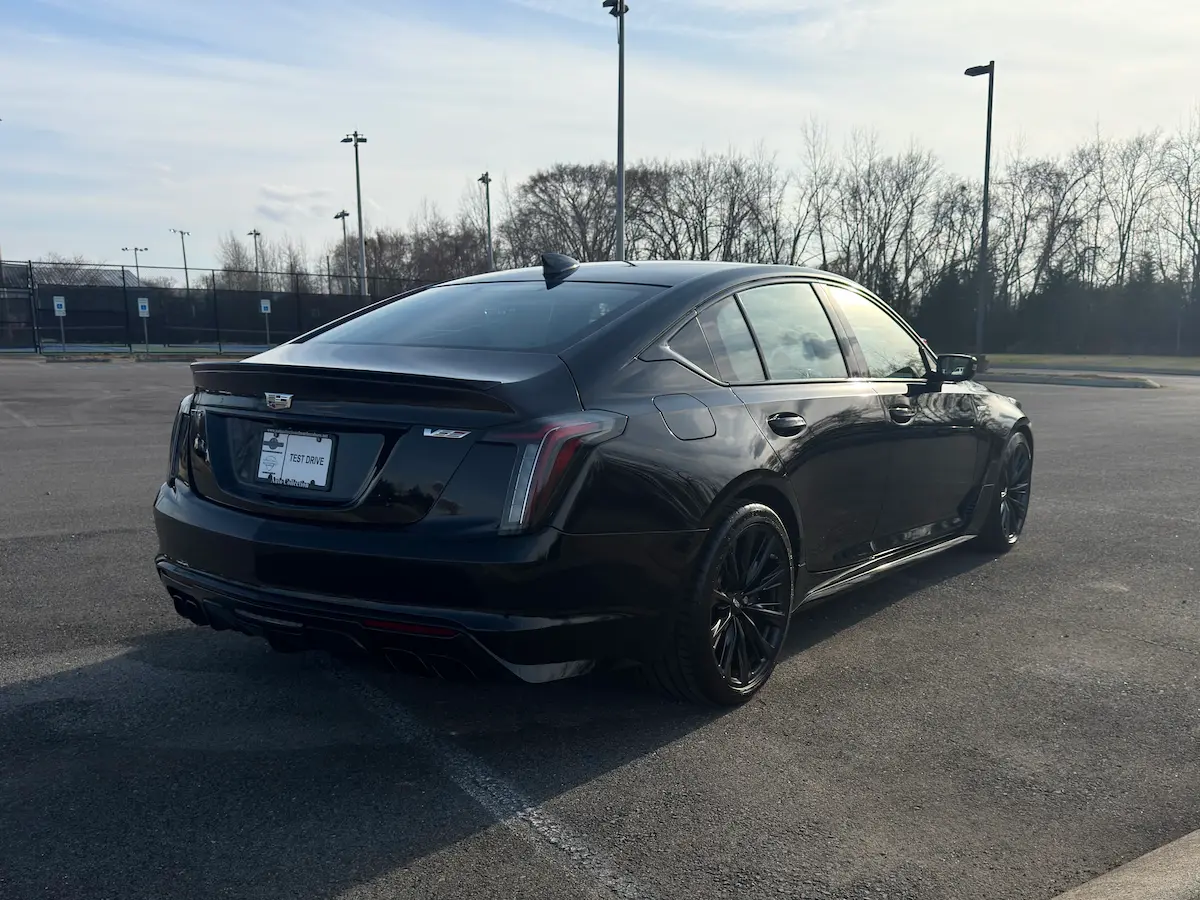
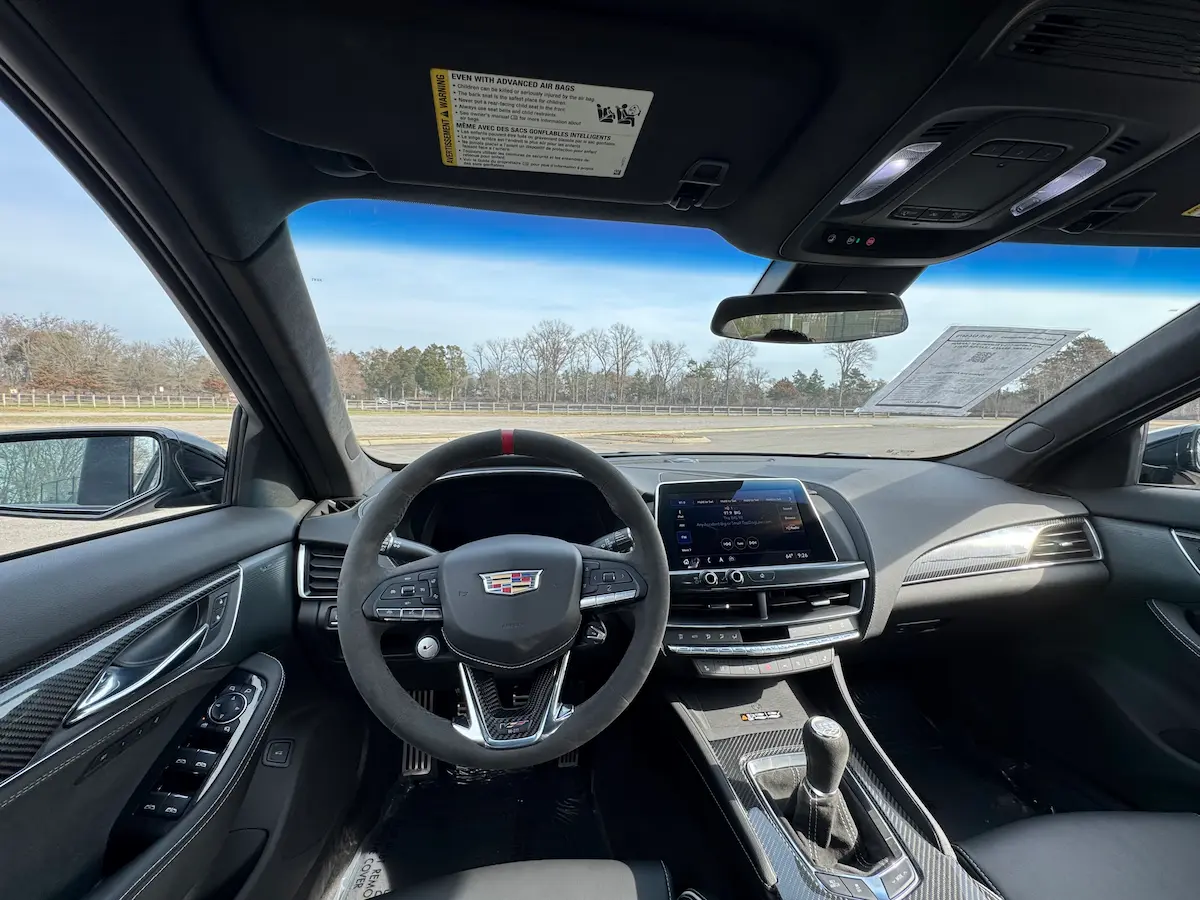
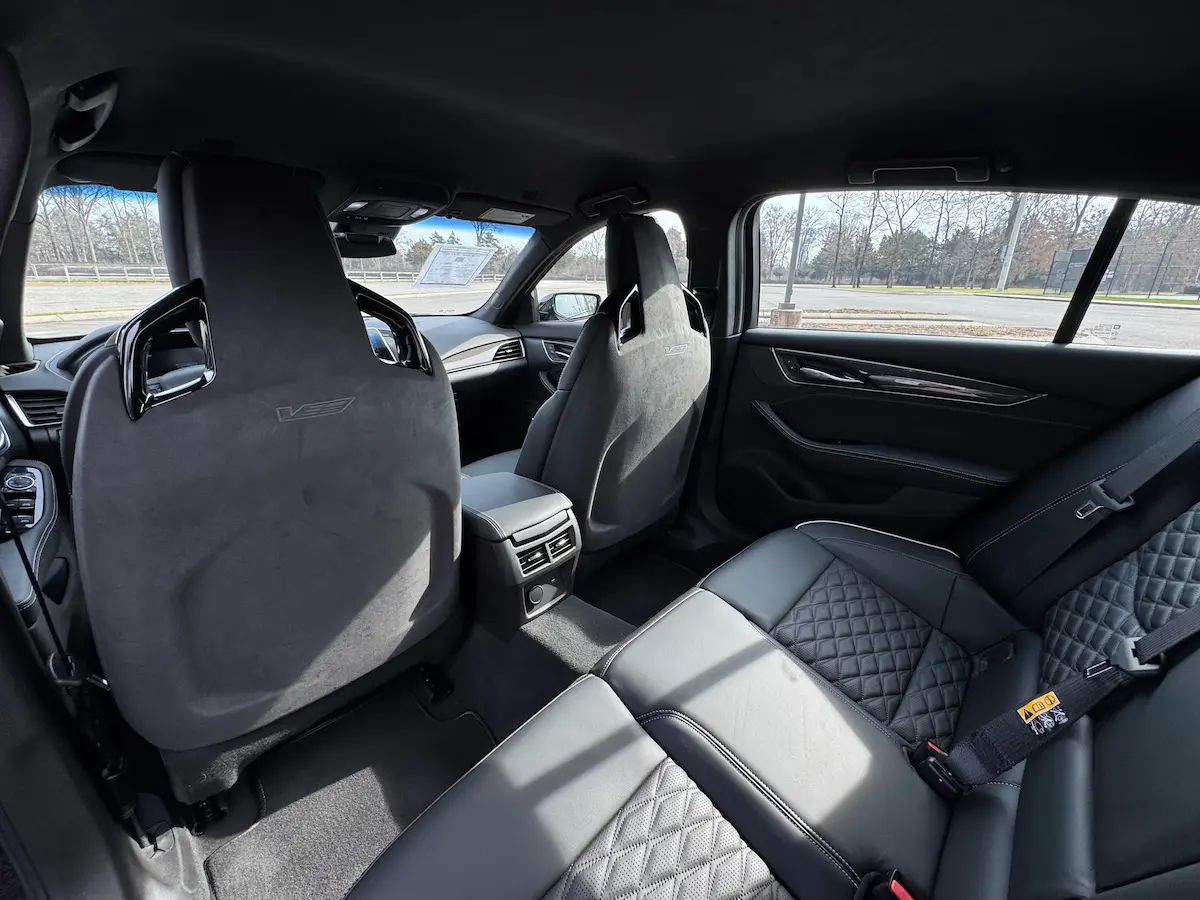
This is where cars like the BMW M3, BMW M5, Cadillac CT5-V Blackwing, Audi RS5 Sportback, Audi RS7, Mercedes-AMG E63, and Porsche Panamera make sense.
They may not feel as exotic as a Ferrari, McLaren, Lamborghini, or low-slung two-door sports car, but they often create fewer compromises over time. You still get serious performance, but you also get the space and comfort that make the car easier to use every day. For buyers leaning toward the more usable side of performance, our used BMW M3 buyer’s guide is a helpful next read.
A four-door performance car is often the better fit if:
- this will be your primary vehicle
- you regularly carry passengers
- you want comfort and performance in the same package
- you prefer quiet confidence over constant attention
- you drive in traffic often
- you take longer trips
- you want speed without giving up normal-car convenience
Why Daily Usability Matters More Over Time
The longer you own a car, the more daily usability matters.
A vehicle that fits easily into your life usually gets driven more often. And a car that gets driven more often usually creates more satisfaction.
That is where performance sedans can be quietly brilliant. They may not always win the emotional argument on the first drive, but they often win the ownership argument over time.
For buyers who want one car that can feel calm on Monday morning and exciting on Saturday afternoon, a high-performance sedan is hard to ignore.
For a broader look at how today’s performance sedans are evaluated, Car and Driver’s best sports sedans list is a useful outside reference.
What Buyers Often Get Wrong
The biggest mistake is buying the moment instead of thinking through the ownership experience.
A short drive can make a sports car feel like the obvious winner. The sound, shape, low seating position, and instant drama are easy to fall for. A sedan’s strengths are usually quieter. Rear doors, usable space, comfort, and easy daily manners may not feel exciting during a quick test drive, but they often matter more after you have owned the car for a while.
Chasing Horsepower Instead of Fit
Horsepower gets a lot of attention, but it should not control the whole decision.
Once you are shopping for a serious performance vehicle, most options are already fast enough for real-world driving. What matters more is how the car delivers that speed, how confident it feels, and how enjoyable it is when you are not using all of its power.
A car can be extremely fast and still feel wrong for your daily routine.
Underestimating Comfort and Space
Many buyers talk themselves into compromises too quickly.
They may say they rarely carry passengers, then later realize usable rear seats would have made the car easier to enjoy. They may assume cargo room does not matter, then start avoiding the car for errands, trips, or busy days.
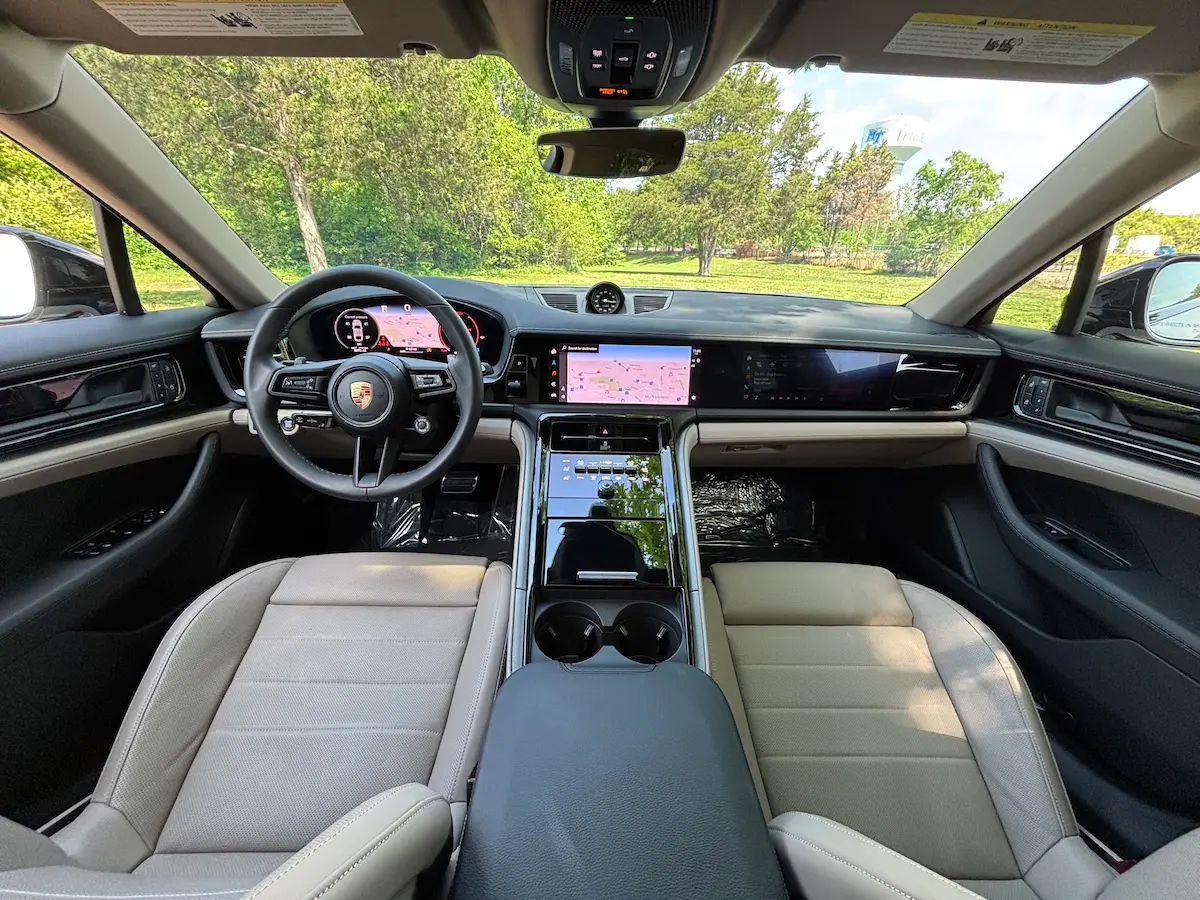
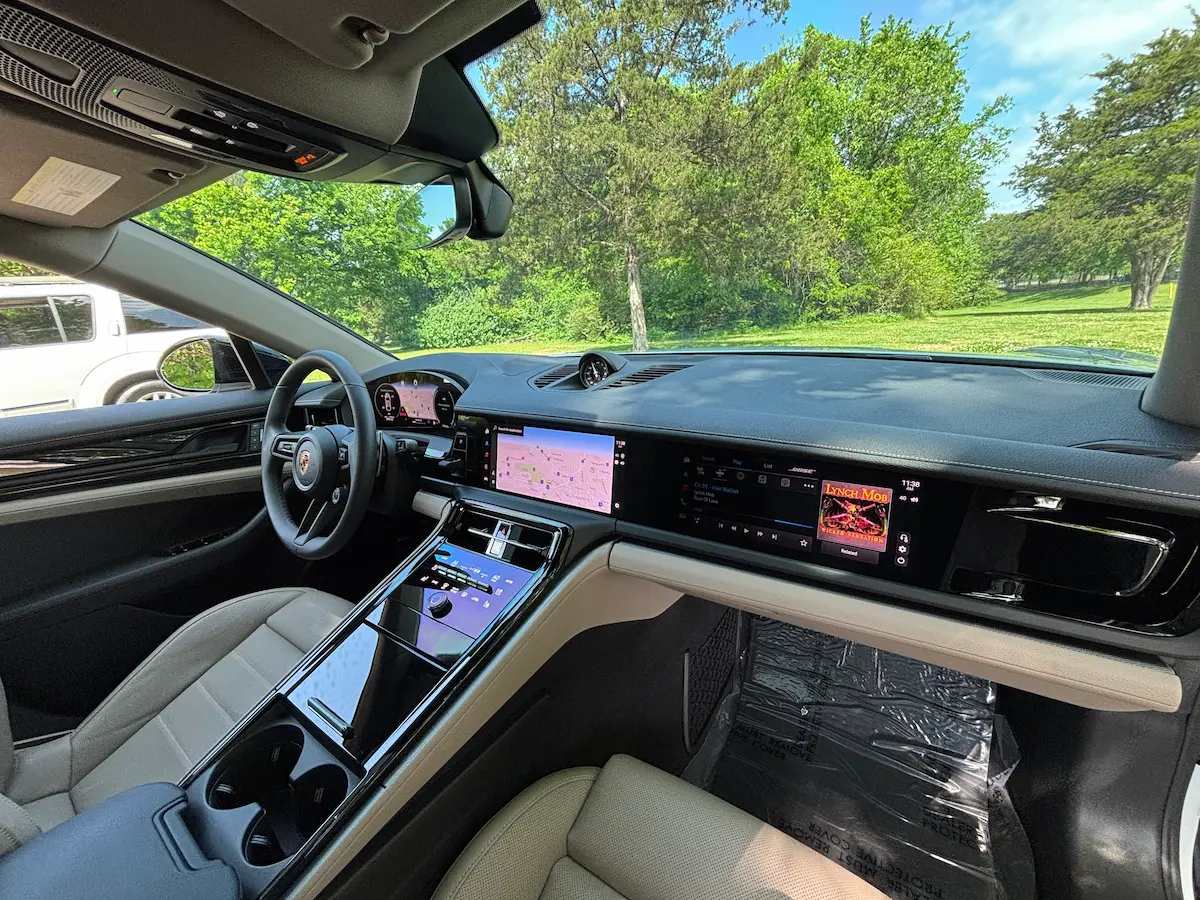
This is where a performance sedan can surprise people. A well-chosen BMW M car, Audi RS model, Cadillac Blackwing, Mercedes-AMG sedan, or Porsche Panamera may not have the visual drama of a Ferrari, McLaren, Lamborghini, Corvette, or 911, but it can feel more complete for the way many people actually drive.
Ignoring the Individual Car
Condition can matter more than category.
In the used market, the right individual car is often more important than the body style. Tires, brakes, service history, mileage, previous ownership, modifications, and overall condition can change the experience quickly.
A clean, well-kept performance sedan may be a better buy than a neglected sports car with a more exciting badge. The reverse can also be true.
The smartest buyers do not just ask, “Which one is cooler?”
They ask, “Which one will I actually enjoy owning?”
The Simple Decision Filter
The easiest way to narrow this down is to stop thinking only about the perfect drive and look at your actual week.
A performance car should feel exciting, but it should also make sense for the way you will really use it.
Ask Yourself These Questions
Start with the practical side first:
- Will this be your only vehicle?
- Do you carry passengers often?
- Do you need space for luggage, work bags, or weekend trips?
- Do you drive in traffic often?
- Do you care about easy parking and visibility?
- Do you want attention, or would you rather keep things more subtle?
If this will be your only car, a performance sedan deserves serious consideration. That does not rule out a Porsche 911, Corvette, Cayman, AMG GT, or another focused sports car, but it does raise the standard. The car needs to be comfortable, practical, and easy enough that you will still want to use it on ordinary days.
Think About the Kind of Attention You Want
This part is easy to overlook.
A Ferrari, McLaren, Lamborghini, Corvette, or low-slung Porsche will usually make a stronger visual statement. Some owners love that. It is part of the fun.
Other buyers eventually prefer the quieter confidence of a BMW M sedan, Audi RS model, Cadillac Blackwing, Mercedes-AMG sedan, or Porsche Panamera. These cars still feel special, but they do not always announce themselves in the same way.
Neither choice is wrong. You just need to know which one fits your personality better.
Judge the Car, Not Just the Category
Finally, focus on the specific car in front of you.
A performance car is not just a badge, body style, or horsepower number. It is a machine with history. Service records, mileage, tires, brakes, previous ownership, modifications, and overall condition should all matter in the final decision.
If possible, drive both types before deciding. Do not only focus on acceleration. Pay attention to how easy the car feels to park, place on the road, enter, exit, and imagine in your normal routine.
The right choice usually becomes clearer when you stop asking which car is more impressive and start asking which one fits your life better.
What Comes Next
Once you know which type of performance vehicle fits your life better, inventory becomes much easier to compare.
At that point, you are not just asking, “Should I choose a sports car or a performance sedan?” You are looking at the details that make one individual car stand out from another:
- condition
- mileage
- service history
- ownership history
- tires and brakes
- options and configuration
- color combination
- overall care
Those details can change the value quickly, especially with high-end used performance cars.
A focused sports car may be the right choice if you want the car to feel special first. A performance sedan may make more sense if you want speed, comfort, and daily ease in one package. Both can be excellent choices when they match the way you actually drive.
AutoPro Nashville can help shoppers compare those paths across luxury, exotic, and high-end pre-owned vehicles , including buyers purchasing from anywhere in the U.S. with delivery available. In the end, the goal is simple: find the individual car that fits your life, not just the category that sounds best on paper.
What is the main difference between a sports car and a performance sedan?
The main difference is ownership style. A sports car is usually more focused on driver feel, emotion, and sense of occasion. A performance sedan still offers strong speed and handling, but it adds more usable space, comfort, and daily practicality.
Can you daily drive a sports car?
Yes, many sports cars can be daily driven, especially models like a Porsche 911, Chevrolet Corvette, or Porsche Cayman. The important question is whether the car fits your routine. Traffic, parking, ride comfort, cargo space, and visibility can matter more over time than they do on a short test drive.
Is a performance sedan still fun to drive?
Yes. A good performance sedan can be very fun to drive because it combines strong acceleration, confident handling, premium comfort, and real-world usability. It may not feel as exotic as a low-slung sports car, but it can be more enjoyable more often because it fits daily life better.
What should I check before buying a used performance car?
Before buying a used performance car, look closely at service history, mileage, tires, brakes, previous ownership, modifications, and overall condition. With high-performance vehicles, the specific car in front of you often matters more than the badge or body style.
Is a used sports car or used performance sedan the smarter buy?
The smarter buy depends on how you will use the car. A used sports car may be better if you want a more emotional, driver-first experience. A used performance sedan may be better if you want serious performance with more comfort, passenger space, and daily usability.