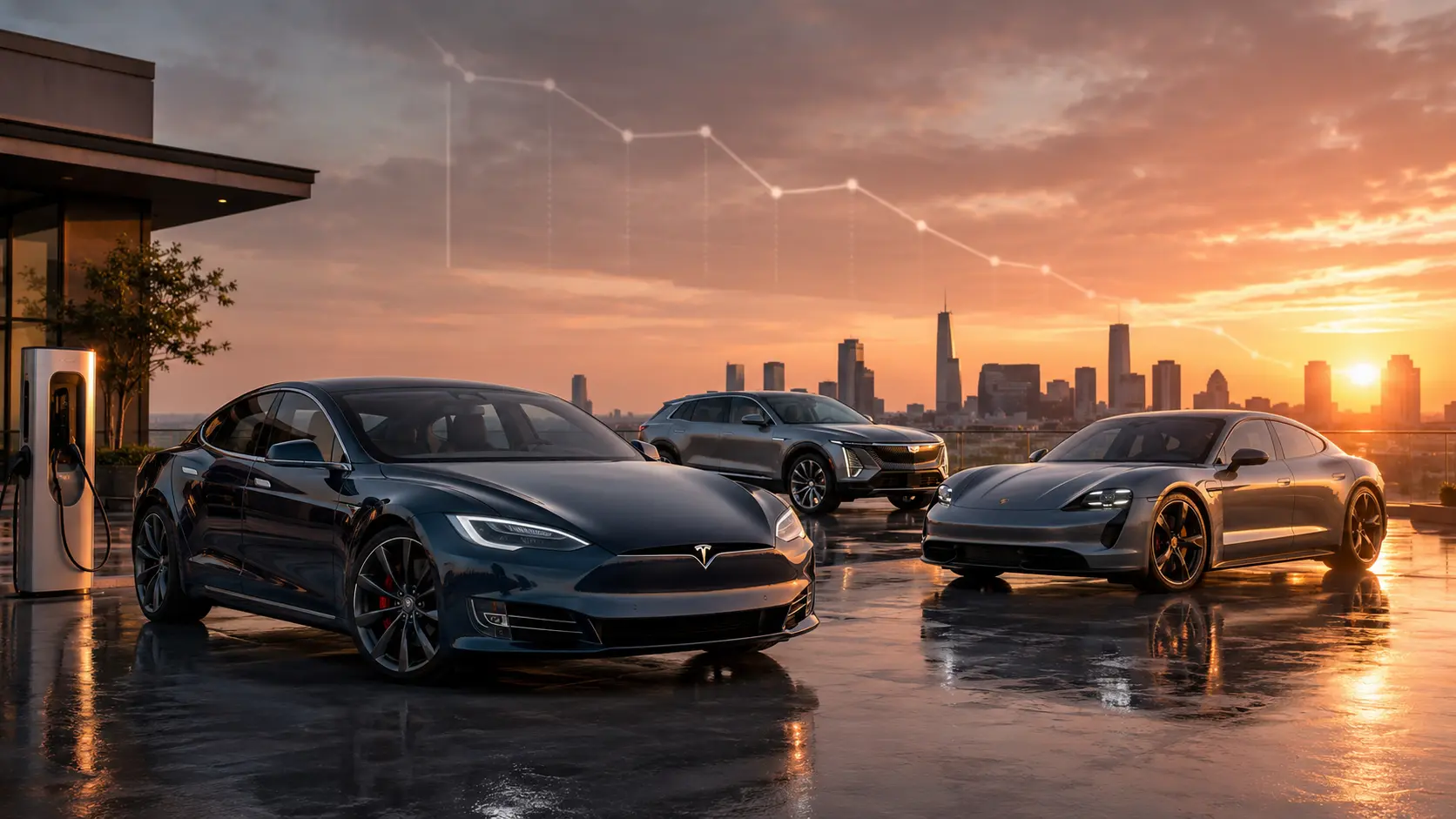
Used Luxury EV Depreciation: Smart Deal or Warning Sign?
A used luxury EV can look like one of the best deals in the market. A vehicle that originally carried a high price can sometimes drop into the same range as a gas luxury sedan, a midsize SUV, or even a newer non-luxury vehicle. At AutoPro Nashville, shoppers often call 615-377-6101 because they are not just asking whether the price looks good. They are trying to understand whether that lower price actually makes the vehicle a smart buy.
That is the real question with used luxury EV depreciation.
A lower price can create a real opportunity. It can give buyers access to quiet cabins, instant acceleration, advanced technology, and premium comfort for far less than the original MSRP. But depreciation can also be a warning sign if the vehicle no longer fits the buyer’s range needs, charging situation, warranty expectations, or long-term ownership plans.
This guide is not about whether electric vehicles are good or bad. It is about how to think clearly when a used luxury EV looks almost too affordable to ignore.
Table of Content
Why Used Luxury EVs Can Depreciate So Quickly
Luxury vehicles have always tended to lose value faster than more practical cars. They usually start with higher sticker prices, costly options, and a smaller group of used-car shoppers.
Luxury EVs add another factor: technology moves fast. New models often bring better range, quicker charging, updated software, and newer features. A luxury electric car that felt cutting-edge a few years ago can still be a great vehicle, but buyers may compare it to newer EVs with more capability.
There are other factors too. New-car incentives, changing EV demand, charging concerns, battery questions, and brand reputation can all affect resale values. When buyers are unsure what a used EV is worth, prices can drop faster than expected.
That does not mean used EV demand is weak. In fact, Cox Automotive reported that used EV sales were up year over year in early 2026, showing that lower prices are bringing more shoppers into the segment. The important point is that buyers are becoming more selective, especially when comparing range, price, charging access, and long-term confidence.
For shoppers, that can create both opportunity and risk. The key is figuring out whether the lower price reflects a great value or a potential drawback.
When a Used Luxury EV Becomes a Great Deal
A used luxury EV can be a smart purchase when the lower price gives you access to a vehicle that still fits your needs.
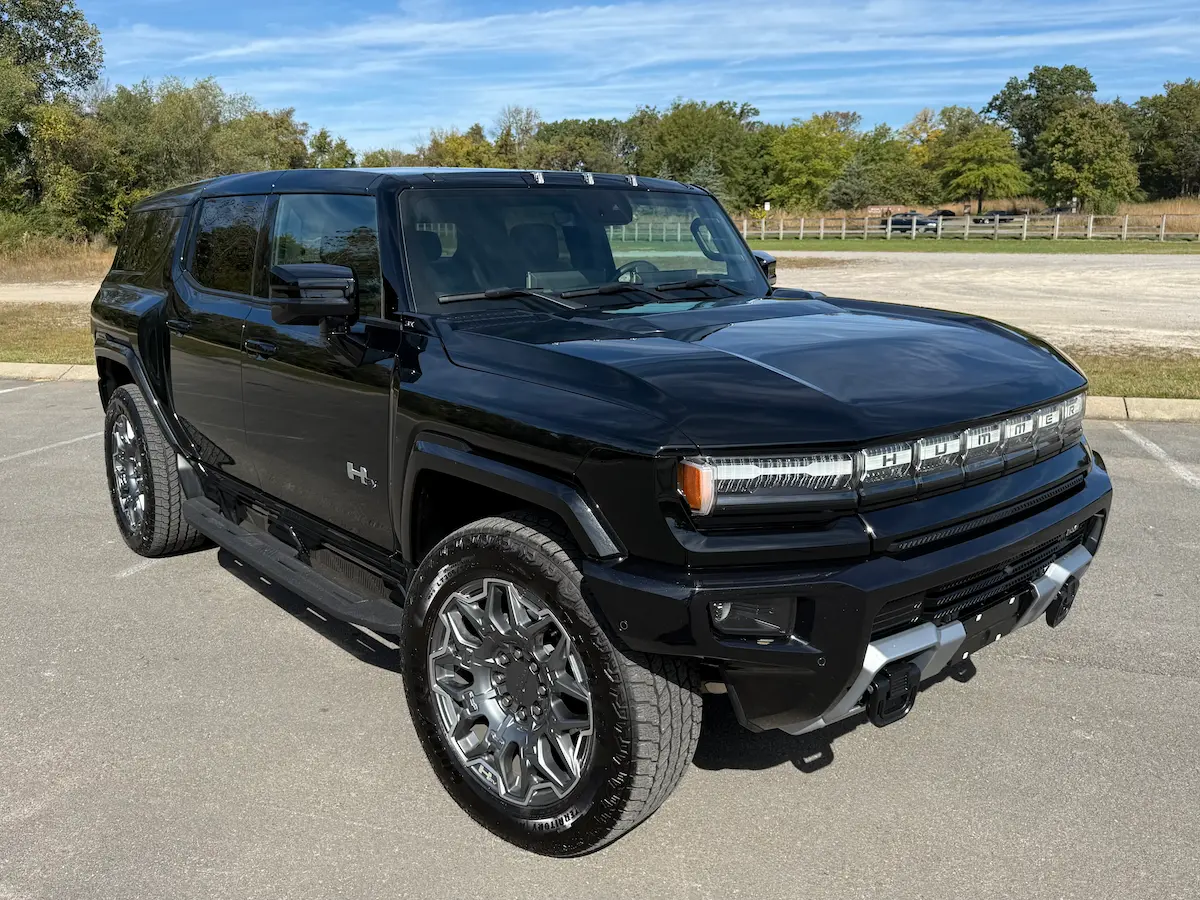
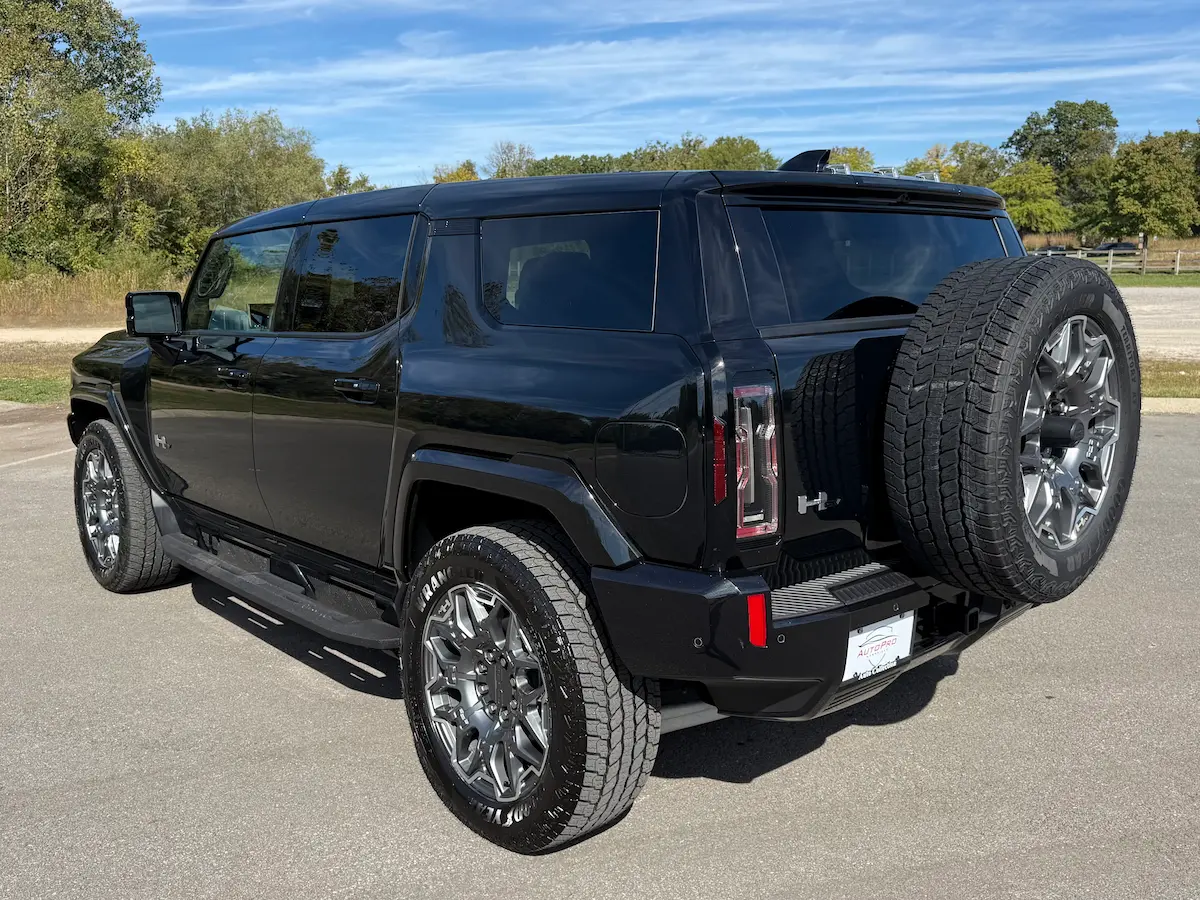
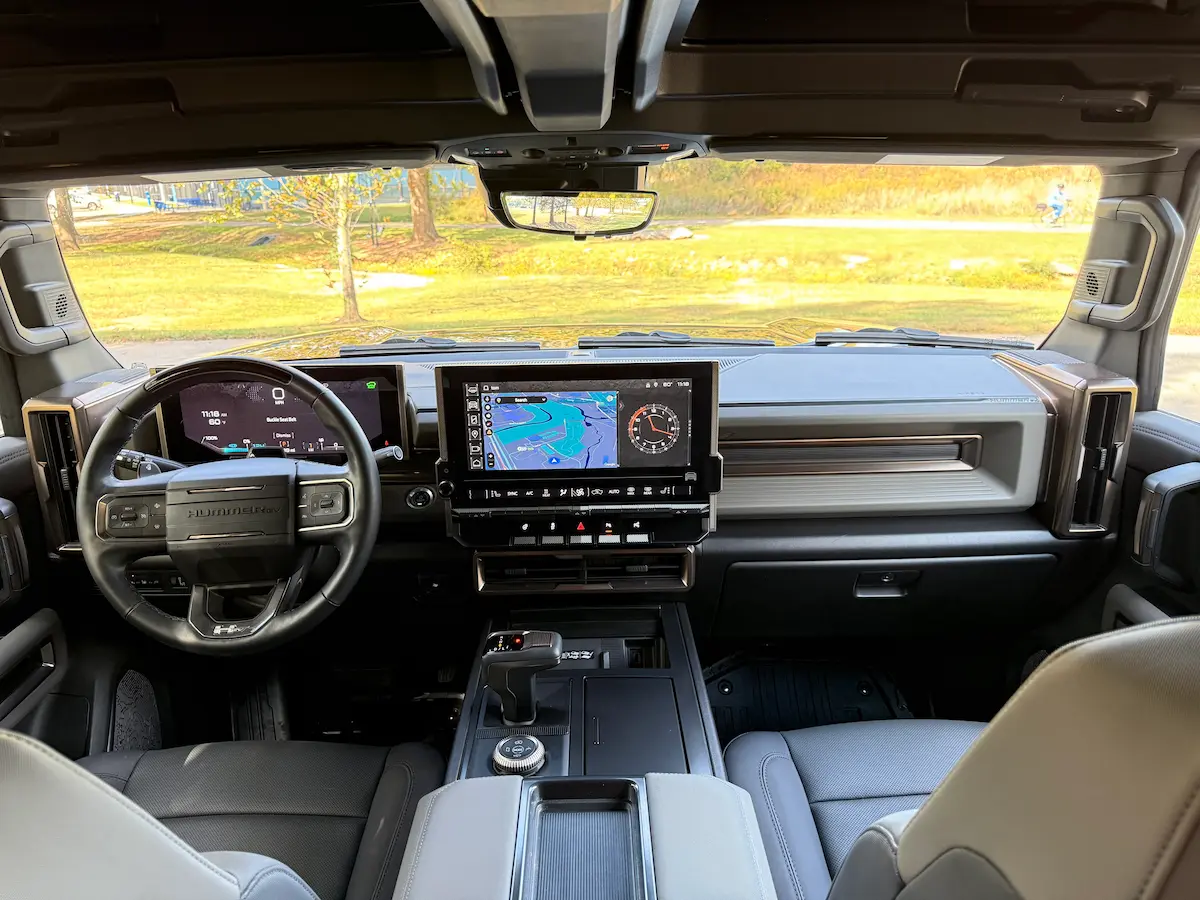
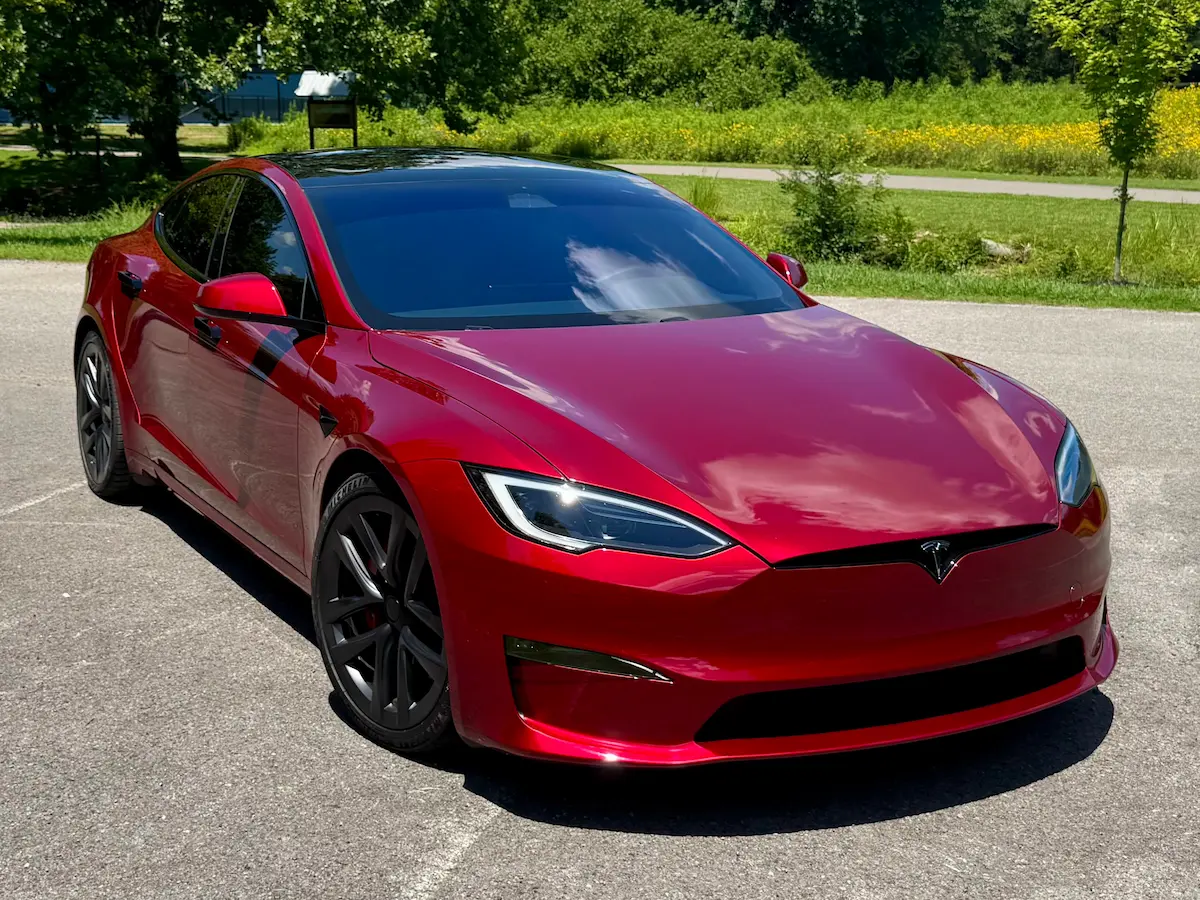
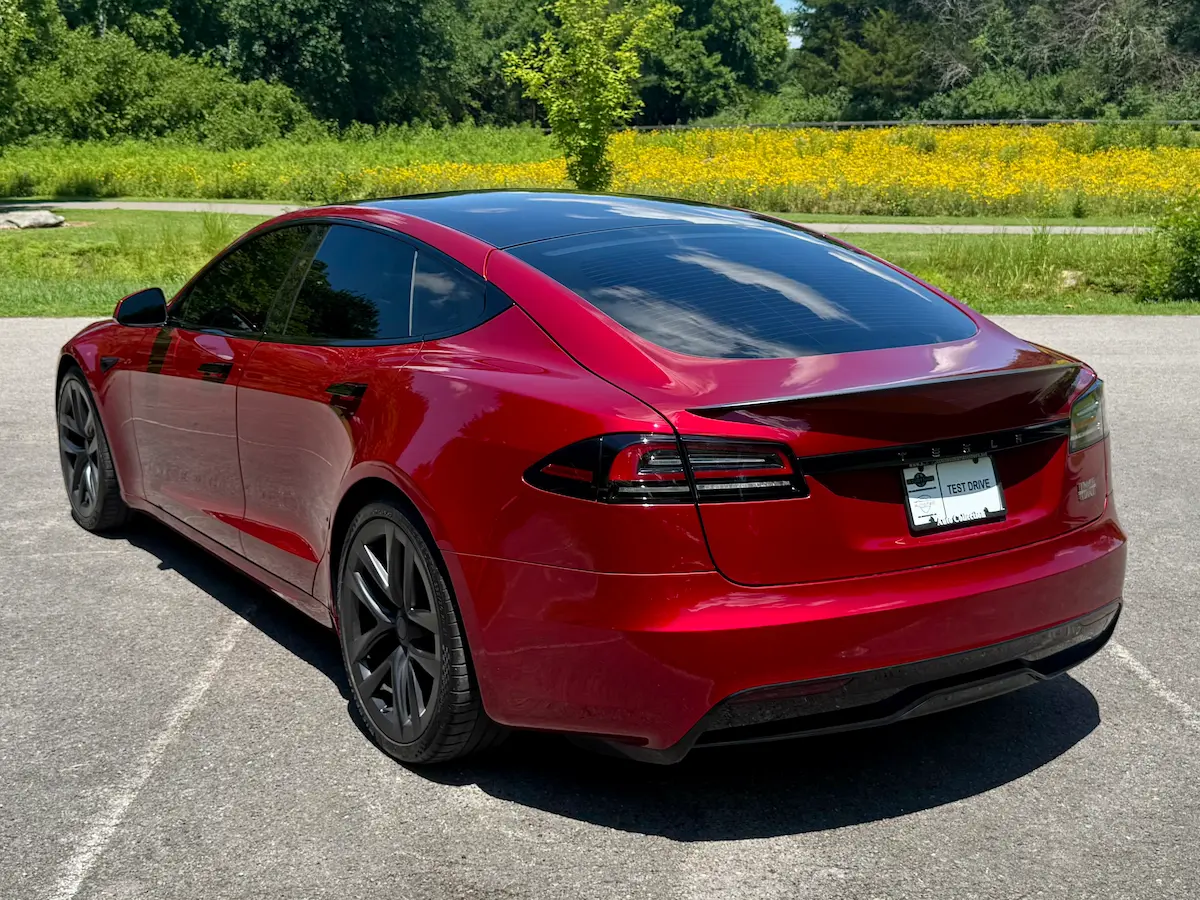
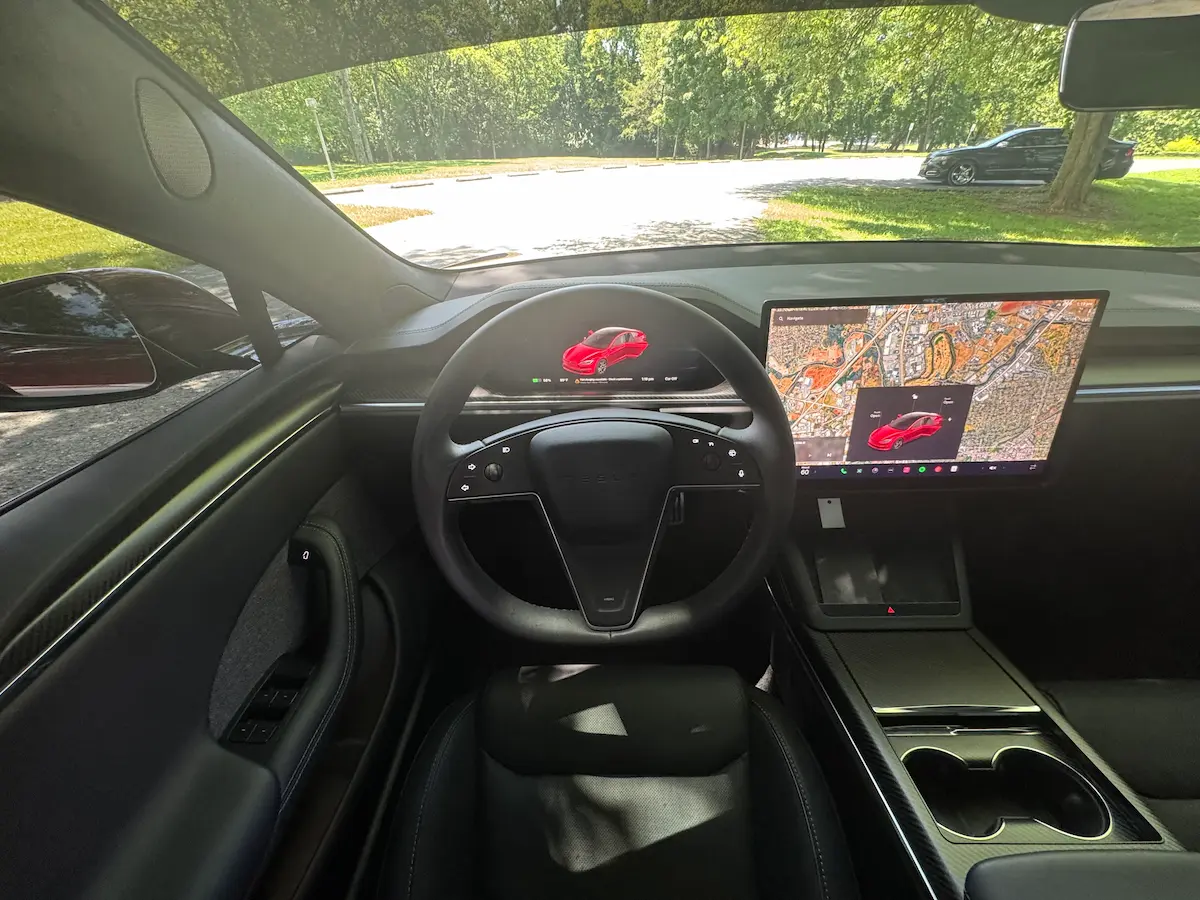
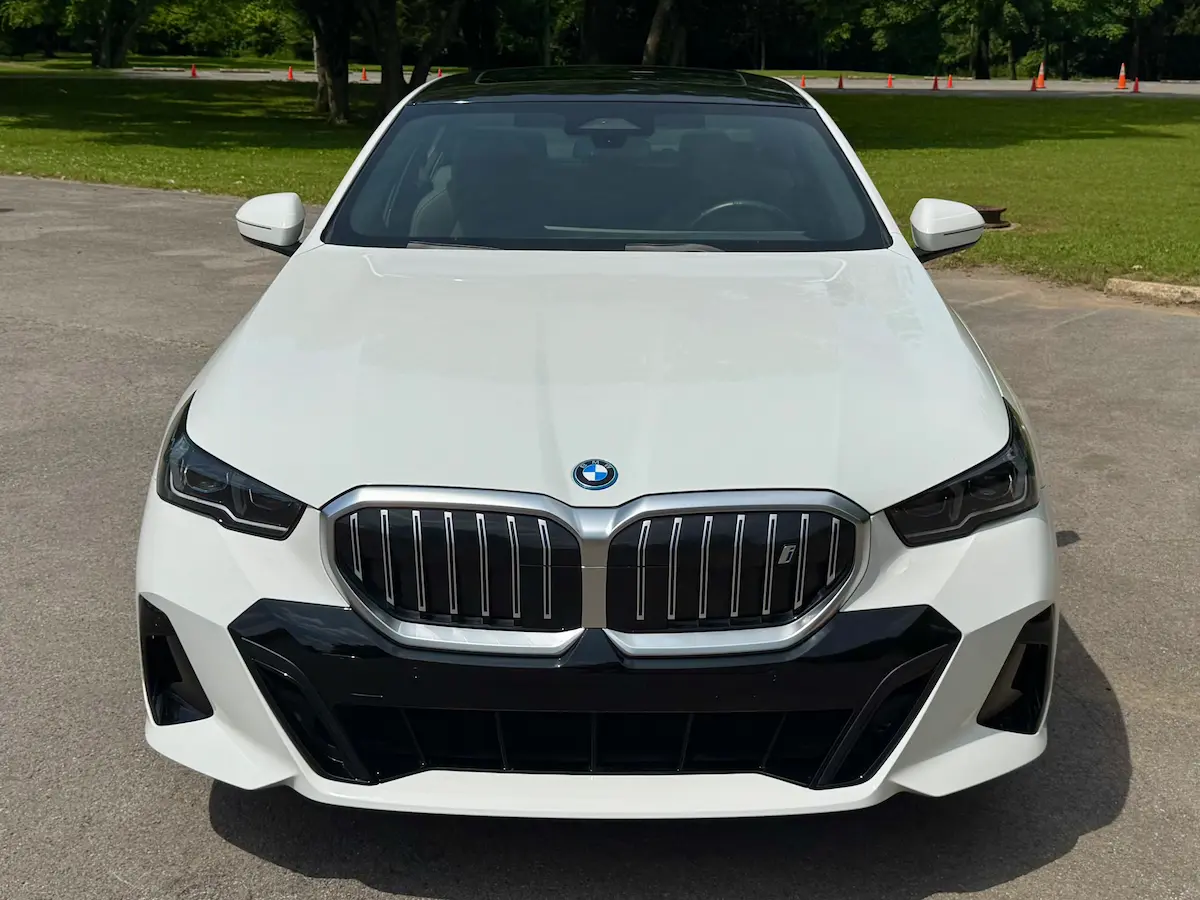
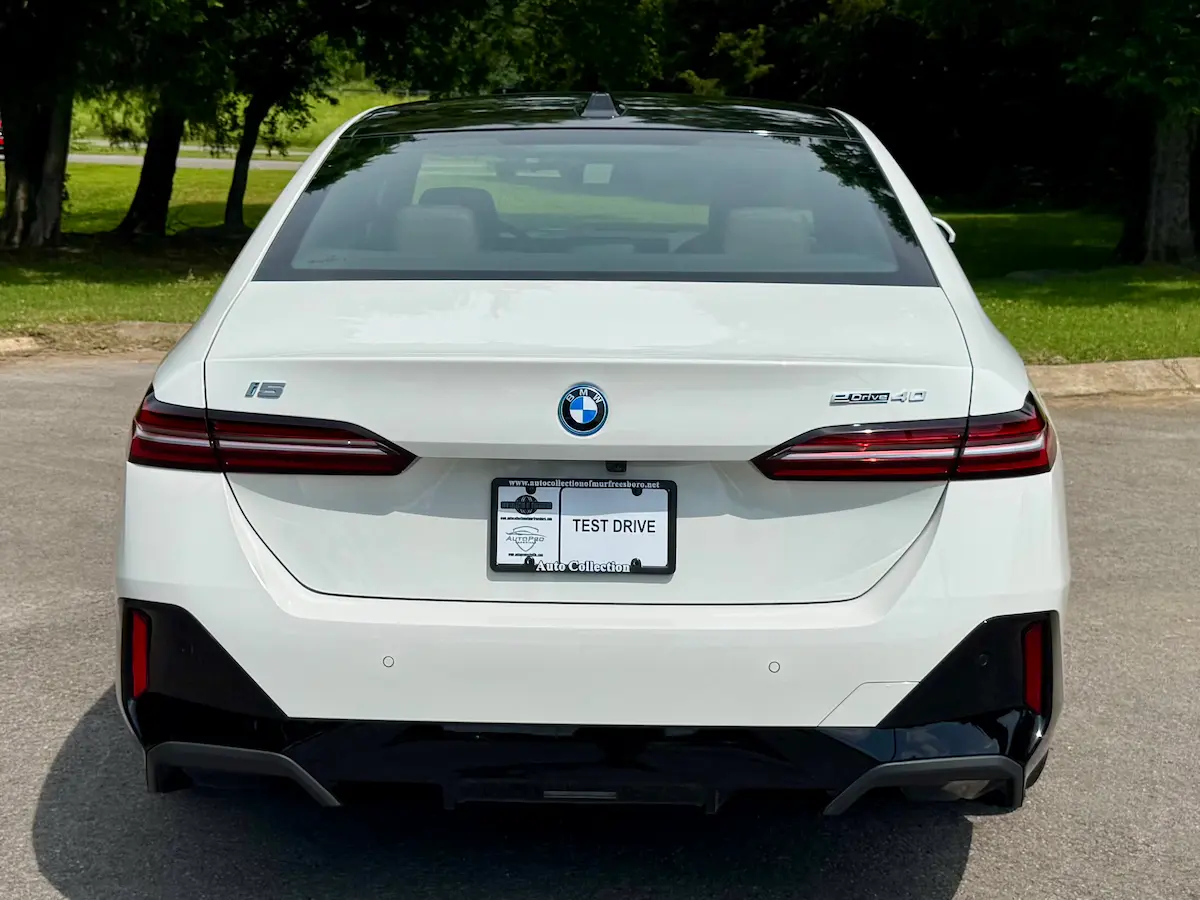
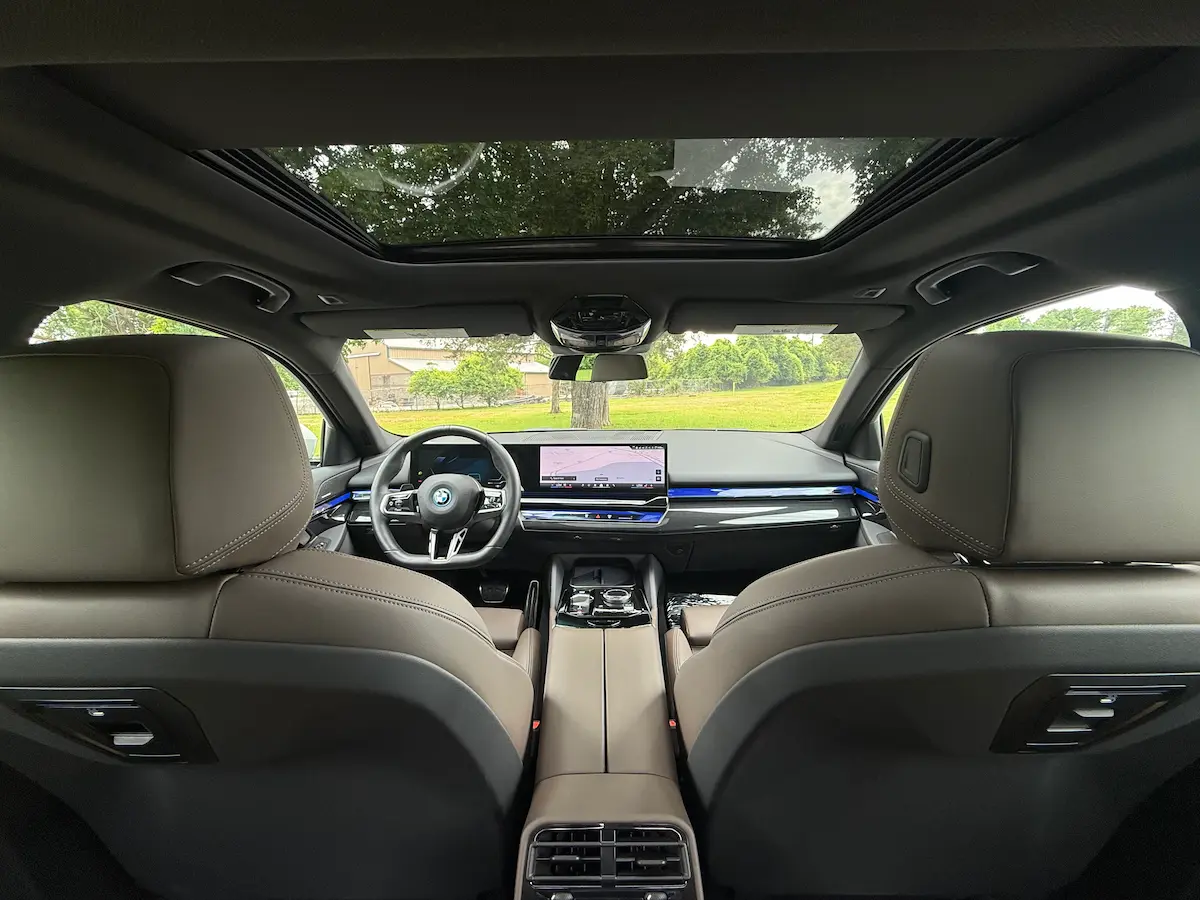
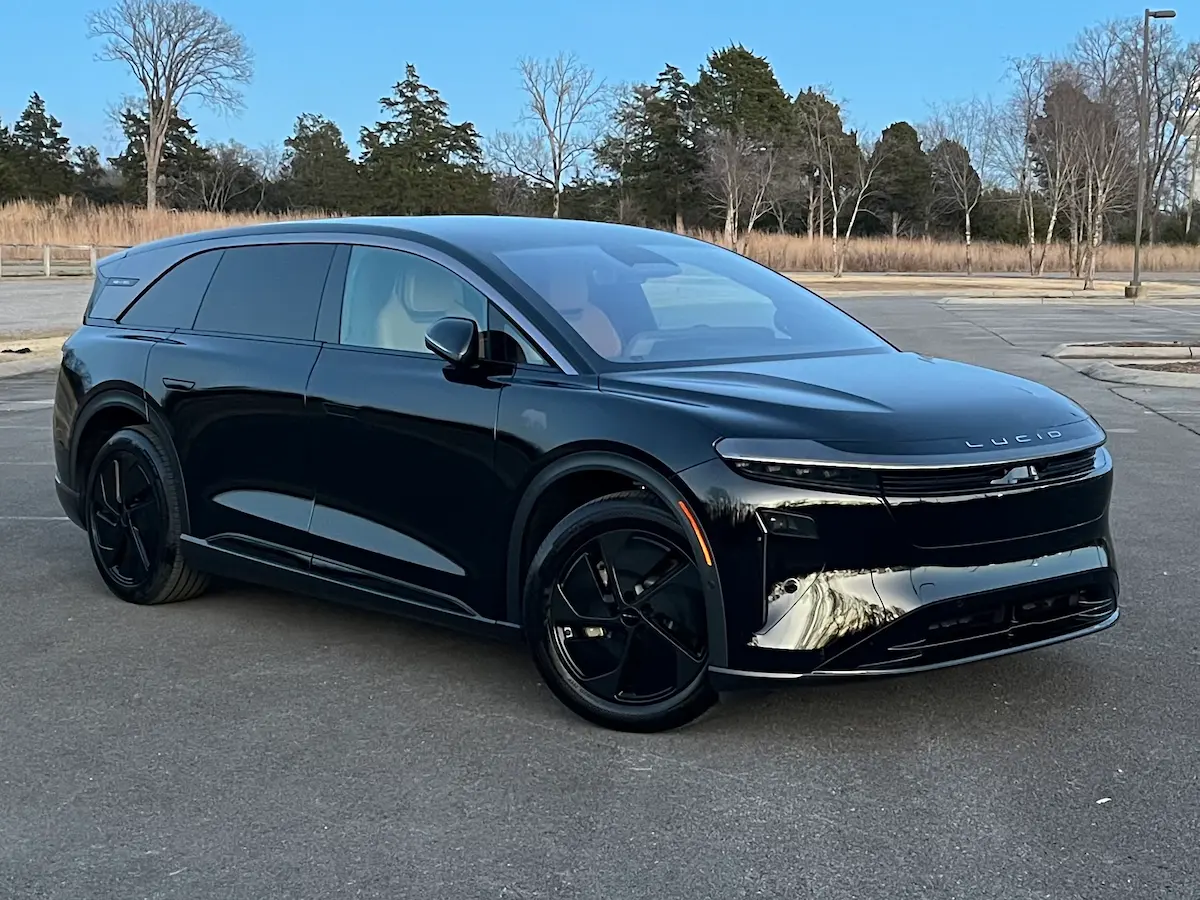
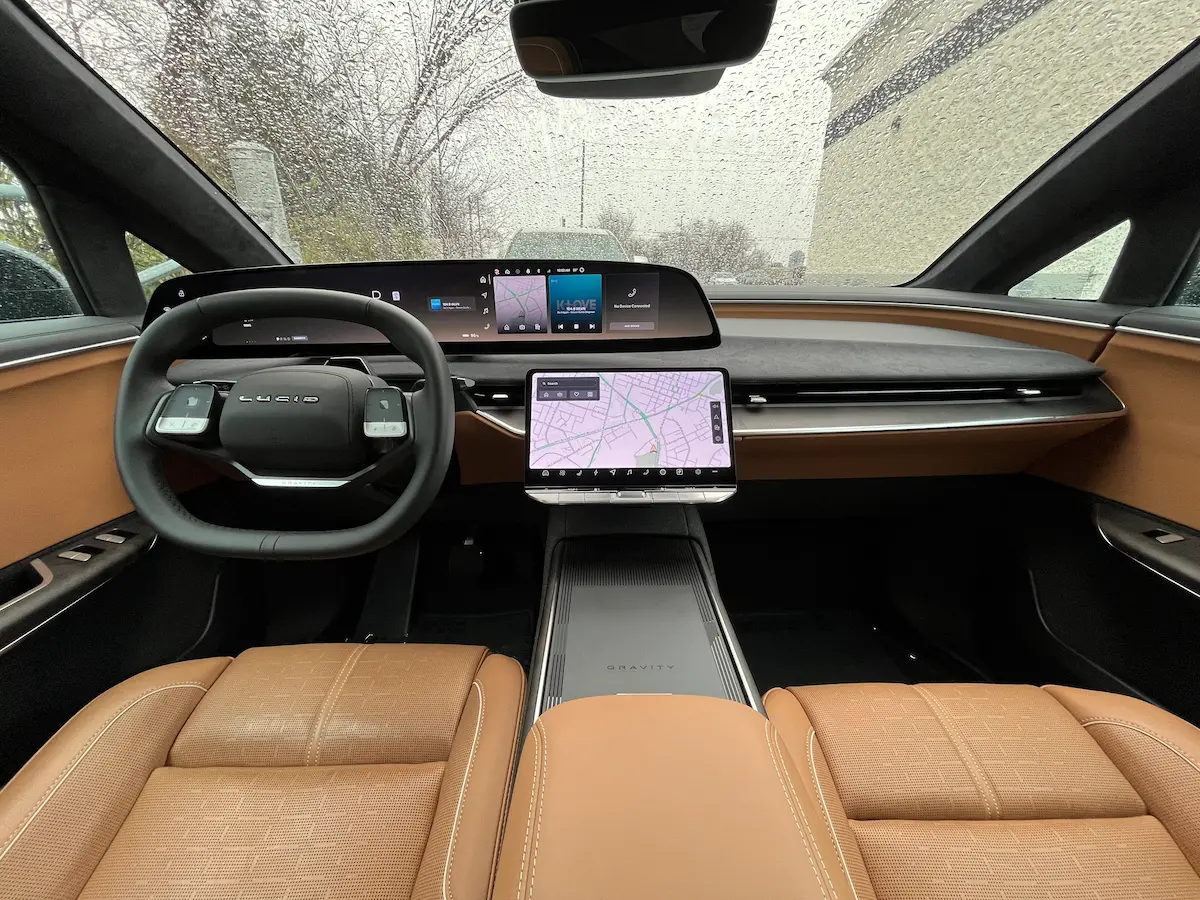
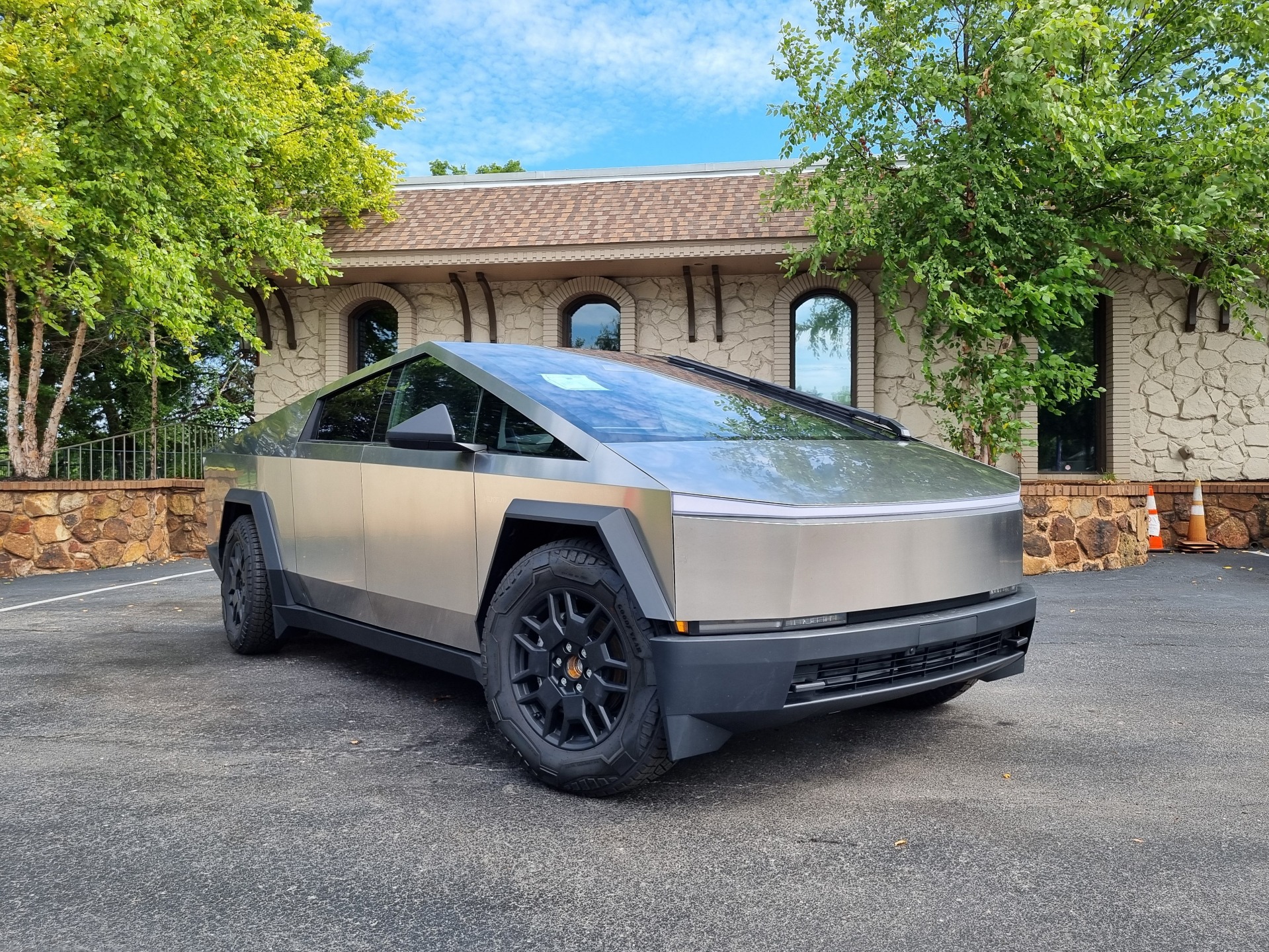
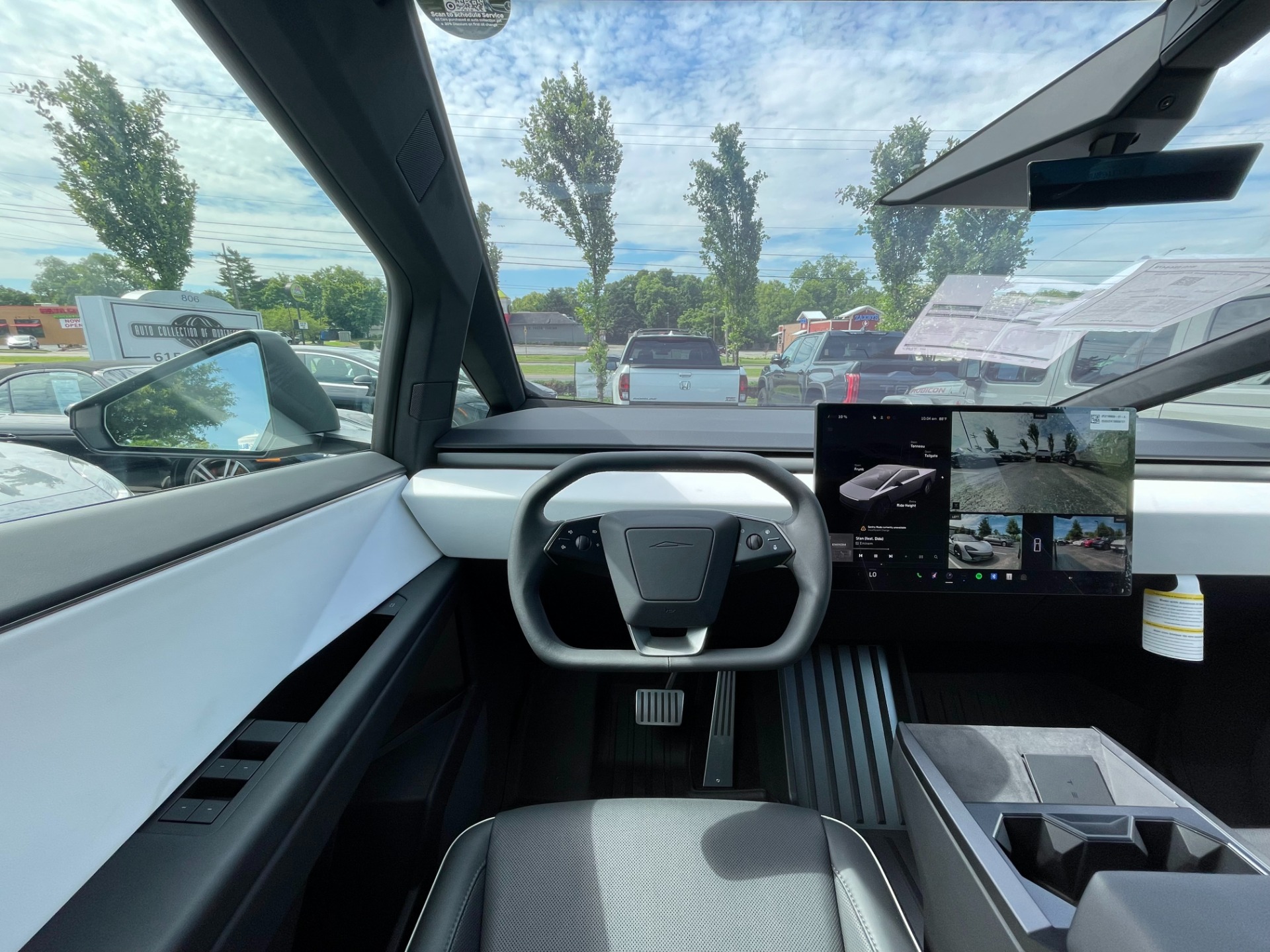
Models like the Tesla Model S, Model 3, Model Y, Porsche Taycan, Lucid Air, Mercedes-Benz EQS, BMW i7, Cadillac Lyriq, and GMC Hummer EV often offer premium interiors, strong performance, advanced tech, and a quiet ride for much less than their original price.
The best case is not always the newest or lowest-mileage EV. Sometimes it is the vehicle where the first owner absorbed the steepest depreciation, while the next buyer still gets strong usable range, modern technology, remaining warranty coverage, and a clean history report.
That value becomes even stronger if you plan to keep the vehicle for several years. Instead of worrying too much about short-term resale value, you get to enjoy the luxury experience at a much lower entry price.
The best used EV deals are rarely just about the cheapest price. They come from finding the right mix of condition, usability, warranty confidence, and everyday practicality.
When Depreciation Should Make You Pause
A big price drop is not always a good reason to buy.
Sometimes a luxury EV looks like an incredible bargain simply because it once carried a much higher MSRP. But what matters is whether it still works well for your lifestyle today.
A lower price can be a warning sign if the range is limited for your needs, charging is inconvenient, or the battery warranty is nearly gone. Buyers should also pay attention to vehicle history, tire condition, charging compatibility, and whether the technology still feels current.
It is also important to remember that depreciation may continue. Even after a large drop in value, some EVs can lose more value as newer models enter the market or buyer preferences change.
Instead of asking, “How much did this vehicle cost when it was new?”
Ask, “Does this vehicle still make sense for how I drive today?”
Battery Health Matters More Than Mileage
When shopping for a gas luxury car, most buyers start by looking at mileage. With a used EV, mileage still matters, but it is only part of the picture.
Battery health, real-world range, charging history, warranty coverage, and overall care can have a bigger impact on value than the odometer alone. Two electric vehicles with similar mileage can perform very differently depending on how they were used and maintained.
That is why it is important to look beyond the numbers.
A low-mileage EV is not always the better buy. If it spent long periods sitting unused or has limited battery information available, it deserves a closer look. Meanwhile, a higher-mileage EV with a solid service history and remaining battery warranty may actually be easier to feel confident about.
For a used luxury EV, what matters most is how it performs today. Current range and battery condition are usually more important than the original range estimate from when the vehicle was new.
Charging Access Can Make or Break the Deal
A used luxury EV is usually much easier to enjoy when charging fits naturally into your routine.
If you can charge at home or at work, ownership tends to feel simple. You plug in when convenient and start the next day with plenty of range. In that situation, the lower purchase price becomes much easier to appreciate.
Without convenient charging, the experience can be different.
Using public chargers regularly is possible, but it requires more planning. You may need to think about charger locations, charging times, and whether the vehicle fits your schedule. Some drivers do not mind that at all. Others find it becomes a frustration over time.
At the end of the day, charging access is really a lifestyle question. A great deal on a used luxury EV feels even better when charging is easy and convenient. If charging is difficult, the savings may not feel as valuable as they first appeared.
If you are still deciding whether electric or gas ownership fits your routine better, our used luxury EV vs gas luxury car guide breaks down that broader comparison.
Not Every Used Luxury EV Loses Value the Same Way
One of the biggest mistakes buyers make is treating all luxury EVs the same.
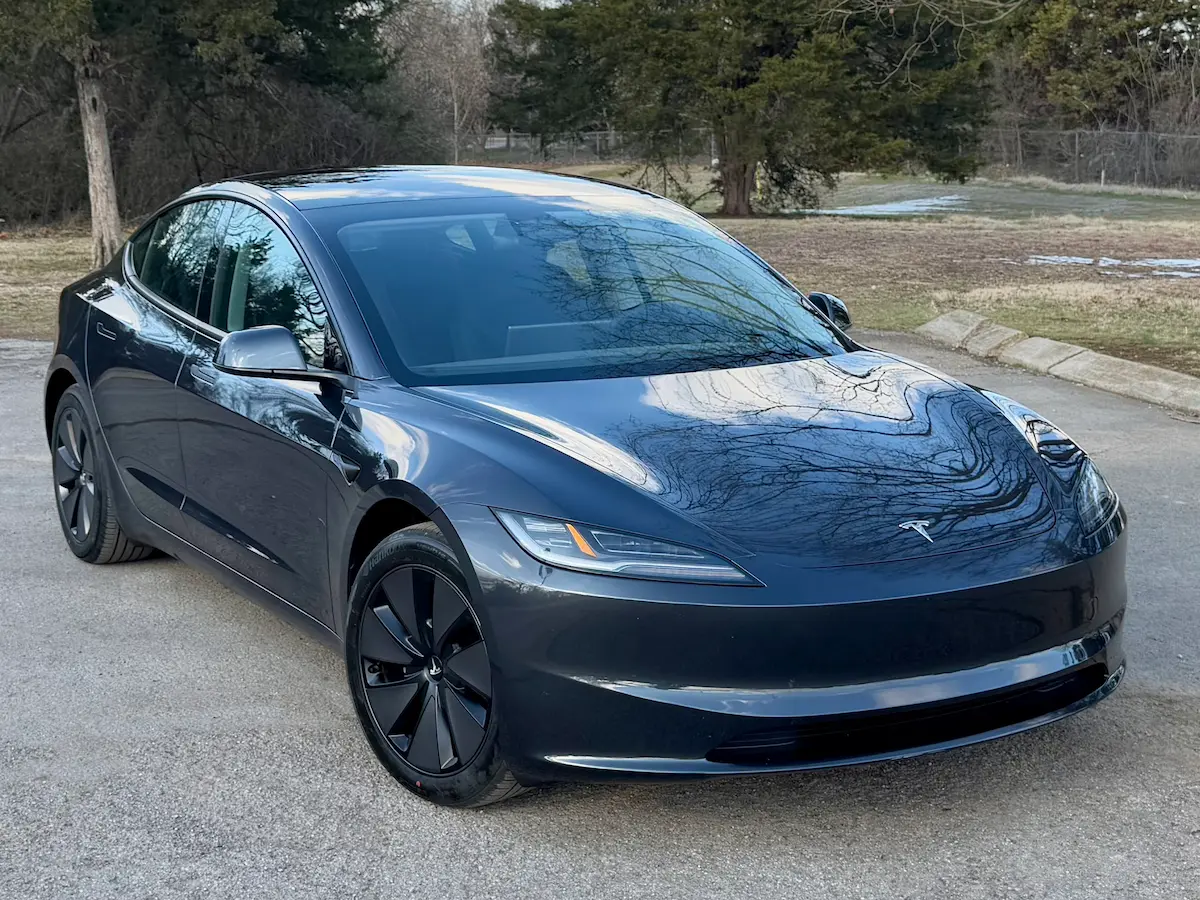
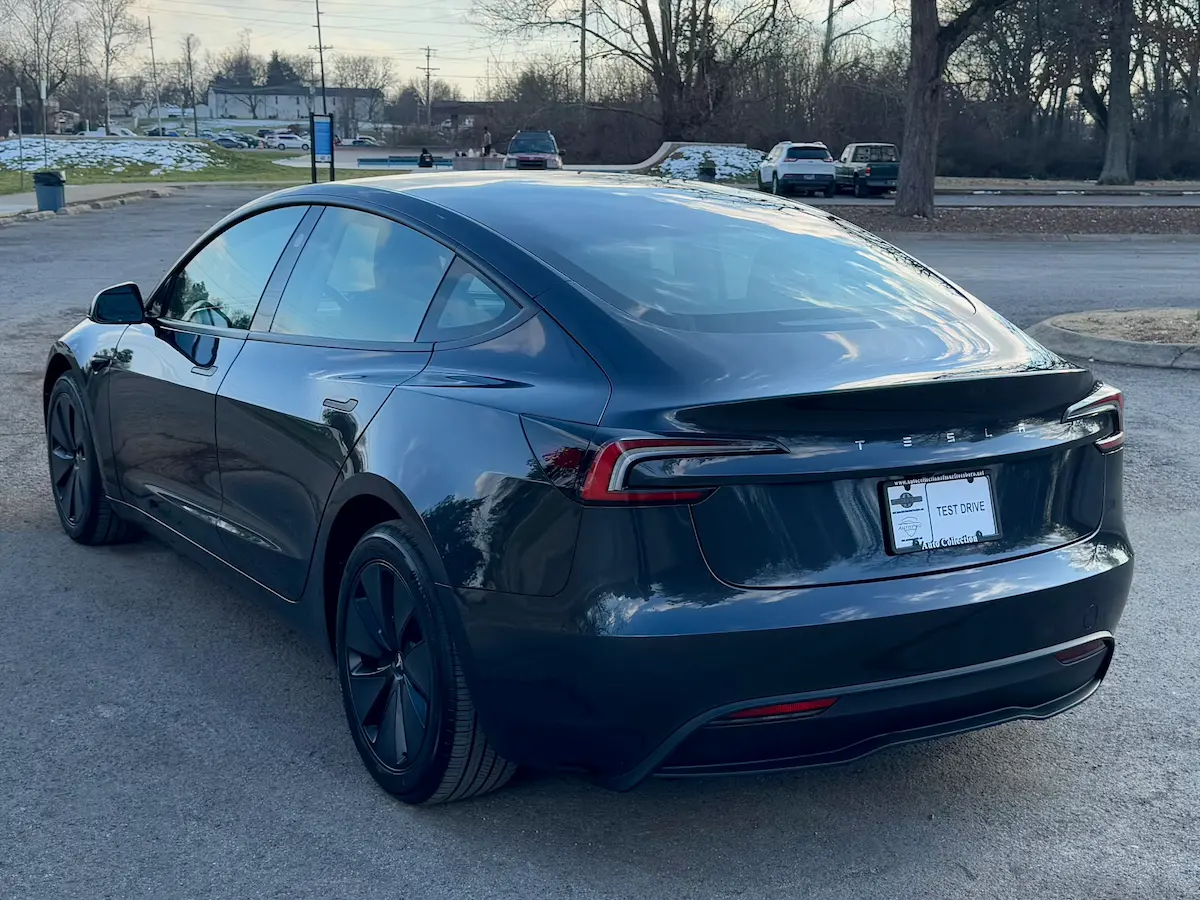
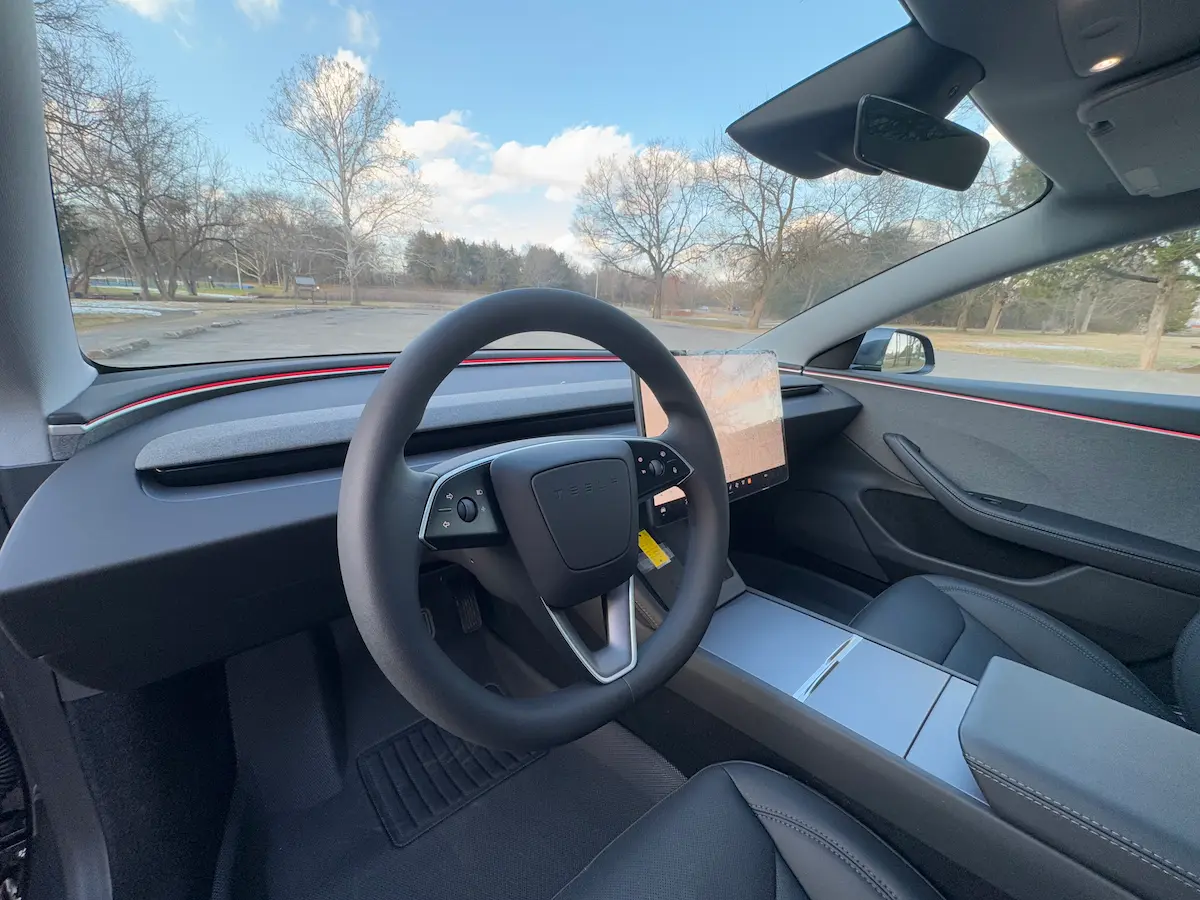
A Tesla Model 3 or Model Y is often easier to shop because there are so many on the used market. A Tesla Model S can be a great value, but older models deserve a closer look at range, software, and overall condition. A Porsche Taycan offers a more performance-focused driving experience, so tire costs, options, and warranty coverage deserve extra attention. A Mercedes-Benz EQS or BMW i7 can deliver outstanding comfort and tech, though luxury-car depreciation is often part of the story.
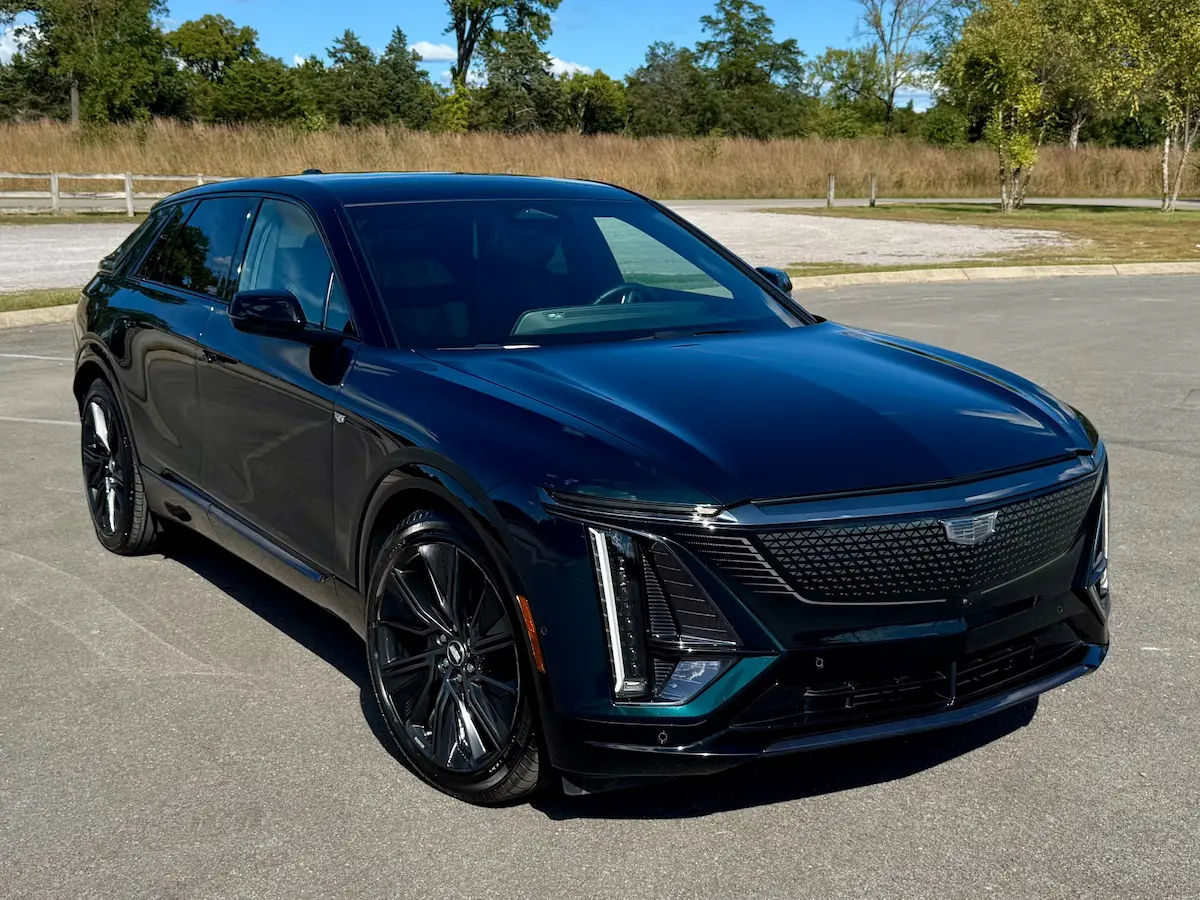
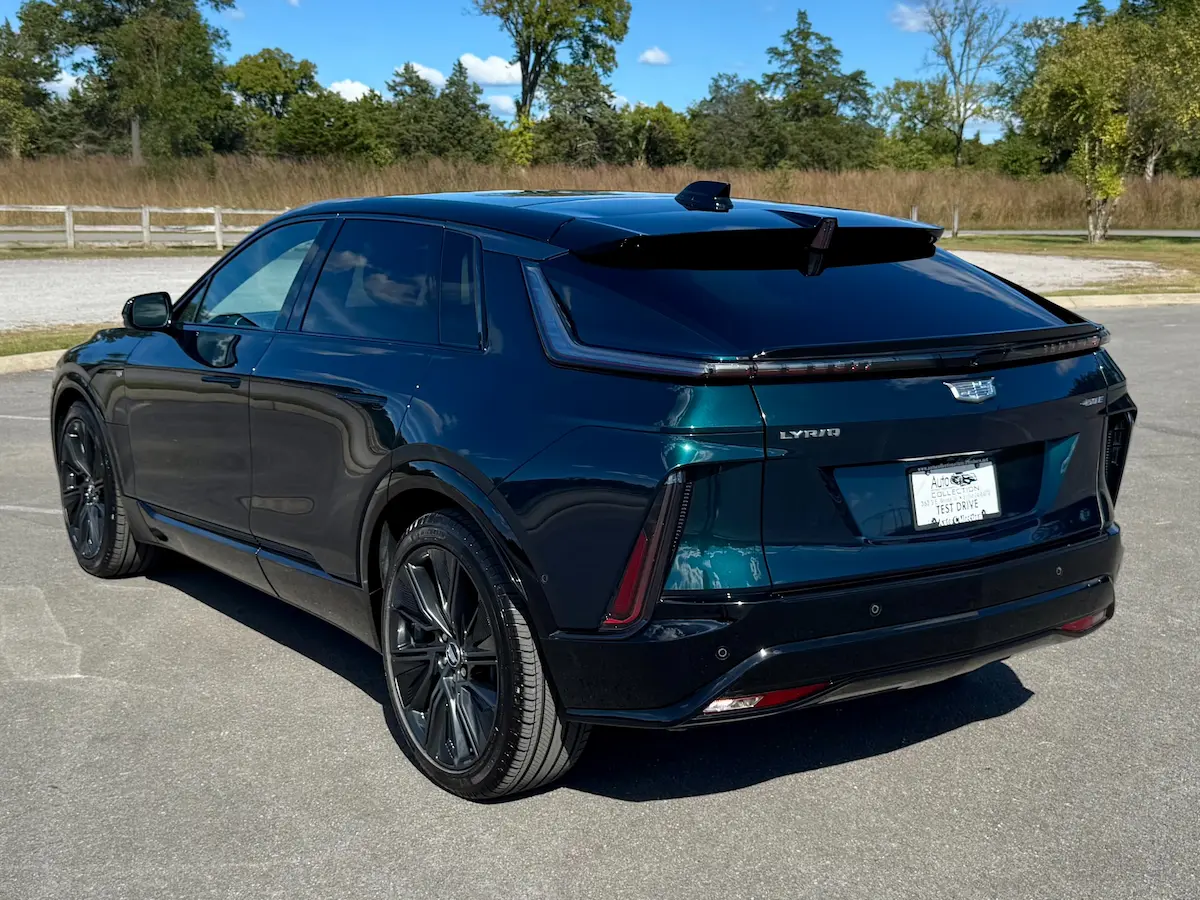
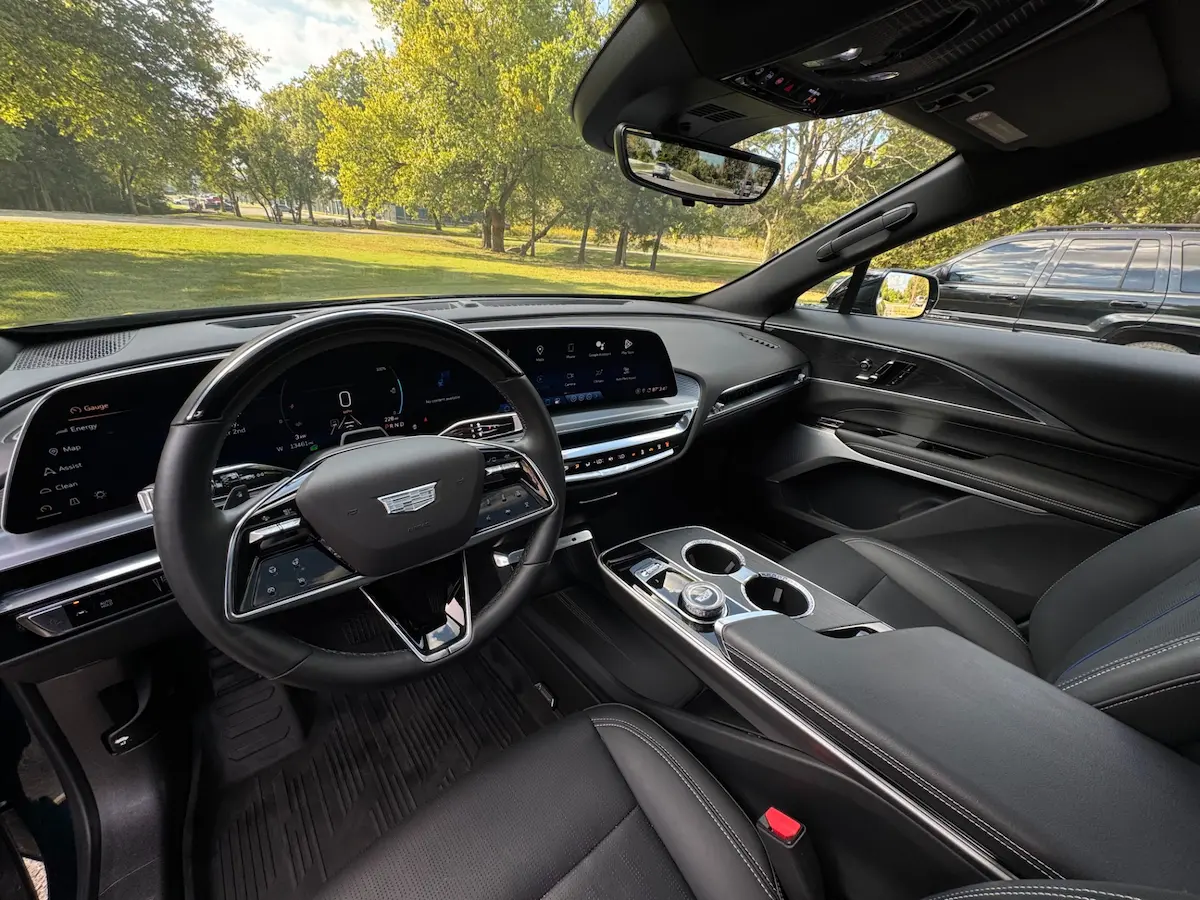
A Lucid Air stands out for range and design, while a Cadillac Lyriq may appeal to buyers looking for a newer American luxury EV. For shoppers considering that direction, our Cadillac Lyriq review gives a closer look at range, charging, features, and ownership expectations. The GMC Hummer EV is in a category of its own and should be evaluated differently than a typical electric SUV.
The key is to look beyond the price drop. Think about how you will use the vehicle, how much warranty remains, how charging fits your lifestyle, and what ownership will look like over the next few years.
A big discount can be a great opportunity on one model and a reason to be cautious on another.
For shoppers looking closely at a larger electric luxury sedan, our used Tesla Model S buying guide goes deeper into trims, range, battery health, and long-term ownership expectations.
What to Check Before Buying a Used Luxury EV
Before you buy a depreciated luxury EV, take a close look at the details that matter most.
Start with the battery warranty. Check how much coverage is left and what it actually covers. Consumer Reports recommends checking this carefully when buying a used EV because battery coverage is usually separate from the vehicle’s main warranty.
Next, focus on real-world range. What matters is not the original range rating when the vehicle was new. What matters is whether the current range works for your daily driving.
You should also review the vehicle history, service records, accident reports, charging equipment, and overall condition. Tire wear is especially important because many luxury EVs are heavy, powerful, and can wear through tires faster than expected. Because these are still luxury vehicles, the lower purchase price does not always mean low ownership costs.
Finally, consider service and support. Even a great EV can become frustrating if getting help or repairs is difficult.
The best used luxury EV purchases come from looking at the whole picture, not just the price.
Who Can Benefit Most From Used Luxury EV Depreciation?
A used luxury EV can be a great value for the right buyer.
It often makes the most sense if you can charge at home, have fairly predictable driving habits, and plan to keep the vehicle for a few years. In that situation, you get to enjoy the lower purchase price without focusing too much on future resale value.
These buyers usually want a quiet ride, quick acceleration, premium features, and modern tech. They are not choosing the vehicle just because it lost value. They are choosing it because it fits their lifestyle and now costs a lot less than it did when new.
A pre-owned luxury EV can also work well as a second vehicle for commuting, errands, or regional travel where range is less of a concern.
For many shoppers, EV depreciation creates a chance to step into a luxury vehicle that may have been out of reach when it was new.
Who Should Be More Careful?
A used luxury electric vehicle is not the best fit for everyone.
If you cannot charge at home or work, ownership may be less convenient than expected. Buyers who regularly take long road trips with little planning may also find a gas luxury car or hybrid easier to live with.
You should also be cautious if the main reason you like the vehicle is the big drop from its original price. A lower price alone does not make it a good purchase.
Short-term owners should think carefully as well. If you expect to sell or trade the vehicle again soon, future depreciation may matter more.
It is also smart to be cautious with EVs that have limited warranty coverage left, unclear history, upcoming tire or maintenance costs, or technology that already feels dated.
The goal is not to avoid used luxury EVs. It is simply to make sure you are buying one because it fits your needs, not just because it looks like a bargain.
The Simple Decision Filter
Before you decide whether a depreciated luxury EV is a smart deal, ask yourself a few direct questions:
- Can I charge at home or work?
- Does the current range fit my normal driving with room to spare?
- Is there meaningful battery warranty remaining?
- Does the technology still feel current enough for me?
- Are the tires, brakes, and service history in good shape?
- Am I comfortable with the brand’s service network?
- Would I still want this vehicle if it depreciates more?
- Am I buying it because it fits my life, or because the price drop looks dramatic?
Those questions usually make the decision clearer.
If most answers are positive, depreciation may be the reason the vehicle becomes a smart buy. If several answers create doubt, the lower price may be warning you to slow down.
Final Thoughts: Smart Deal or Warning Sign?
A used luxury EV is not automatically a great deal, and it is not automatically a bad idea either.
The real value comes from finding a vehicle that matches your needs. If the discounted price still lines up with the vehicle’s real-world usability, ownership support, and long-term value, it could be an excellent buy. If you are focused only on the discount, it may be worth taking a closer look before moving forward.
Whether you are considering a used Tesla Model S, Model 3, Model Y, Lucid Air, Mercedes-Benz EQS, BMW i7, Porsche Taycan, Cadillac Lyriq, or GMC Hummer EV, the same rule applies: make sure the vehicle fits your daily life.
The best buyers do not shop based on the biggest price drop. They focus on the complete ownership picture, including how the vehicle has been cared for, what it may cost to keep, and how useful it will feel after the first few months.
When those pieces come together, luxury EV depreciation can create a real opportunity to own a premium electric vehicle for far less than its original price. From there, browsing browsing current high-end pre-owned inventory can help you compare real vehicles by mileage, history, features, and price.
Why do used luxury EVs depreciate so much?
Used luxury EVs can depreciate quickly because luxury vehicles already lose value from high original prices, and EV technology changes faster than many traditional vehicle categories. Range, charging speed, software, new model updates, and buyer confidence can all affect resale value.
What should I check before buying a used luxury EV?
Check battery warranty, current usable range, vehicle history, service records, tire condition, charging compatibility, software functionality, and service access. For luxury EVs, the individual vehicle matters more than the original MSRP.
Are used luxury EVs good for daily driving?
They can be excellent daily drivers if charging is easy and the range fits your routine. Many luxury EVs are quiet, smooth, quick, and comfortable in everyday use. The experience is usually best for buyers who can charge at home or work.
Does mileage matter on a used EV?
Yes, but mileage is not the only factor. Battery condition, range behavior, warranty coverage, charging history, software status, and vehicle history also matter. A lower-mileage EV is not automatically better if other details are weak.
Is used luxury EV depreciation a smart deal or a warning sign?
It can be either. It is a smart deal when the vehicle fits your range needs, charging access, warranty comfort, and ownership plan. It is a warning sign when the buyer is only chasing a low price without understanding why the vehicle depreciated.